
Fashion
The three must-have additions for a more luxurious home

A house can be in an enviable location or have the most stunning architecture, but it’s quality furniture that will make you feel truly at home.
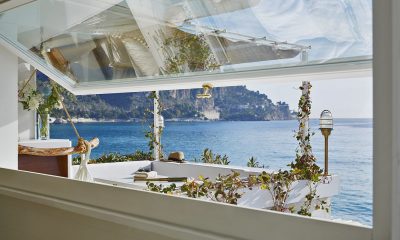
Add a dash of class to your abode with DEDON’s 2016 collection. From iconic new loungers to sculptural side tables and more, discover outdoor living at its most luxurious.

MBRACE by Sebastian Herkner

DEDON MBrace in Spice
 MBRACE takes a joyfully unconventional approach to outdoor furniture, bringing DEDON Fiber seating and a solid teak base together for the very first time. The result is an eye-catching, instantly likable collection of chairs — wingback, lounger, rocker and optional footstool — that captures the spirit of barefoot luxury while extending the DEDON design language into new, more Nordic territory.
Conceived by one of Europe’s most talked-about young design talents, Sebastian Herkner of Germany, MBRACE fully lives up to the welcoming gesture invoked by its name. One experiences a warm, secure, cocooning feeling when being embraced by the chair’s extra-wide back, especially after a cool dip in the pool. Herkner designed the seat to be invitingly comfortable even late in the season, after MBRACE’s luxurious seat cushions have been stored away.
One of the collection’s most distinctive features is an open, mesh-like triaxial weave consisting of three different fibers, each with its own profile and color. Working in close collaboration with world-renowned colorist Giulio Ridolfo, Herkner and DEDON developed three unique colorways for the collection — Spice, Pepper and Atlantic. With their resonances of travel, trade and adventure, the colorways perfectly support Herkner’s aim of addressing the wide, international audience of DEDON, including “young and sophisticated explorers”.
From beautiful Capitone to comfortable weaving, MBRACE comes with optional cushion sets for every taste. By bringing solid teak and DEDON fiber together, expressing subtle but joyful new colorways and — let’s not forget! — bringing rocking chairs to the poolside, this captivating collection opens new possibilities for creating the outdoor living room of your dreams. Get embraced!
PORCINI by Lorenza Bozzoli

DEDON Porcini
 The right accessory can bring a new dimension to any outdoor living room, adding a subtle twist, enriching the material mix and helping to complete the overall atmosphere. But what exactly is the right accessory? It has to be beautiful, of course. It has to be interesting. And it ought to be unexpected. In other words, the right accessory for almost any outdoor setting is PORCINI, by Lorenza Bozzoli.
Named after the beloved Italian mushrooms it casually resembles, PORCINI is a collection of sculptural side tables as practical and versatile as it is delightful to the eye. Available in three heights, two different base styles and two elegant colorways, the side tables integrate with any DEDON collection and make the strongest impression when displayed together in a mix of shapes and sizes.
All versions of PORCINI come with a tabletop of rich, smooth, scratch-proof, shock-resistant ceramic in a choice of Black or Taupe. The woven base, available for all three heights, comes in dark Marrone (for the Black top) or lighter Carrara (for the Taupe top). The all-ceramic base, available only in the short and medium heights, also comes in a choice of Marrone or Carrara.
While the all-ceramic version shows off PORCINI’s organic, sculptural form to full effect, the woven version presents an eye-catching mix of colors, materials and textures. In addition to DEDON Fiber, the masterful weave incorporates ropes of carefully selected, tone-on-tone and shiny yarns, woven in Italy exclusively for DEDON by one of the world’s leading traditional marine-rope weavers.
As artful and irresistibly charming as they may be, the PORCINI sides tables are also useful, offering sturdy tabletop-space at a variety of heights. The short, squat version even features its a hidden basket, perfect for storing towels or protecting personal items from direct sunlight. So what are you waiting for? Plant PORCINI and bring a whole new dimension to your outdoor living room.
TIGMI by Jean-Marie Massaud

DEDON Tigmi
 Every so often, DEDON introduces a signature piece of furniture with the power to change the way we think about outdoor living. Now, in the tradition of the ORBIT rotating sunbed and NESTREST hanging lounger, comes TIGMI by Jean-Marie Massaud. Merging sofa and shelter into a new typology, aesthetically satisfying and supremely comfortable, TIGMI brings people together outdoors as never before.
The sofa structure underlying TIGMI is uncommonly wide and deep. Able to accommodate several adults with ease, it doubles as a daybed, sleeping two in intimate comfort. But TIGMI is at its best when paired with its matching woven roof (optional). A remarkably unified piece of microarchitecture, it offers the sense of being indoors and outdoors at once, recalling the relaxing atmosphere of a shaded bower.
Hand-woven by DEDON’s master weavers in an open, semi-transparent style, TIGMI’s roof evokes the improvised, thatched palm covering of a palapa or beach hut. As light and shadows play across the interior, users are transported to a holiday state of mind, as if gathered together at the beach bar of a rustic resort. Enclosed on three sides, TIGMI establishes a shared viewpoint that reinforces this communal experience.
One of the most comfortable pieces DEDON has ever created, TIGMI features two layers of cushioning all around—a thick outer layer covered in special waterproof fabric and a pillowy inner layer (the one that touches the skin) in DEDON’s luxuriously soft outdoor upholstery. The lightweight inner layer can be easily removed and stored, while the quick-dry layer underneath can stay outdoors. The convenience of the two- layer cushion concept is matched by the ‘no tools’ roof-attachment system.
Named for a Berber word meaning both “house” and “shadows,” TIGMI by Jean-Marie Massaud represents a unique combination of sofa and shelter, cosiness and communality, comfort and convenience. An icon in the making, it’s the next in a line of DEDON signature pieces that are changing the way we experience life outdoors.
LIVING INNOVATIONS
G/F Fort Victoria 5th Avenue cor. 23rd Street
Fort Bonifacio Global City
1226 Metro Manila
To see the full collections, visit www.dedon.de.





Fashion
Ramon Valera; Manila Society’s Fashion Darling
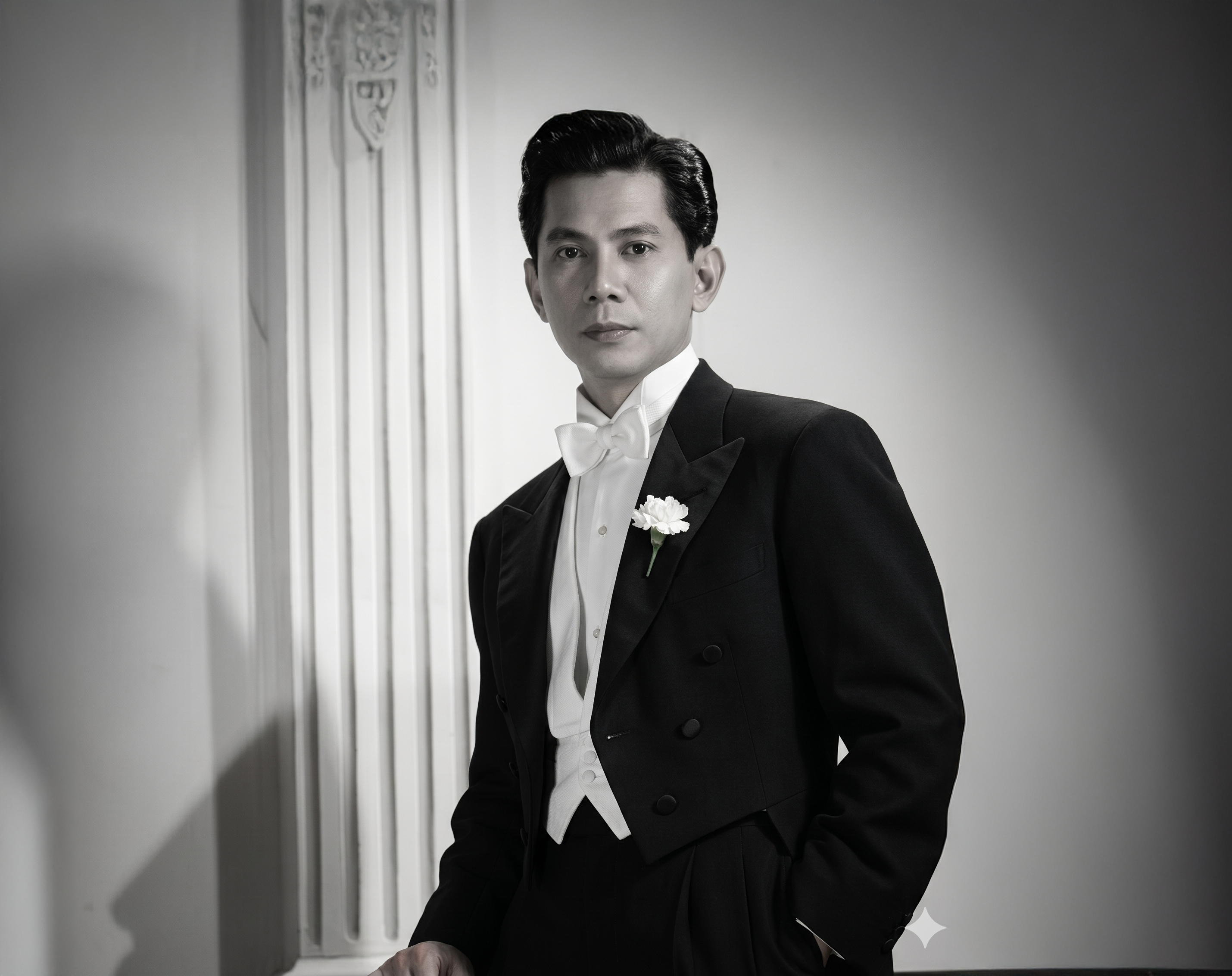
by Jing Ramos
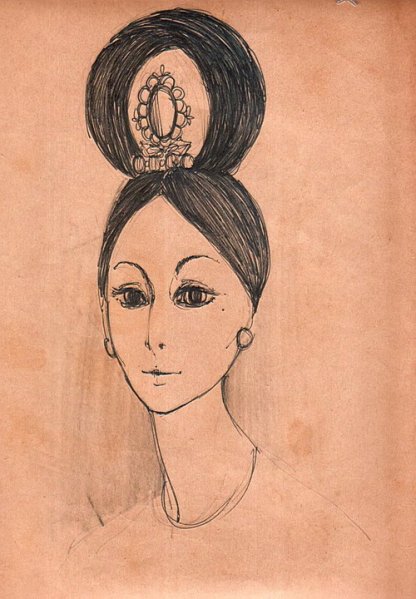
Ramon Valera’s fashion sketches were drawn on paper as they flashed in his mind.
“Without Ramon Valera, there would have been no high society in the Philippines, but it may be right to say that without high society, there would be no Ramon Valera.” –Abe Florendo
Ramon Valera, the first National Artist for Fashion Design, was born in Sta. Cruz, Manila. He came from a wealthy family. His parents, Melencio Valera and Maria del Pilar Oswald, moved in prominent business circles in postwar Manila. He had the privilege of studying at La Salle College and later pursued a course in Commerce at Far Eastern University. It wasn’t long before his artistic inclinations prevailed, leading him to quit school and establish a fashion atelier. This marked the beginning of Ramon Valera’s profession as a fashion designer.
Previously, Valera had apprenticed under Mina Roa, who made ternos for the elite and was known to be a dominant figure in the fashion industry. Mina Roa taught Valera the rudiments of the classic European techniques of construction and draping.
It was during the 1950s and 1960s that Ramon Valera’s career flourished, coinciding with the golden era of a new and modern Philippine society fueled by progressive postwar entrepreneurship and the undeniable presence of old-money families. The designer was celebrated for his craftsmanship and originality, but his most important contribution was revolutionizing the national costume.
Ramon Valera is credited with revitalizing the traje de mestiza, otherwise known as the Maria Clara, traditionally a four-piece garment comprising a blouse, skirt, overskirt, and scarf. The terno was soon transformed into a one-piece ensemble and, instead of being fastened with hooks, was secured with a zipper. The butterfly sleeves were emboldened in volume, which remains a staple among contemporary designers. Valera also discarded the pañuelo, exposing the woman’s décolletage, which was considered very risqué at the time. A few of his clients dared to wear them, including Mrs. Claro M. Recto and Mrs. Primitivo Lovina, who were broad-minded enough to ignore public scrutiny. He brazenly transformed the Maria Clara into a wedding gown and successfully established it as an icon. It soon appeared in countless society weddings because Manila brides could not get enough of Valera’s originality and flawless execution.
Ramon Valera was known among his peers as the consummate snob. His random impromptu remarks often left people in stitches. When he saw his niece, Peching Zulueta Gomez, dressed in a combination of red, white, and blue, he commented, “Now you can sing the national anthem.” On another occasion, when asked why he had turned down a very important potential client, he replied, “She doesn’t have a torso.”
He had the luxury of choosing whom he wanted to dress, focusing mostly on formal gowns and bridal trousseau for a highly select clientele. He attended to his clients personally, tape measure in hand, and it was not so much “by appointment” as “by invitation only.” His demeanor was dignified, and he was a man of painstaking habits and judgment.
Ramon Valera’s famed dinner parties were planned meticulously, and his distinctive style left its imprint on everything—from the dinner menu to the floral arrangements, down to the silver and fine bone china used for the occasion. Everything was executed with impeccable taste.
A stellar list of Manila socialites wore his creations. Susan Magalona, when she married Carlos Ledesma, appeared in an extravagant lace-and-tulle terno. Pacita de los Reyes wore a groundbreaking terno without a pañuelo. Chito Madrigal donned a terno with a futuristic bubble skirt made from sixty-five yards of silk, hand-painted with flowers traced in beads. Pressy Lopez wore a white evening gown ruched throughout, complemented by a capelet of the same motif. Elvira Manahan dazzled in a leopard-print beaded evening dress paired with an opera coat in blue silk.
The list is seemingly endless, serving as a reminder of Ramon Valera’s influence on Philippine society and politics. In spite of all the accolades attributed to this brilliant innovator, and long before he was lionized as the Philippines’ National Artist for Fashion Design posthumously in 2006, the Valera brand had already been firmly established. Retrospective exhibitions were mounted in museums, countless articles were written about his contributions to the fashion industry, and his impact on Manila society was already secure.
Today, that legacy lives on, honoring the master who lived by his motto: “Cada traje es una obra maestra”—every dress is a masterpiece.
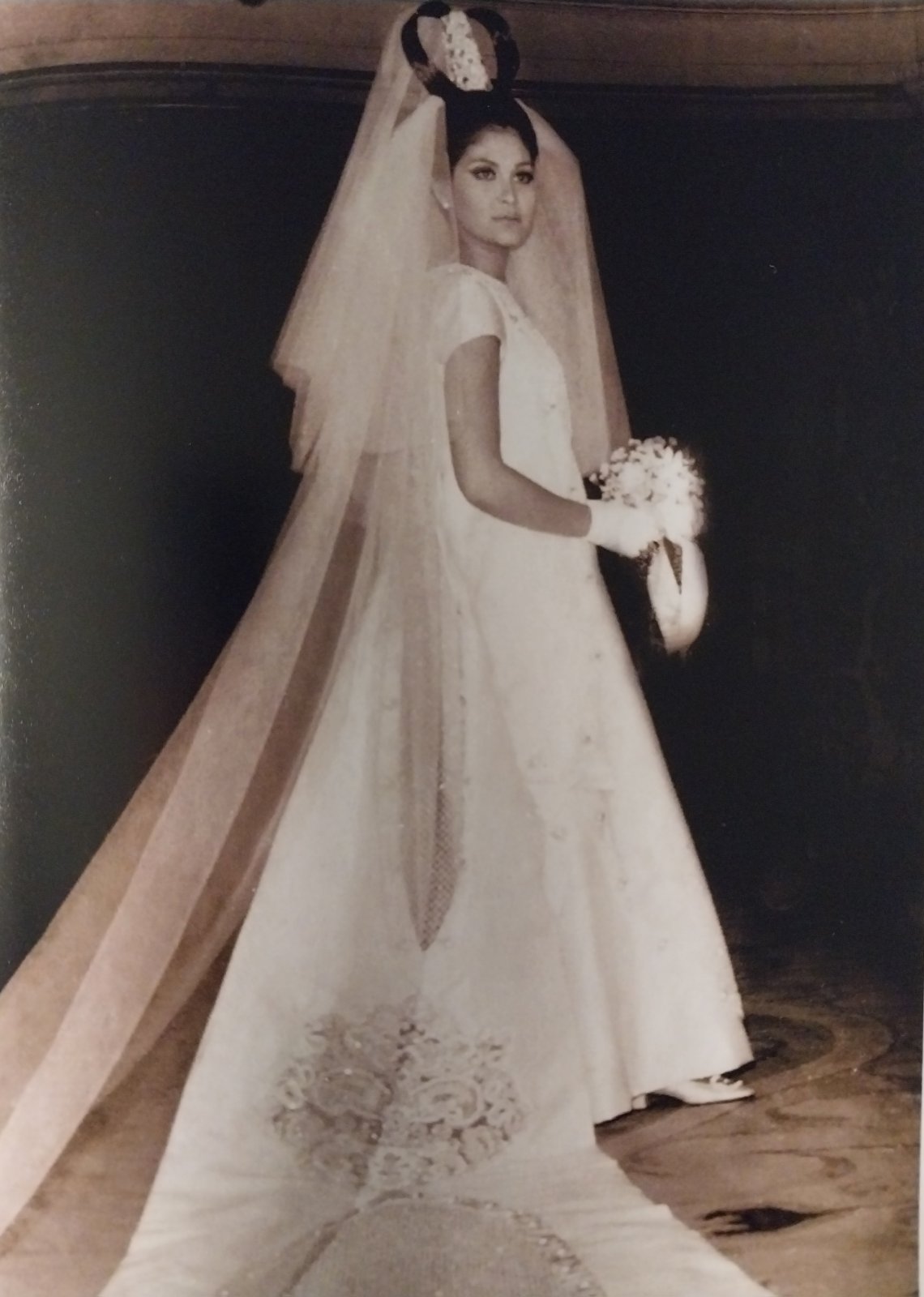
Margarita Romualdez
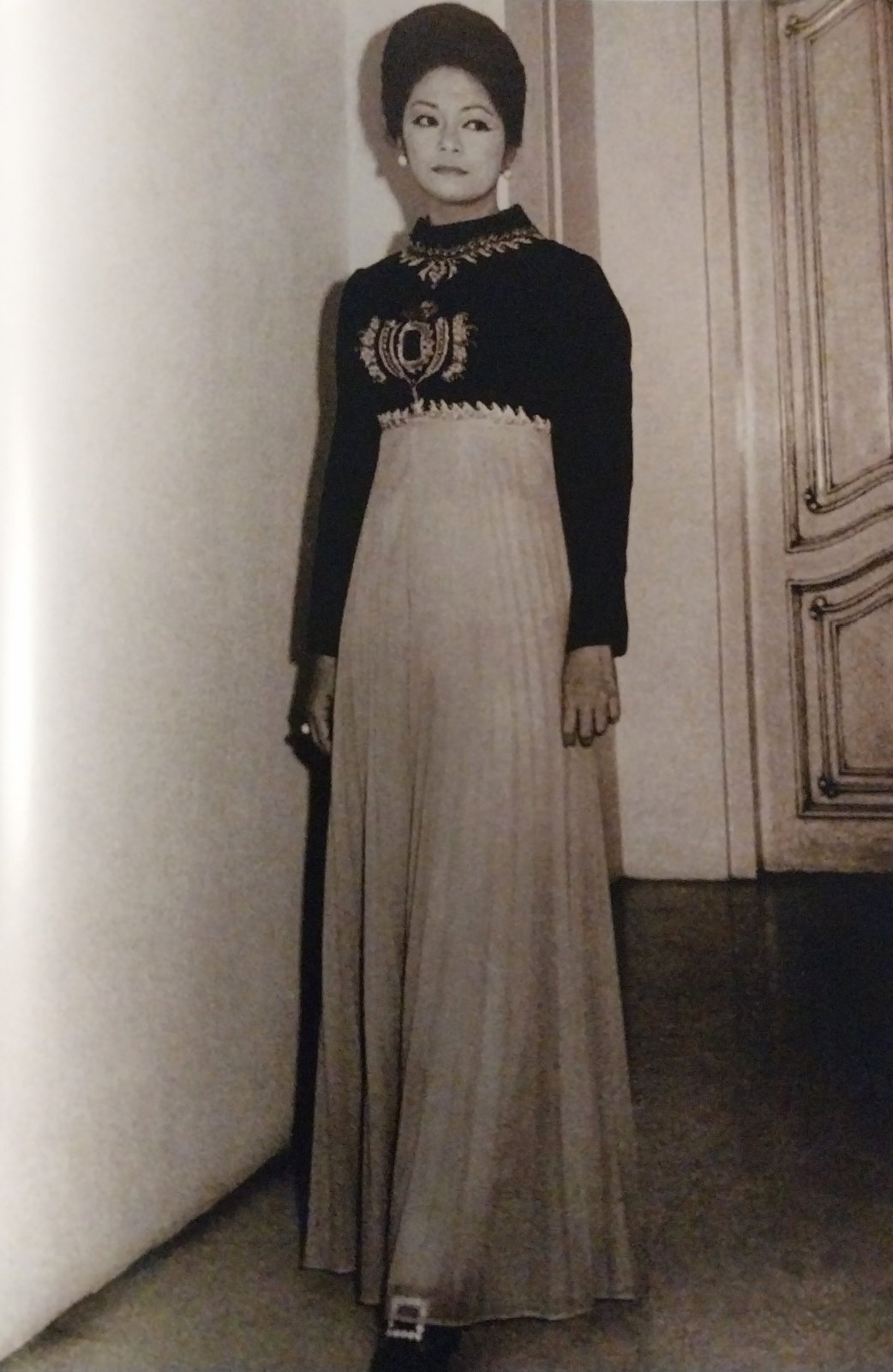
Fe Dolor Serrano
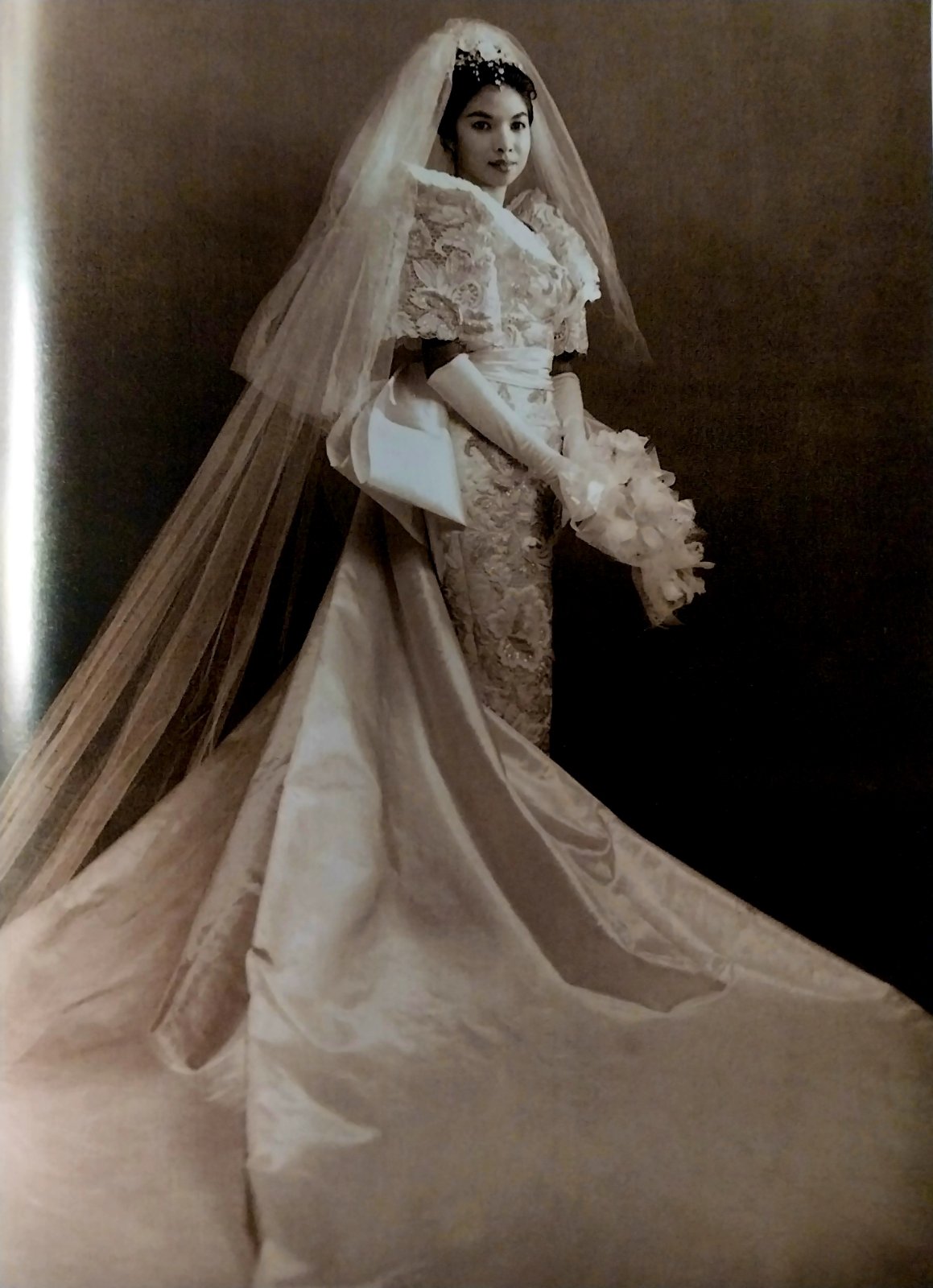
Rosemary Arenas
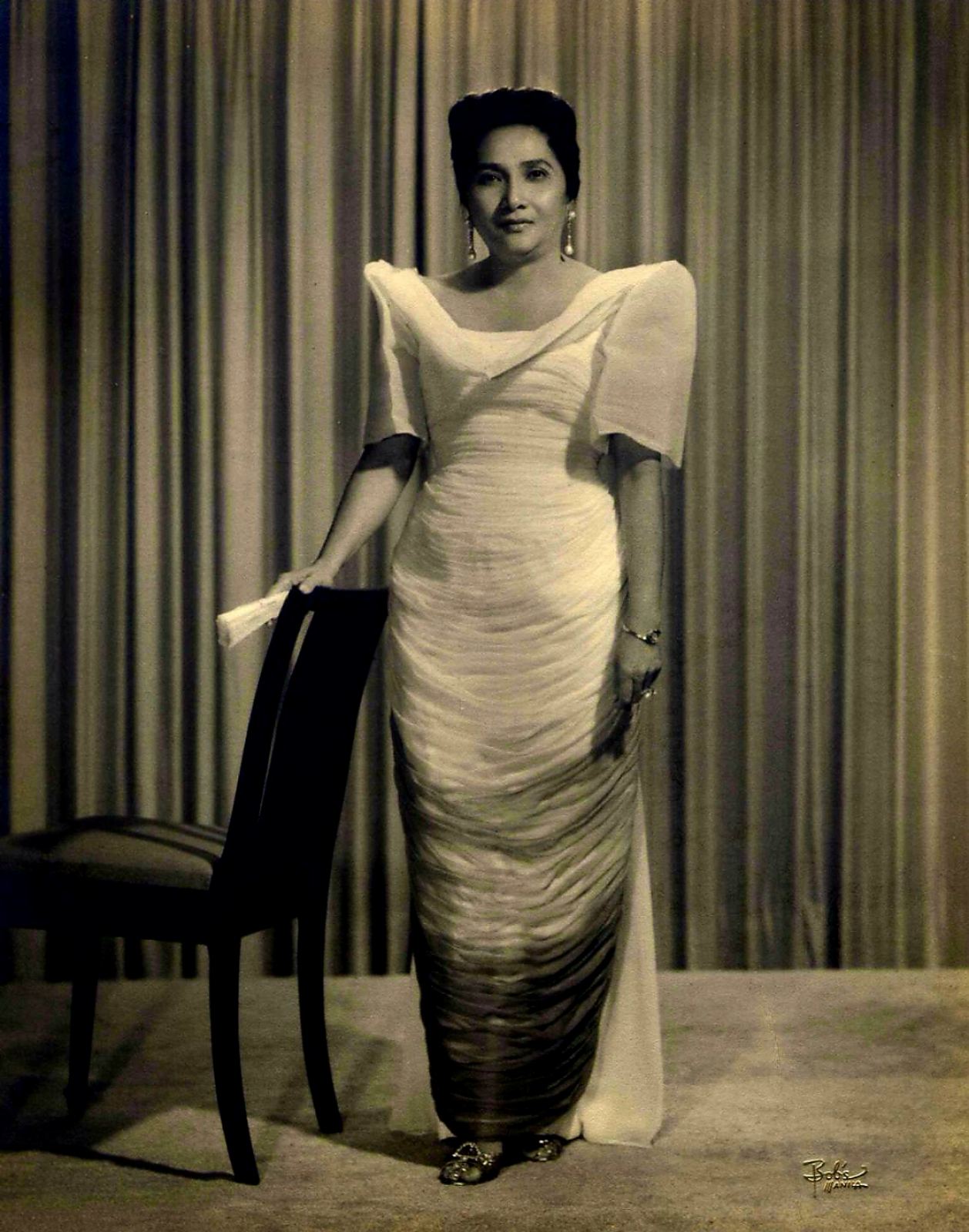
Leonila Dimataga Garcia
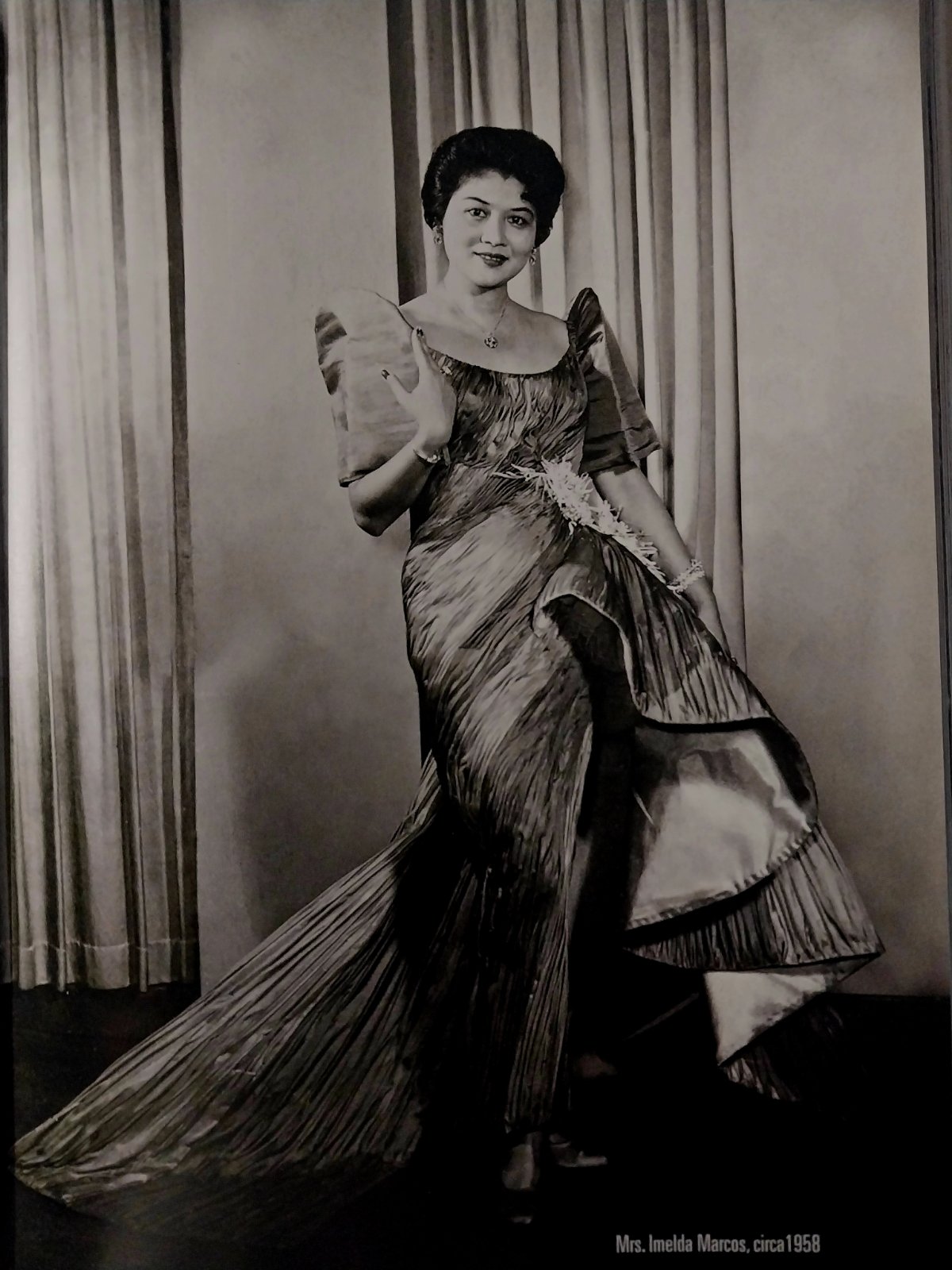
Imelda Romualdez Marcos
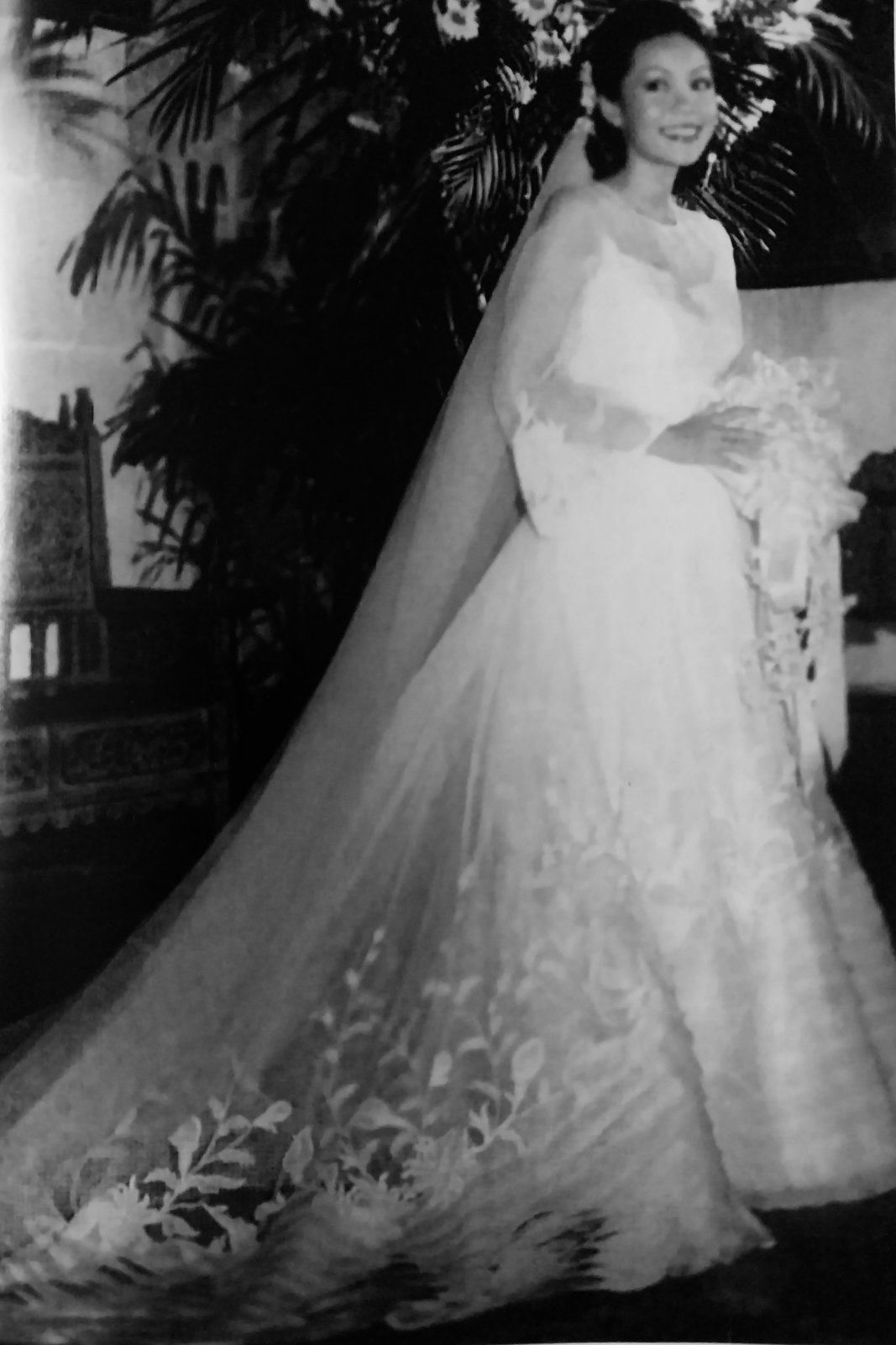
Lisa Tinio Bayot
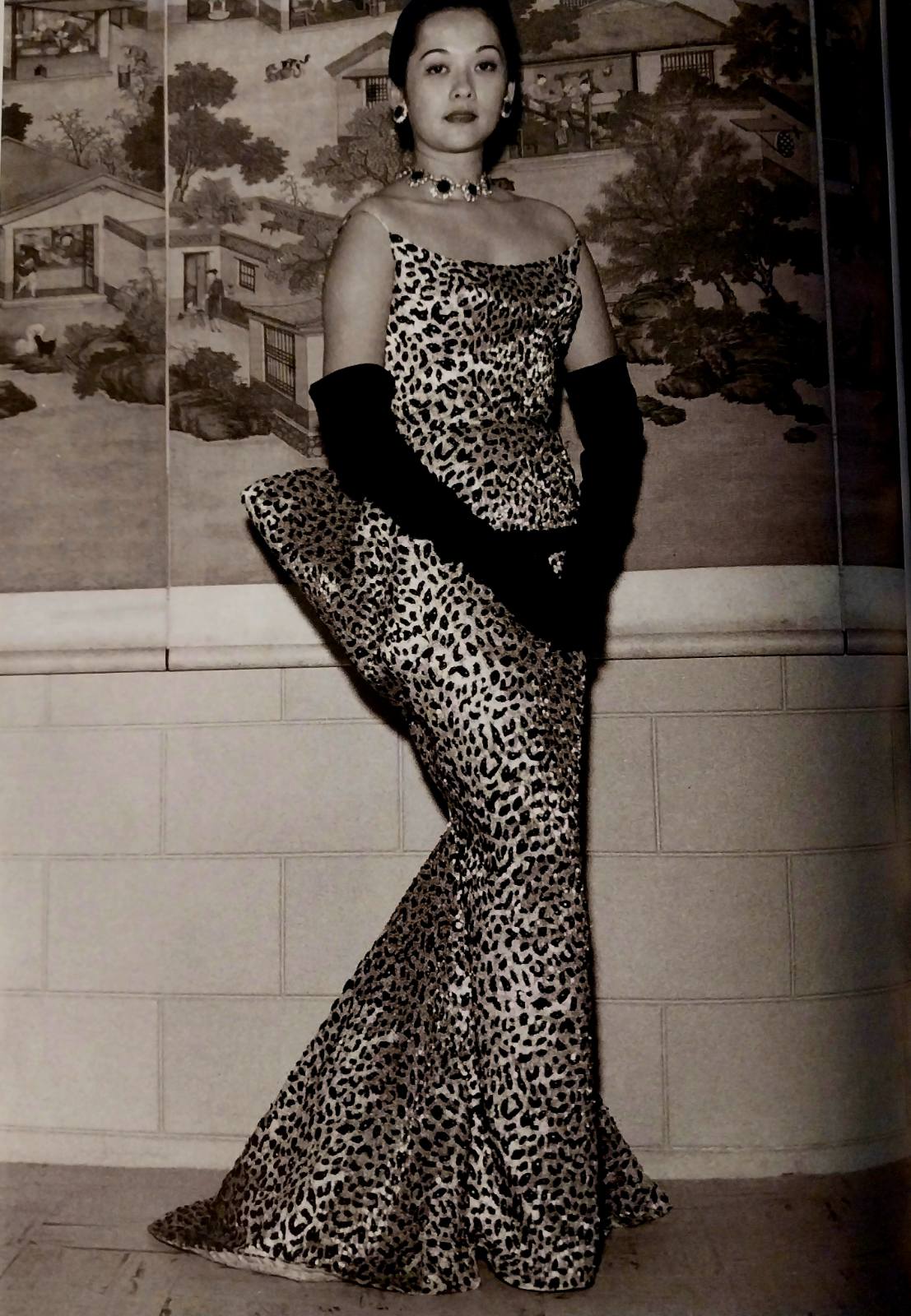
Elvira Ledesma Manahan
Fashion
Cloud Dancer: The Resonant Reset of 2026

by OJ HOFER
Pantone’s Color of the Year for 2026, Cloud Dancer, signals a deliberate shift toward clarity and restraint. This off-white hue—balanced, soft, and lightly luminous—emerges in response to visual saturation and constant acceleration. Rather than competing for attention, Cloud Dancer provides a neutral foundation, allowing design and intention to take precedence over excess.
Its relevance is underscored by the Year of the Fire Horse, which officially begins on February 17. Traditionally associated with momentum, decisiveness, and forward motion, the Fire Horse introduces an energetic rhythm that benefits from focus. Cloud Dancer offers that counterbalance. It tempers intensity without diminishing drive, creating space for action guided by intention. In this context, color operates not as decoration, but as a framework for decision-making.

RESTORATIVE SPACE. Natural tones set the calm, while subtle touches of black, deep brown, navy, or olive add quiet contrast—bringing depth and character to Wabi-Sabi spaces without disturbing their sense of balance.
In interiors, Cloud Dancer supports environments shaped by longevity and ease. Applied to walls, ceilings, and architectural surfaces, it reflects light with subtlety, enhancing spatial clarity without austerity. The hue pairs naturally with wood, stone, linen, and ceramic, reinforcing a preference for tactile materials and functional design. Homes become spaces for restoration and daily living, rather than display.

EFFORTLESS POISE. Louise Trotter’s Spring 2026 ready-to-wear for Bottega Veneta pairs a billowing jupe-culotte cotton trouser, anchored low on the hip, with an ultra-stretch silk tank for quiet, modern ease.
Fashion adopts Cloud Dancer as a study in form and construction. The color allows silhouette, proportion, and movement to take the lead. Tailored separates, fluid dresses, and layered essentials in this off-white tone read as considered and adaptable. It aligns with a continued shift toward wardrobe longevity and thoughtful repetition, where garments are designed to endure.

MODERN EASE. The white Chanel 19 brings relaxed refinement to your wardrobe with its soft, slouchy shape, oversized quilting, and mixed-metal chain hardware for a quietly chic finish.

CELESTIAL RADIANCE.White jade and selenite glow in warm, milky restraint, punctuated by a sculptural gold lotus and a serene Buddha face—an intimate expression of harmony, quietly attuned to the wearer’s birth rhythm. Available by appointment: 0910 418 2028
Accessories extend the narrative. Bags, footwear, and eyewear in Cloud Dancer offer continuity across seasons, while jewelry in pearl, brushed gold, and muted silver finds balance against the softness of the hue. The effect is understated, with design serving function rather than statement.

TIMELESS STRIDE. First unveiled in 2013, the Y-3 Qasa endures as a cult icon—its avant-garde silhouette carrying a vintage pedigree while remaining rooted in present-day wearability and select global availability.
Beyond aesthetics, Cloud Dancer reflects a broader lifestyle orientation toward simplicity and clarity. Its application across tableware, stationery, wellness spaces, and personal objects encourages mindful selection over accumulation. As 2026 unfolds, Cloud Dancer frames the year as one of refinement—supporting forward momentum with focus and restraint. Cloud Dancer is the resonant reset for 2026.
Fashion
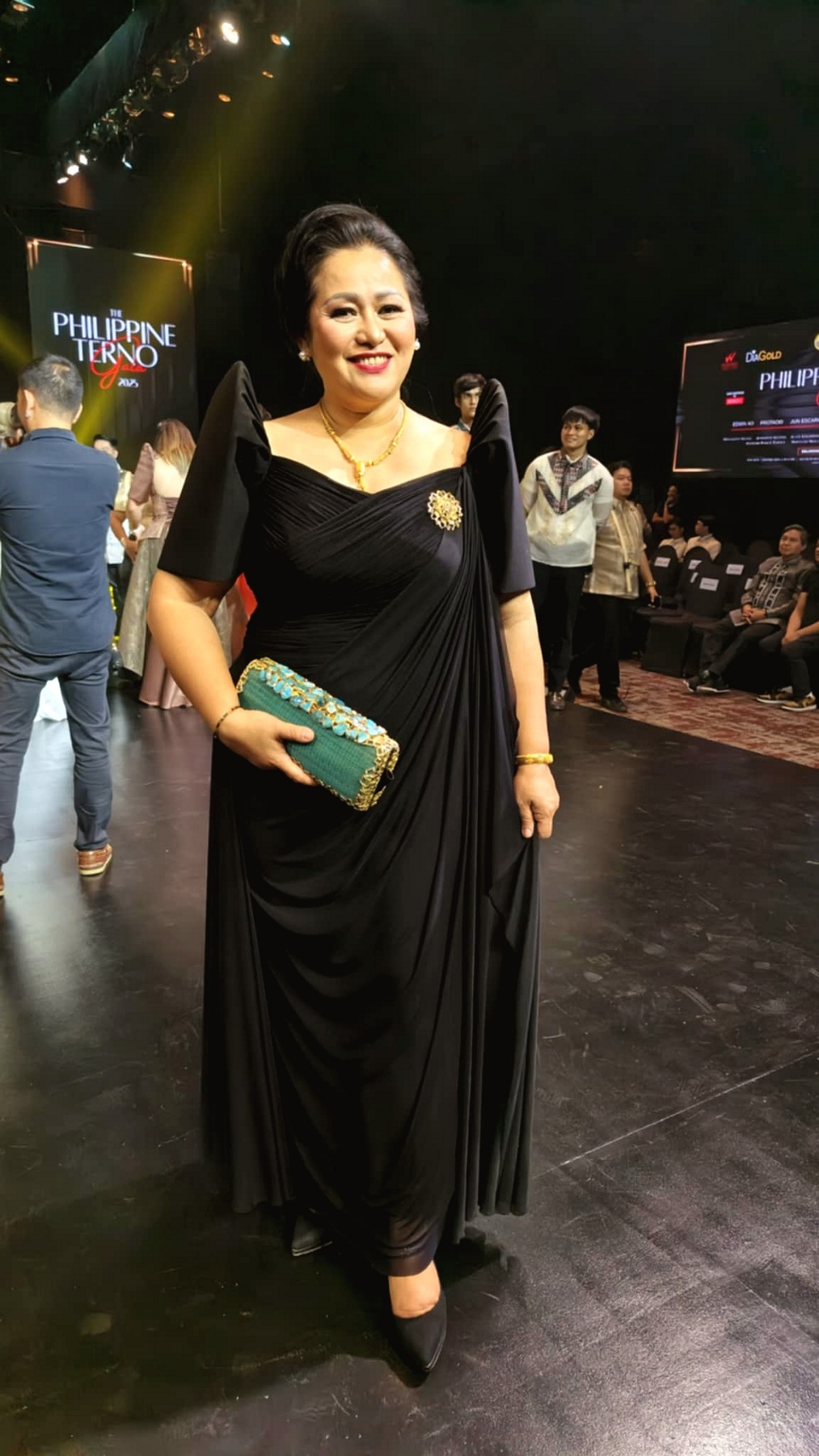
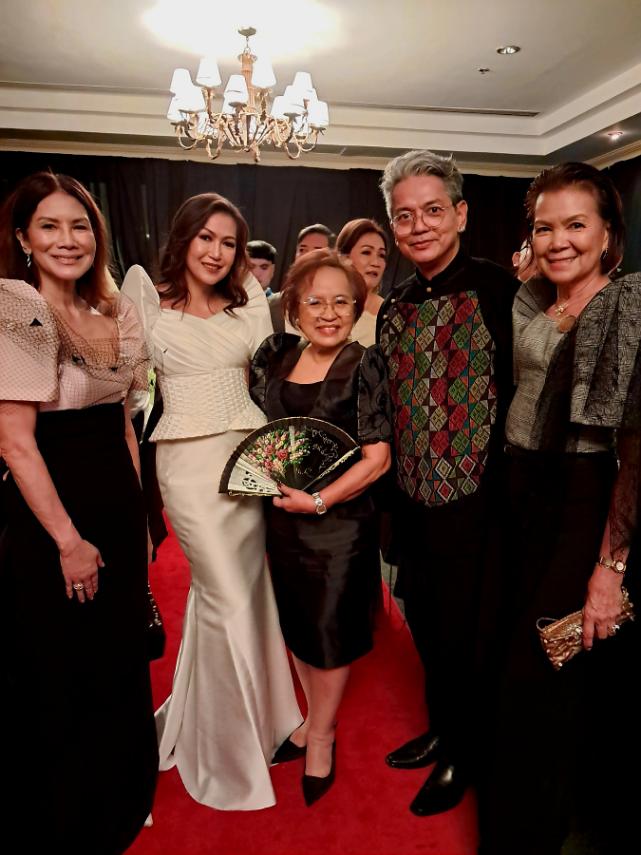
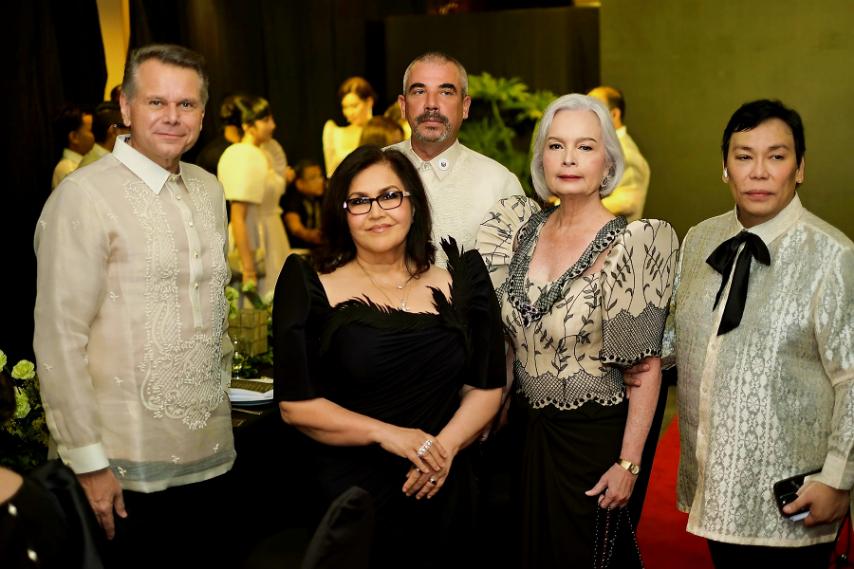
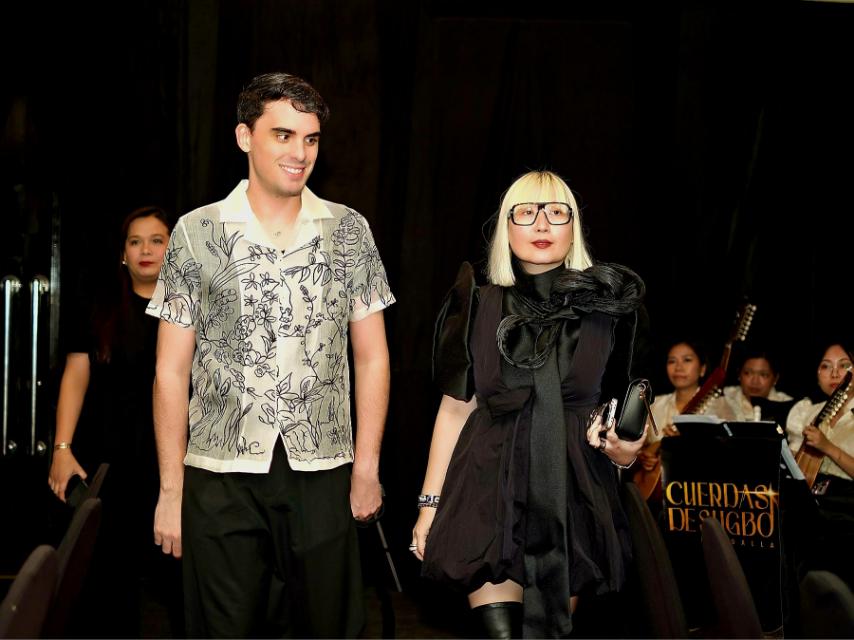
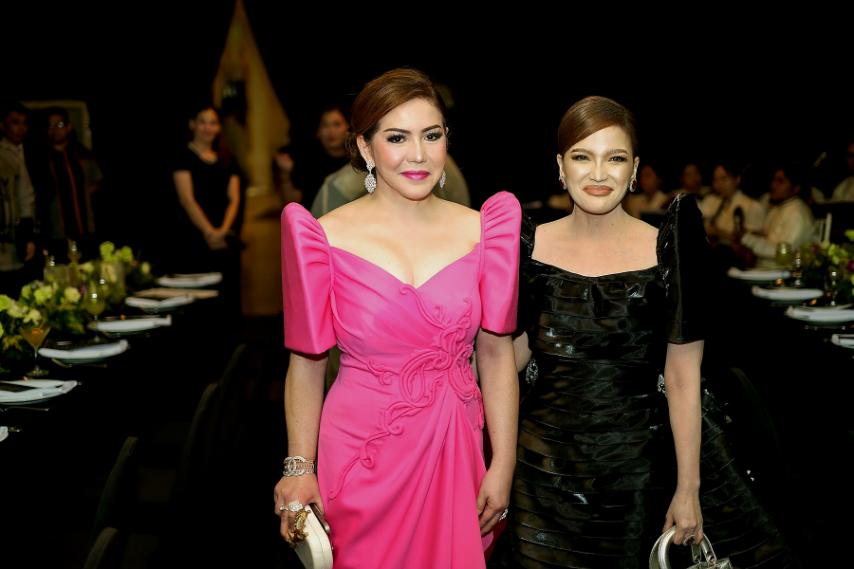
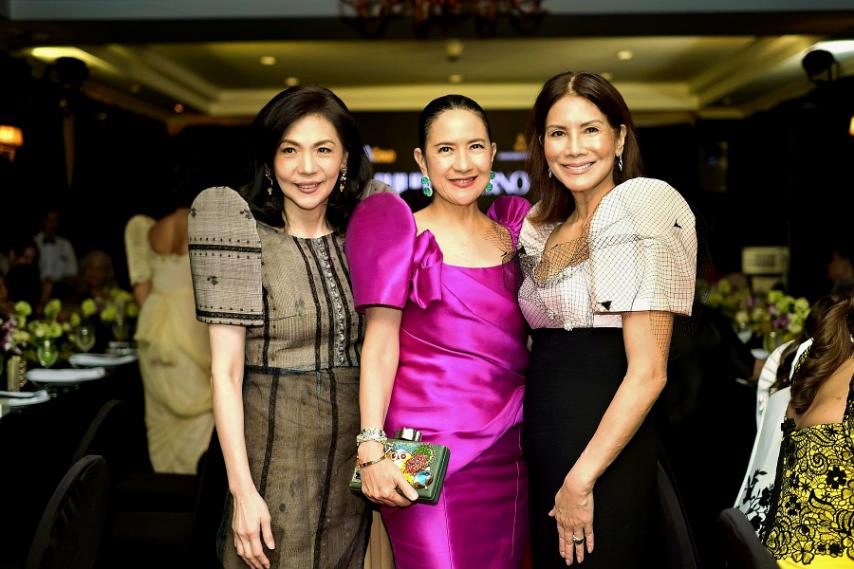
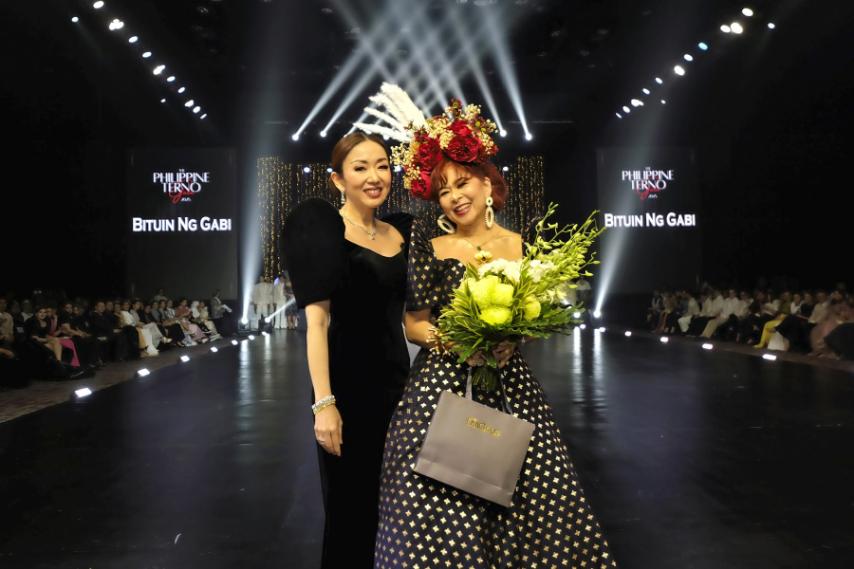
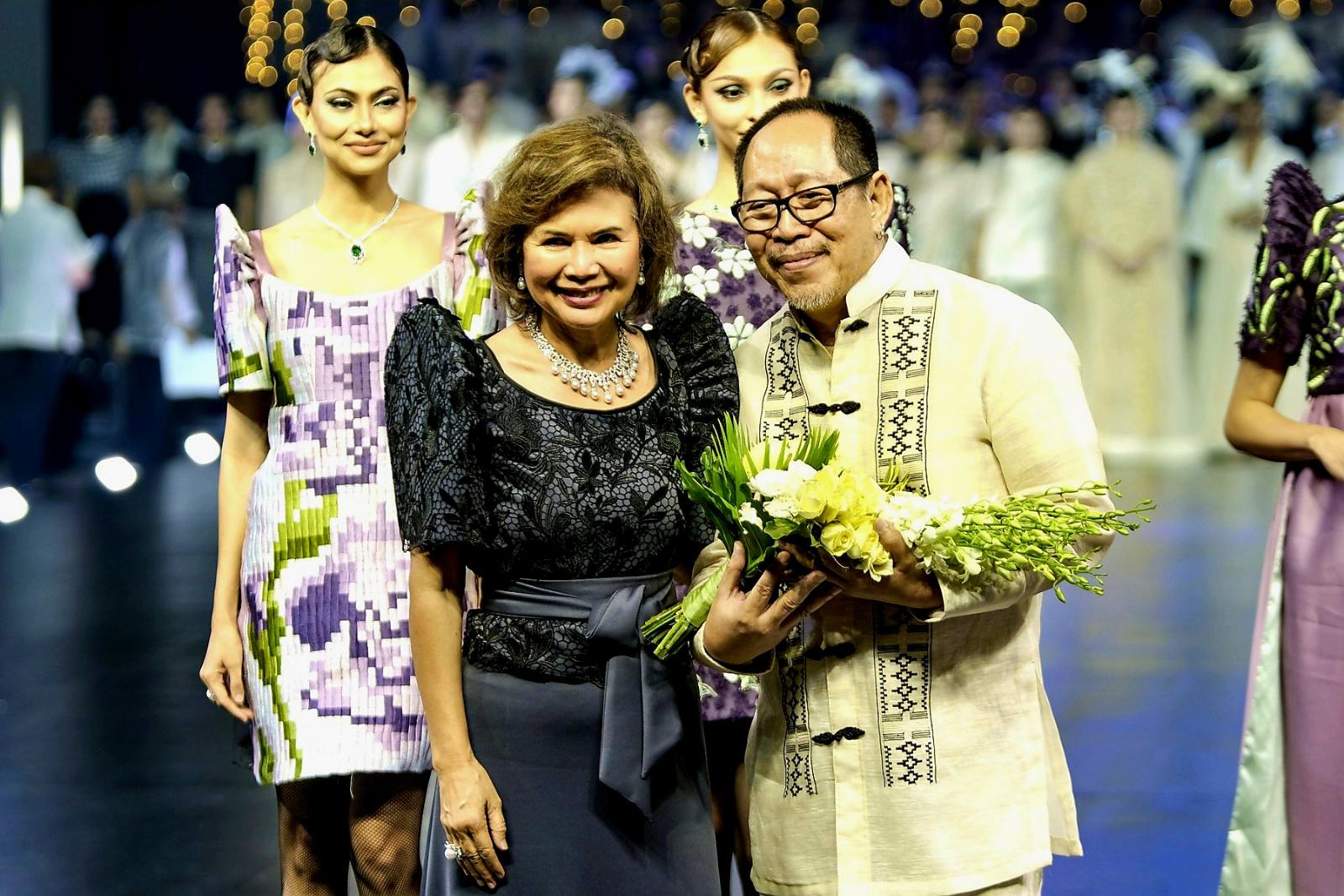
To See and Be Seen: Philippine Terno Gala, A Celebration of Heritage and Couture
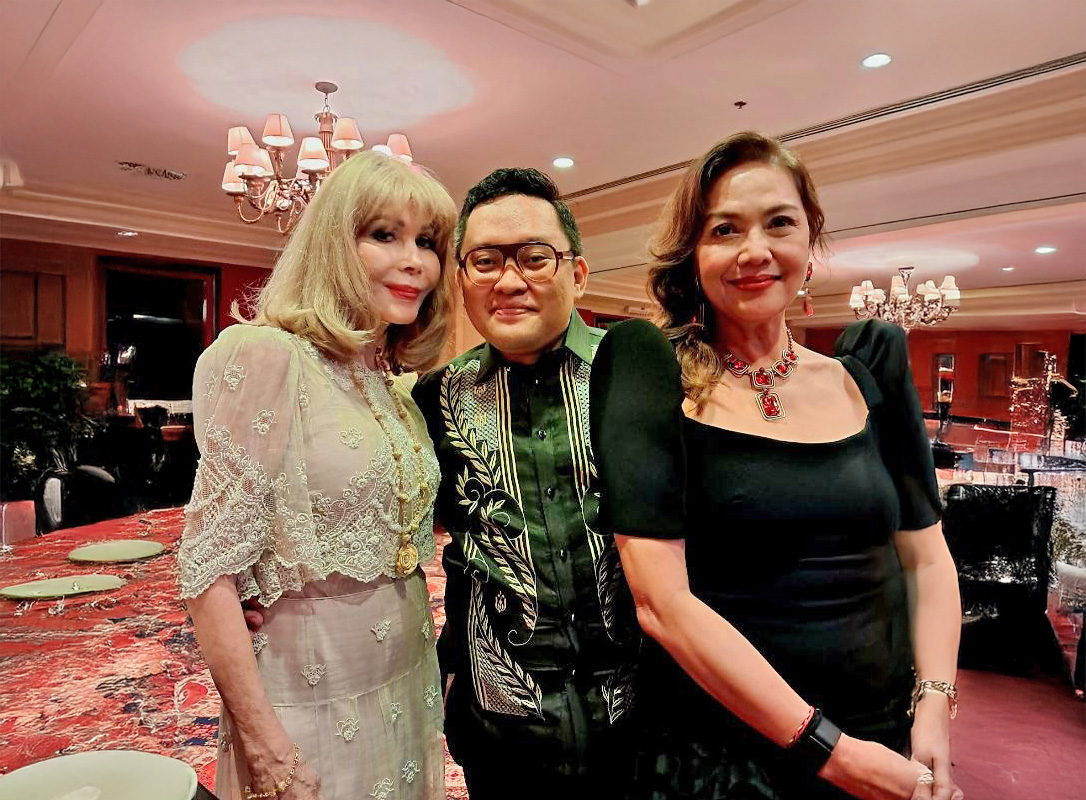
by Kingsley Medalla | photography Emmanuele Sawit


Cebu Isn’t Chasing Trends Anymore

Why Does Yayoi Kusama Matter to Cebu?

Assemblage: Art Exhibit Blending Themes of Infinity and Renewal

At the Table: Introducing Flora de Filipinas
Golden Prince Hotel’s Sinulog Royalty Experience

SM Fashion Forum reveals Cebu’s style influencers

5 Filipino Films That Continue the Conversation on Women Empowerment

Noise and Sounds: An Artform

Christmas in Colonial Cebu: A Themed Exhibit by Teresin Mendezona and Eva Gullas for Stylescapes 2019

Artisanal Cebu: Aspiring calligraphy artist Abigail Condrado

Experience authentic Korean Barbeque at Da-In Restaurant

Chaine des Rotisseurs: A Night of Spanish Cuisine
-
 Ogle La La 3.02 months ago
Cebu’s Heritage Is Not a Museum Piece, Darlings
-

 Prime Target3 months ago
James Morales Jr.; Capturing Significant Images Through His Lenses While Nurturing a Lifelong Passion for Vintage Cars
-
 Art Beat2 months ago
Assemblage: Art Exhibit Blending Themes of Infinity and Renewal
-
 The Scene2 months ago
At the Table: Introducing Flora de Filipinas
-
 Retail1 week ago
Cebu Isn’t Chasing Trends Anymore
-
 Art Beat1 week ago
Why Does Yayoi Kusama Matter to Cebu?
You must be logged in to post a comment Login