
inside
The Low-Impact Lifestyle We Want for 2019
For some of us, there is no other way like ending the year with a “bang”, experiencing parties here and there and all the drop of drinks and food till we enter a food-coma. Despite the grandeur of how we end 2018, we can take a look at how we can spend the low- impact lifestyle for the New Year.


For some of us, there is no other way like ending the year with a “bang”, experiencing parties here and there and all the drinks and food till we enter a food-coma. Despite the grandeur of how we end 2018, we can take a look at how we can spend the low-impact lifestyle for the New Year.
Low-impact living has been around for a long time now; it is all about finding ways to reduce waste in everyday life and encouraging other people and businesses to do the same. The best part of a low-impact lifestyle is finding simplicity along the way, no longer will be burdened by useless items and constant clutter. Your belongings are re-purposed, carefully chosen by you, to produce the most use. This also goes with how we invest in products that are reusable or has as less plastic as possible.
What can we try out this New Year with Low Impact Living?
Sometimes we get used to purchase products that involve plastic that are mostly one-time use. A good example of this is bottled water. In the Philippines, we have two types of bottled drinking water—the regular bottled water you can buy from the grocery and convenience stores, and the 5 gallon refillable ones. If you’re often active on social media, we can see videos or photos that depict the various negative impacts of single-use PET bottles to the environment. To minimize this, you can actually store reuse the water bottle instead of just throwing it away. By choosing to stop buying “mineral water”, not only do we minimize trash, we also save a bit of money.

One thing we can also watch out for is the use of tissues; sometimes, when we eat out or visit a café, we are handed out free napkins or tissues. So instead of buying wet wipes, we can actually store and keep the unused napkins in a resealable bag and use them in case there is no hand towel for drying off when washing.
For those who are into skin care, cotton swabs or pads are the most vital things we get to use for products. Yes, cotton is 100% biodegradable, but most products—especially the commercial ones sold in the market today—uses a blend of synthetic fibers and bleached with chlorine. Pretty scary. We can change a skin care routine by opting to purchase multi-purpose products and trying out some items with zero-waste alternatives.

“What can I do more to support this advocacy?”
As mentioned, most people have been transitioning to the lesser yet practical way of living in the purpose of lessening the environmental impact/carbon foot print. When we were children, we were introduced to the 3 Rs of waste management—which are Reduce, Reuse and Recycle. With low-impact living, we are introduced to additional R’s: Refuse, Re-purpose and Repair.
Making small changes like buying local products, commuting once in awhile, shopping at second-hand stores or transforming old things to something purposeful are just a few examples. It’s not just beneficial for the environment, but also for our community and society as a whole. Making a few changes could result in a happier and healthier New Year!

inside
7 Things You Need To Know Before Watching Balangiga: Howling Wilderness
Following its premiere in October 2017, controversies still creep on “Balangiga: Howling Wilderness”.
This one-of-a-kind film with surreal takes on one of the Philippines’ dark times surely deserves our time. The story is seen through the eyes of a boy that uniquely shows humanity’s cry for help.
Before its screening at your nearest cinema weeks from now, here are seven things you need to know about this morbid film about a portion of our history.
It revolves around the Balangiga Massacre in 1901.
During the American occupation in the Philippines, Company C of the 9th Infantry Regiment arrived on the south coast of Samar Island, Balangiga in 1901. Their arrival was to cut the contacts of Filipino guerrillas to the people.
According to sources, the Americans confiscated all the weapons of the residents in Balangiga, men were detained and were treated badly. They burned down a church and its bells were taken which are still not returned to date.
Under General Jacob H. Smith’s orders, his officers burned towns and killed all who aged ten and above. For historians and people who lived there, the massacre came after the events of Smith’s orders. Americans practiced scorched earth policy and took food and killed people.
The film revolves around the journey of 8-year-old boy Kulas and his grandfather as they fled the town after Smith’s order to kill everyone over ten years old as revenge for the “rebellion” of the people in Balangiga.
Some scenes were limited especially violence on animals.
The Philippine Animal Welfare Society (PAWS) mentioned that actual scenes of the film were limited.
The sickening scenes of animal slaughter, corpses and deaths will shock or excite us more.
Its tone will keep you interested
Even with gruesome scenes, the dreamy-feels tone with a mood that will continuously haunt you will surely keep you seating on your chair.
The film has minimal dialogues it will also show beautiful shots in the countryside.
It won awards in QCinema International Film Festival 2017
The film won Best Picture during the 2017 QCinema International Film Festival.
Following its back-to-back awards, it also bagged trophies in the 66th Filipino Academy of Movie Arts and Sciences (FAMAS) and Urian.
It will be a part of Pista ng Pelikulang Pilipino 2018
Because of its numerous awards in different film festivals, “Balangiga” will be part of the Pista ng Pelikulang Pilipino 2018 as a guest entry under Special Features Section.
Under this section are best picture awardees in different independent festivals from 2017 to be shown as exhibition films.
The director of the film is also a musician
“Balangiga” was one of the masterpieces of director Khavn dela Cruz. Surprisingly, dela Cruz’s composition “Katurog Na” sang by folk-rock artist Lolita Carbon won Best Original Song in 66th FAMAS.
It was intended to be a historical film for children
According to dela Cruz, the film is an unfinished project.
In his interview with ABS-CBN, he mentioned that he focused on adding and re-shooting the film to make it more accessible to a wider audience, especially for children.
History films show us more. “Balangiga” explained and portrayed more on the horrors of the armed conflict between the American forces and Filipino people.
More importantly, it showed that there is no good outcome from colonialism.
The film will be shown starting on August 15, 2018 in selected cinemas nationwide including Robinsons Galleria.
See you there!
inside
Scenes From the Manila Art Fair 2026
photography by Doro Barandino
“Art is unpredictable and goes in different directions. I have no idea. I would rather live the present moment.” —Bencab, National artist of the Philippines.
Q&A with interior decorator and jewellery designer Doro Barandino
Which of the participating art galleries had the most unified and exciting theme?
Leon Gallery had the most amazingly put-together collection. Though the gallery engaged various artists, the overall visual effect felt like one unified theme. Leon Gallery used a sack-like cloth (most likely raw linen) as the background for the booth, and it brought the collection together. It had an old-world feel in a chaotic setting.
Who were the artists that were the most visually engaging?
The works of Carlo Tanseco were definitely my favorite. The artist used an eye chart (Snellen chart) as the background for the image of Dr. Jose Rizal giving us the middle finger—such an “in your face” message. The concept of our national hero as a modern-day provocateur was a wake-up call to everyone. Very subversive and underground material. I was also attracted to the works of Japanese artist Tadashi Kogure; they’re very architectural.
Was the choice of venue and its layout helpful in engaging the whole art vibe?
What I noticed was that the masters like Juan Luna, Fernando Amorsolo, and Fernando Zóbel still attracted the most viewers at the art fair. People are naturally drawn to their masterful strokes and historical significance, or perhaps these artworks are not readily accessible for public viewing. Or maybe those booths that carried the masters’ works were strategically positioned right after the registrar.
The choice of venue at Center One was a good move—it created a total art vibe. Manila Art Fair remains the premier art fair in the country today, showcasing the finest modern and contemporary art while offering curated projects and immersive installations.
inside
Butch Carungay’s 50th in Neverland
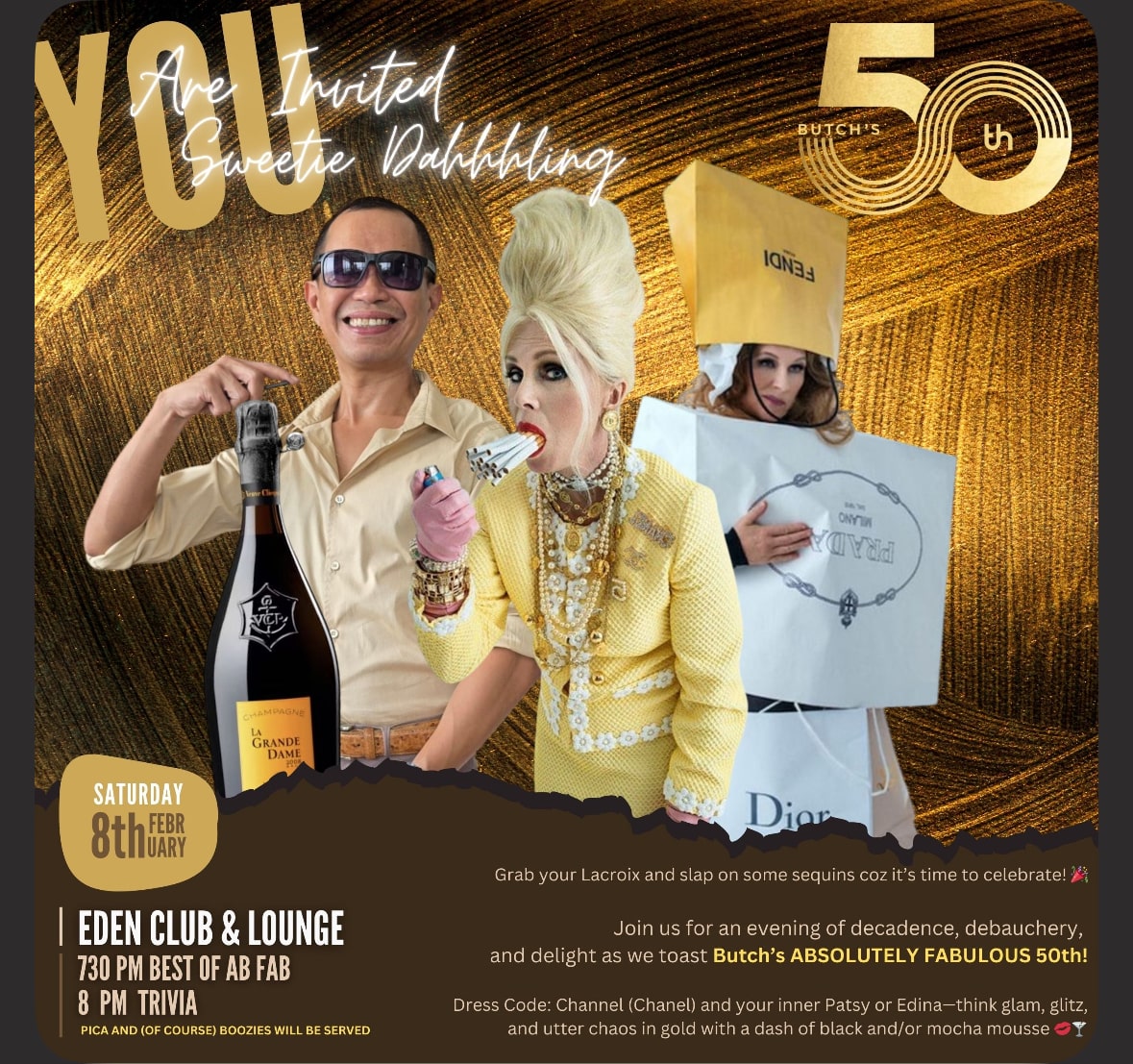
By Emmanuel Hamoy
Cebu’s glitterati came out in full force for Butch Carungay’s 50th birthday bash at EdenClub. It was a fun-filled night overflowing with Pol Roger, trivia games whilst traipsing the light fantastic.

Butch Carungay and Janice Lin.
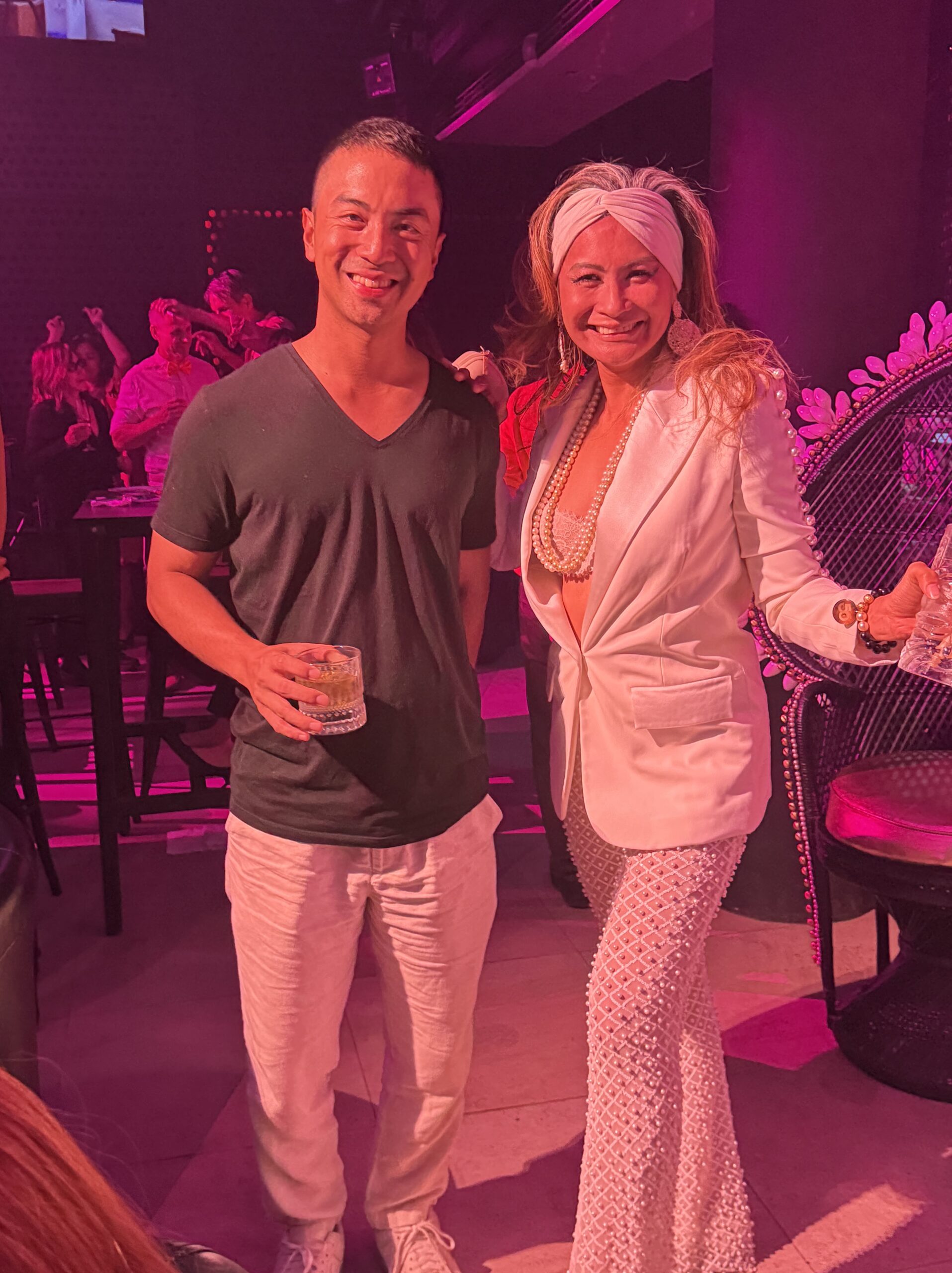
Gerry Laperal and Lotte Delima-Edwards
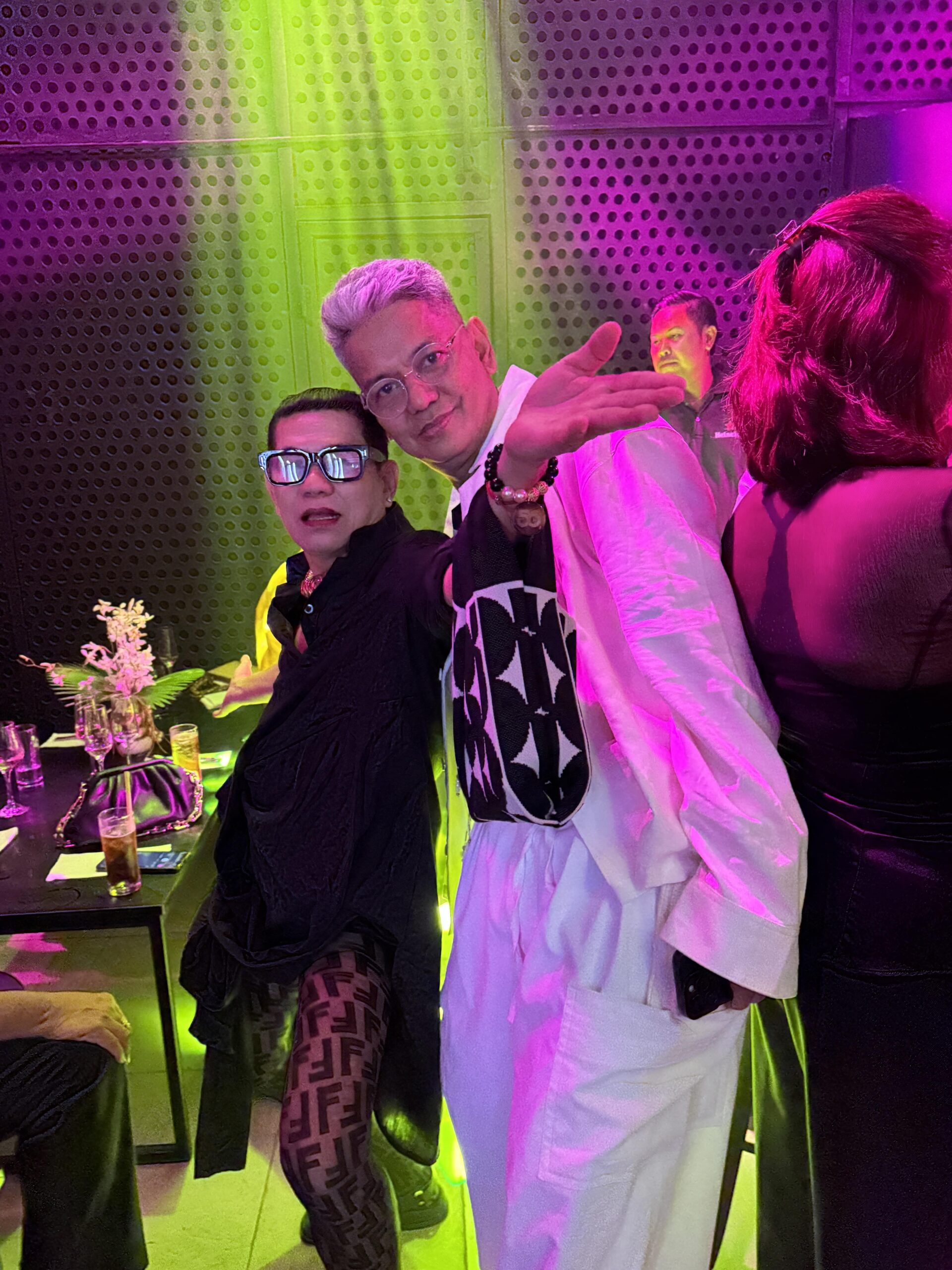
Romero Vergara and Oj Hofer
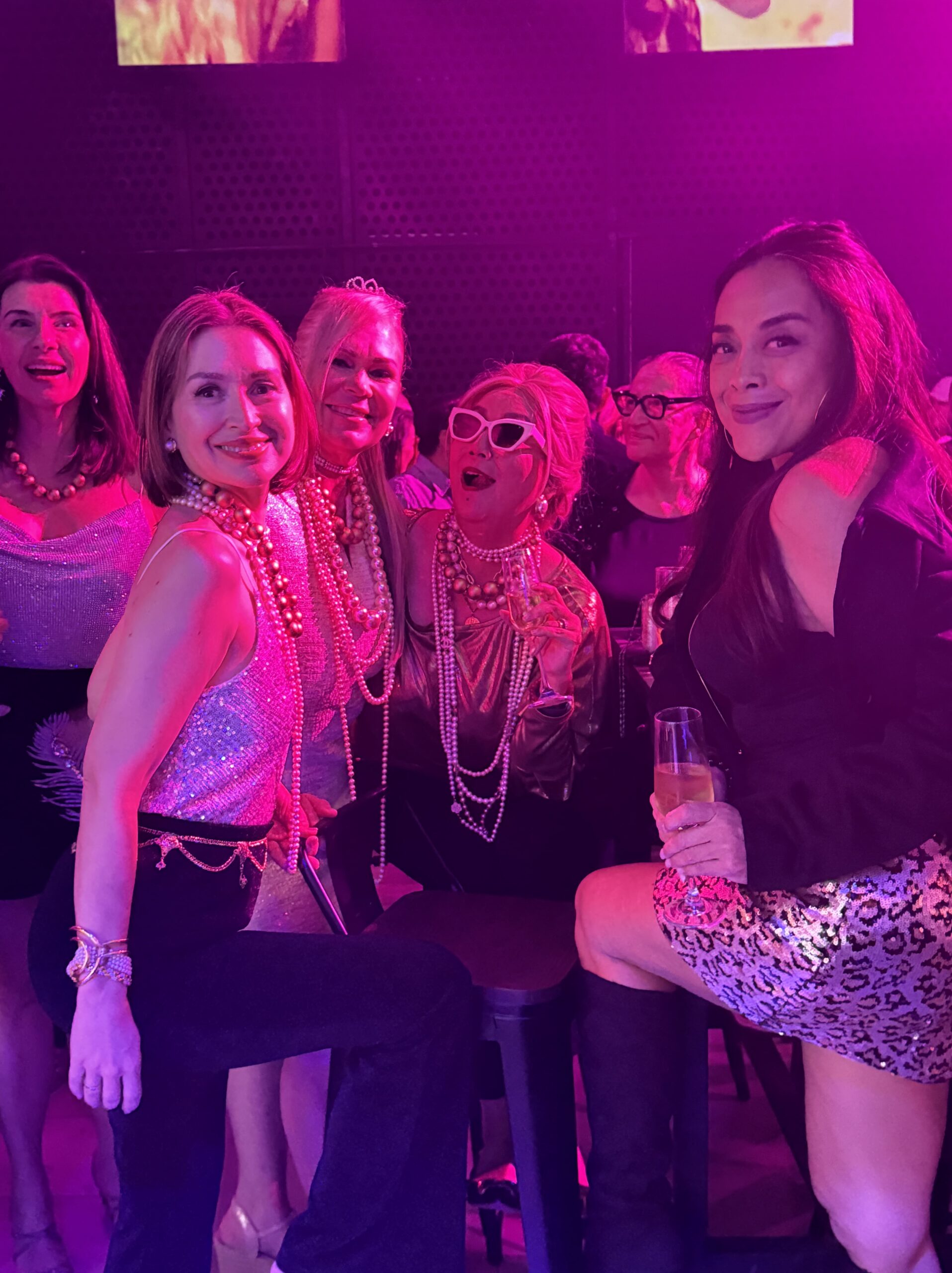
Mary Anne Aboitiz, Christine Pelaez, Tamsin Booth, Frances Siao and June Alegrado
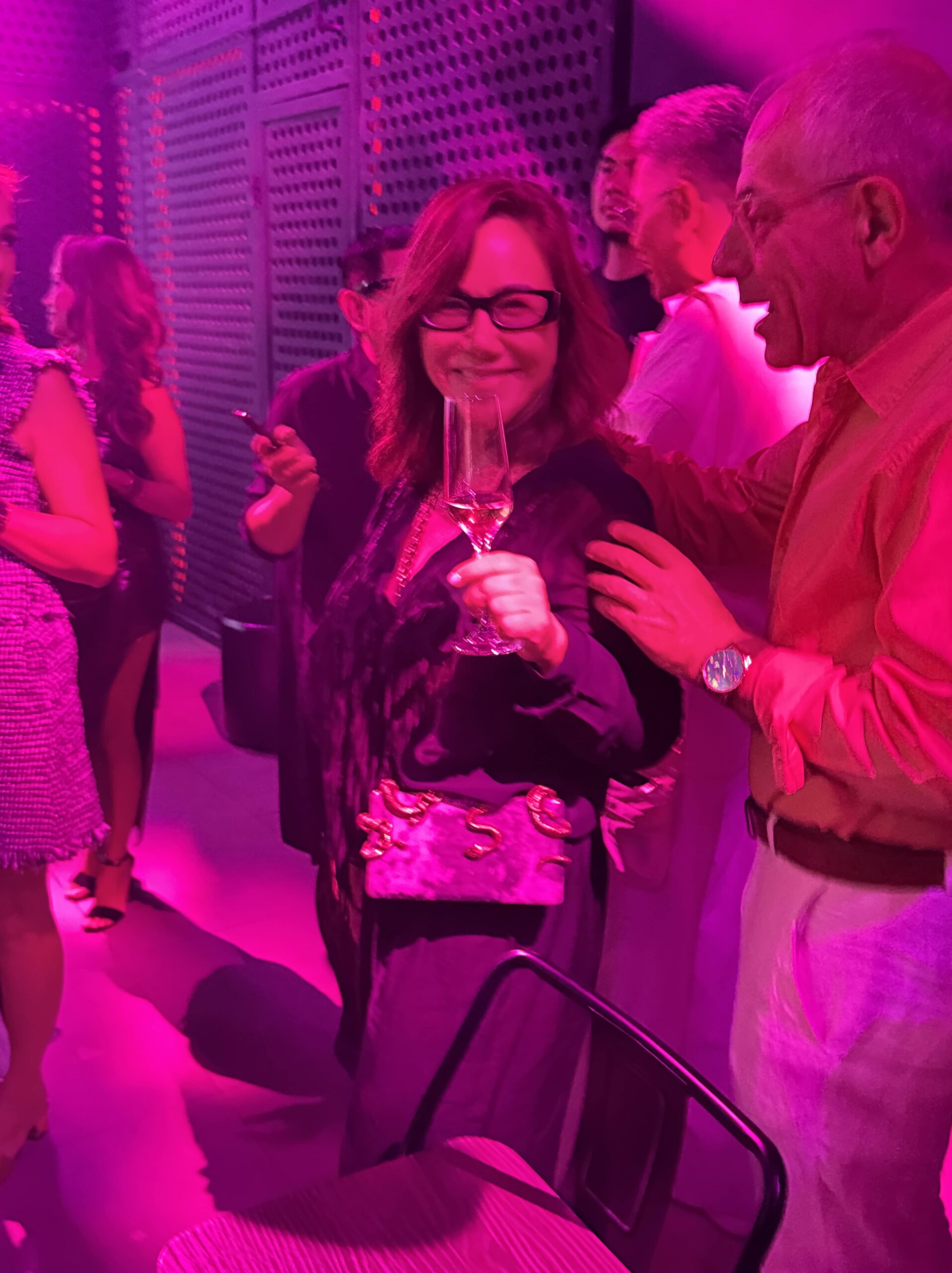
Maris Holopainen and Carlo Cordaro
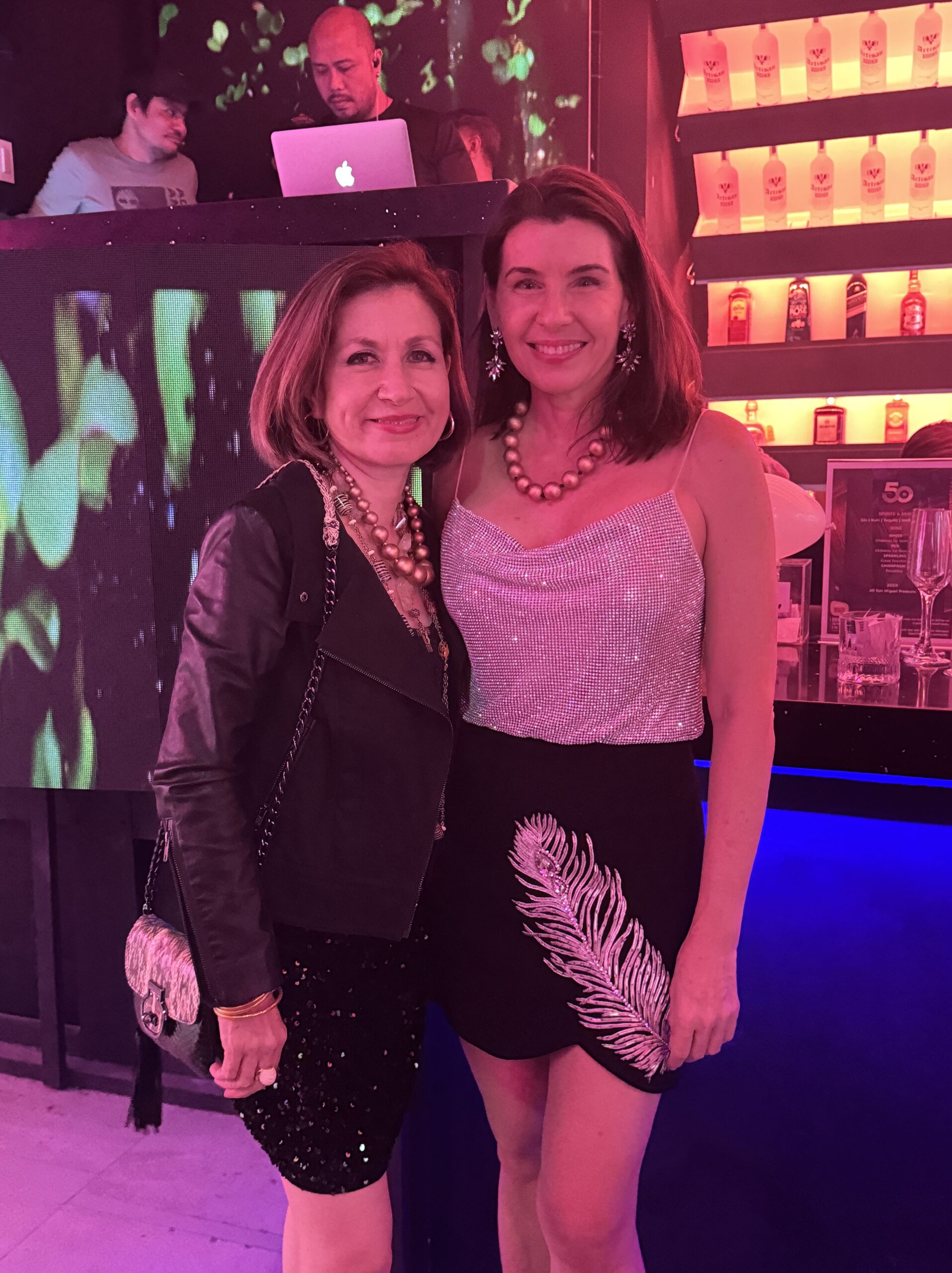
Janine Taylor and Mary Anne Aboitiz

7 Things You Need To Know Before Watching Balangiga: Howling Wilderness
Scenes From the Manila Art Fair 2026

Retrospective: Oj Hofer Celebrates 40 Years of Fashion

Cebu Isn’t Chasing Trends Anymore
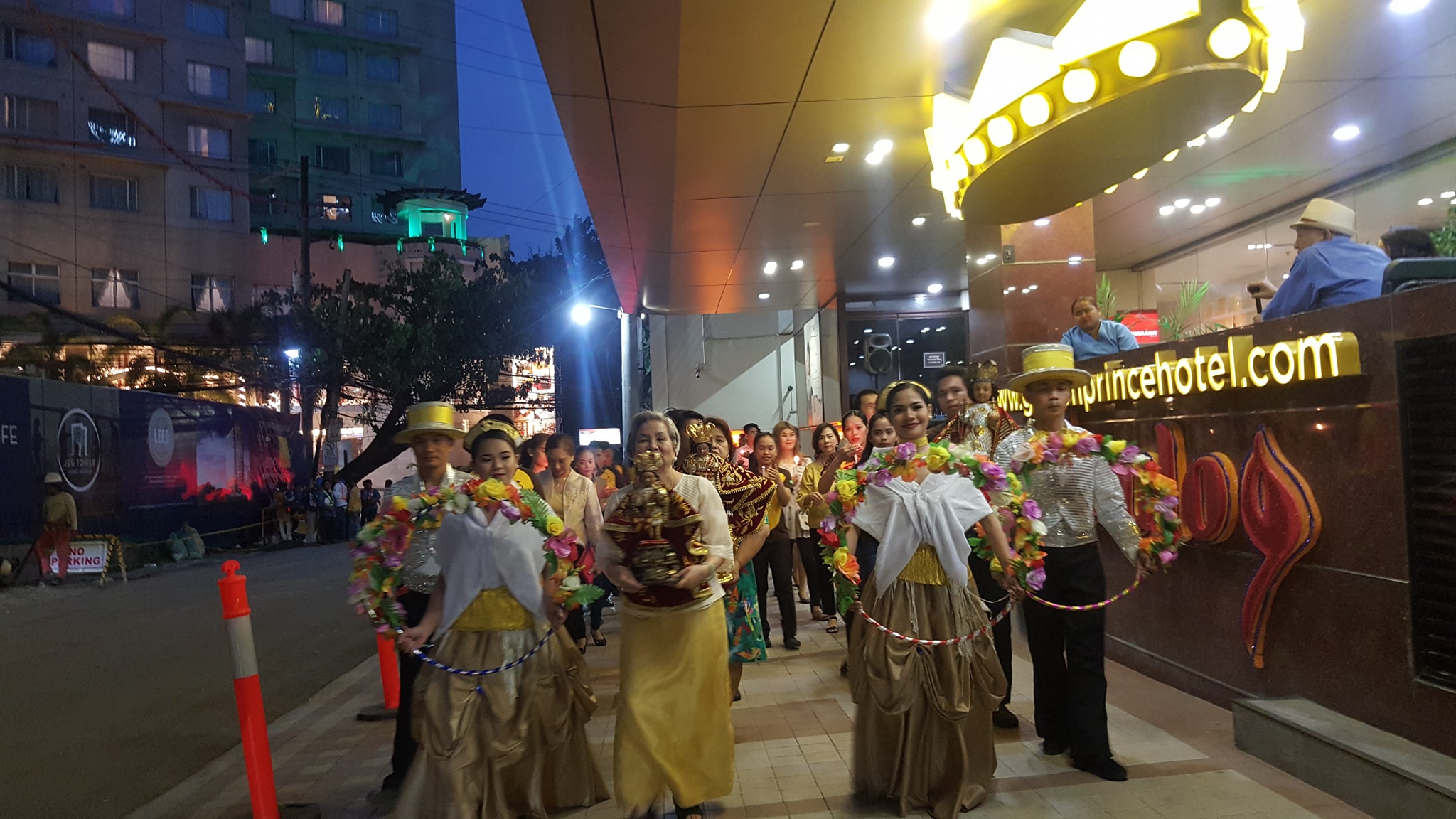
Golden Prince Hotel’s Sinulog Royalty Experience

SM Fashion Forum reveals Cebu’s style influencers
5 Filipino Films That Continue the Conversation on Women Empowerment

Noise and Sounds: An Artform

Christmas in Colonial Cebu: A Themed Exhibit by Teresin Mendezona and Eva Gullas for Stylescapes 2019

Artisanal Cebu: Aspiring calligraphy artist Abigail Condrado

Experience authentic Korean Barbeque at Da-In Restaurant

Chaine des Rotisseurs: A Night of Spanish Cuisine
-

 Ogle La La 3.03 months ago
Cebu’s Heritage Is Not a Museum Piece, Darlings
-
 Art Beat2 months ago
Assemblage: Art Exhibit Blending Themes of Infinity and Renewal
-
 The Scene2 months ago
At the Table: Introducing Flora de Filipinas
-
 Retail3 weeks ago
Cebu Isn’t Chasing Trends Anymore
-

 Art Beat3 weeks ago
Why Does Yayoi Kusama Matter to Cebu?
-
 Fashion1 week ago
Retrospective: Oj Hofer Celebrates 40 Years of Fashion
-
inside7 days ago
Scenes From the Manila Art Fair 2026
-
inside4 days ago
7 Things You Need To Know Before Watching Balangiga: Howling Wilderness
You must be logged in to post a comment Login