
Fashion
Rajo Laurel, Amina Aranaz-Alunan, and Bianca King Share Tips on How to Take Better Care of Your Clothes
To help keep your clothes in the best shape, check out these tips from Electrolux FashionCare Ambassador Rajo Laurel, along with the FashionCare Council members Amina Aranaz-Alunan and Bianca King.

Wear it well without wearing it out! That is the fashion philosophy shared by Electrolux, a
leading global appliance company from Sweden, when it comes to clothes. You don’t
need a lot of clothes to look stylish – just give them some TLC, especially when doing
your laundry.
To help keep your clothes in the best shape, check out these tips from Electrolux
FashionCare Ambassador Rajo Laurel, along with the FashionCare Council members
Amina Aranaz-Alunan and Bianca King. From washing to storing, these practical hacks
will help keep your clothes looking new for longer.
Check the Label
Acclaimed fashion designer Rajo Laurel shared that his number one rule when it comes
to caring for clothes is to check the care label, which teaches you everything from the
temperature, the kind of cycle and even instructions on drying, bleaching and ironing.
And if those laundry symbols look like hieroglyphics to you? Executive director and
teacher of SoFA Design Institute, and Creative Director of fashion accessories and bag
label ARANÁZ Amina Aranaz-Alunan’s practical tip: print out a guide that explains the
symbols for laundry instructions.
Caring for White Shirts and Tops
A staple in anyone’s wardrobe, the classic white tee is a great piece to build your
wardrobe around. It’s easy to dress up and down, going from casual to business-chic.
To keep your white shirt looking new, before washing, unbutton your shirt including its
cuffs and collar. Check the label recommendations for care guidelines. Use a laundry
detergent that contains bleach to really make your whites, white.
And if your white shirt or polo gets wrinkled easily, check if your washing machine has a
Steam or Vapour Care setting – this relaxes the fibres and removes odours to bring back
that soft, fresh feel to your white top.

Caring for Colours
Having coloured pieces is a great way to make a look pop but they are also prone to
fading faster than dark or white clothing. To help make sure your coloured garments
don’t lose their vibrance, sort your garments by colour before doing the laundry. Bright
clothes such as purples, reds and oranges can be washed together, so can bright blues
and greens. If a colour stands out on its own, consider washing it alone. Then check the
garment for stains and apply a small amount of liquid detergent to the stain and shake
gently in water. Turn your garments inside out to minimize rubbing of fibres. Choose a
low temperature and avoid hot settings that can cause fading. You can also use a gentle
wash cycle.
Caring for Jeans
Denim is durable but to make them last longer, especially the coloured and printed
denims or anything with a deep indigo wash, you need to give them extra special care.
The key to a long life is to wash at a low temperature and avoid over washing. First off,
be sure to wear your jeans for as long as possible before they are first washed to give
them a comfortable shape and a natural fade. Separate your jeans from white or other
brightly coloured clothes because they might bleed colour. Turn them inside out before
washing as well.
Dealing with Stains
The FashionCare Council members all share that it’s best to deal with stains
immediately. Soak or try to wash them off right away. For food and wine stains, Laurel
shares that he uses salt and soda water on the stains before washing as these help to
lift the stains.
Here are some other helpful tips to remove common stains: For ink stains, blot the
stained area with alcohol using a clean cloth and rinse thoroughly. For coffee stains,
first try using cold water through the back of the stain for 10-15 minutes. If the stain is
not fully removed, use liquid laundry detergent and a little cold water, or try using dish
washing liquid. Gently rub the liquid detergent or dish washing liquid with your thumb to
loosen the stain for about five minutes.
Proper Storage
The FashionCare Council members also shared that storage can play a role in keeping
clothes looking their best. Model and actress, Bianca King advised people to keep their
closets neat so you have a full account of everything you own and to know which items
should be hung or folded (if it’s a knit or weave). And speaking of hanging, Laurel and
Aranz-Alunan both mentioned the importance of using proper hangers – Laurel
mentioned avoiding those without foam defense as they could ruin the shape of clothes.
Another advantage of keeping a closet organized is it could help you plan your wardrobe
– you can rotate your pieces, as shared by Laurel, to help prolong their life.



Fashion
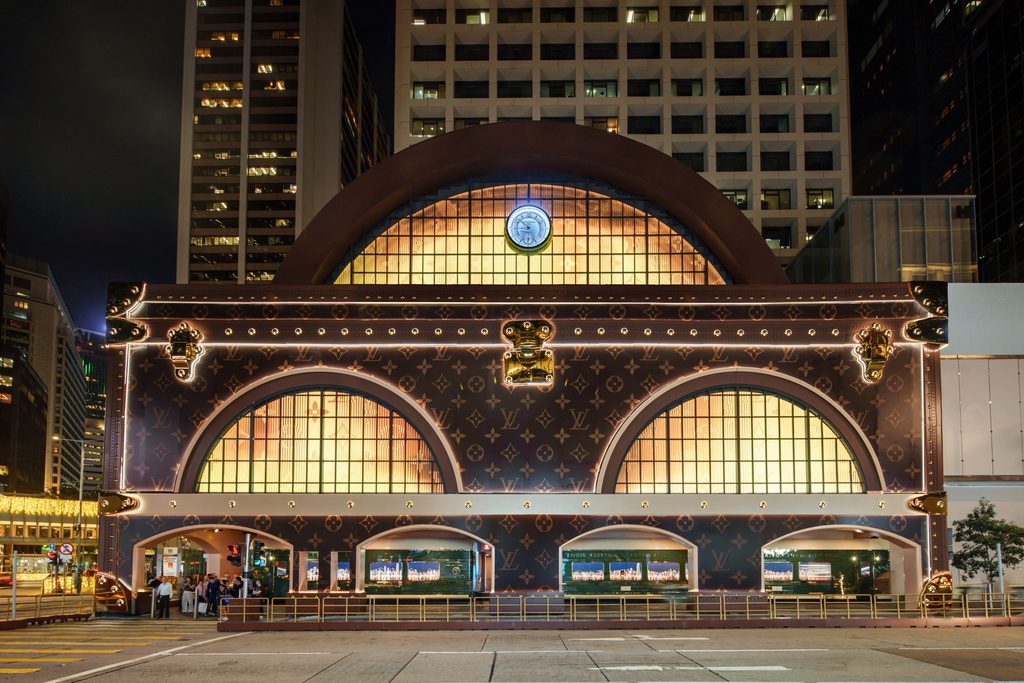
Louis Vuitton’s Art of Travel at the Louis Vuitton Central Station; the Landmark Pop-up in Hong Kong
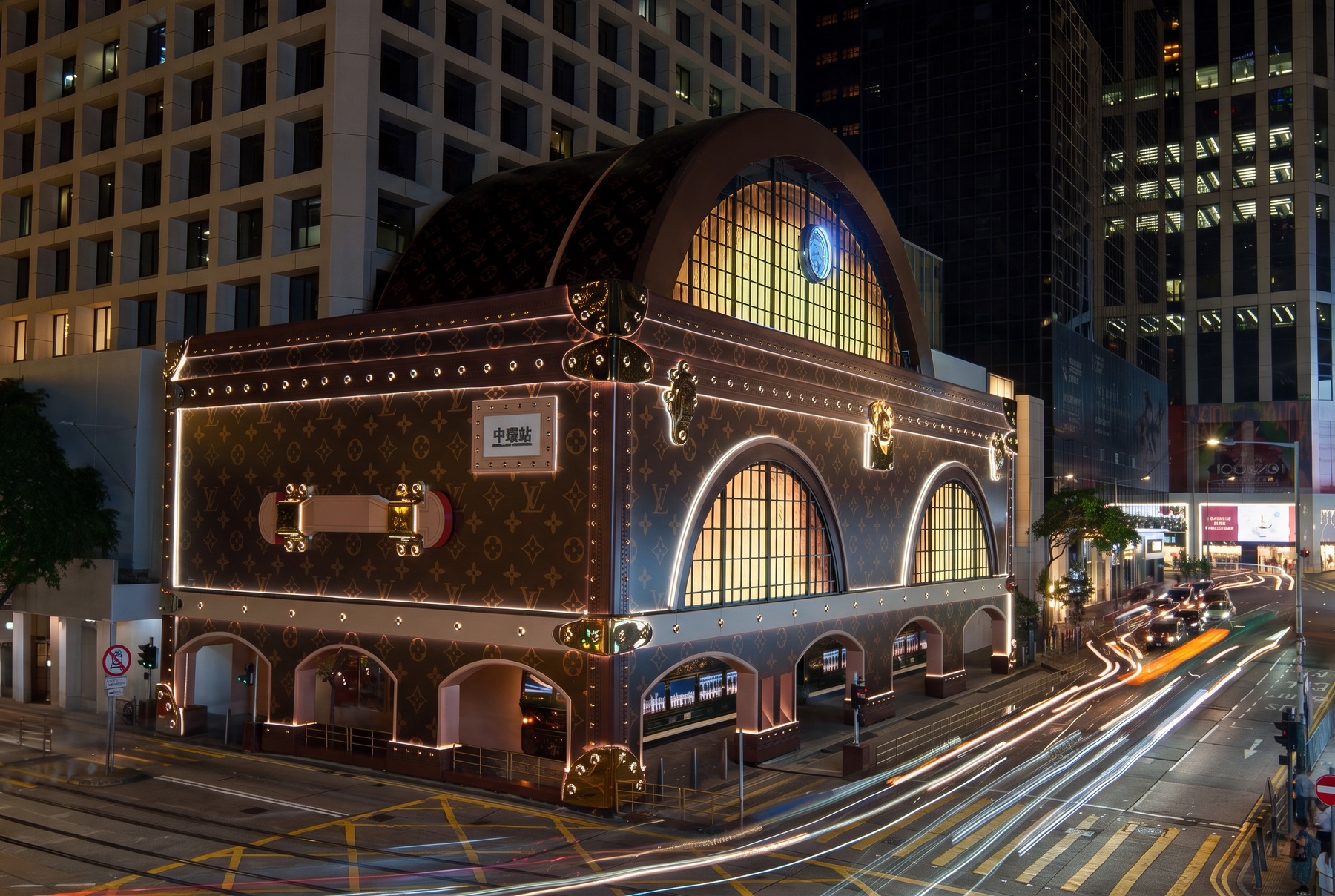
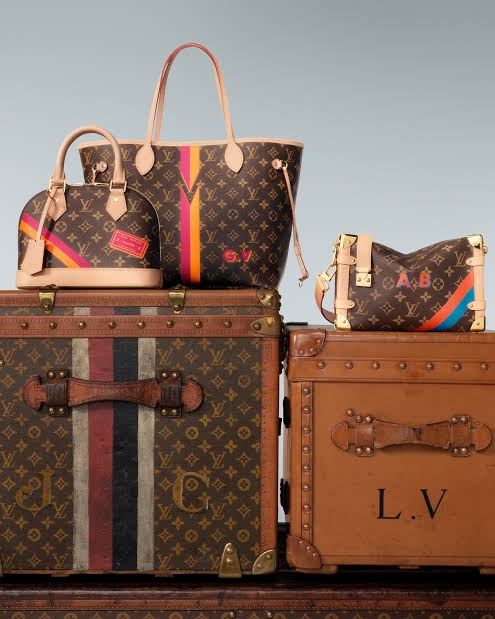
Louis Vuitton’s Art of Travel (and Spirit of Travel) campaigns explore the brand’s 1854 heritage, combining artisanal craftsmanship with global landscapes and poetic narratives. The landmark pop-up in Hong Kong, Louis Vuitton’s Central Station, is a huge, immersive architectural takeover. This remarkable installation functions as creative construction hoarding while the building undergoes a major renovation, paying homage to the Maison’s signature art and travel legacy and celebrating the 130th anniversary of the iconic Monogram.
In October 2026, Louis Vuitton unveils a spectacular façade hoarding in Hong Kong. Conceived as a tribute to Louis Vuitton’s enduring fascination with exploration and discovery, the installation also draws inspiration from Hong Kong’s rich and multifaceted transportation history. By bringing together heritage, imagination and architectural grandeur, the façade creates a compelling dialogue between the Maison’s storied past and the dynamic energy of the city.
Reflecting Louis Vuitton’s commitment to more sustainable creation, the materials used in the construction of the façade will also be recycled following the installation’s lifespan, ensuring that creativity and environmental responsibility go hand in hand. More than a temporary architectural intervention, the landmark installation celebrates the timeless allure of travel and the spirit of discovery that continues to define Louis Vuitton. Designed to captivate the imagination and reflect the city’s vibrant pulse, the façade promises to become a striking new urban landmark.

Fashion
Retrospective: Oj Hofer Celebrates 40 Years of Fashion
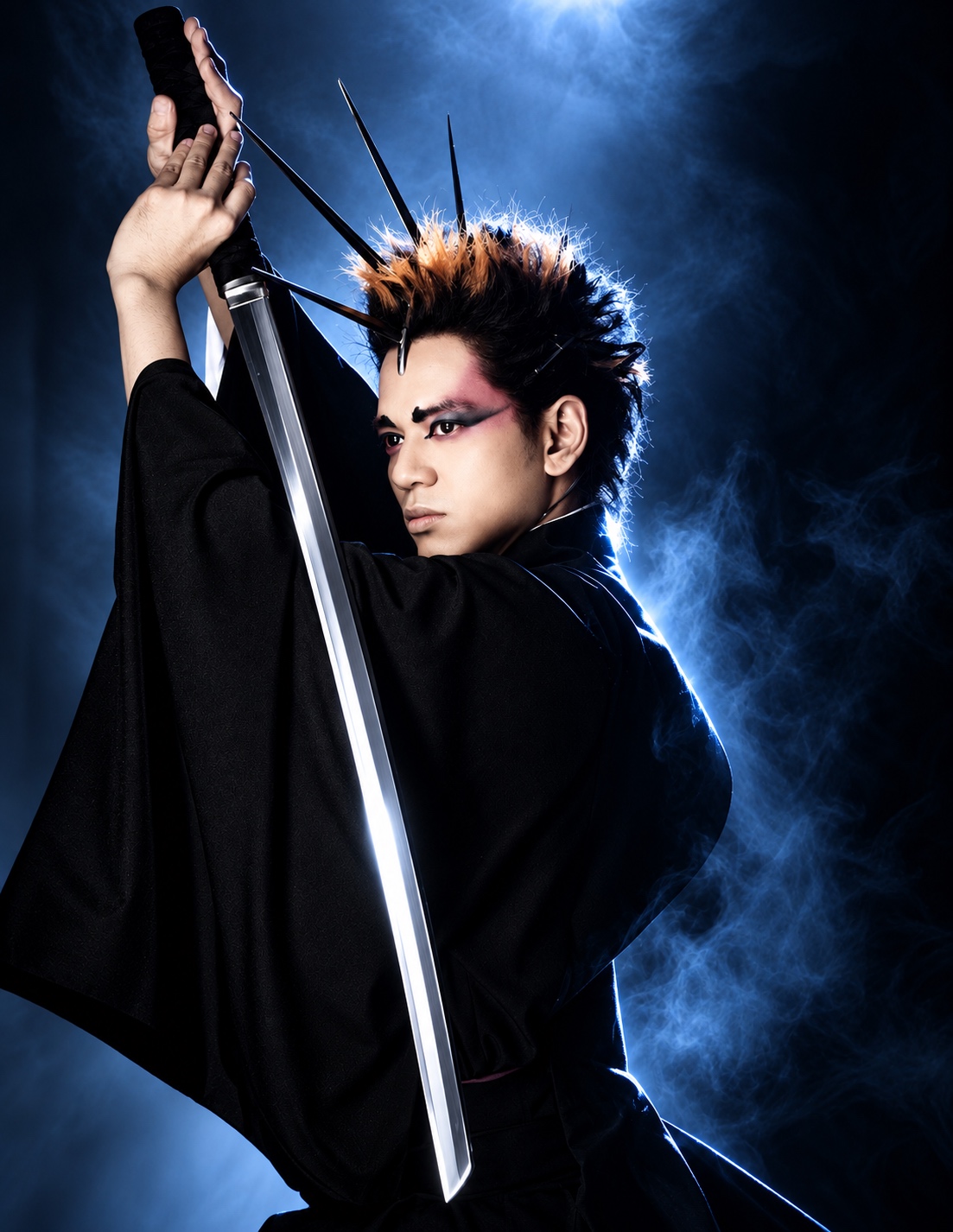
With four decades in fashion, OJ Hofer has built a practice rooted in craftsmanship, contemplation, and a distinct understanding of beauty. From establishing Chiaroscuro in Cebu to mentoring the next generation of designers, his journey has evolved beyond clothing into an exploration of aesthetics, identity, and culture. Here, Hofer reflects on the lessons that have shaped his career and the wisdom of seeing beauty beyond convention.
When did you start in the business? How did you begin your career in the industry?
I graduated with a Bachelor of Fine Arts degree, majoring in Visual Communications, from the University of the Philippines Diliman in 1987. My original aspiration was to pursue a career as a visual artist. Shortly after graduation, however, I relocated to Cebu when my cousin, Ann Hofer, now Governor of Zamboanga Sibugay Province, invited me to establish a bespoke fashion house.
Together, we founded Chiaroscuro, which debuted through a by-invitation fashion presentation attended by Cebu’s cultural and social leaders, alongside established figures in Philippine fashion. We also flew in Manila-based models, including Tweetie de Leon, who had recently been named the first Ford Supermodel of the Philippines.
As I continued participating in fashion presentations in both Cebu and Manila, my clientele gradually expanded. Recognition as a finalist in the inaugural Mega Magazine Young Designers’ Competition, together with participation in other international design competitions, further broadened my professional horizons. Although Cebu has remained my creative home, my work has taken me throughout the Philippines and abroad. Over the years, I have had the privilege of designing for individuals from diverse walks of life, including members of high society, artists, public figures, and political leaders, among them former President Gloria Macapagal Arroyo.
Looking back, I realize that my journey was never simply about building a fashion label. It was an ongoing inquiry into beauty, identity, and the expressive potential of clothing as a form of visual language.
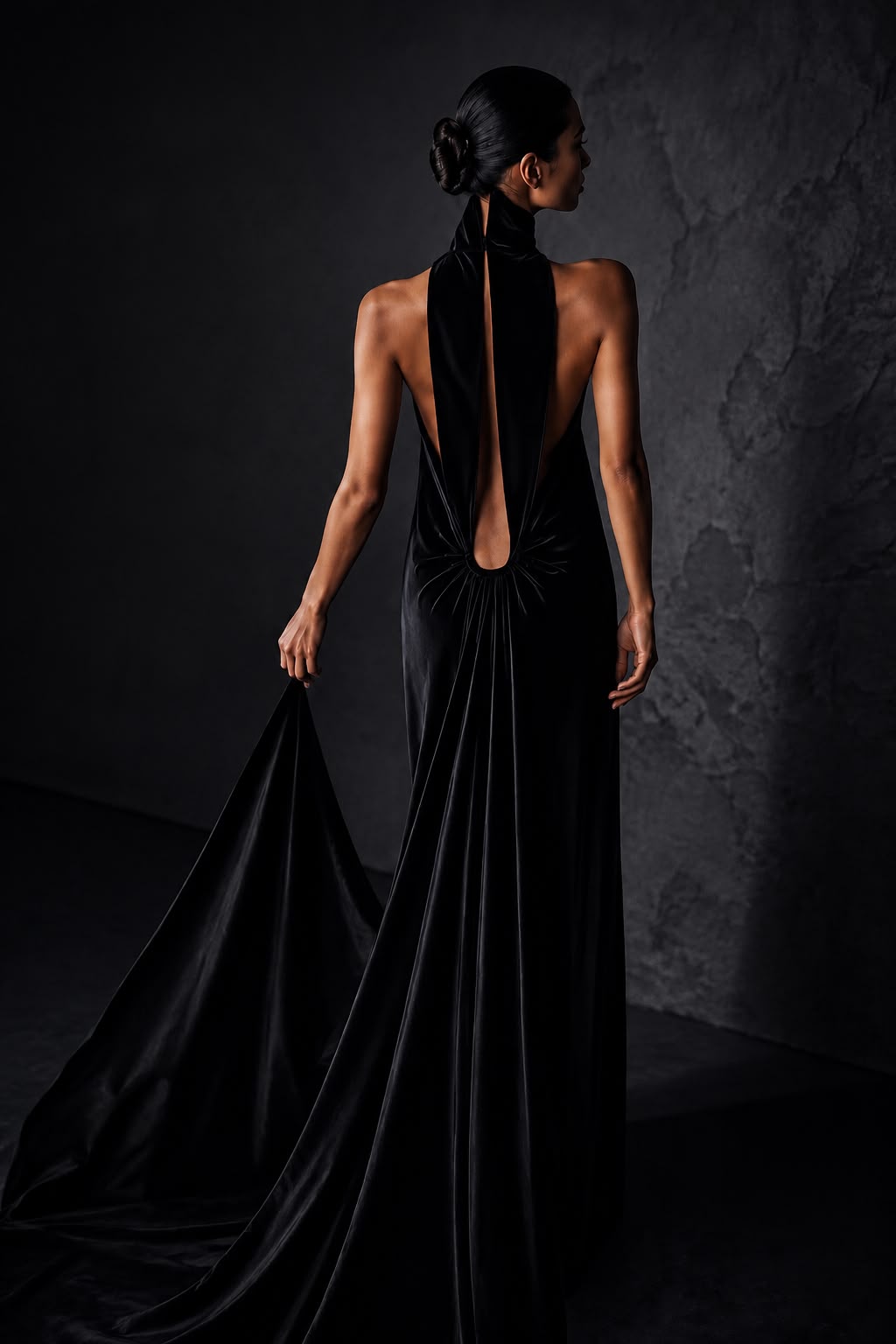
2008 — Velvet Dress with Sandal-Strap Peep-Hole Back A study in sculptural restraint: black velvet shaped into a dramatic open back, framed by slender sandal-like straps and falling into a fluid, elongated train.
What was the most challenging part of building your career?
The greatest challenge was not mastering technique but cultivating trust.
Creative practice requires entering into a relationship of confidence with another person. A garment begins as an idea that exists only in the imagination, and asking someone to believe in that unseen possibility demands both integrity and patience. Technical skill may attract attention, but it is consistency, empathy, and respect that sustain enduring relationships.
Over time, I came to understand that design is less about imposing one’s artistic vision than about listening deeply. Trust transforms the creative process into a genuine collaboration, allowing both designer and client to participate in shaping something meaningful.
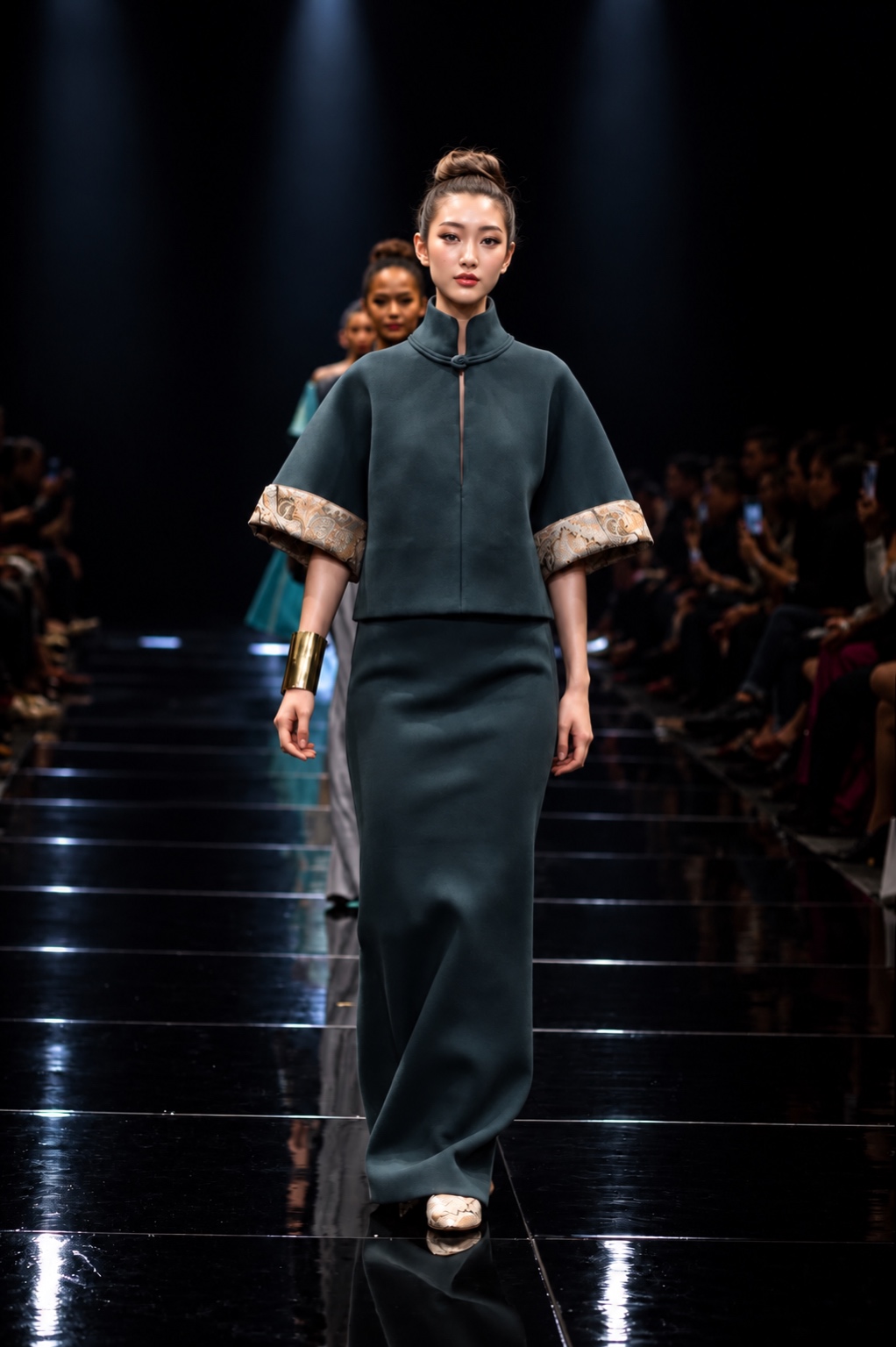
2018 — Stretch Ultrasuede Suit with Silk Brocade Fold-Back Sleeves | A study in disciplined tailoring: stretch ultrasuede shaped into a sleek, architectural suit, finished with silk brocade fold-back sleeves that introduce a measured note of opulence. Sculptural, tactile, and distinctly modern.
Where are you now in your career? What are you currently doing?
My practice has become increasingly intentional. Rather than pursuing growth in scale, I have chosen to devote my work to a smaller circle of clients whose commissions allow for greater depth of exploration and craftsmanship.
Teaching and mentoring have likewise become an integral part of my journey. I have lectured in fashion design and textile research at the University of the Philippines Cebu, while also mentoring many young Cebuano designers who have since become mentors themselves. Witnessing this progression reminds me of a teaching often attributed to Lao Tzu: “When the student is ready, the teacher appears. When the student is truly ready, the teacher disappears.” Whether or not the saying can be historically attributed to him, its wisdom resonates deeply with my own experience. The highest purpose of teaching is not to cultivate dependence, but to empower others until the teacher or mentor is no longer needed.
Beyond fashion, I have served as a fashion editor for a Cebu-based lifestyle magazine and continue to write on fashion, aesthetics, and culture. My ongoing practice of Taiji, Japanese kanji calligraphy, and Zen ink painting continues to reshape my understanding of design. These disciplines have led me to explore the apparent opposites of minimalism and maximalism, not as competing philosophies but as complementary expressions of the same aesthetic truth.
At this stage of my career, I find fulfillment not merely in creating garments but in contemplating the ideas that give rise to them. My work has become less about fashion itself and more about cultivating awareness through form.
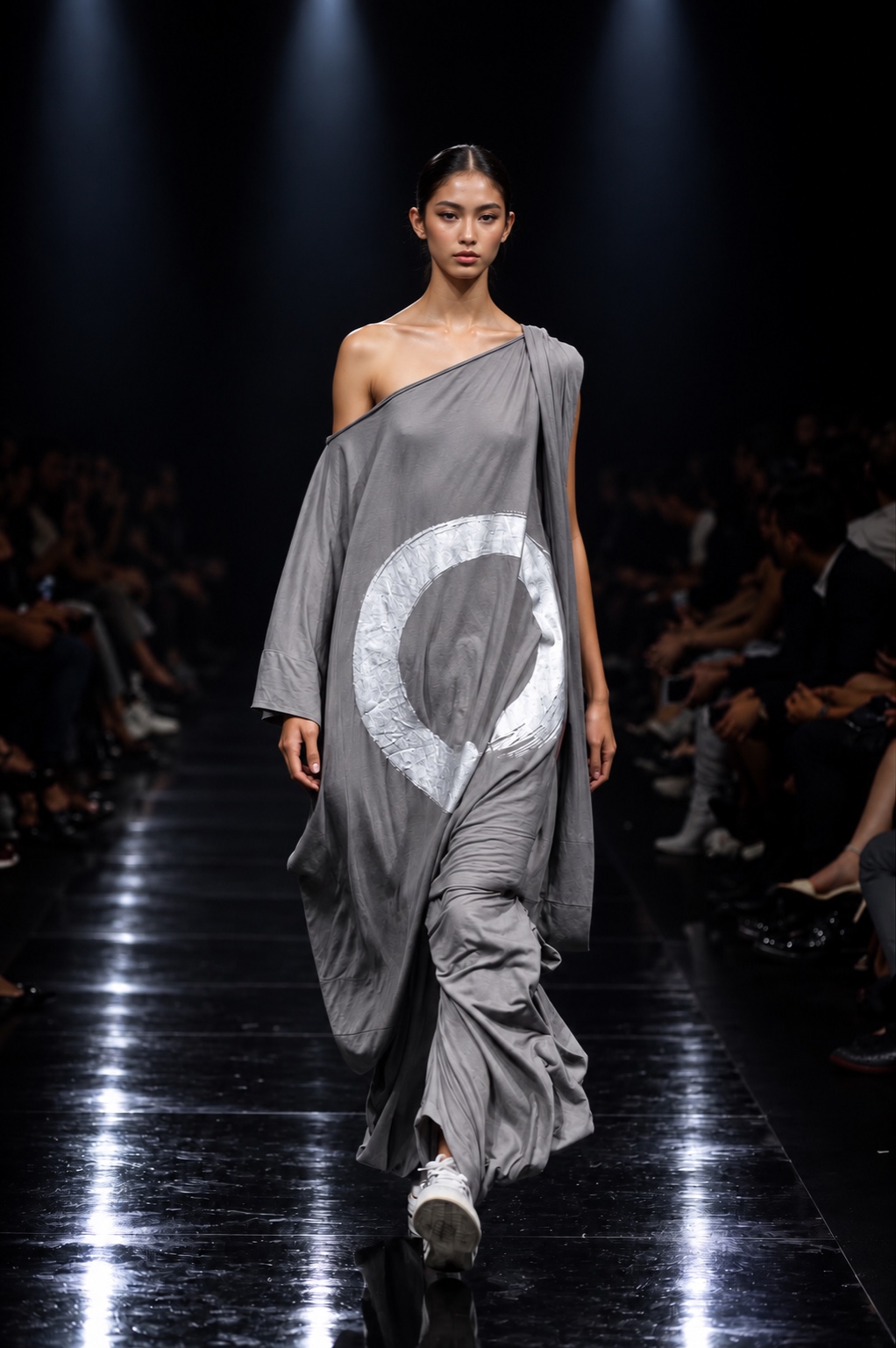
2019 — Athleisure Silk-Knit Suit with Ensō Circle | A fluid meditation on movement: silk knit falls in asymmetric, unstructured lines, punctuated by an oversized Ensō circle. Zen austerity meets athleisure ease—imperfect, instinctive, and deliberately undone.
What wisdom have you gained that you would like to share?
The two most profound lessons I have encountered are emptiness and impermanence.
In fashion, as in life, we are often conditioned to assign value according to rarity, ornamentation, or material wealth. Yet experience has taught me that the humble warp and weft of linen can possess the same dignity as silk adorned with ten thousand crystals. Neither is inherently superior. Their value emerges through context, intention, and perception.
Plainness and embellishment are not opposites; they are complementary manifestations of the same underlying reality. Once the mind ceases to divide experience into hierarchies of simplicity and extravagance, it begins to perceive their essential non-duality.
Perhaps this is the deepest lesson that fashion has taught me: beauty is not an attribute of objects but a quality of awakened perception. When we understand the emptiness of fixed distinctions and accept the impermanence of all forms, creativity becomes less an act of self-expression and more an expression of wisdom.
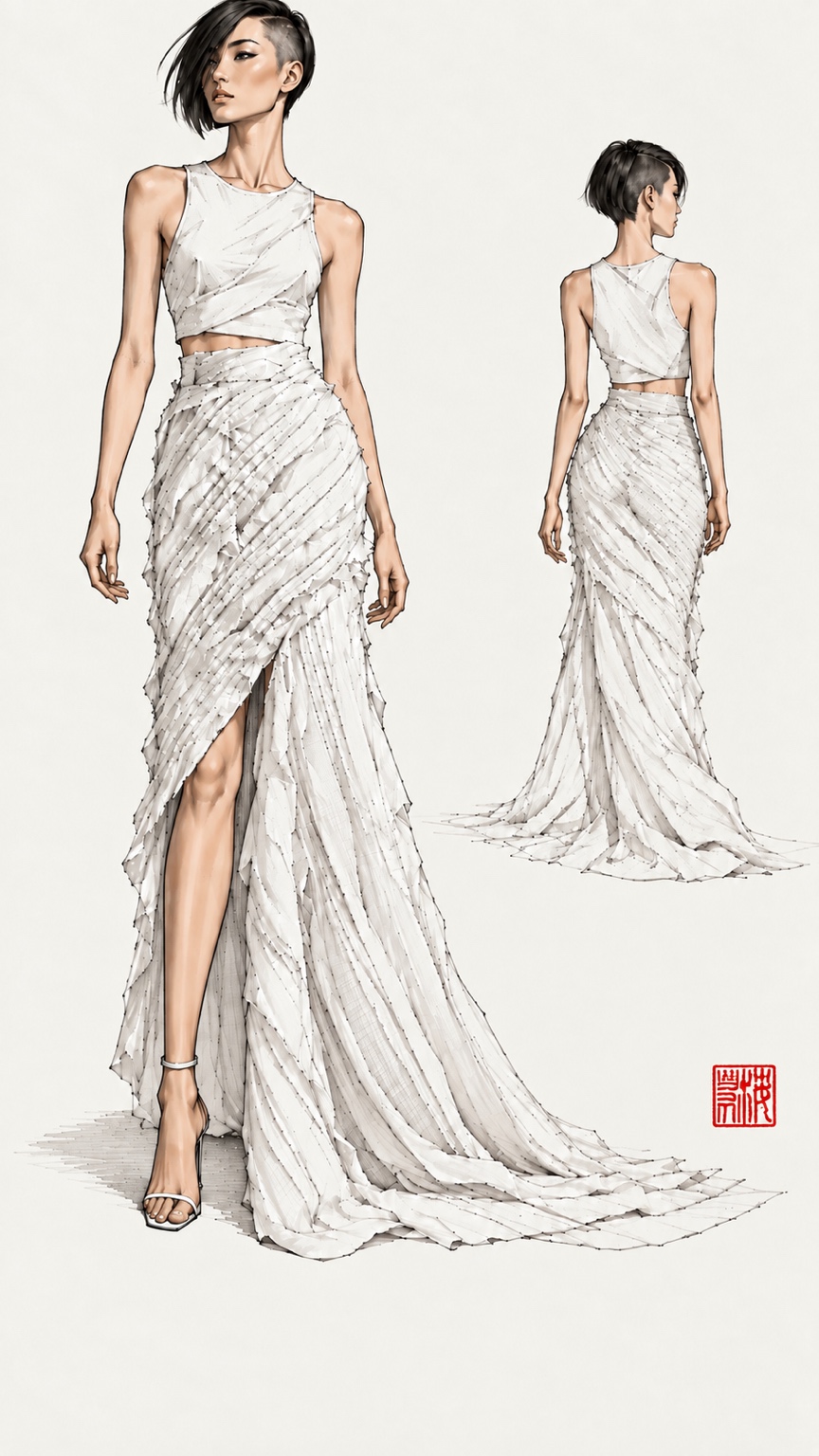
2026 — Spiral-Cut Cropped Top and Skirt, created for a wedding in New York City. | An exercise in sculptural movement, the spiral cut winds around the body with a precision that feels both architectural and fluid. Ivory layers cascade into a sweeping train, transforming a cropped top and skirt into a modern bridal silhouette—minimal in palette, maximal in gesture.
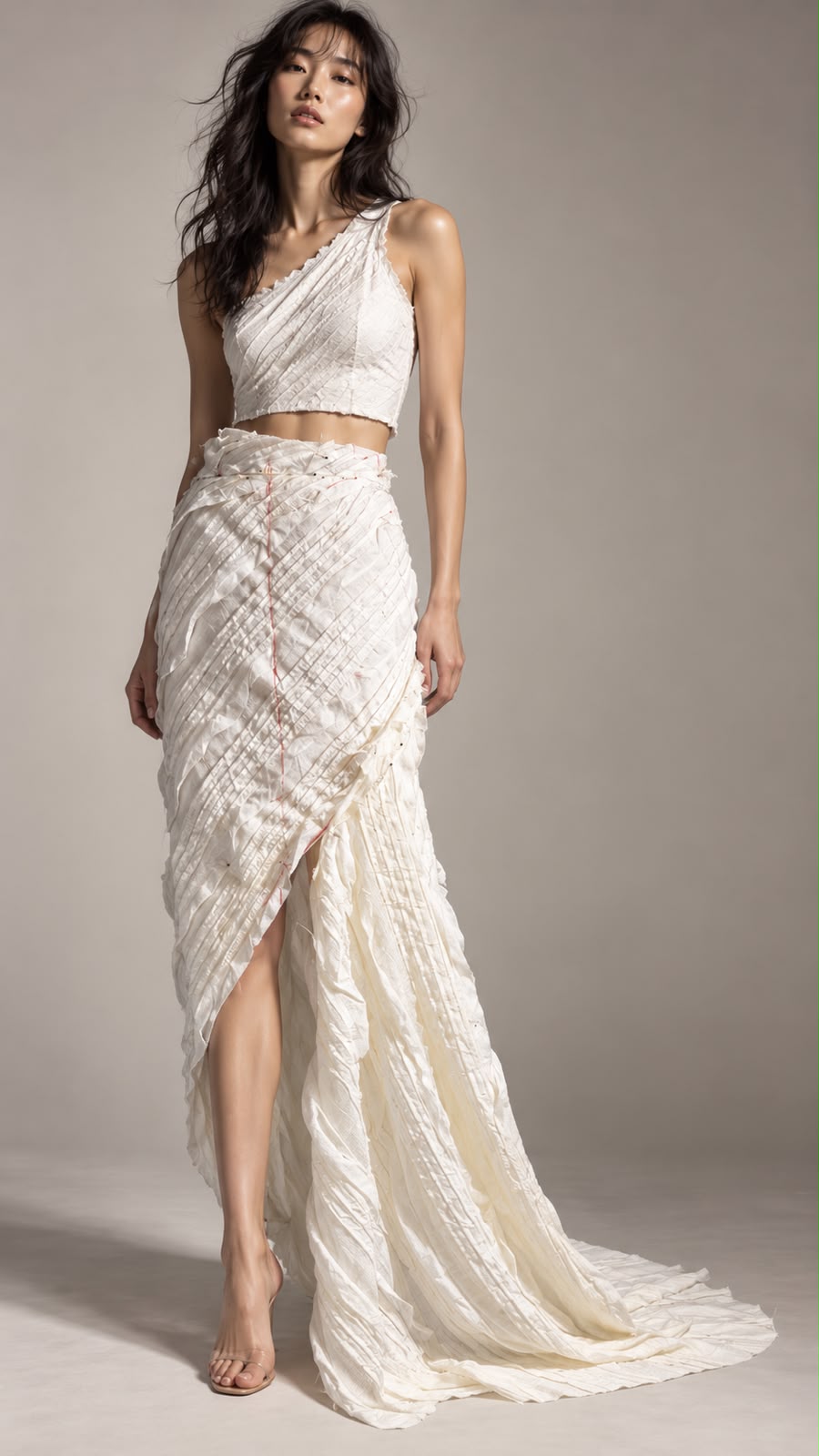
Cotton-Rayon Spiral Ensemble for Chin Onglatco’s New York Wedding | An exploration of texture and movement, this fluid cotton-rayon ensemble wraps the body in a continuous spiral of hand-worked folds and engineered drapery. Ivory layers sweep from a cropped silhouette into a fluid train—bridal dressing distilled into something tactile, modern, and unmistakably personal.
Fashion
Ramon Valera; Manila Society’s Fashion Darling
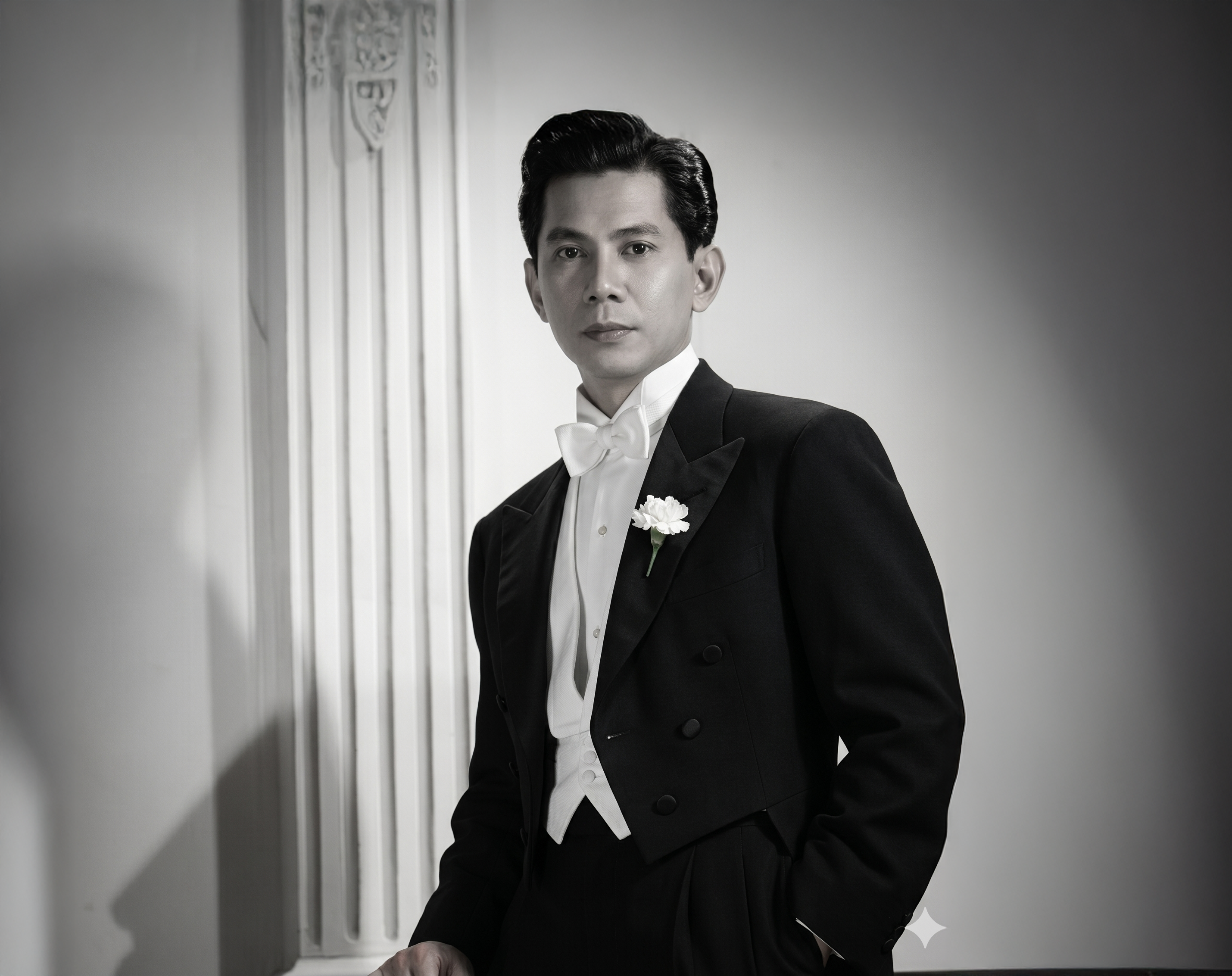
by Jing Ramos
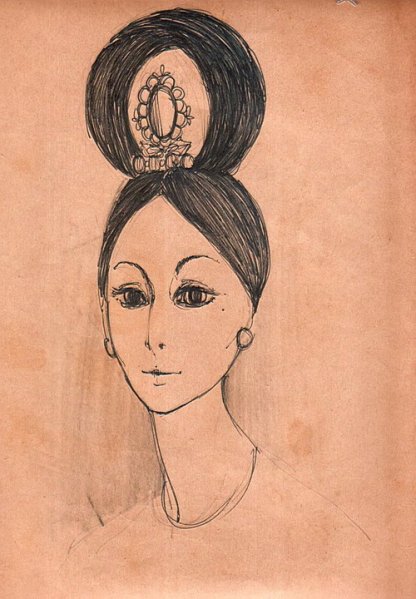
Ramon Valera’s fashion sketches were drawn on paper as they flashed in his mind.
“Without Ramon Valera, there would have been no high society in the Philippines, but it may be right to say that without high society, there would be no Ramon Valera.” –Abe Florendo
Ramon Valera, the first National Artist for Fashion Design, was born in Sta. Cruz, Manila. He came from a wealthy family. His parents, Melencio Valera and Maria del Pilar Oswald, moved in prominent business circles in postwar Manila. He had the privilege of studying at La Salle College and later pursued a course in Commerce at Far Eastern University. It wasn’t long before his artistic inclinations prevailed, leading him to quit school and establish a fashion atelier. This marked the beginning of Ramon Valera’s profession as a fashion designer.
Previously, Valera had apprenticed under Mina Roa, who made ternos for the elite and was known to be a dominant figure in the fashion industry. Mina Roa taught Valera the rudiments of the classic European techniques of construction and draping.
It was during the 1950s and 1960s that Ramon Valera’s career flourished, coinciding with the golden era of a new and modern Philippine society fueled by progressive postwar entrepreneurship and the undeniable presence of old-money families. The designer was celebrated for his craftsmanship and originality, but his most important contribution was revolutionizing the national costume.
Ramon Valera is credited with revitalizing the traje de mestiza, otherwise known as the Maria Clara, traditionally a four-piece garment comprising a blouse, skirt, overskirt, and scarf. The terno was soon transformed into a one-piece ensemble and, instead of being fastened with hooks, was secured with a zipper. The butterfly sleeves were emboldened in volume, which remains a staple among contemporary designers. Valera also discarded the pañuelo, exposing the woman’s décolletage, which was considered very risqué at the time. A few of his clients dared to wear them, including Mrs. Claro M. Recto and Mrs. Primitivo Lovina, who were broad-minded enough to ignore public scrutiny. He brazenly transformed the Maria Clara into a wedding gown and successfully established it as an icon. It soon appeared in countless society weddings because Manila brides could not get enough of Valera’s originality and flawless execution.
Ramon Valera was known among his peers as the consummate snob. His random impromptu remarks often left people in stitches. When he saw his niece, Peching Zulueta Gomez, dressed in a combination of red, white, and blue, he commented, “Now you can sing the national anthem.” On another occasion, when asked why he had turned down a very important potential client, he replied, “She doesn’t have a torso.”
He had the luxury of choosing whom he wanted to dress, focusing mostly on formal gowns and bridal trousseau for a highly select clientele. He attended to his clients personally, tape measure in hand, and it was not so much “by appointment” as “by invitation only.” His demeanor was dignified, and he was a man of painstaking habits and judgment.
Ramon Valera’s famed dinner parties were planned meticulously, and his distinctive style left its imprint on everything—from the dinner menu to the floral arrangements, down to the silver and fine bone china used for the occasion. Everything was executed with impeccable taste.
A stellar list of Manila socialites wore his creations. Susan Magalona, when she married Carlos Ledesma, appeared in an extravagant lace-and-tulle terno. Pacita de los Reyes wore a groundbreaking terno without a pañuelo. Chito Madrigal donned a terno with a futuristic bubble skirt made from sixty-five yards of silk, hand-painted with flowers traced in beads. Pressy Lopez wore a white evening gown ruched throughout, complemented by a capelet of the same motif. Elvira Manahan dazzled in a leopard-print beaded evening dress paired with an opera coat in blue silk.
The list is seemingly endless, serving as a reminder of Ramon Valera’s influence on Philippine society and politics. In spite of all the accolades attributed to this brilliant innovator, and long before he was lionized as the Philippines’ National Artist for Fashion Design posthumously in 2006, the Valera brand had already been firmly established. Retrospective exhibitions were mounted in museums, countless articles were written about his contributions to the fashion industry, and his impact on Manila society was already secure.
Today, that legacy lives on, honoring the master who lived by his motto: “Cada traje es una obra maestra”—every dress is a masterpiece.
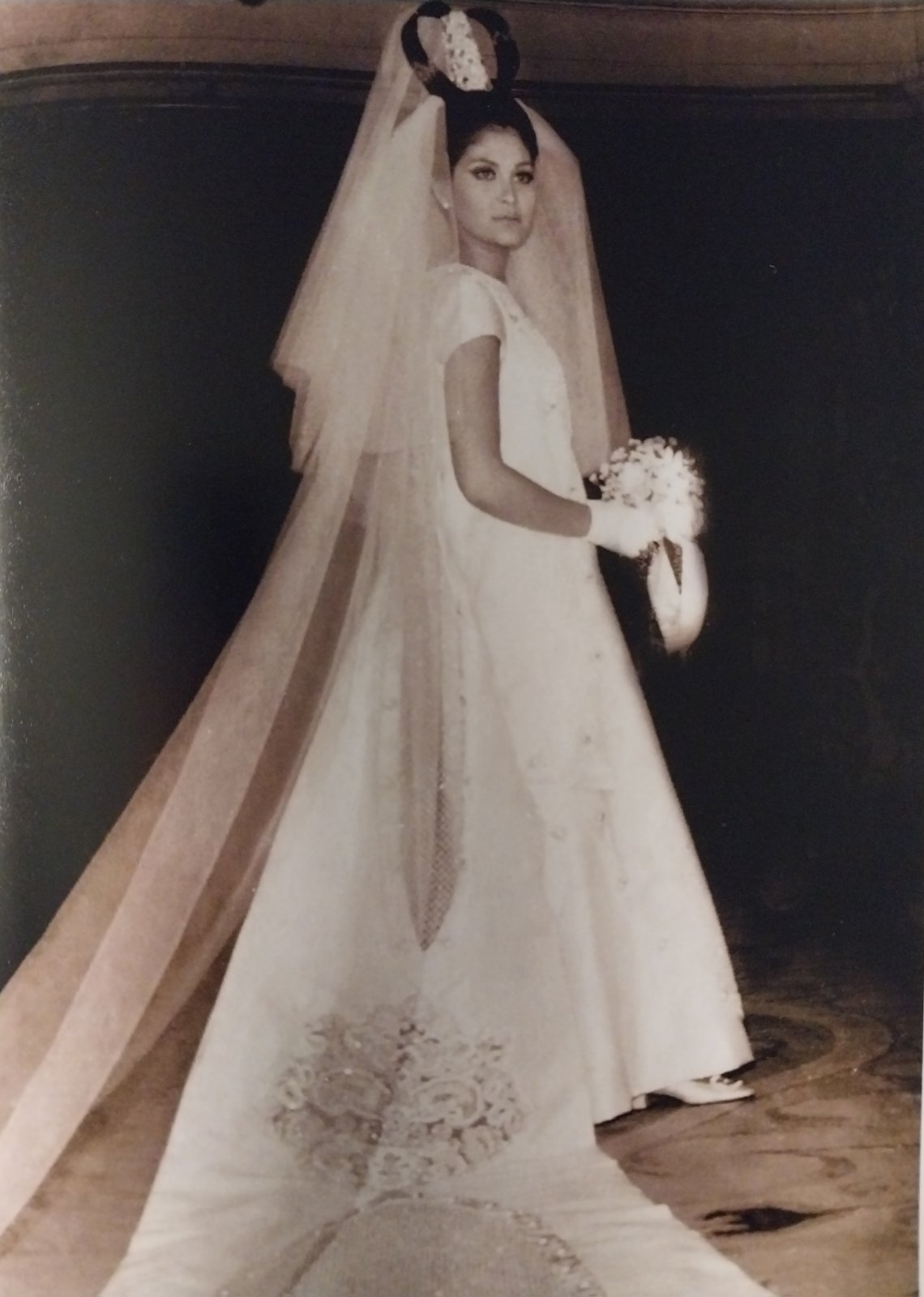
Margarita Romualdez
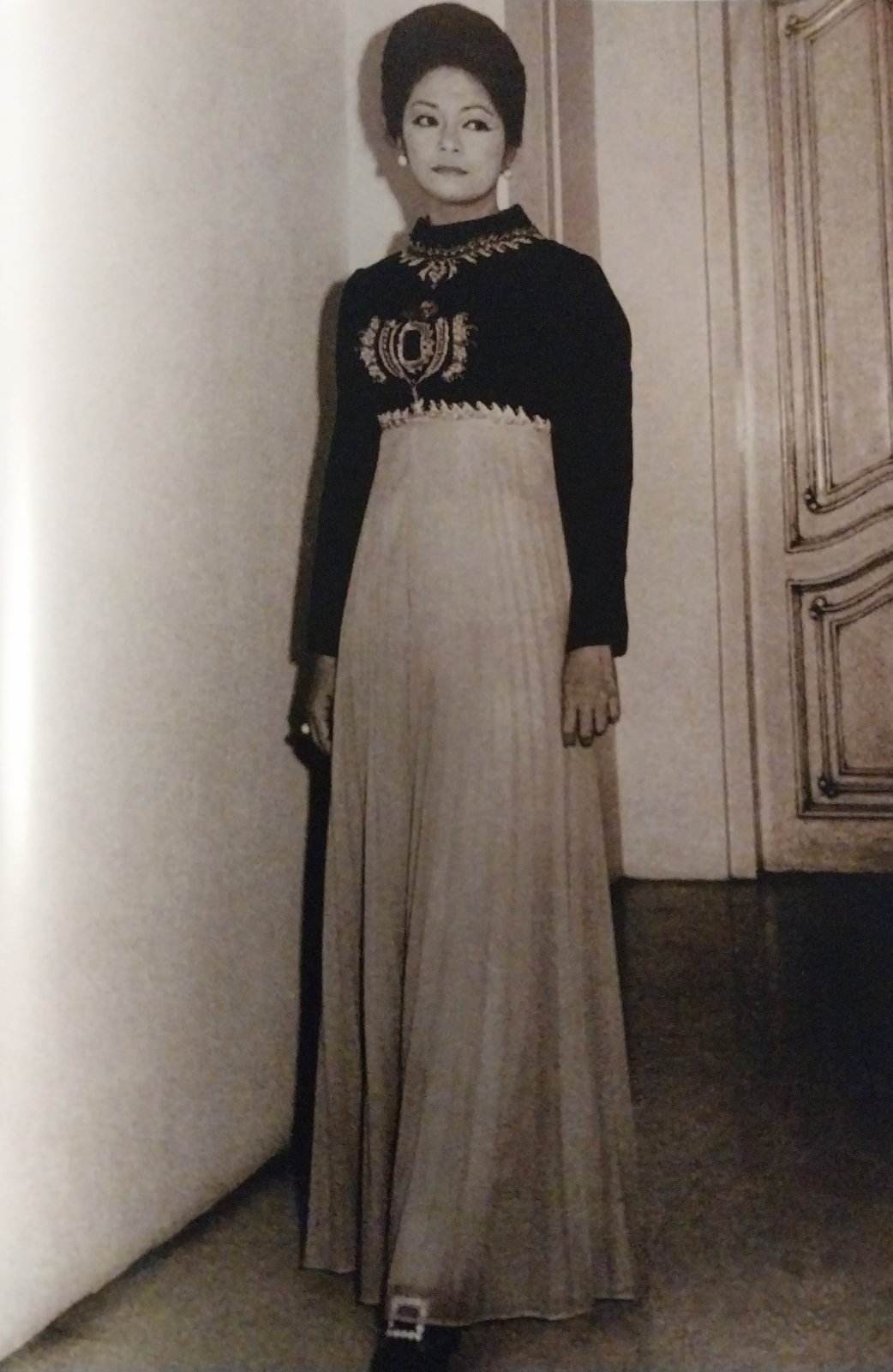
Fe Dolor Serrano
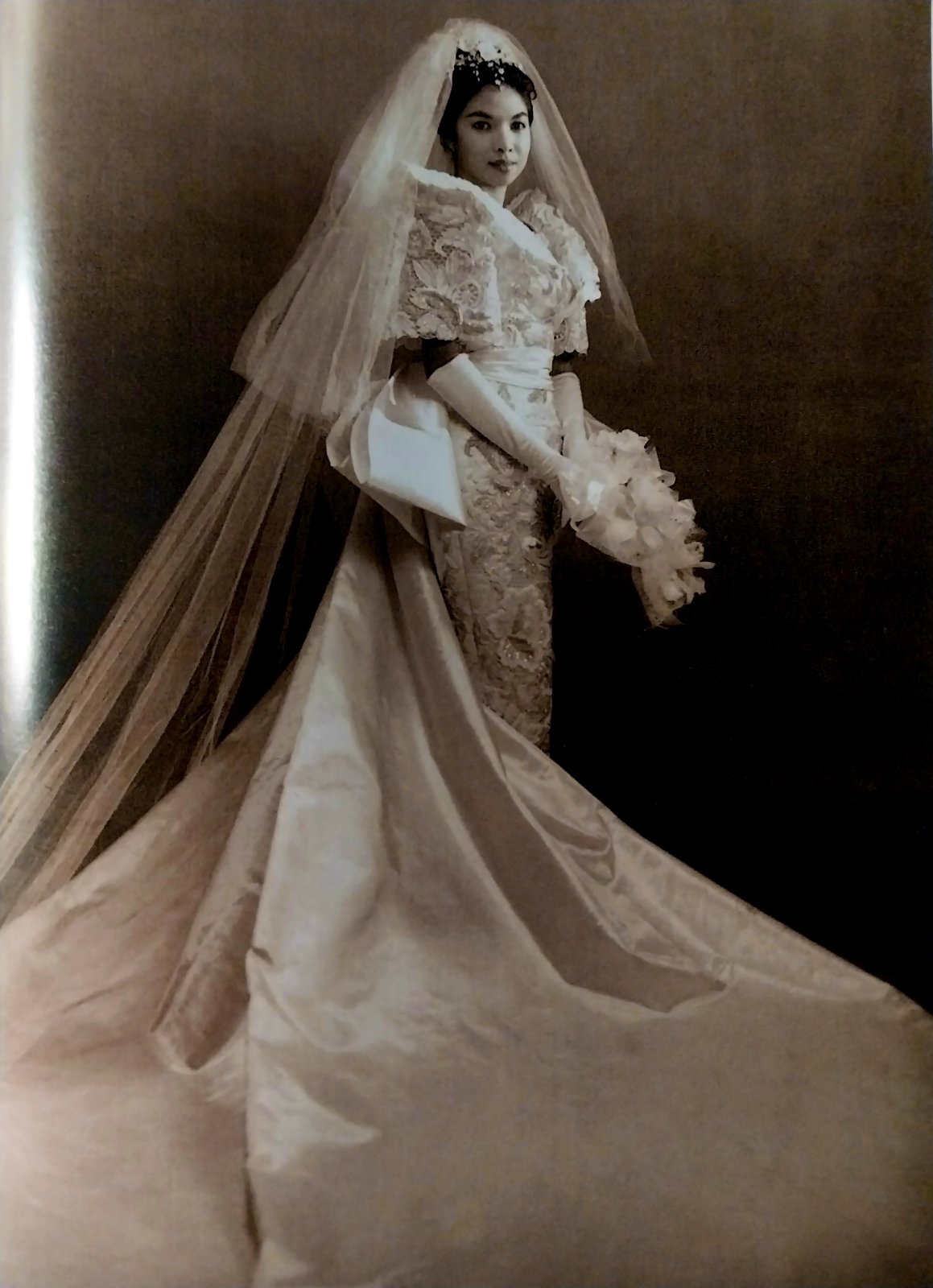
Rosemary Arenas
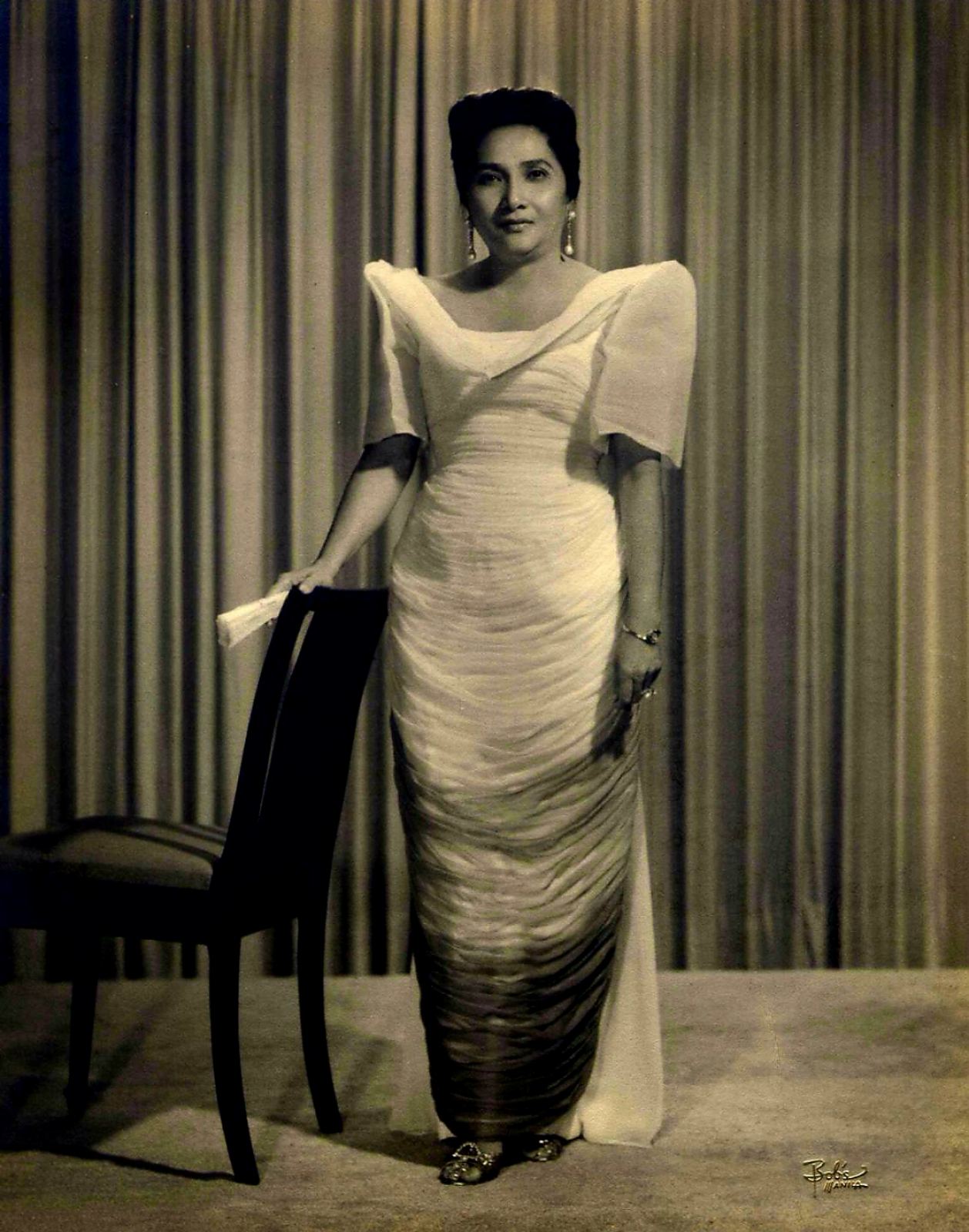
Leonila Dimataga Garcia
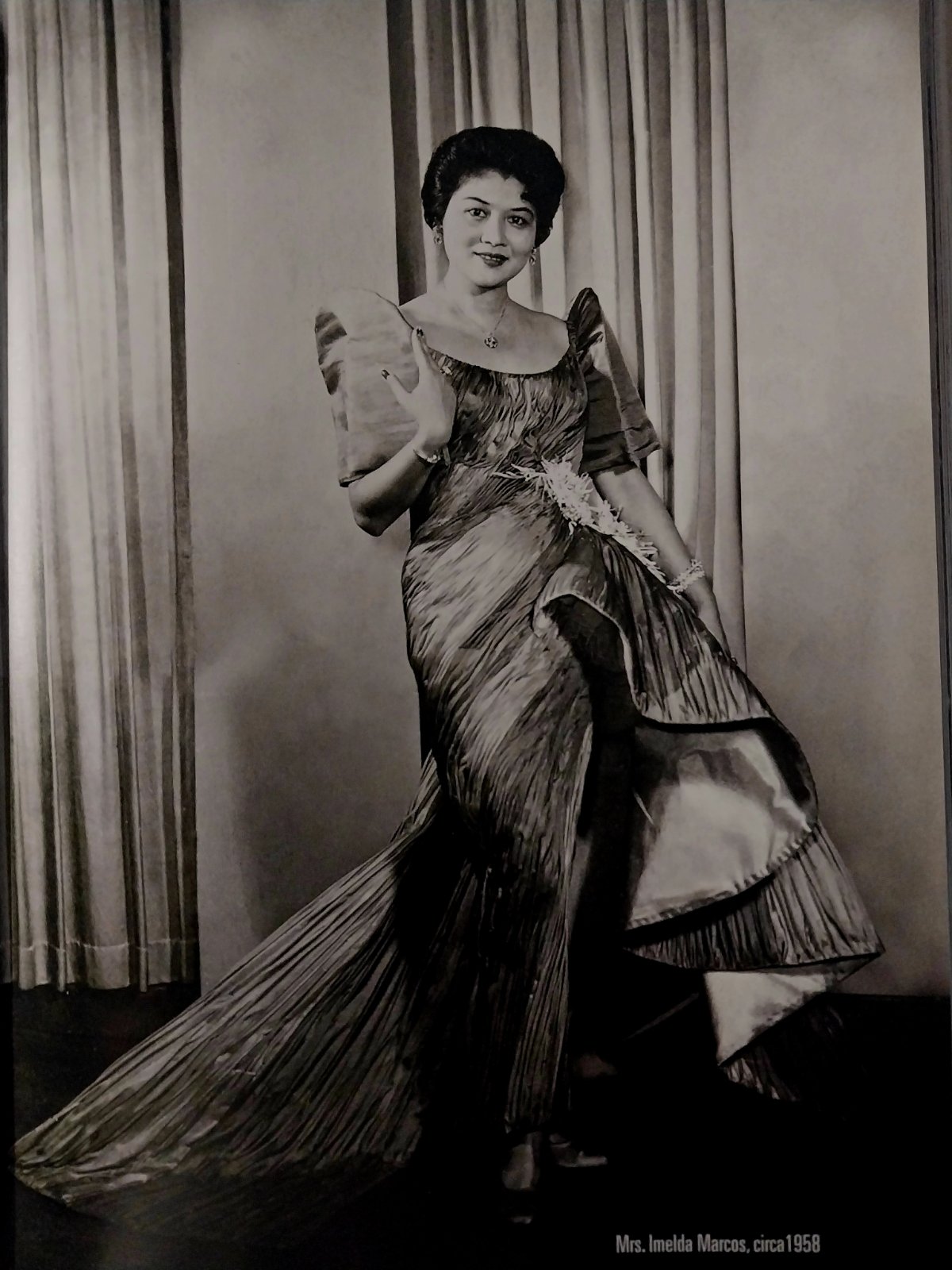
Imelda Romualdez Marcos
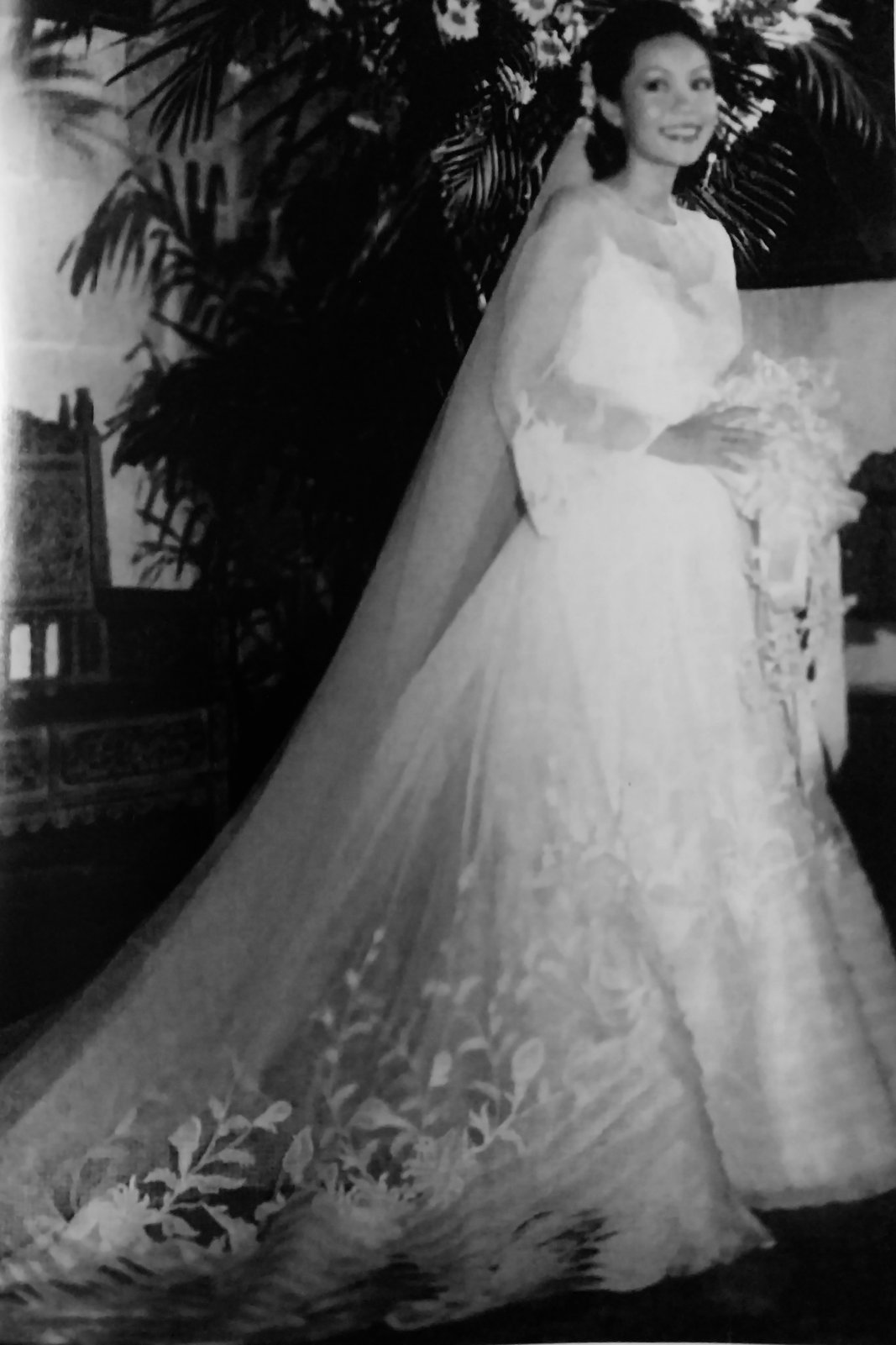
Lisa Tinio Bayot
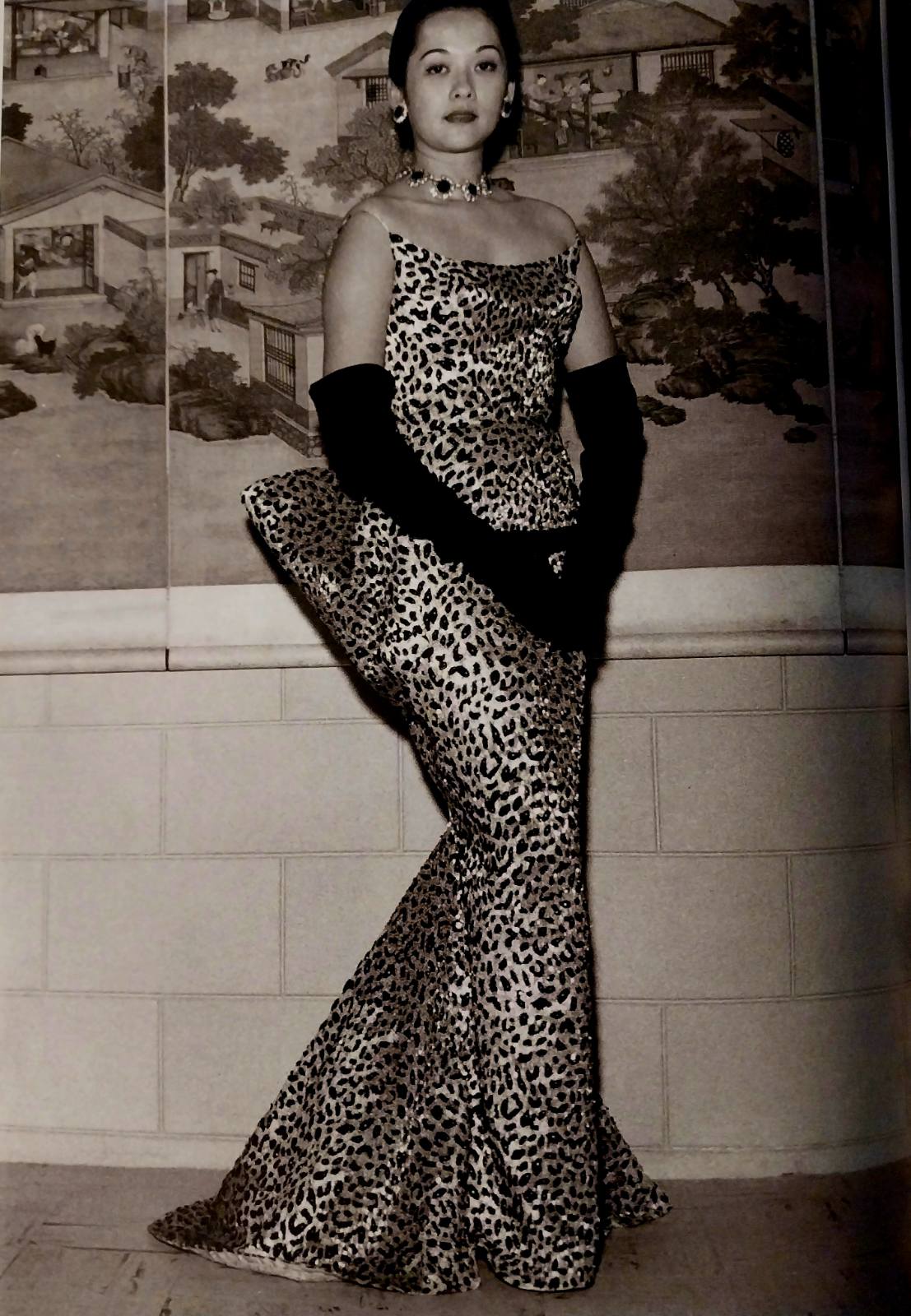
Elvira Ledesma Manahan

The Spice Route: George Town, Penang

Louis Vuitton’s Art of Travel at the Louis Vuitton Central Station; the Landmark Pop-up in Hong Kong

Retrospective: Oj Hofer Celebrates 40 Years of Fashion

Cebu Isn’t Chasing Trends Anymore
Golden Prince Hotel’s Sinulog Royalty Experience

SM Fashion Forum reveals Cebu’s style influencers
5 Filipino Films That Continue the Conversation on Women Empowerment

Noise and Sounds: An Artform

Christmas in Colonial Cebu: A Themed Exhibit by Teresin Mendezona and Eva Gullas for Stylescapes 2019

Artisanal Cebu: Aspiring calligraphy artist Abigail Condrado

Experience authentic Korean Barbeque at Da-In Restaurant

Chaine des Rotisseurs: A Night of Spanish Cuisine
-
 Retail2 months ago
Cebu Isn’t Chasing Trends Anymore
-

 Art Beat2 months ago
Why Does Yayoi Kusama Matter to Cebu?
-
 Fashion1 month ago
Retrospective: Oj Hofer Celebrates 40 Years of Fashion
-
 Fashion3 days ago
Louis Vuitton’s Art of Travel at the Louis Vuitton Central Station; the Landmark Pop-up in Hong Kong
-
 Travel4 hours ago
The Spice Route: George Town, Penang