
QuickFx
The Spice Route: George Town, Penang
by Jing Ramos | photography Doro Barandino
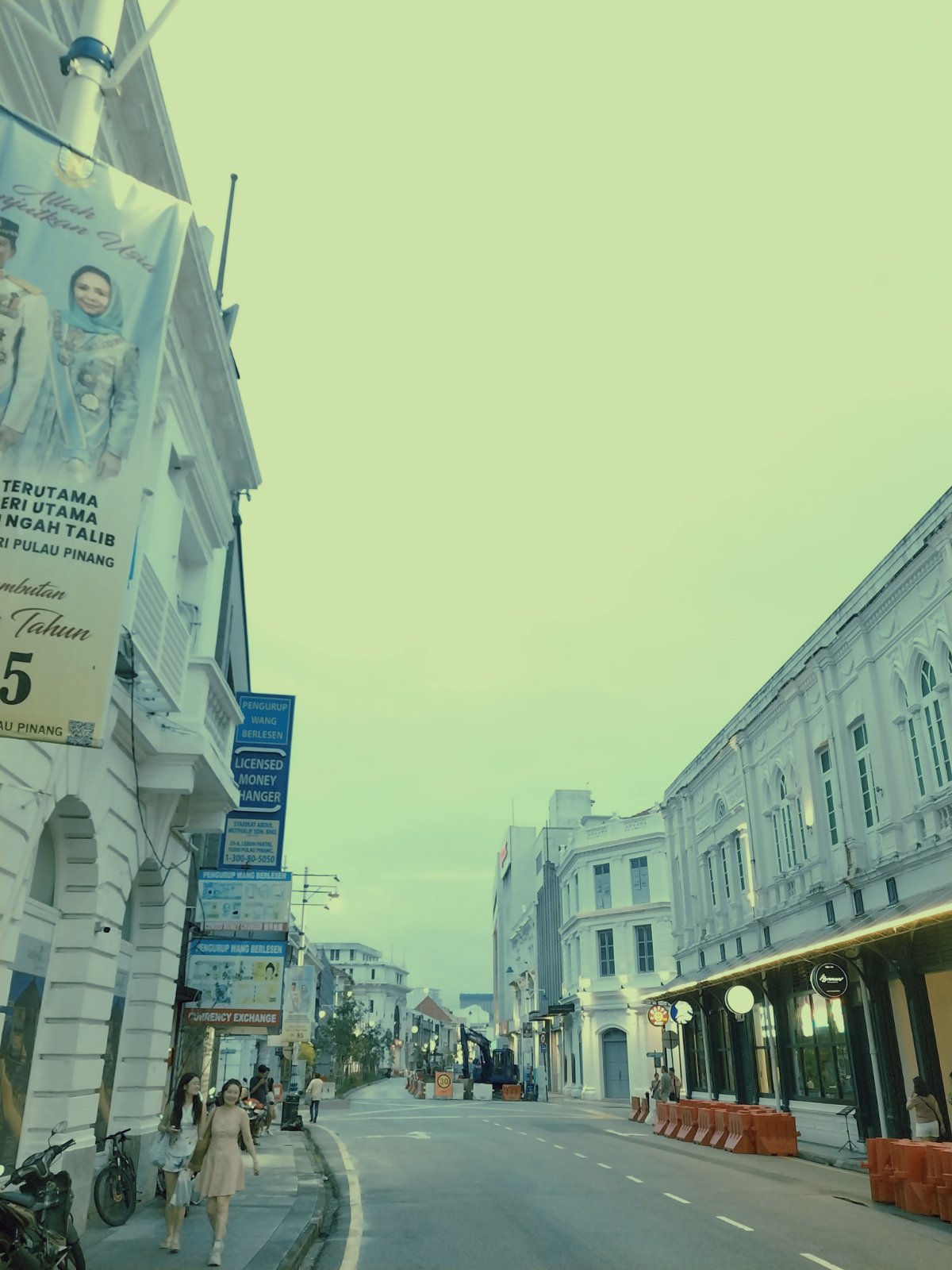
Beach street is one of the oldest roads in GeorgeTown, Penang established by Captain Francis Light between 1786-1787
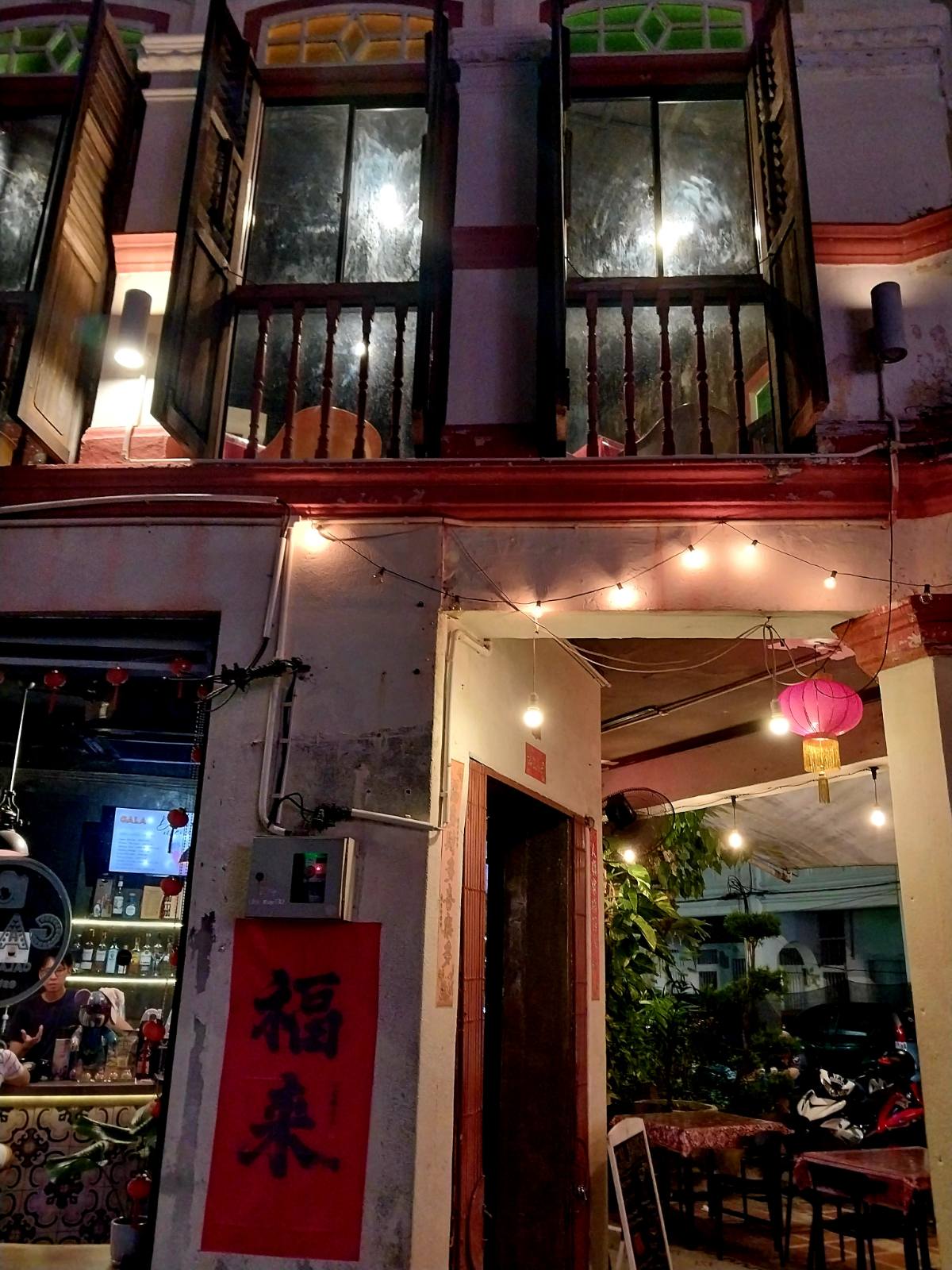
George Town, the capital city of the Malaysian state of Penang, is positioned on the northeastern coast of Penang Island. Founded by Captain Francis Light of the British East India Company in 1786 as a free port and the first British settlement in Southeast Asia, the city was named after Britain’s monarch, King George III. It quickly became an important maritime trading hub along the Silk Road, attracting a host of Malay, Chinese, Indian, and European traders. This bustling urban center is now celebrated for its exciting multicultural history, colonial architecture, and street food gastronomy.
The unique townscape of George Town features historic pre-war buildings concentrated within its core. This built heritage serves as a living physical account of multicultural exchange, a heady cocktail of British colonial administrative design with Chinese, Peranakan, and Indian influences, evident in its neighborhoods, religious buildings, and the daily course of life. Over half of the population is of Chinese descent, alongside significant Malay and Indian demographics. In spite of its diversity, the city has maintained a laid-back small-town charm and a distinctly low-key, community-oriented pace.
The allure of the colonial architecture in George Town lies in its sheer variety, adaptive urban planning, and the effortless way it manages to bridge centuries of multicultural history. Unlike open-air museums, George Town boasts a historic heart that is a living and breathing neighborhood, where grand European institutional structures stand side by side with hyper-localized Asian architecture. This complex layering of distinct styles has created a visual character that has earned the capital its designation as a UNESCO World Heritage Site.
The British utilized European architecture to portray their institutional authority and economic triumph during the colonial period of the empire. It is easy to encounter grand, whitewashed public structures designed with symmetrical facades, Roman arches, and classical columns. The general vibe is imposing, with regal streetscapes evoking the atmosphere of a tropical British outpost. Whereas public buildings are exclusively British in style, the commercial and residential core is dominated by the Straits Eclectic style. The narrow, multistoried shophouses built by Chinese, Peranakan, and local merchants are a blend of European design elements with Asian influences. These charming structures feature a sensory overload of details, including pastel facades, decorative European tiles, and elaborate Chinese porcelain or plaster reliefs.
George Town’s food culture is a melting pot of multi-ethnic fusion, eclectic street hawker traditions, and a shared communal eating style. The strongest influence in this cuisine is known as Peranakan, a rich culinary practice created by descendants of early Chinese immigrants who intermarried with local Malays and Indonesians in the Straits Settlements. Peranakan cuisine, also referred to as “Nyonya,” has a flavor profile that relies on a delicate balance of spicy, sour (think tamarind or kaffir lime), and sweet (gula Melaka, or palm sugar), often enriched with creamy coconut milk. Peranakan cuisine has its foundation in a labor-intensive spice paste, hand-pounded in a stone mortar using fermented shrimp paste, galangal, dried chilies, shallots, candlenuts, and lemongrass to produce a signature aromatic flavor.
The ultimate Peranakan dining experience is undoubtedly Indigo at the Blue Mansion, inside the historic Cheong Fatt Tze Mansion on Leith Street. Cheong Fatt Tze was a Chinese magnate, highly regarded as the richest man in Malaya, with a reputed net worth of approximately US$2.4 billion in today’s terms. The Blue Mansion was built at the end of the 19th century, an architectural jewel worthy of the gentleman’s impressive stature.
Located on the mezzanine of this turn-of-the-century mansion, the restaurant combines contemporary fine dining with an atmospheric heritage setting. It is easy to fall in love with its nostalgic charm, showcased through Scottish wrought-iron Art Nouveau-style railings, wooden louvres, and classic Peranakan aesthetics. The draw here is obviously the setting itself, allowing diners to soak in a dining room shaped by history. The mood is sophisticated, blending old-world allure with low-lit modern luxury. Indigo’s interior, designed by Lawrence Loh, reflects the architectural language of the mansion.
The restaurant’s signature concept features a five-multicourse degustation menu handled by celebrated chef Kim Hock Su, of the one-Michelin-starred Au Jardin fame. The experience starts with an amuse-bouche inspired by Penang’s “otak-otak,” a steamed fish custard served cold on crusty sago crackers. This is followed by black olive sourdough bread paired with artisanal compound butter and preserved radishes, a common condiment elevated into a modern-day luxe experience.
The Penang-inspired lobster bisque soup came next, featuring freshwater prawns poached to achieve a balance of crunch and softness, served delicately with ikura in a broth reminiscent of “Hokkien mee.” The flavors combine savory and sweetness in equal proportions. Dining at Indigo carries a sense of timelessness, one that is hinged in place rather than tied to a particular occasion.
The restaurant offers texturally sharp main course options on its dinner menu, mostly inspired by local street flavors. The crispy fried free-range quail has its roots in a house-crafted “rempah,” a complex, fragrant spice paste. The quail is thoroughly rubbed with this intense spice and marinated before being deep-fried. The other entrée for the evening was the percik-roasted lamb, cooked to medium and devoid of any taste of gaminess. The lamb was infused with rosemary and chickpeas, while the tangy percik peanut sauce complemented its flavor. It was served with Indian-style pickles and layered over potato mash in a green peppercorn sauce reduction.
Dessert was the biku ambon mignardise, a classic honeycombed Indonesian sponge cake famous for its rich texture. The sponge cake is served with the house-made “kaya,” a fragrant pandan coconut jam, alongside freshly whipped cow’s milk.
“At its best, preservation engages the past in a conversation with the present over a mutual concern for the future.” — William J. Murtagh
From the crisp, modern execution of the opening seafood courses to the spice-laden depth of the main course, the menu bridges the gap between George Town’s past and the excitement of its culinary future. The Indigo dining experience allows diners to actively participate in the living, breathing legacy of the Blue Mansion.
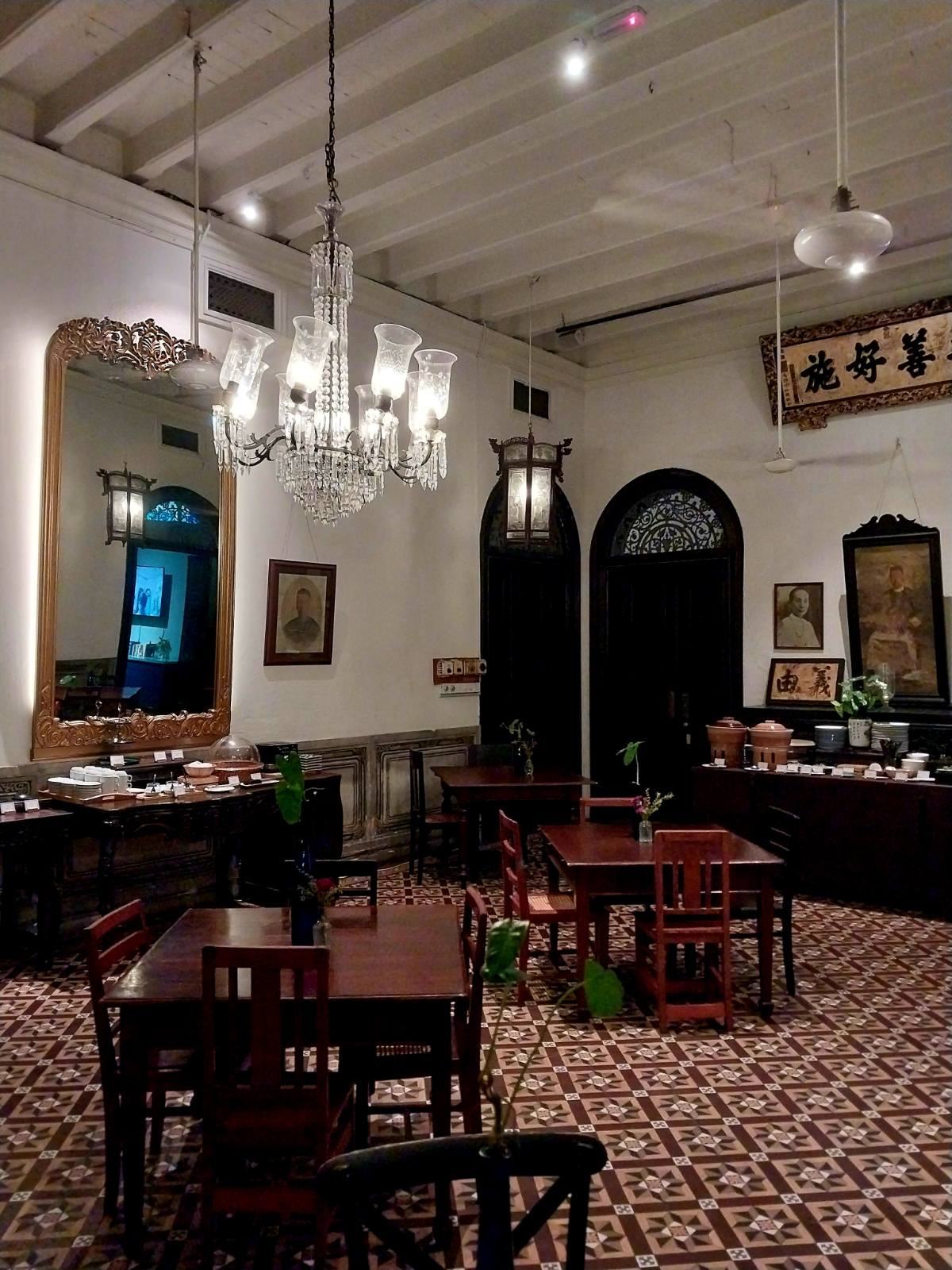
The mood in the Blue Mansion is sophisticated, blending Peranakan grandeur with quiet modern luxury.
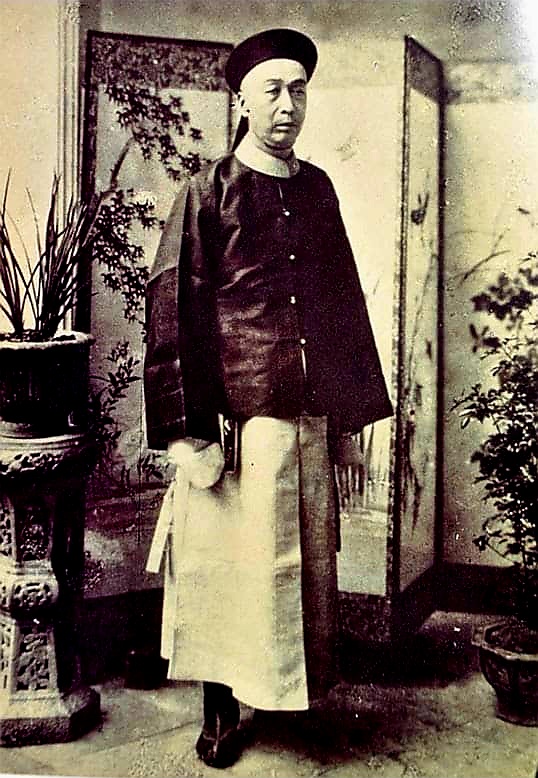
Cheong Fatt Tze was a Chinese industrialist who was once touted as the richest man in Malaya.
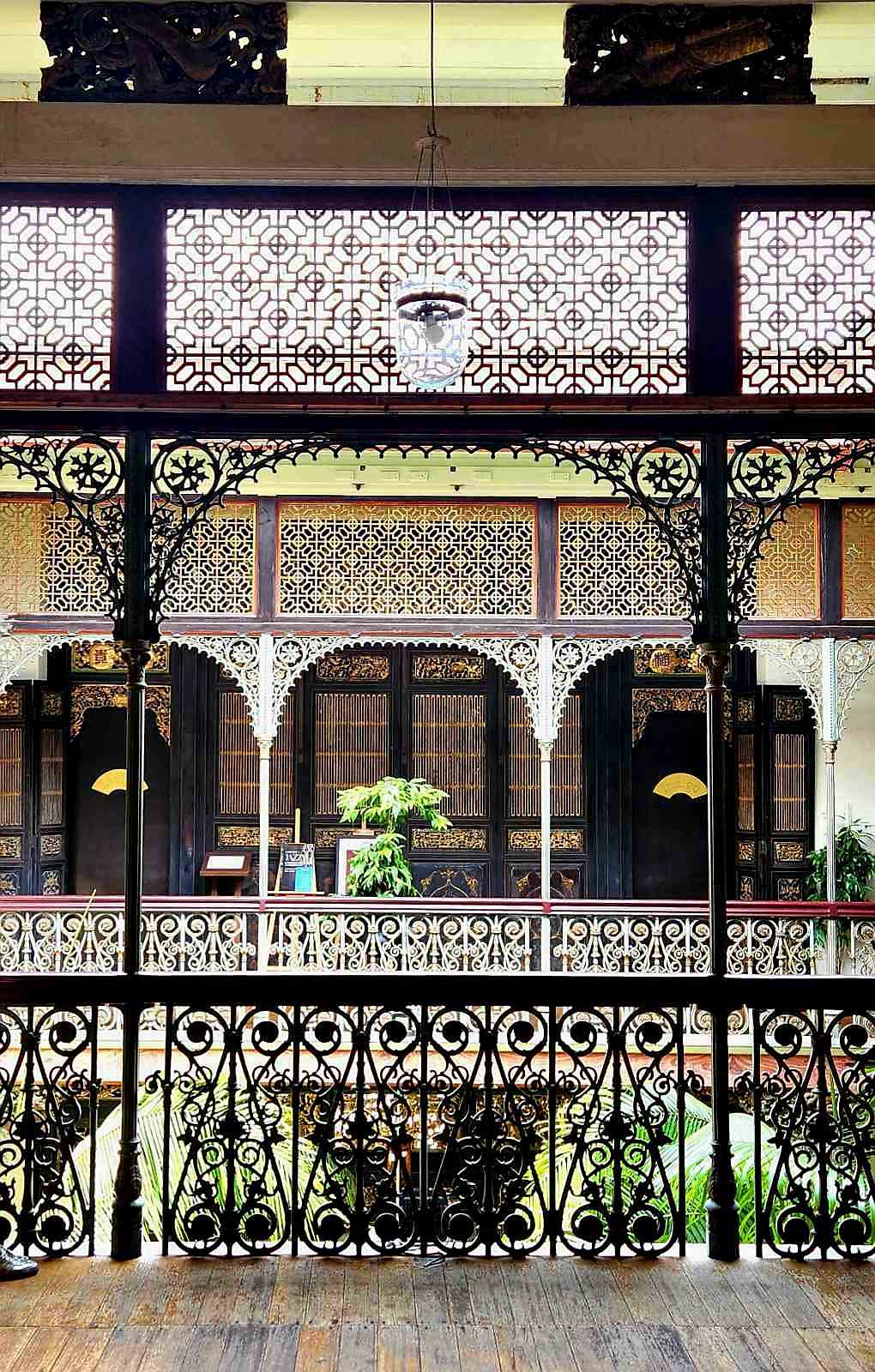
The lavish architectural details of the Cheong Fatt Tze Mansion include art-nouveau grill work from Scotland.
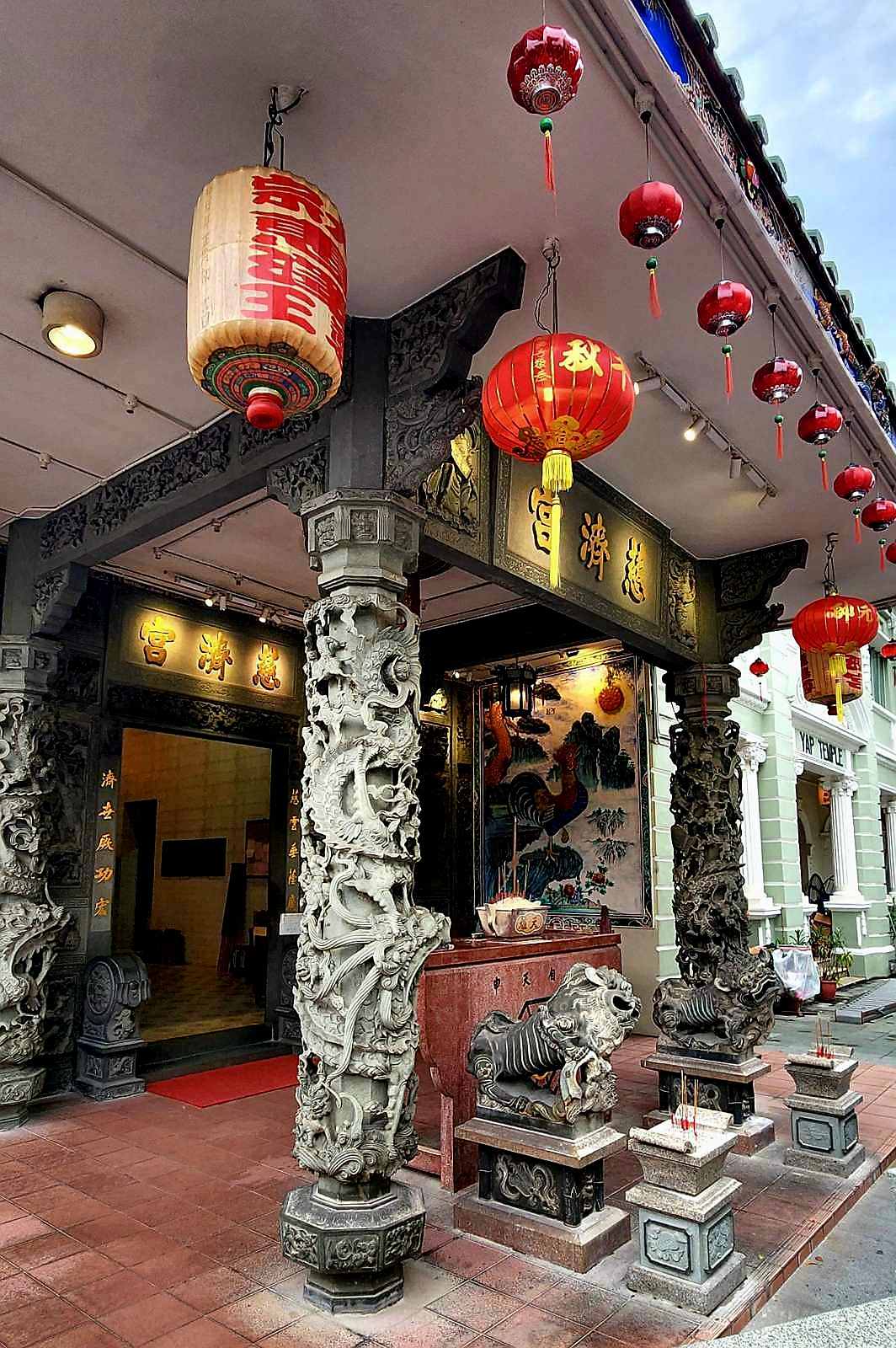
The ornate entrance of the Yap Kongsi Temple on Armenian street features stone-carved dragon pillars.
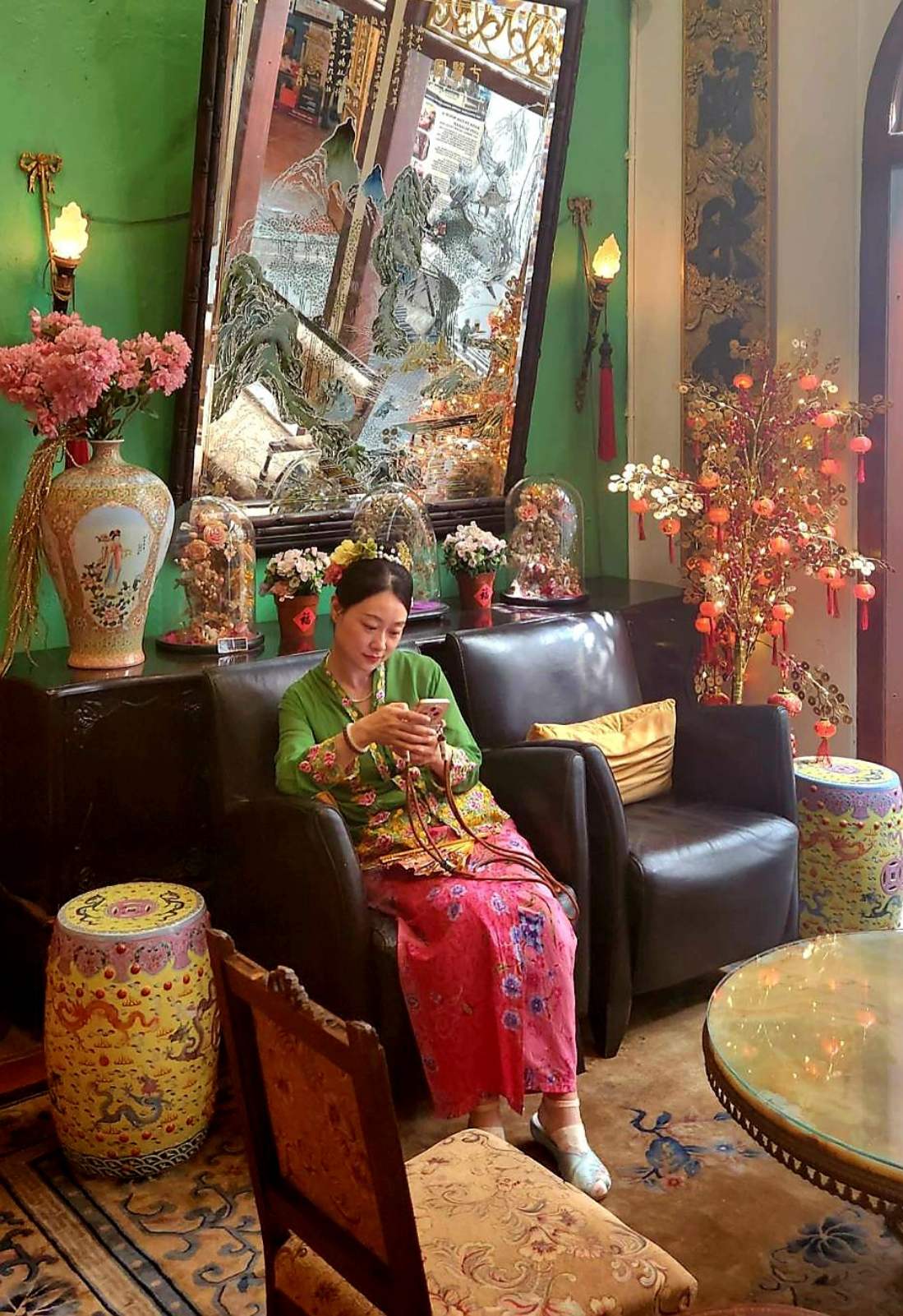
The Peranakan Museum is a restored 19th century heritage house that showcases the lifestyle and collections of the Baba-Nyonya community.
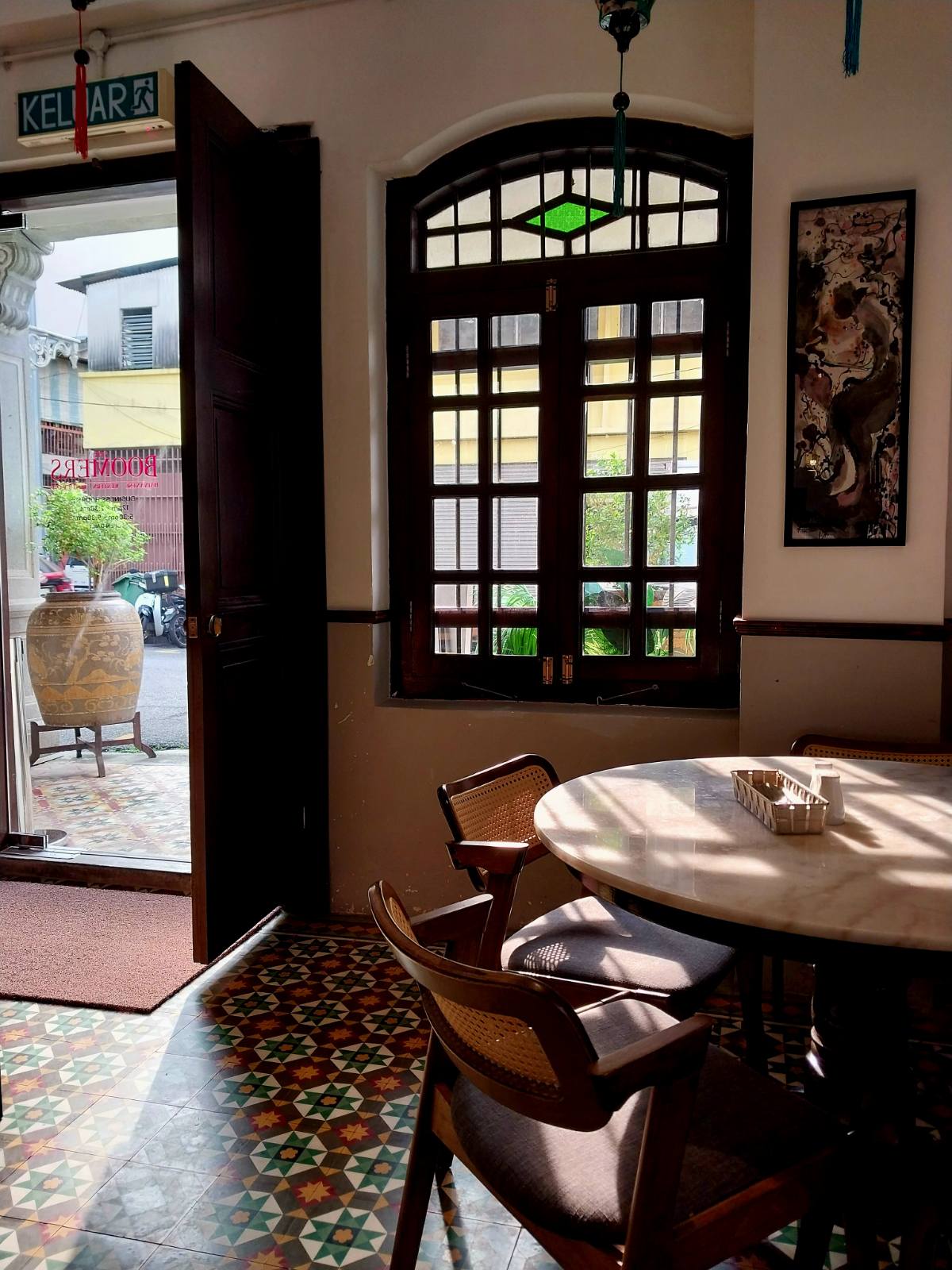
The breakfast corner at the Museum Hotel is decked out in Peranakan style architecture and antique furniture.




QuickFx
Chromatic Narratives: Wayne Lacson Forte at the Negros Museum
by Jing Ramos
Visual artist Wayne Lacson Forte believes that abstraction in paintings can depict a story that realism can never communicate to an audience. In fact, it is a narrative told in the language of movement into order and patterns. The artist invites the viewer to become acquainted with the formal elements of the image, not just as tools but as characters in an unfolding visual panorama.
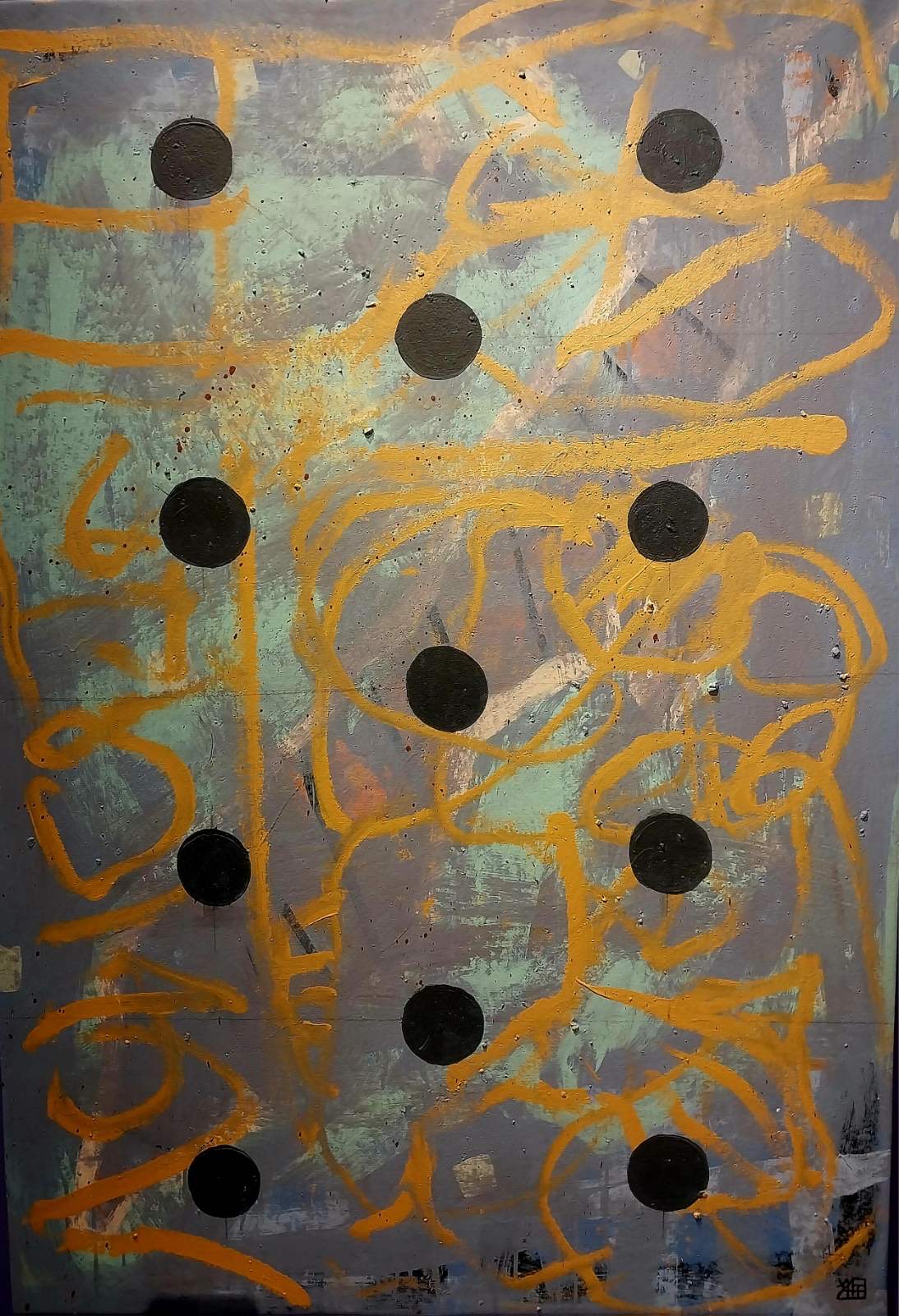
This series of abstractions in Wayne Forte’s recent exhibition, Chromatic Narratives, was conceptualized through the artist’s use of the rhythm of color and the architecture of line. The canvases exhibit warm and engaging colors that arrest viewers, and cool shades that pull back as a striking contrast, while thick obsidian lines leap forward to define the limits of space. By keeping the perspective shallow, Wayne Forte embraces the modernist tradition by honoring the flat surface as a “sacred site of creation.” The entire act of the process was a physical challenge for the artist, since the large-scale abstractions are painted on unstretched canvases. The artist’s technique involves using the body’s force to apply brushstrokes in broad, sweeping gestures. In the artist’s words, “this is a partnership of movement.” He likens the process to a dance partner, allowing the paint almost to a point of having a vitality of its own. The result is a series of vibrant images reflecting the artist’s oeuvre and the soul of its medium.
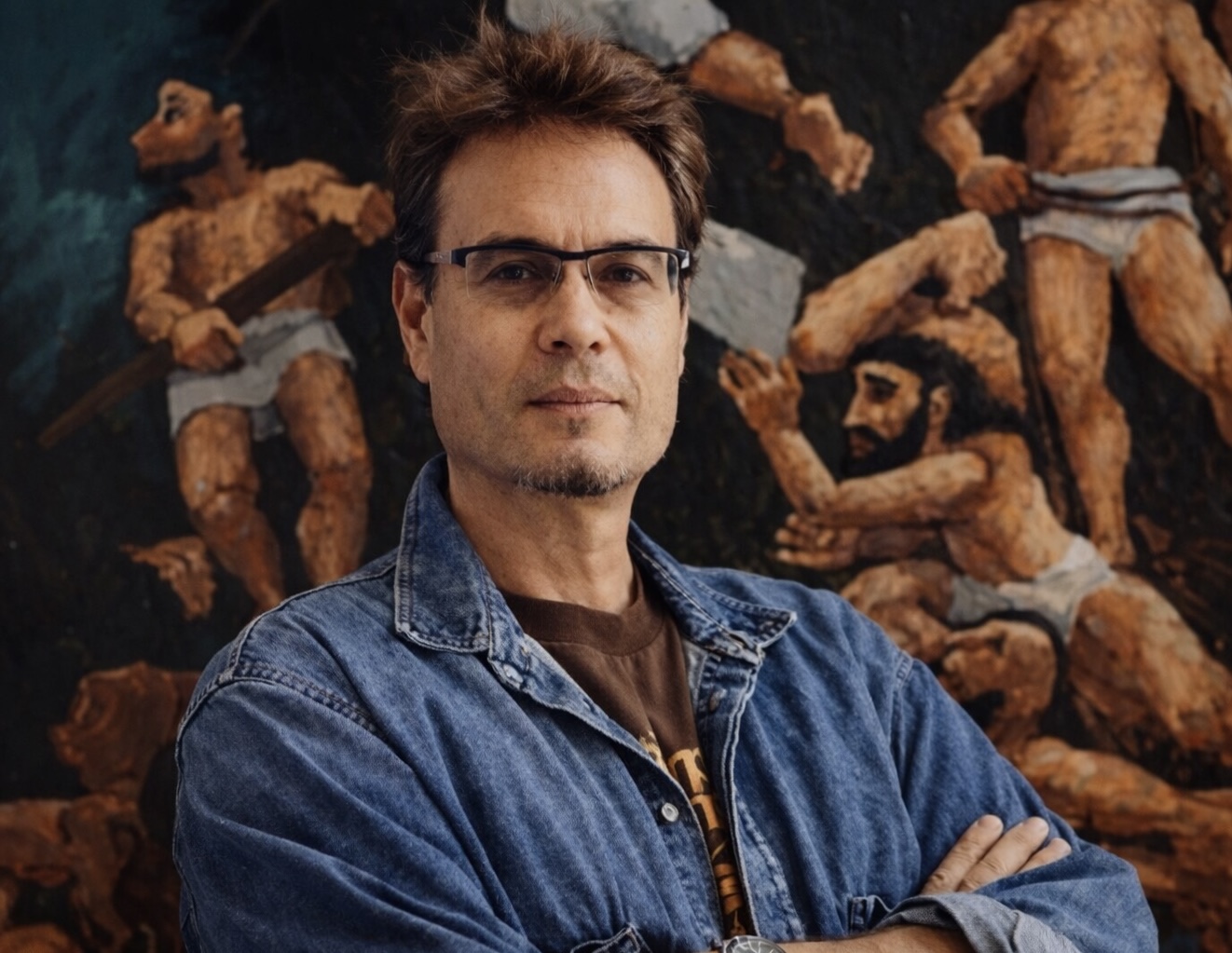
Visual artist Wayne Lacson Forte lives in Laguna Niguel, California
“For many years, my practice was anchored in the figurative tradition, guided by Philip Gaston’s conviction that art needs to tell a story. Reaching the milestone of my 75th year brought a profound shift, a quiet humility and a newfound trust that allowed me a new perspective in my creative expression.”
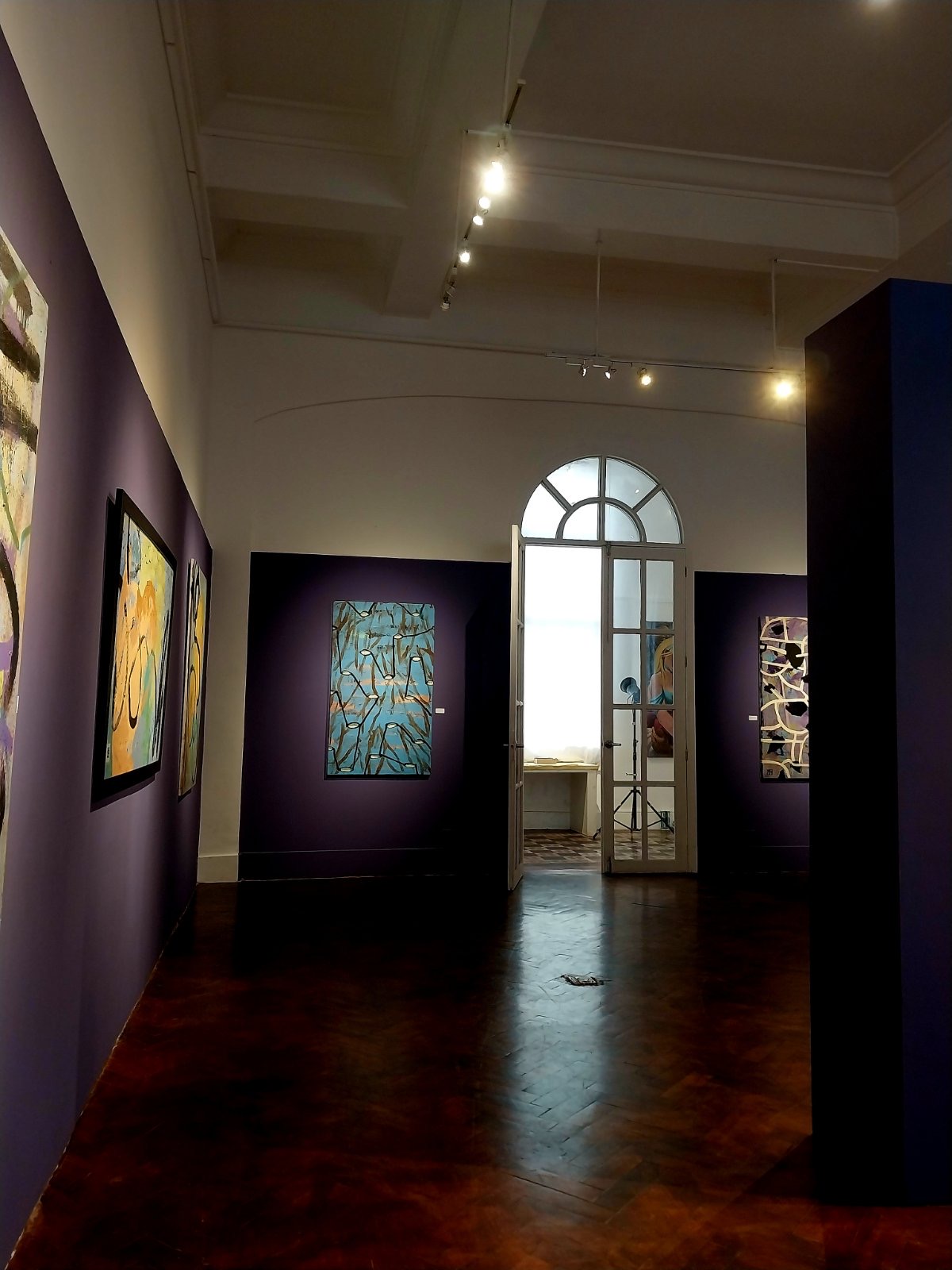
The interior galleries of the Negros Museum offer a calm and reflective atmosphere
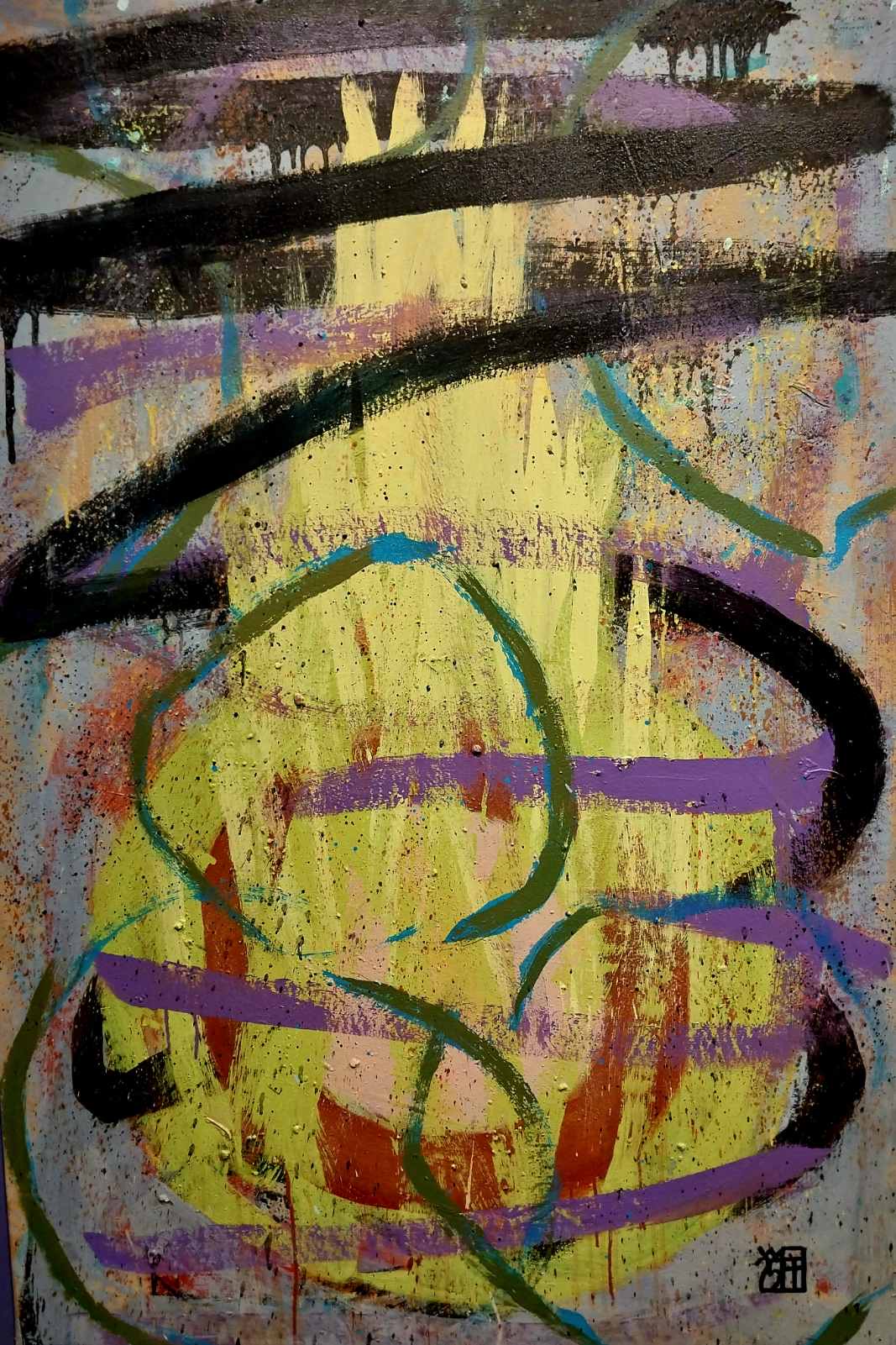
Kanlaon, acrylic on canvas 2025
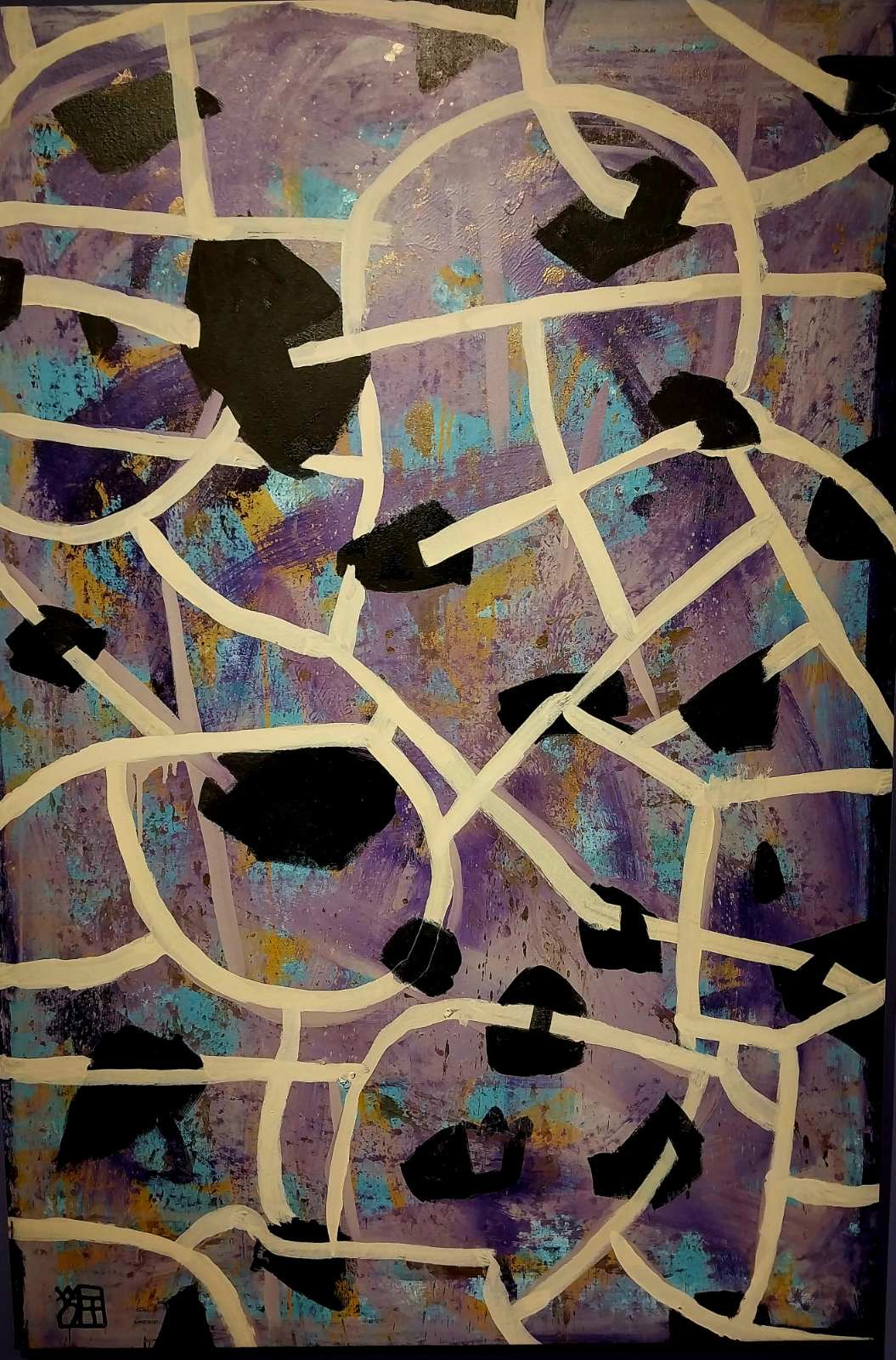
Myrtle, acrylic on canvas 2025
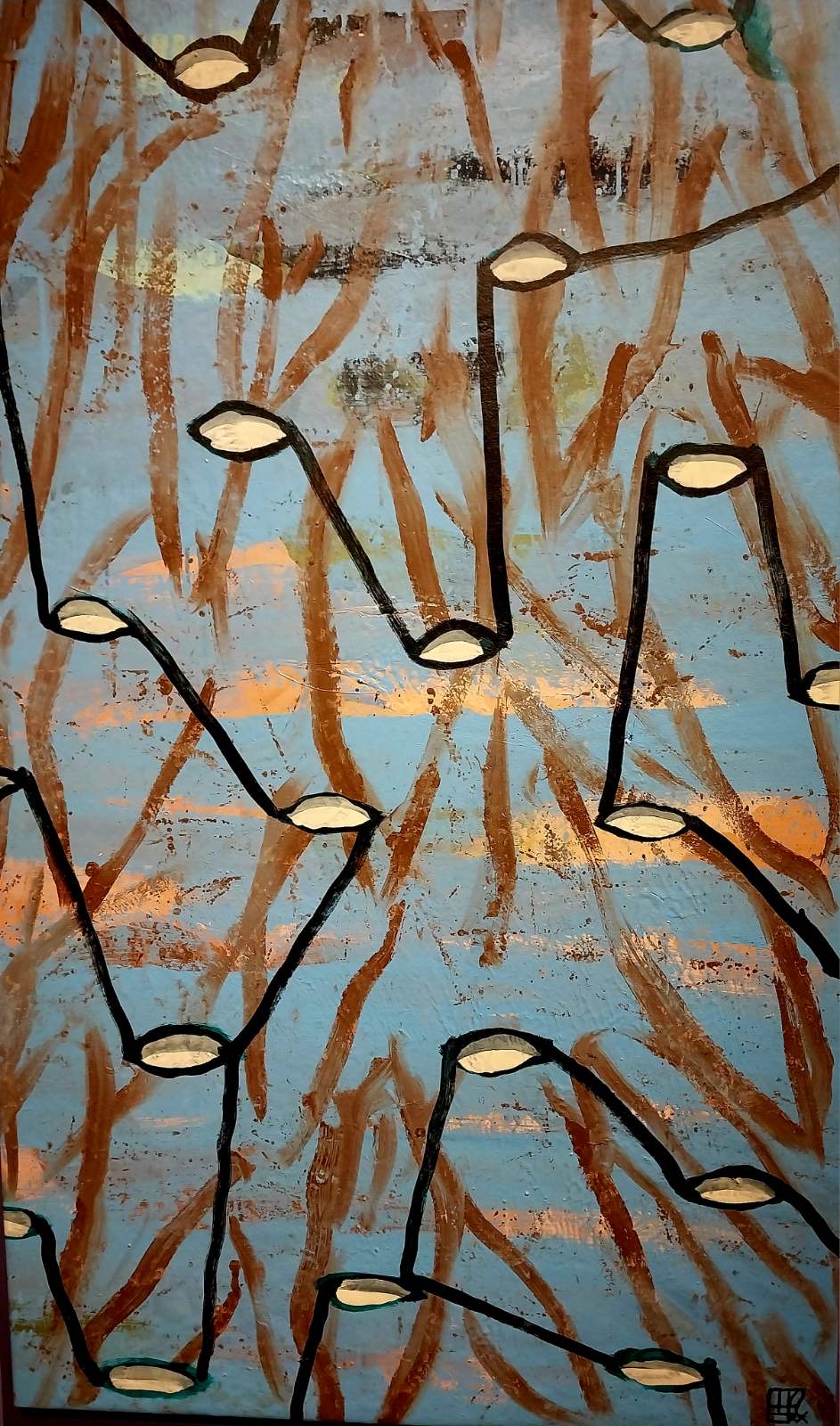
Calamari, acrylic on canvas 2024
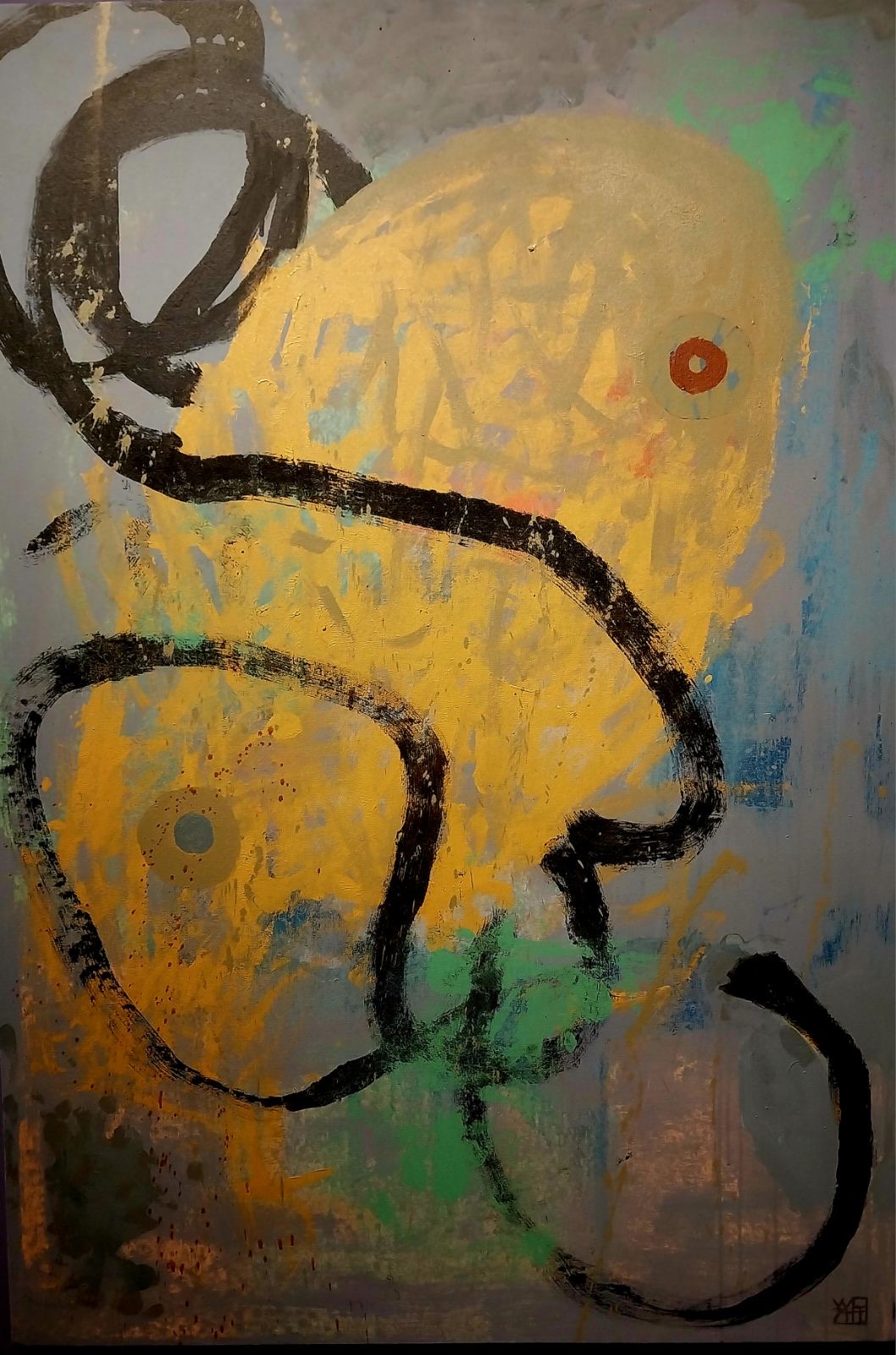
Tubbatha, acrylic on canvas 2024
QuickFx
Bright Young Things: Why Cecil Beaton Remains Vital in the World of Photography
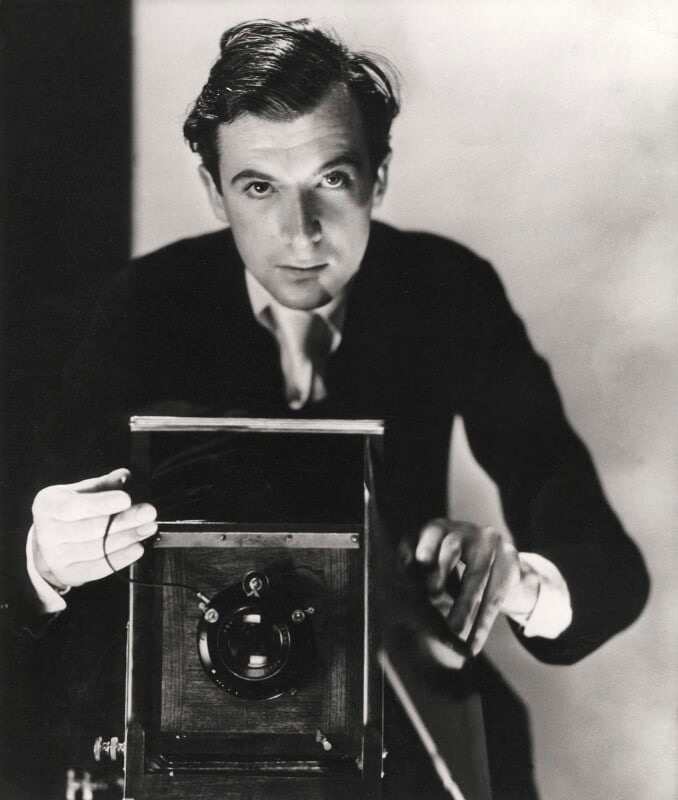
by Jing Ramos
Sir Cecil Beaton (1904–1980) was long known as a society photographer since 1926. Beaton’s fascination with glamour and high society led him to become court photographer for the British Royal Family in 1937. He also progressed into successful stage and film productions, most exceptionally My Fair Lady (1964) and Gigi (1958). His career, however, took off earlier in the mid-1920s when he began to contribute photographs and illustrations to Vogue magazine.
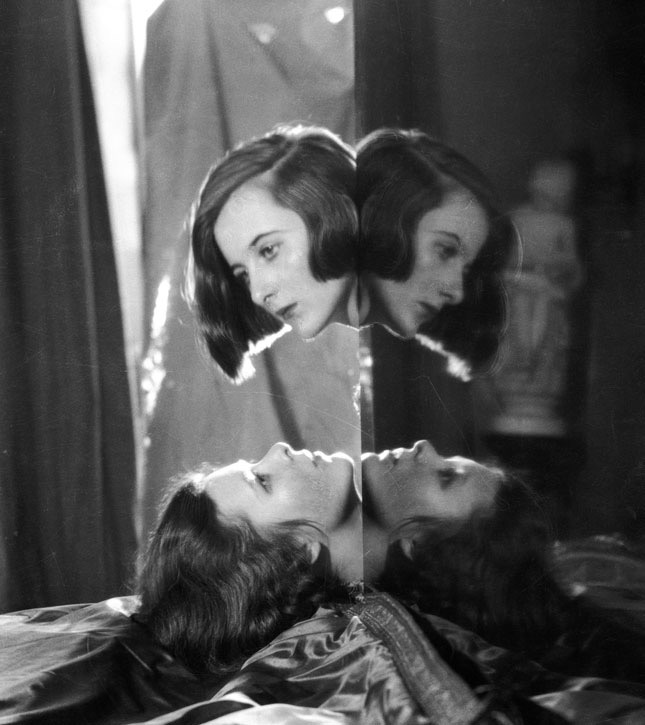
Nancy and Baba Beaton by Cecil Beaton, 1926
Cecil Beaton’s photographs defined a glittering generation of eminent artists, royalty, bohemians, actors, and actresses. Beaton’s inimitable elegance brings to life a deliciously eccentric and creative era of British cultural life.
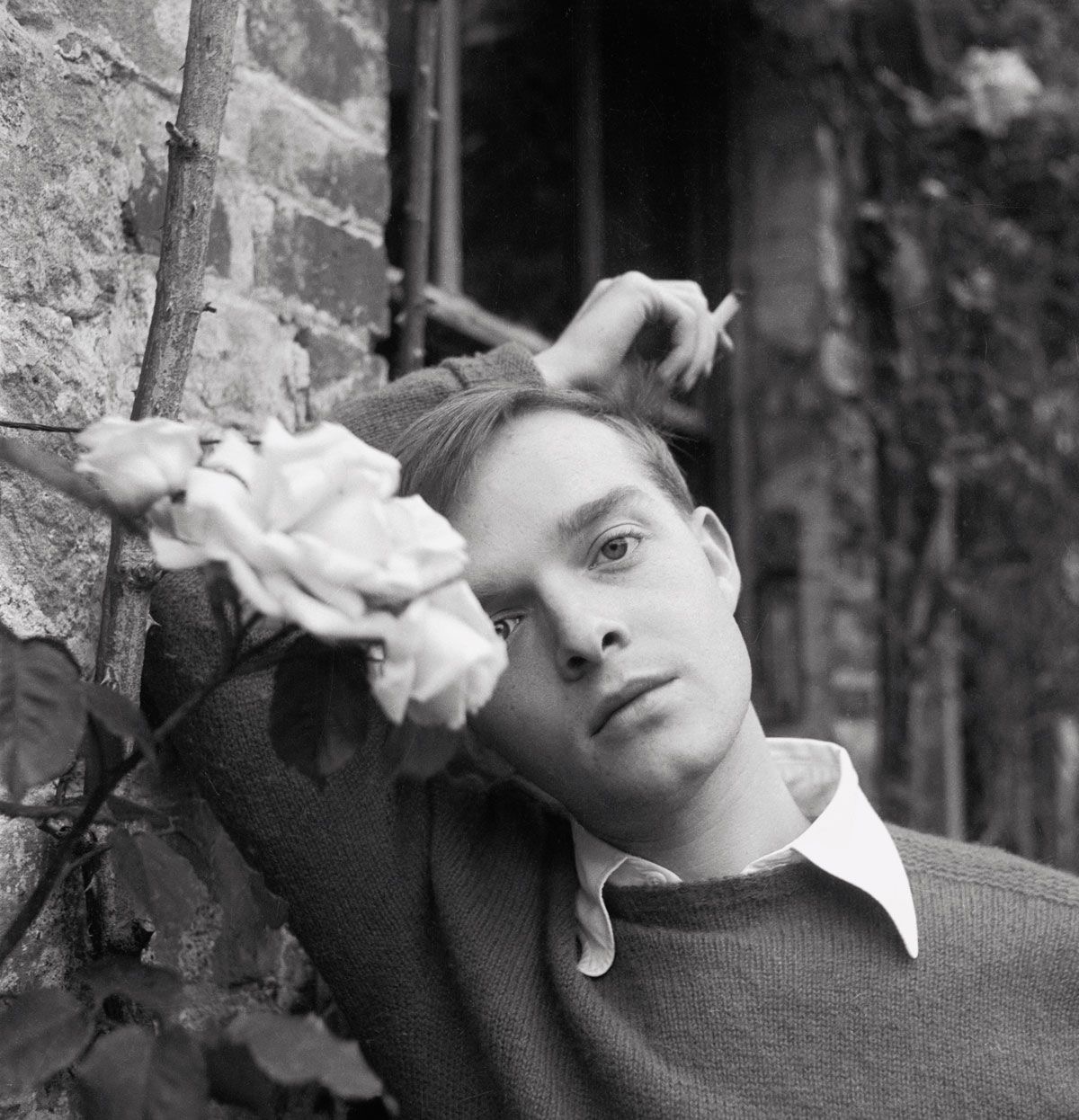
Truman Capote by Cecil Beaton 1948
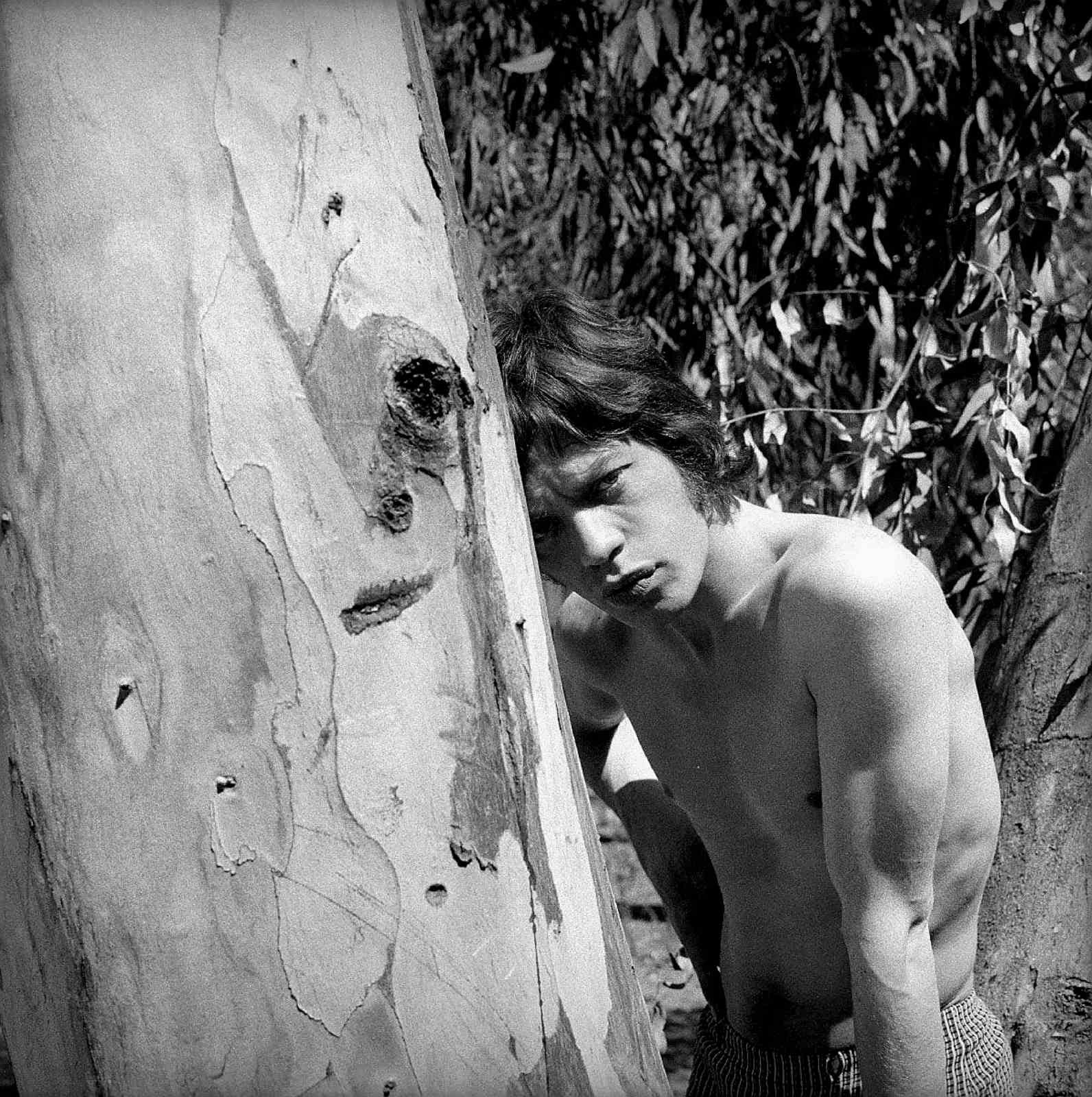
Mick Jagger by Cecil Beaton 1967
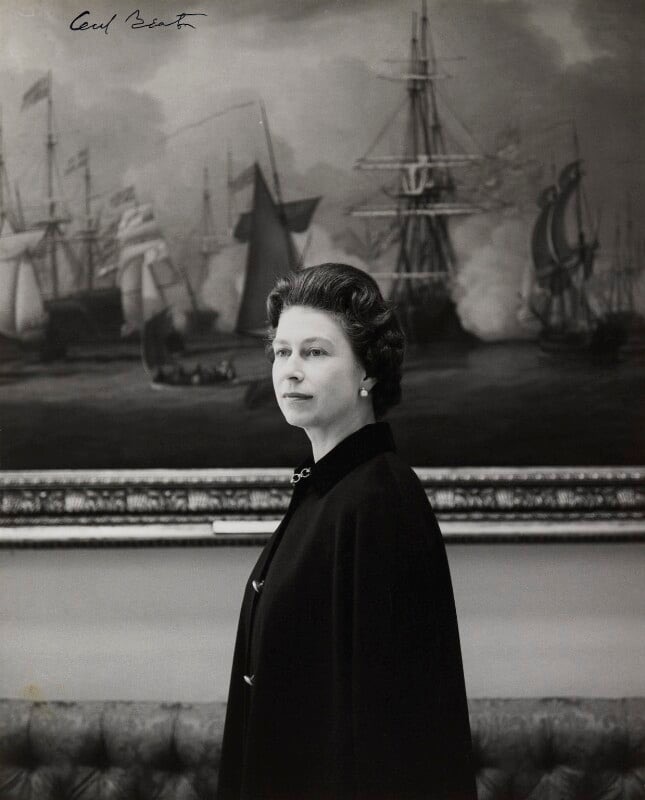
Queen Elizabeth the Second, bromide print by Cecil Beaton 1968. National Portrait Gallery,London
Cecil Beaton remained an arbiter of fashion throughout his career, from the 1920s to the 1960s. His flair for theatricality and elegance captured both celebrities and royalty in his signature, highly stylised compositions. In his long and diversified life, he flourished in creating a persona for himself—snobbish, confident, and often dismissive. As writer Truman Capote once said, “Cecil was that rare creature—a total self-creation.” He succeeded in rising to a position where his opinion was valued and respected, particularly in matters of taste.
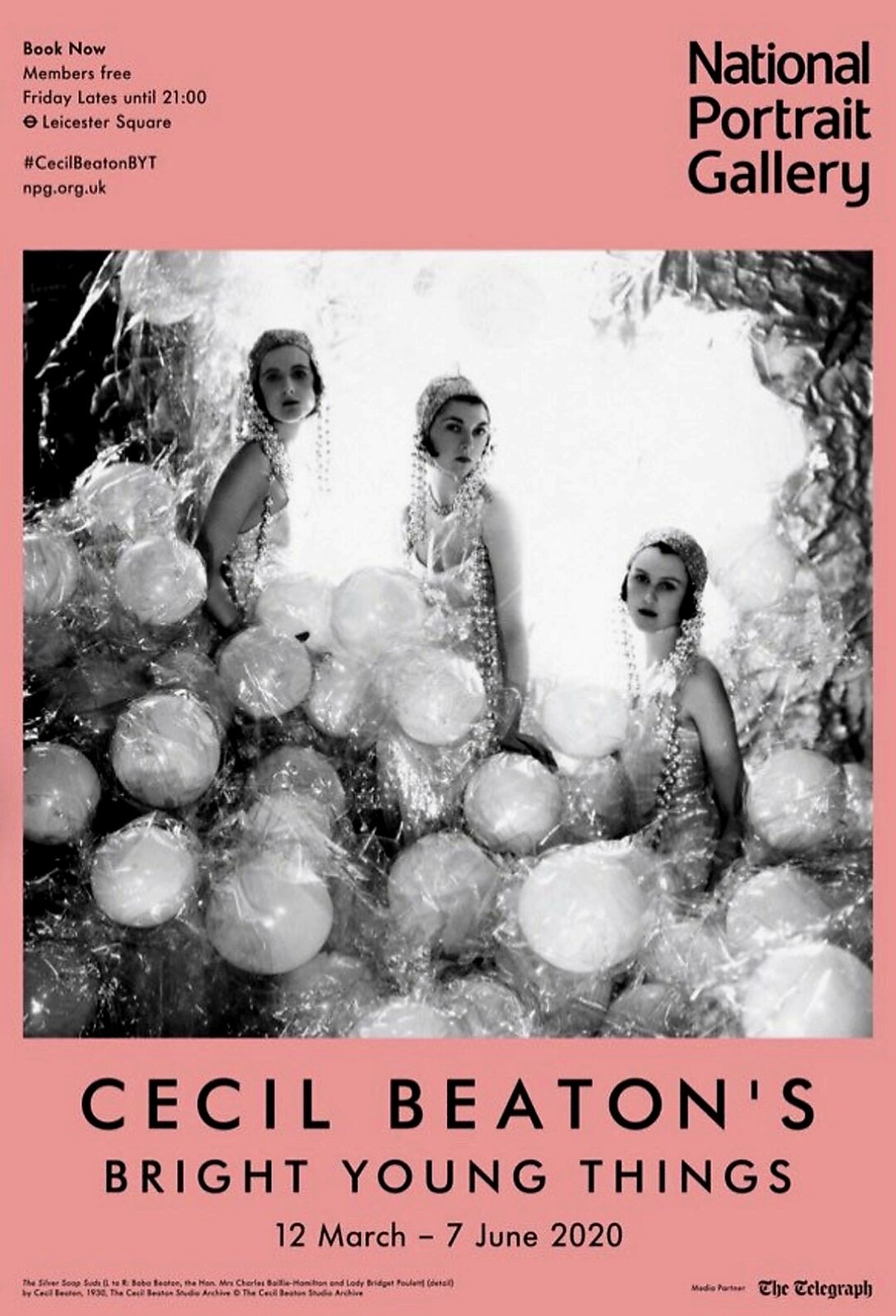
The National Portrait Gallery of London honored Cecil Beaton with a retrospective in year 2020
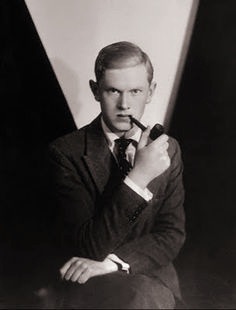
Evelyn Waugh by Cecil Beaton 1920
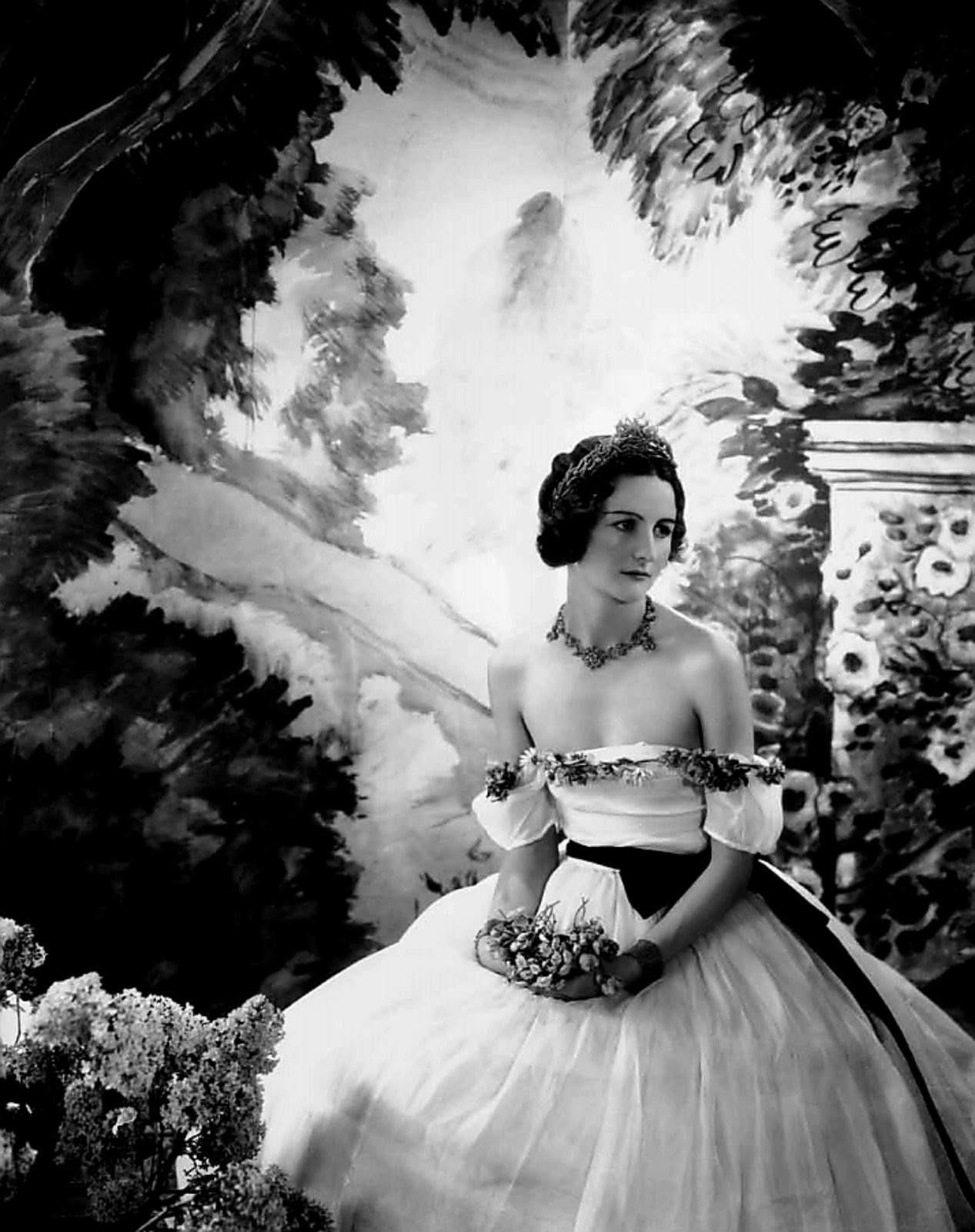
Nancy Mitford by Cecil Beaton 1929
Cecil Beaton’s influence on portrait photography remains pivotal and lives on today in the works of contemporary photographers. He was celebrated by the National Portrait Gallery in London in the spring of 2020 for his portfolio of a rebellious group of artists, writers, and socialites from the 1920s through the 1930s. Bright Young Things captured that spirit, reflecting a dramatic imprint on social mores of the epoch. Among the impressive cast were Stephen Tennant, the Mitford sisters, Siegfried Sassoon, Evelyn Waugh, and Daphne du Maurier. This exhibition charted Beaton’s transformation from a suburban schoolboy to a member of the glitterati. More than a photographer, Beaton turned himself into a society fixture in his own right.
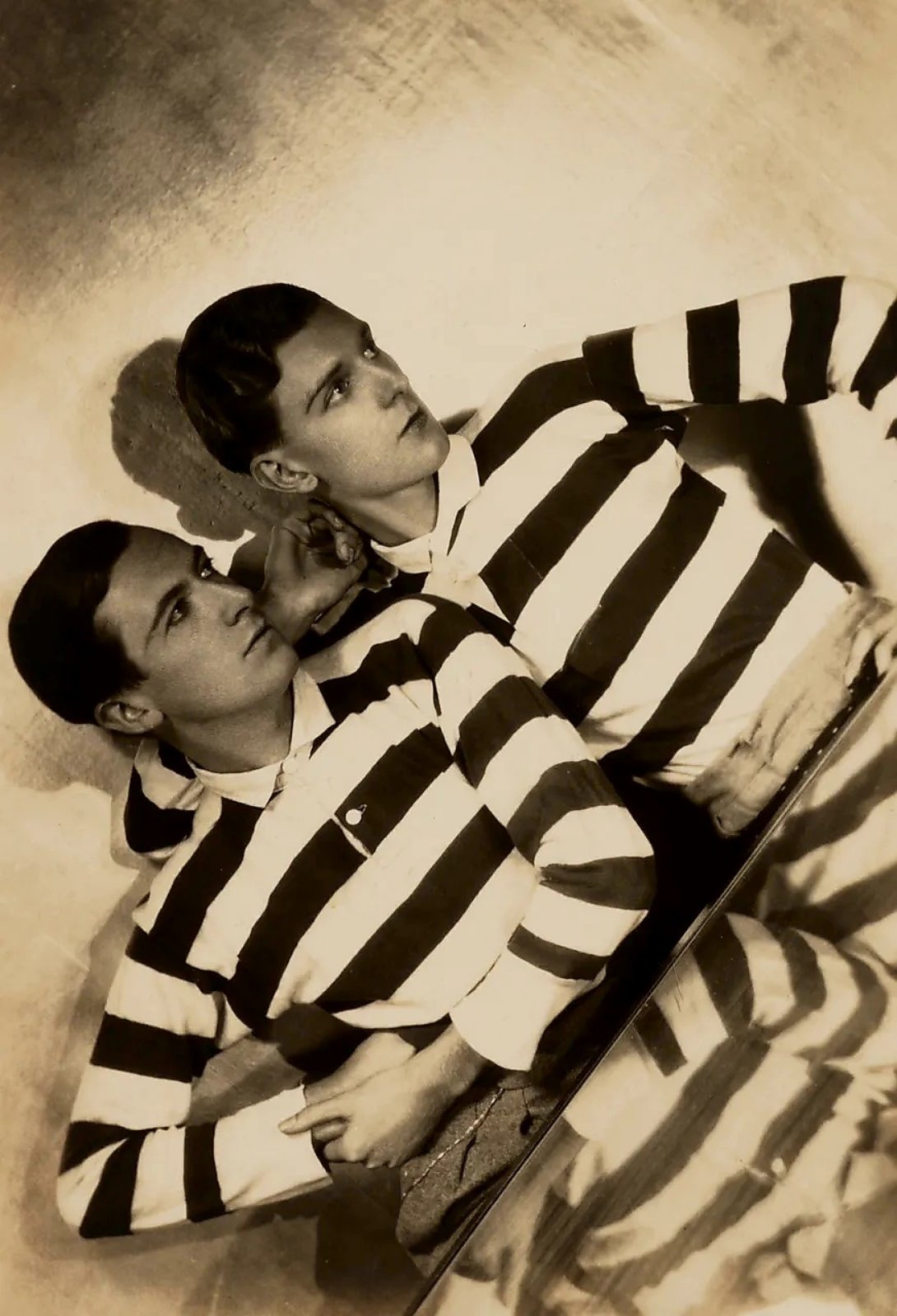
Cecil Beaton and Stephen Tennant, Riviera Wanderers photographed by Maurice Beck and Helen McGregor 1927, National Portrait Gallery, London
QuickFx
In Black and White: Photographer Richard Avedon Captures the Cultural Zeitgeist of His Era
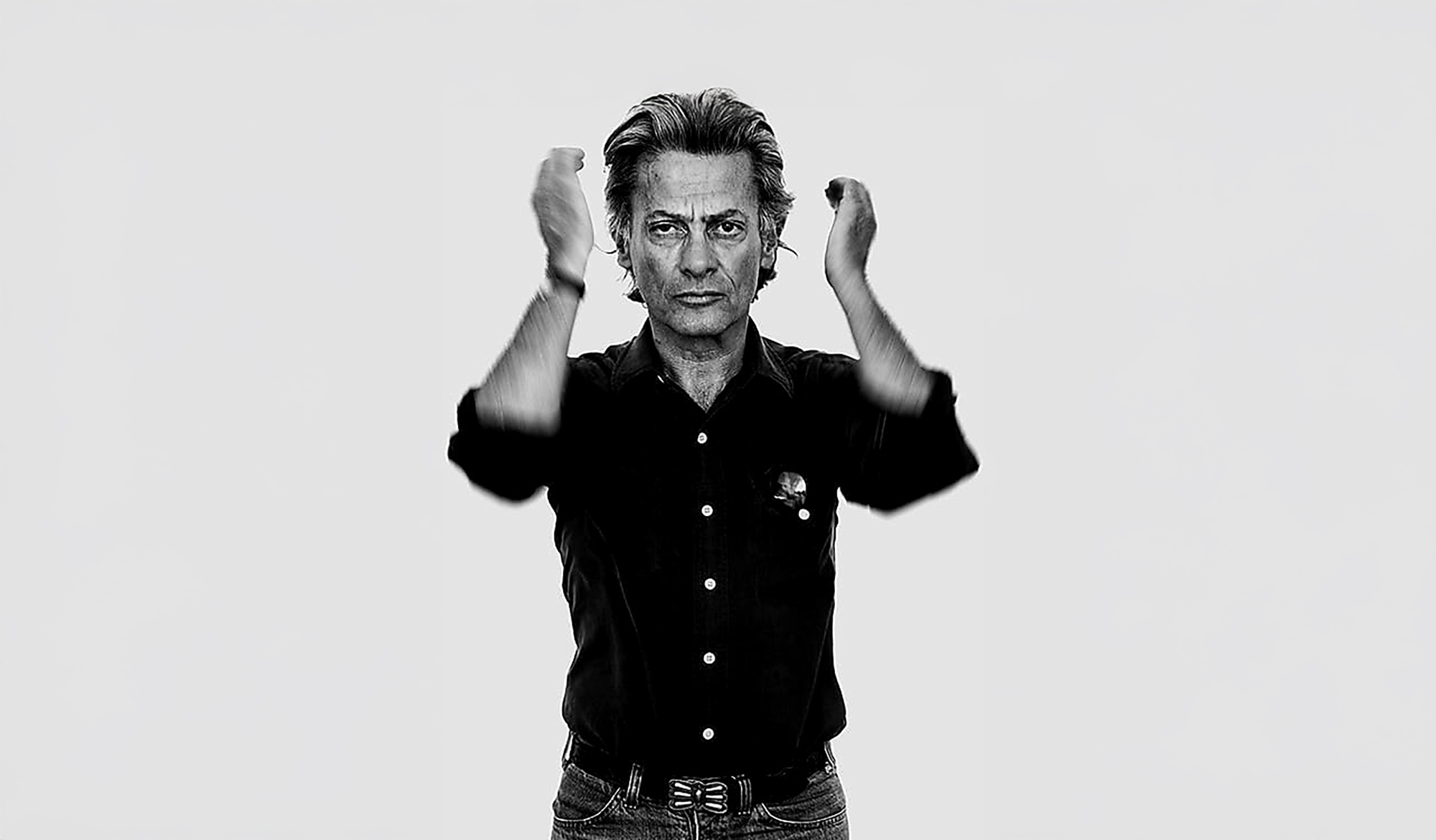
by Jing Ramos
Richard Avedon had photographed every single important personality in the cultural landscape of the last century. Long known for his images of stylish and urbane women decked out in Balenciaga or Dior, under Vogue editor-in-chief Diana Vreeland’s mentorship, he made his mark with the iconic photograph of Dovima with the elephants, evening dress by Christian Dior, Cirque d’Hiver in Paris, 1955.
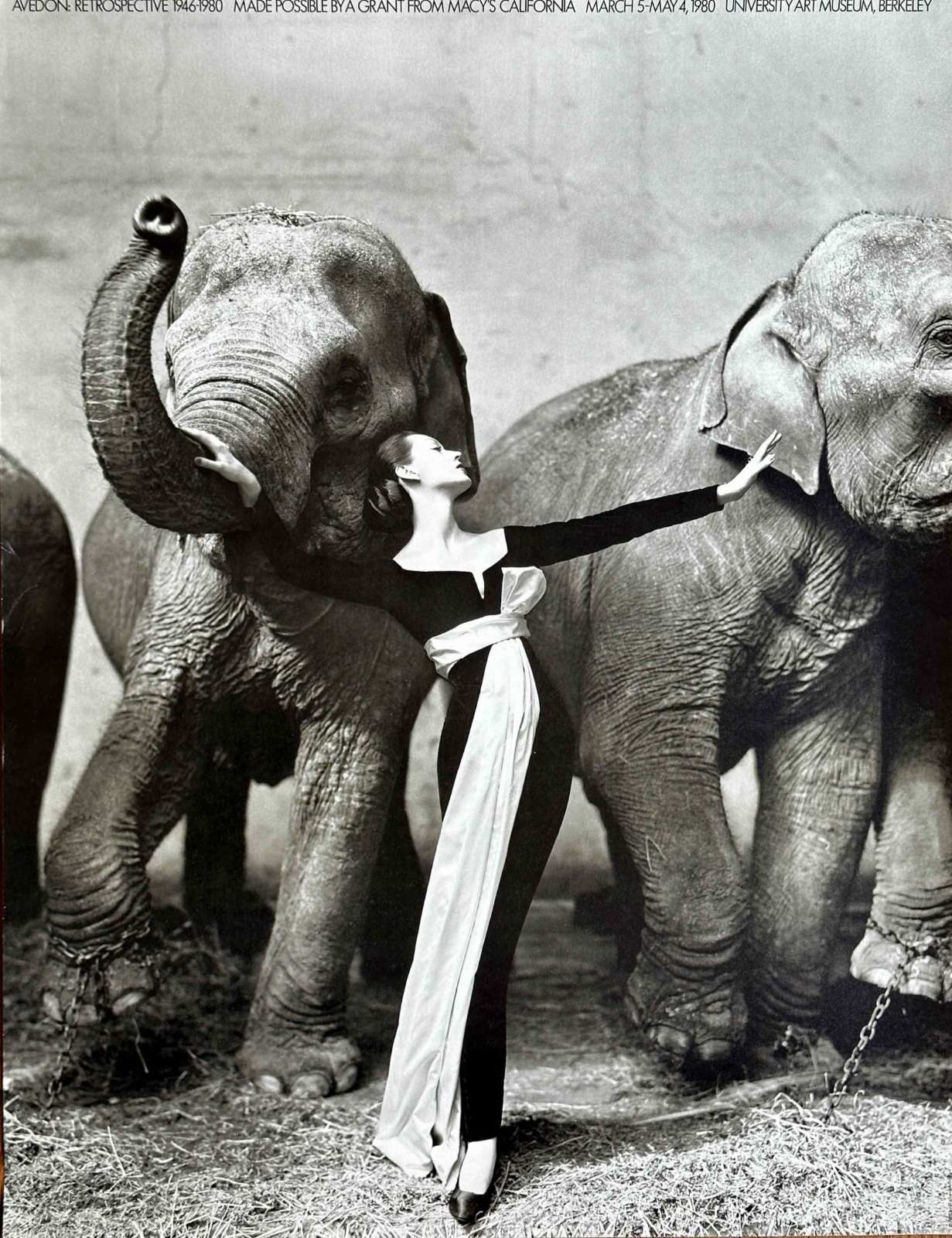
Dovima with elephants, Cirque d’Hiver Paris, 1955
And yet, in spite of Richard Avedon’s mammoth commercial success, he pined for loftier ideals. The photographer craved gravitas—portraits that remained pure and unvarnished and had a universal appeal. Always in black and white and photographed against a white background, Avedon’s portraits were often viewed as clinical, stone-cold, and sometimes unflattering. Think of the ones he did of artist Louise Nevelson and writer Isak Dinesen.
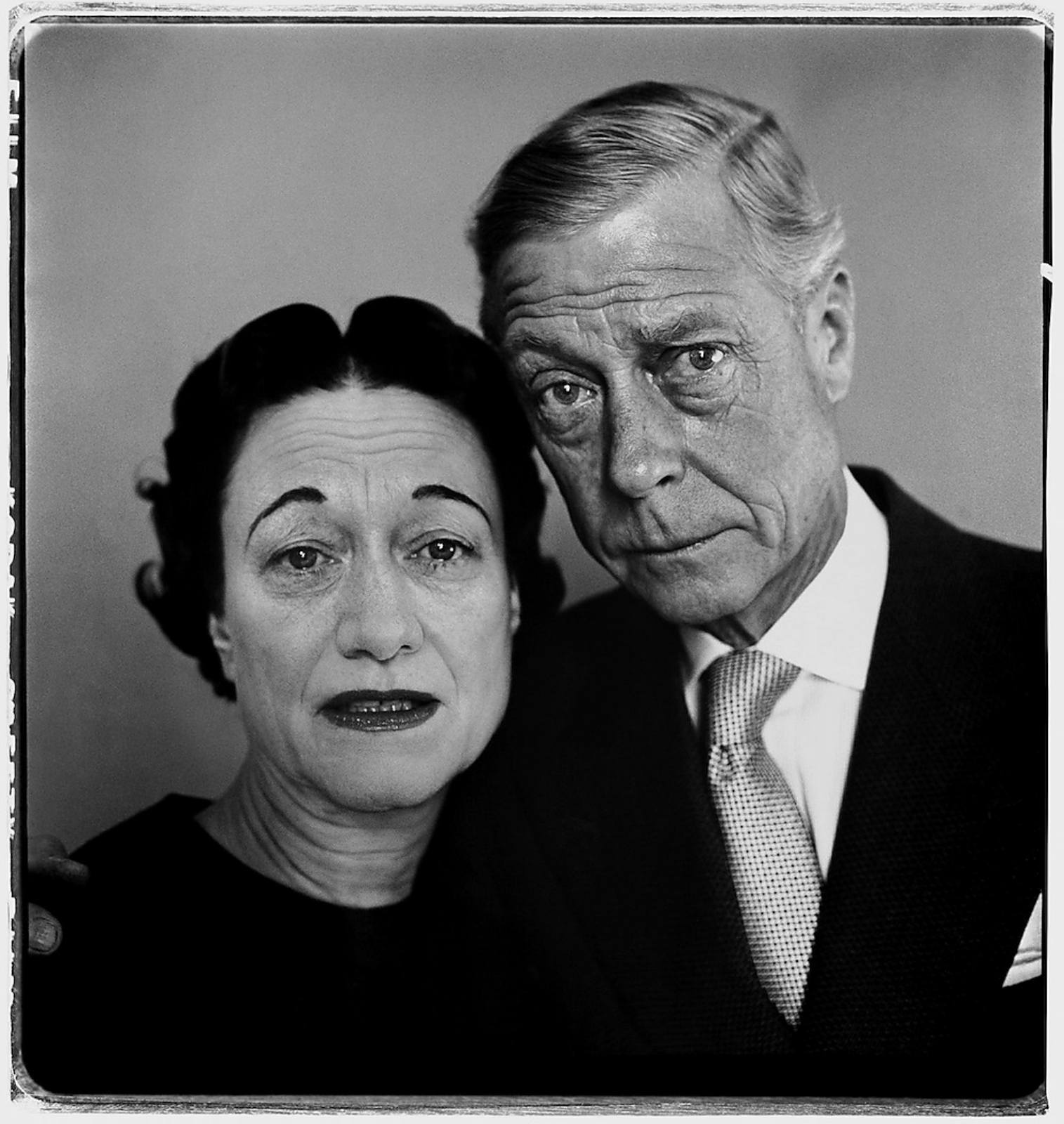
Duke and Duchess of Windsor New York, 1957
Other than their historical significance, the Duke and Duchess of Windsor were trailblazers in the cult of celebrity. The couple left the UK following Edward VIII’s abdication from the throne of England in order to marry the American divorcée, Wallis Simpson. The scandal shook the world while cultural depictions of the two most pursued celebrities behind the camera lenses continued to spur interest and influence.
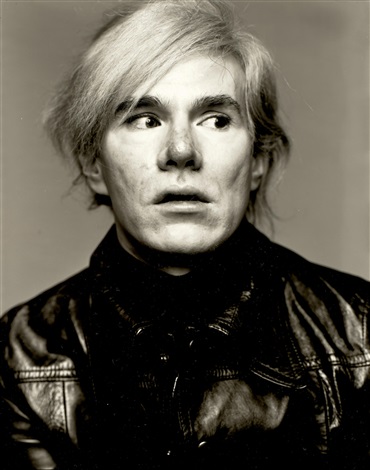
Andy Warhol, New York, 1968
Andy Warhol was likened to the “enfant terrible” of the international art scene. A pivotal pop artist famous for his silk-screened portraits of celebrities and pop figures ranging from Chairman Mao to actress Marilyn Monroe, Warhol drew imagery from advertising, mass media, and celebrity culture, and was regarded as the most important artist of the second half of the 20th century.
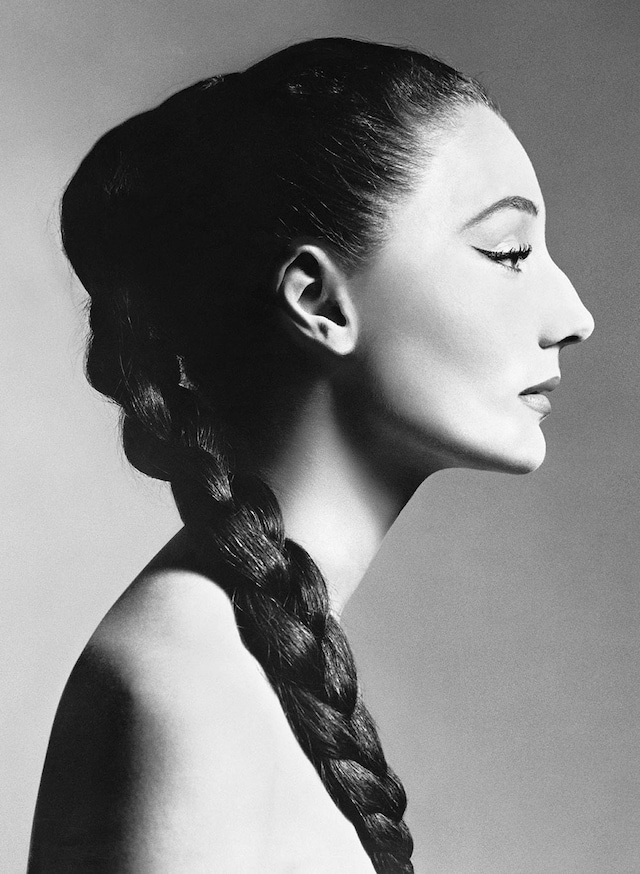
Countess Jacqueline des Ribes, 1955
Jacqueline de Ribes did not make her signature cultural identity until she became actively involved as manager of the International Ballet of the Marquis de Cuevas, following the death of its founder, George de Cuevas. The Countess received from the French state in 2010 the Légion d’honneur, the highest national order of merit established by Napoleon Bonaparte in 1802.
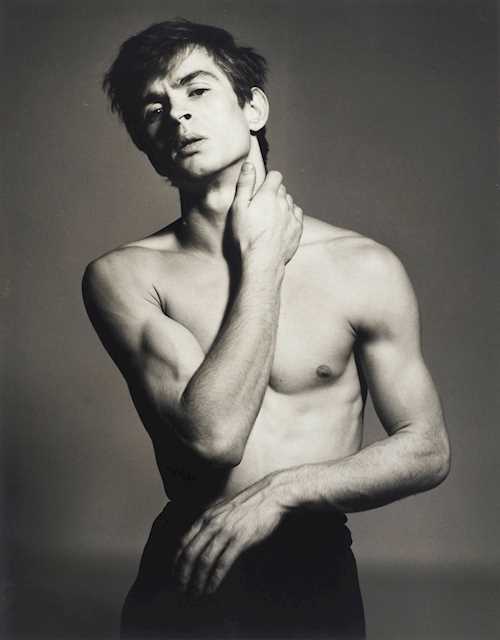
Rudolf Nureyev, 1962
The Soviet-born ballet dancer and choreographer is regarded as the pre-eminent male ballet dancer of the 20th century. In 1961, he defected to the West after a Kirov Ballet performance in Paris and instantly became a “cause célèbre,” known for his technical brilliance, particularly in his performance of Swan Lake in 1964. His lavish personal life added to his bravado.
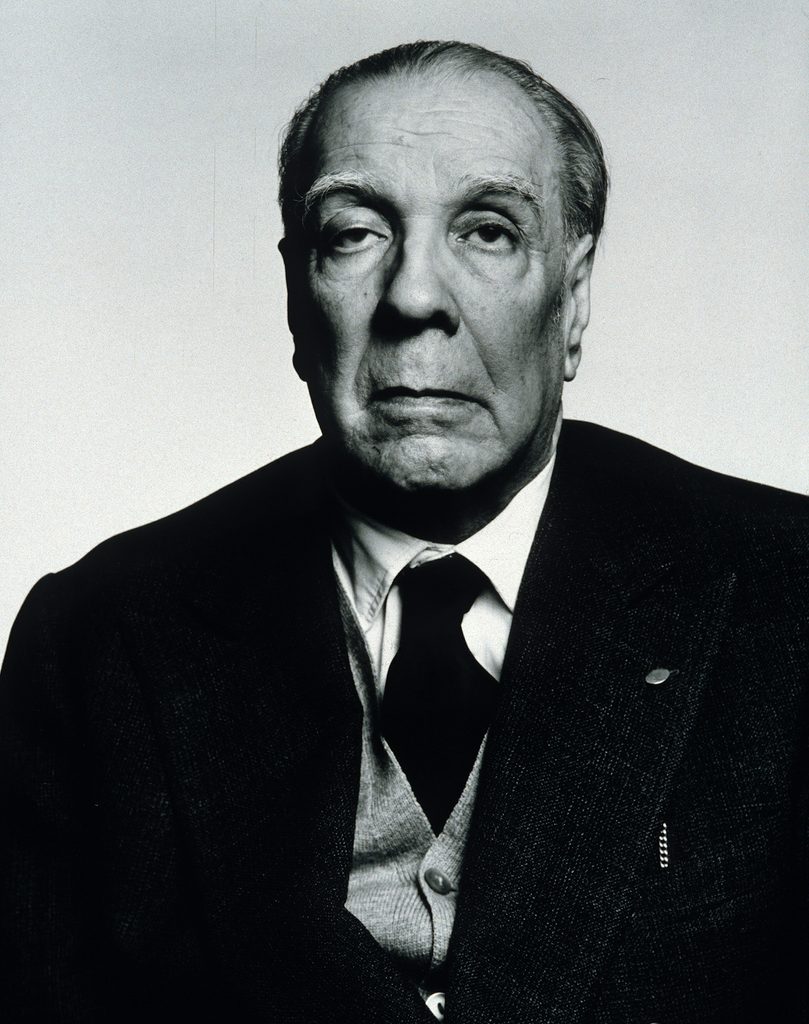
Jorge Luis Borges, Buenos Aires, 1975
The Argentine poet, essayist, and short-story writer whose notable works include Dream Tigers became one of the literary giants of the 20th century, though he eventually suffered from total blindness. When General Perón was deposed in 1955, Borges became director of the National Library, along with an honorary position at the University of Buenos Aires. Richard Avedon personally flew to Buenos Aires for a special photographic sitting with the celebrated blind poet, and he would later recount that his portrait of Borges turned out to be stillborn—a death mask.

The Spice Route: George Town, Penang

Louis Vuitton’s Art of Travel at the Louis Vuitton Central Station; the Landmark Pop-up in Hong Kong

Retrospective: Oj Hofer Celebrates 40 Years of Fashion

Cebu Isn’t Chasing Trends Anymore
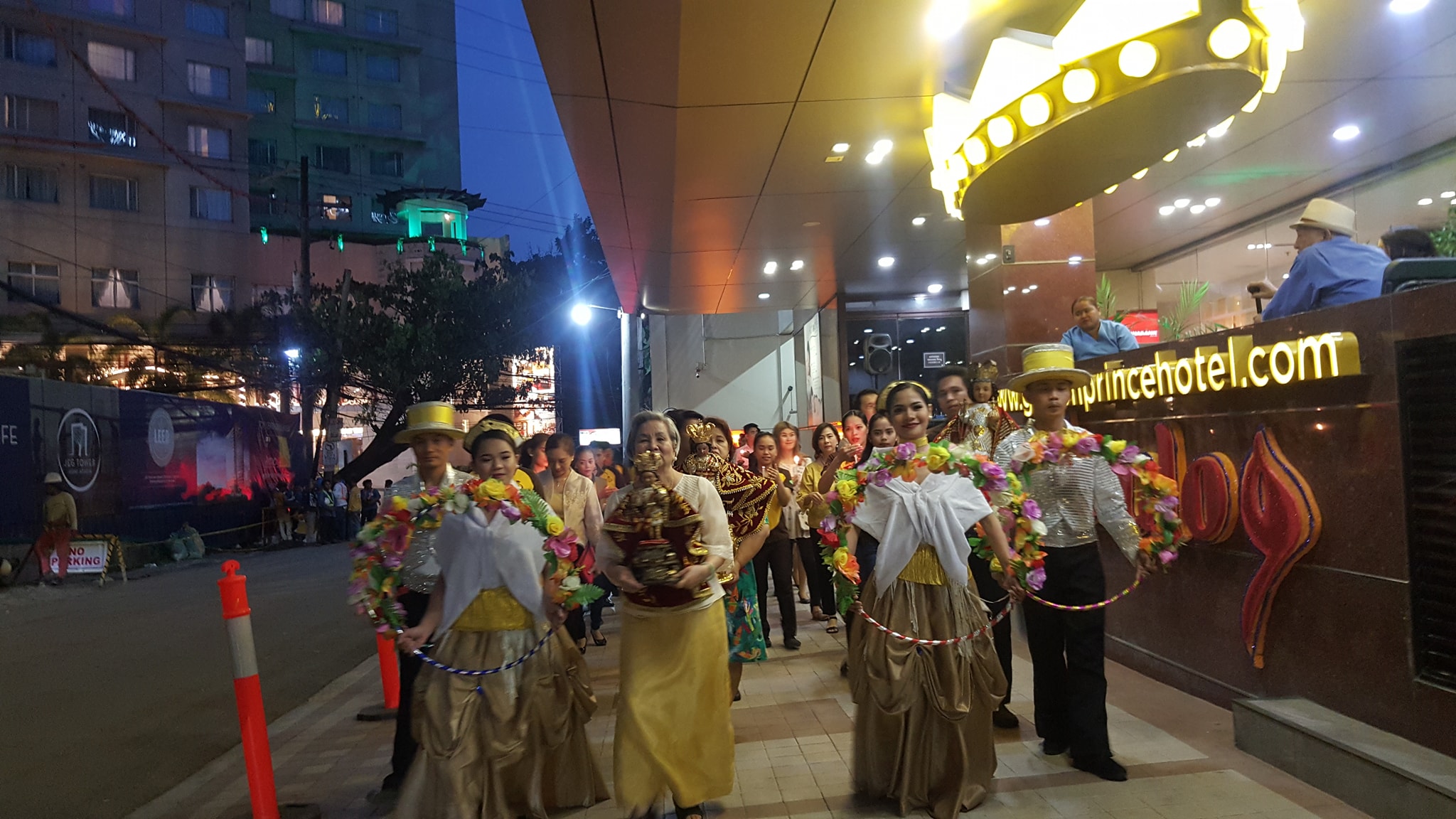
Golden Prince Hotel’s Sinulog Royalty Experience

SM Fashion Forum reveals Cebu’s style influencers
5 Filipino Films That Continue the Conversation on Women Empowerment
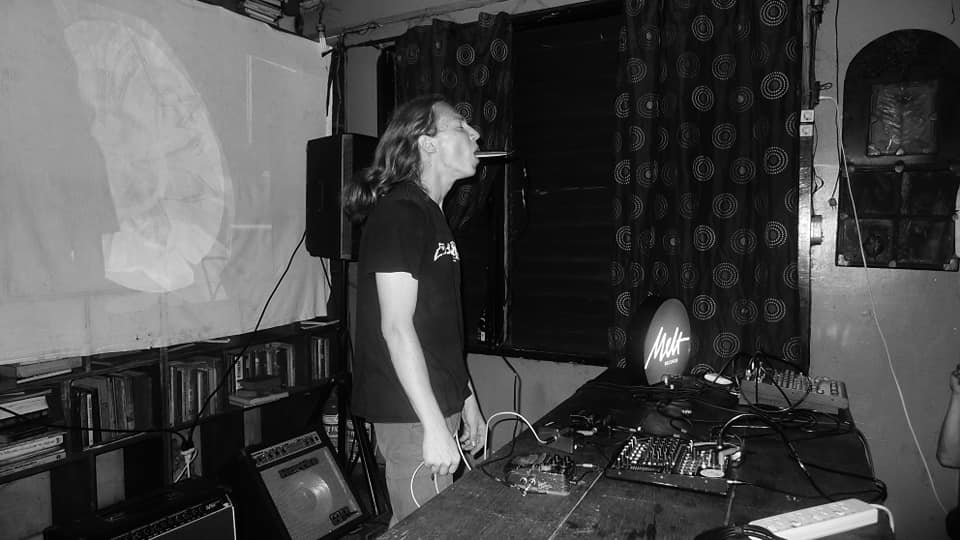
Noise and Sounds: An Artform

Christmas in Colonial Cebu: A Themed Exhibit by Teresin Mendezona and Eva Gullas for Stylescapes 2019

Artisanal Cebu: Aspiring calligraphy artist Abigail Condrado

Experience authentic Korean Barbeque at Da-In Restaurant

Chaine des Rotisseurs: A Night of Spanish Cuisine
-
 Retail2 months ago
Cebu Isn’t Chasing Trends Anymore
-
 Art Beat2 months ago
Why Does Yayoi Kusama Matter to Cebu?
-
 Fashion1 month ago
Retrospective: Oj Hofer Celebrates 40 Years of Fashion
-
 Fashion2 days ago
Louis Vuitton’s Art of Travel at the Louis Vuitton Central Station; the Landmark Pop-up in Hong Kong