
Art Beat
Why Does Yayoi Kusama Matter to Cebu?
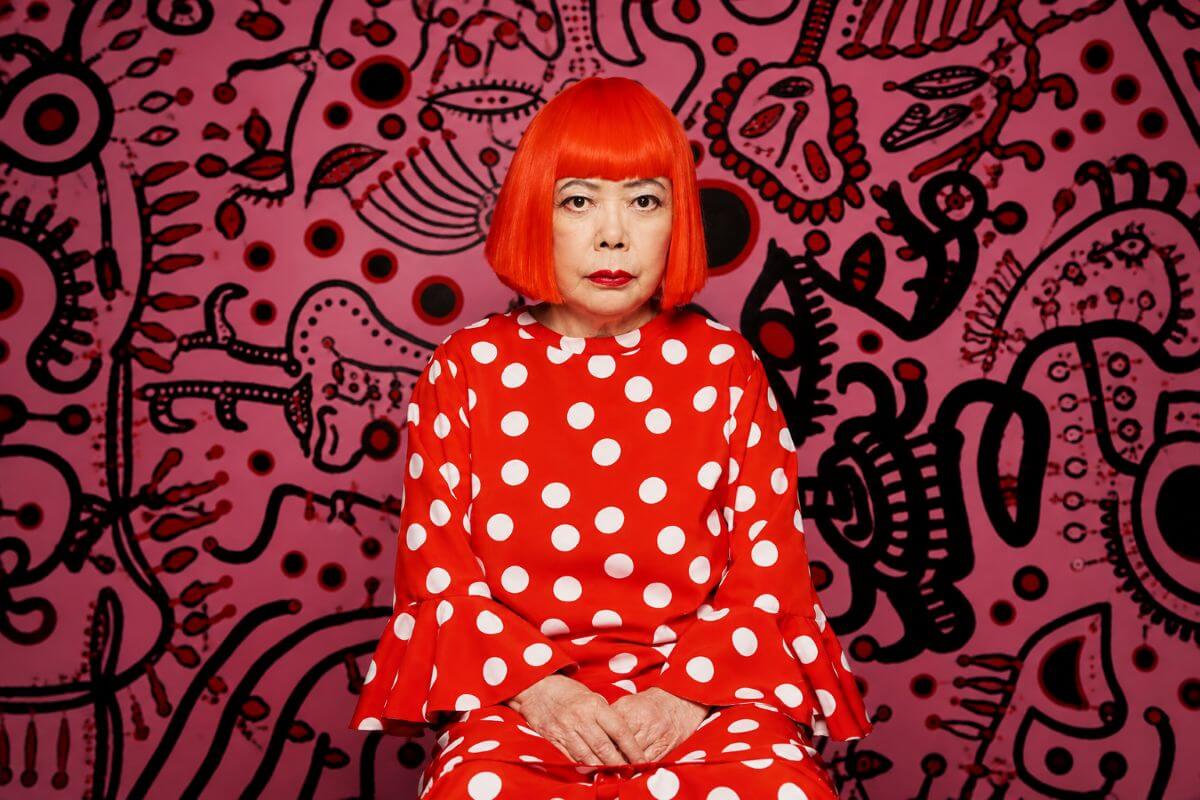
by Eksa Jole
Cebu doesn’t have a Yayoi Kusama installation, and it doesn’t need one to absorb the lesson. But what’s worth paying attention to is the shift already visible across the city’s urban landscape—a slow but unmistakable move away from luxury.
The city’s newly minted design-forward spaces are built around similar instincts Yayoi Kusama spent a lifetime redefining. The artist set the boundaries of immersive installation, art, perceptive space, and the relationship between the viewer and the artwork through her pioneering use of repetition and infinity. Cebu’s advantage was never going to be scale; its upper hand is texture: architecture shaped by its topography, hospitality by its culture, and gastronomy by its produce. These are experiential assets and not transactional ones, the kind that a Yayoi Kusama-informed model of luxury rewards.
The argument isn’t that Cebu should chase spectacle for its own sake; the city already has the right elements to build spaces that cannot be replicated elsewhere. That was always the trick in Kusama’s mirror rooms—the experience was unrepeatable the moment you were inside those rooms.
Yayoi Kusama spent nearly seven decades chasing a single, obsessive idea—that repetition taken far enough becomes a kind of dissolution, and that suspension staged correctly becomes a wonder. The artist understood earlier than almost anyone in her field that people go beyond beauty from a distance; they, in fact, want to walk into it, lose their sense of scale inside it, then leave differently from when they had just arrived.
Yayoi Kusama died recently at a hospital in Tokyo; the artist was 97 years old. Her studio confirmed the news in a statement released on August 27, 2026, and David Zwirner, the artist’s longtime gallerist of fifteen years, claimed that representing her was one of the greatest privileges of his career—noting that at the time of her passing, she was undoubtedly the most famous living artist of her time.
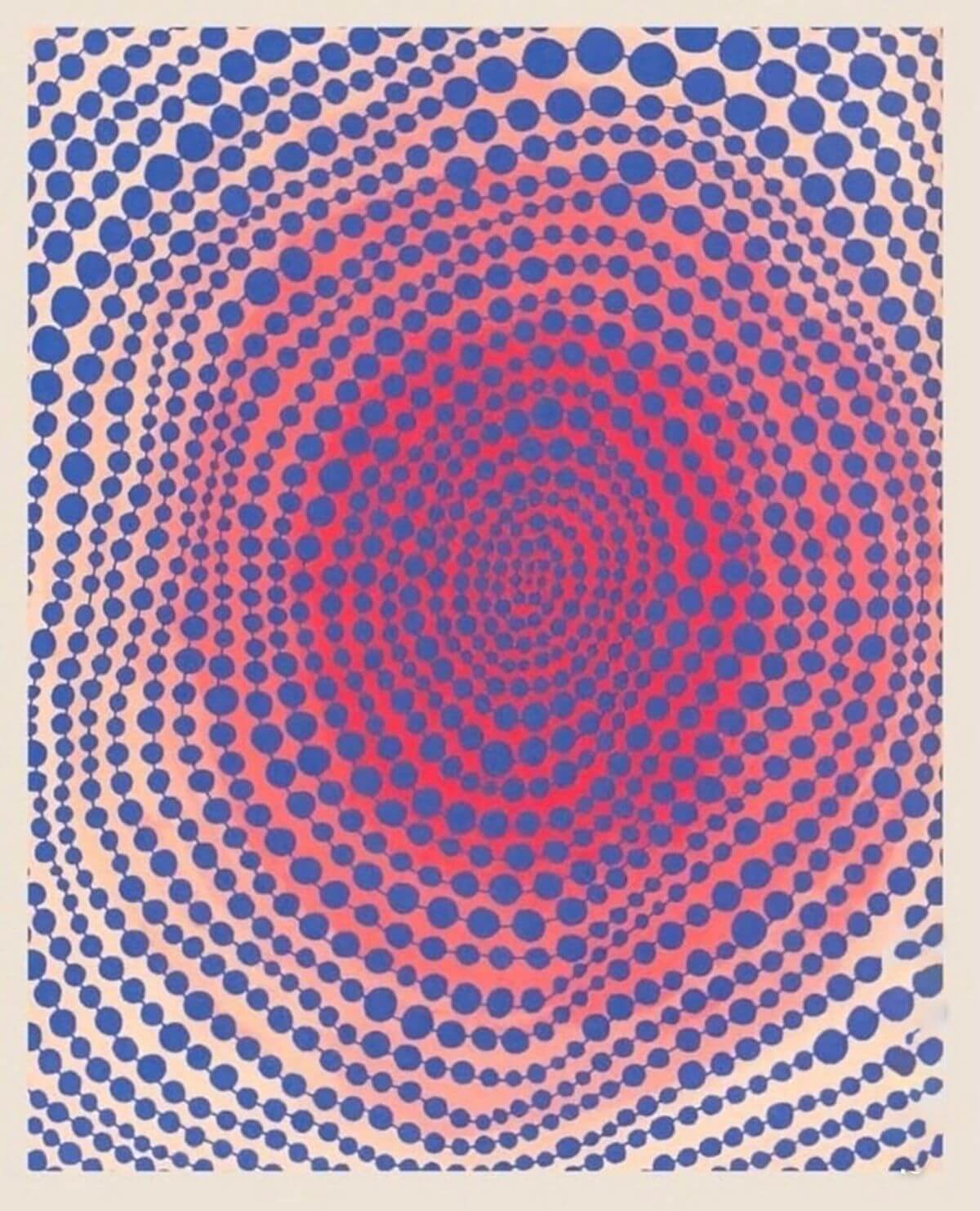
Morning Sun (1999), silkscreen print on paper by Yayoi Kusama
“Basically, my idea and exploration of fashion have not changed; however, I believe in going state-of-the-art on fashion.” —Yayoi Kusama
It is a strange kind of loss—Yayoi Kusama had been, for the last decade of her life, less of a public persona than a presence one is acquainted with through her body of work. She lived in voluntary residence at a Tokyo psychiatric facility since the late 1970s, working each day, rarely seen in public, and yet her work was everywhere in the global art landscape—on museum and gallery walls, wrapped around a Louis Vuitton flagship store in Paris, printed on handbags, and projected in mirrored rooms. Few artists have been so reclusive yet so accessible to the market.
Yayoi Kusama was born in Matsumoto, Japan, in 1929, to a family that ran a plant nursery—a childhood that she later described as unhappy, marked by physical abuse from her mother. Her hallucinations began when she was ten years old, when a pattern on a tablecloth seemed to spread across the room, her body, and the universe itself. That single imagery became her life’s work: repetition as a way of dissolving the self into a bigger scope.
At 27 years old, she became restless in Japan and moved to New York, arriving with hardly any financial means but with a lot of resolve. She entered the underground downtown art scene, which was overwhelmingly dominated by either white or male artists. She eventually found her way into the intricacies and dynamics of that world and gained respect and validation from her peers, including Andy Warhol, Claes Oldenburg, and Donald Judd, who would become important artists themselves.
She struggled during this period financially and psychologically for years. Her breakthrough would not fully arrive until decades later, after a wave of reappraisal in the late 1980s and a representation at the 1993 Venice Biennale finally caught up to what she had been doing since the 1960s. By the time of her death, her market value told a story of an astonishing reversal. In the year 2023, Yayoi Kusama became the top-selling contemporary artist at auction houses worldwide, ahead of every name in the market that year.
The center of that reversal was the famous Infinity Room, a body of work Kusama began developing in the 1960s, decades before the term “immersive” became a marketing pitch. Step inside one of these installations and the room disappears. Mirrors and lighting, and repeated forms, combine to extend into what feels like literal infinity, and the viewer becomes briefly both the subject and part of the art installation itself.
Part of Yayoi Kusama’s legacy is the emotional mechanics of the luxury market, long before brands were building “experience economies,” and the understanding that the target market does not just want to look at something extraordinary. They want to be part of it, surrounded by it, and experience the moment that they are confronted with.
Museums and art galleries understood this way ahead of retailers flirting around with the idea. Kusama’s mirror rooms drew crowds that rivaled blockbuster exhibitions comparatively, proof that an art installation, correctly designed, can generate the kind of demand once reserved for objects of scarcity and/or craftsmanship.
Yayoi Kusama’s polka dots and pumpkin motifs moved from museum and art gallery walls onto handbags and ready-to-wear fashion storefronts through collaborations with Louis Vuitton, complete with an oversized inflatable figure of the artist installed on the Champs-Élysées and dot-covered takeovers of Louis Vuitton stores worldwide.
It was, in retrospect, one of the most successful marriages of art and commerce precisely because it wasn’t just a licensing deal as much as a transfer of an idea. Vuitton wasn’t just borrowing a mere pattern; the luxury brand had acquired the concept that luxury, at its best, is not a static object—it’s an experience you step into, and you walk away from the store carrying one of its bags.
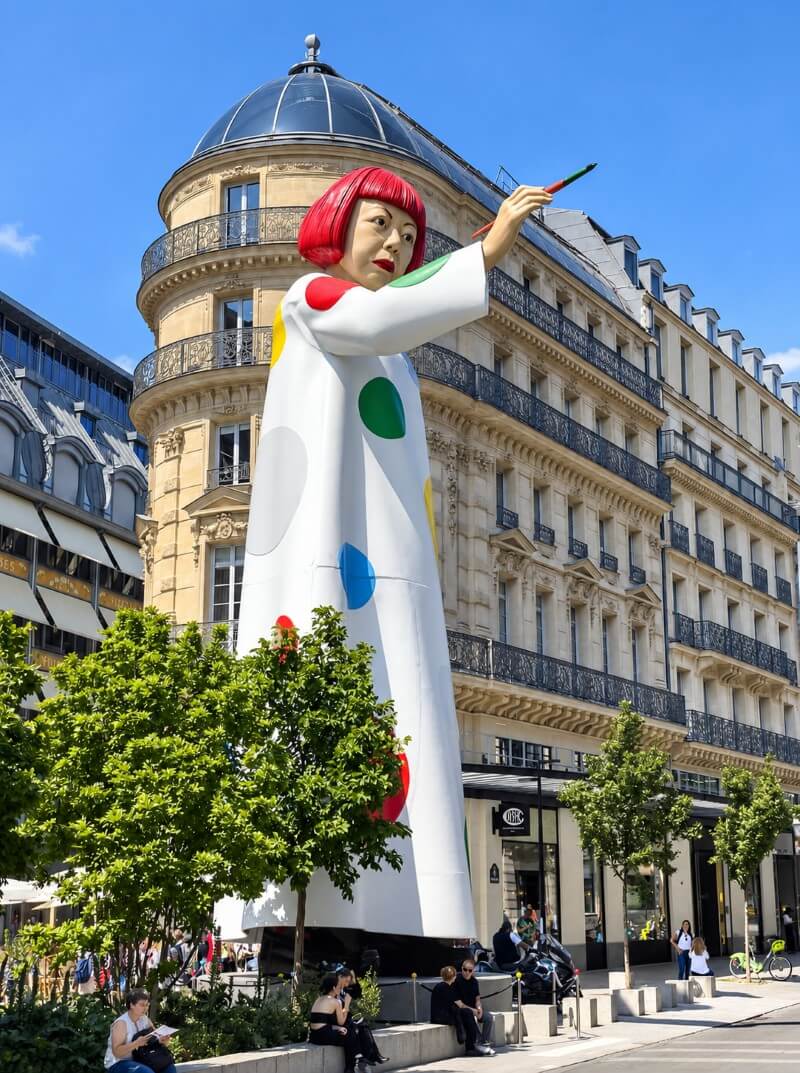
Yayoi Kusama’s towering figure in the Louis Vuitton flagship store in Paris
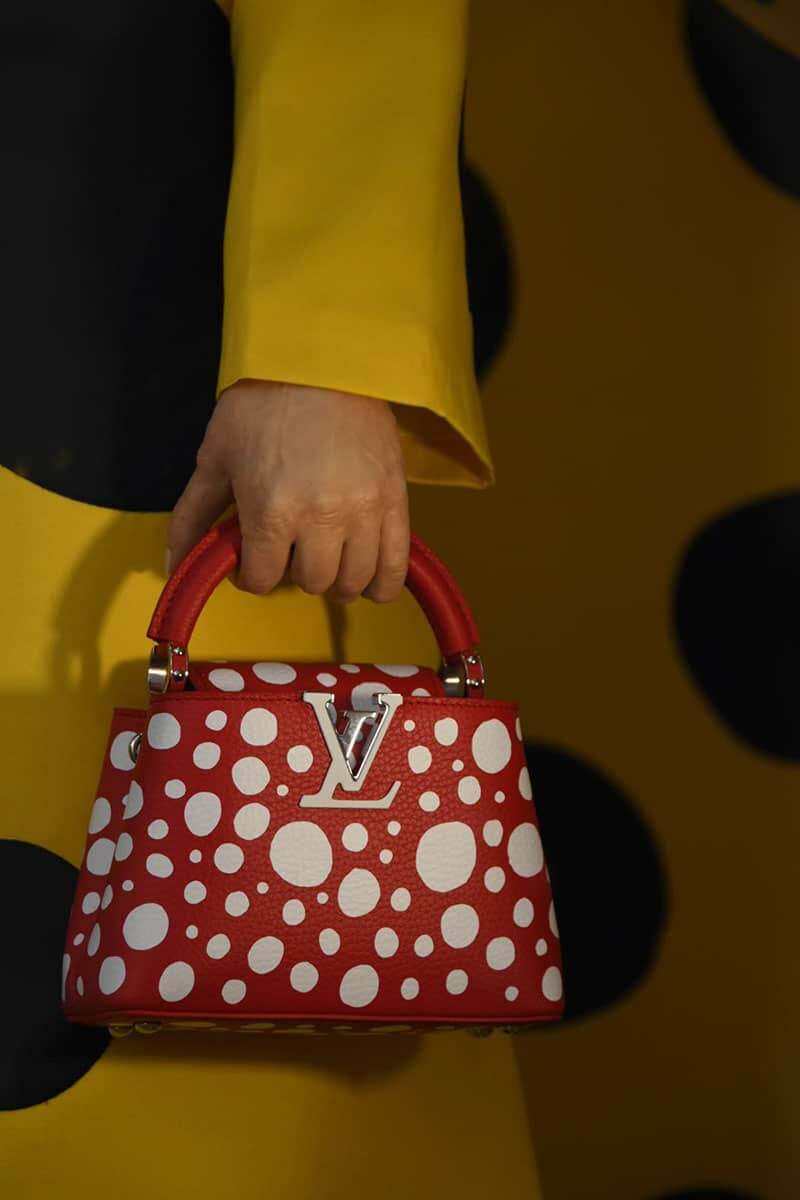
Louis Vuitton celebrated the artist in their bag collection
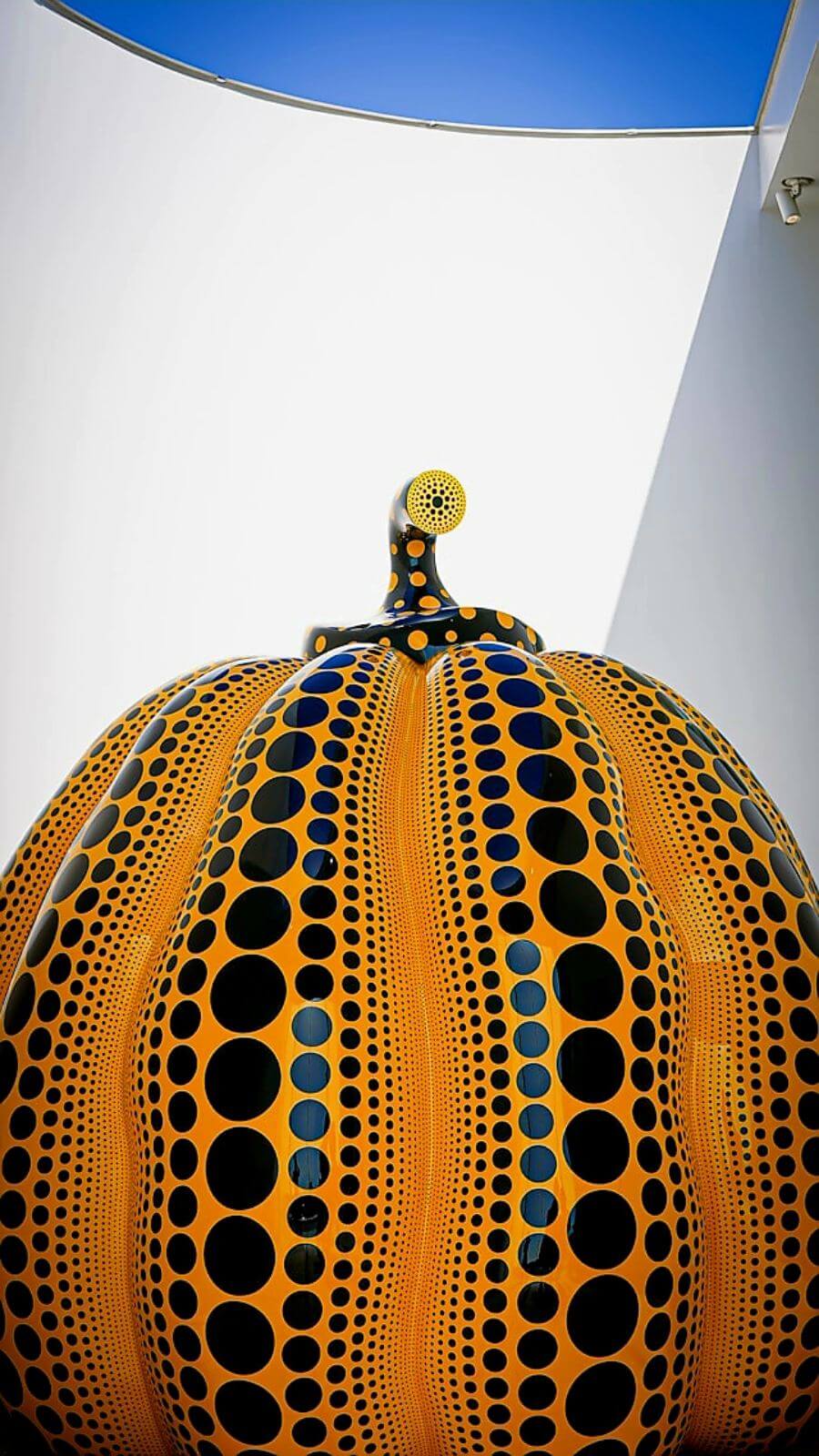
Kusama’s iconic pumpkin

Art Beat
Assemblage: Art Exhibit Blending Themes of Infinity and Renewal
by Ian Baol
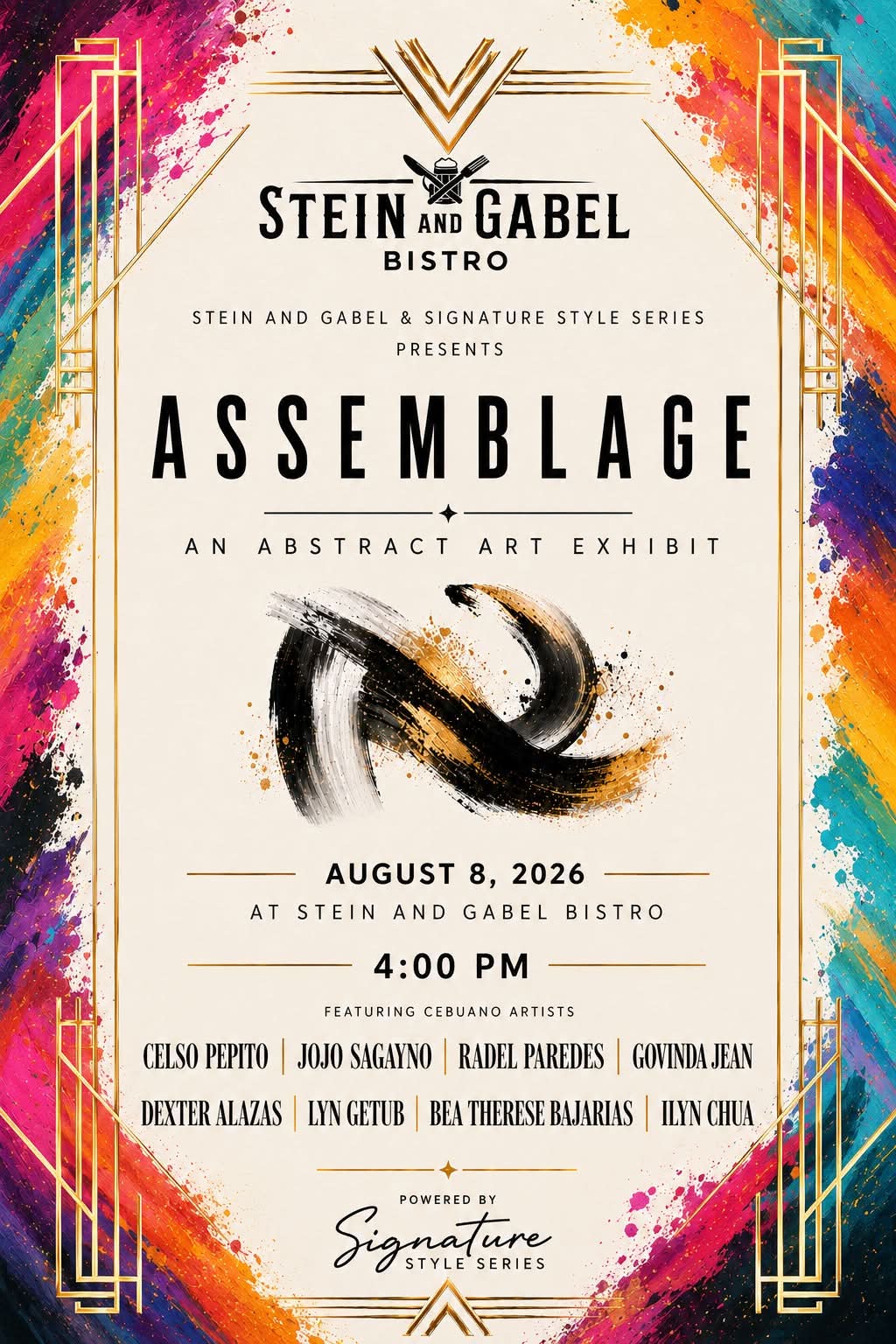
On August 8, 2026, Cebu City marked a new chapter for its creative community with the launch of a dedicated exhibit space for visual artists, musicians, and designers at Stein & Gabel Bistro. The date itself carried symbolic weight: eight artists unveiling new works on the eighth day of the eighth month, echoing themes of infinity but also new beginnings.
The featured artists — Celso Pepito, Rosielyn Gutib, Jojo Sagayno, Jean Govinda Marquesto, Radel Paredes, Bea Bajarias, Eileen Chua, and Dexter Alazas — each brought abstract creations that invited viewers and collectors to experience the evolving language of contemporary abstract art in an intimate setting.
More than an exhibition, the event introduced Stein & Gabel Bistro along MP Yap St., Capitol site, as a new venue to serve as a creative hub for artists, musicians, and designers. The initiative reinforces Cebu City’s status as a UNESCO Creative City and hopes to continue to elevate local talent and strengthen its creative economy.
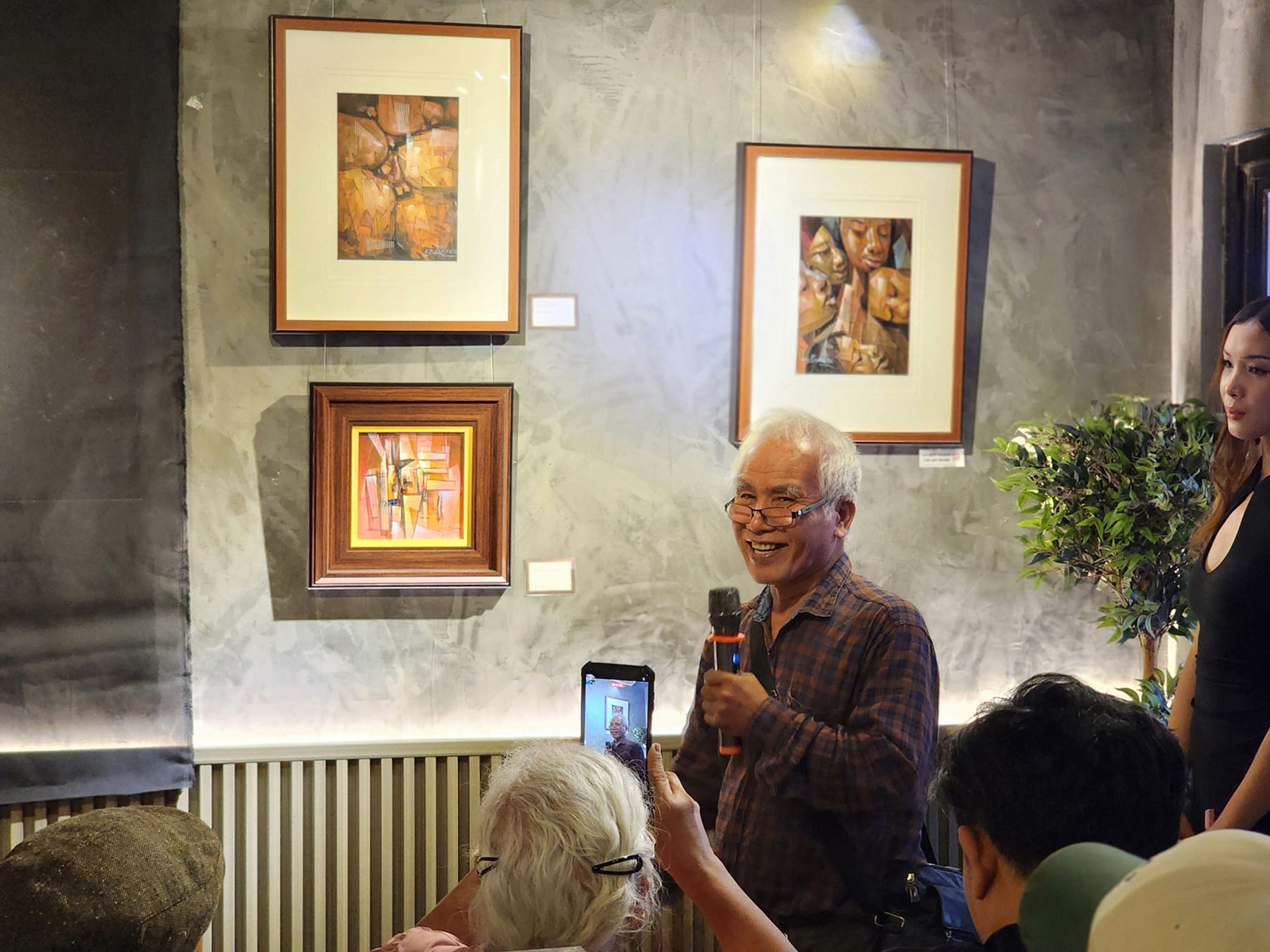
Celso Pepito
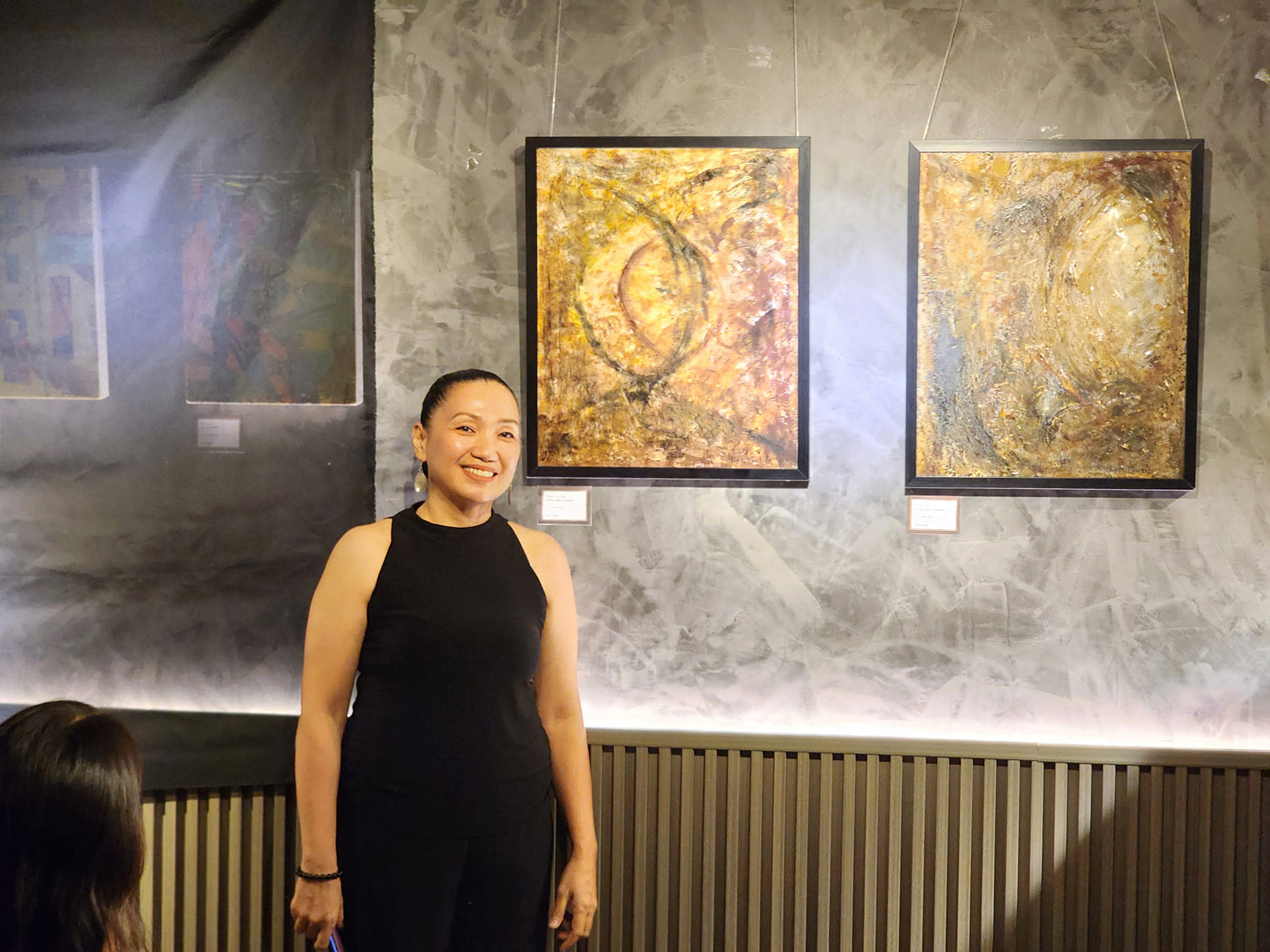
Rosielyn Gutib
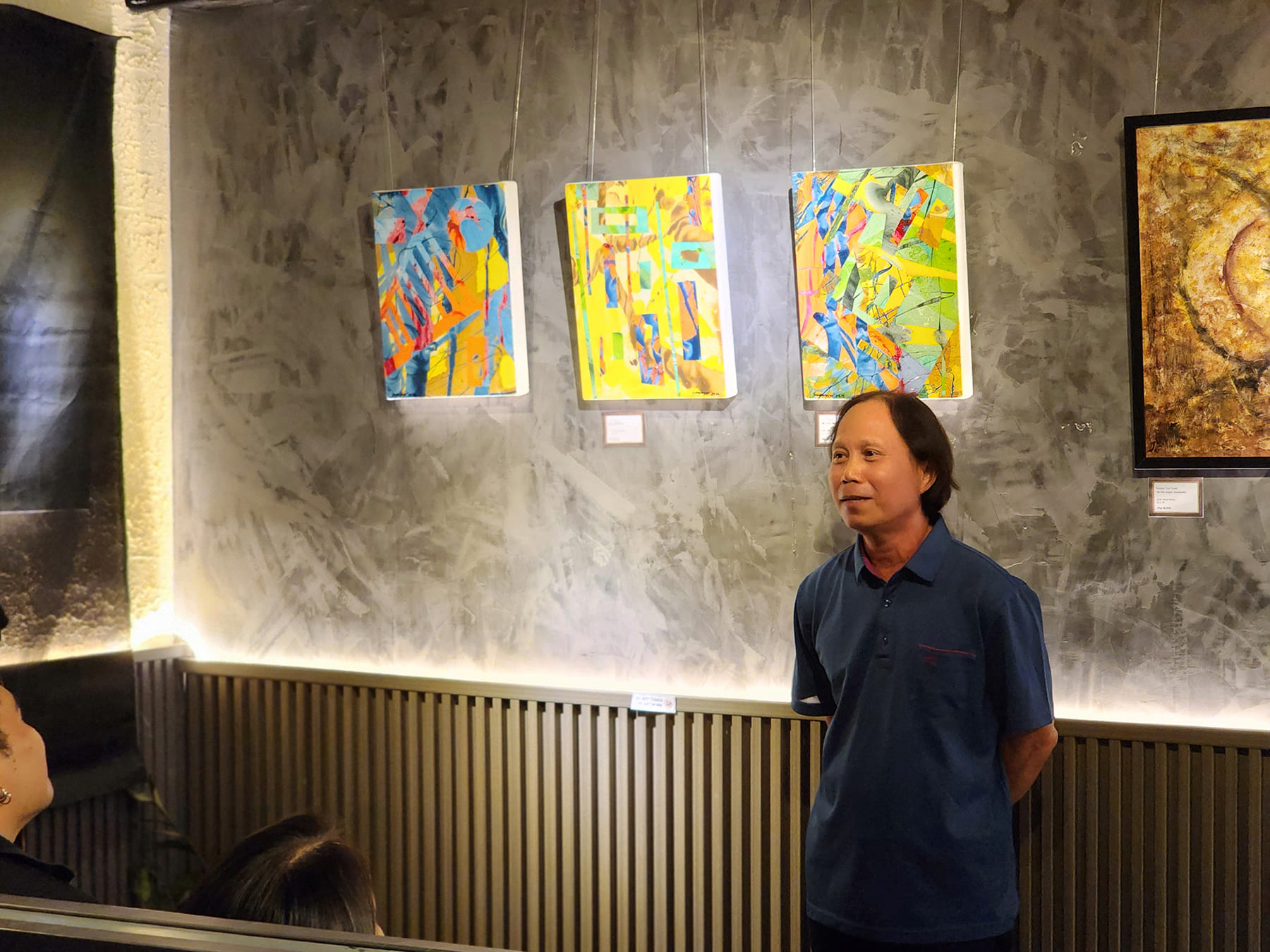
Jojo Sagayno
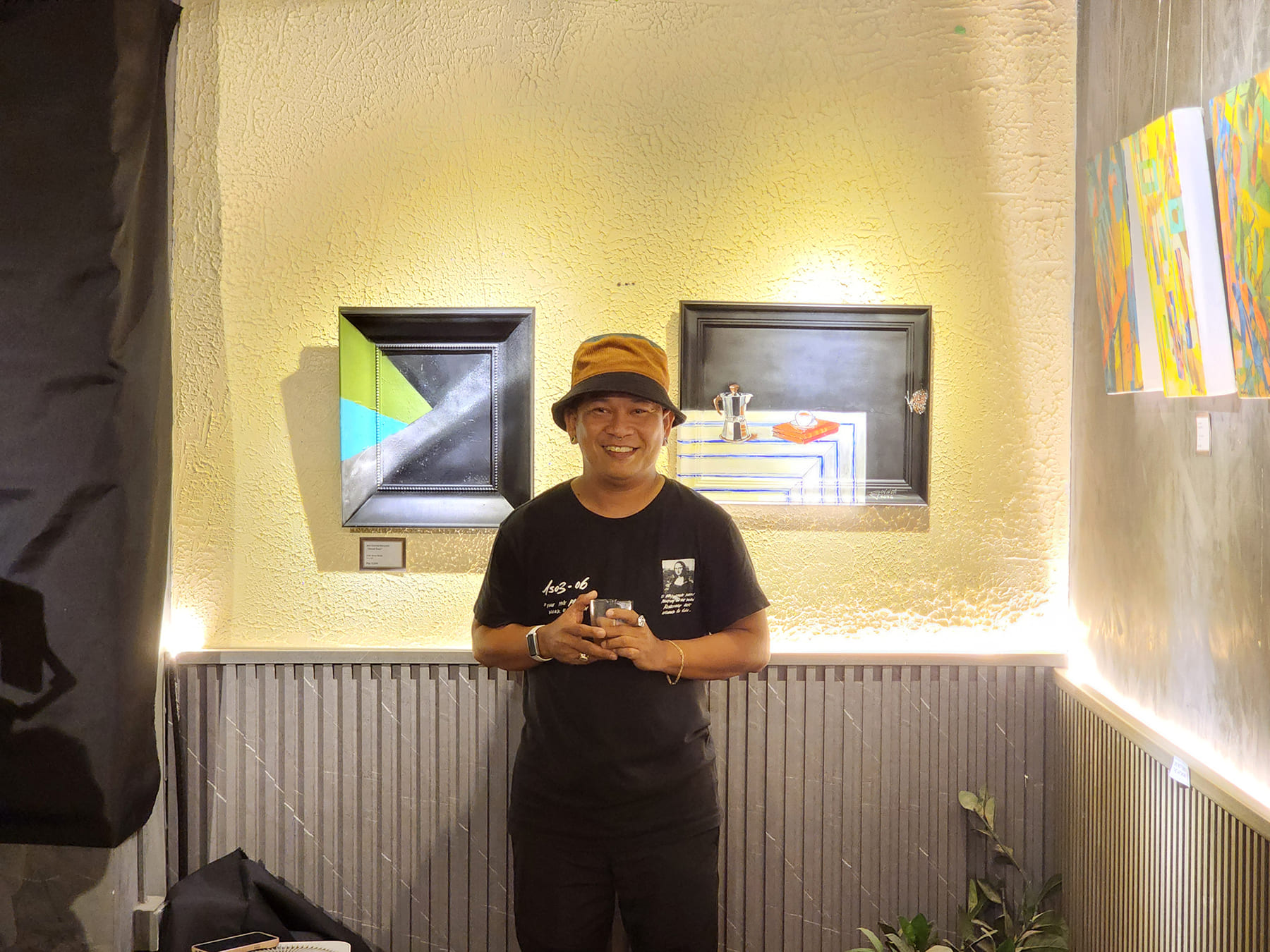
Jean Govinda Marquesto
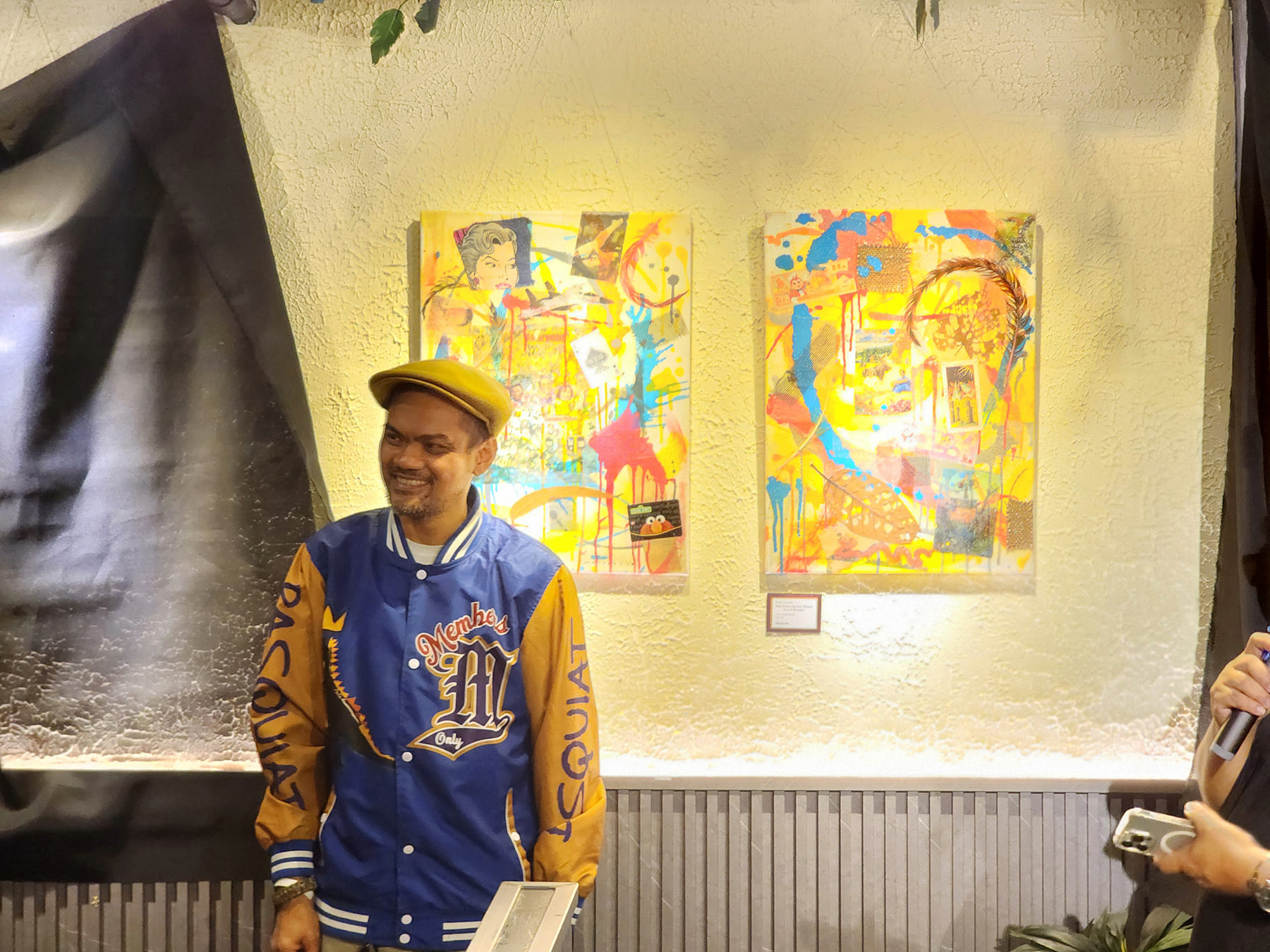
Radel Paredes
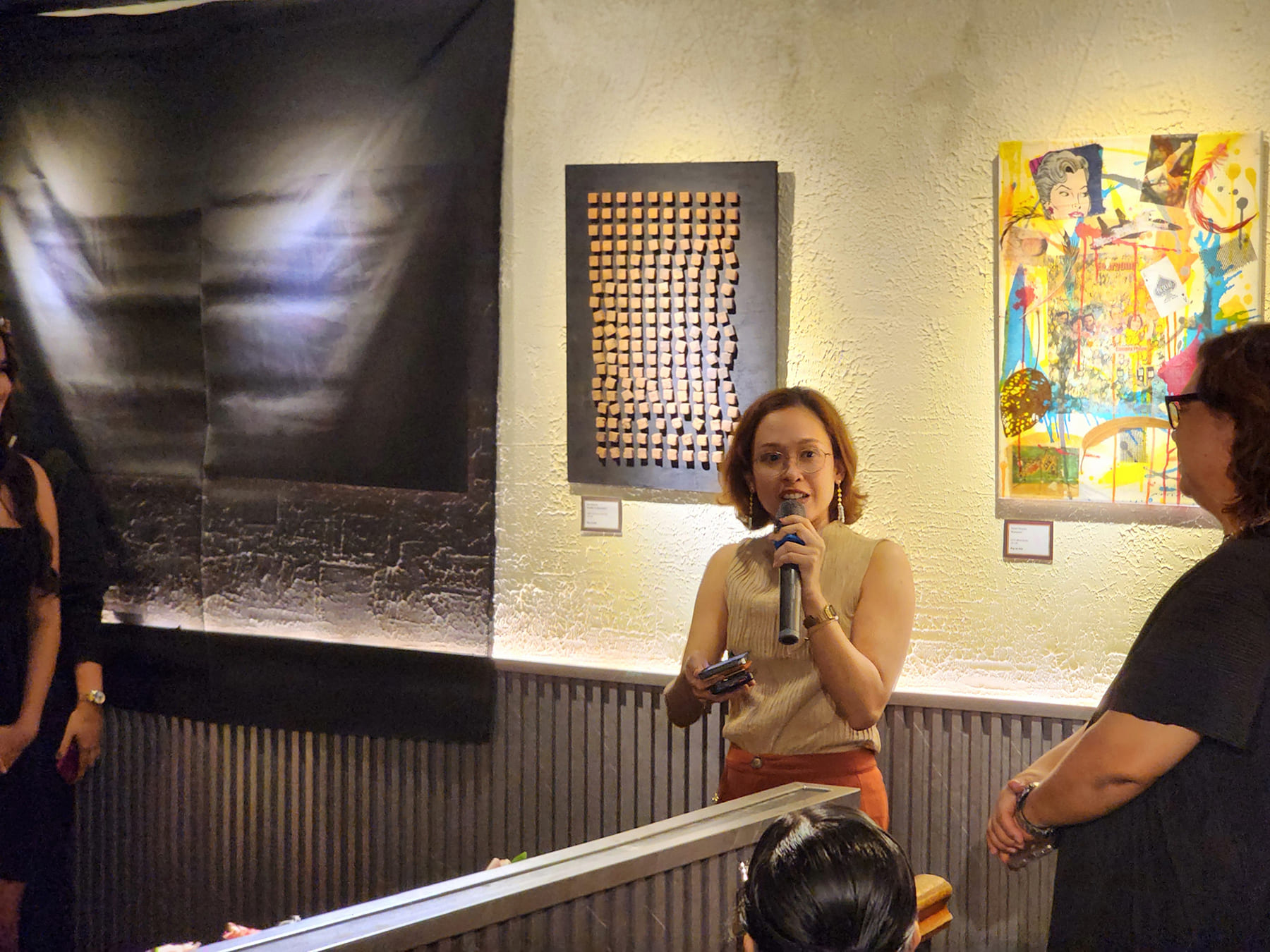
Bea Bajarias
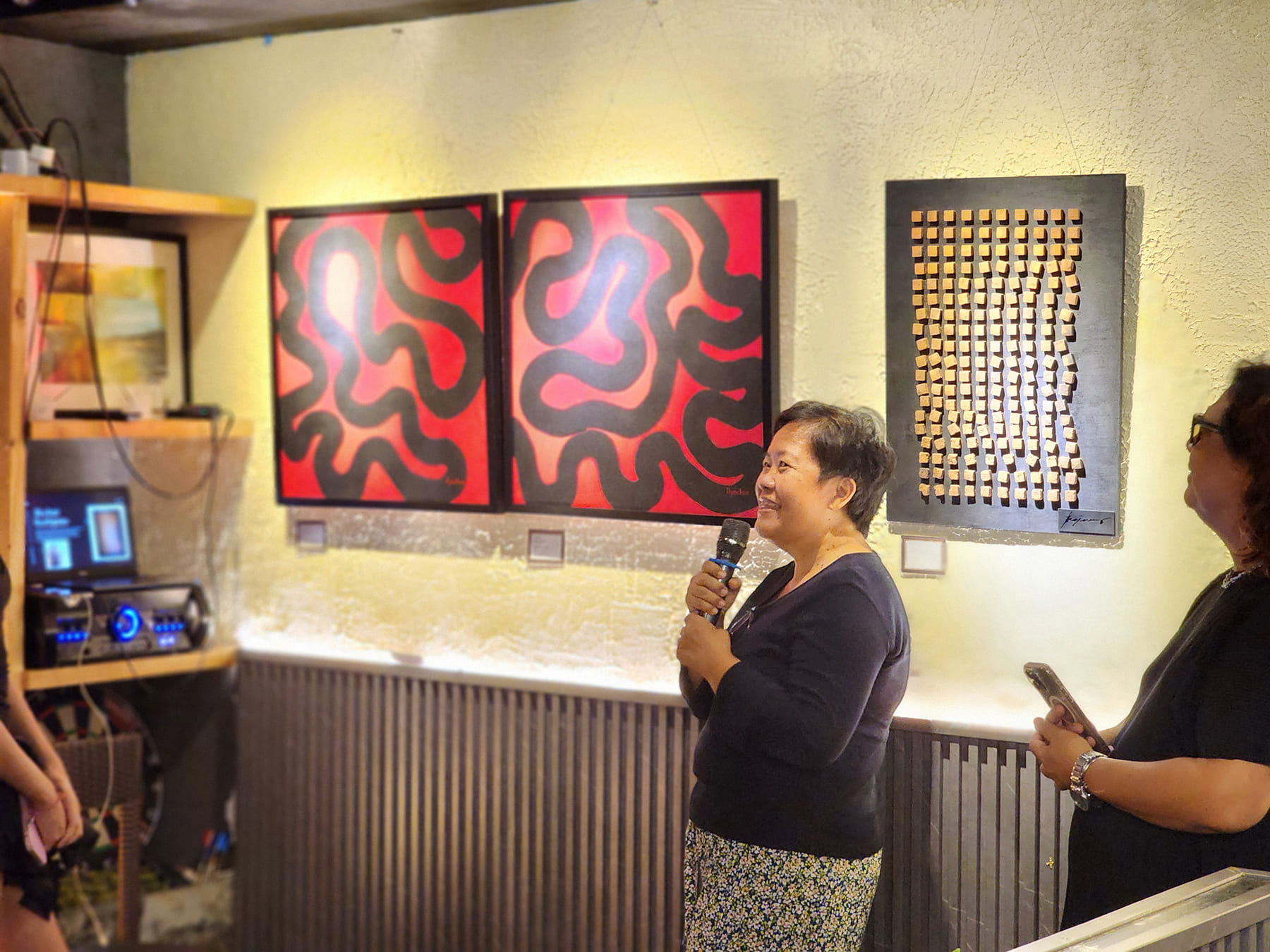
Eileen Chua
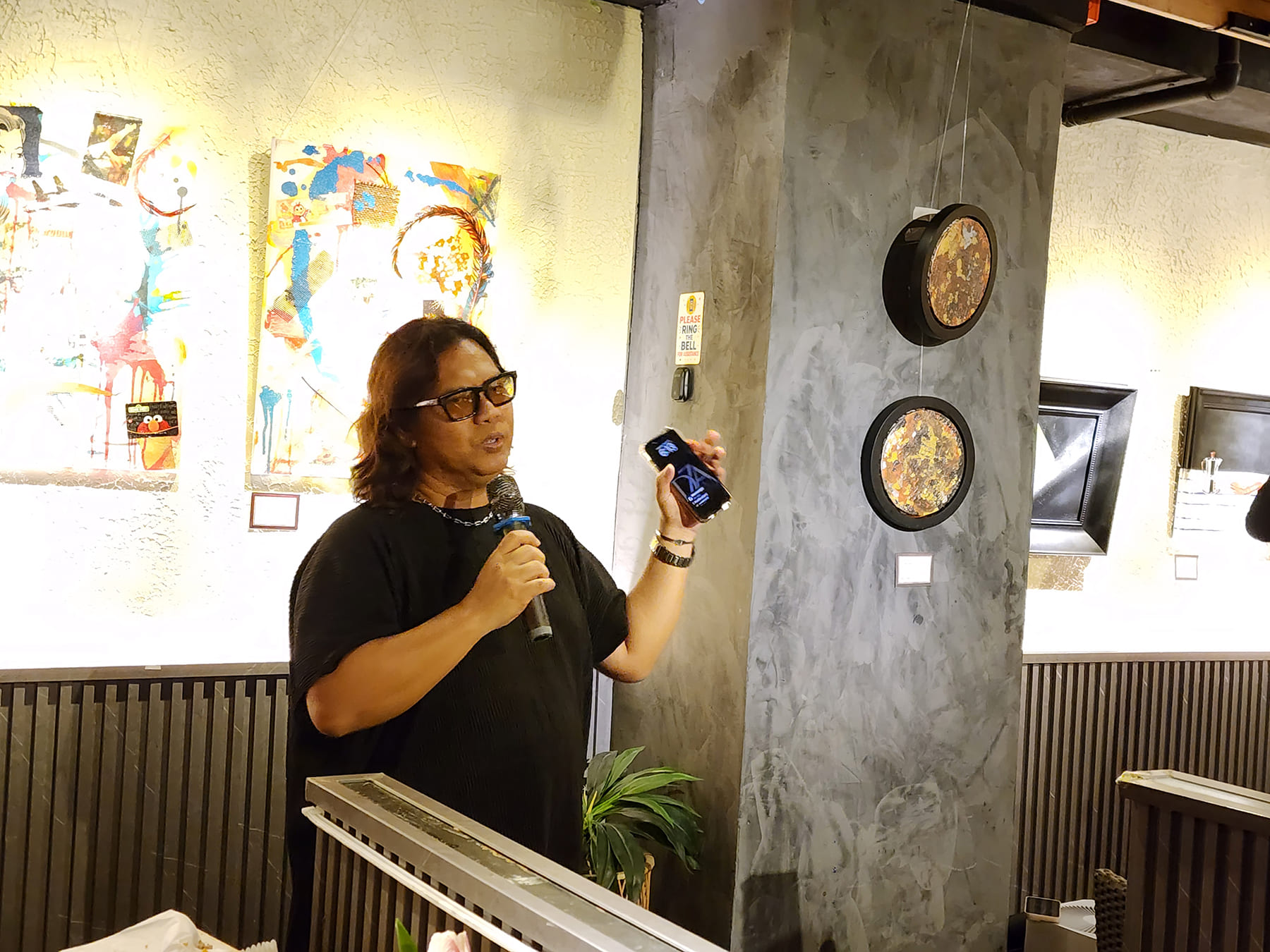
Dexter Alazas
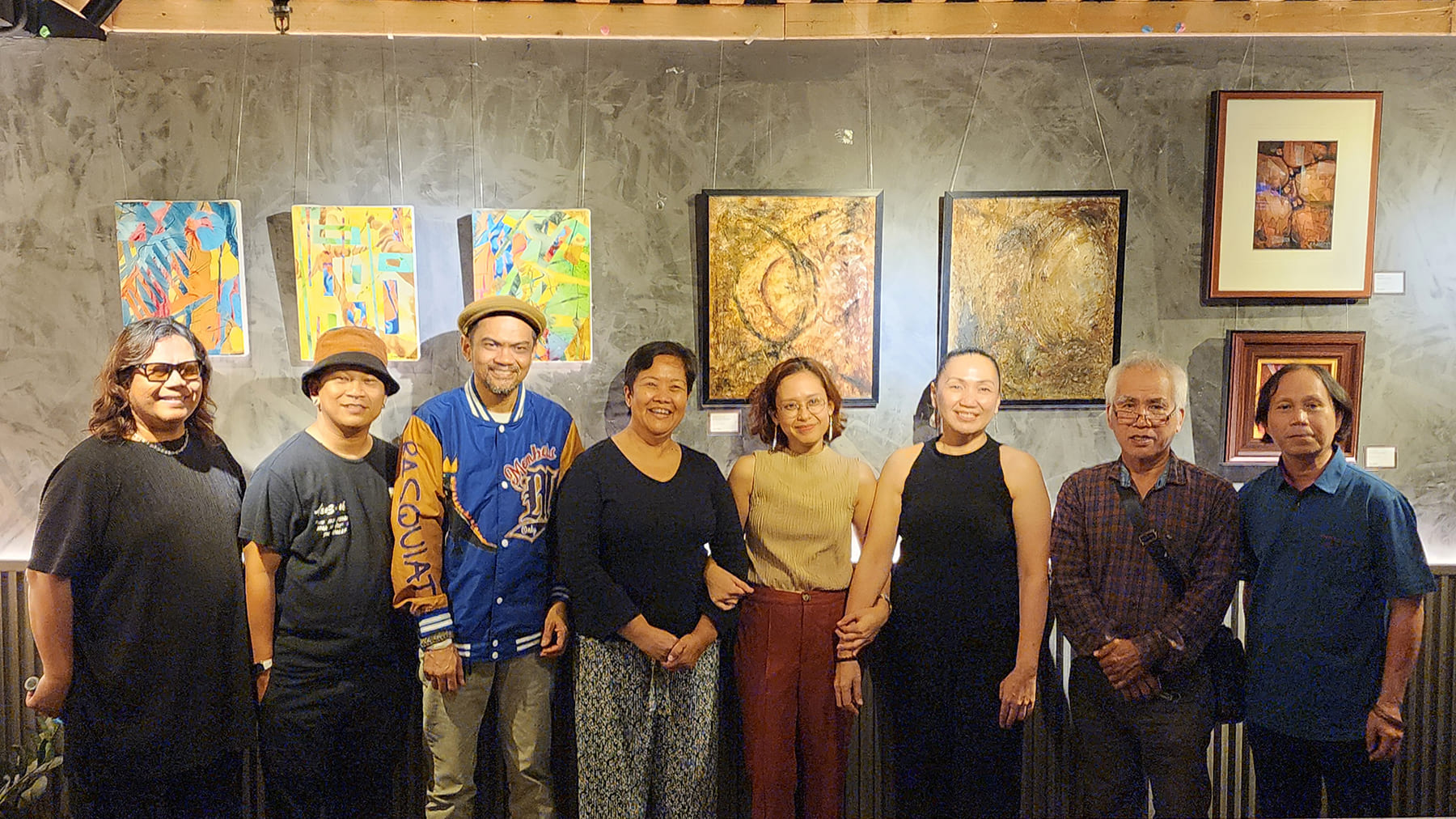
The Artists, L-R_: Dexter Alazas, Jean Govinda Marquesto, Radel Paredes, Eileen Chua, Bea Bajarias, Rosielyn Gutib, Celso Pepito, Jojo Sagayno
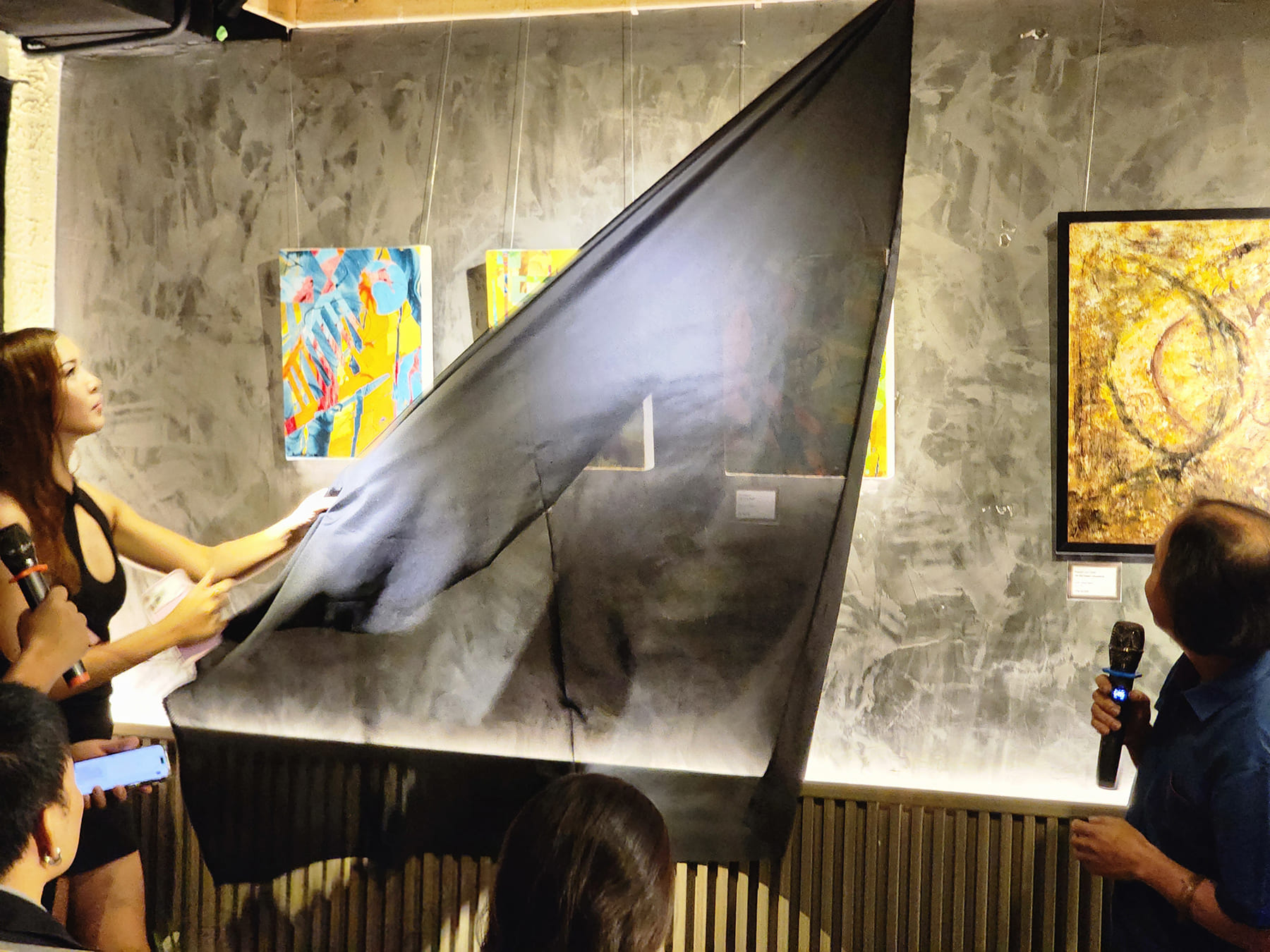
The unveiling

7 Things You Need To Know Before Watching Balangiga: Howling Wilderness
Scenes From the Manila Art Fair 2026

Retrospective: Oj Hofer Celebrates 40 Years of Fashion

Cebu Isn’t Chasing Trends Anymore
Golden Prince Hotel’s Sinulog Royalty Experience

SM Fashion Forum reveals Cebu’s style influencers
5 Filipino Films That Continue the Conversation on Women Empowerment

Noise and Sounds: An Artform

Christmas in Colonial Cebu: A Themed Exhibit by Teresin Mendezona and Eva Gullas for Stylescapes 2019

Artisanal Cebu: Aspiring calligraphy artist Abigail Condrado

Experience authentic Korean Barbeque at Da-In Restaurant

Chaine des Rotisseurs: A Night of Spanish Cuisine
-
 Ogle La La 3.03 months ago
Cebu’s Heritage Is Not a Museum Piece, Darlings
-
 Art Beat2 months ago
Assemblage: Art Exhibit Blending Themes of Infinity and Renewal
-
 The Scene2 months ago
At the Table: Introducing Flora de Filipinas
-
 Retail2 weeks ago
Cebu Isn’t Chasing Trends Anymore
-
 Fashion3 days ago
Retrospective: Oj Hofer Celebrates 40 Years of Fashion
-
inside5 hours ago
7 Things You Need To Know Before Watching Balangiga: Howling Wilderness
-
inside3 days ago
Scenes From the Manila Art Fair 2026