
inside
Proudly Philippine-Made
A second home showcasing the works of talented designers, national and local artists and Cebuano craftsmen.

A second home showcasing the works of talented designers, national and local artists and Cebuano craftsmen.

One of the most fascinating things about my job as an interior designer is the people I meet and the clients I deal with. While a few can really suck the life out of you, most of my clients are really such wonderful people. Designing their living spaces entails a lot of research and getting-to-know-you on my part so it’s not difficult to establish friendships when the project is done.
Such is my story with this beautiful family from Manila. Working with this particular client was a delight because they are a very warm and endearing family, but most of all, they appreciate local art and talent. In the first quarter of this year, I got commissioned to do the interior design of their second home here in Cebu. It wasn’t by chance that led them to the queen city of the south. The cosmopolitan vibe of the city with beaches and mountains in close proximity made it easy for the family to unanimously agree to make this their second home.


From the start, they specifically told me that they wanted their house to showcase national and local artists, Cebuano designers and local craftsmen. I have never met anyone with such an extensive art collection as this family! They have original paintings from Jun Impas, Romulo Galicano, Manuel Baldemor, Mauro Malang, Manuel Sinquenco, Oscar de Zalameda and national artists BenCab and Arturo Luz, among many others. Not to be outdone, their furniture selection also consists of different designer pieces from famed furniture designers like Kenneth Cobonpue, Vito Selma, Rene Ybanez, and Clayton Tugonon; as well as furniture exporters like Mehitabel and Coast Pacific.


In the foyer, a huge Jun Impas watercolor painting is placed directly above a massive console table made of natural coco round core laminate designed by Clayton Tugonon of Classical Geometry. Florentino “Jun” Impas paints in the genre of realism where these seemingly mundane everyday scenes are given life in detail. That particular painting captures ladies doing laundry in the river. It is from these colors that I lifted the green accent color applied to one side of the walls.

During the design conceptualization phase, the wife consulted her psychic friend Stargazer, a reputable psychic medium from Manila who appears in several television programs. She recommended that the beam above the foyer be covered. As a solution, I placed this bamboo carved panel from Halsangz Plating Cebu, a manufacturer of surface decorative panels that come in different materials and finishes. The interlaced bamboo panels gave that modern Filipino twist to the Asian contemporary style of the house. Three tall rattan lamps from Obra Cebuana were suspended from the high ceiling in varying lengths and finished in different stains to add more character to the space.
The house was built on a mountain so it was only natural to do a split-level plan to follow the terrain of the land. Split-level homes offer living space on multiple levels separated by short flights of stairs, up or down. So from the foyer, a few steps down lead to the living room. There one will find a cornucopia of art pieces and fabulous furniture. Kenneth Cobonpue’s award-winning Yin-Yang sofa sits across a pair of handsome lounge chairs with sulihiya weaving in the back designed by Rene Ybanez for Obra Cebuana. On the center is a round coffee table with a simple but elegant marquetry top. A red Chiquita stool sits right next to it. The Chiquita stool, a Kenneth Cobonpue design, is made of natural rattan poles sitting on top of a polyurethane cushion inside a moulded steel base. All poles are natural untreated rattan. A simple yet brilliant feature of this design is the supreme comfort one experiences when the poles sink softly when sat upon and return to their initial height when you stand up. Behind the sofa is a spin off from Rene Ybanez’s lotus coffee table which I transformed into a wall lamp. This makes for dramatic lighting at night and a focal point in the mustard-colored accent wall.
The centerpiece on the coffee table is a Michael Cacnio sculpture. Filipino artist and 2006 Ten Outstanding Young Men (TOYM) Awardee Michael Cacnio is a world-class brass sculptor.

The hallway leading towards the kitchen and dining area is like an art gallery of paintings. On one side there is a Romulo Galicano water lily oil painting on canvas, Manuel Baldemor’s European series in oil and a small Malang. On the other side is a couple of Sinquencos showing his signature subject matter of old houses done in colors and shading to produce an old-world style.

As the saying goes, the kitchen is the heart of the home. So it applies to this family as well. The breakfast nook is the wife’s favorite part of the house because this is where her family of four gathers when they are in town. It also overlooks the swimming pool and the garden outside. The kitchen cabinets are of solid wood in dark wood stain, crafted by Anything Timber. The bar stools are a gift from one of the wife’s closest friends, Tina Lo of Coast Pacific. Shining brightly above the nook, a set of modern pendant lights made of Lucite glass was purchased from Imperial House of Furniture.

The dining room also contains big names not only in the furniture industry but also in the arts. The Vito Selma Plumeria table with this tree-like base, wrapped in stained tobacco leaves. The glass table-top shows all the branches that hold it. A perfect complement to the table are the dining chairs from Coast Pacific with a solid wood frame in a rich dark wood stain, rattan back and a removable upholstered seat cushion for added comfort. I chose a brown, leaf-printed fabric that resembled the lines of the rattan weaving on the back for the removable seat covers that were made by my good friend Ina Chona. At the far end of the dining room, a wooden credenza with slim, tapered legs carefully crafted by Mehitabel for Ralph Lauren rests against the floor-to-ceiling windows overlooking a pocket garden. On the red accent wall, a full-length silver-framed mirror is positioned on center, not only to give the illusion of space but also to reflect the Zalameda painting on the opposite wall. This allows diners to admire the painting no matter where they are seated. De Zalameda happens to be the favorite artist of the former First Lady Imelda Marcos, and that particular painting is also the wife’s favorite piece. Flanking each side of the mirror are works from national artist BenCab. To add some sparkle to the room, a modern set of pendants lights from Imperial House of Furniture hang directly above the table.

The kitchen, dining and living room all look out to the swimming pool outside with a minimalist landscape overlooking the breath-taking views of the city. The terrace is decked out with the Dedon Slimline collection and a red Kenneth Cobonpue Dragnet chair sits on a corner.

Up a flight of stairs from the foyer leads to the family room. Fun and quirky sets the tone in this living space where a sectional sofa in black and white is complemented by the red Yoda chair of Kenneth Cobonpue. A pair of black upholstered ottomans doubles as footstools, but can also serve as extra side tables. Pay careful attention to detail and you’ll notice that the center table is like a giant book with wooden cabriole legs. A floor lamp that extends to the center was purchased from Mandaue Foam. The scroll bench behind the sectional is an original design by Rene Ybanez for Obra Cebuana made of two-inch rattan poles with skin stained in a deep red. Directly above it is an Arturo Luz painting entitled “Cities Of the Past”, another priceless piece from a Philippine national artist.

Designing bedrooms is a whole different ballgame, but a fun one I must say! It’s always different for every person. In this family’s case, the daughter wanted a dreamy, purple-colored room; while the son preferred a more masculine approach using greys, blacks and whites with a central theme focusing on his music and records. Making room for his gadgets was a must. Given that this was their second home, the master bedroom was made to look like a hotel room with neutral colors and rich wood stains. The end result is one that makes me happy especially when I hear the children say that their favorite parts of the house are their bedrooms.

If this house in Cebu is just a second home, I can only imagine what other treasures lie in their home in
Manila. But no, their humble answer would always be that the true treasure lies in our country and our local artists and designers. Being a doctor by profession, they have had several opportunities to make a living abroad but they have always chosen to stay at home.




inside
7 Things You Need To Know Before Watching Balangiga: Howling Wilderness
Following its premiere in October 2017, controversies still creep on “Balangiga: Howling Wilderness”.
This one-of-a-kind film with surreal takes on one of the Philippines’ dark times surely deserves our time. The story is seen through the eyes of a boy that uniquely shows humanity’s cry for help.
Before its screening at your nearest cinema weeks from now, here are seven things you need to know about this morbid film about a portion of our history.
It revolves around the Balangiga Massacre in 1901.
During the American occupation in the Philippines, Company C of the 9th Infantry Regiment arrived on the south coast of Samar Island, Balangiga in 1901. Their arrival was to cut the contacts of Filipino guerrillas to the people.
According to sources, the Americans confiscated all the weapons of the residents in Balangiga, men were detained and were treated badly. They burned down a church and its bells were taken which are still not returned to date.
Under General Jacob H. Smith’s orders, his officers burned towns and killed all who aged ten and above. For historians and people who lived there, the massacre came after the events of Smith’s orders. Americans practiced scorched earth policy and took food and killed people.
The film revolves around the journey of 8-year-old boy Kulas and his grandfather as they fled the town after Smith’s order to kill everyone over ten years old as revenge for the “rebellion” of the people in Balangiga.
Some scenes were limited especially violence on animals.
The Philippine Animal Welfare Society (PAWS) mentioned that actual scenes of the film were limited.
The sickening scenes of animal slaughter, corpses and deaths will shock or excite us more.
Its tone will keep you interested
Even with gruesome scenes, the dreamy-feels tone with a mood that will continuously haunt you will surely keep you seating on your chair.
The film has minimal dialogues it will also show beautiful shots in the countryside.
It won awards in QCinema International Film Festival 2017
The film won Best Picture during the 2017 QCinema International Film Festival.
Following its back-to-back awards, it also bagged trophies in the 66th Filipino Academy of Movie Arts and Sciences (FAMAS) and Urian.
It will be a part of Pista ng Pelikulang Pilipino 2018
Because of its numerous awards in different film festivals, “Balangiga” will be part of the Pista ng Pelikulang Pilipino 2018 as a guest entry under Special Features Section.
Under this section are best picture awardees in different independent festivals from 2017 to be shown as exhibition films.
The director of the film is also a musician
“Balangiga” was one of the masterpieces of director Khavn dela Cruz. Surprisingly, dela Cruz’s composition “Katurog Na” sang by folk-rock artist Lolita Carbon won Best Original Song in 66th FAMAS.
It was intended to be a historical film for children
According to dela Cruz, the film is an unfinished project.
In his interview with ABS-CBN, he mentioned that he focused on adding and re-shooting the film to make it more accessible to a wider audience, especially for children.
History films show us more. “Balangiga” explained and portrayed more on the horrors of the armed conflict between the American forces and Filipino people.
More importantly, it showed that there is no good outcome from colonialism.
The film will be shown starting on August 15, 2018 in selected cinemas nationwide including Robinsons Galleria.
See you there!
inside
Scenes From the Manila Art Fair 2026
photography by Doro Barandino
“Art is unpredictable and goes in different directions. I have no idea. I would rather live the present moment.” —Bencab, National artist of the Philippines.
Q&A with interior decorator and jewellery designer Doro Barandino
Which of the participating art galleries had the most unified and exciting theme?
Leon Gallery had the most amazingly put-together collection. Though the gallery engaged various artists, the overall visual effect felt like one unified theme. Leon Gallery used a sack-like cloth (most likely raw linen) as the background for the booth, and it brought the collection together. It had an old-world feel in a chaotic setting.
Who were the artists that were the most visually engaging?
The works of Carlo Tanseco were definitely my favorite. The artist used an eye chart (Snellen chart) as the background for the image of Dr. Jose Rizal giving us the middle finger—such an “in your face” message. The concept of our national hero as a modern-day provocateur was a wake-up call to everyone. Very subversive and underground material. I was also attracted to the works of Japanese artist Tadashi Kogure; they’re very architectural.
Was the choice of venue and its layout helpful in engaging the whole art vibe?
What I noticed was that the masters like Juan Luna, Fernando Amorsolo, and Fernando Zóbel still attracted the most viewers at the art fair. People are naturally drawn to their masterful strokes and historical significance, or perhaps these artworks are not readily accessible for public viewing. Or maybe those booths that carried the masters’ works were strategically positioned right after the registrar.
The choice of venue at Center One was a good move—it created a total art vibe. Manila Art Fair remains the premier art fair in the country today, showcasing the finest modern and contemporary art while offering curated projects and immersive installations.
inside
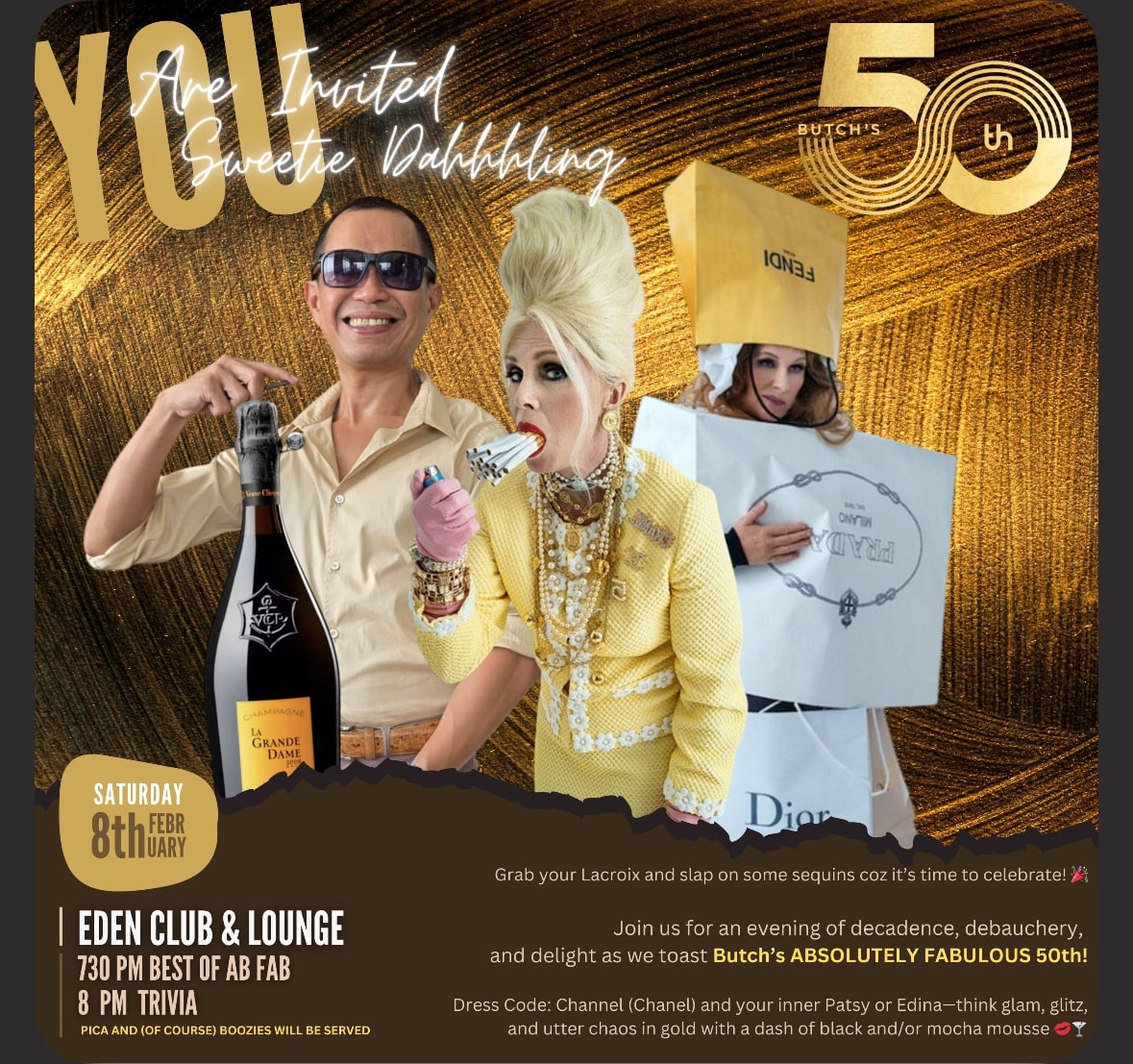
Butch Carungay’s 50th in Neverland
By Emmanuel Hamoy
Cebu’s glitterati came out in full force for Butch Carungay’s 50th birthday bash at EdenClub. It was a fun-filled night overflowing with Pol Roger, trivia games whilst traipsing the light fantastic.
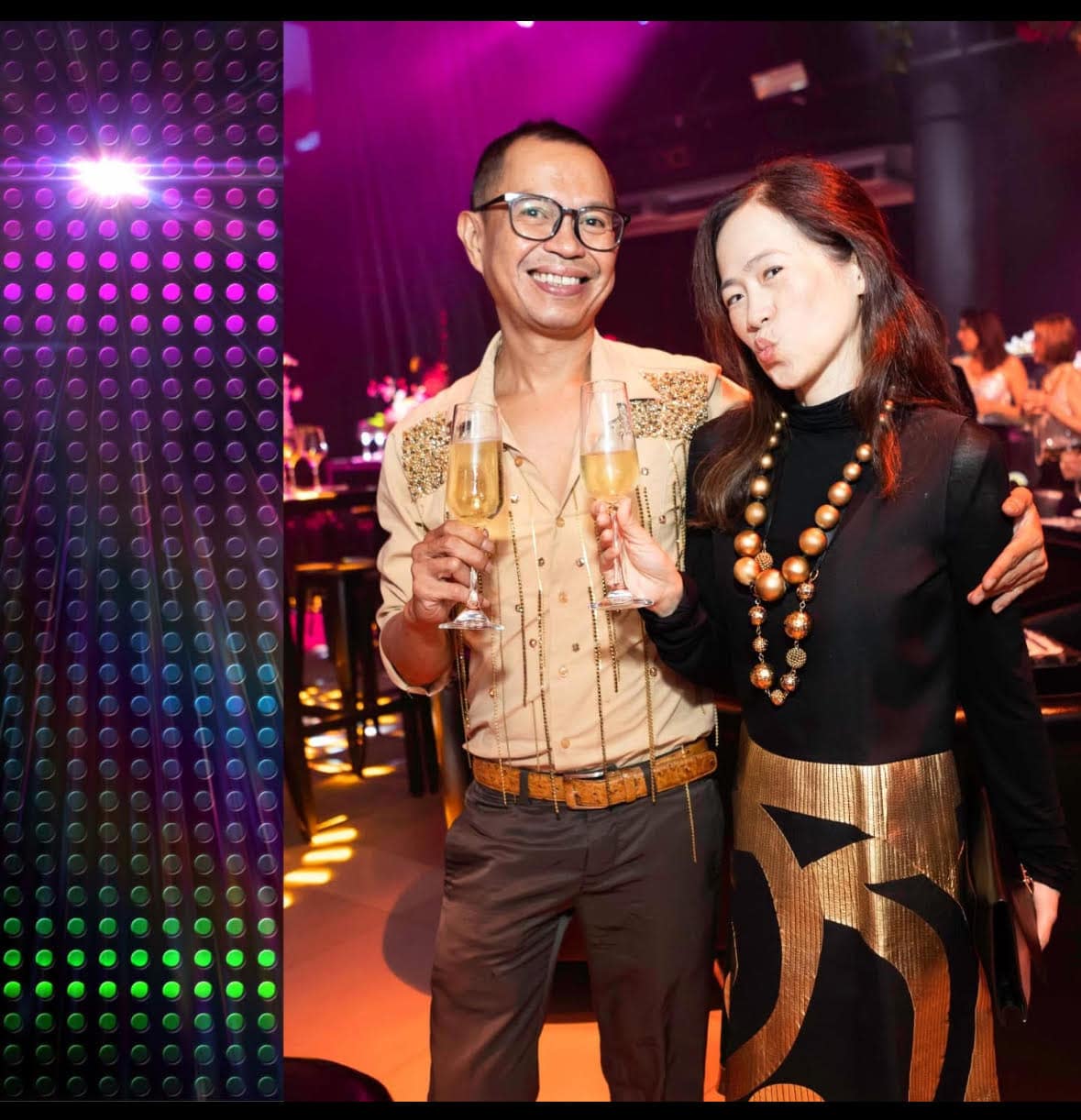
Butch Carungay and Janice Lin.
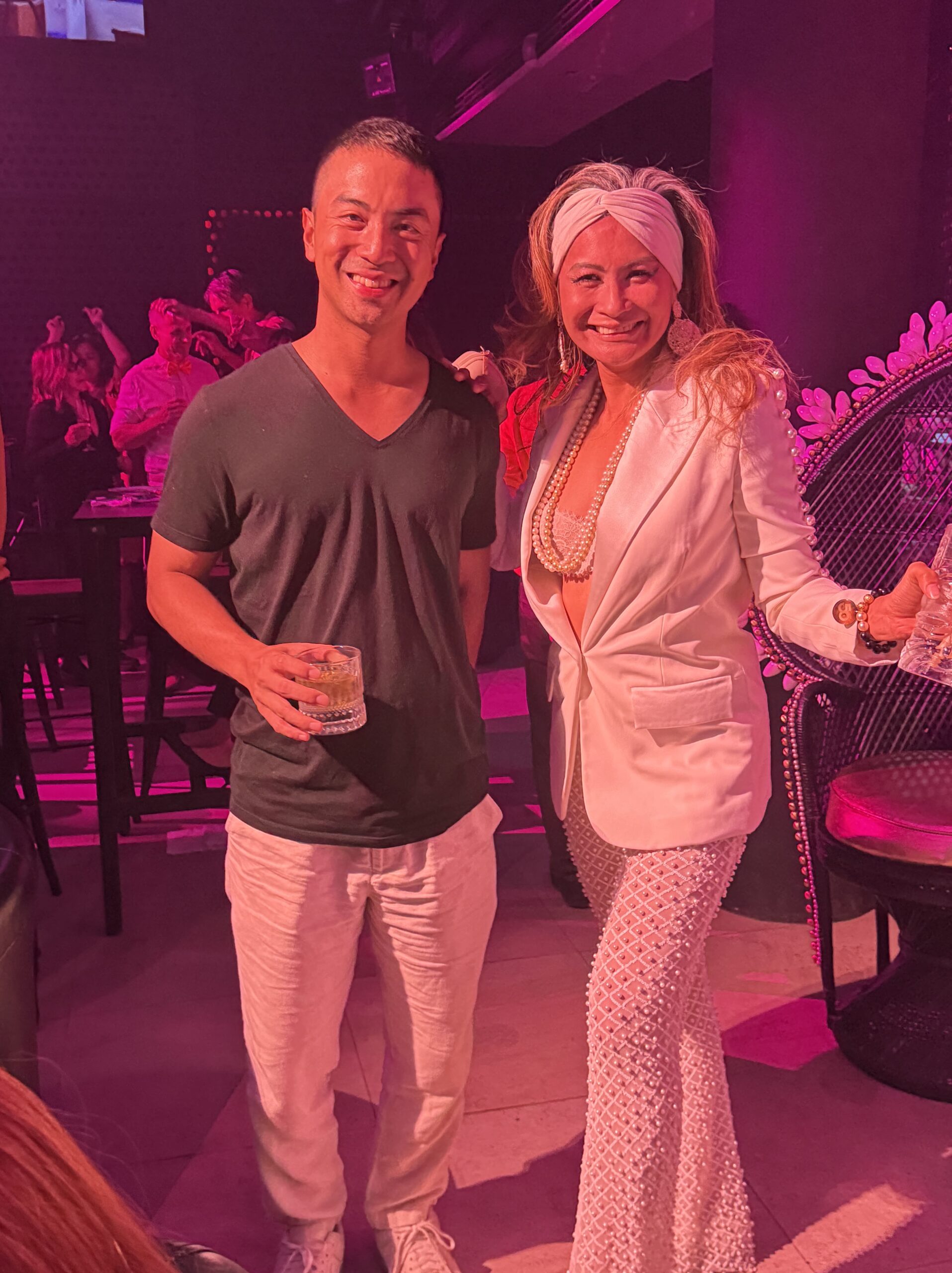
Gerry Laperal and Lotte Delima-Edwards
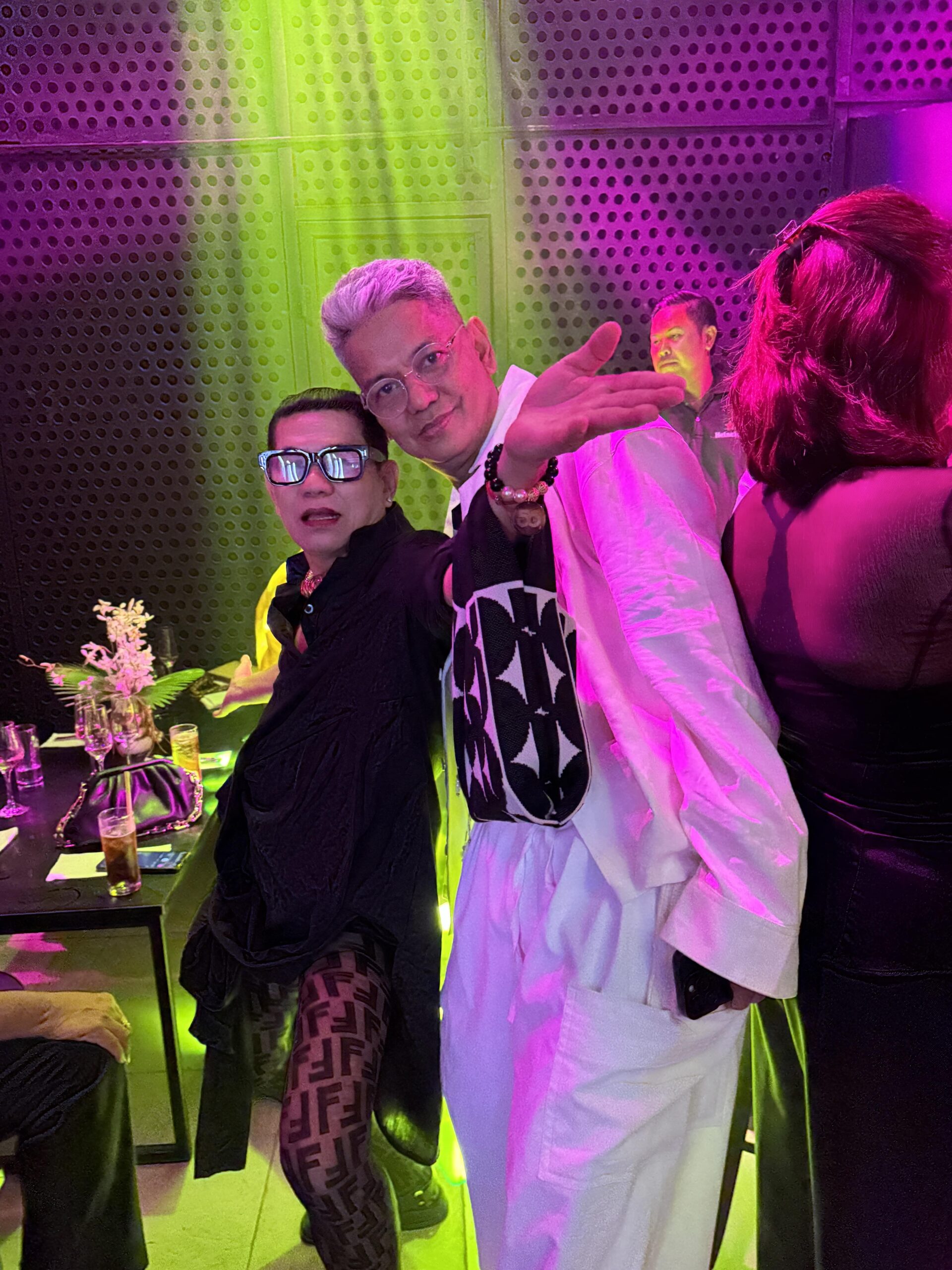
Romero Vergara and Oj Hofer
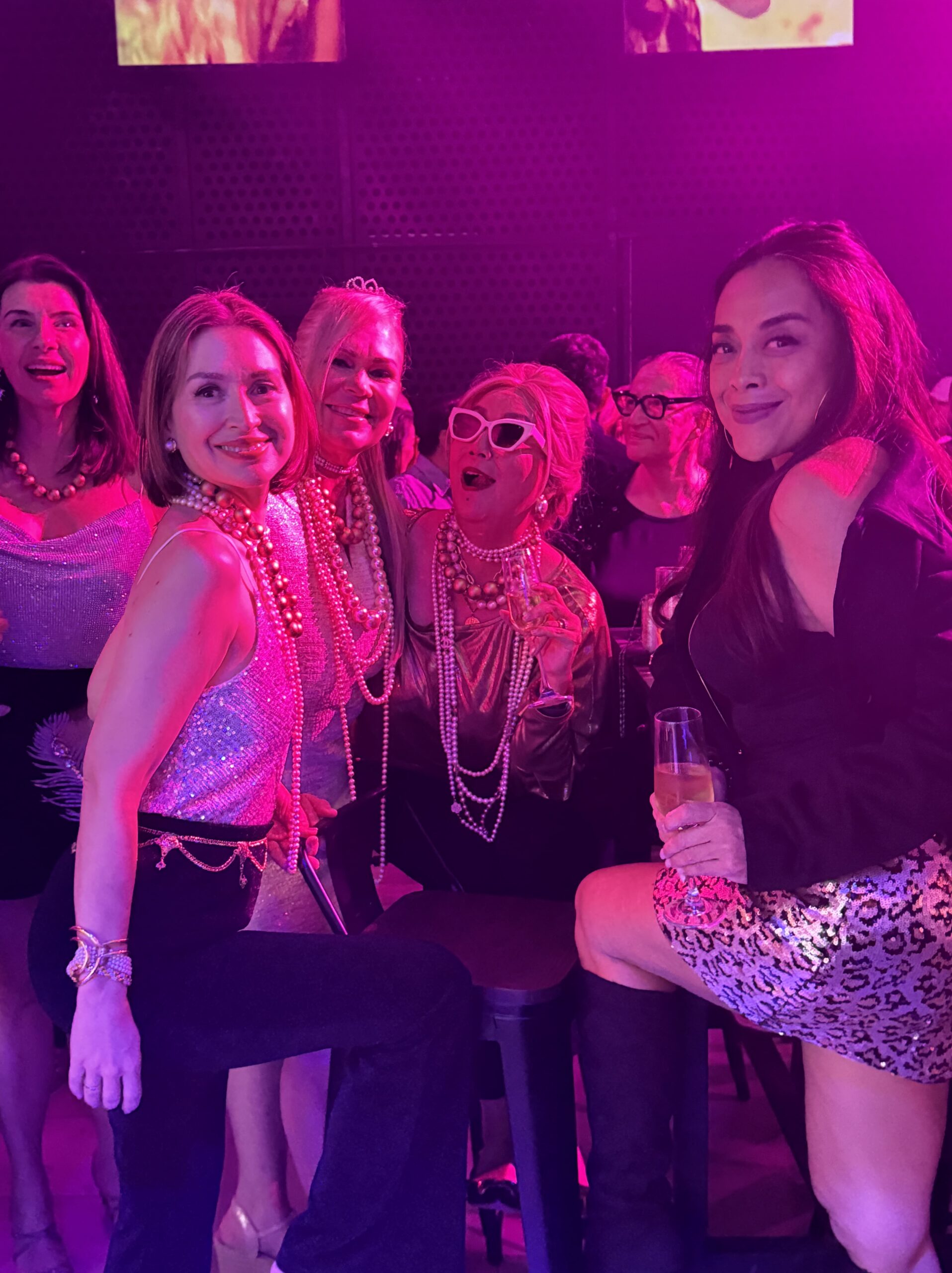
Mary Anne Aboitiz, Christine Pelaez, Tamsin Booth, Frances Siao and June Alegrado
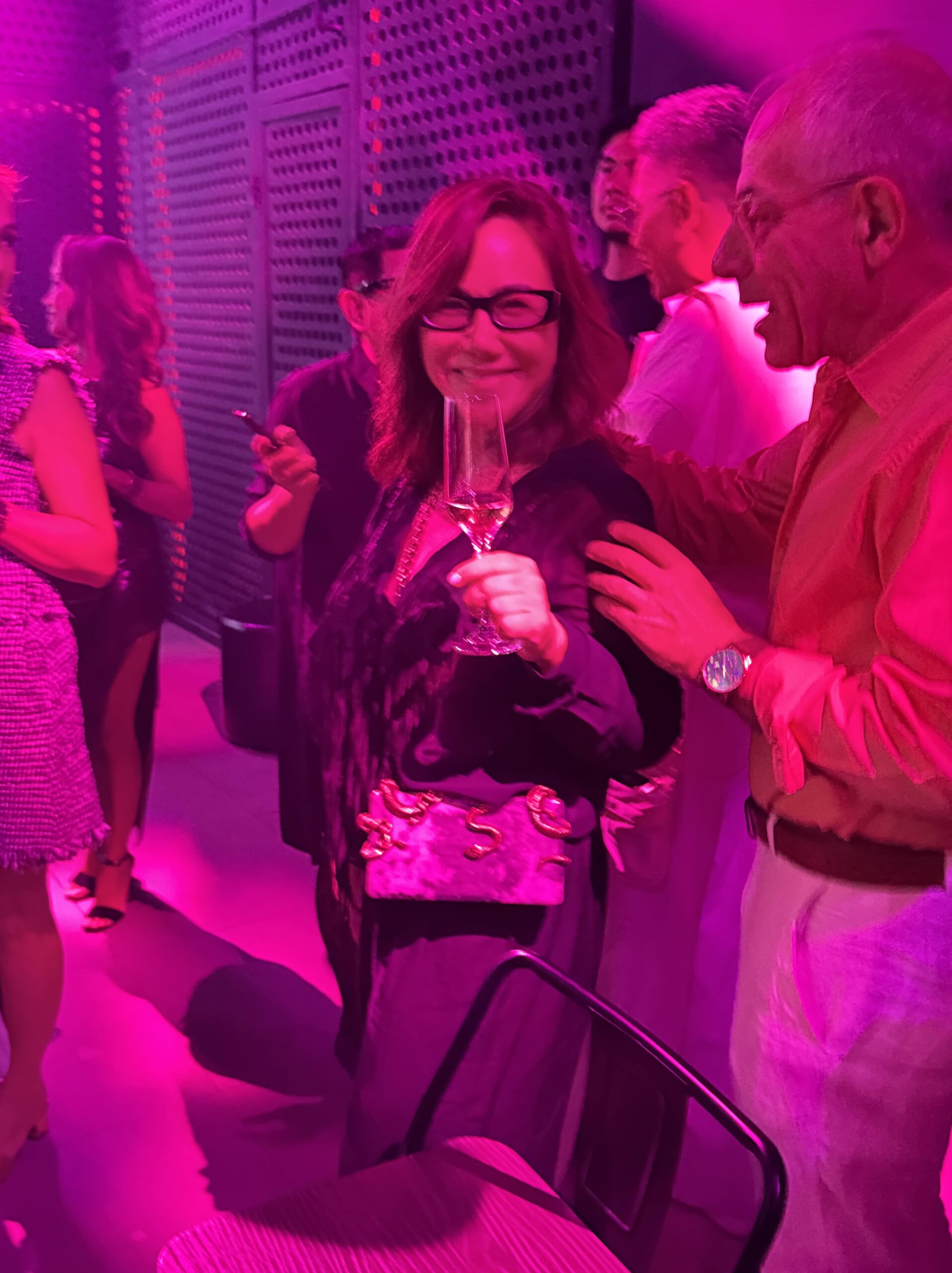
Maris Holopainen and Carlo Cordaro
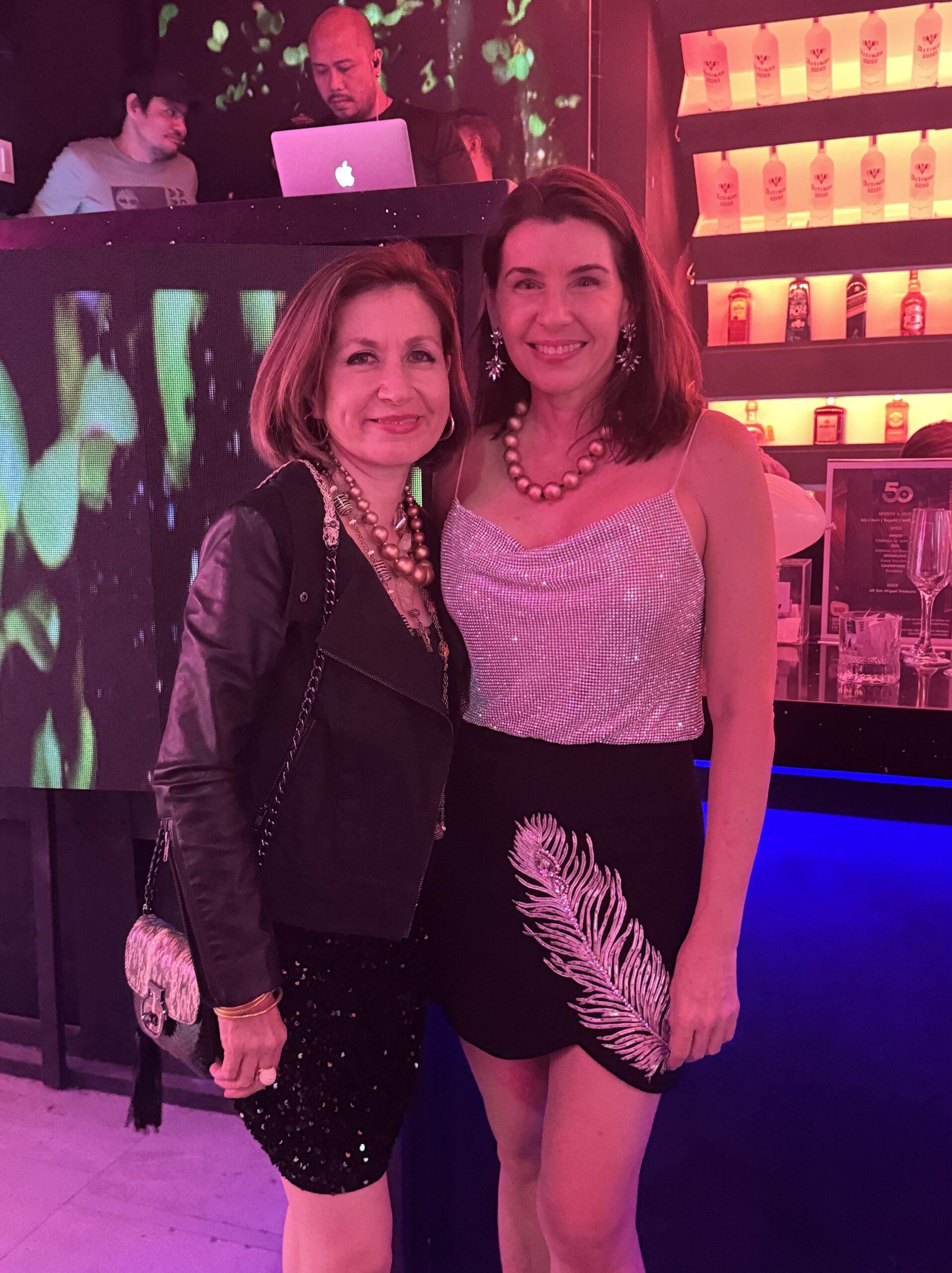
Janine Taylor and Mary Anne Aboitiz
7 Things You Need To Know Before Watching Balangiga: Howling Wilderness
Scenes From the Manila Art Fair 2026

Retrospective: Oj Hofer Celebrates 40 Years of Fashion

Cebu Isn’t Chasing Trends Anymore
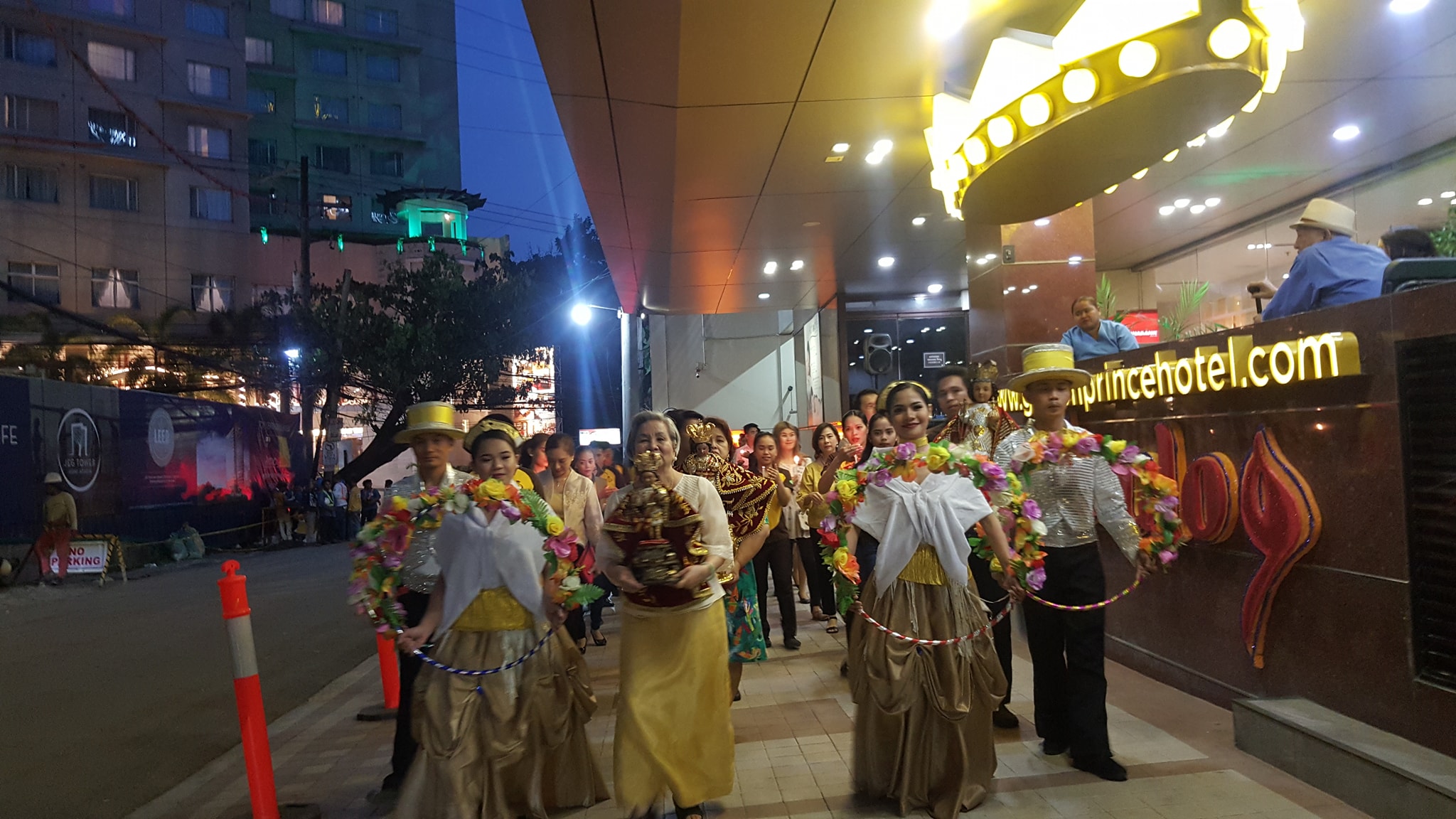
Golden Prince Hotel’s Sinulog Royalty Experience

SM Fashion Forum reveals Cebu’s style influencers
5 Filipino Films That Continue the Conversation on Women Empowerment
Noise and Sounds: An Artform

Christmas in Colonial Cebu: A Themed Exhibit by Teresin Mendezona and Eva Gullas for Stylescapes 2019

Artisanal Cebu: Aspiring calligraphy artist Abigail Condrado

Experience authentic Korean Barbeque at Da-In Restaurant

Chaine des Rotisseurs: A Night of Spanish Cuisine
-
 Ogle La La 3.03 months ago
Cebu’s Heritage Is Not a Museum Piece, Darlings
-

 Art Beat2 months ago
Assemblage: Art Exhibit Blending Themes of Infinity and Renewal
-
 The Scene2 months ago
At the Table: Introducing Flora de Filipinas
-
 Retail2 weeks ago
Cebu Isn’t Chasing Trends Anymore
-

 Art Beat2 weeks ago
Why Does Yayoi Kusama Matter to Cebu?
-
 Fashion3 days ago
Retrospective: Oj Hofer Celebrates 40 Years of Fashion
-
inside6 hours ago
7 Things You Need To Know Before Watching Balangiga: Howling Wilderness
-
inside3 days ago
Scenes From the Manila Art Fair 2026
You must be logged in to post a comment Login