
Fashion
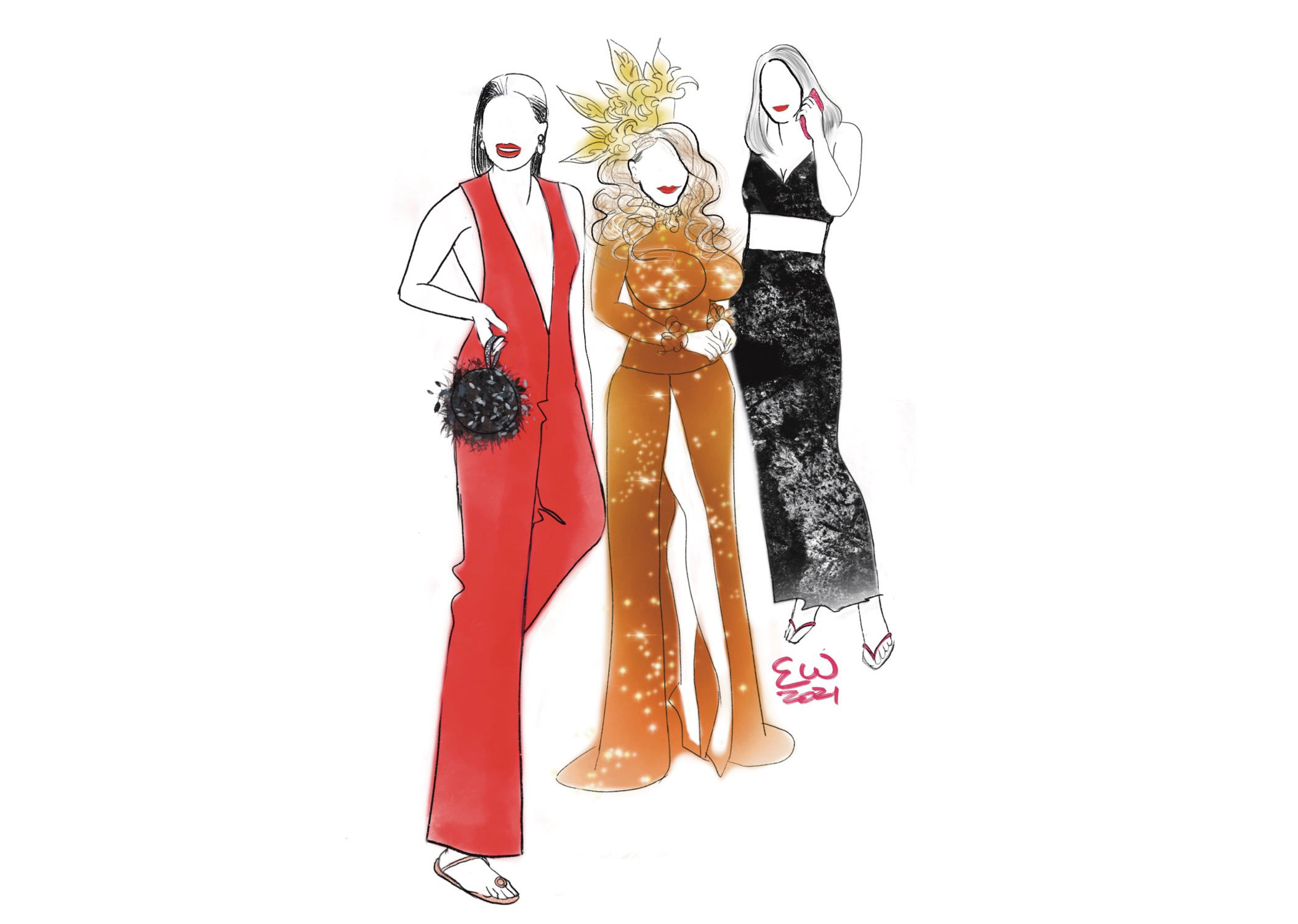
CEBU’S GALLERY OF ROUGE: Mistress of Disinfo, Vixen of Vexation and the Duchess of Disorder
Ogle La La
By Alexandra Fortabat de Hermès
Cebu’s own Lady Whistledown is back after a long hiatus and talks about the naughty ones who comprise the initial #TroubleTrifecta, three ladies who you may or may not know…
It’s been eight years since someone’s picked up this particular (jewel-encrusted) quill so thought it rather apropos to begin sharpening those French-manicured talons and polishing our sardonic wits once again. After all — dear amigas — there is only so much Netflix one can watch, or peloton one can engage in, or caviar-topped foie to prepare, while we’ve all been locked down in our kubôs for well over a year!
To be sure the last twelve months have been a rollercoaster of emotions, a carousel of follies and a series of blunders that have reversed decades of growth resulting in historical levels of unemployment while a very few have been channeling Winston Churchill’s adage of “never waste a good crisis” a bit too much. While we can go on and on about the bungled and disastrous government response, we will limit our political commentaries here as we have no interest – nor inclination — to open that rather voluminous Pandora’s box.
The armoires that we will explore will belong to three types of our island’s “alta” sociedad who – in this last revolution around the sun – made us cringe and bust out many tubs of popcorn through their sheer audacity, lack of sensitivity, and overall dopiness. This – ladies (and lady wannabes) – is therefore the debut edition of the #TroubleTrifecta.
The first is that amiga who, by choice or plain predilection, just cannot keep her facts straight. Let’s call her Mistress of Disinfo coz one simply cannot trust what comes out of her well-lined lips or read from her often convoluted (and run-on) status updates. In this age of ubiquitous and nearly instantaneous information and the proliferation of fake news, the least one can do is check the veracity of what one puts out in the social media realm. As with anything else, quality is key!
The next Vixen of Vexation is that overbearing arriviste who is desperate to bowdlerize her courtesanal past by plastering her obviously enhanced and Gluta-enabled mug on every surface (and platform) known to modern man. This self-proclaimed Madame Multiverse is quick to brandish her (dubious) accomplishments, has an affinity for B (or C?) rated actors and milks her closeness to certain members of the Old Guard. In her perpetual quest for legitimacy and acceptance by the upper echelons, perhaps this Señorita aspirant should heed the advice of Malcolm Forbes when he declared: “How to Succeed: Try Hard Enough; How to Fail: Try Too Hard.”
Our last Duchess of Disorder is definitely NOT the least in this Gallery of Rouge and has actually been the source of not just consternation but of many a disruption – and not in a good way. This Soaper Woman is so-called due to her propensity to air out all her filthy lavada to anyone who will listen or bother to read her IG stories. Besides giving any Grammar Nazi a massive coronary, this Fräulein of Fracas has been known to commit acts of arson, has no qualms of engaging in online character assassinations AND seems to have a never-ending bevy of skeletons that are constantly feasting in her many closets.
Ladies, please! While we have to admit that we derive a certain guilty pleasure from your virtual explosions and implosions, they do get very prosaic – very quickly. Discretion, like intelligence and proper manners, truly never goes out of style.
So there you have it folks. These tumultuous times we live in certainly do not need any more brouhaha so please remember to be precise, don’t try too hard and always maintain a certain sense of delicadeza. Not only will your lives be simpler and more pleasurable but maybe, just maybe, you may finally crack that clique that you’ve been clawing your way to be a part of.

Fashion
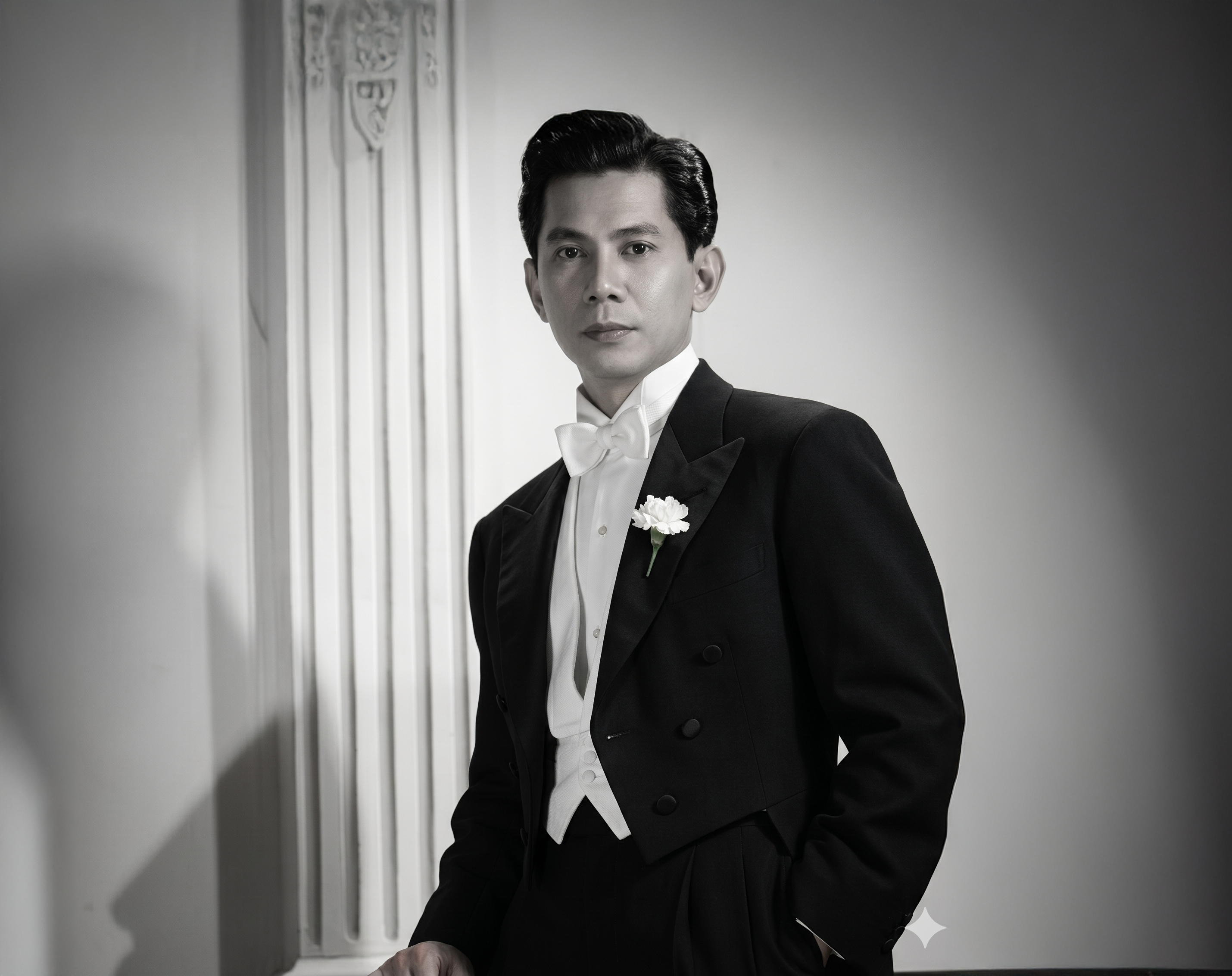
Ramon Valera; Manila Society’s Fashion Darling
by Jing Ramos
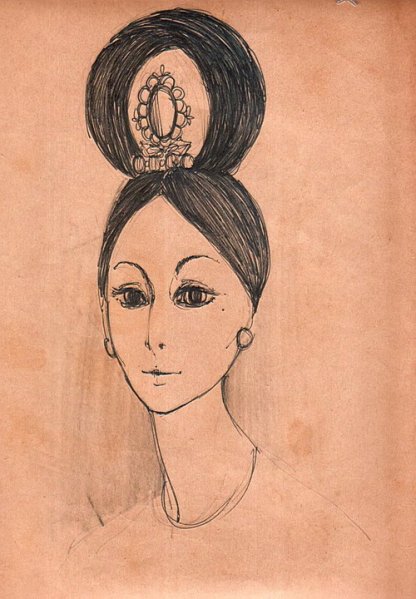
Ramon Valera’s fashion sketches were drawn on paper as they flashed in his mind.
“Without Ramon Valera, there would have been no high society in the Philippines, but it may be right to say that without high society, there would be no Ramon Valera.” –Abe Florendo
Ramon Valera, the first National Artist for Fashion Design, was born in Sta. Cruz, Manila. He came from a wealthy family. His parents, Melencio Valera and Maria del Pilar Oswald, moved in prominent business circles in postwar Manila. He had the privilege of studying at La Salle College and later pursued a course in Commerce at Far Eastern University. It wasn’t long before his artistic inclinations prevailed, leading him to quit school and establish a fashion atelier. This marked the beginning of Ramon Valera’s profession as a fashion designer.
Previously, Valera had apprenticed under Mina Roa, who made ternos for the elite and was known to be a dominant figure in the fashion industry. Mina Roa taught Valera the rudiments of the classic European techniques of construction and draping.
It was during the 1950s and 1960s that Ramon Valera’s career flourished, coinciding with the golden era of a new and modern Philippine society fueled by progressive postwar entrepreneurship and the undeniable presence of old-money families. The designer was celebrated for his craftsmanship and originality, but his most important contribution was revolutionizing the national costume.
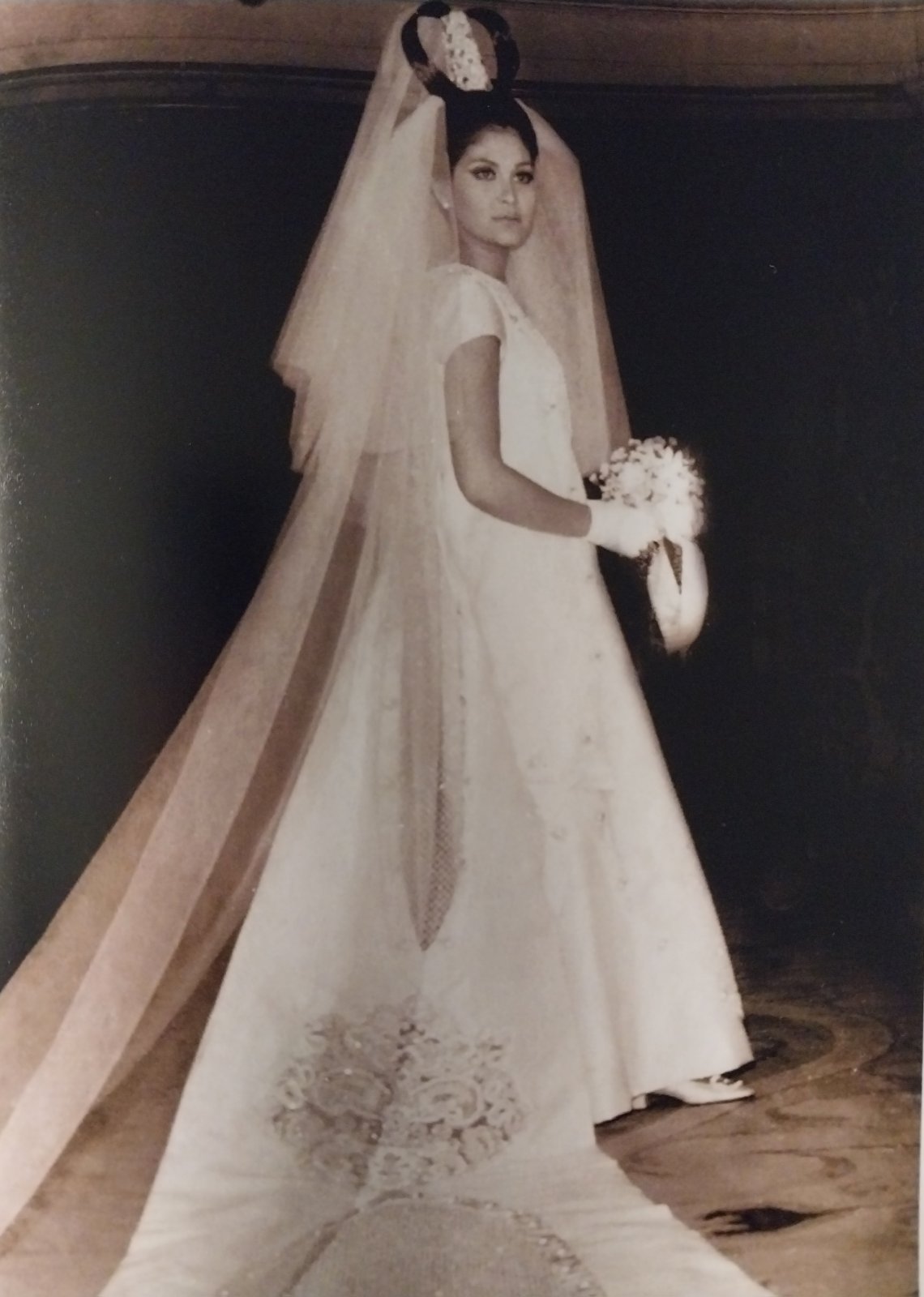
Ramon Valera is credited with revitalizing the traje de mestiza, otherwise known as the Maria Clara, traditionally a four-piece garment comprising a blouse, skirt, overskirt, and scarf. The terno was soon transformed into a one-piece ensemble and, instead of being fastened with hooks, was secured with a zipper. The butterfly sleeves were emboldened in volume, which remains a staple among contemporary designers. Valera also discarded the pañuelo, exposing the woman’s décolletage, which was considered very risqué at the time. A few of his clients dared to wear them, including Mrs. Claro M. Recto and Mrs. Primitivo Lovina, who were broad-minded enough to ignore public scrutiny. He brazenly transformed the Maria Clara into a wedding gown and successfully established it as an icon. It soon appeared in countless society weddings because Manila brides could not get enough of Valera’s originality and flawless execution.
Ramon Valera was known among his peers as the consummate snob. His random impromptu remarks often left people in stitches. When he saw his niece, Peching Zulueta Gomez, dressed in a combination of red, white, and blue, he commented, “Now you can sing the national anthem.” On another occasion, when asked why he had turned down a very important potential client, he replied, “She doesn’t have a torso.”
He had the luxury of choosing whom he wanted to dress, focusing mostly on formal gowns and bridal trousseau for a highly select clientele. He attended to his clients personally, tape measure in hand, and it was not so much “by appointment” as “by invitation only.” His demeanor was dignified, and he was a man of painstaking habits and judgment.
Ramon Valera’s famed dinner parties were planned meticulously, and his distinctive style left its imprint on everything—from the dinner menu to the floral arrangements, down to the silver and fine bone china used for the occasion. Everything was executed with impeccable taste.
A stellar list of Manila socialites wore his creations. Susan Magalona, when she married Carlos Ledesma, appeared in an extravagant lace-and-tulle terno. Pacita de los Reyes wore a groundbreaking terno without a pañuelo. Chito Madrigal donned a terno with a futuristic bubble skirt made from sixty-five yards of silk, hand-painted with flowers traced in beads. Pressy Lopez wore a white evening gown ruched throughout, complemented by a capelet of the same motif. Elvira Manahan dazzled in a leopard-print beaded evening dress paired with an opera coat in blue silk.
The list is seemingly endless, serving as a reminder of Ramon Valera’s influence on Philippine society and politics. In spite of all the accolades attributed to this brilliant innovator, and long before he was lionized as the Philippines’ National Artist for Fashion Design posthumously in 2006, the Valera brand had already been firmly established. Retrospective exhibitions were mounted in museums, countless articles were written about his contributions to the fashion industry, and his impact on Manila society was already secure.
Today, that legacy lives on, honoring the master who lived by his motto: “Cada traje es una obra maestra”—every dress is a masterpiece.
Margarita Romualdez
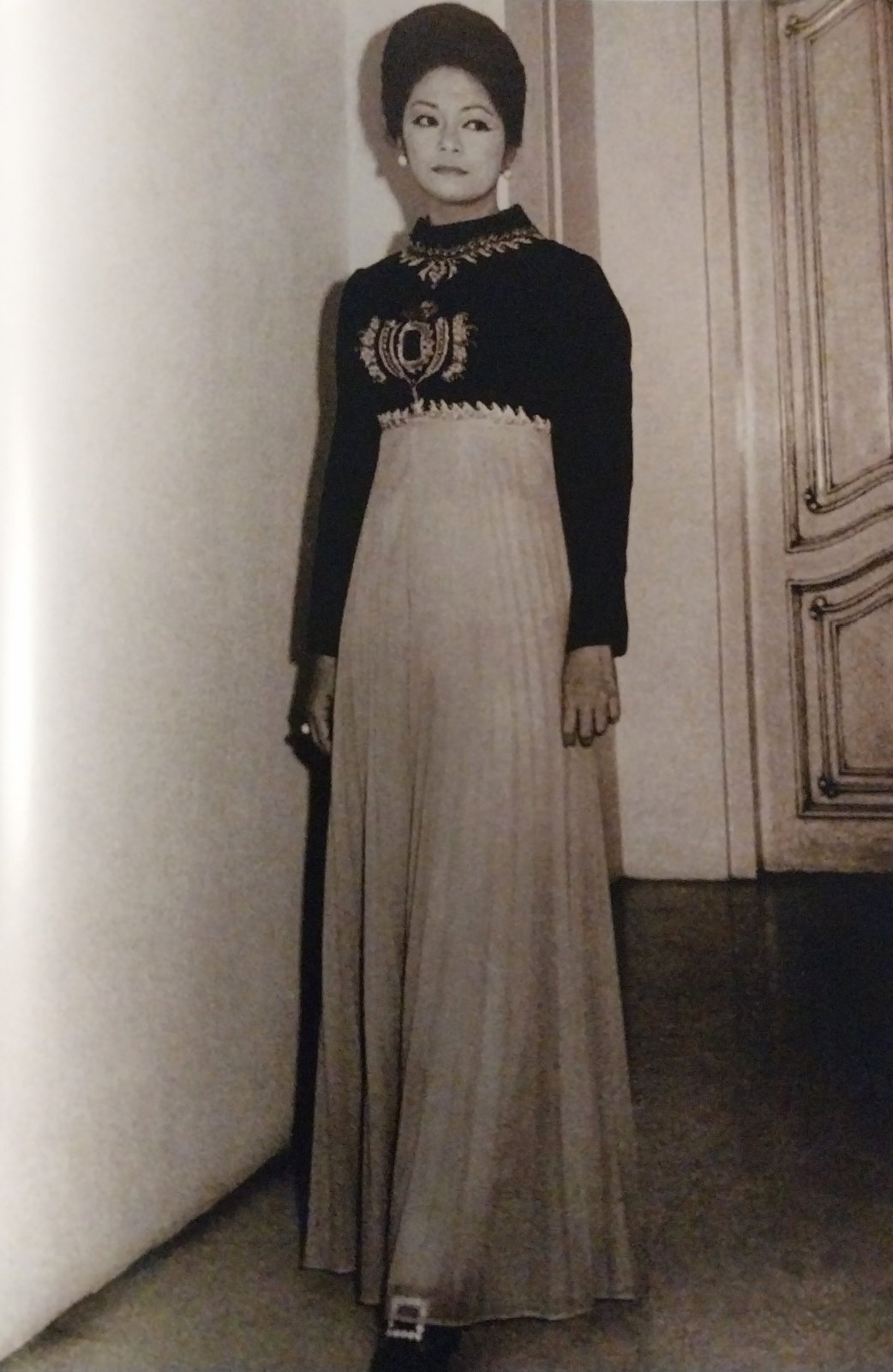
Fe Dolor Serrano
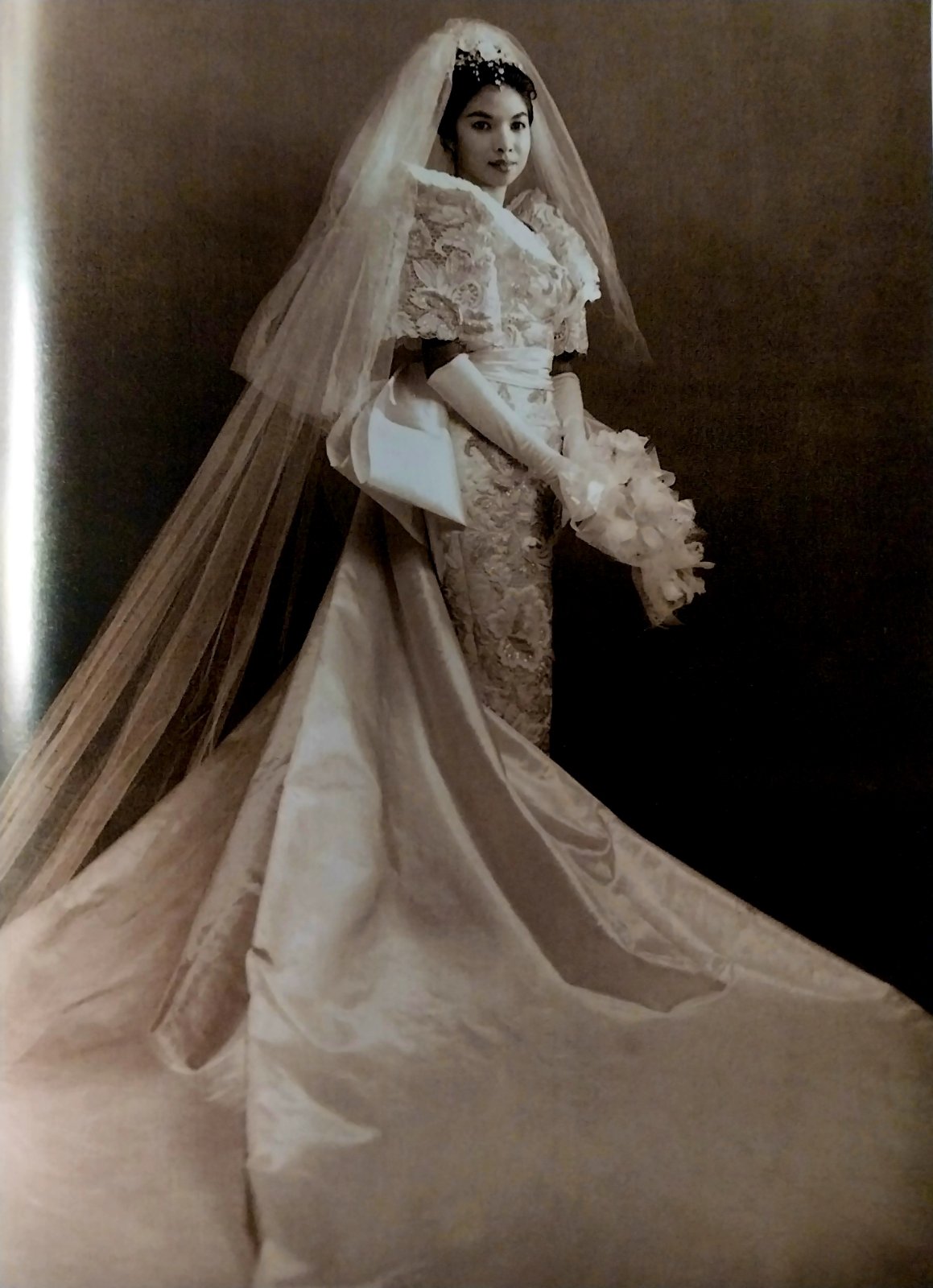
Rosemary Arenas
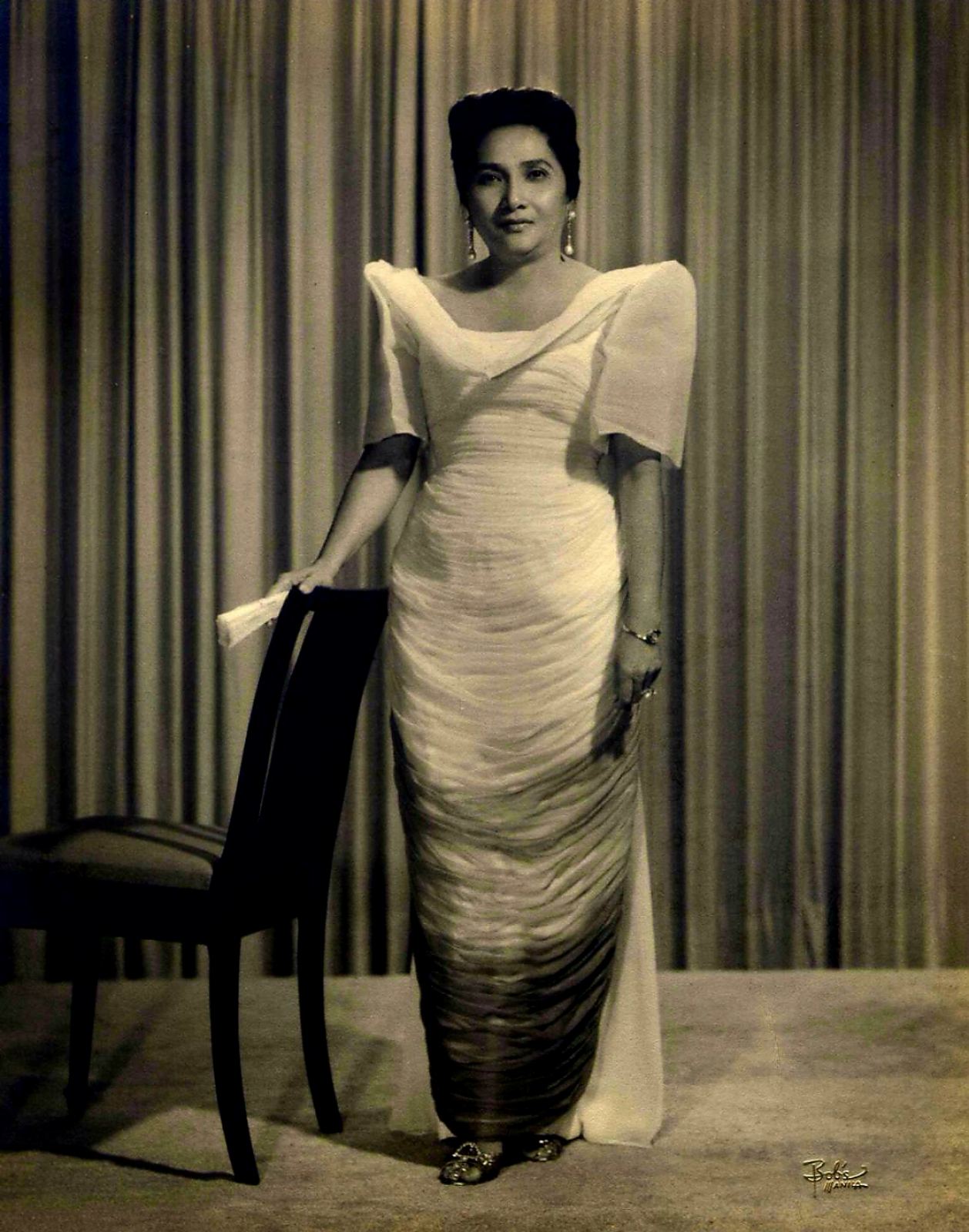
Leonila Dimataga Garcia
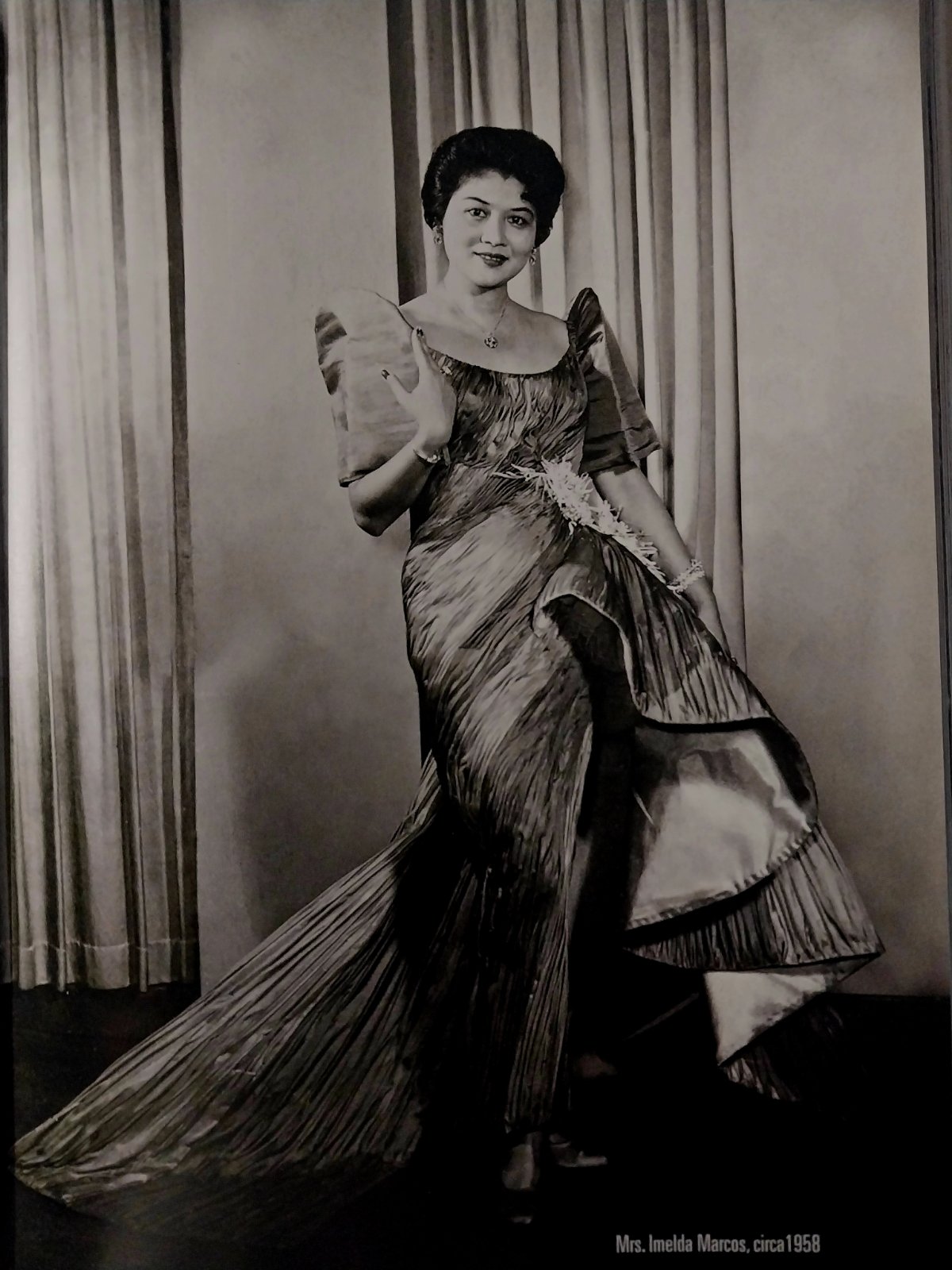
Imelda Romualdez Marcos
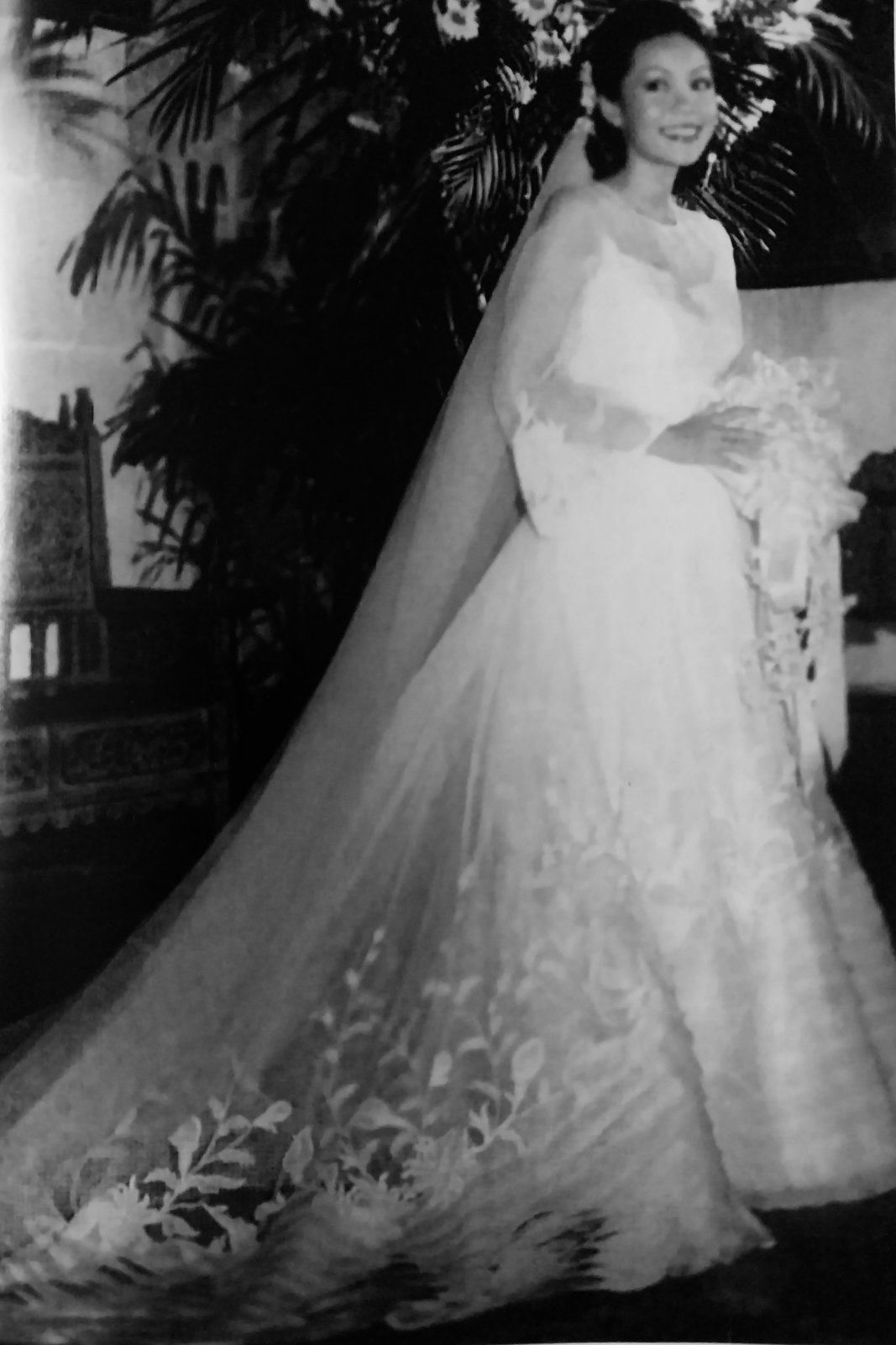
Lisa Tinio Bayot
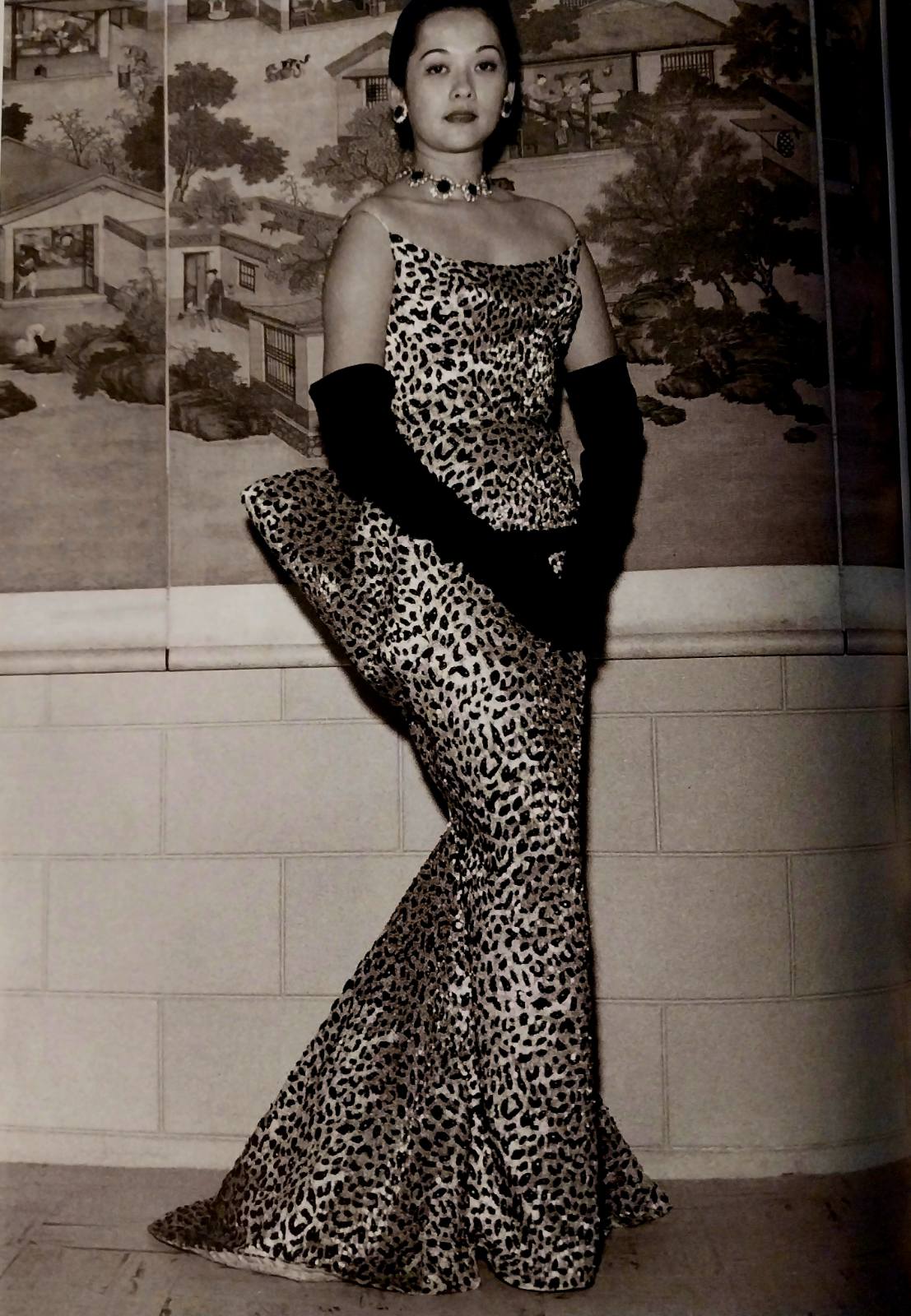
Elvira Ledesma Manahan
Fashion
Cloud Dancer: The Resonant Reset of 2026

by OJ HOFER
Pantone’s Color of the Year for 2026, Cloud Dancer, signals a deliberate shift toward clarity and restraint. This off-white hue—balanced, soft, and lightly luminous—emerges in response to visual saturation and constant acceleration. Rather than competing for attention, Cloud Dancer provides a neutral foundation, allowing design and intention to take precedence over excess.
Its relevance is underscored by the Year of the Fire Horse, which officially begins on February 17. Traditionally associated with momentum, decisiveness, and forward motion, the Fire Horse introduces an energetic rhythm that benefits from focus. Cloud Dancer offers that counterbalance. It tempers intensity without diminishing drive, creating space for action guided by intention. In this context, color operates not as decoration, but as a framework for decision-making.

RESTORATIVE SPACE. Natural tones set the calm, while subtle touches of black, deep brown, navy, or olive add quiet contrast—bringing depth and character to Wabi-Sabi spaces without disturbing their sense of balance.
In interiors, Cloud Dancer supports environments shaped by longevity and ease. Applied to walls, ceilings, and architectural surfaces, it reflects light with subtlety, enhancing spatial clarity without austerity. The hue pairs naturally with wood, stone, linen, and ceramic, reinforcing a preference for tactile materials and functional design. Homes become spaces for restoration and daily living, rather than display.

EFFORTLESS POISE. Louise Trotter’s Spring 2026 ready-to-wear for Bottega Veneta pairs a billowing jupe-culotte cotton trouser, anchored low on the hip, with an ultra-stretch silk tank for quiet, modern ease.
Fashion adopts Cloud Dancer as a study in form and construction. The color allows silhouette, proportion, and movement to take the lead. Tailored separates, fluid dresses, and layered essentials in this off-white tone read as considered and adaptable. It aligns with a continued shift toward wardrobe longevity and thoughtful repetition, where garments are designed to endure.

MODERN EASE. The white Chanel 19 brings relaxed refinement to your wardrobe with its soft, slouchy shape, oversized quilting, and mixed-metal chain hardware for a quietly chic finish.

CELESTIAL RADIANCE.White jade and selenite glow in warm, milky restraint, punctuated by a sculptural gold lotus and a serene Buddha face—an intimate expression of harmony, quietly attuned to the wearer’s birth rhythm. Available by appointment: 0910 418 2028
Accessories extend the narrative. Bags, footwear, and eyewear in Cloud Dancer offer continuity across seasons, while jewelry in pearl, brushed gold, and muted silver finds balance against the softness of the hue. The effect is understated, with design serving function rather than statement.

TIMELESS STRIDE. First unveiled in 2013, the Y-3 Qasa endures as a cult icon—its avant-garde silhouette carrying a vintage pedigree while remaining rooted in present-day wearability and select global availability.
Beyond aesthetics, Cloud Dancer reflects a broader lifestyle orientation toward simplicity and clarity. Its application across tableware, stationery, wellness spaces, and personal objects encourages mindful selection over accumulation. As 2026 unfolds, Cloud Dancer frames the year as one of refinement—supporting forward momentum with focus and restraint. Cloud Dancer is the resonant reset for 2026.
Fashion
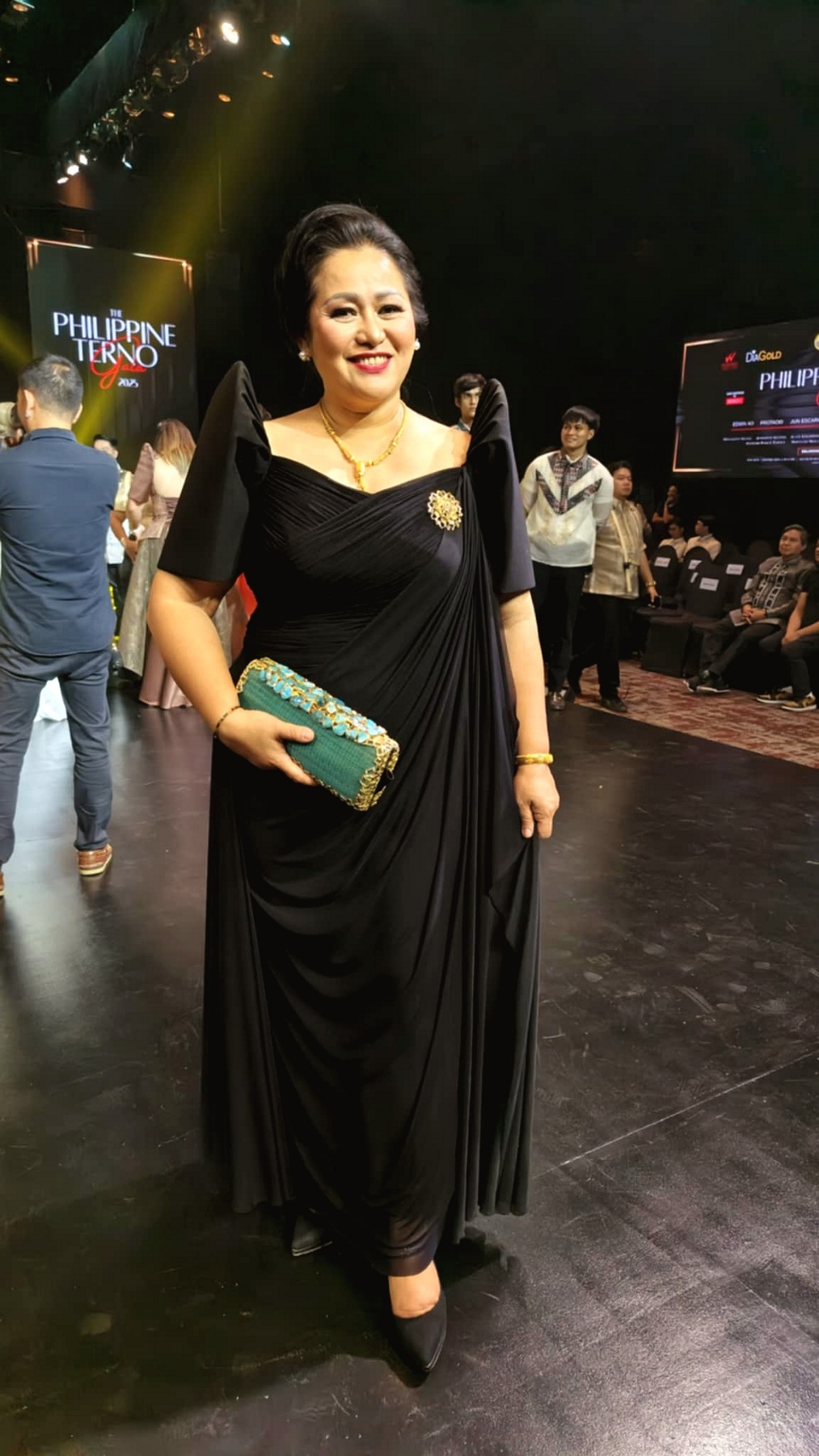
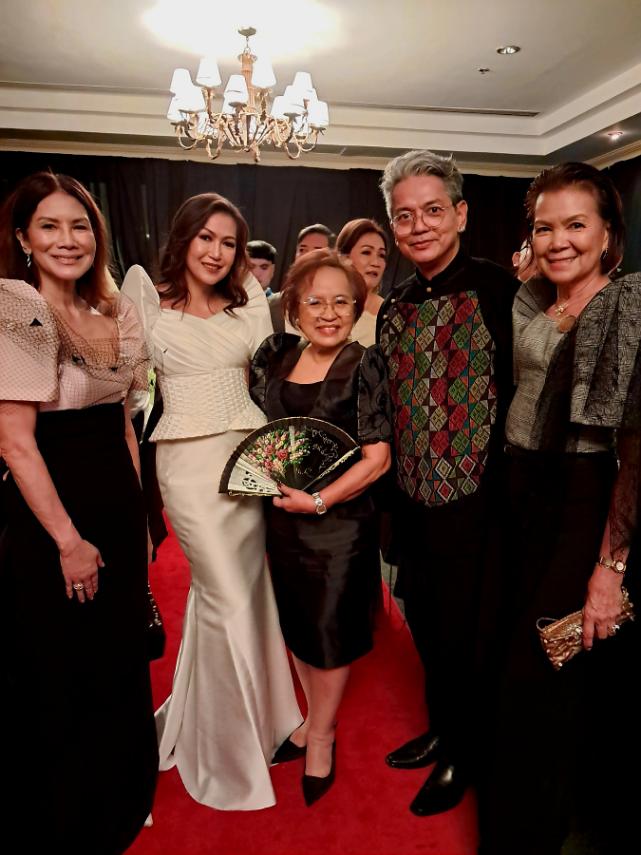
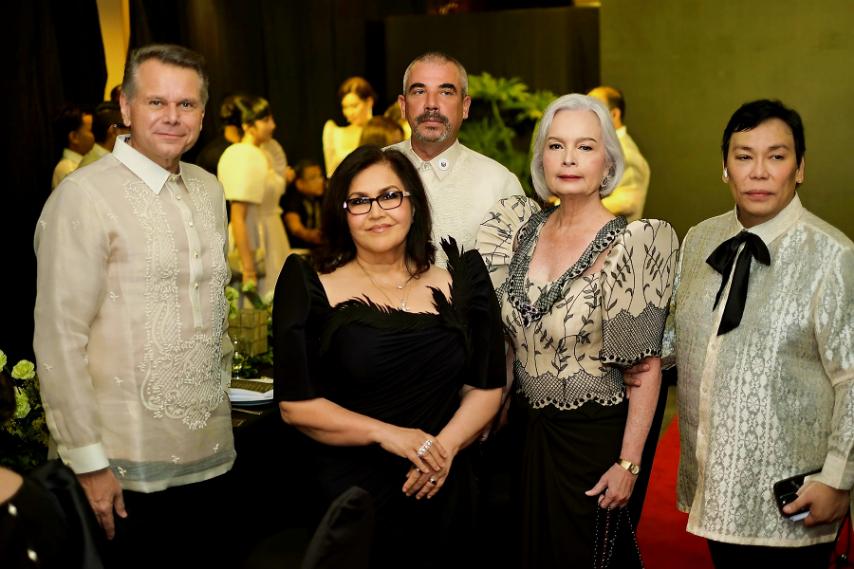
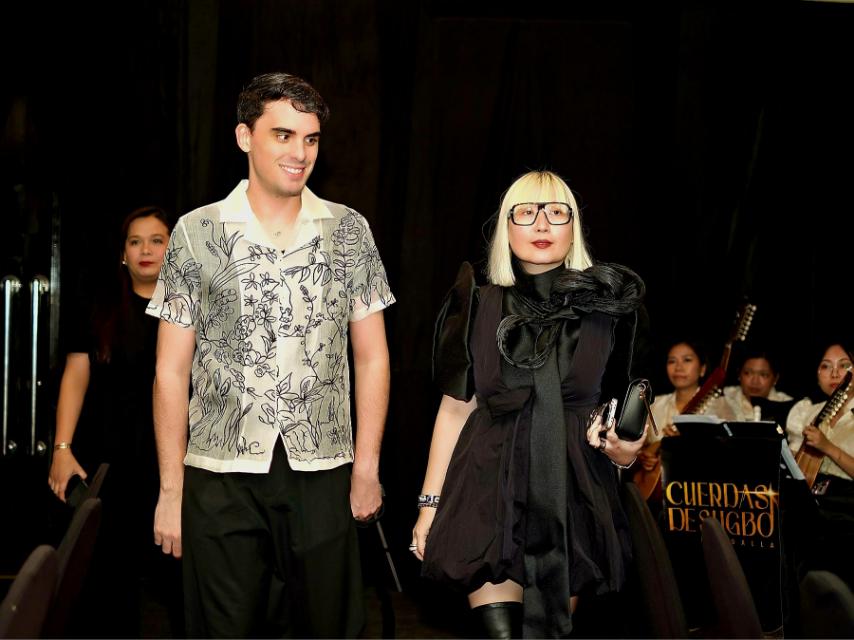
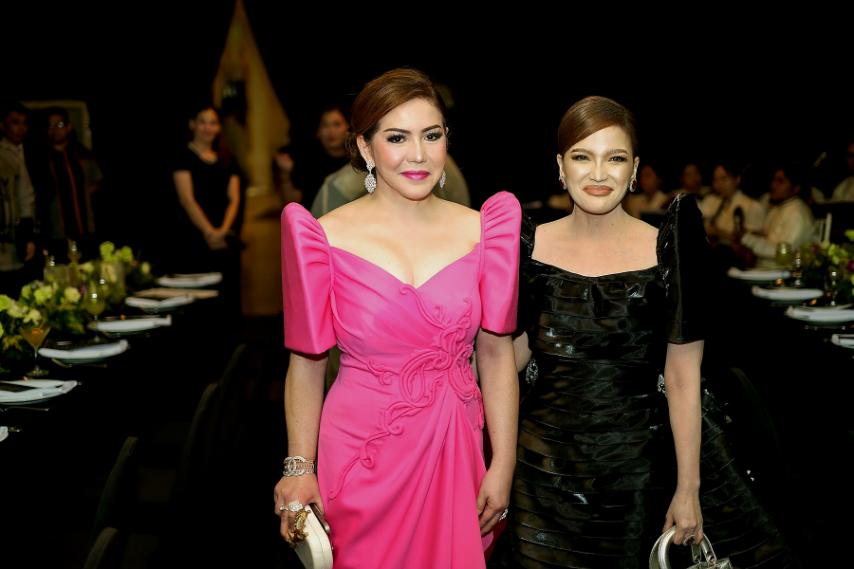
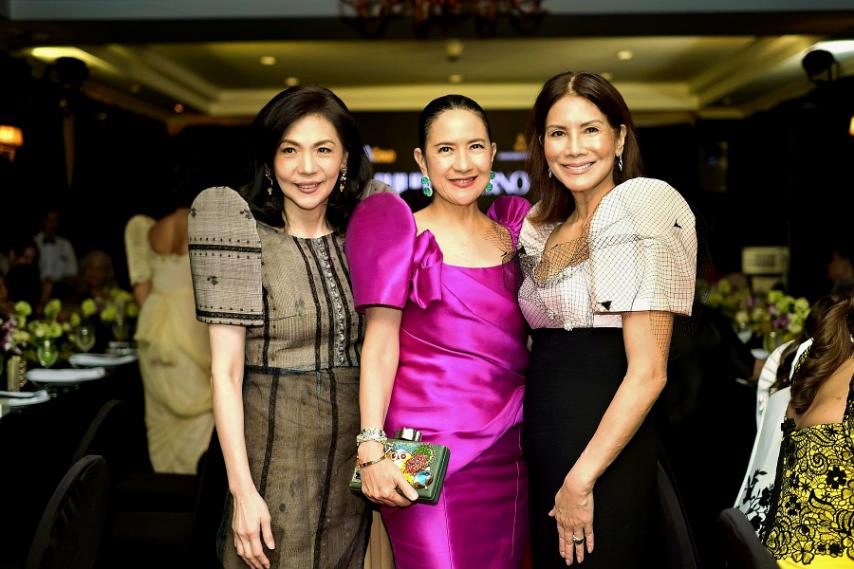
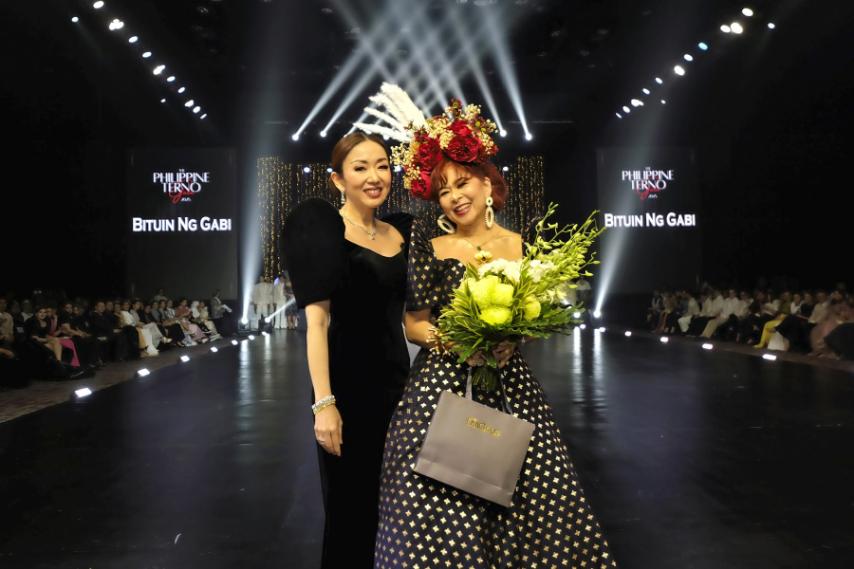
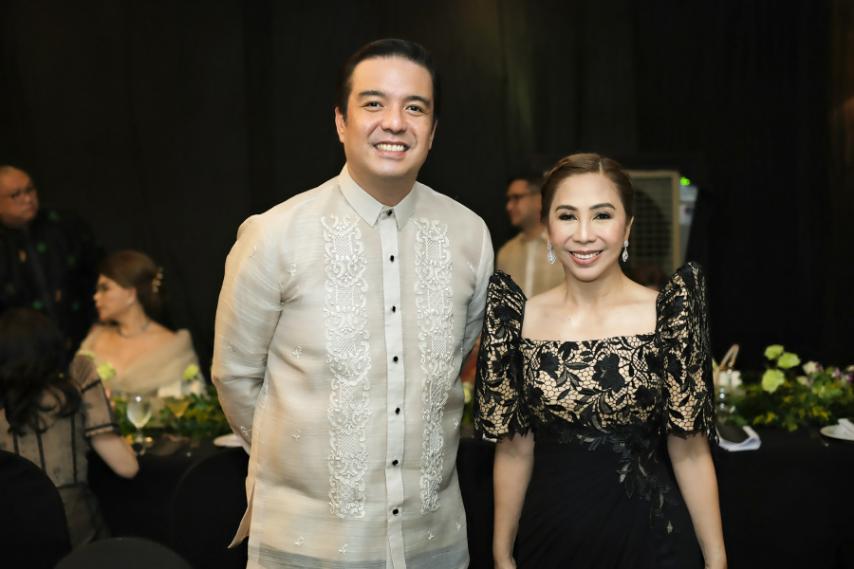
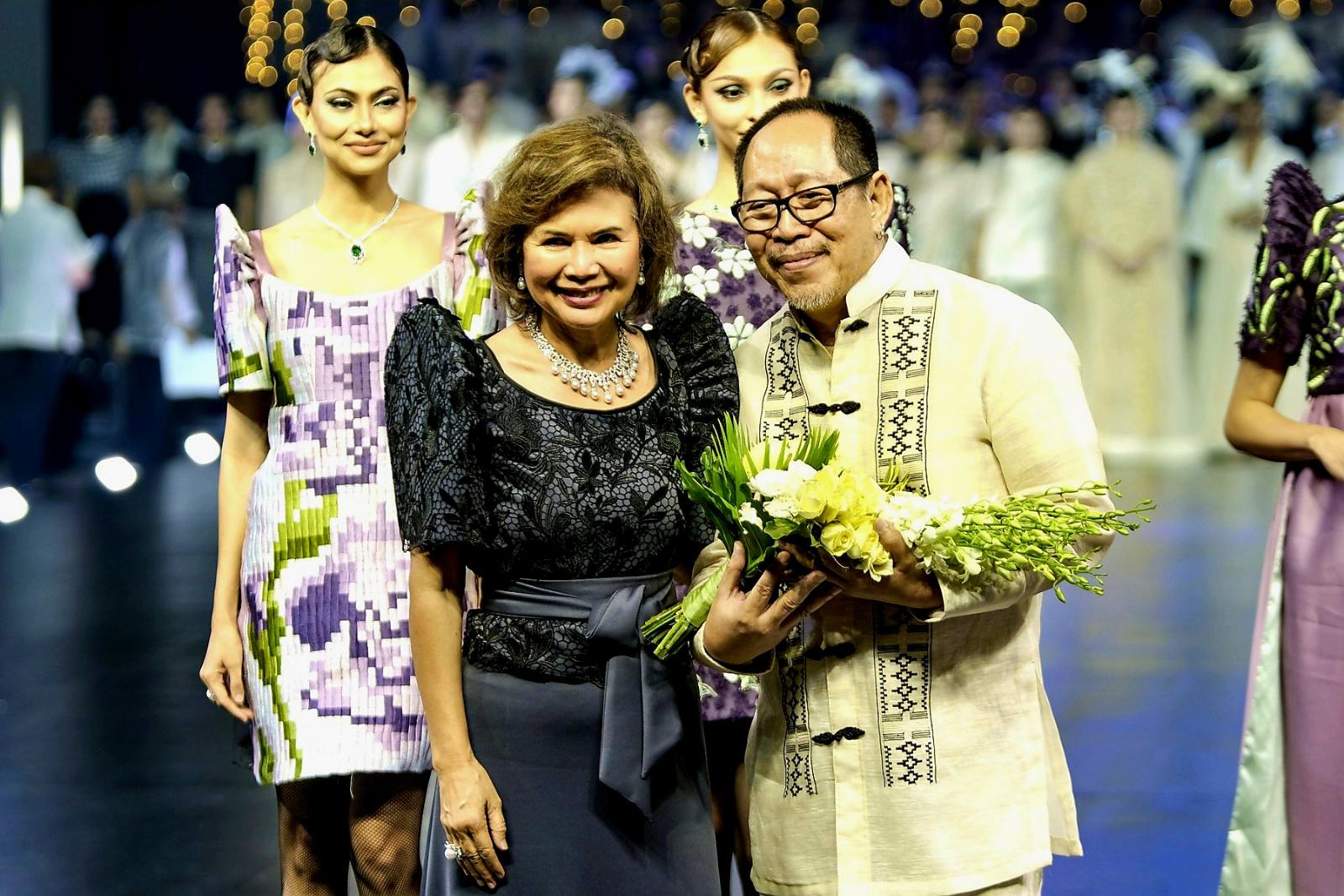
To See and Be Seen: Philippine Terno Gala, A Celebration of Heritage and Couture
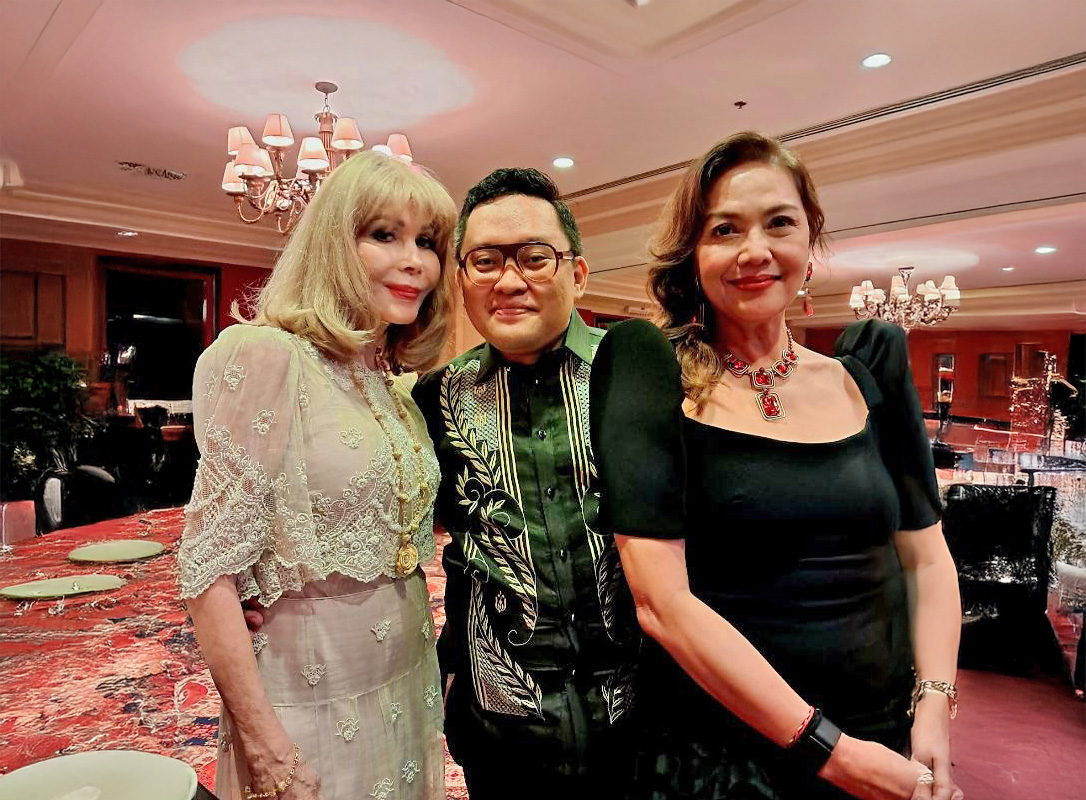
by Kingsley Medalla | photography Emmanuele Sawit


Assemblage: Art Exhibit Blending Themes of Infinity and Renewal

At the Table: Introducing Flora de Filipinas

Cebu’s Heritage Is Not a Museum Piece, Darlings

James Morales Jr.; Capturing Significant Images Through His Lenses While Nurturing a Lifelong Passion for Vintage Cars
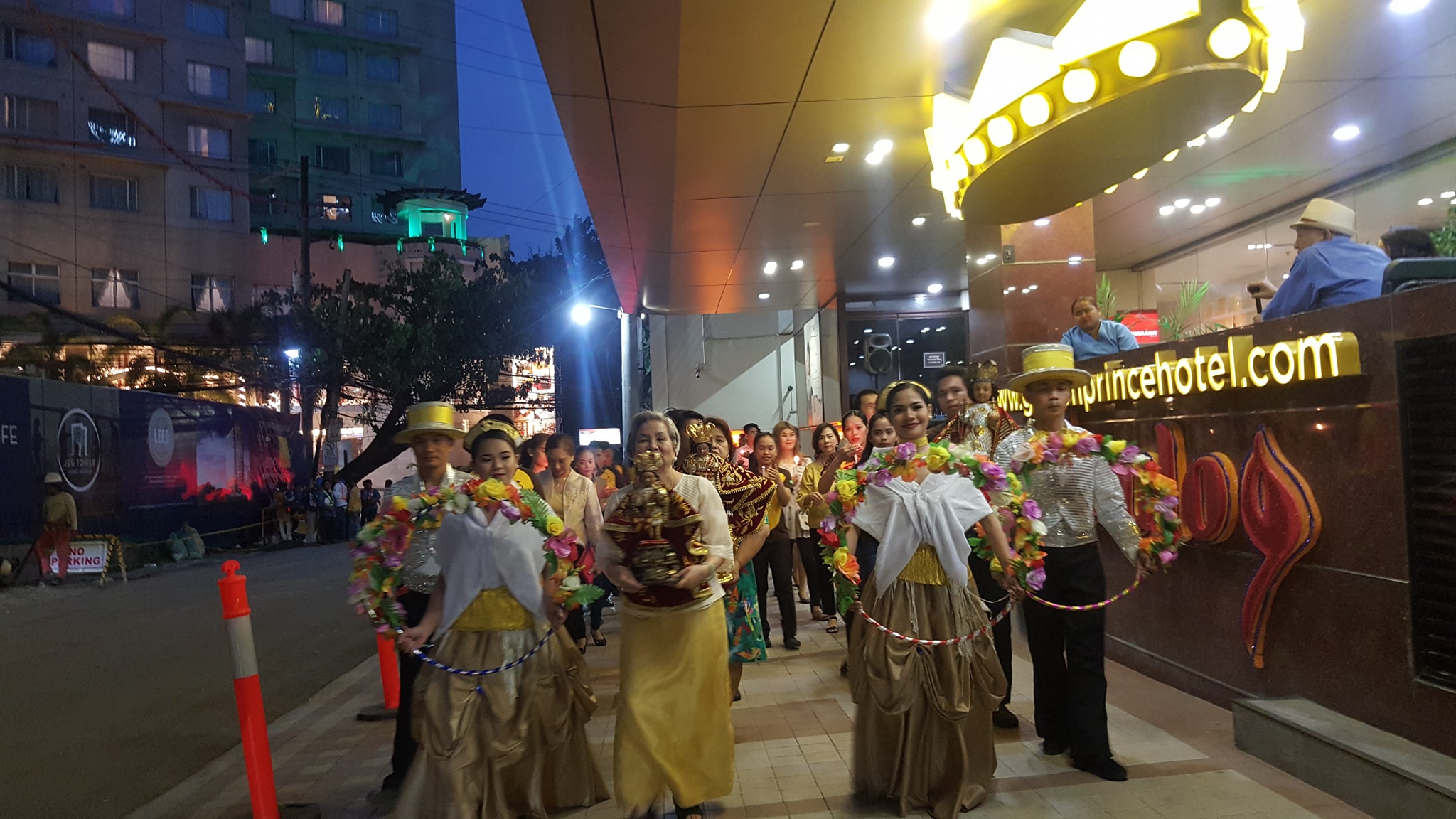
Golden Prince Hotel’s Sinulog Royalty Experience

SM Fashion Forum reveals Cebu’s style influencers
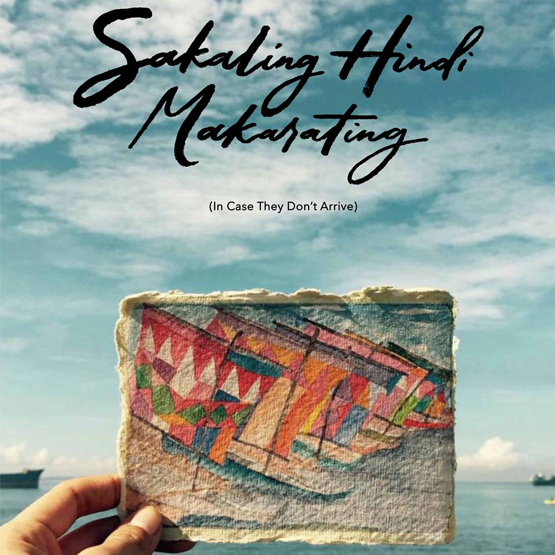
5 Filipino Films That Continue the Conversation on Women Empowerment
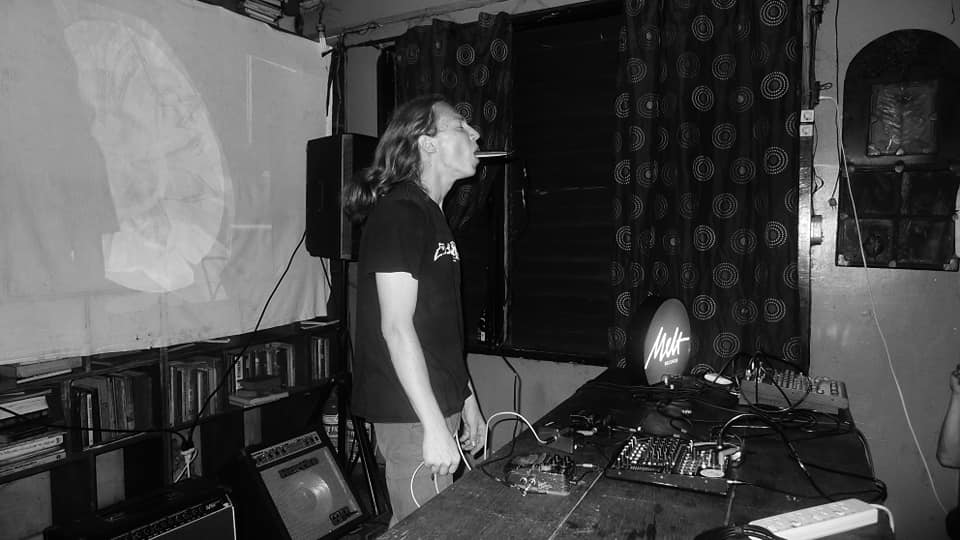
Noise and Sounds: An Artform

Christmas in Colonial Cebu: A Themed Exhibit by Teresin Mendezona and Eva Gullas for Stylescapes 2019

Artisanal Cebu: Aspiring calligraphy artist Abigail Condrado

Experience authentic Korean Barbeque at Da-In Restaurant

Chaine des Rotisseurs: A Night of Spanish Cuisine
-

 Advertorial3 months ago
ALLU Philippines Opens in Cebu; Expanding Luxury Resale in the Visayas
-
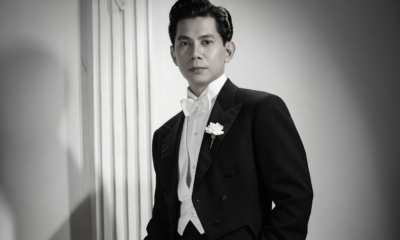
 Fashion3 months ago
Ramon Valera; Manila Society’s Fashion Darling
-
 Ogle La La 3.04 weeks ago
Cebu’s Heritage Is Not a Museum Piece, Darlings
-
 Prime Target1 month ago
James Morales Jr.; Capturing Significant Images Through His Lenses While Nurturing a Lifelong Passion for Vintage Cars
-
 Art Beat2 weeks ago
Assemblage: Art Exhibit Blending Themes of Infinity and Renewal
-
 The Scene2 weeks ago
At the Table: Introducing Flora de Filipinas