
Fashion
OJ Hofer Recommends the Fashion Designers You Should Be Looking Out For
With a fashion community that’s growing everyday, Cebu is home to many young designers. Oj Hofer names his picks for the five up-and-coming names in the industry, who he feels will be dressing some big names soon.
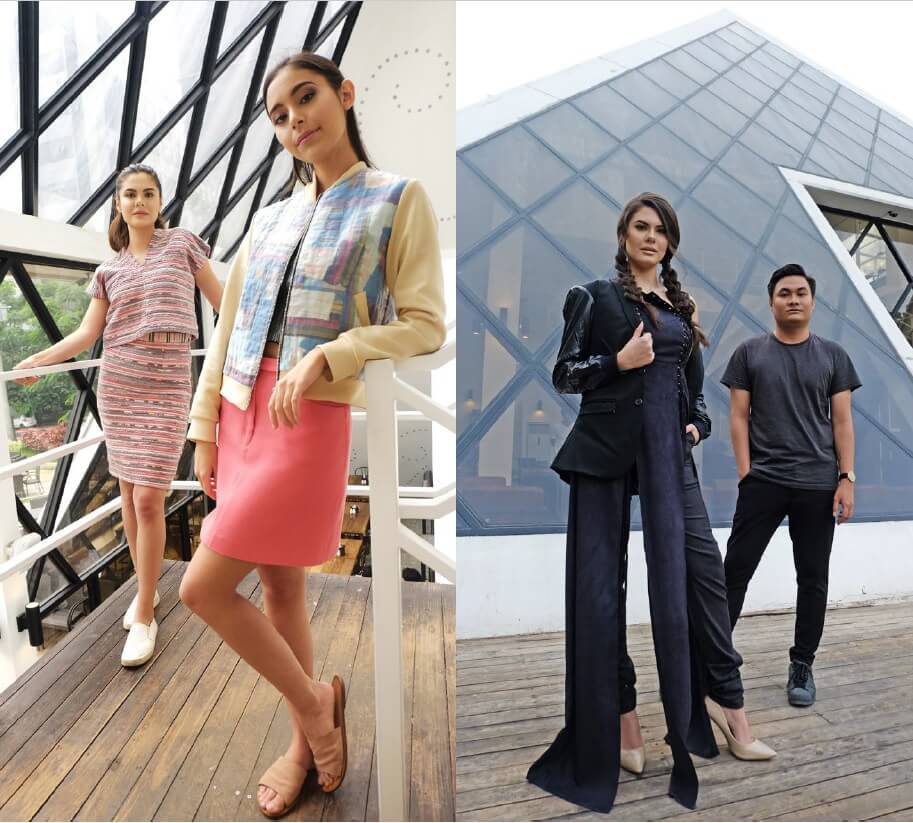
With a fashion community that’s growing everyday, Cebu is home to many young designers, each with their own statement to share. Fashion designer and Zee’s fashion editor Oj Hofer names his picks
for the five up-and-coming names in the industry, who he feels will be dressing some big names soon.
photography KODA
hair and makeup JANICE BARILLO And NICKO DELA PEÒA
locale THE PYRAMID
Originally published in Zee Digital Vol.1
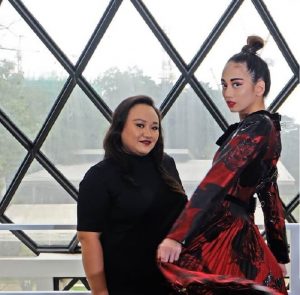
PERCIE LOVE REQUIERO
When did you know you wanted to be a fashion designer?
when I was younger, I fancied clothes, especially those with elaborate details. It started out as a hobby-making clothes for my daughter. It was two years ago when I finally decided to get formal training, and realized that designing is my passion.
How did you break into the industry?
In 2016, my group and I represented FIDA in a competition. Then, more opportunities came.
How would you describe your style?
Tailored, simple and timeless
Who are the Cebuano designers you look up to?
There are a lot of designers that I look up to, especially my FIDA mentors. Each of them has their own expertise that honed me to be where I am today.
What are your plans for 2018?
As a beginner, this year, I want to focus on having more exposure, experience, and to get to know more about the industry. I want to gain additional
knowledge from seasoned designers on how to handle challenges in the business, and at the same time, establish my brand.
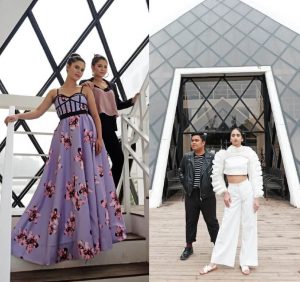
Yoko Sato Li and Edward Castro
YOKO SATO-LI
When did you know you wanted to be a fashion designer?
Ever since I was young, it was really my dream to be a fashion designer, but eventually I forgot about that because of other priorities. My mom wanted me to take up nursing, so I followed her and even got my license. I also worked as a Loans Associate, and a bank teller for almost three years. It went well, but something still seemed missing. I rekindled my love for fashion. I tried to enroll in FIdA several times, but had doubts pushing through since I had a hard time giving up my stable job at the bank. I talked to some of my friends and family, but most of them weren’t supportive about taking the risk. It was my husband who was very supportive, and motivated me to follow my dream. I weighed things, and didn’t want to grow old and have regrets about not pursuing what I really love to do. I then realized that it meant a lot to me, and I fought for my passion and chased my dreams.
How did you break into the industry?
As someone who is still starting in the fashion industry, I think the FIdA Graduation Show Beyond Borders opened me up to a lot of opportunities.
How would you describe your style?
I am actually an eclectic person. I love to mix and match different styles and make it my own. It is important to have an eye for what you like, and what suits you or your client. I tend to like classic
style and go for a minimal look, but I also love trends. I donít really limit myself. I just want to make sure that it looks feminine but edgy, sexy but elegant and sophisticated, simple but unique, and also
clean polished.
Who are the Cebuano designers you look up to?
Cary Santiago, Philip Rodriguez and Harvey Cenit
What are your plans for 2018?
Hopefully starting up my own boutique
EDWARD JAMES CASTRO
When did you know you wanted to be a fashion designer?
Ever since I could remember. For me, what really triggered this love for fashion was watching Cinderella at a very young age. Watching the mice sew her pink dress was something I aspired to do when I was old enough to handle needles and scissors. I would practice draping handkerchiefs on my sister’s Barbie dolls. So I pretty much got into it at a very young age.
How did you break into the industry?
It wasn’t until high school when I started considering fashion design as a career. Before, it used to be only on paper. Being in an all-boys high school made me want to develop my own identity. Most of my peers wanted to be doctors, architects, engineers—I think I was the only one in my batch who showed up for the fine arts college orientation. Fast forward, I didn’t really take up fine arts in college, but I got my big break designing for the college pageants, and winning a few design competitions in school. I met a few established designers when I graduated, and they helped me get into the fashion scene. Eventually I got into Clothes for Life, and since then, I went from this wide-eyed neophyte to a full-time designer and stylist. #DreamsDoComeTrue
How would you describe your style?
My style is very eclectic. I can be at opposite ends of the spectrum. One day I could be fun, nonchalant and colorful. Some days, serious, dark and melancholy. It’s a bipolarity I have embraced with open arms.
Who are the Cebuano designers you look up to?
Cebuano designers are very talented, to say the least, but I have a few whose aesthetics resonate with me a lot. Protacio, for his clean lines and tailoring. Jun Escario for timeless glamour. Cary Santiago for his vision, and how he tells a story with his collection.
What are your plans for 2018?
For 2018, I’m planning to focus more on bridal wear. It’s something I really want to do, but didn’t have time to because of so much freelancing work. I want to develop a bridal line that reflects my design philosophy, at the same time relatable and marketable.
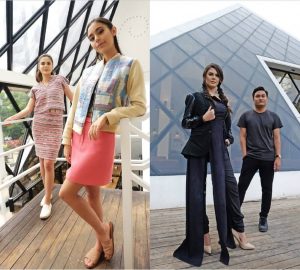
Jessica Ouano and Mike Yapching
JESSICA OUANO
When did you know you wanted to be a fashion designer?
I was always into clothes, ever since I was a little kid—actually costumes to be precise. Halloween was my favorite day of the year, and I loved being in theater because of costumes. I am also very much into cosplay, and I love making things. When I was in high school, I knew that fashion design was something I wanted to pursue.
How did you break into the industry?
My first big opportunity was creating a collection for the Kansai Collection fashion show in Osaka, Japan, with the help of a good friend of mine, Nobuo Koizumi. The collection was a collaboration with another designer from College of Saint Benilde, Jason Patricio. Jason did the designs for the garments, and I worked on the textiles. The project was also how I got into handwoven textiles, and working with the local weaving communities. I was also very fortunate to have been mentored by Oj Hofer for this project.
How would you describe your style?
My style is experimental and quirky. I love garments with simple silhouettes, combined with interesting textile applications. I love experimenting with textiles very much, and I always try to make it the highlight of the garments that I design.
Who are the Cebuano designers you look up to?
I love the work of Oj Hofer, he is such a master at draping. I also love the beautiful, intricate details of the work of Cary Santiago. They are both extremely talented.
What are your plans for 2018?
For 2018, I plan to focus more on experimenting with handwoven textiles, and creating more innovations together with the team at AnTHILL.
MIKE YAPCHING
When did you know you wanted to be a fashion designer?
The love for making clothes came at a young age for me, growing up and observing my grandmother and my aunt, who are both seamstresses. It was during high school when I got obsessed with designing clothes.
How did you break into the industry?
It was in my second year in college when the eighth edition of Mega Young Designers’s Competition was calling for entries. I was fortunate to have been shortlisted from countless submissions. It was a very big platform for me then, as a budding designer, as MYDC was the stage where prominent and renowned Cebuano designers started out, like Edwin Ao, Oj Hofer and Furne One.
How would you describe your style?
I have grown to love evening wear with a minimalist sensibility. Streamlined looks with little details that make for a maximum effect.
Who are the Cebuano designers that you look up to?
Of course, Edwin is always on top of my list. We may have different aesthetics, but the knowledge he has imparted me with are priceless. I admire Arcy Gayatin, Cary Santiago, Oj Hofer and Philip Rodriguez.
What are your plans for 2018?
To live in the moment.






Fashion
Cloud Dancer: The Resonant Reset of 2026

by OJ HOFER
Pantone’s Color of the Year for 2026, Cloud Dancer, signals a deliberate shift toward clarity and restraint. This off-white hue—balanced, soft, and lightly luminous—emerges in response to visual saturation and constant acceleration. Rather than competing for attention, Cloud Dancer provides a neutral foundation, allowing design and intention to take precedence over excess.
Its relevance is underscored by the Year of the Fire Horse, which officially begins on February 17. Traditionally associated with momentum, decisiveness, and forward motion, the Fire Horse introduces an energetic rhythm that benefits from focus. Cloud Dancer offers that counterbalance. It tempers intensity without diminishing drive, creating space for action guided by intention. In this context, color operates not as decoration, but as a framework for decision-making.

RESTORATIVE SPACE. Natural tones set the calm, while subtle touches of black, deep brown, navy, or olive add quiet contrast—bringing depth and character to Wabi-Sabi spaces without disturbing their sense of balance.
In interiors, Cloud Dancer supports environments shaped by longevity and ease. Applied to walls, ceilings, and architectural surfaces, it reflects light with subtlety, enhancing spatial clarity without austerity. The hue pairs naturally with wood, stone, linen, and ceramic, reinforcing a preference for tactile materials and functional design. Homes become spaces for restoration and daily living, rather than display.

EFFORTLESS POISE. Louise Trotter’s Spring 2026 ready-to-wear for Bottega Veneta pairs a billowing jupe-culotte cotton trouser, anchored low on the hip, with an ultra-stretch silk tank for quiet, modern ease.
Fashion adopts Cloud Dancer as a study in form and construction. The color allows silhouette, proportion, and movement to take the lead. Tailored separates, fluid dresses, and layered essentials in this off-white tone read as considered and adaptable. It aligns with a continued shift toward wardrobe longevity and thoughtful repetition, where garments are designed to endure.

MODERN EASE. The white Chanel 19 brings relaxed refinement to your wardrobe with its soft, slouchy shape, oversized quilting, and mixed-metal chain hardware for a quietly chic finish.

CELESTIAL RADIANCE.White jade and selenite glow in warm, milky restraint, punctuated by a sculptural gold lotus and a serene Buddha face—an intimate expression of harmony, quietly attuned to the wearer’s birth rhythm. Available by appointment: 0910 418 2028
Accessories extend the narrative. Bags, footwear, and eyewear in Cloud Dancer offer continuity across seasons, while jewelry in pearl, brushed gold, and muted silver finds balance against the softness of the hue. The effect is understated, with design serving function rather than statement.

TIMELESS STRIDE. First unveiled in 2013, the Y-3 Qasa endures as a cult icon—its avant-garde silhouette carrying a vintage pedigree while remaining rooted in present-day wearability and select global availability.
Beyond aesthetics, Cloud Dancer reflects a broader lifestyle orientation toward simplicity and clarity. Its application across tableware, stationery, wellness spaces, and personal objects encourages mindful selection over accumulation. As 2026 unfolds, Cloud Dancer frames the year as one of refinement—supporting forward momentum with focus and restraint. Cloud Dancer is the resonant reset for 2026.
Fashion
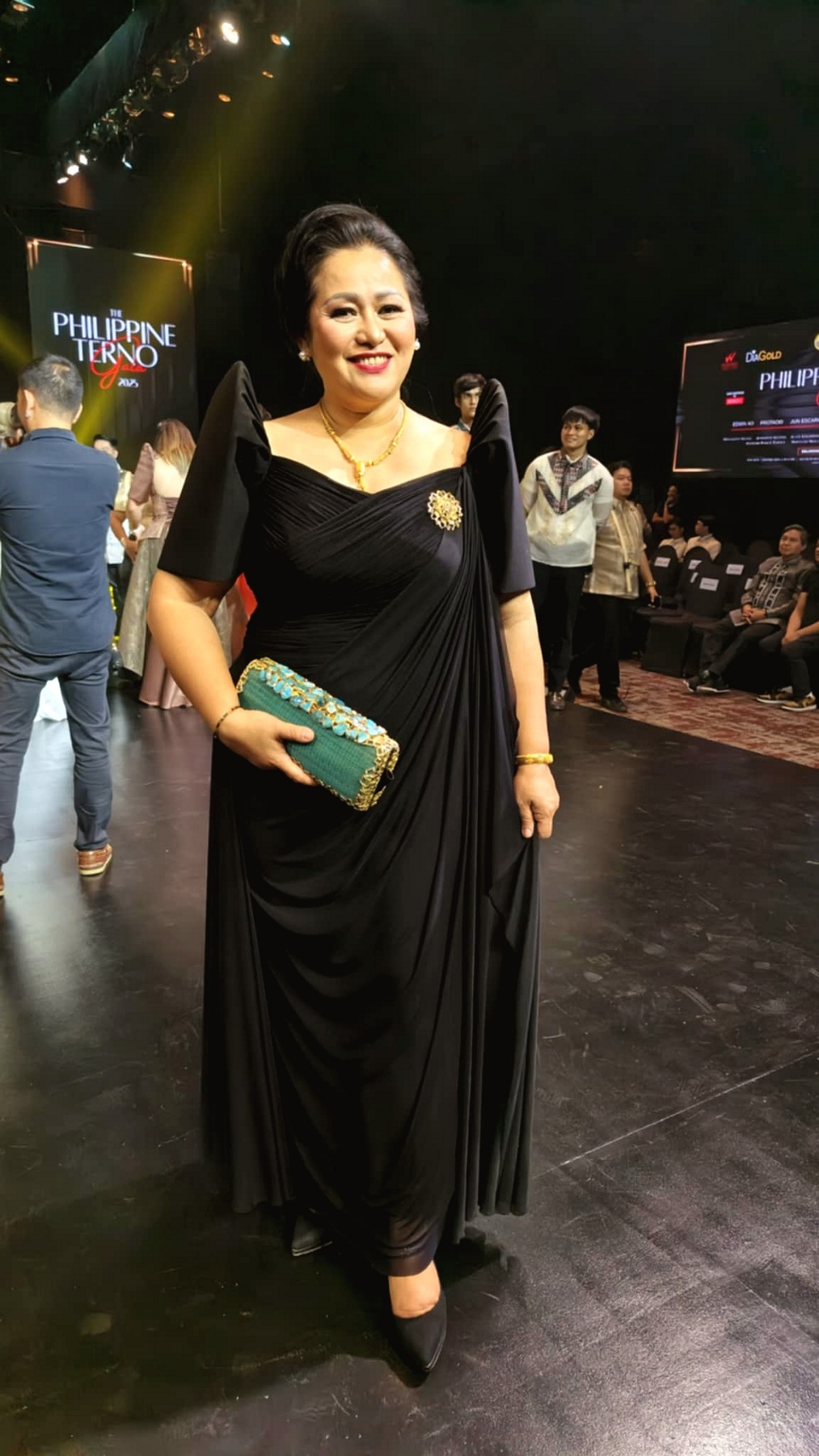
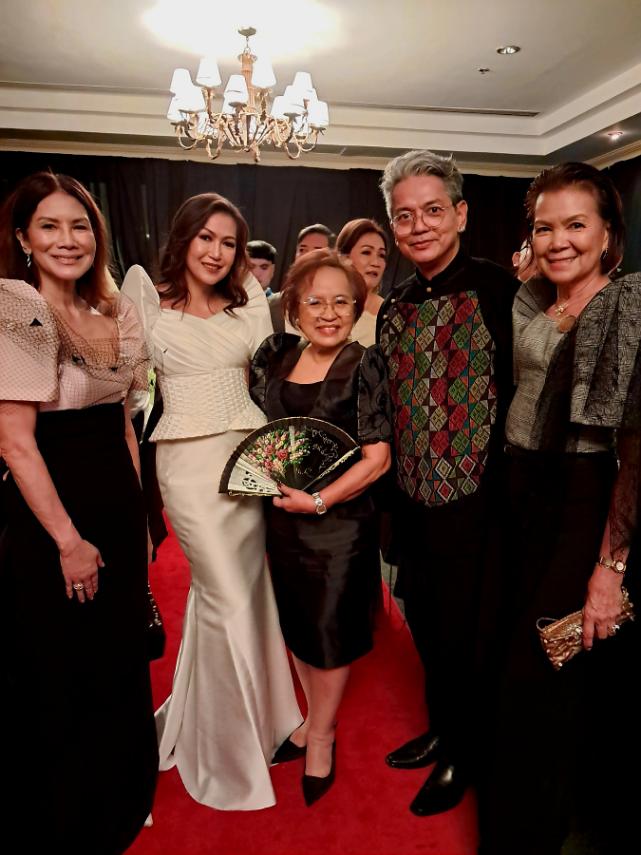
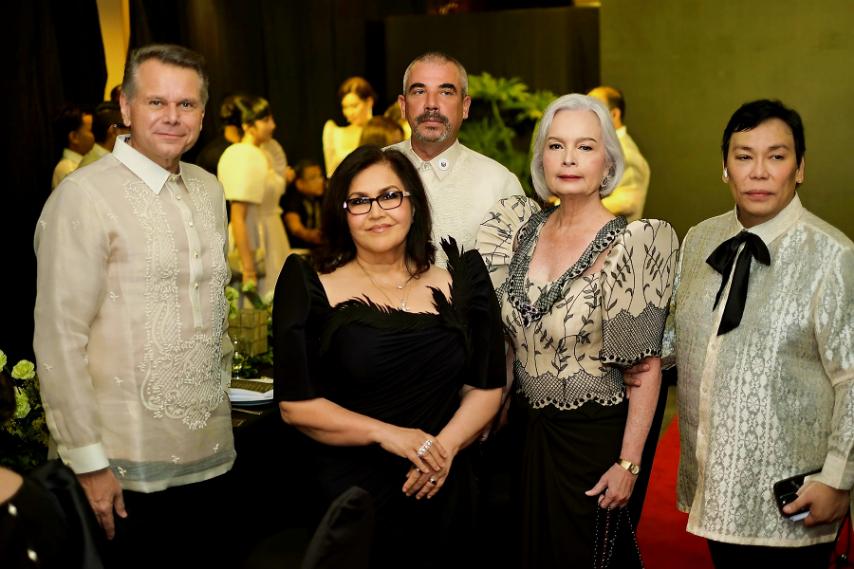
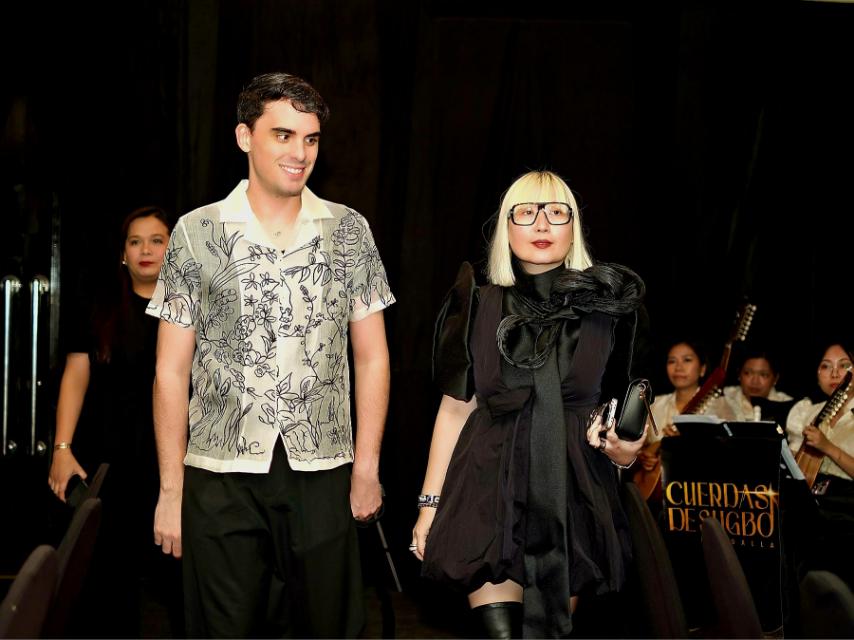
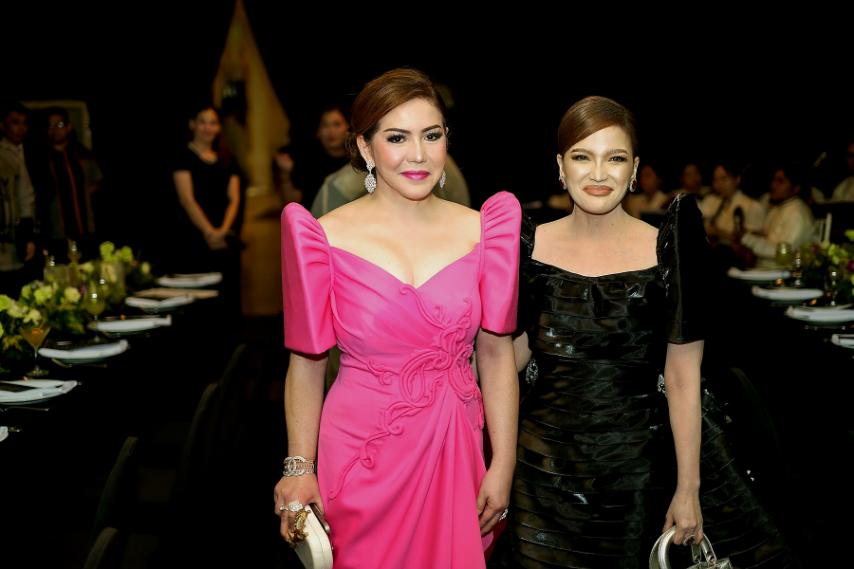
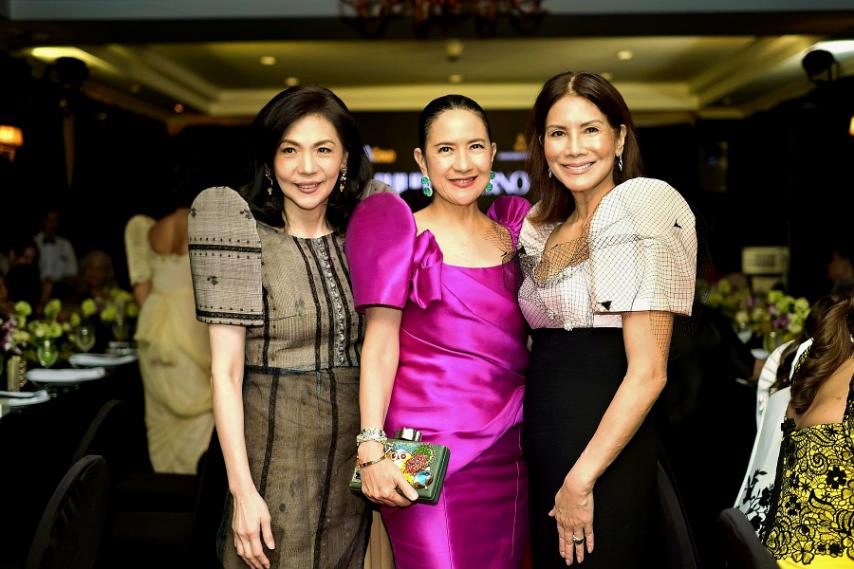
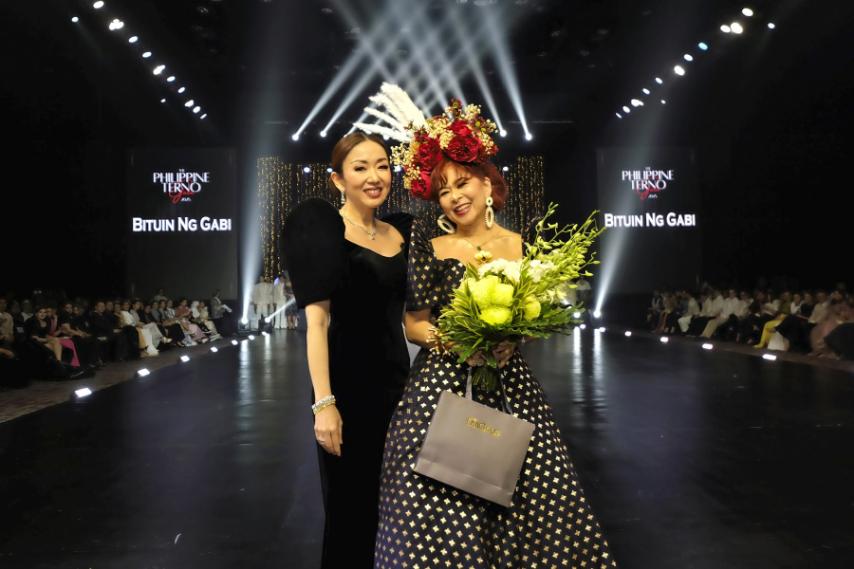
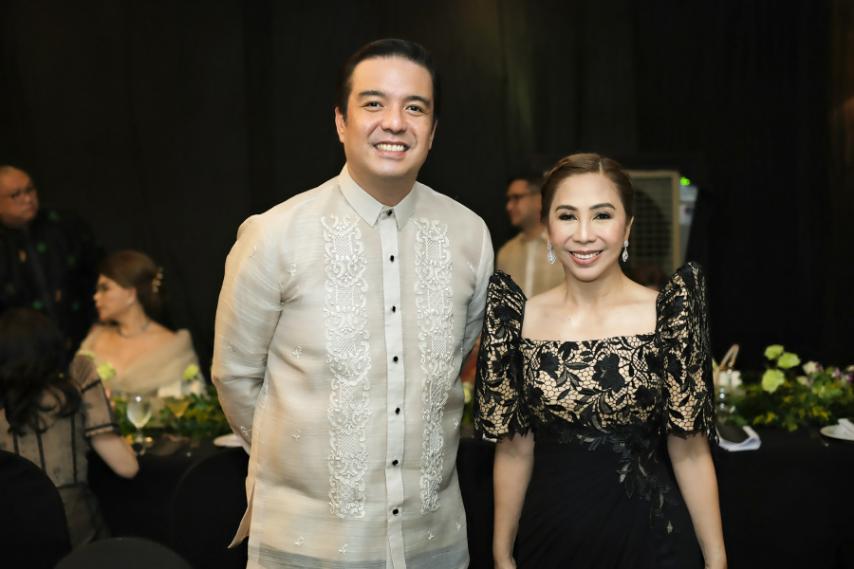
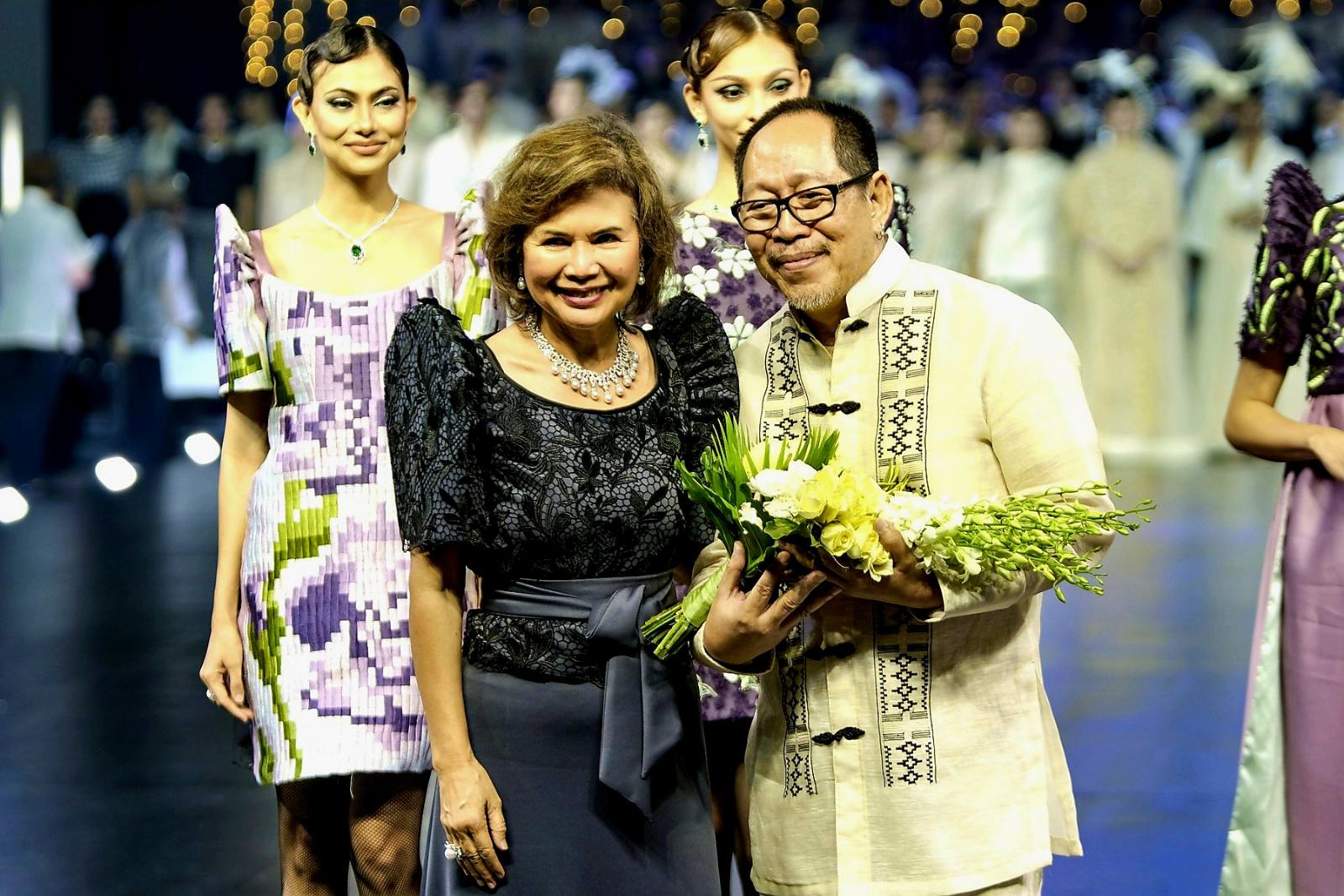
To See and Be Seen: Philippine Terno Gala, A Celebration of Heritage and Couture
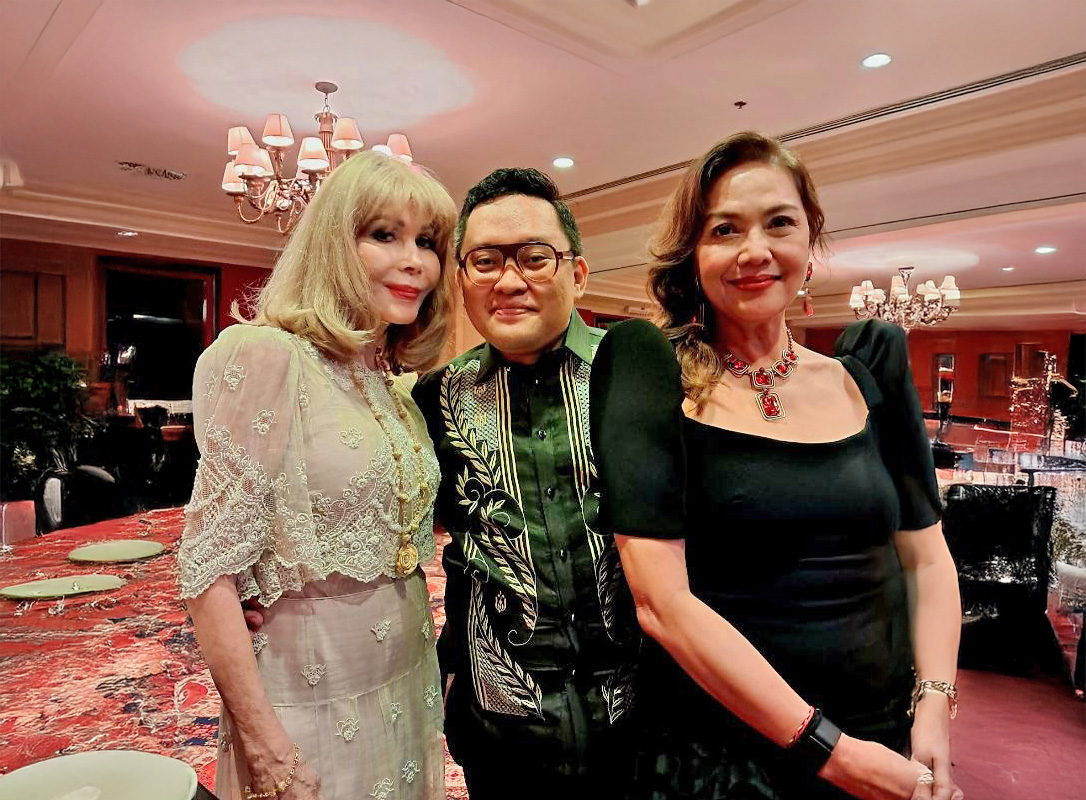
by Kingsley Medalla | photography Emmanuele Sawit
Fashion
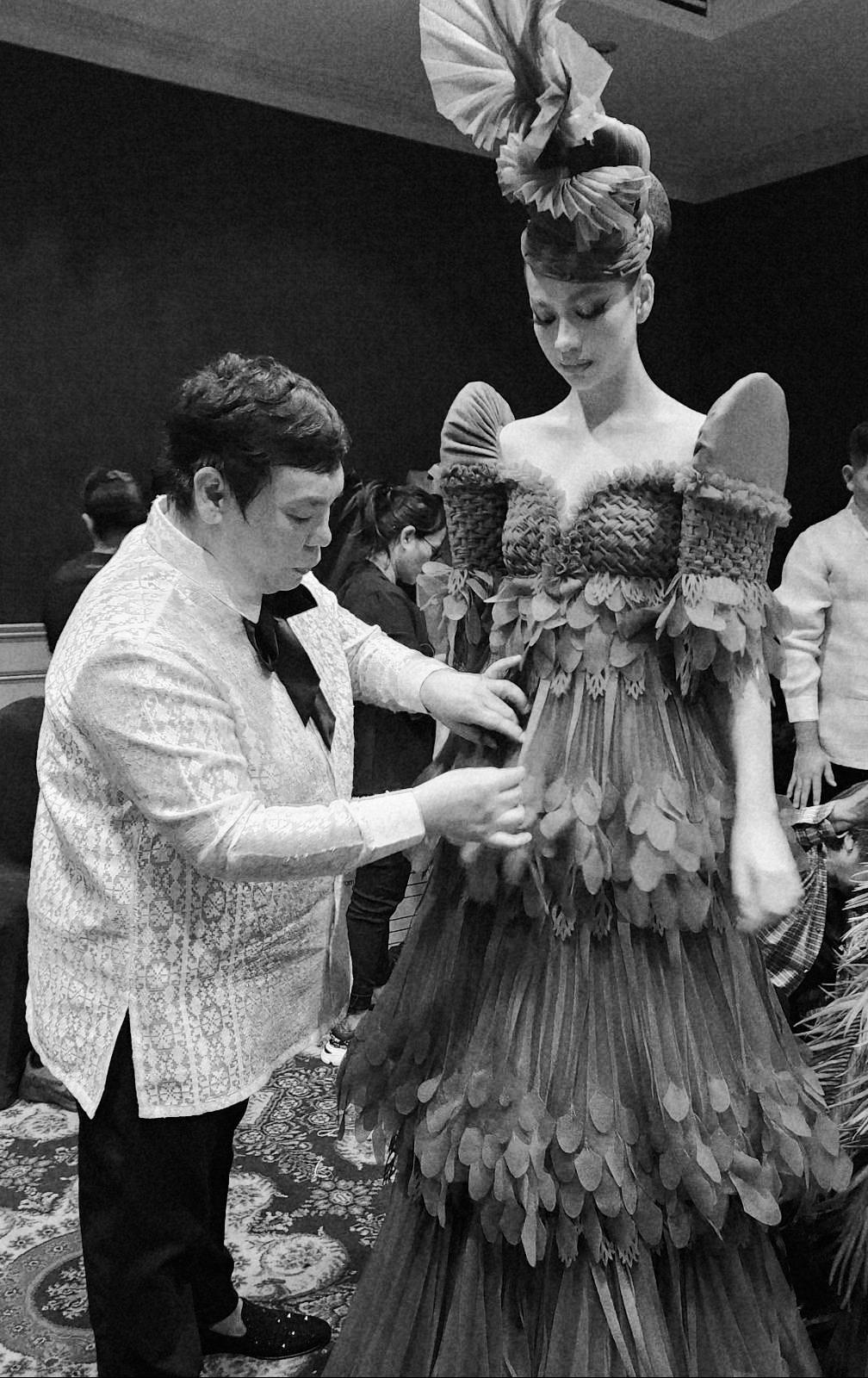
Behind the Scenes: Backstage at The Philippine Terno Fashion Show 2025 in the Waterfront Cebu City Hotel & Casino
By Doro Barandino
What most people attending fashion events don’t realize is that the actual battleground happens backstage. Here’s a peek at the real magic that transpires among fashion designers, stylists, hair and make-up artists, dressers, and ramp models hours before showtime. In the recent Philippine Terno fashion show, a whole team of creatives in the fashion industry produced the most extravagant and whimsical recreation of the celebrated garment in the country’s cultural landscape.
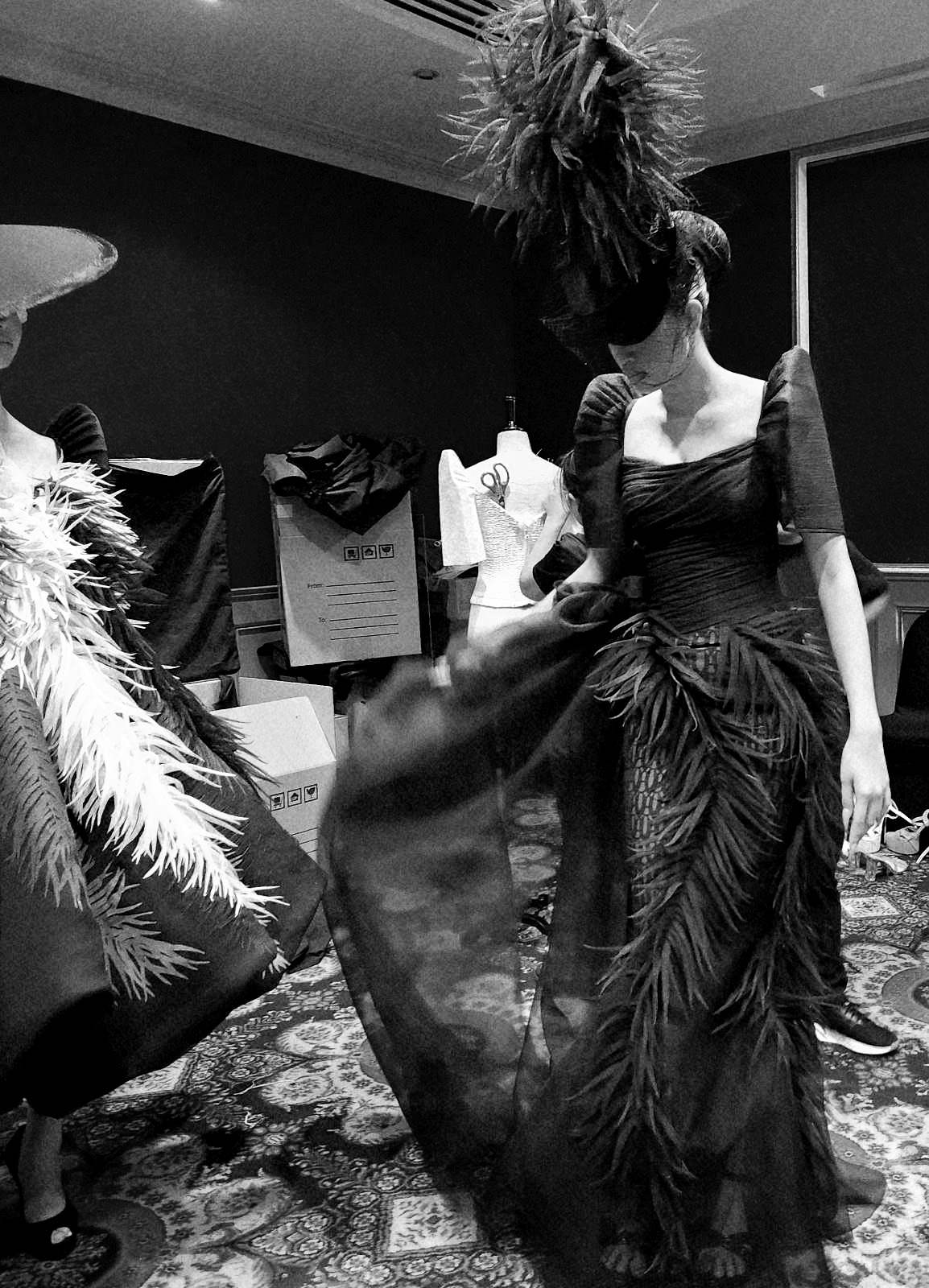
Fabric manipulation simulating bird feathers are the main features in Cary Santiago’s ternos.
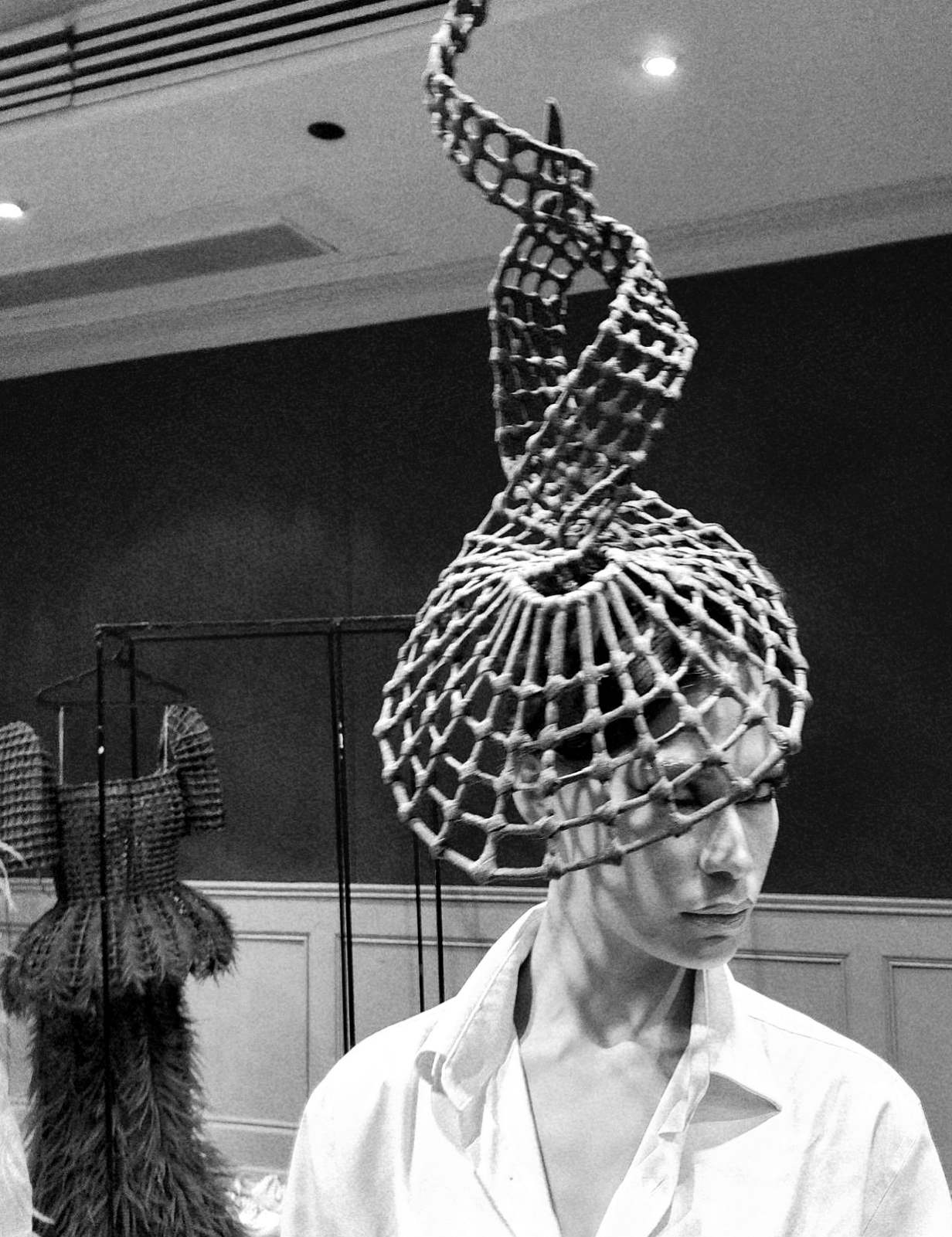
Mesh-like sculptural head accessories added to the visual impact of the designer’s collection.
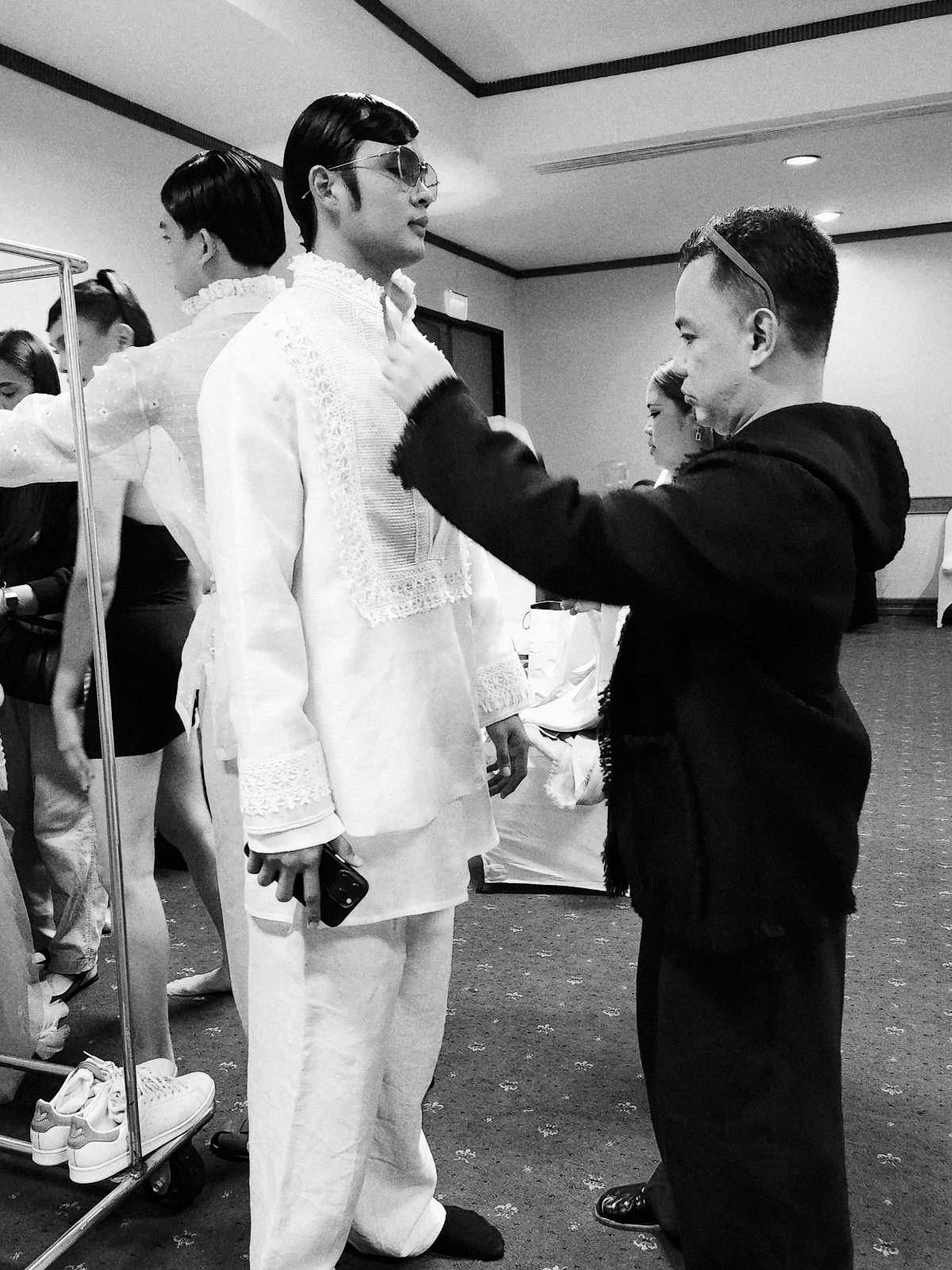
Jun Escario’s relaxed barong tunics are characterized by its fine embroidery on pinya fabric
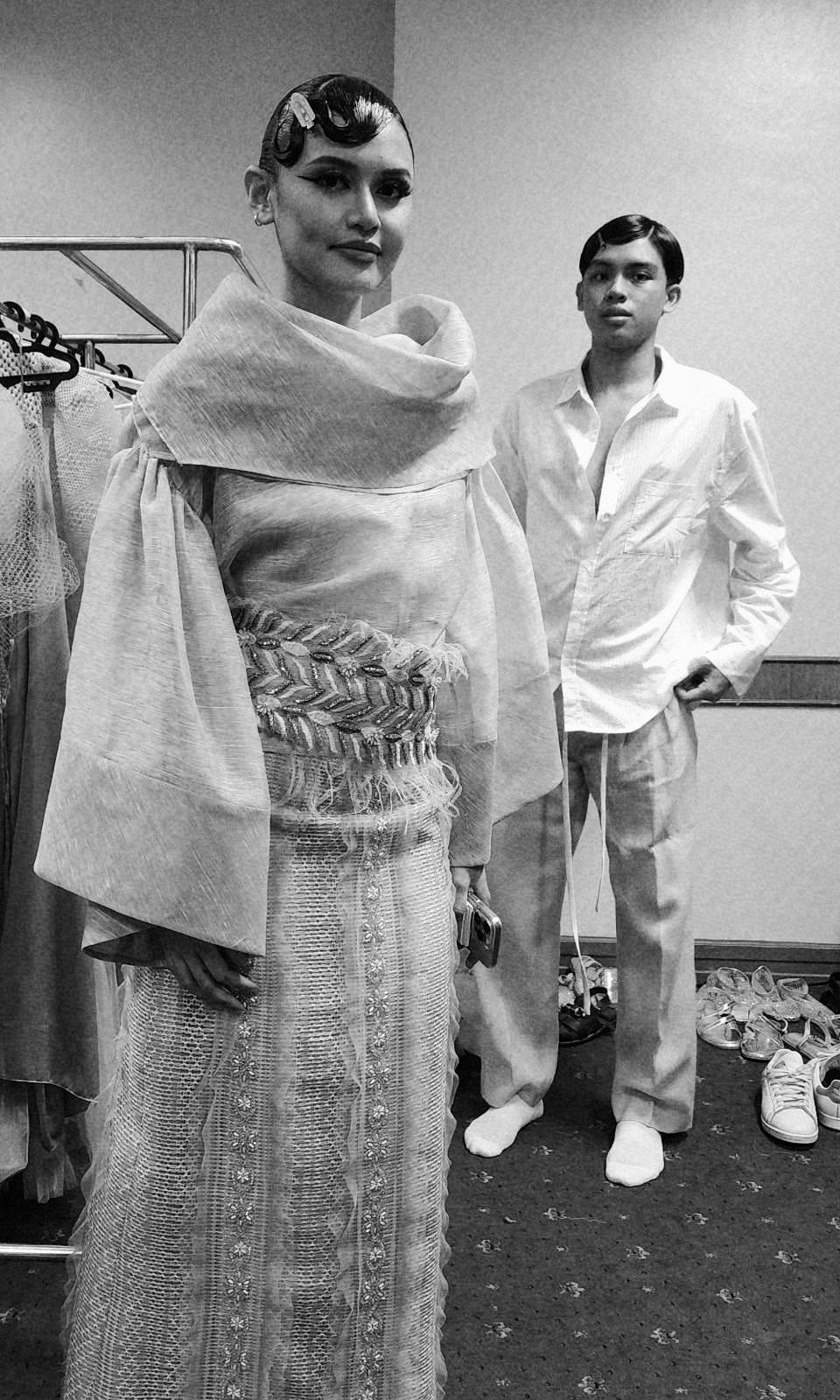
The modern kimona reinterpreted by Jun Escario.
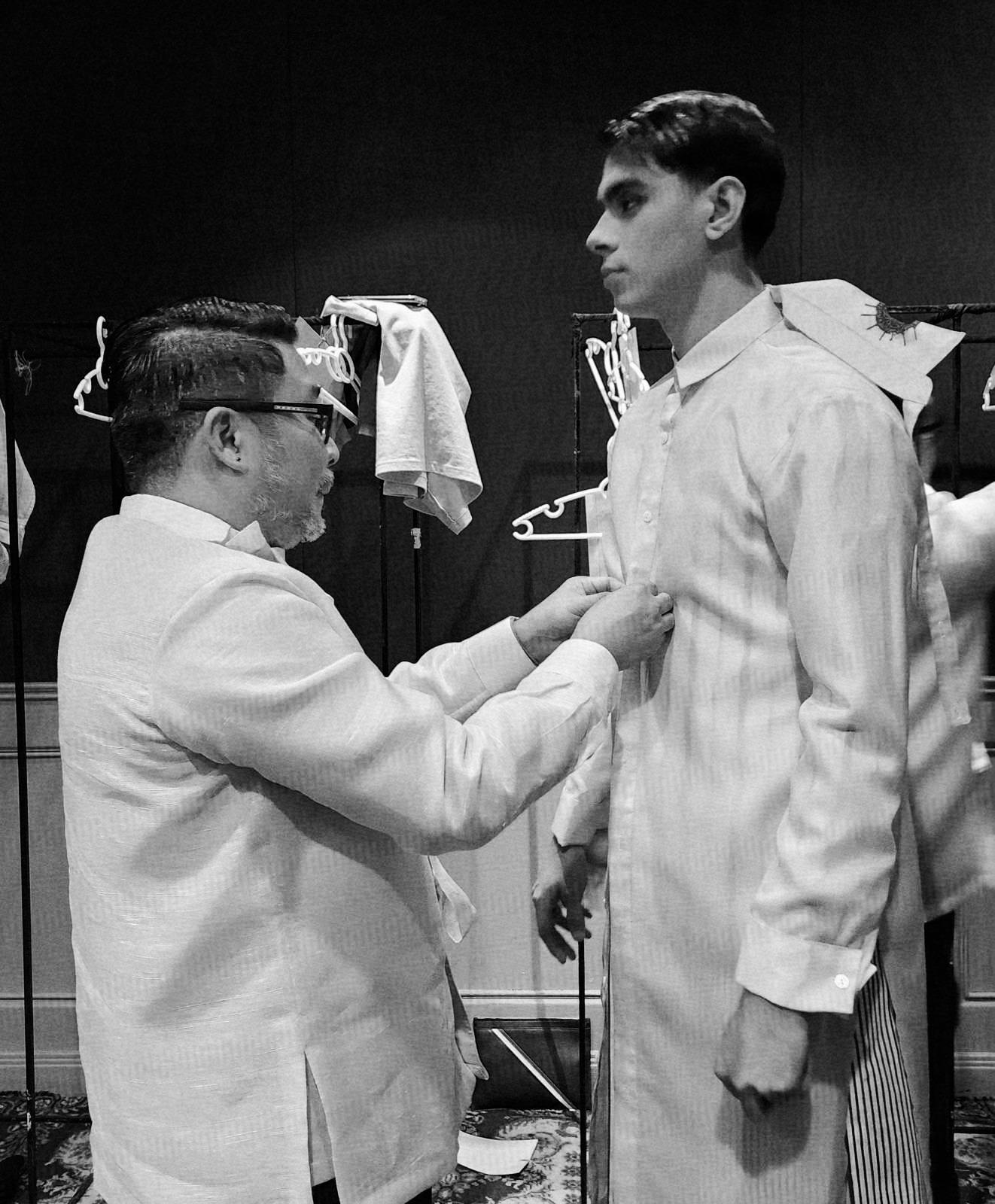
Edwin Ao’s take on the Barong is both linear and minimalist.
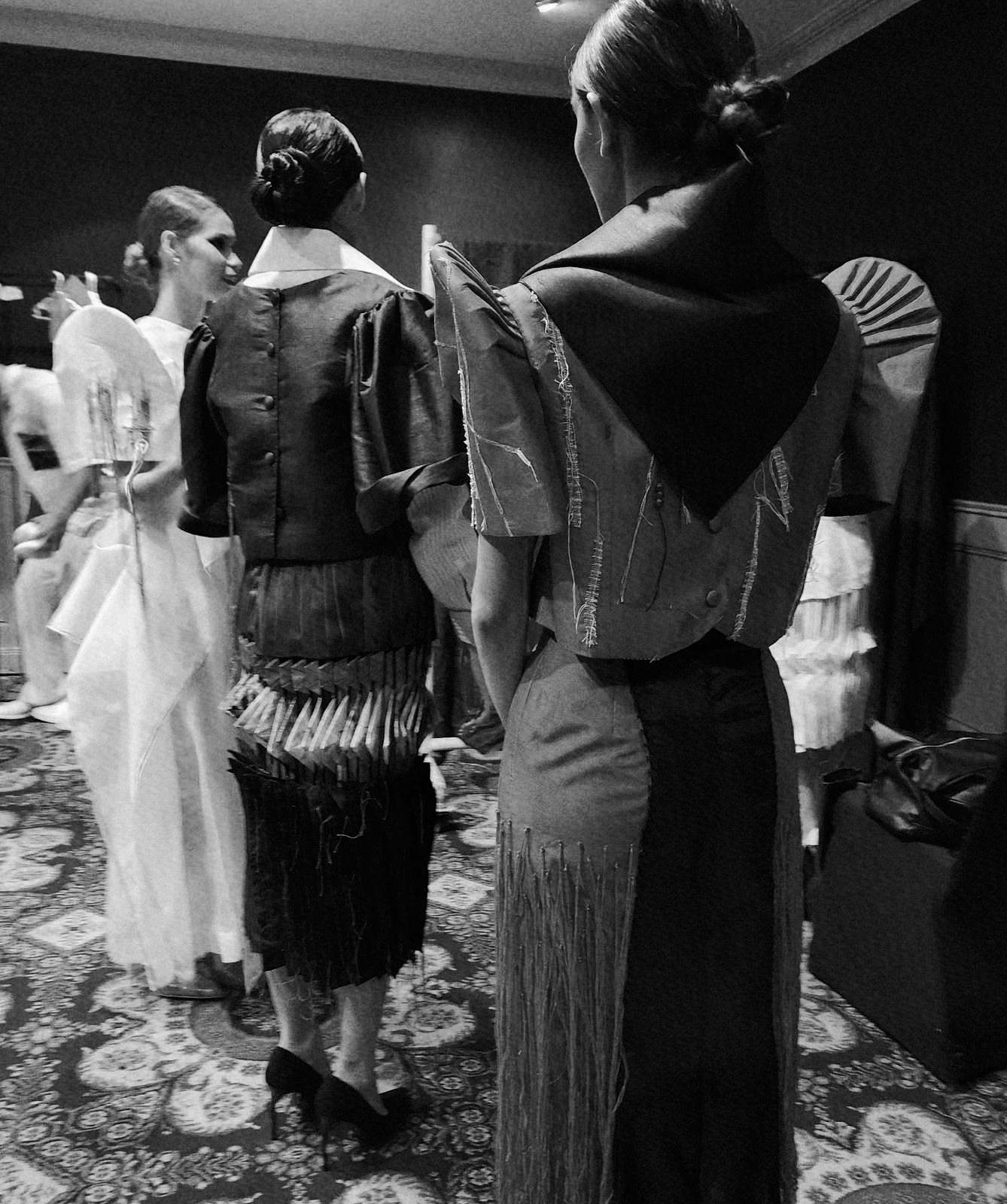
Edwin Ao ‘s modern version of the traditional baro at saya has architectural folds as its signature look.
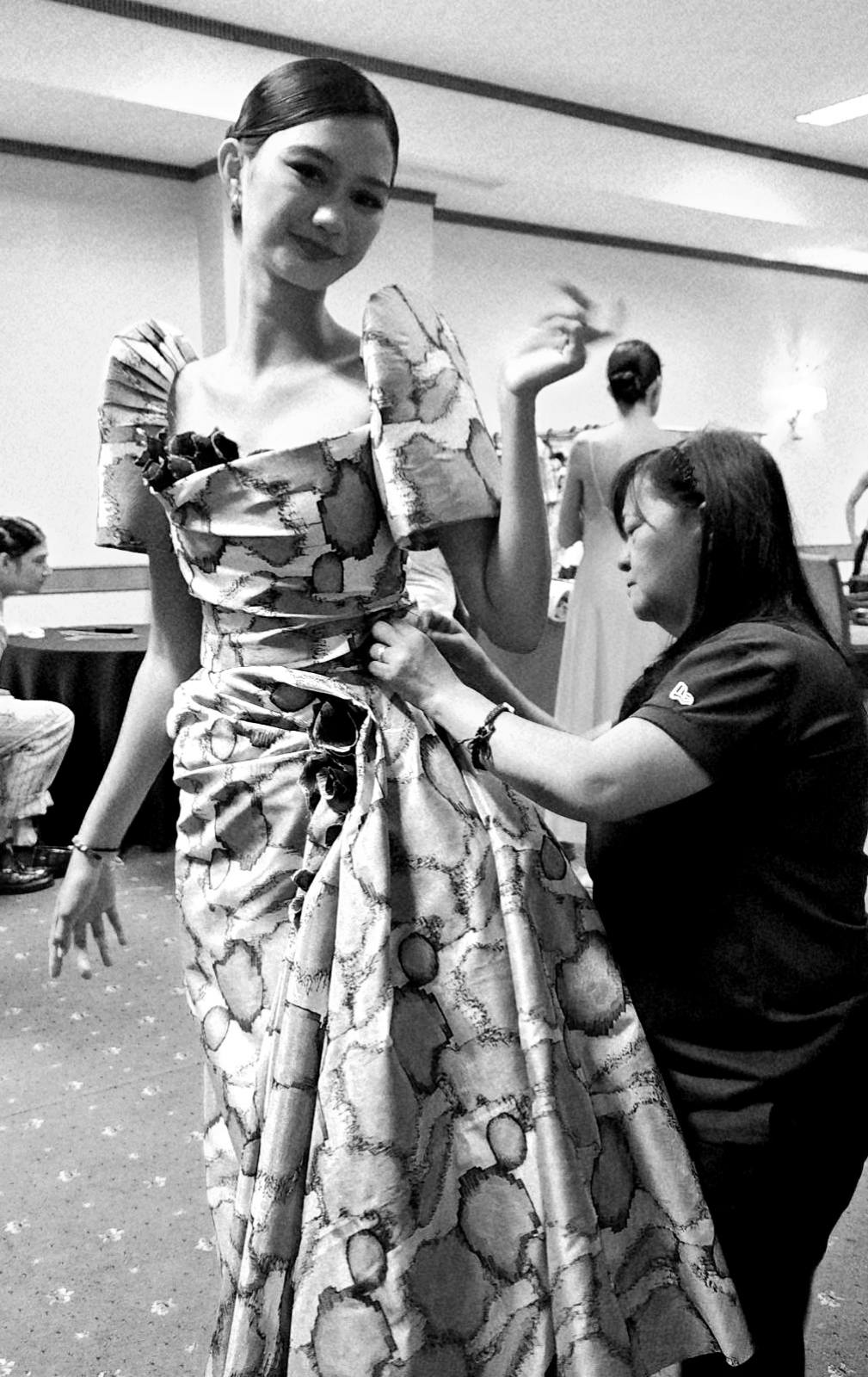
The classic terno has draping and printed silk fabric on Joji Lloren’s master class look
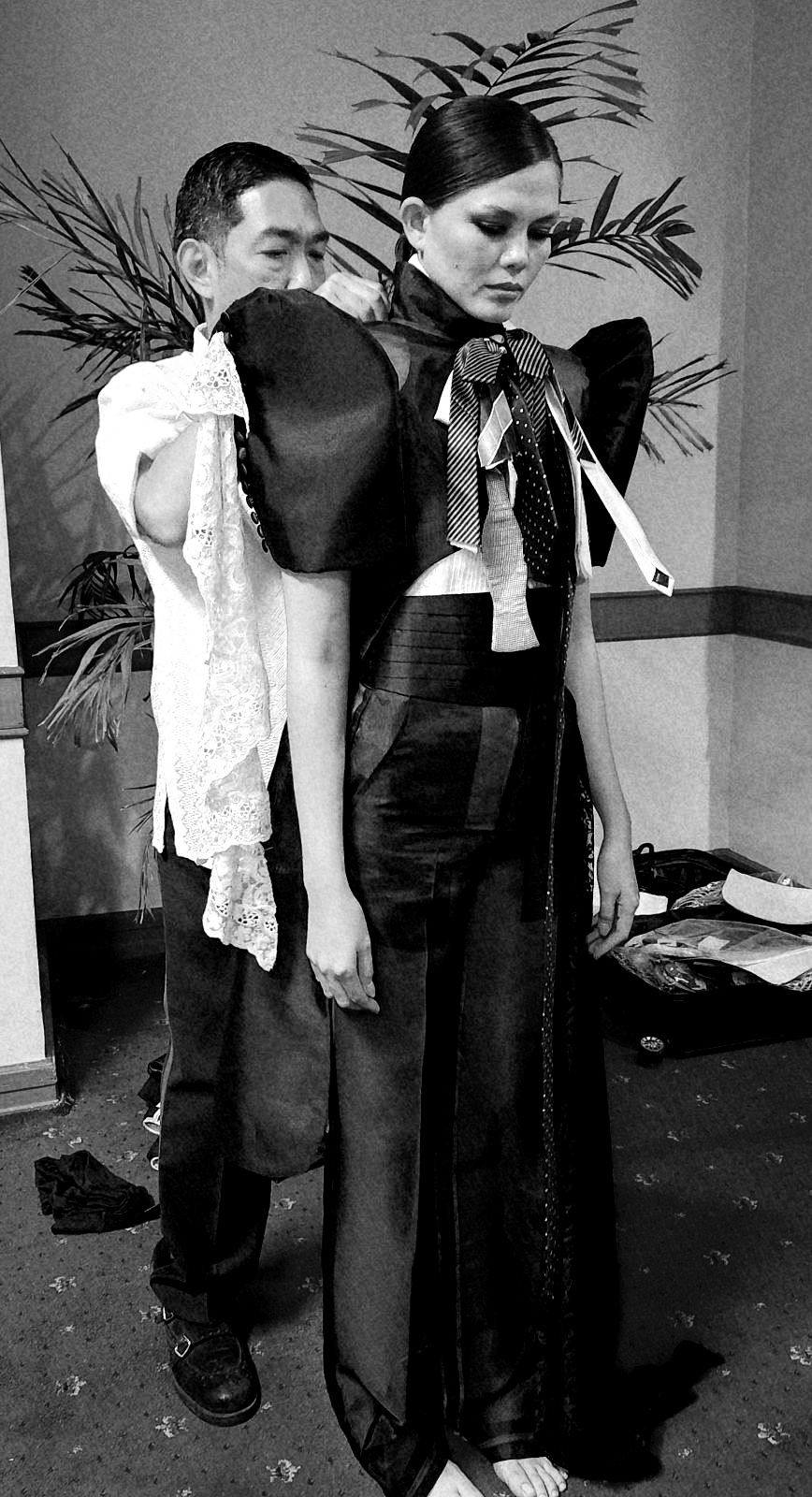
Joey Samson known for avant-garde designs has assorted neckties as an accessory to complement the color black.
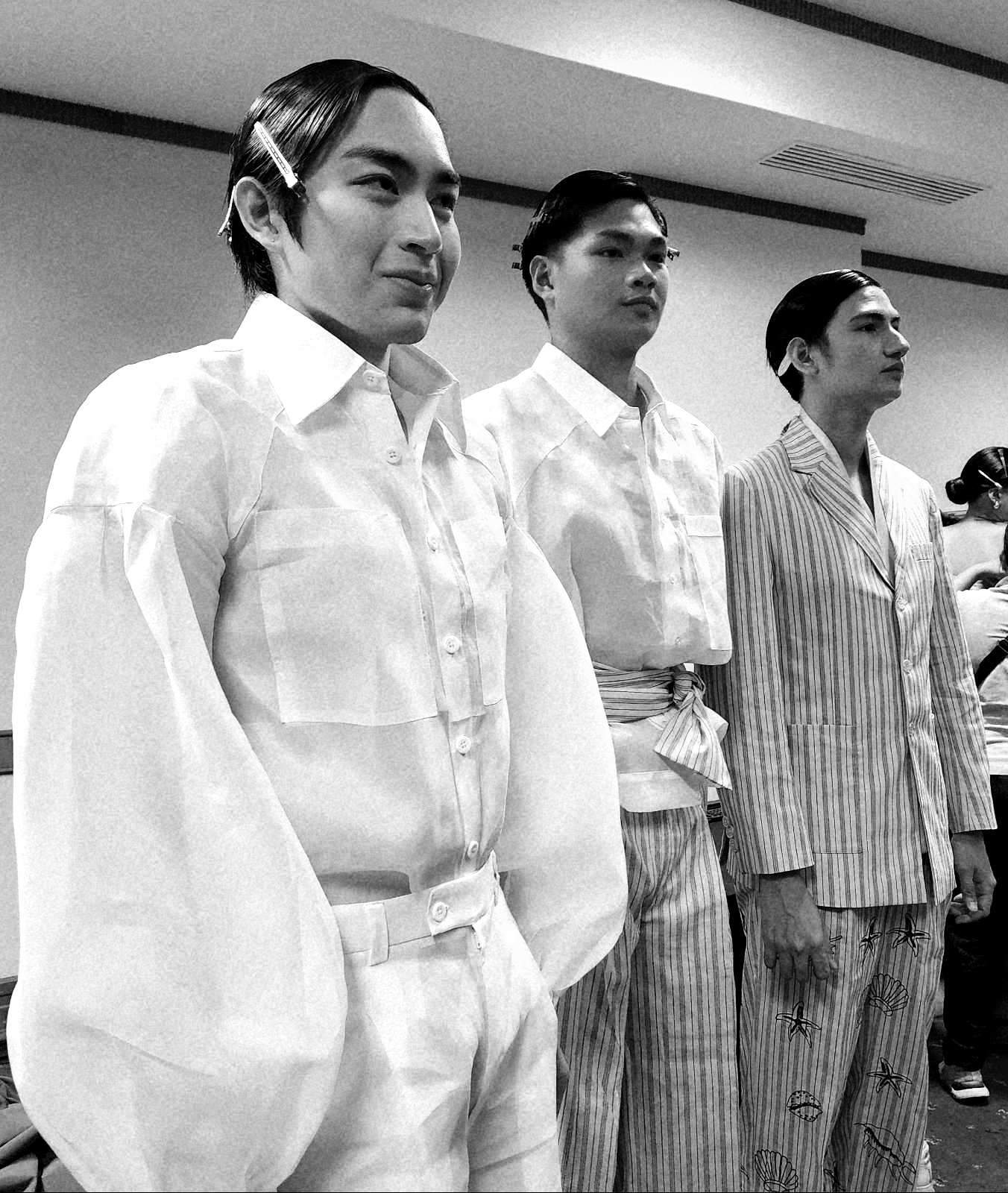
Protacio re-shaped the silhouette of the traditional barong Tagalog.

Joji Lloren added geometric patterns for a more contemporary look on the terno.
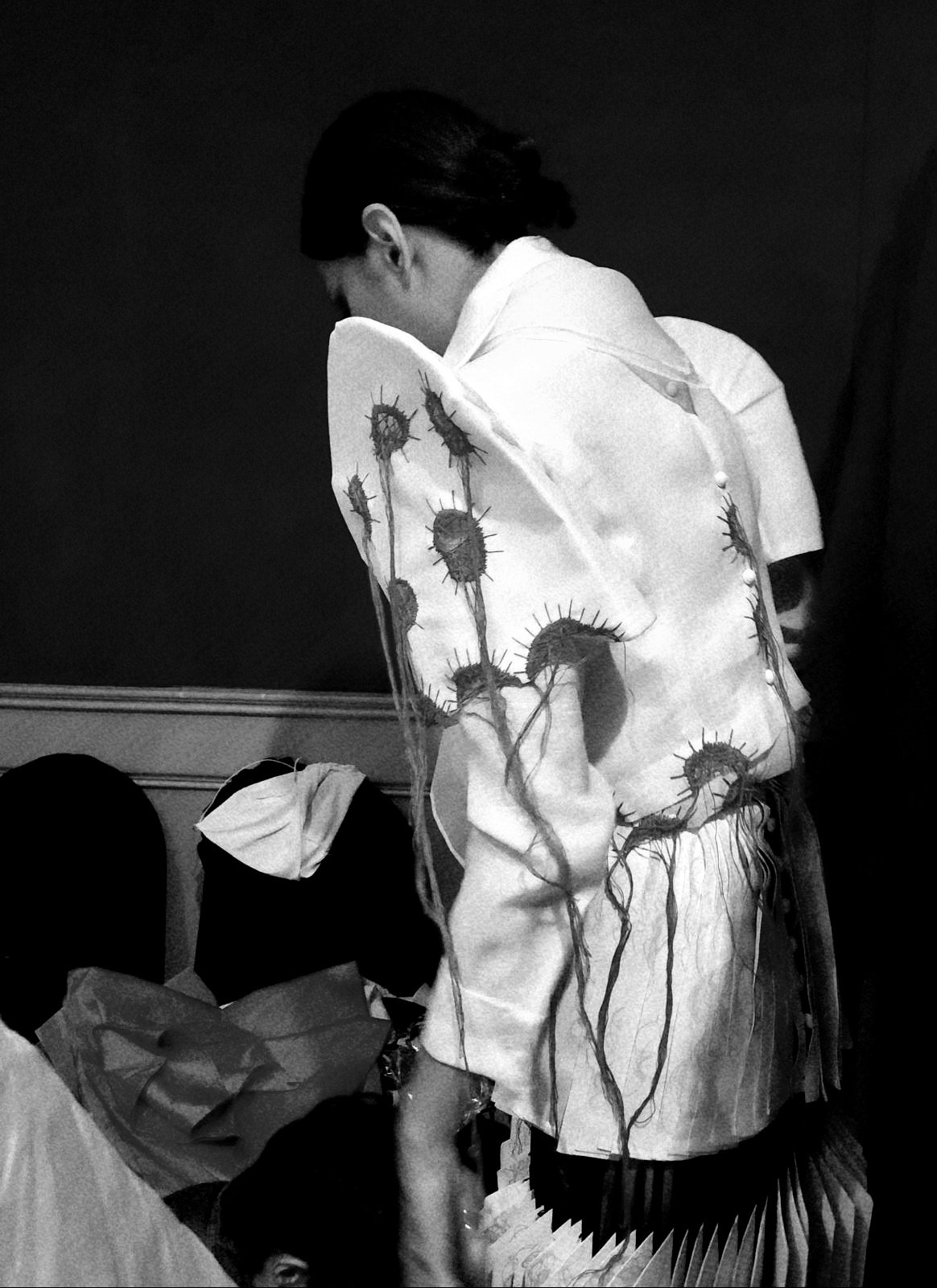
Unfinished stitches of embroidery leaving loose threads add movement and volume to Edwin Ao’s version of the terno


Carlo Delantar Wears Numerous Hats But What Defines Him Most is Creating Business as a Social Tool

Kundiman–A Collaboration Between Charles Lahti and Francis Dravigny at the Qube Gallery

The Glass House: Emma Gomez Finds the Right Perspective in Dauis Highlands, Bohol

Cliffhanger: Jun Escario and Simon Miles Live in a Post Modernist House Perched on a Jagged Slope

Golden Prince Hotel’s Sinulog Royalty Experience

SM Fashion Forum reveals Cebu’s style influencers
5 Filipino Films That Continue the Conversation on Women Empowerment

Noise and Sounds: An Artform

Christmas in Colonial Cebu: A Themed Exhibit by Teresin Mendezona and Eva Gullas for Stylescapes 2019

Artisanal Cebu: Aspiring calligraphy artist Abigail Condrado

Experience authentic Korean Barbeque at Da-In Restaurant

Chaine des Rotisseurs: A Night of Spanish Cuisine
-

 Arts & Culture1 month ago
Kundiman After Dark: Traditional 19th Century Filipino Musical Genre Continues to Inspire
-

 Prime Target2 months ago
Ludy Vilma Demecillo Makes a Leap From the Corporate World to the Exciting Broadcasting Industry
-
 Style4 weeks ago
Cliffhanger: Jun Escario and Simon Miles Live in a Post Modernist House Perched on a Jagged Slope
-
 Style3 weeks ago
The Glass House: Emma Gomez Finds the Right Perspective in Dauis Highlands, Bohol
-

 QuickFx3 months ago
Chromatic Narratives: Wayne Lacson Forte at the Negros Museum
-

 Prime Target2 months ago
Ethan Andre H. Gomez: Turning One’s Body into a Canvas to Create Specific Marketable Tools
-
 Style2 months ago
Femme Fatale: David Downton Celebrates the World’s Most Stylish Women
-

 Arts & Culture3 months ago
Art Beat: Scenes From the Manila Art Fair 2026