
inside
Why Invest in Cebu?
Luxury real estate in Cebu is a long conversation – ready-to-move in condo units or building a house from scratch? City views or beachside living? Urban lifestyle or a long drive to town?

Luxury real estate in Cebu is a long conversation – ready-to-move in condo units or building a house from scratch? City views or beachside living? Urban lifestyle or a long drive to town?
When houses in the gated bastions of Cebu’s Maria Luisa Park or NorthtownHomes are priced at a cool fifty million pesos or more, no one bats an eyelash anymore. Although houses in Manila’s old rich enclave of Dasmariñas Village regularly start at three times that amount; at neighboring Forbes Park, the same price gets a measly thousand square meters lot, if anything at all, numbers like these doesn’t happen often in Cebu. It has occurred of course. Ten years or so ago, the one time residence of furniture tycoon Paul Maitland Smith, an estate with fabulous views of the city was listed at one hundred fifty million pesos, or the grand purchase of the Lhuilliers (yes, Monique’s parents) of former governor Lito Osmeña’s iconic Salakot House, which they promptly tore down to build an even more fabulous mountaintop abode.
The country has entered a new era of prosperity, where clearly big is always better. When high-walled properties are rented out at P200,000 or more a month, local residents are more than ready to move out. Renters are typically expats with unlimited expense accounts. Buyers are locals seeking to upgrade, or as is seen lately, affluent foreigners married to someone from here.
The Philippines outdated law on foreigners owning land more than 2,000 square meters is a hindrance for sure, and this is where the big condo developers come in, offering a myriad of choices, ranging from 4 to 40 million peso units. The new reality in the city’s landscape is full of vertical real estate, with three leading developers all offering strong unique character of their own. Ayala Land Premiere started the trend with two projects – the 1016 Residences and Park Point Residences both located around the vicinity of bustling Ayala Mall, followed by Federal Land’s three towers comprising Marco Polo Residences. Megaworld’s masterplanned community of Newtown in Mactan Island is an ambitious mixed used community anchored by an initial offering of two five-storey BPO buildings and four residential towers, patterned after its highly successful township of Eastwood City, in Libis, Quezon City. The 16-hectare community is ideally located close to the international airport and the beaches of Mactan Island. It is marketed to Japanese retirees as well as the expected growing community of workers in the BPO centers. Top management will vie for the penthouse units, of which there are 14 planned per building.
Noli Hernandez, president of Megaworld Cebu Properties says, “Our most expensive units are the corner units in the top floors where there is an expansive view, and a certain premium and prestige attached to ownership.”
Not to be outdone, Cebu’s horizontal developments are competing aggressively for those who want a home with gardens and pools. In the high-end market, there are three big players as well. MRO’s Maria Luisa Estate Park is a well established hillside village of almost 200 hectares, Aboitizland’s Northtown and Pristina North comes next with its tree lined streets and sidewalks, both located in the northern Banilad area of the city. The latest addition to this list of prestigious addresses is Genvi’s Monterrazas de Cebu, an 80-hectare development in the south, with a majority of homesites inclined to great city views.
Why is it the best time to buy in Cebu? Because there are still some good buys to be had. Blessed with both sea and mountain access, the island of Cebu unfortunately has only 30% of livable land, the majority are not conducive to city living. The growing economic boom in BPOs have not shown any signs of slowing, and the need for affordable properties and rentals are being filled slowly as condominiums continue to be built. Still, there is a need for caution in vertical developments. Some lot owners take it upon themselves to be developers without the necessary acumen and resources, and they flood the market with sub-par units. Pricing is also a sticky point. As Alice Plaza, a long time RE broker explained, “there are some developers pricing their units same as those in Manila, at more than P100,000 per square meter. How can that be when the lot prices in Manila are four times higher than the most expensive real estate in Cebu?” she asks. A more realistic figure for high end units with all the bells and whistles, according to her, should hover around P100,000. For lower end units, prices should be P20,000 less. Residential lot prices are more reasonable, with the three top developers offering P12,000 for non-view lots to P20,000 per square meter for prime properties with city and mountain views. Commercial properties in the major hub like the Cebu Business Park and IT Park are set at P40,000 to P50,000 per square meter. Buyers can surely benefit from strong competition and attractive financing offers from both developers and banks with interest rates that are historically lower than ever.

Major developers have come in to create world-class communities that embody an upwardly moving lifestyle, and many homegrown companies have followed suit. Now, real estate companies are finding their own niches and identifying features that address the varying price margins and design preferences that homeowners today are looking out for.
It’s progress that isn’t hard to understand, considering the growth of Cebu’s other industries, providing an estimate of 11,000 new jobs in the past year alone. Tourists continue to come in, growing exponentially every year. Cebu is clearly in the throes of becoming a global city, and the sprouting up of world-class residential units are an indication of the improving standard of living to come. Of course, if you can afford to shell out the money for a Maria Luisa estate, go right ahead. The rest of the population will just have to pretend they’re not green with envy.







inside
7 Things You Need To Know Before Watching Balangiga: Howling Wilderness
Following its premiere in October 2017, controversies still creep on “Balangiga: Howling Wilderness”.
This one-of-a-kind film with surreal takes on one of the Philippines’ dark times surely deserves our time. The story is seen through the eyes of a boy that uniquely shows humanity’s cry for help.
Before its screening at your nearest cinema weeks from now, here are seven things you need to know about this morbid film about a portion of our history.
It revolves around the Balangiga Massacre in 1901.
During the American occupation in the Philippines, Company C of the 9th Infantry Regiment arrived on the south coast of Samar Island, Balangiga in 1901. Their arrival was to cut the contacts of Filipino guerrillas to the people.
According to sources, the Americans confiscated all the weapons of the residents in Balangiga, men were detained and were treated badly. They burned down a church and its bells were taken which are still not returned to date.
Under General Jacob H. Smith’s orders, his officers burned towns and killed all who aged ten and above. For historians and people who lived there, the massacre came after the events of Smith’s orders. Americans practiced scorched earth policy and took food and killed people.
The film revolves around the journey of 8-year-old boy Kulas and his grandfather as they fled the town after Smith’s order to kill everyone over ten years old as revenge for the “rebellion” of the people in Balangiga.
Some scenes were limited especially violence on animals.
The Philippine Animal Welfare Society (PAWS) mentioned that actual scenes of the film were limited.
The sickening scenes of animal slaughter, corpses and deaths will shock or excite us more.
Its tone will keep you interested
Even with gruesome scenes, the dreamy-feels tone with a mood that will continuously haunt you will surely keep you seating on your chair.
The film has minimal dialogues it will also show beautiful shots in the countryside.
It won awards in QCinema International Film Festival 2017
The film won Best Picture during the 2017 QCinema International Film Festival.
Following its back-to-back awards, it also bagged trophies in the 66th Filipino Academy of Movie Arts and Sciences (FAMAS) and Urian.
It will be a part of Pista ng Pelikulang Pilipino 2018
Because of its numerous awards in different film festivals, “Balangiga” will be part of the Pista ng Pelikulang Pilipino 2018 as a guest entry under Special Features Section.
Under this section are best picture awardees in different independent festivals from 2017 to be shown as exhibition films.
The director of the film is also a musician
“Balangiga” was one of the masterpieces of director Khavn dela Cruz. Surprisingly, dela Cruz’s composition “Katurog Na” sang by folk-rock artist Lolita Carbon won Best Original Song in 66th FAMAS.
It was intended to be a historical film for children
According to dela Cruz, the film is an unfinished project.
In his interview with ABS-CBN, he mentioned that he focused on adding and re-shooting the film to make it more accessible to a wider audience, especially for children.
History films show us more. “Balangiga” explained and portrayed more on the horrors of the armed conflict between the American forces and Filipino people.
More importantly, it showed that there is no good outcome from colonialism.
The film will be shown starting on August 15, 2018 in selected cinemas nationwide including Robinsons Galleria.
See you there!
inside
Scenes From the Manila Art Fair 2026
photography by Doro Barandino
“Art is unpredictable and goes in different directions. I have no idea. I would rather live the present moment.” —Bencab, National artist of the Philippines.
Q&A with interior decorator and jewellery designer Doro Barandino
Which of the participating art galleries had the most unified and exciting theme?
Leon Gallery had the most amazingly put-together collection. Though the gallery engaged various artists, the overall visual effect felt like one unified theme. Leon Gallery used a sack-like cloth (most likely raw linen) as the background for the booth, and it brought the collection together. It had an old-world feel in a chaotic setting.
Who were the artists that were the most visually engaging?
The works of Carlo Tanseco were definitely my favorite. The artist used an eye chart (Snellen chart) as the background for the image of Dr. Jose Rizal giving us the middle finger—such an “in your face” message. The concept of our national hero as a modern-day provocateur was a wake-up call to everyone. Very subversive and underground material. I was also attracted to the works of Japanese artist Tadashi Kogure; they’re very architectural.
Was the choice of venue and its layout helpful in engaging the whole art vibe?
What I noticed was that the masters like Juan Luna, Fernando Amorsolo, and Fernando Zóbel still attracted the most viewers at the art fair. People are naturally drawn to their masterful strokes and historical significance, or perhaps these artworks are not readily accessible for public viewing. Or maybe those booths that carried the masters’ works were strategically positioned right after the registrar.
The choice of venue at Center One was a good move—it created a total art vibe. Manila Art Fair remains the premier art fair in the country today, showcasing the finest modern and contemporary art while offering curated projects and immersive installations.
inside
Butch Carungay’s 50th in Neverland

By Emmanuel Hamoy
Cebu’s glitterati came out in full force for Butch Carungay’s 50th birthday bash at EdenClub. It was a fun-filled night overflowing with Pol Roger, trivia games whilst traipsing the light fantastic.
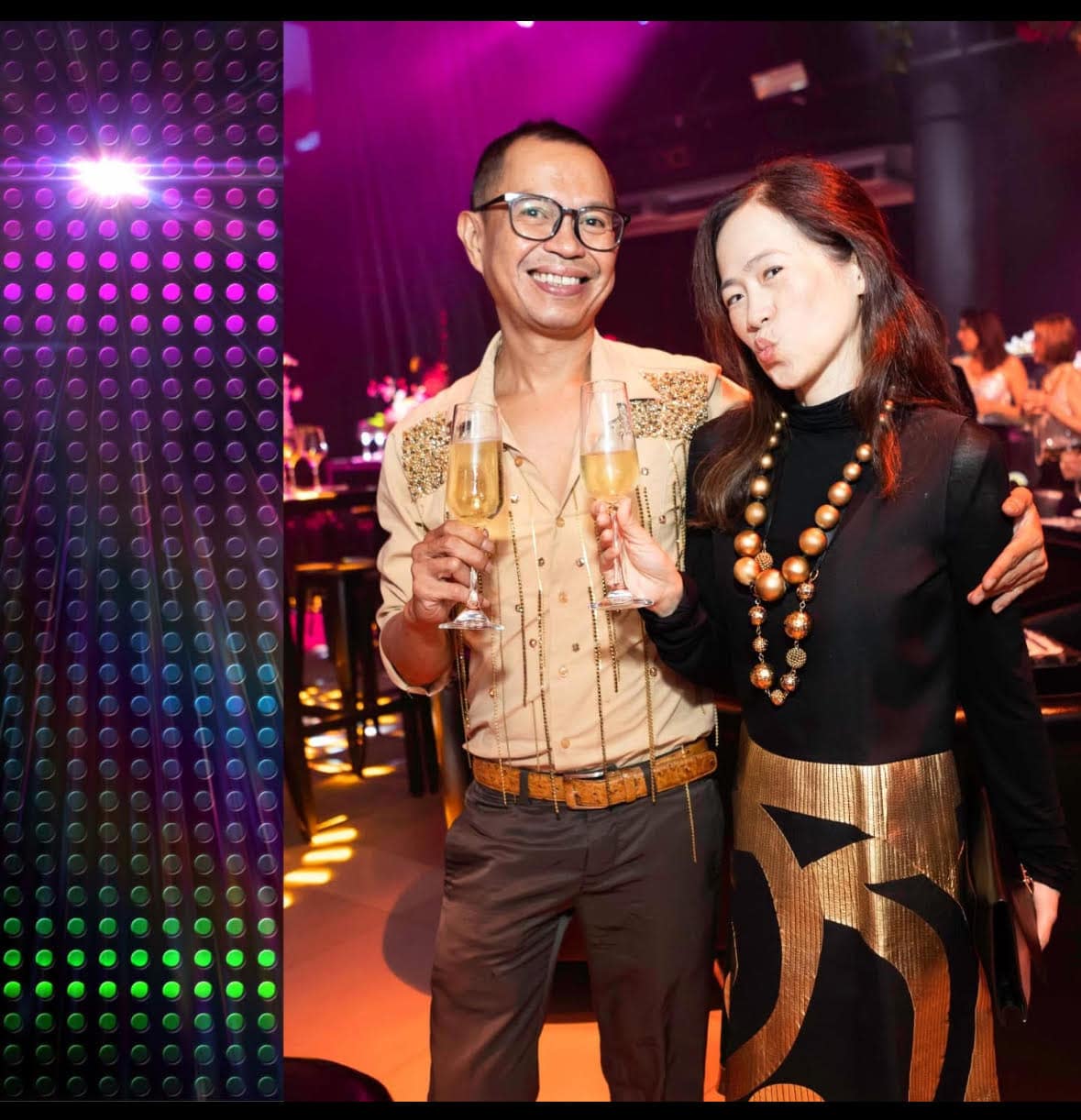
Butch Carungay and Janice Lin.

Gerry Laperal and Lotte Delima-Edwards

Romero Vergara and Oj Hofer

Mary Anne Aboitiz, Christine Pelaez, Tamsin Booth, Frances Siao and June Alegrado
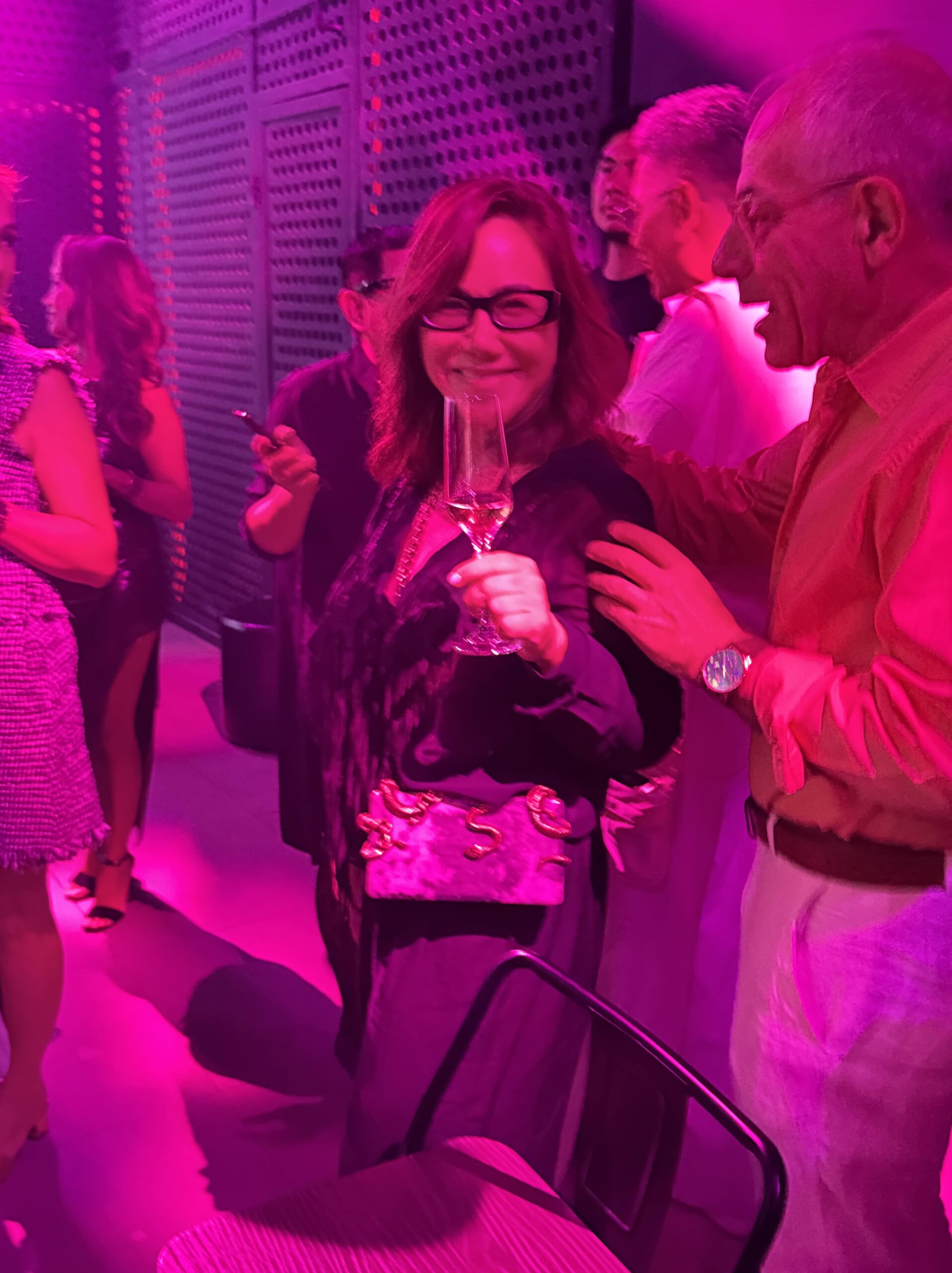
Maris Holopainen and Carlo Cordaro
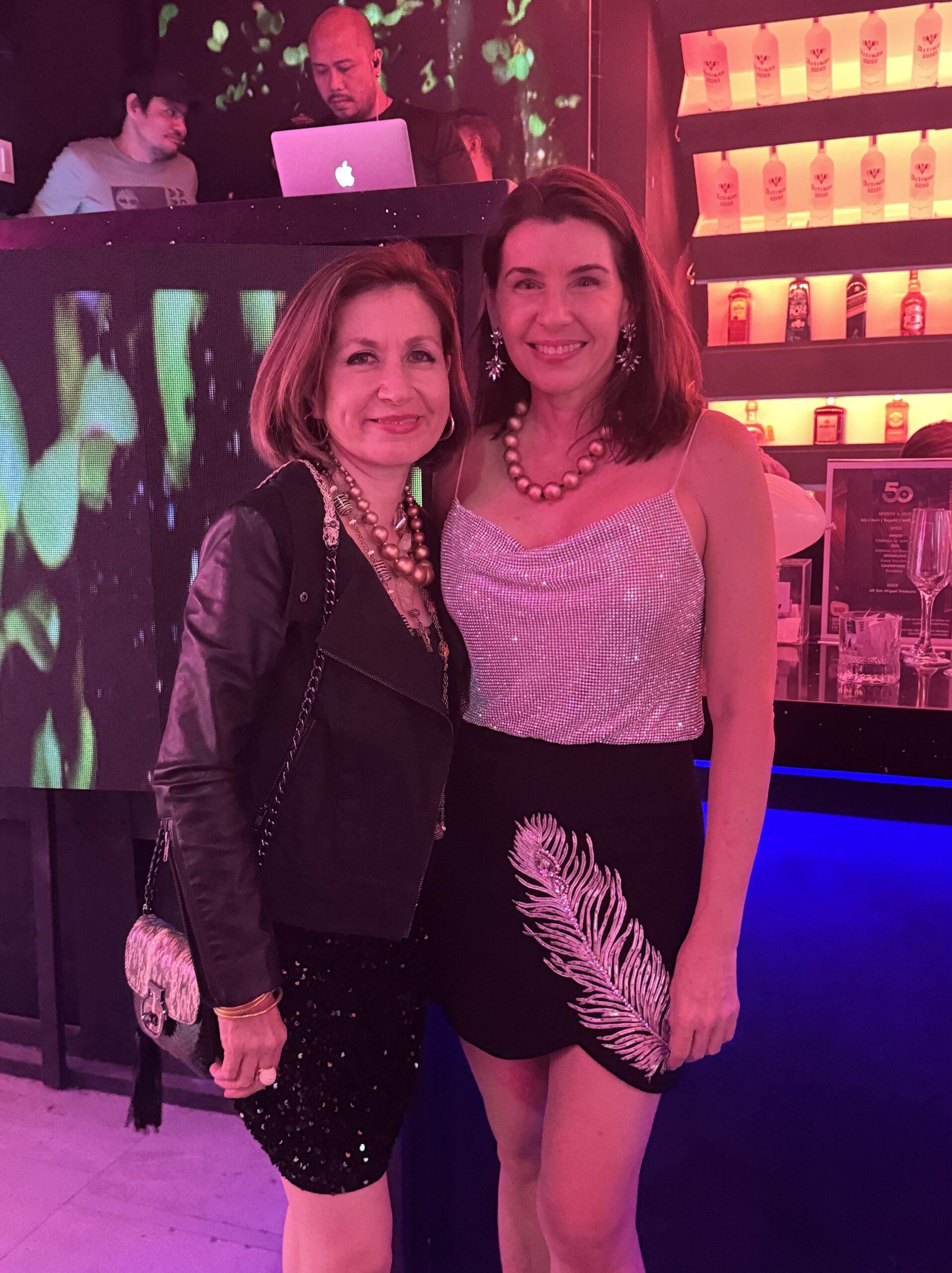
Janine Taylor and Mary Anne Aboitiz

7 Things You Need To Know Before Watching Balangiga: Howling Wilderness
Scenes From the Manila Art Fair 2026

Retrospective: Oj Hofer Celebrates 40 Years of Fashion

Cebu Isn’t Chasing Trends Anymore
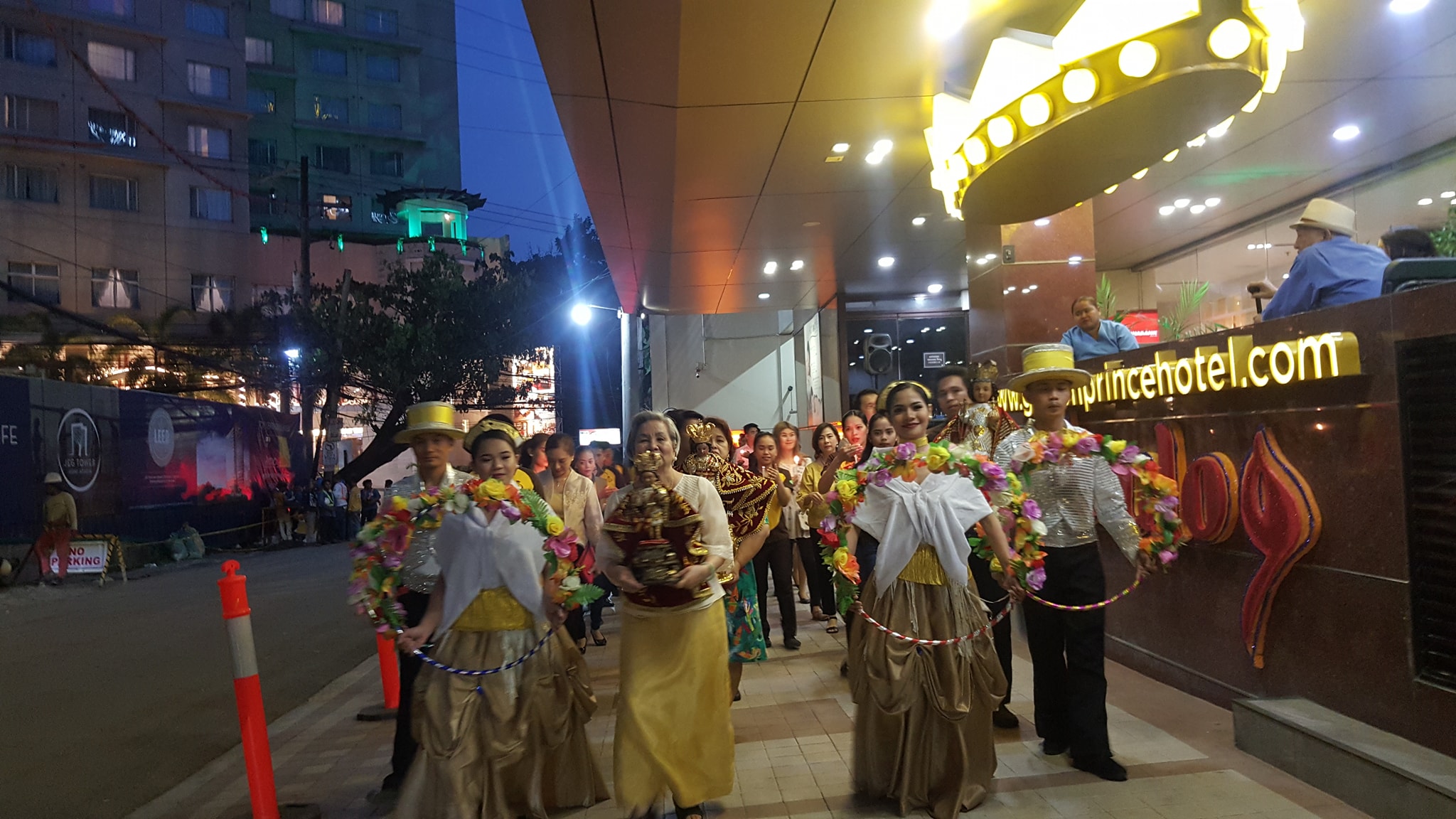
Golden Prince Hotel’s Sinulog Royalty Experience

SM Fashion Forum reveals Cebu’s style influencers
5 Filipino Films That Continue the Conversation on Women Empowerment
Noise and Sounds: An Artform

Christmas in Colonial Cebu: A Themed Exhibit by Teresin Mendezona and Eva Gullas for Stylescapes 2019

Artisanal Cebu: Aspiring calligraphy artist Abigail Condrado

Experience authentic Korean Barbeque at Da-In Restaurant

Chaine des Rotisseurs: A Night of Spanish Cuisine
-

 Ogle La La 3.03 months ago
Cebu’s Heritage Is Not a Museum Piece, Darlings
-

 Art Beat2 months ago
Assemblage: Art Exhibit Blending Themes of Infinity and Renewal
-
 The Scene2 months ago
At the Table: Introducing Flora de Filipinas
-
 Retail3 weeks ago
Cebu Isn’t Chasing Trends Anymore
-

 Art Beat3 weeks ago
Why Does Yayoi Kusama Matter to Cebu?
-
 Fashion4 days ago
Retrospective: Oj Hofer Celebrates 40 Years of Fashion
-
inside4 days ago
Scenes From the Manila Art Fair 2026
-
inside1 day ago
7 Things You Need To Know Before Watching Balangiga: Howling Wilderness
You must be logged in to post a comment Login