
Style
Under the Radar: Bernice Romualdez-Ocampo Finds the Perfectly Balanced Life at Milagros Farm House in Toledo

By Jing Ramos
After 45 years of marriage to Golden Ocampo, having raised two sons—Carlo and Franco—as well as managing a huge household in Manila, Bernice Romualdez-Ocampo had an unexpected change of heart. One day, she realized that she was wishing for a much simpler life in the countryside. “Living in the nation’s capital wasn’t exactly my scene anymore, particularly at this point in my life. I have always longed for a garden on a farm to tend to. Having grown up seeing my mother, Milagros Lebumfacil Romualdez, puttering around with plants—in fact, I was inspired by her love of the land and devotion to the process of creating a garden,” Bernice reflects on the start of her journey.
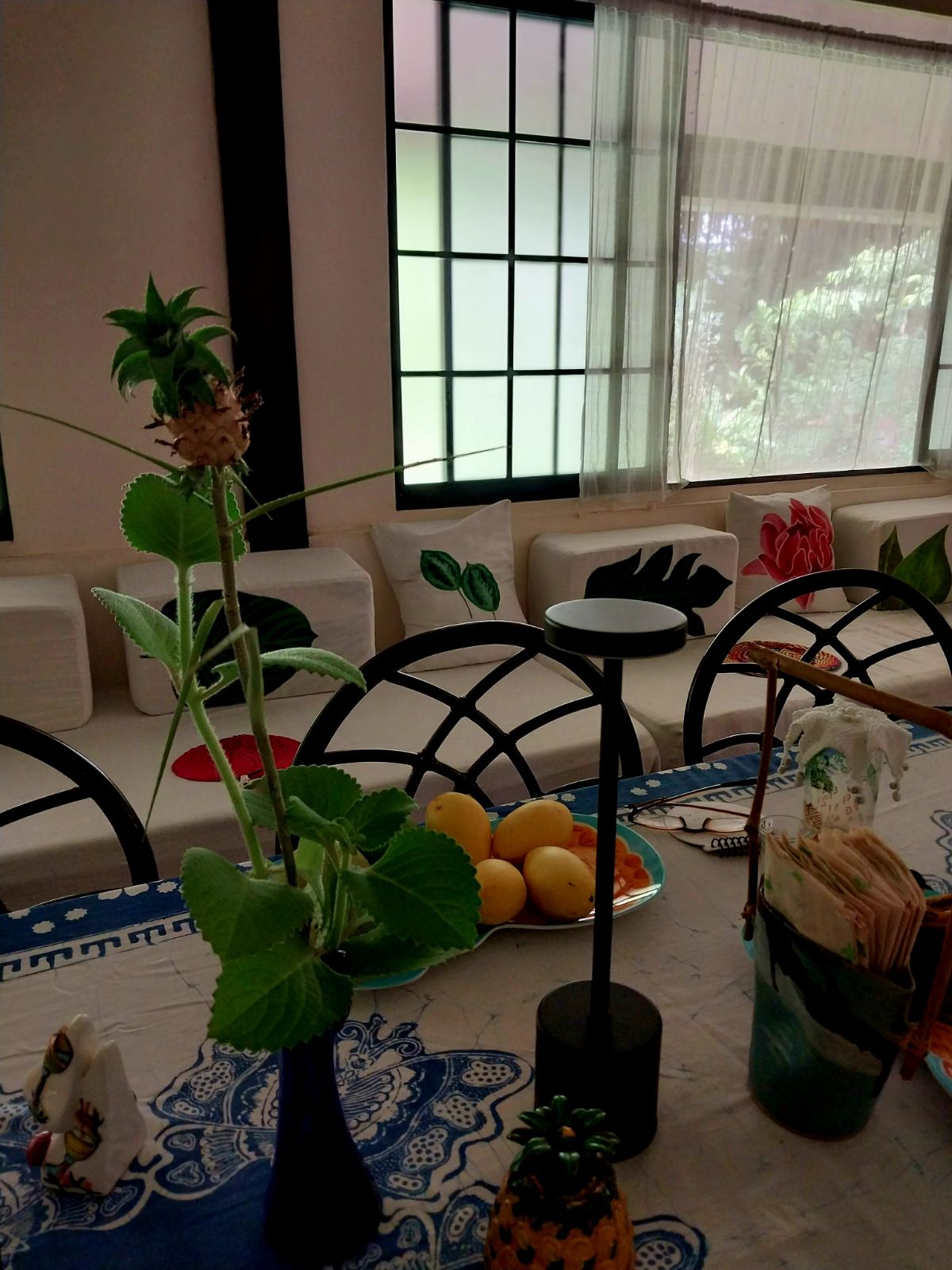
The pillows that adorn the beige sofa are hand-painted by her brother, the artist Chicoy Romualdez.

The charming contrast of biscuit-colored walls and ceiling against the wooden doors and flooring creates a warm and inviting atmosphere.
Eventually, Bernice inherited the Toledo farm property with her siblings, but only she took an interest in developing the land. The property spans around 3.4 hectares of farmland, teeming with a biodiversity of fruit trees, endemic species of plants, birds, and even bees.
There are fruit-bearing trees: mango, santol, breadfruit, atis, lime, dayap, and the like. Combining different fruit trees in a mixed orchard enhances pollination, biodiversity, and pest resistance. These fruit trees grow side by side with other endemic trees like kampong, narra, royal poinciana, and the local Palawan cherry.
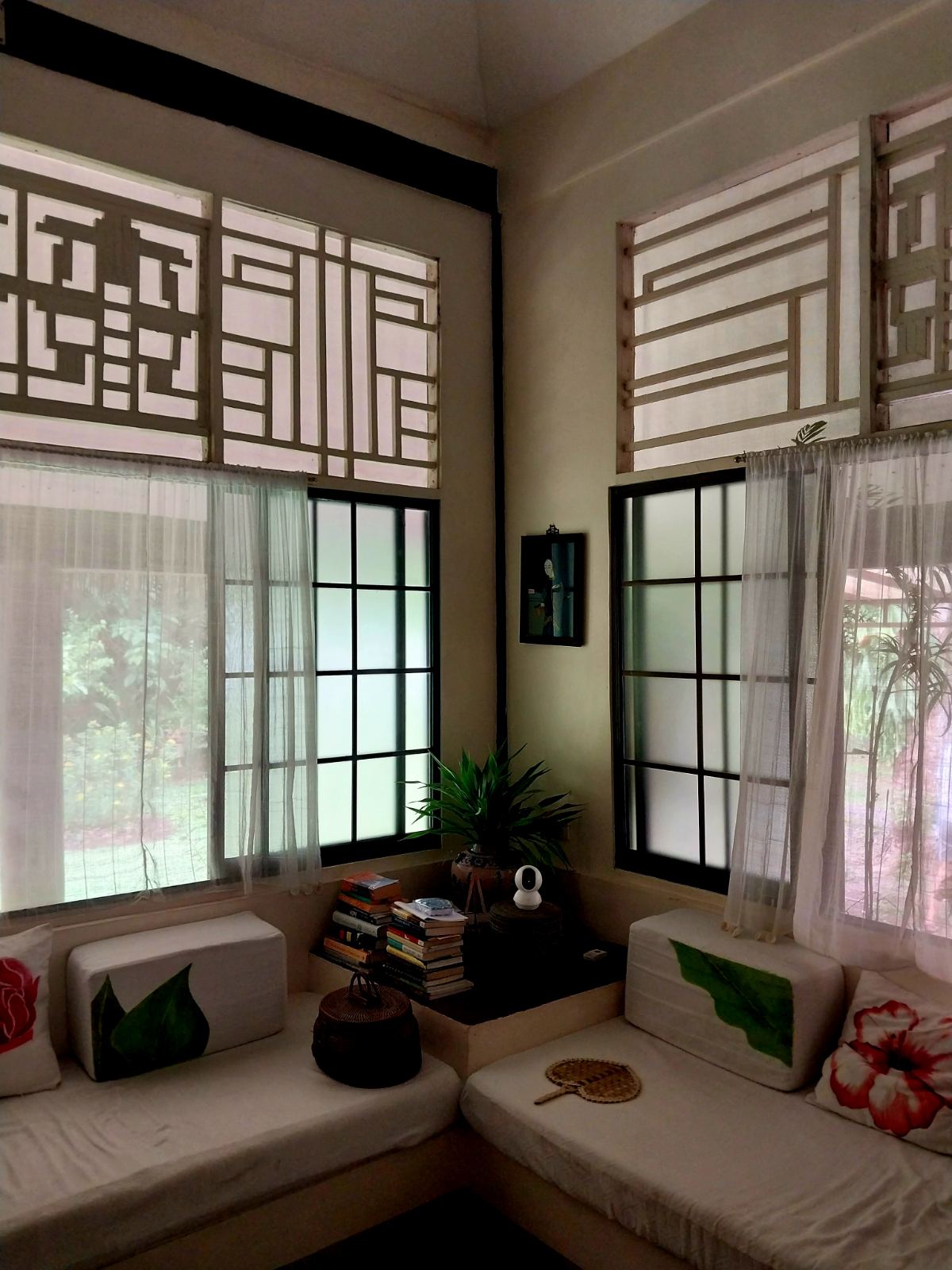
All the architectural details were taken from the Lebumfacil ancestral house in Fuente Osmeña, Cebu.
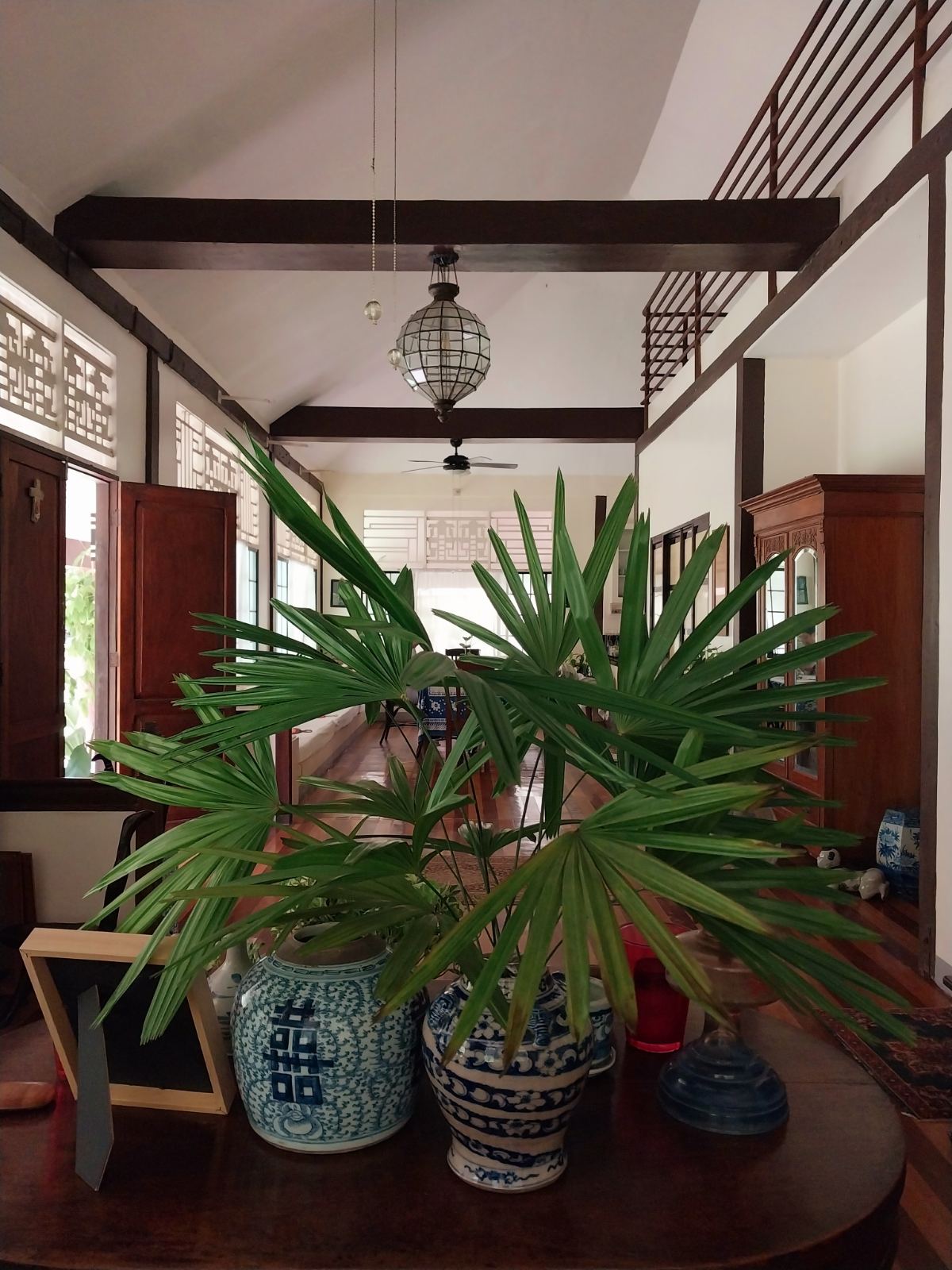
Antique blue and white ceramics hold anahaw palm fronds gathered from the garden.
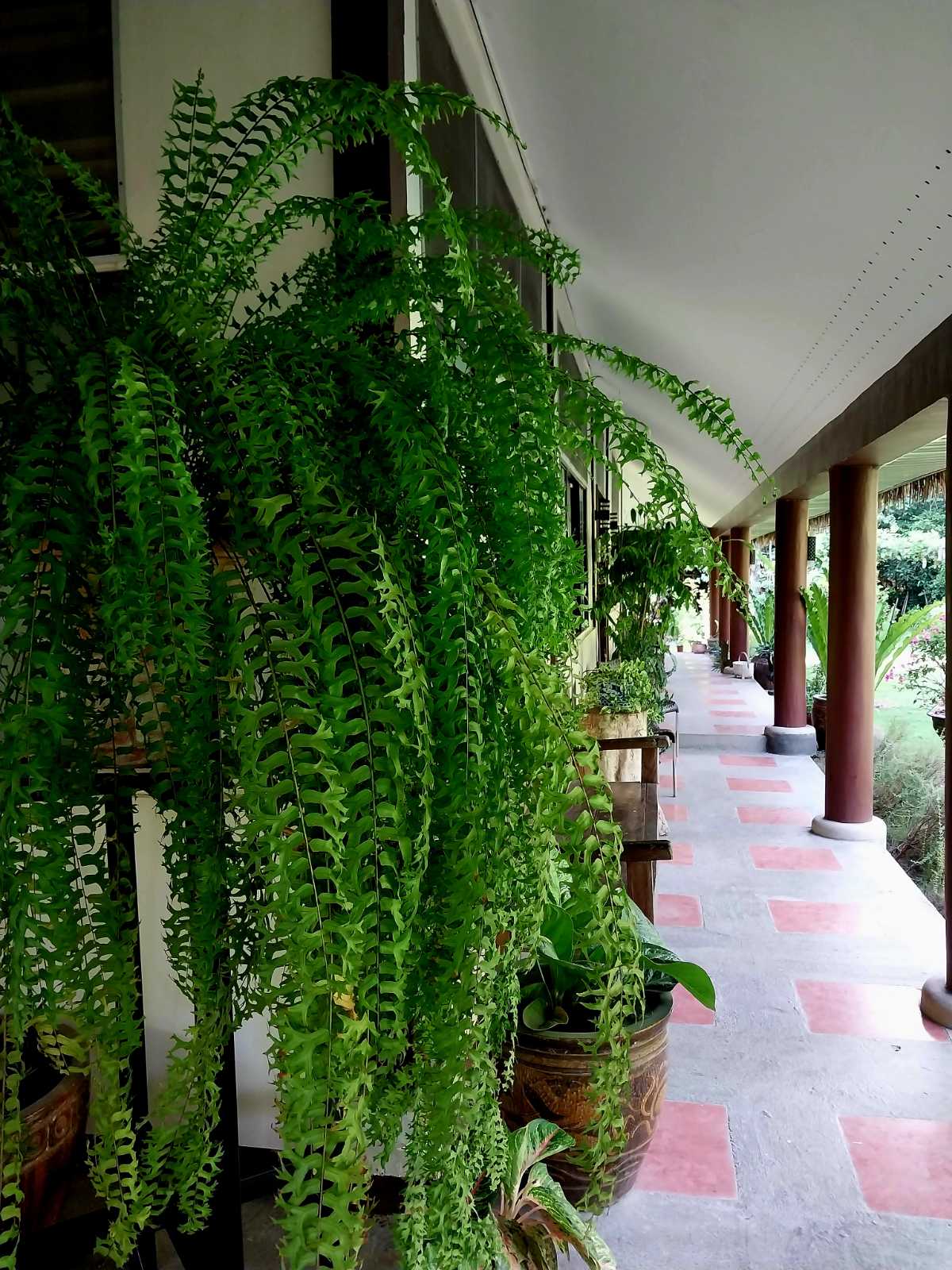
The lanai, bordered by wooden columns, opens to a thriving garden.
Back in the days when Bernice would visit her mother Milagros, she noticed that it was indeed a healthier lifestyle—simple and peaceful—and being surrounded by foliage was just the kind of life she was yearning for. She worked on the relocation tirelessly, and today the farmhouse is tastefully done in a colonial-style, thatched-roof building with wooden columns bordering the lanai. The interior of the building is an exercise in calm restraint: the walls are painted a shade of biscuit, providing a pleasant contrast to the polished wooden floors. Most of the architectural details integrated into the building came from the Lebumfacil ancestral house in the center of Fuente Osmeña in Cebu—hence the name, Milagros Farm House.
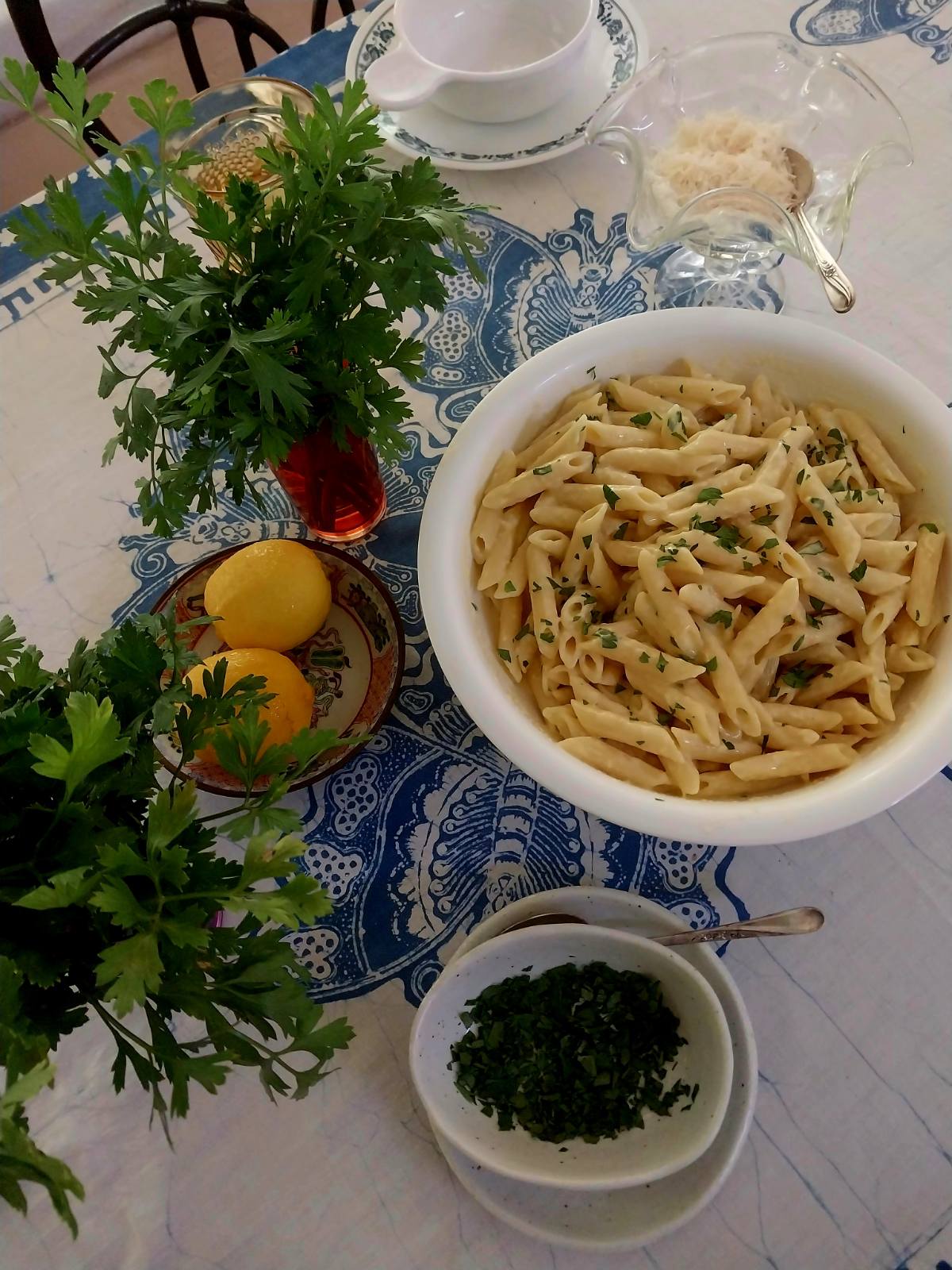
Lunch is served with arrangements of parsley and lemon, the primary ingredients in the pasta dish.
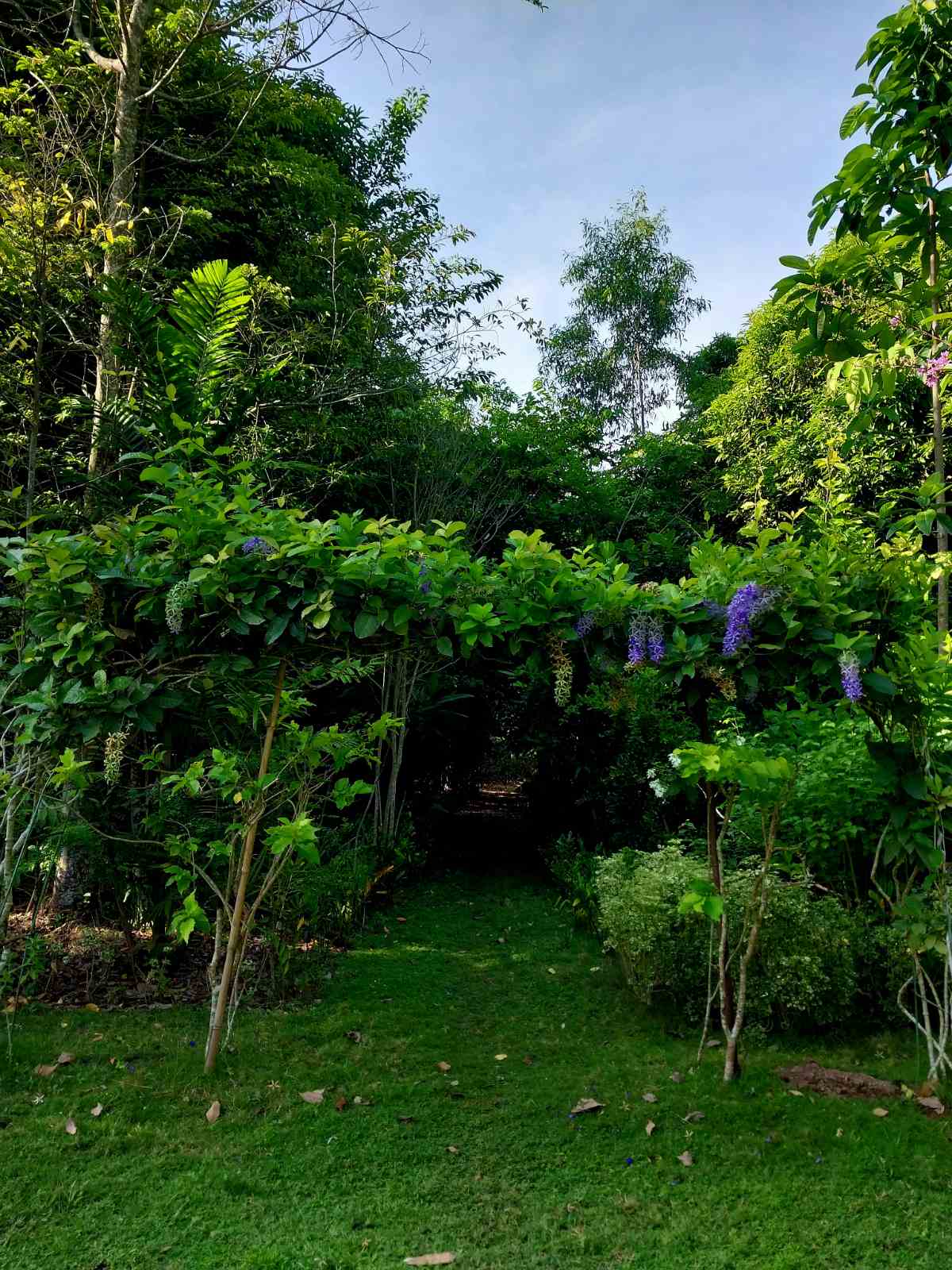
Garden of earthly delights
“Decades back, in my youth, I reveled in Manila city life: dining out with friends, staying up late into the night, traveling extensively, and even strutting down a fashion ramp as a model. That was the life then, I thought. These days, the tables have turned, and instead, gardening has taught me that nature always gives us back whatever we put in—rewarding our labor with fruits and flowers, and most importantly, blessing our lives with a strong sense of fulfillment and inner peace,” Bernice offers us a glimpse of her idyllic life on the farm.
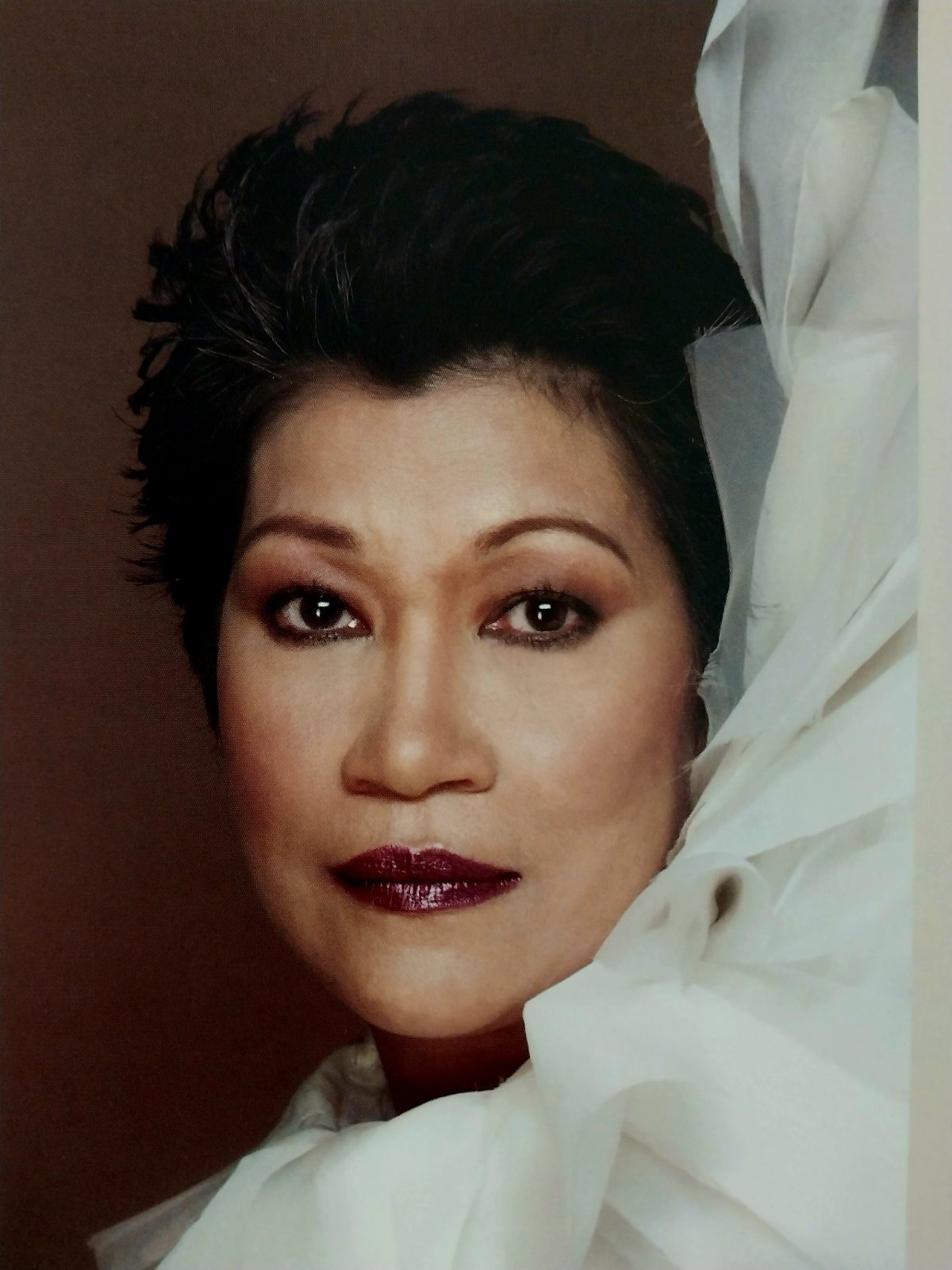
Bernice Romualdez-Ocampo, photography by Raymond Isaac, styling by Patrick Rosas

Style
Femme Fatale: David Downton Celebrates the World’s Most Stylish Women
by Jing Ramos
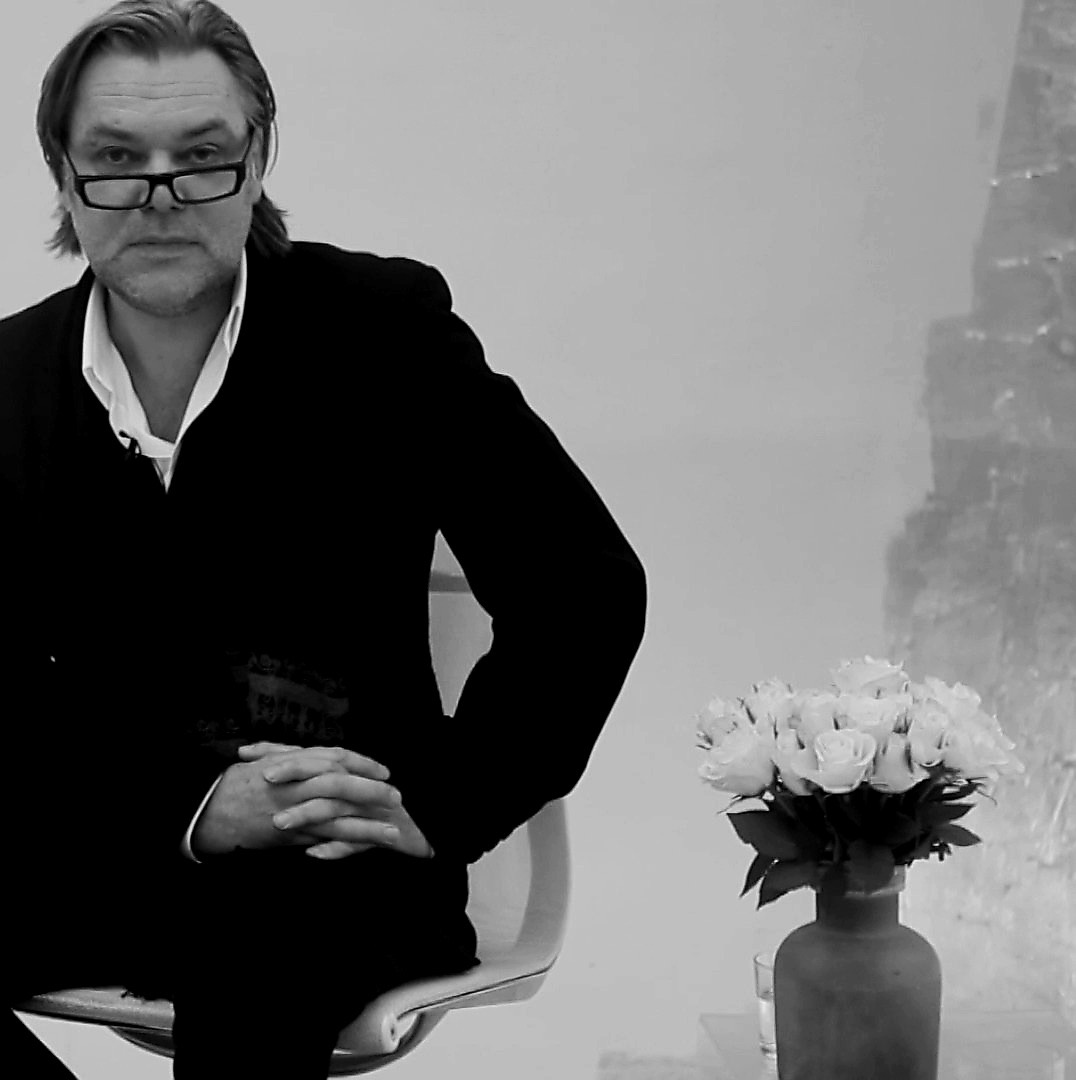
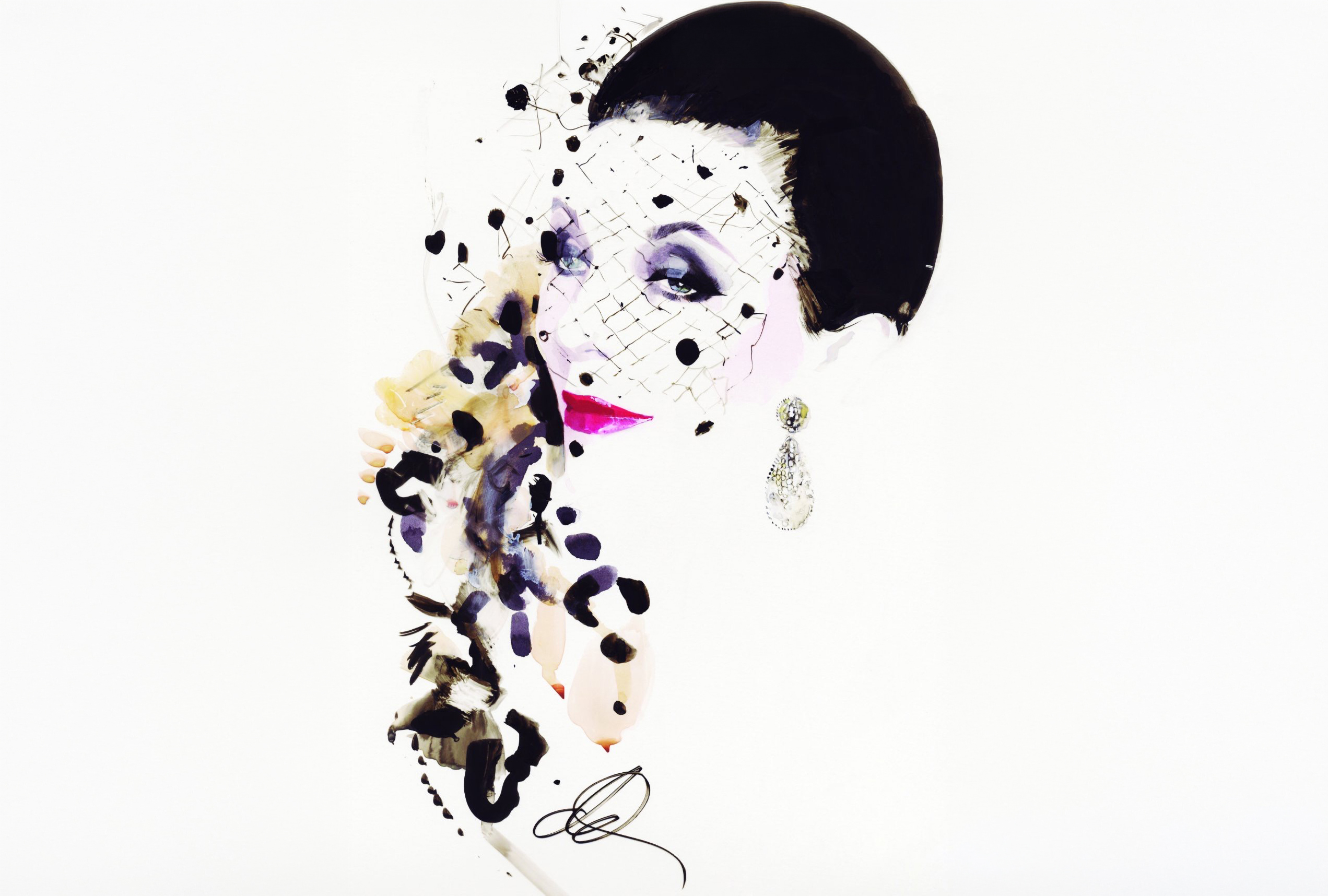
David Downton’s illustrations document the glamour of the portrait sitters.
“David Downton’s technique captures all the looks of today, their outline and their sophistication with paradoxical realism.” — Christian Lacroix, fashion designer
David Downton has established himself for over two decades now as the world’s premier fashion artist. His contemporary and stylish portraits of women have had such an impact on the fashion landscape that they have revived interest in fashion illustration in the manner of René Gruau and Antonio Lopez. David Downton believes that these illustrations reflect images of the times in which they were made. “I think fashion illustrations are every bit as evocative as fashion photography. An Antonio Lopez drawing from the 1970s or a René Gruau graphic from the 1940s can stand alongside a Richard Avedon or a Guy Bourdin photograph.”
From the time David Downton was commissioned by the Financial Times in 1996 to cover the Paris couture shows, fashion became his language. He likened the experience to entering Narnia. Inevitably, his career took off, and since then his name has become a byword, covering every base in the most important fashion publications globally: Vanity Fair, Vogue, and Harper’s Bazaar, to name a few. Currently, he is an editor-at-large at Graydon Carter’s Air Mail Weekly.
So what makes David Downton distinct from the rest of the fashion tribe? “David Downton has the magical gift of restoring movement, an attitude, the impeccable precision of a fabric, in a few smooth touches that are elegant and intelligent,” Christian Lacroix expounds. Downton’s fashion illustrations create artistic representations of his subjects in an atmosphere that translates conceptual designs into compelling visuals.
When embarking on a portrait, David Downton applies the same criteria as he does with fashion illustrations. The artist claims, “I am looking for beauty and a reductive line, trying to say as much as I can with as little fuss as possible.” The artistic quality that defines his work is purposely lacking in detail, slightly deconstructed, with lots of white space around and above the subject, and above all, the subject’s intense, sphinx-like gaze.
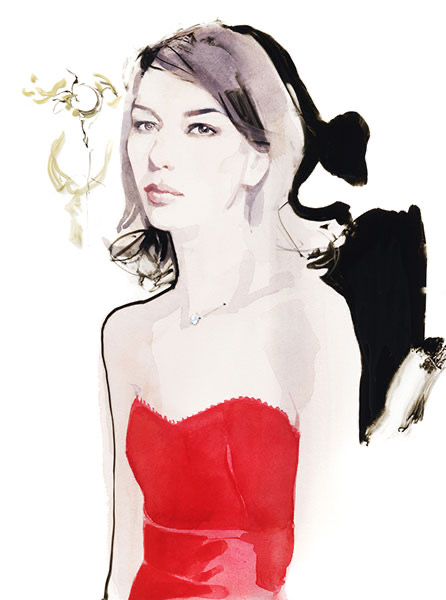
Sofia Coppola, Hotel Ritz,Paris 2012 Dress Marc Jacobs
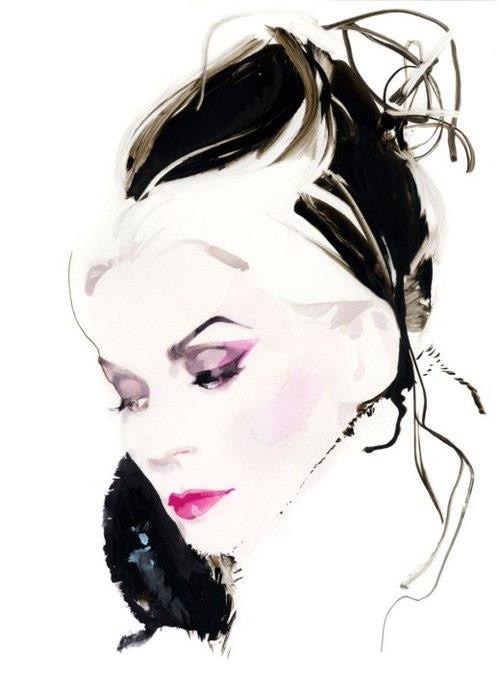
Daphne Guiness, Claridge, London 2012
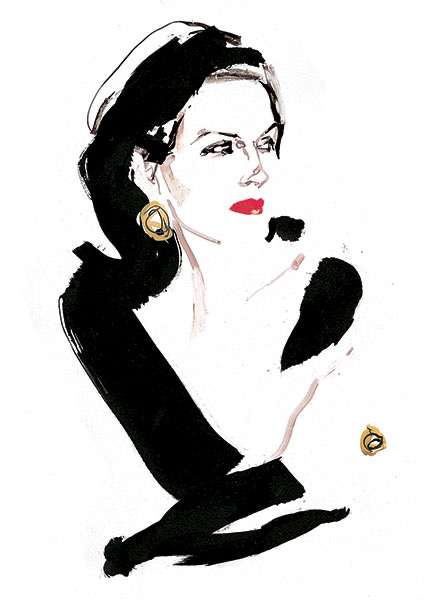
Paloma Picasso, London 1999
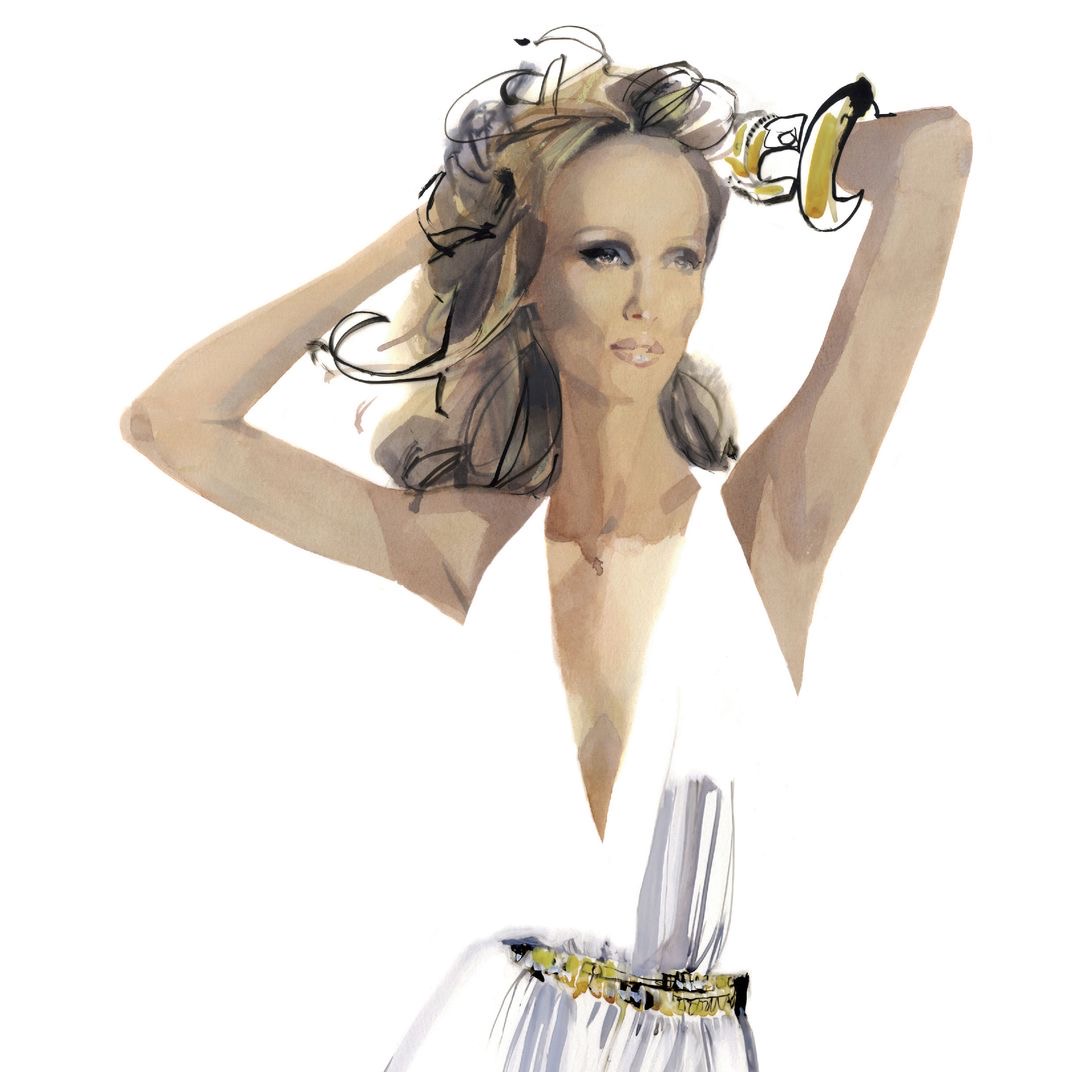
Iman, New York 2012, Dress, Azzedine Alaia
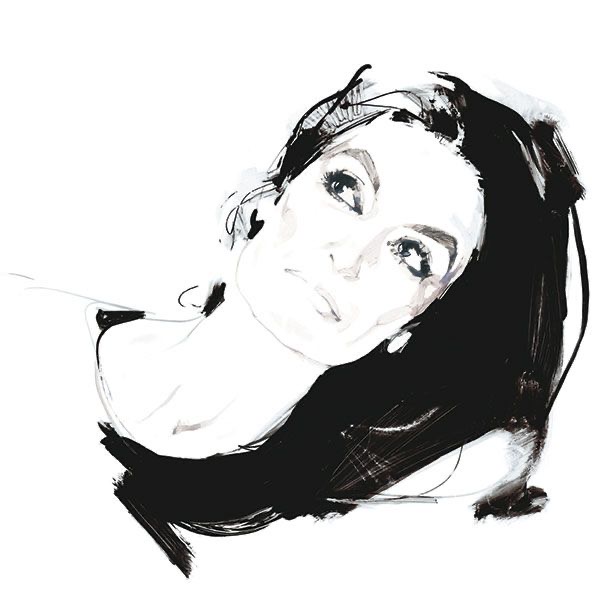
Anouk Aimee, Hotel Meurice, Paris 2001
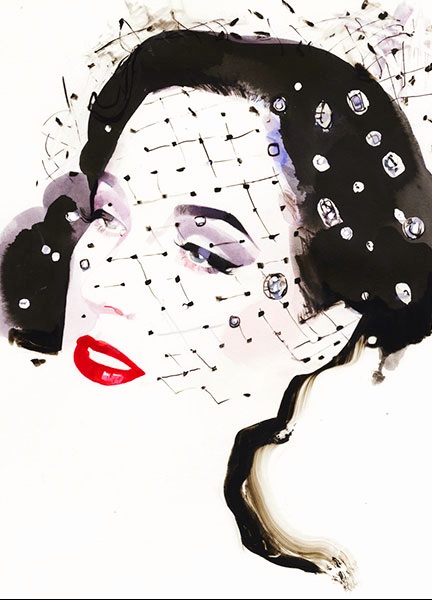
Dita Von Teese, London 2012, Veil by Stephen Jones
Style
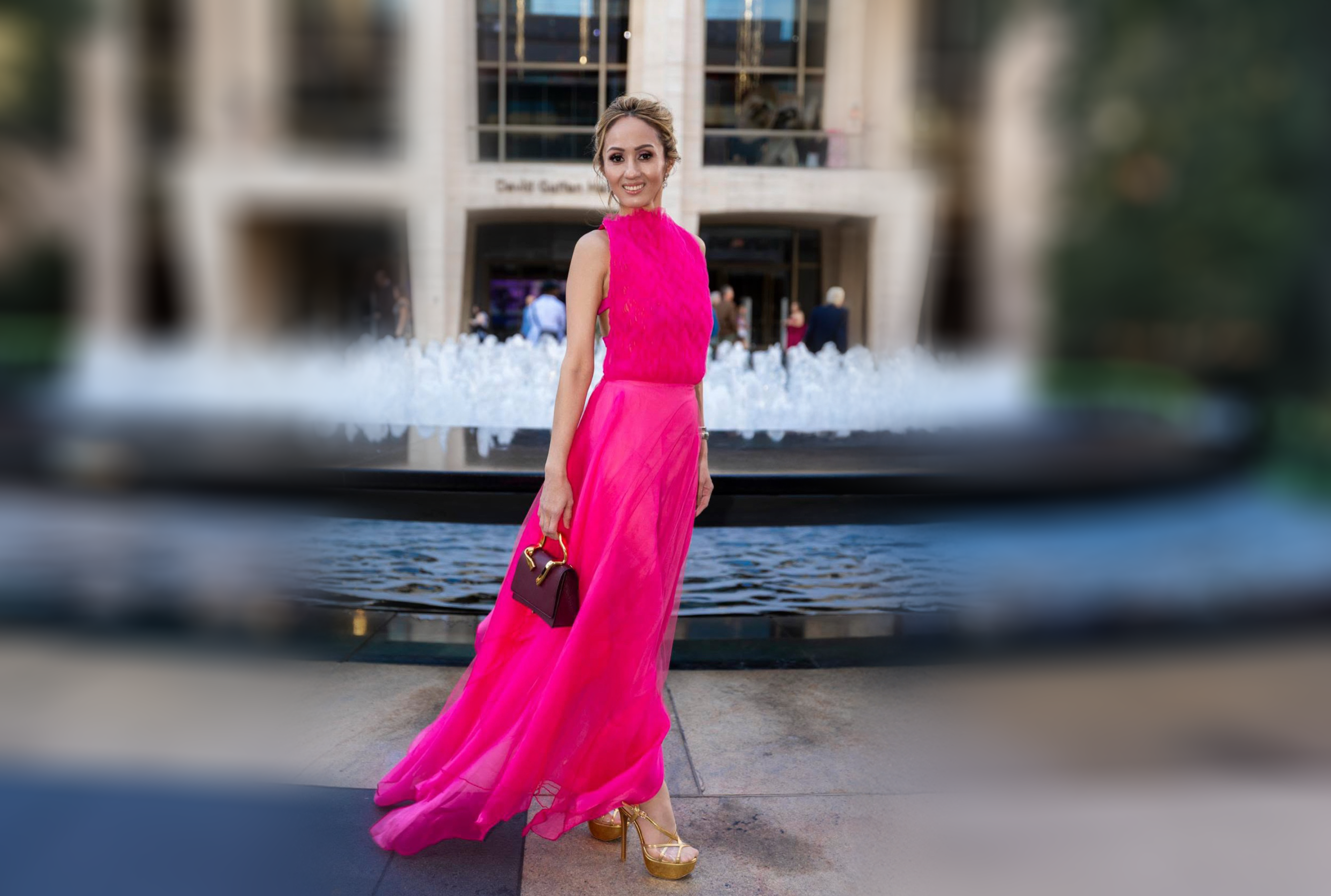
Happy Melendres Traipsing Around Manhattan in Non-Stop Armani
by Jing Ramos
VIP Consultant Stylist: Marlon Corvera
Photos by: Dennis Tooshkanov
Location: Manhattan, New York
Manager: Monique Arceneaux
Assistant Manager/Lawyer: Tracey Chambers
Fashion: Giorgio Armani
Hair: Viki Lulgjuraj
Makeup: Imogene Raypon
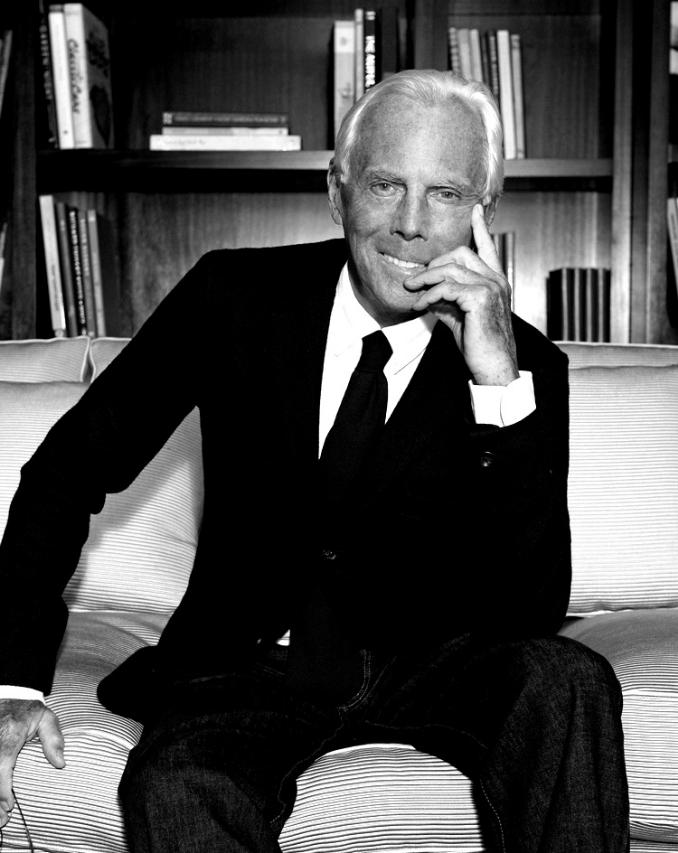
The fashion house of Armani has long been known for its understated luxury and powerhouse clientele — the likes of Jacqueline Onassis, Richard Gere, and Julia Roberts.
Mr. Armani, as he was always respectfully referred to, symbolized Italian style that leaned toward subtlety rather than extravagance. The iconic designer valued constant reinvention, aiming to deliver clean, essential lines of clothing. He firmly believed in perfectionism as a meaningful pursuit in life.
Mr. Armani’s recent passing left a gap in the industry, though his fashion story continues to live on. Happy Melendres pays tribute to the master in a collection of carefully curated Armani dresses set against the stunning backdrop of Manhattan. To recall Mr. Armani’s quote on style:
“Individual style is the correct balance of knowing who you are, what works for you, and how to develop your own personality.”
Mr. Armani’s brand personality rejected mainstream status symbols.
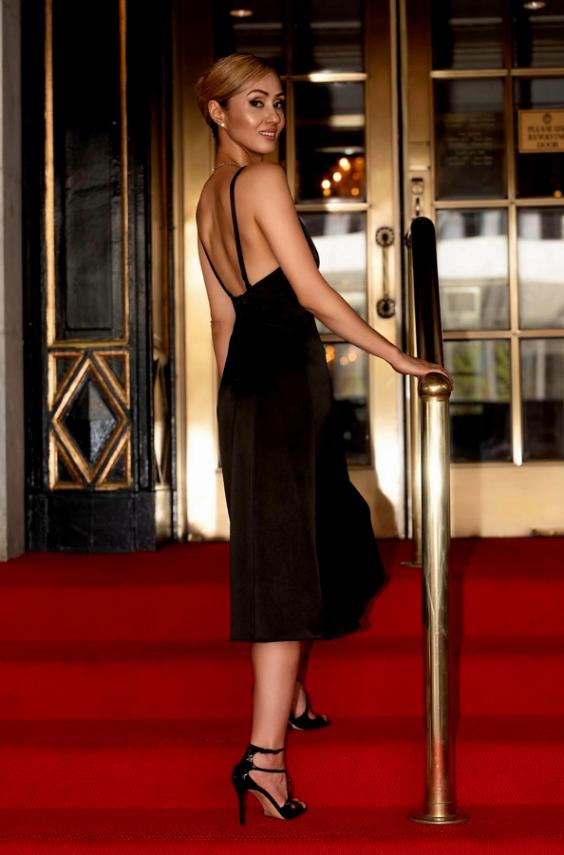
Halter top slip dress in black viscose at the entrance of the Plaza Hotel
How did this amazing experience happen to you?
I just happened to be introduced to Marlon Corvera, the premier style consultant for classical artists in ballet and opera. He was the one who chose the Armani gown for me, and I was thrilled to follow his advice.
Tell us about the whole process of fitting into an Armani dress.
I would describe it as simply magical. Marlon chose the dresses based on what he saw in me and my personality — and I couldn’t agree more. I was also amazed by the professionalism of Jose Nolasco, who made sure that the gown fit me perfectly. I can’t divulge their secrets, but I will say that they truly know how to make the people who wear their creations feel special.
What makes Armani different from other luxury clothing brands, personally?
I think it’s in the way Armani captures and enhances the silhouette. The way the dresses flow — accentuating what needs to be accentuated — and how the exquisite fabrics feel when they touch one’s skin, it’s like a gentle hug that uplifts the wearer’s soul. Even when you’re having a bad day, wearing an Armani piece is an instant pick-me-up — it makes you look great and feel great. Armani’s style is timeless.
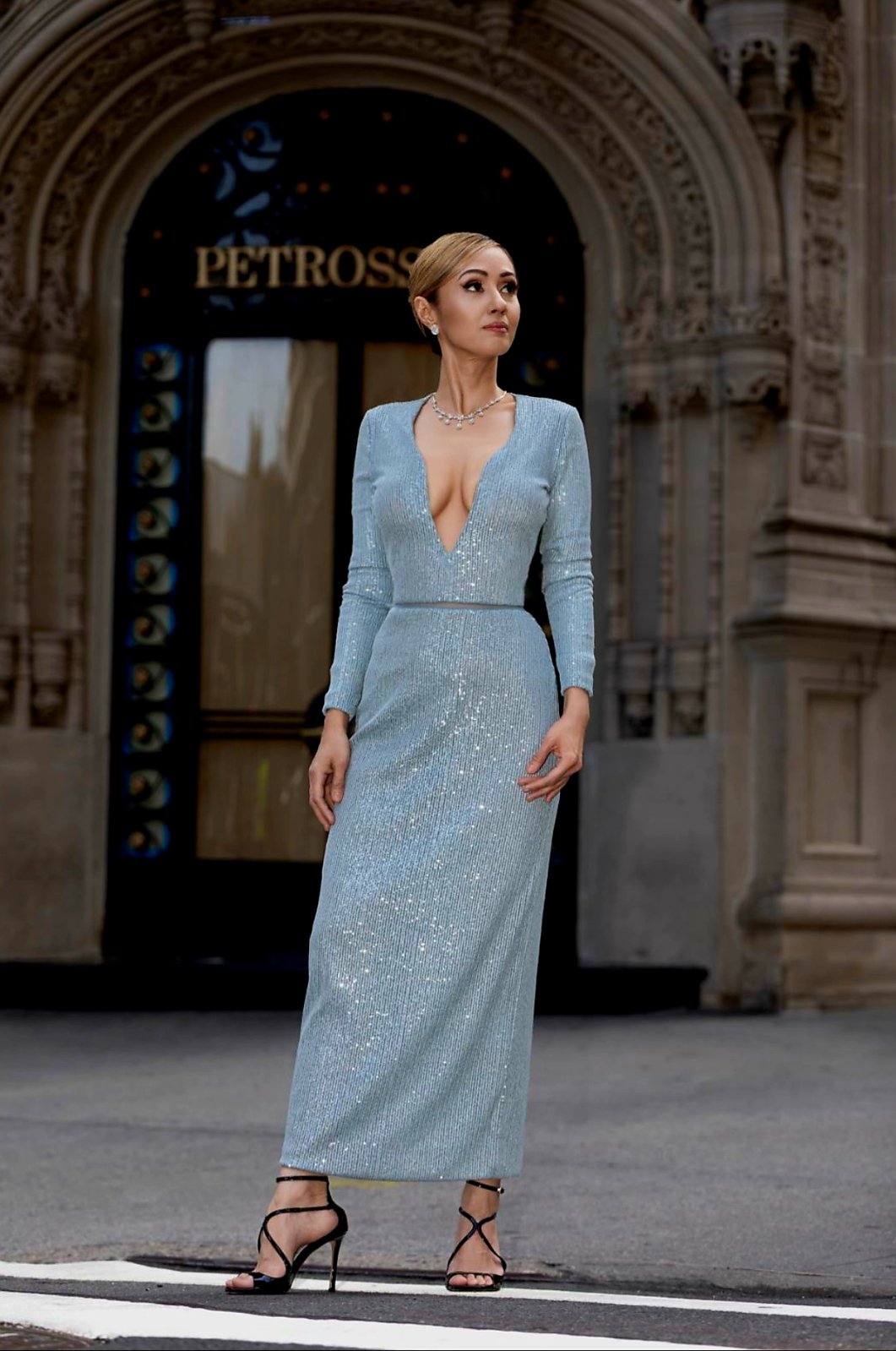
Celery green knit dress finished in shimmering sequins showcases a deep neckline and fitted long sleeves at the Petrossian Bar
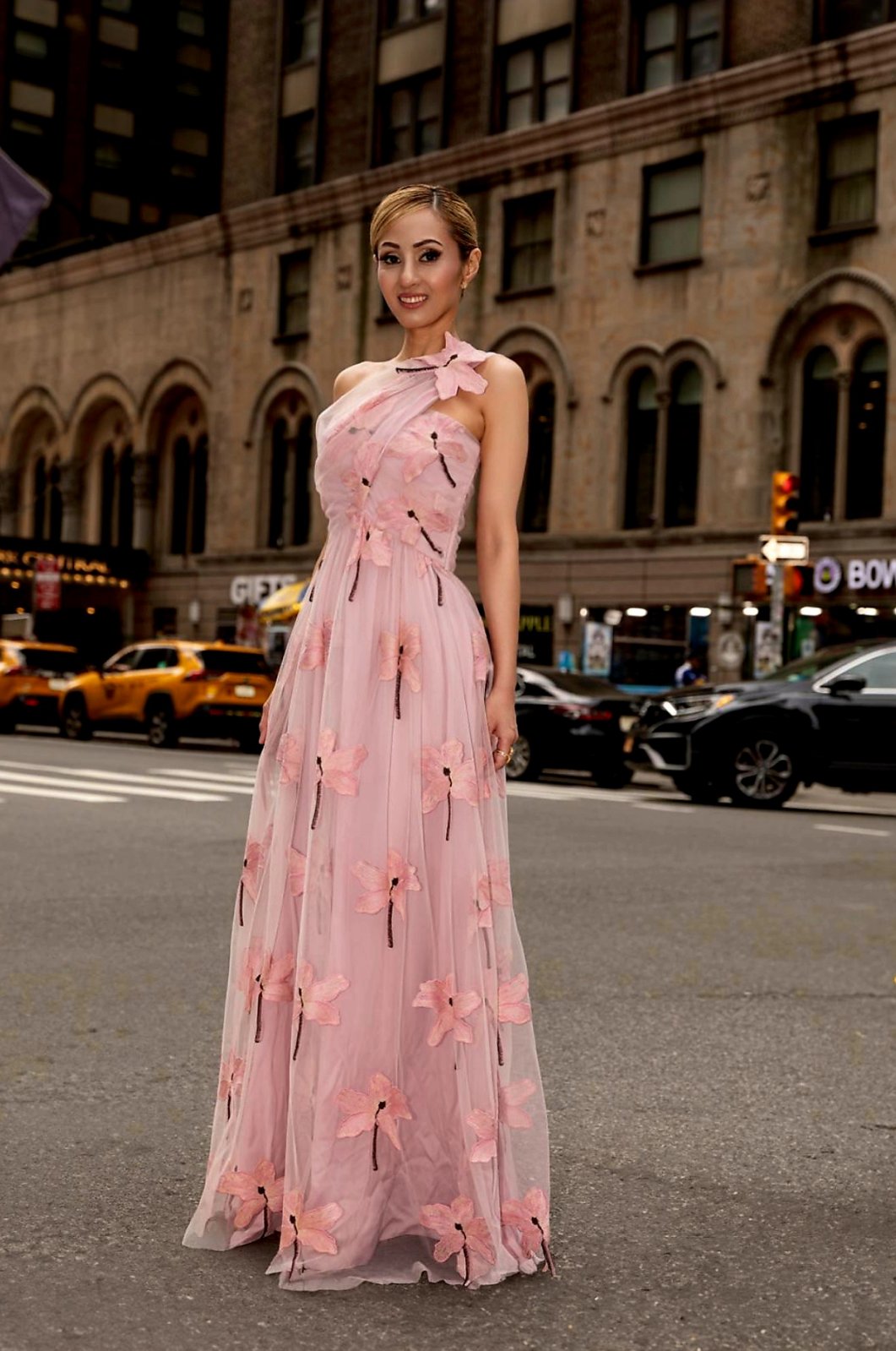
Pink floor length dress with floral appliques at the Carnegie Hall
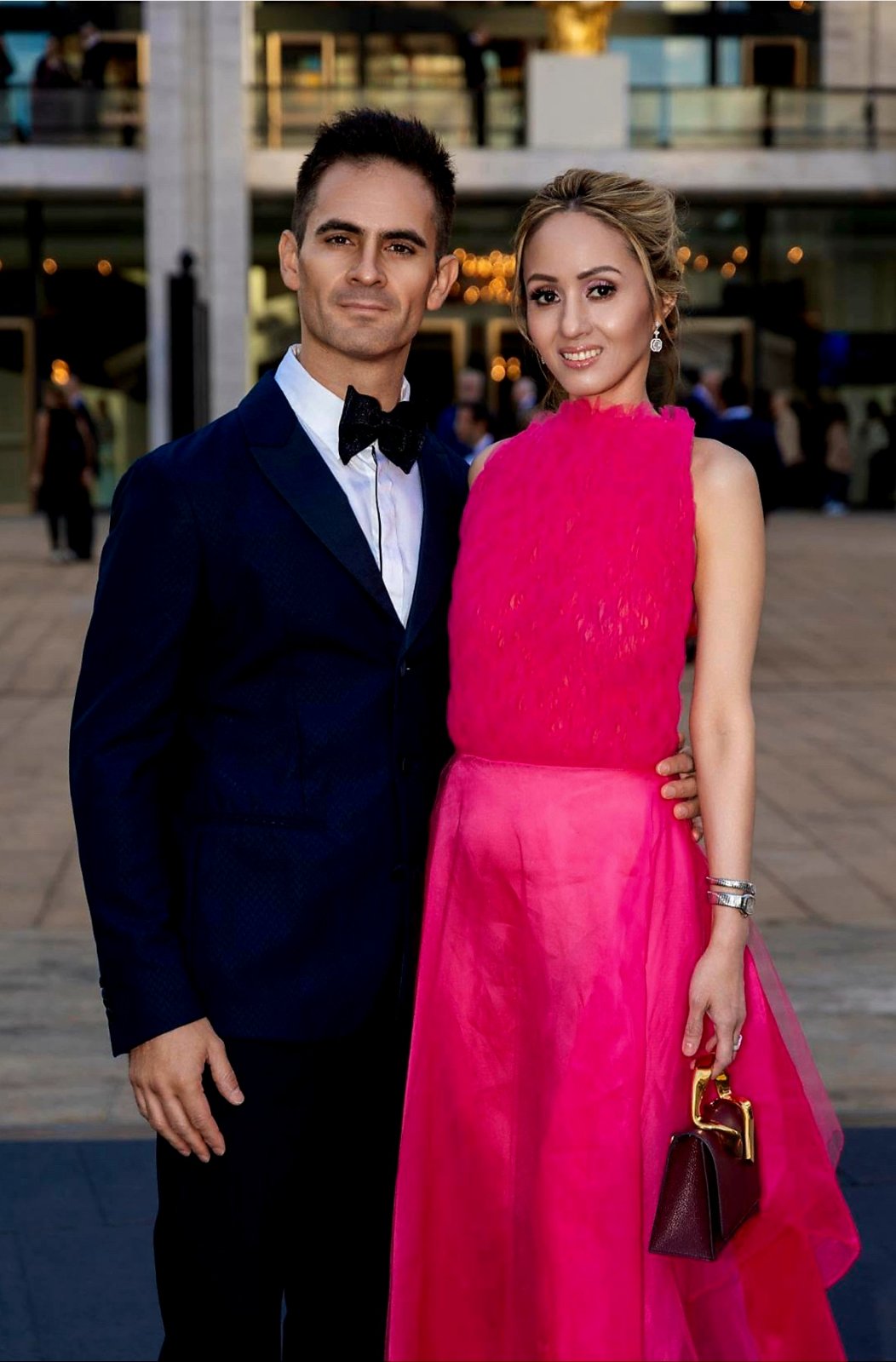
Italian Conductor Giacomo Sagripanti with fashion brand ambassador Happy Melendres at the opening gala ceremony at the New York Metropolitan Opera. Both are wearing Armani.
Style
The Invisible Part of Fashion: Five of the Most Enduring Fragrances of All Times

by Jing Ramos
It doesn’t come as a surprise that French perfume became an invention of the 20th century. In less than a hundred years, perfumers were able to transform a simple scent into an art form glorified to this day.
Modern perfumery is an intuitive cocktail of art and science. The development of a vast palette of synthetic aroma chemicals allowed perfumers to add new character, originality, and tenacity to natural scents.
It wasn’t until 1882 that these new aroma chemicals were first incorporated into a perfume. Paul Parquet of Houbigant combined coumarin with lavender, citrus, and woody notes. For the first time, a synthetic raw material contributed to a perfume composition. The age of modern perfumery had dawned. Parquet created Fougère Royale for Houbigant—French for “fern.” The perfumer declared, “If God gave ferns a scent, they would smell like Fougère Royale.” Who indeed could question the innocence of a fern?

Chanel No. 5 by Andy Warhol, 1985
1. Chanel No. 5
Coco Chanel was the first to unite the elements of a woman—the dress and the perfume—under a single magical spell. She asked perfumer Ernest Beaux to make Chanel No. 5 the most enviable perfume of all time. Beaux gathered jasmine from Grasse, May rose, and ylang-ylang, and added aldehydes to break the richness of the components into luminous simplicity.
Today, Chanel No. 5 remains undisputed in its legendary lore, bearing floral head notes and a woody base of Bourbon vetiver. The simplicity of its name—No. 5—reflects Chanel’s lucky number. The origin of that number is uncertain, though some say it was repeated in a mosaic on the floor of the orphanage where she lived for years.
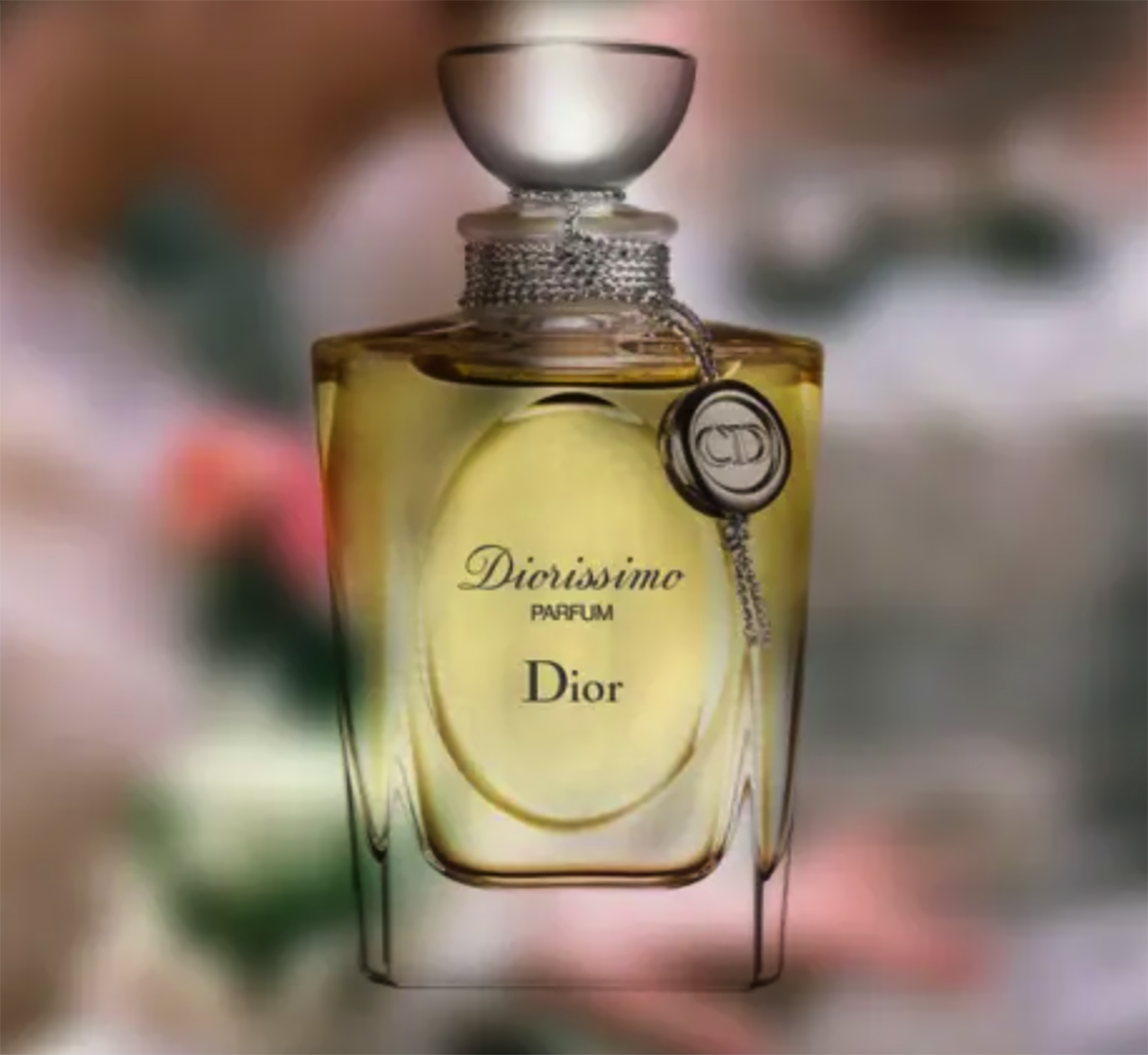
Diorissimo, the 1956 masterpiece by Christian Dior, bottles the delicate charm of lily of the valley—a timeless ode to spring, luck, and pure elegance.
2. Diorissimo
In the spring of 1956, Christian Dior launched Diorissimo, which captured the essence of his lucky flower, lily of the valley, and marked a fundamental change in perfumery. Its creator, Edmond Roudnitska, clung to the motto of simplicity: “To me, simplicity is the consecration of an artist. Only when they reach the peak of their talent do artists simplify their work.”

Edmond Rouditska, creator of Diorissimo was one of the most influential perfumer of the 20th century.
Roudnitska described his creation as “a pure lily of the valley scent that evokes the woods in which it grows and the inimitable feeling of springtime.” Dior himself never sent a gown onto the catwalk without tucking in a sprig of lily of the valley as a talisman of good luck.
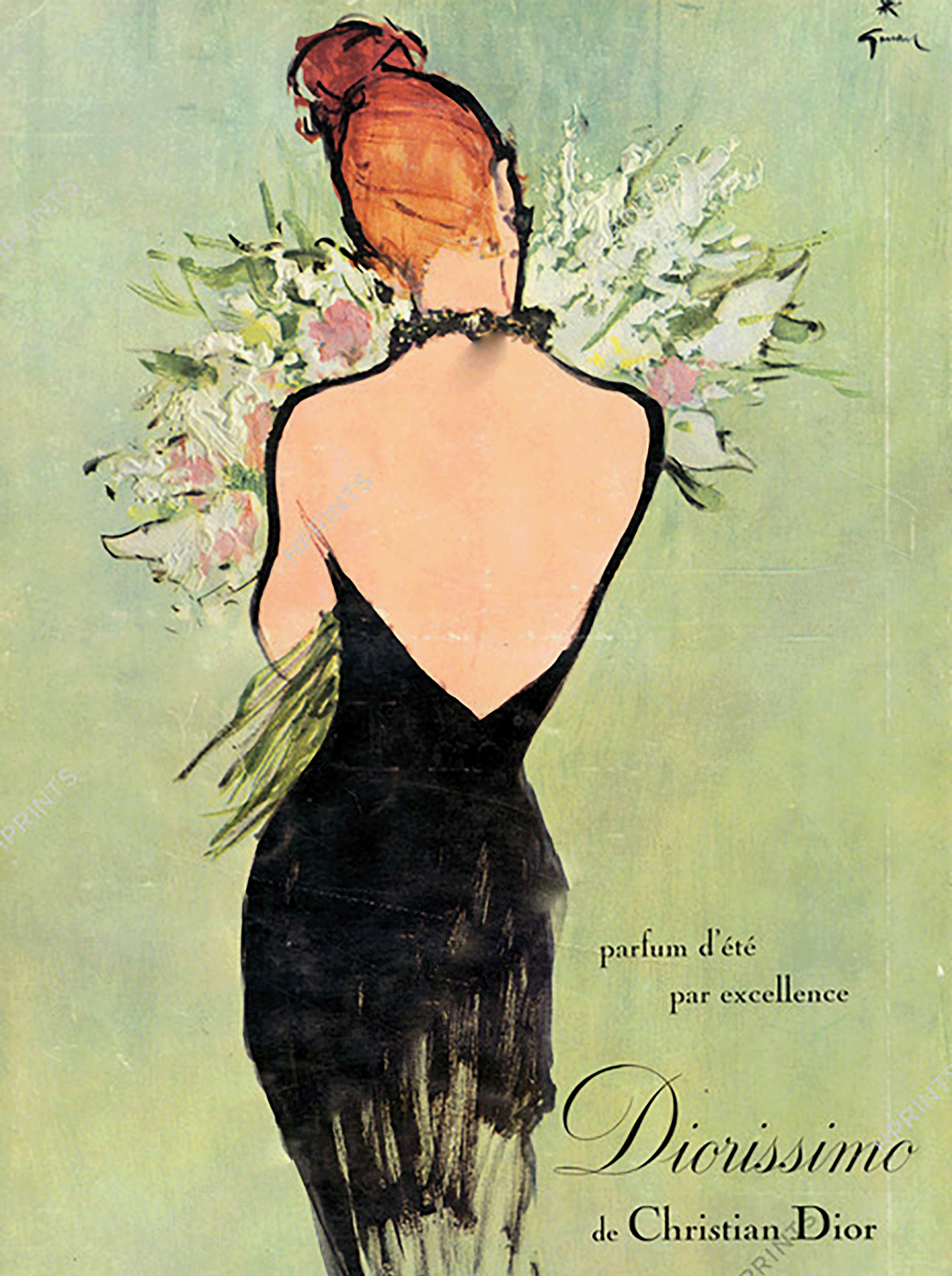
Rene Grau illustrated the advertisement for Diorissimo

Mitsouko is still considered the pride of Guerlain.
3. Mitsouko
Mitsouko represents the first perfect balance between natural and synthetic materials. Belonging to the chypre family—fragrances evoking autumn forests and mossy woods—Mitsouko was challenging to compose, as earthy mossy scents often overwhelm other ingredients.
The fragrance was named after the heroine of Claude Farrère’s 1919 novel La Bataille, a tragic love story between Mitsouko, the young wife of a Japanese admiral, and a British naval attaché training Japanese officers. Behind each Guerlain perfume, there is always a story tied to narrative or emotion.
Mitsouko is still considered the pride of Guerlain for its harmony and brilliance. “It has the dream smell of a woman’s skin,” Jean-Paul Guerlain said, regarding it as one of the house’s greatest achievements.
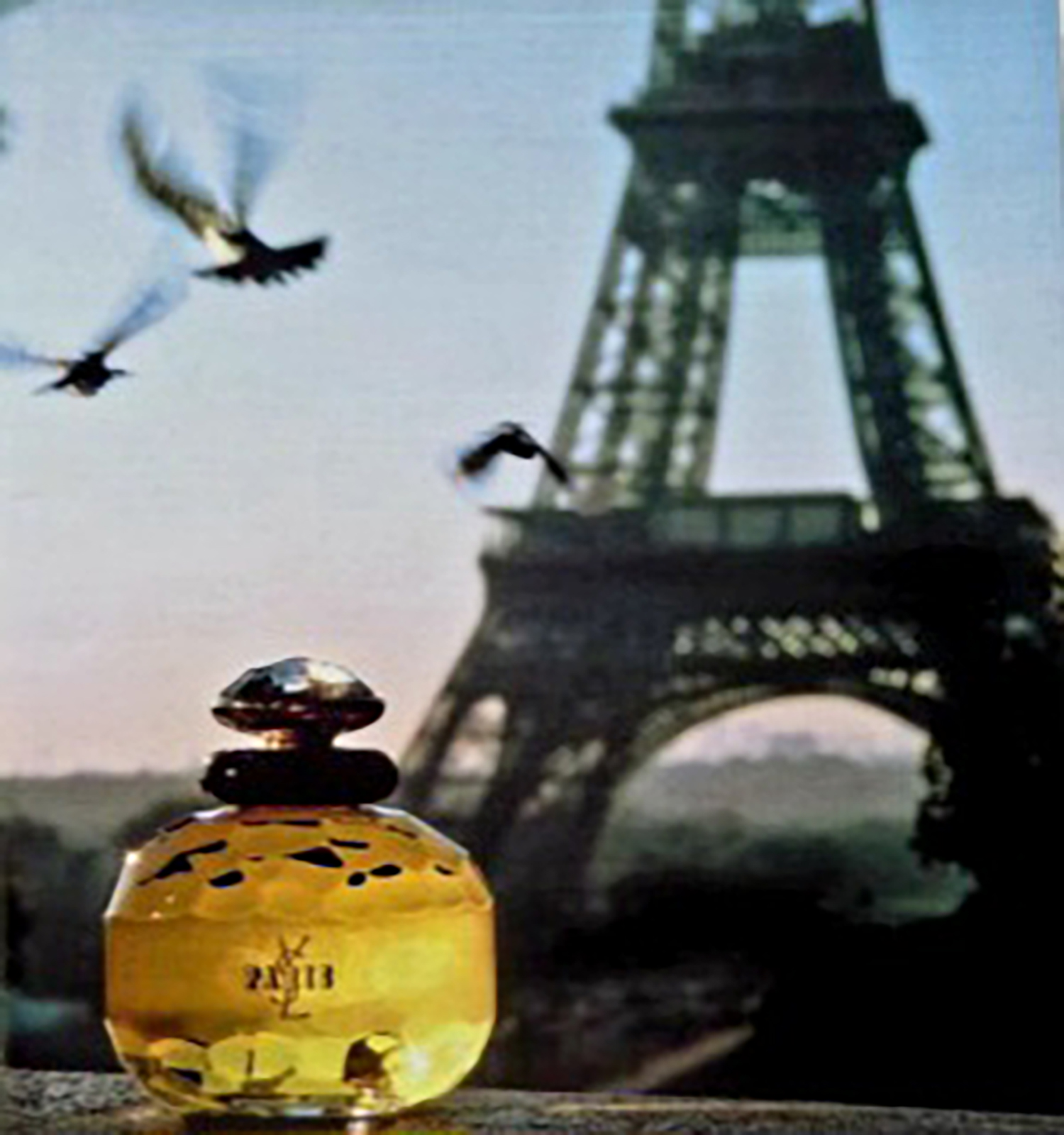
Yves Saint Laurent’s choice of the name Paris is key to the development of the fragrance.
4. Paris
Paris proved that it was possible to add a new olfactory edge to the familiar fragrance of roses. The name was Yves Saint Laurent’s idea: “I wanted to call it Paris because it is the city I love,” he explained, paying homage to the City of Lights.
Saint Laurent envisioned old-fashioned plump roses like those in Marrakech’s gardens. Once, after returning from Morocco, he brought back an empty little box that held the most intense rose odor. He showed it to perfumer Sophia Grojsman; it smelled like roses mixed with violets. She experimented with damascones—powerful aroma chemicals in Bulgarian rose oil—and blended them with rose absolutes to create an explosion of roses.
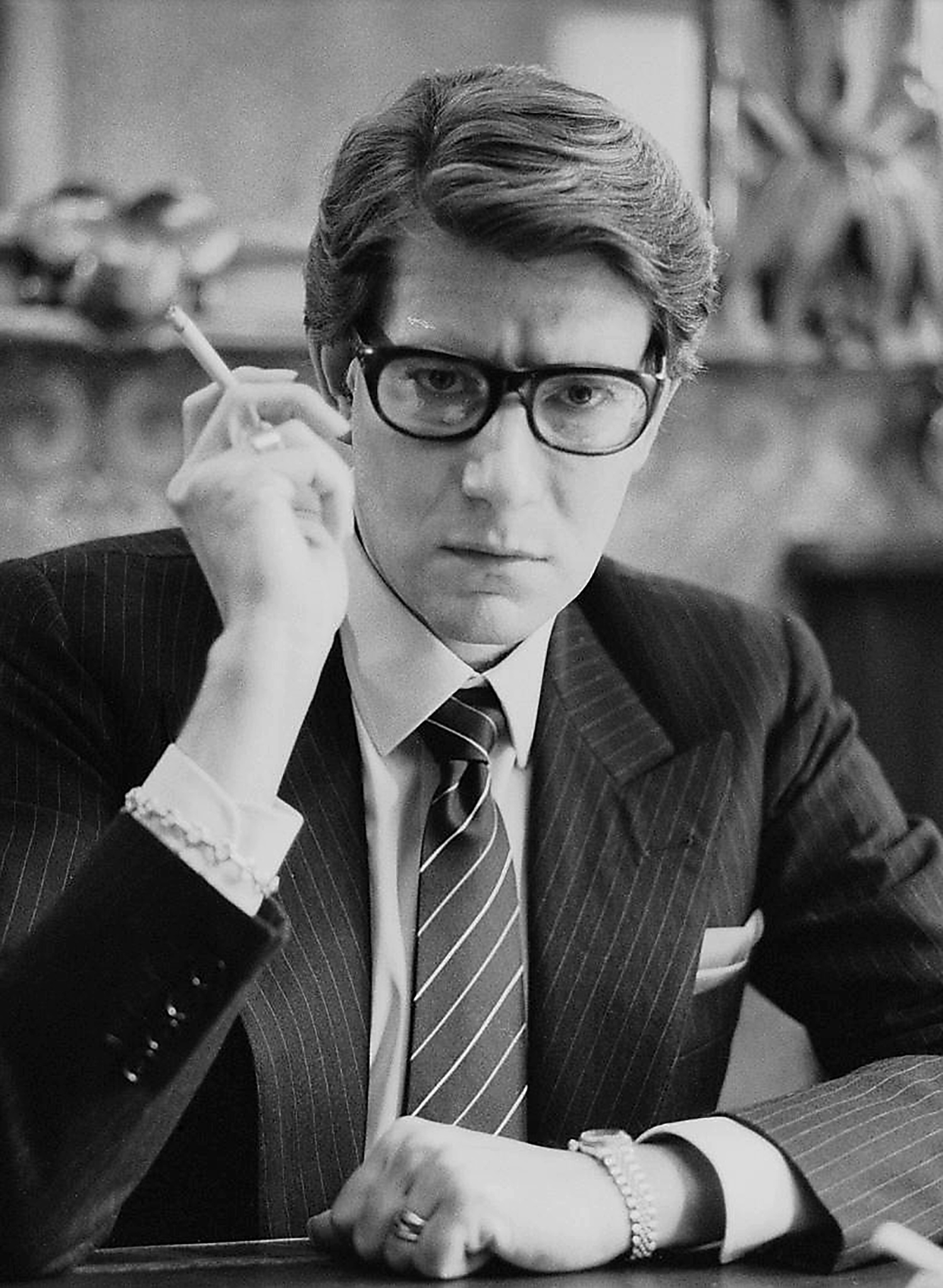
Yves Saint Laurent presented Paris, the perfume as an homage to the city he loved.
Saint Laurent concluded:
“Paris is a romantic fragrance, a floral woody amber composition in which roses vibrate with mimosa, geranium, and iris to make a magnificent bouquet.”
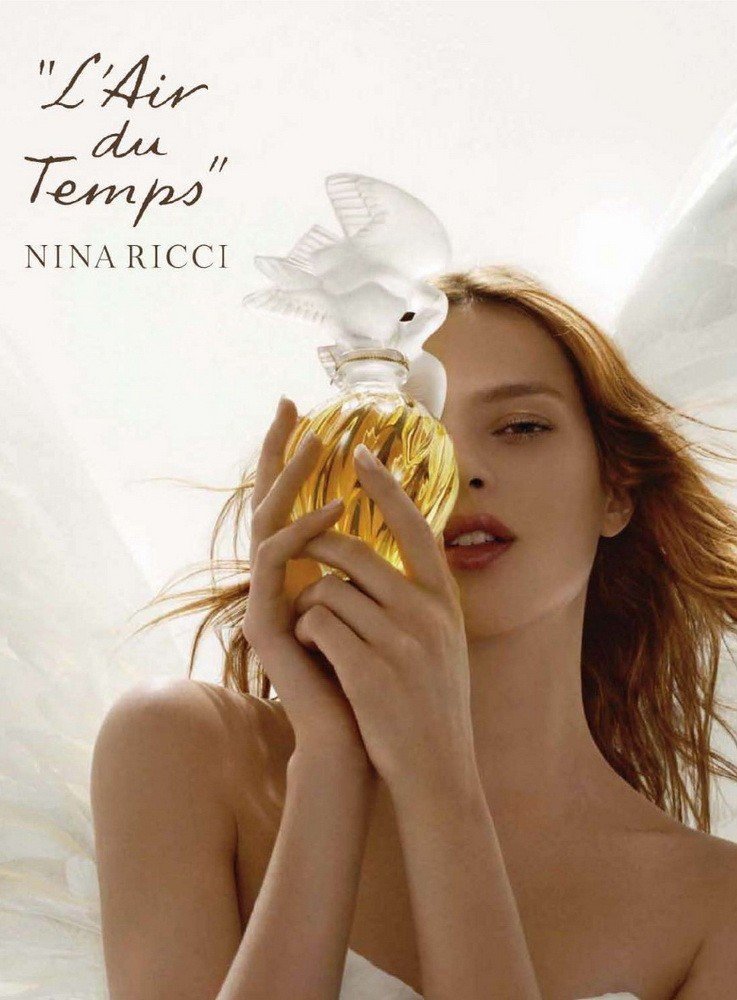
No other perfume has captured the essence of romance as L’air du Temps.
5. L’Air du Temps
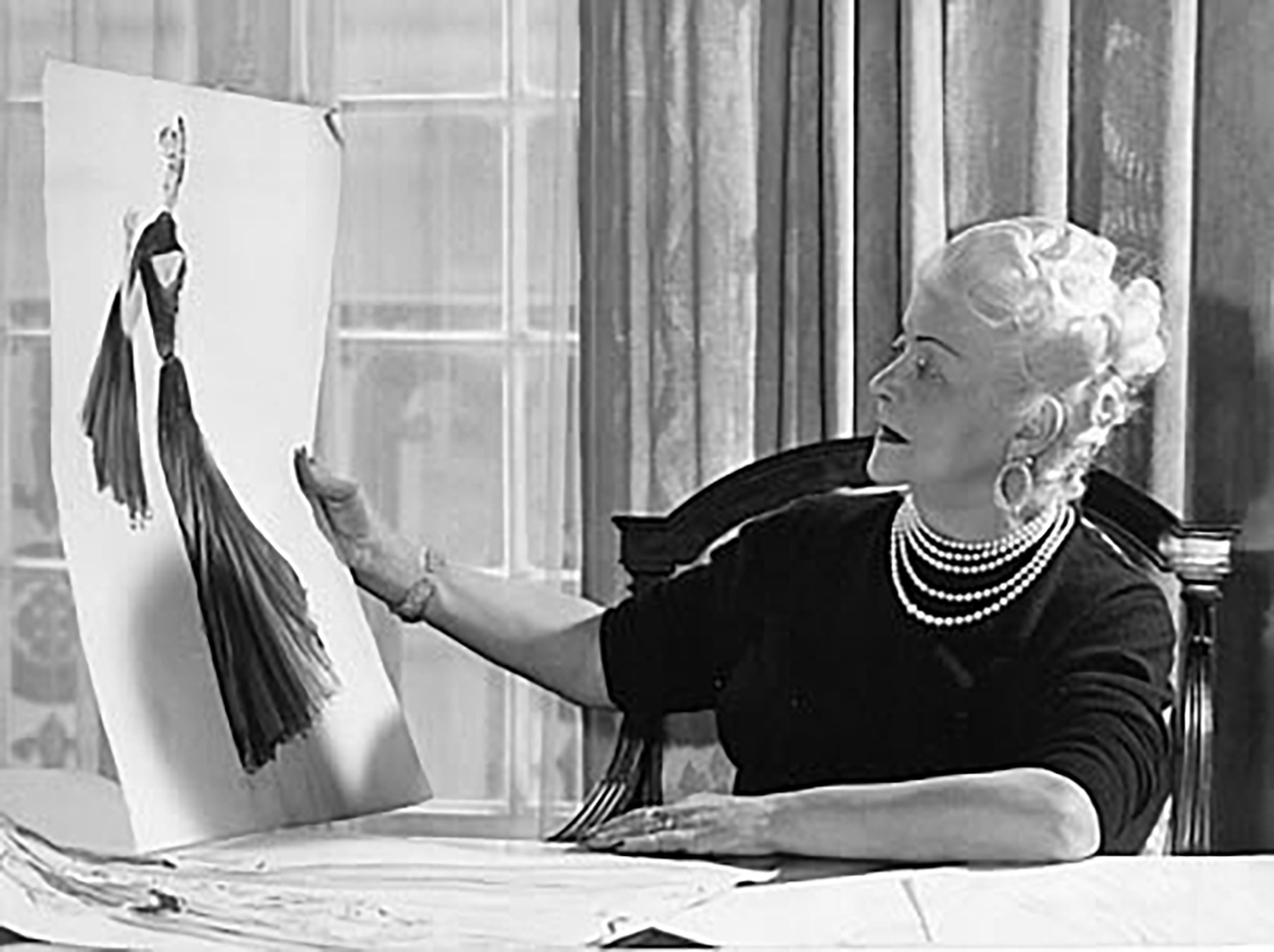
When L’Air du Temps was released, it captured the spirit of living freely again. “The real spirit of Nina Ricci is a spirit of happiness,” said Robert Ricci, son of the couturier Nina Ricci. He claimed the fragrance embodied her refinement and subtlety.
L’Air du Temps is a lively, balanced, and consistent perfume, from its bright head notes to its engaging base. Through floral hints, musk, and secret spices, it radiates a mysterious scent with the power of seduction.
“The creation of a perfume is an act of love, whether real or imaginary.” – Nina Ricci

Kundiman After Dark: Traditional 19th Century Filipino Musical Genre Continues to Inspire

Ethan Andre H. Gomez: Turning One’s Body into a Canvas to Create Specific Marketable Tools

Ludy Vilma Demecillo Makes a Leap From the Corporate World to the Exciting Broadcasting Industry

Femme Fatale: David Downton Celebrates the World’s Most Stylish Women
Golden Prince Hotel’s Sinulog Royalty Experience

SM Fashion Forum reveals Cebu’s style influencers
5 Filipino Films That Continue the Conversation on Women Empowerment

Noise and Sounds: An Artform

Christmas in Colonial Cebu: A Themed Exhibit by Teresin Mendezona and Eva Gullas for Stylescapes 2019

Artisanal Cebu: Aspiring calligraphy artist Abigail Condrado

Experience authentic Korean Barbeque at Da-In Restaurant

Chaine des Rotisseurs: A Night of Spanish Cuisine
-

 Travel3 months ago
Sunlight in Siquijor: Discovering the Landscape Shifts and Coastal Plains of this Mystical Island
-

 Fashion3 months ago
Cloud Dancer: The Resonant Reset of 2026
-
 Prime Target4 weeks ago
Ludy Vilma Demecillo Makes a Leap From the Corporate World to the Exciting Broadcasting Industry
-

 QuickFx2 months ago
Chromatic Narratives: Wayne Lacson Forte at the Negros Museum
-

 Prime Target3 months ago
Rod Malanao: Empowering the Growth of the Luxury Fashion Industry to Designing Knit Wear on the Side
-
 Prime Target3 weeks ago
Ethan Andre H. Gomez: Turning One’s Body into a Canvas to Create Specific Marketable Tools
-
 Style1 month ago
Femme Fatale: David Downton Celebrates the World’s Most Stylish Women
-

 Arts & Culture1 month ago
Art Beat: Scenes From the Manila Art Fair 2026