
Travel
The top 10 things to do in South Korea during summer

Summer in South Korea is severely underrated. Most people who plan on traveling there usually aim for the seasons of autumn, winter and spring to experience the best of the Land of the Morning Calm—all with perfectly good reasons, of course. But South Korea is equally beautiful in the light of the summer, and having a clear day for a backdrop often results in gorgeous Instragram-worthy snapshots.
Satisfy your wandering Seoul with Zee Lifestyle’s guide to South Korea.

BASIC INFORMATION
South Korea is a country located in East Asia. Its capital and largest city is Seoul. It is approximately a five-hour flight from the Philippines, and is also one hour ahead in terms of timezone (UTC+9). Their currency is the South Korean won, with a currency exchange of roughly PHP 1 = KRW 23 (as of press time). They have four seasons, with summer running from May to September, autumn from September to November, winter from November to March, and spring from March to May.
Going to South Korea requires a visa for Philippine passport holders, which is easily obtainable from the Korean embassy, located on the 12th floor of the Chinabank Corporate Center in Cebu Business Park. Processing time is five days, and fees are gratis for a stay of 59 days or less.
Philippines AirAsia flies direct to Incheon, South Korea from Mactan, Cebu every day. They also have flights to Incheon from Manila and Kalibo, as well as to Busan from Kalibo. For bookings, visit airasia.com.
THE TOP 10 THINGS TO DO IN KOREA DURING SUMMER
1. Explore Incheon International Airport

Bibimbap at Café Bonjuk and Bibimpa, located in Incheon International Airport, is the perfect dinner for right when you land
Okay, so we’d actually rather save this for the last day of the trip while you wait to board your flight, but Incheon International Airport is a destination in itself when you’re in South Korea. It’s one of the world’s best airports for good reason: There’s an abundance of amenities, from duty-free shopping and top-notch dining establishments, to sleeping and shower areas and cultural shows. You’d find you wouldn’t really mind long layovers or delayed flights.
INCHEON INTERNATIONAL AIRPORT
272 Gonghang-ro, Jung-gu, Incheon, South Korea
2. Don a hanbok and stroll through Gyeongbokgung Palace and Bukchon Hanok Village

Gyeongbokgung Palace

Bukchon Hanok Village
South Korea is a highly urbanized and modern city, yet you can still get glimpses of history and culture here and there. Gyeongbokgung Palace is the largest of Korea’s Five Palaces and was home to the Royal Family back in the Joseon Dynasty, while the Bukchon Hanok Village is a quaint neighborhood of traditional Korean homes known as hanok. Rent a colorful hanbok (traditional costume) to get the most likes on your social media posts. Plus: Entrance to the Palaces is free when you’re in costume.
GYEONGBOKGUNG PALACE
161 Sajik-ro, Jongno-gu, Seoul, South Korea
BUKCHON HANOK VILLAGE
Gye-dong, Jongno-gu, Seoul, South Korea
3. Dip your toes into the cool waters of the Cheonggyecheon Stream

Cheonggyecheon Stream in downtown Seoul
The Cheonggyecheon Stream, which runs throughout downtown Seoul, is the perfect example of urbanization coordinating with nature. This waterway was neglected for years, until the government pursued efforts to restore it in the early 2000s. Today, it’s one of the most popular public parks where people can sit by the river and even dip their toes into the cool waters pumped from the Han River.
CHEONGGYECHEON STREAM
Cheonggyecheon-ro, Jongno-gu, Seoul, South Korea
4. Have samgyetang in Nam Chon Ok

Samgyetang (chicken ginseng soup)
Samgyetang is chicken ginseng soup that’s quite popular during summer. This specialty is basically a whole young chicken stuffed with rice, and is also surrounded with noodles. Pro tip: Make sure you’re REALLY hungry so you can finish off this dish.
NAM CHON OK
20 Gwang-hi-dong, Jung-gu, Seoul, South Korea
5. Get a lot of skincare and makeup freebies at Myeongdong

Myeong-dong Street
Even though you haven’t been bitten by the K-pop craze, even you’d have to admit that Korean skincare is amazing. Myeongdong is a street where you can find popular beauty brands one stall after another, from Etude House to Tony Moly, Innisfree, Missha and Nature Republic. Not only do these stores sell their products at great deals, but they’d throw in a lot (and we mean a lot) of goodies on your way out—or heck, even if you just browse through their selections.
MYEONGDONG STREET
Jung-gu, Seoul, South Korea
6. Admire the neofuturistic architecture at the Dongdaemun Design Plaza

Dongdaemun Design Plaza
Largely contributing to Korea’s honorific as the World’s Design Capital is the Dongdaemun Design Plaza, a massive and sprawling structure with almost-impossible curves and striking lines designed by Iraqi-British architect Zaha Hadid in collaboration with Korean studio Samoo. We challenge you to find the perfect angles for your Instagram shots.
DONGDAEMUN DESIGN PLAZA
281 Eulji-ro, Jung-gu, Seoul, South Korea
7. Get a good night’s rest at the T-Mark Grand Hotel

The view from outside T-Mark Grand Hotel
Of course, you can’t just zoom past all the sights without having decent sleep. But just because you’re off to dreamland doesn’t mean you should stop experiencing the best of what Korea has to offer. The T-Mark Grand Hotel, one of the city’s newest hotels, is highly recommended. Besides offering all the amenities you would ever need, it’s also right across the Nandaemun Market and just a short walking distance to Myeongdong.
T-MARK GRAND HOTEL MYEONGDONG
52 Toegye-ro, Jung-gu, Seoul, South Korea | website
8. Indulge in banana milk in one of Korea’s many convenience stores

Banana milk from CVS for U
If banana milk isn’t Korea’s national drink, then we don’t know what is. The drink, which comes in cute plastic bottles, makes for the perfect refreshment in between all the sightseeing. It’s also filling enough to stave off hunger pangs when necessary. Should you wish to bring some home, we recommend buying them at the airport after checking in.
9. Seal your love at N-Seoul Tower

Love locks at N-Seoul Tower
Following Paris’ lead, several countries now have their own versions of lovelocks, in which couples proclaim your love with a special padlock to signal everlasting togetherness. In South Korea, you can seal your love at the N-Seoul Tower, which also has love benches bent into a curve right in the middle, designed to bring two people together.
N-SEOUL TOWER
105 Namsangongwon-gil, Yongsan-gu, Seoul, South Korea
10. Shop ‘til you drop at Insadong Antique Alley and Namdaemun Market

Insadong Antique Alley
No trip anywhere is complete without shopping. If you haven’t had your fill from Myeongdong, Insadong Antique Alley has a lot of interesting and unique trinkets to bring back for your loved ones. For even greater sales, especially on bags and shoes, Namdaemun Market is where it’s at.
INSADONG ANTIQUE ALLEY
29 Insadong-gil, Jongno-gu, Seoul, South Korea
NAMDAEMUN MARKET
21 Namdaemunsijang 4-gil, Jung-gu, Seoul, South Korea
text and photos by Patty Taboada


Travel
The Spice Route: George Town, Penang
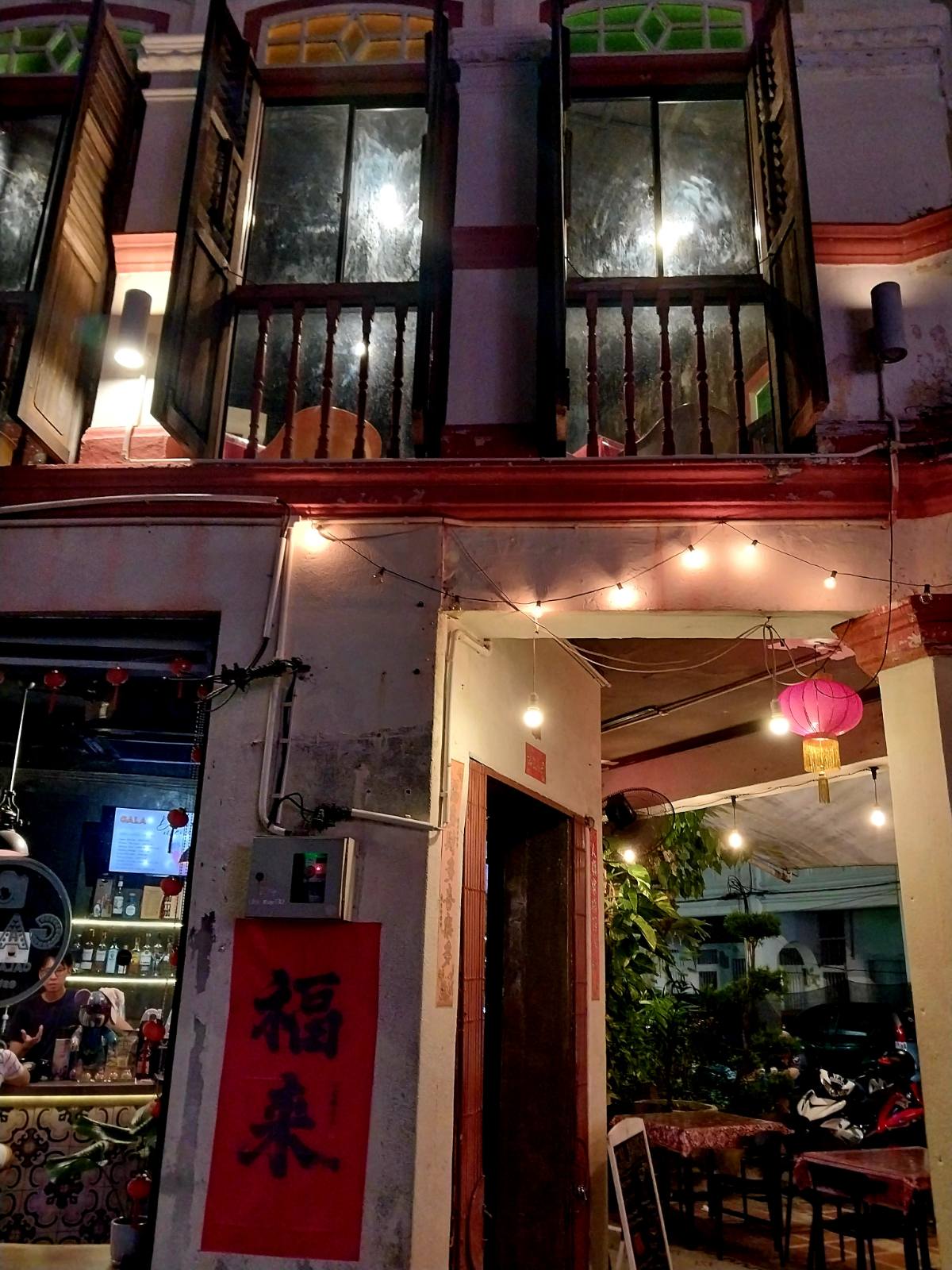
by Jing Ramos | photography Doro Barandino
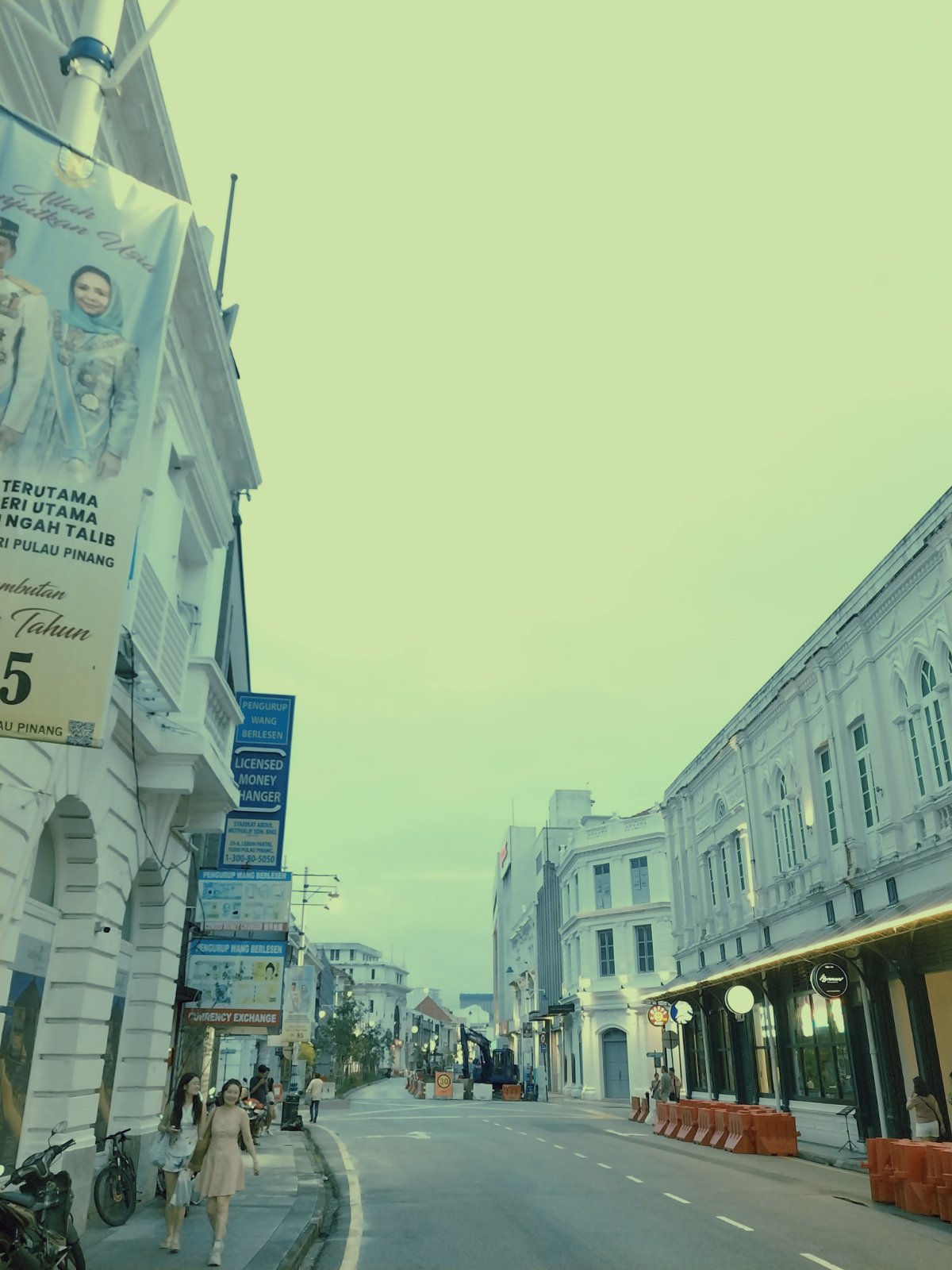
Beach street is one of the oldest roads in GeorgeTown, Penang established by Captain Francis Light between 1786-1787
George Town, the capital city of the Malaysian state of Penang, is positioned on the northeastern coast of Penang Island. Founded by Captain Francis Light of the British East India Company in 1786 as a free port and the first British settlement in Southeast Asia, the city was named after Britain’s monarch, King George III. It quickly became an important maritime trading hub along the Silk Road, attracting a host of Malay, Chinese, Indian, and European traders. This bustling urban center is now celebrated for its exciting multicultural history, colonial architecture, and street food gastronomy.
The unique townscape of George Town features historic pre-war buildings concentrated within its core. This built heritage serves as a living physical account of multicultural exchange, a heady cocktail of British colonial administrative design with Chinese, Peranakan, and Indian influences, evident in its neighborhoods, religious buildings, and the daily course of life. Over half of the population is of Chinese descent, alongside significant Malay and Indian demographics. In spite of its diversity, the city has maintained a laid-back small-town charm and a distinctly low-key, community-oriented pace.
The allure of the colonial architecture in George Town lies in its sheer variety, adaptive urban planning, and the effortless way it manages to bridge centuries of multicultural history. Unlike open-air museums, George Town boasts a historic heart that is a living and breathing neighborhood, where grand European institutional structures stand side by side with hyper-localized Asian architecture. This complex layering of distinct styles has created a visual character that has earned the capital its designation as a UNESCO World Heritage Site.
The British utilized European architecture to portray their institutional authority and economic triumph during the colonial period of the empire. It is easy to encounter grand, whitewashed public structures designed with symmetrical facades, Roman arches, and classical columns. The general vibe is imposing, with regal streetscapes evoking the atmosphere of a tropical British outpost. Whereas public buildings are exclusively British in style, the commercial and residential core is dominated by the Straits Eclectic style. The narrow, multistoried shophouses built by Chinese, Peranakan, and local merchants are a blend of European design elements with Asian influences. These charming structures feature a sensory overload of details, including pastel facades, decorative European tiles, and elaborate Chinese porcelain or plaster reliefs.
George Town’s food culture is a melting pot of multi-ethnic fusion, eclectic street hawker traditions, and a shared communal eating style. The strongest influence in this cuisine is known as Peranakan, a rich culinary practice created by descendants of early Chinese immigrants who intermarried with local Malays and Indonesians in the Straits Settlements. Peranakan cuisine, also referred to as “Nyonya,” has a flavor profile that relies on a delicate balance of spicy, sour (think tamarind or kaffir lime), and sweet (gula Melaka, or palm sugar), often enriched with creamy coconut milk. Peranakan cuisine has its foundation in a labor-intensive spice paste, hand-pounded in a stone mortar using fermented shrimp paste, galangal, dried chilies, shallots, candlenuts, and lemongrass to produce a signature aromatic flavor.
The ultimate Peranakan dining experience is undoubtedly Indigo at the Blue Mansion, inside the historic Cheong Fatt Tze Mansion on Leith Street. Cheong Fatt Tze was a Chinese magnate, highly regarded as the richest man in Malaya, with a reputed net worth of approximately US$2.4 billion in today’s terms. The Blue Mansion was built at the end of the 19th century, an architectural jewel worthy of the gentleman’s impressive stature.
Located on the mezzanine of this turn-of-the-century mansion, the restaurant combines contemporary fine dining with an atmospheric heritage setting. It is easy to fall in love with its nostalgic charm, showcased through Scottish wrought-iron Art Nouveau-style railings, wooden louvres, and classic Peranakan aesthetics. The draw here is obviously the setting itself, allowing diners to soak in a dining room shaped by history. The mood is sophisticated, blending old-world allure with low-lit modern luxury. Indigo’s interior, designed by Lawrence Loh, reflects the architectural language of the mansion.
The restaurant’s signature concept features a five-multicourse degustation menu handled by celebrated chef Kim Hock Su, of the one-Michelin-starred Au Jardin fame. The experience starts with an amuse-bouche inspired by Penang’s “otak-otak,” a steamed fish custard served cold on crusty sago crackers. This is followed by black olive sourdough bread paired with artisanal compound butter and preserved radishes, a common condiment elevated into a modern-day luxe experience.
The Penang-inspired lobster bisque soup came next, featuring freshwater prawns poached to achieve a balance of crunch and softness, served delicately with ikura in a broth reminiscent of “Hokkien mee.” The flavors combine savory and sweetness in equal proportions. Dining at Indigo carries a sense of timelessness, one that is hinged in place rather than tied to a particular occasion.
The restaurant offers texturally sharp main course options on its dinner menu, mostly inspired by local street flavors. The crispy fried free-range quail has its roots in a house-crafted “rempah,” a complex, fragrant spice paste. The quail is thoroughly rubbed with this intense spice and marinated before being deep-fried. The other entrée for the evening was the percik-roasted lamb, cooked to medium and devoid of any taste of gaminess. The lamb was infused with rosemary and chickpeas, while the tangy percik peanut sauce complemented its flavor. It was served with Indian-style pickles and layered over potato mash in a green peppercorn sauce reduction.
Dessert was the biku ambon mignardise, a classic honeycombed Indonesian sponge cake famous for its rich texture. The sponge cake is served with the house-made “kaya,” a fragrant pandan coconut jam, alongside freshly whipped cow’s milk.
“At its best, preservation engages the past in a conversation with the present over a mutual concern for the future.” — William J. Murtagh
From the crisp, modern execution of the opening seafood courses to the spice-laden depth of the main course, the menu bridges the gap between George Town’s past and the excitement of its culinary future. The Indigo dining experience allows diners to actively participate in the living, breathing legacy of the Blue Mansion.
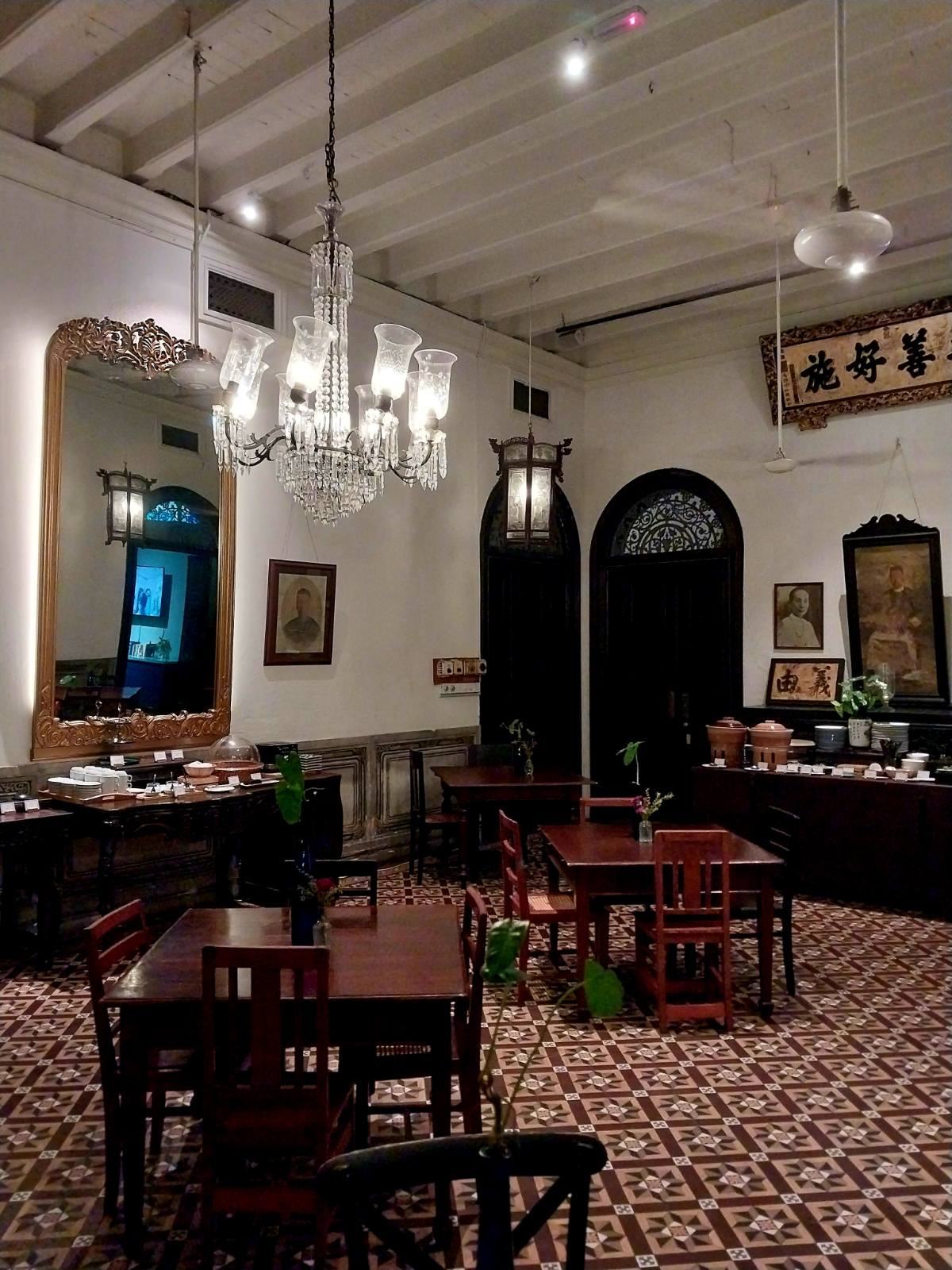
The mood in the Blue Mansion is sophisticated, blending Peranakan grandeur with quiet modern luxury.
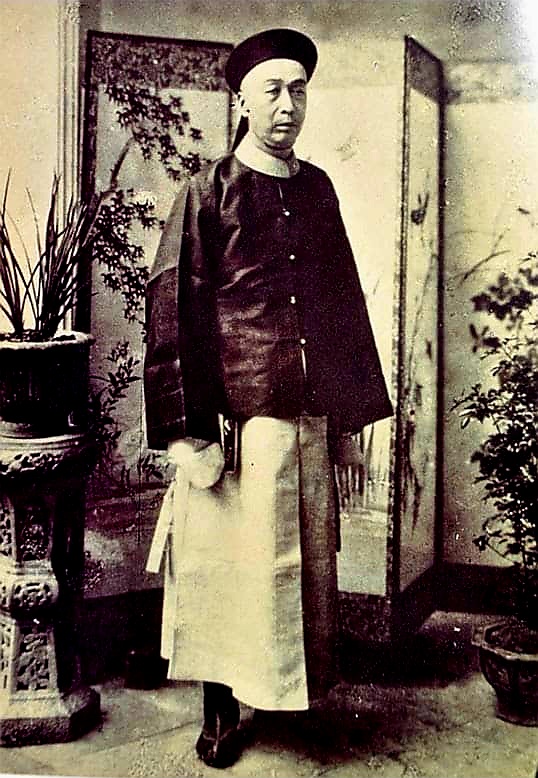
Cheong Fatt Tze was a Chinese industrialist who was once touted as the richest man in Malaya.
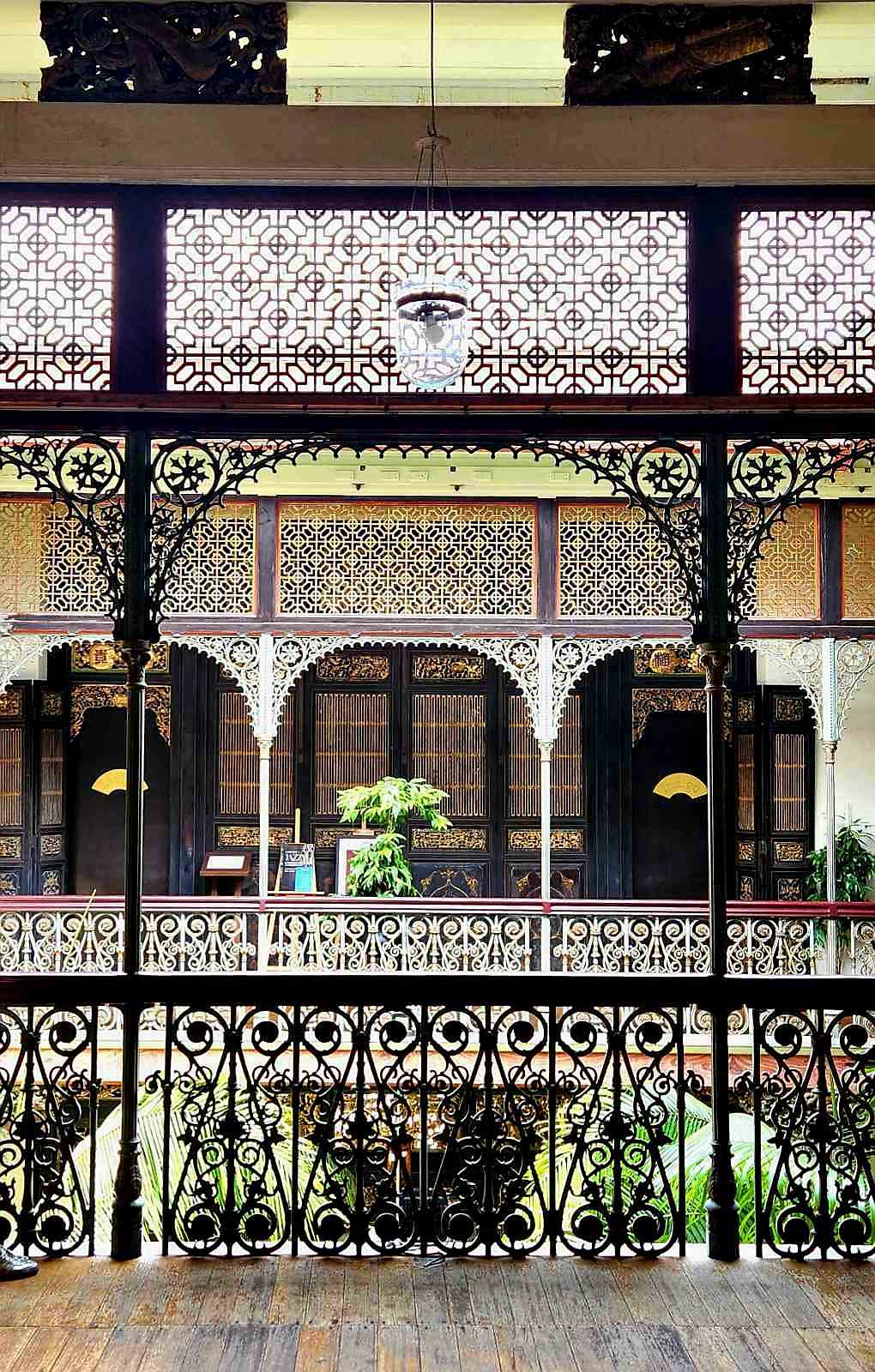
The lavish architectural details of the Cheong Fatt Tze Mansion include art-nouveau grill work from Scotland.
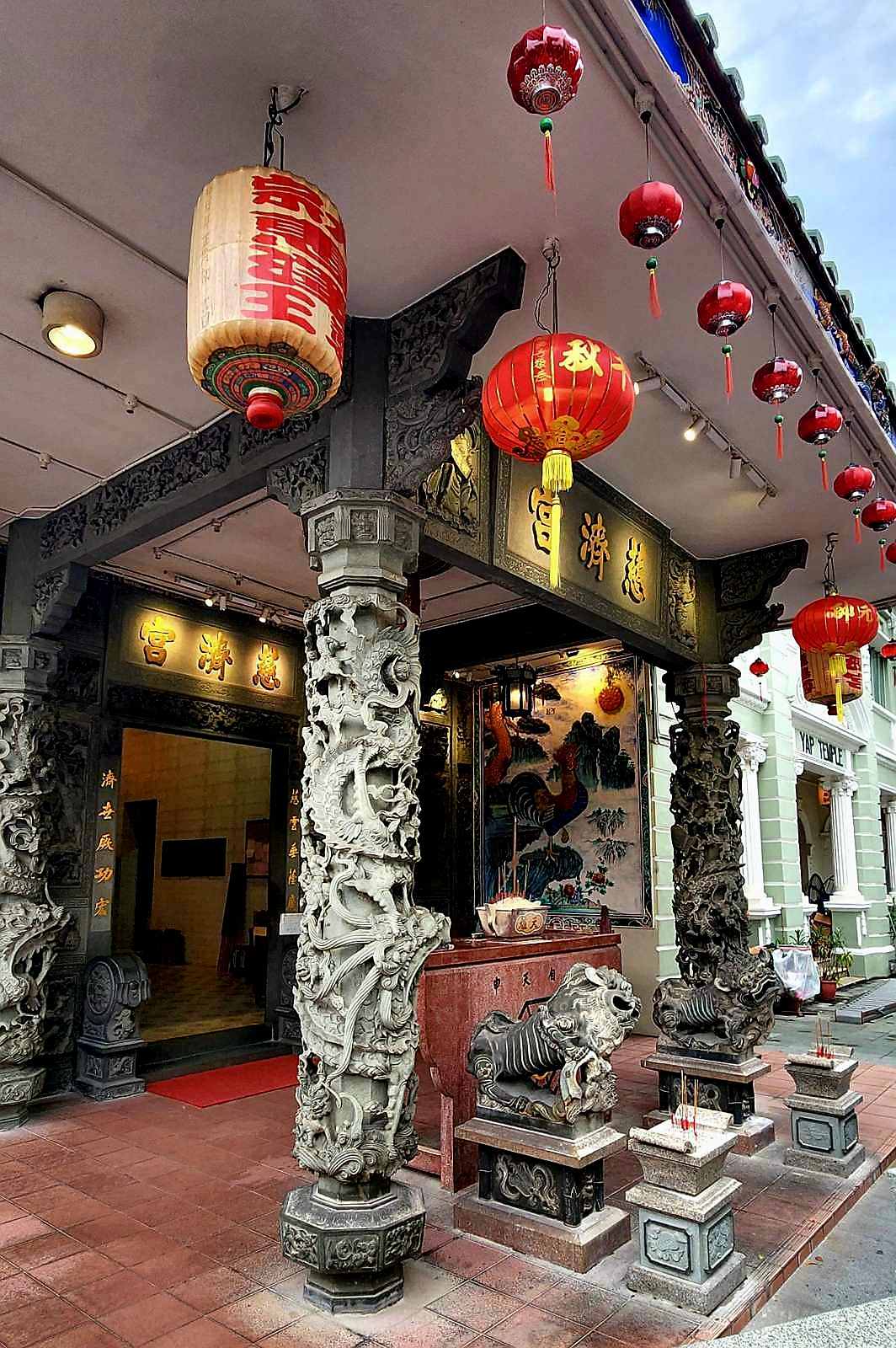
The ornate entrance of the Yap Kongsi Temple on Armenian street features stone-carved dragon pillars.
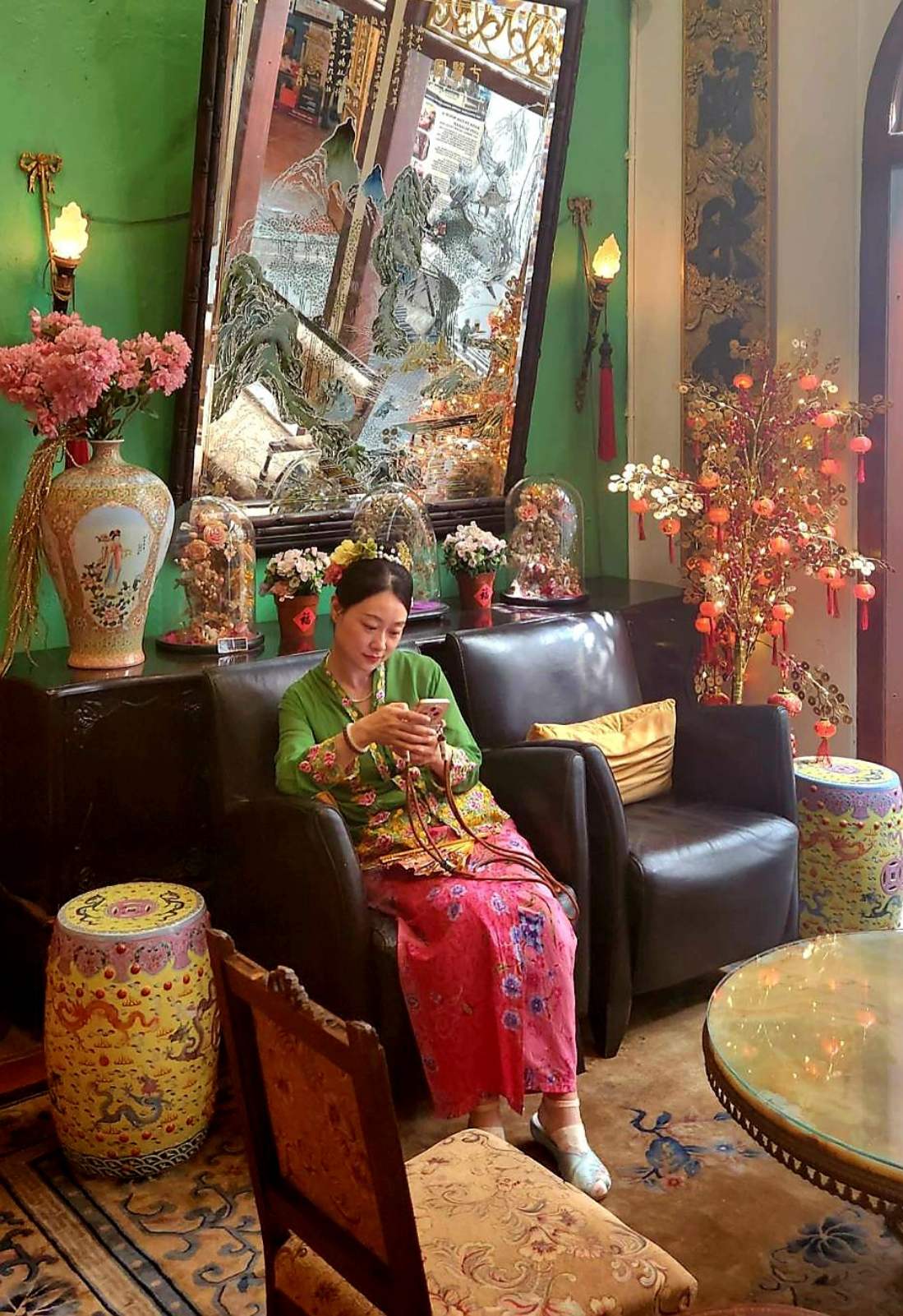
The Peranakan Museum is a restored 19th century heritage house that showcases the lifestyle and collections of the Baba-Nyonya community.
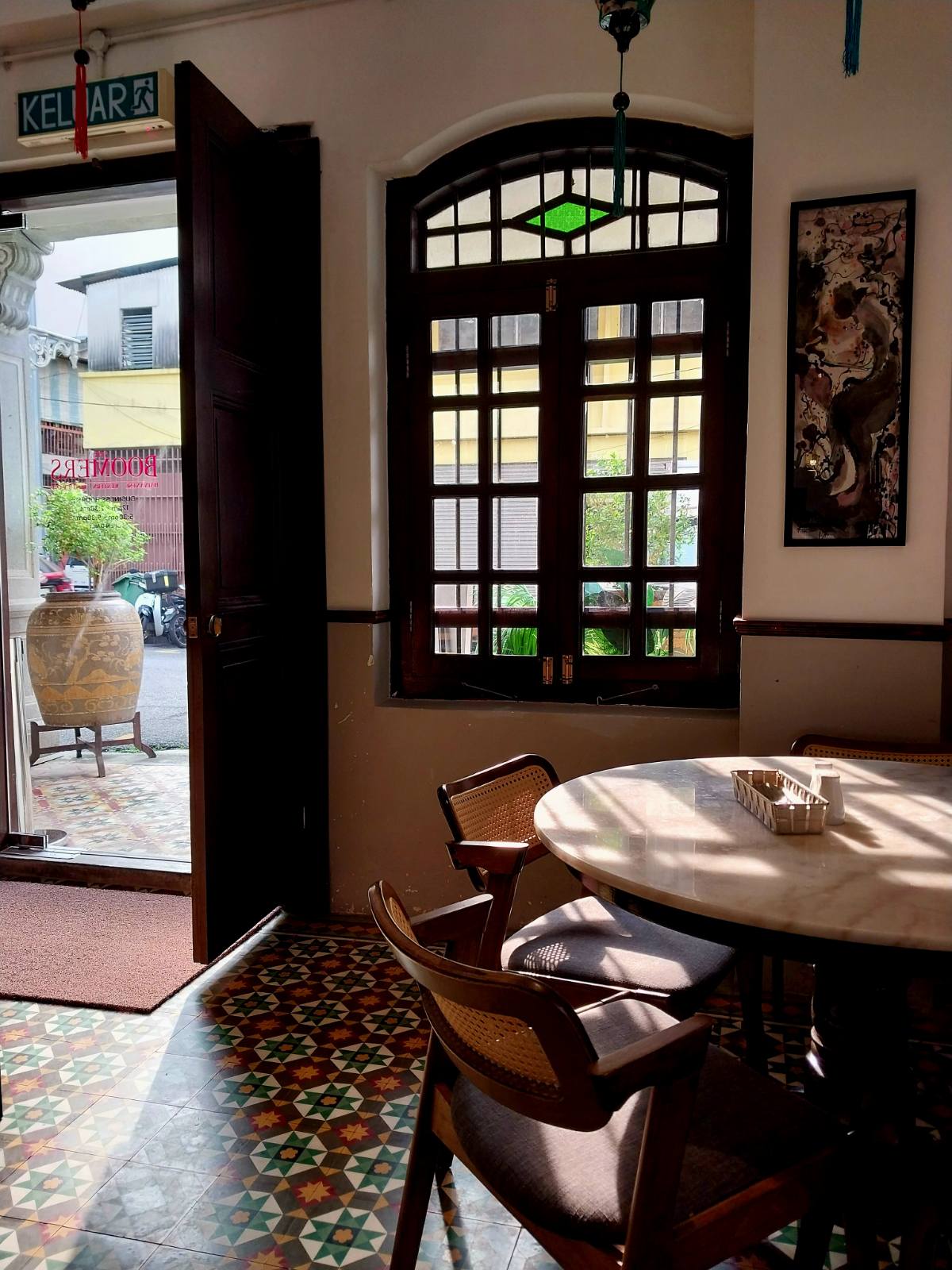
The breakfast corner at the Museum Hotel is decked out in Peranakan style architecture and antique furniture.
Travel
Sunlight in Siquijor: Discovering the Landscape Shifts and Coastal Plains of this Mystical Island
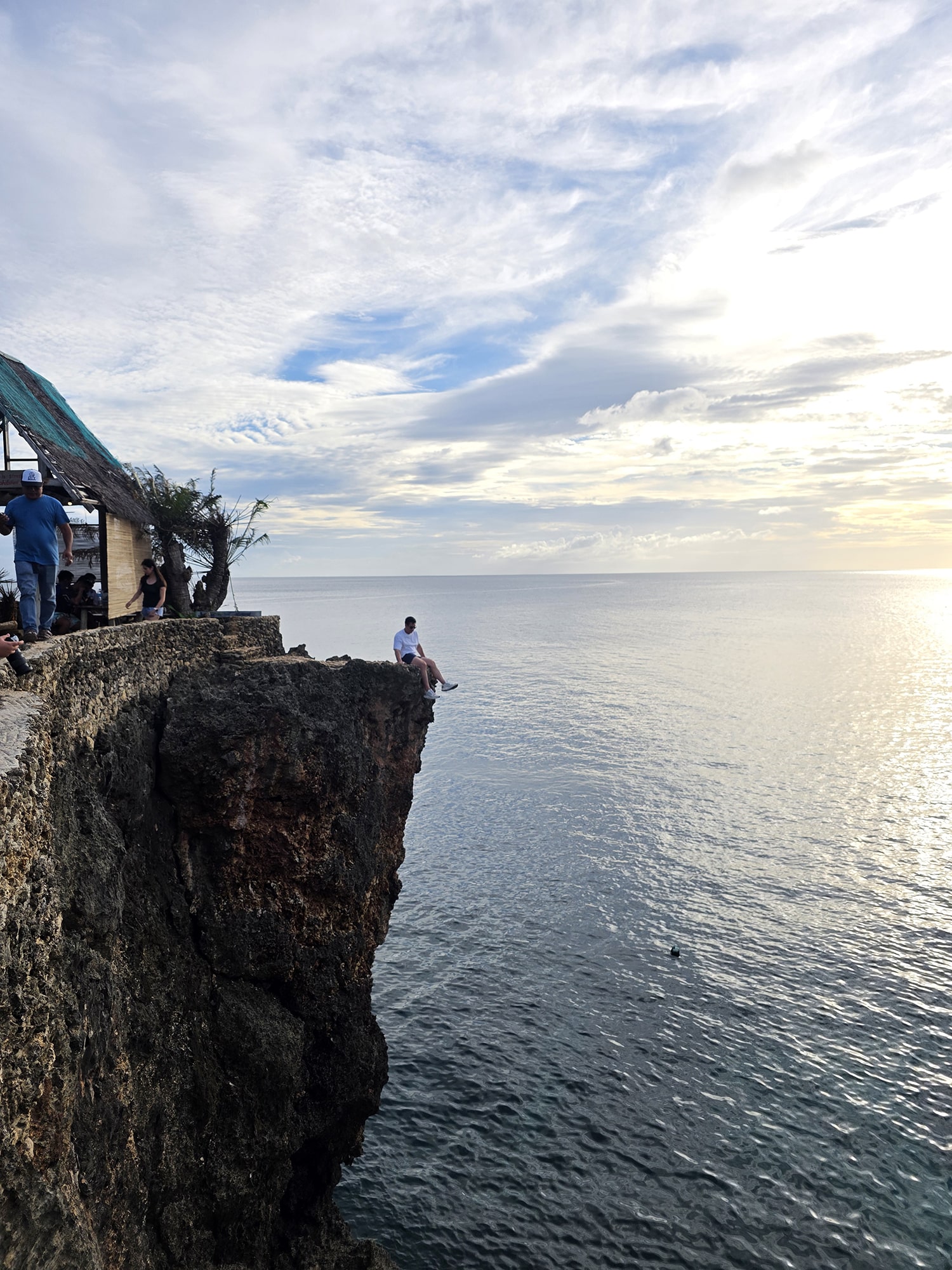
by Will Yap
Siquijor is a small circular island located between southern Cebu and Bohol. Its landscape shifts from calm coastal plains to dramatic cliffs and lush forests, giving it a well-known reputation as a “healing island.” The weather is typical of the Philippines—tropical and warm year-round, with sunny days during the summer months and rains in the monsoon season in the second half of the year.
Unlike more popular island destinations in the Philippines, Siquijor remains largely unspoilt—fewer crowds and a slower pace of life where its people have remained genuine and warm. The island is small enough to explore in a day, yet it offers a diversity of natural beauty. Adding to the island’s charm is its deep connection to folklore and the mystical. Siquijor’s history continues to fascinate visitors, beginning with pre-colonial trade prior to the Spanish discovery in 1565. Originally, the island was known as “Isla del Fuego” (Island of Fire) due to the proliferation of fireflies that swarmed the island at night.
Some trips arrive as a surprise, and this Siquijor getaway proved to be a welcome respite. Known for its healing traditions centered on spiritual and herbal remedies, Siquijor is definitely a place to revisit—an island that offers both spiritual calm and a laid-back beach lifestyle.
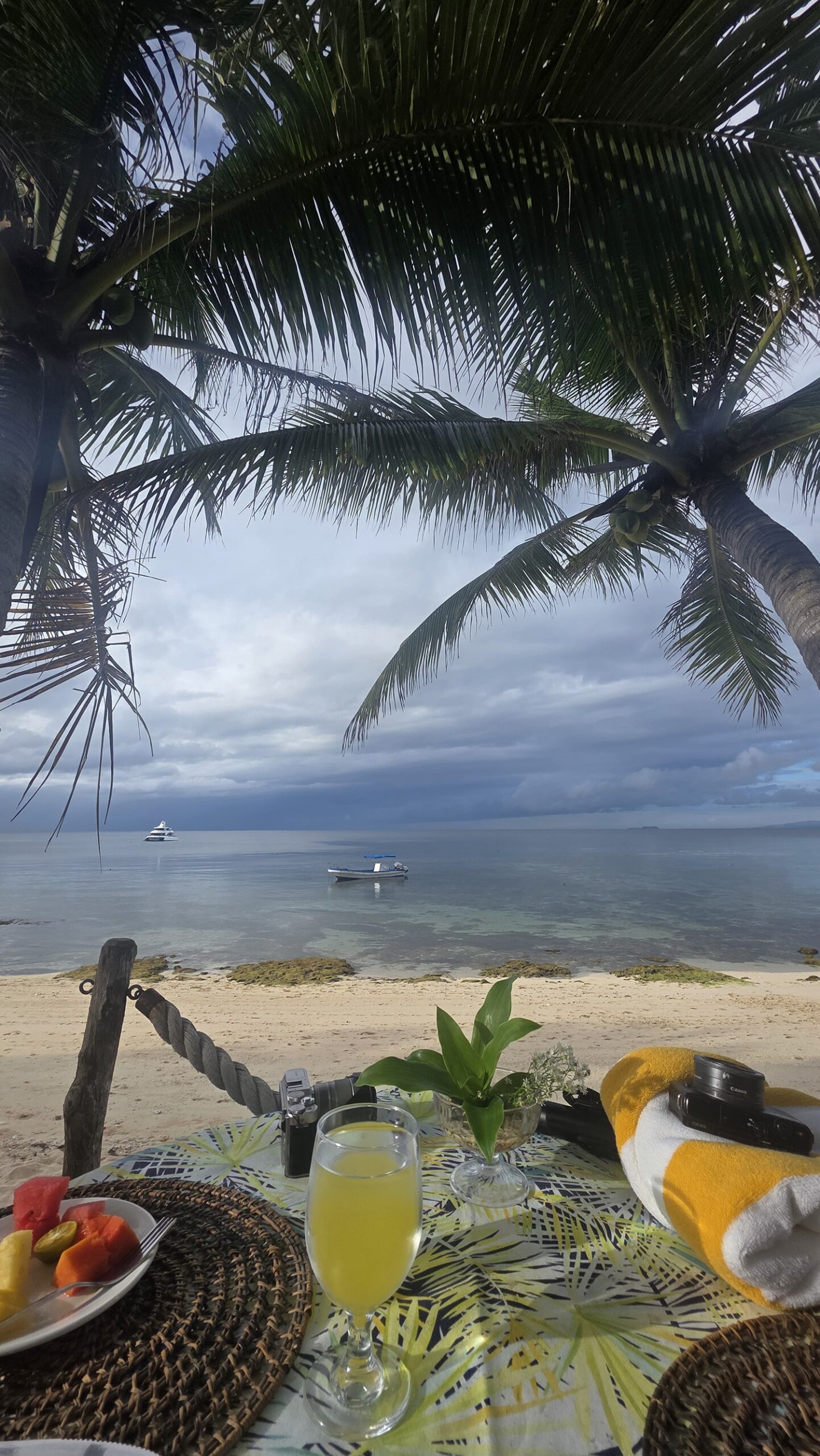
Slow, quiet mornings while enjoying the view at Sunset Restaurant, Coco Grove Beach resort.
Our party was flown via Sunlight Air, a boutique domestic airline designed for inter-island travel in the Philippines, with refurbished cabins offering wider legroom. The airline has a no-overbooking policy and complimentary in-flight snacks, small details that make the forty-minute flight from Cebu more relaxed and enjoyable.
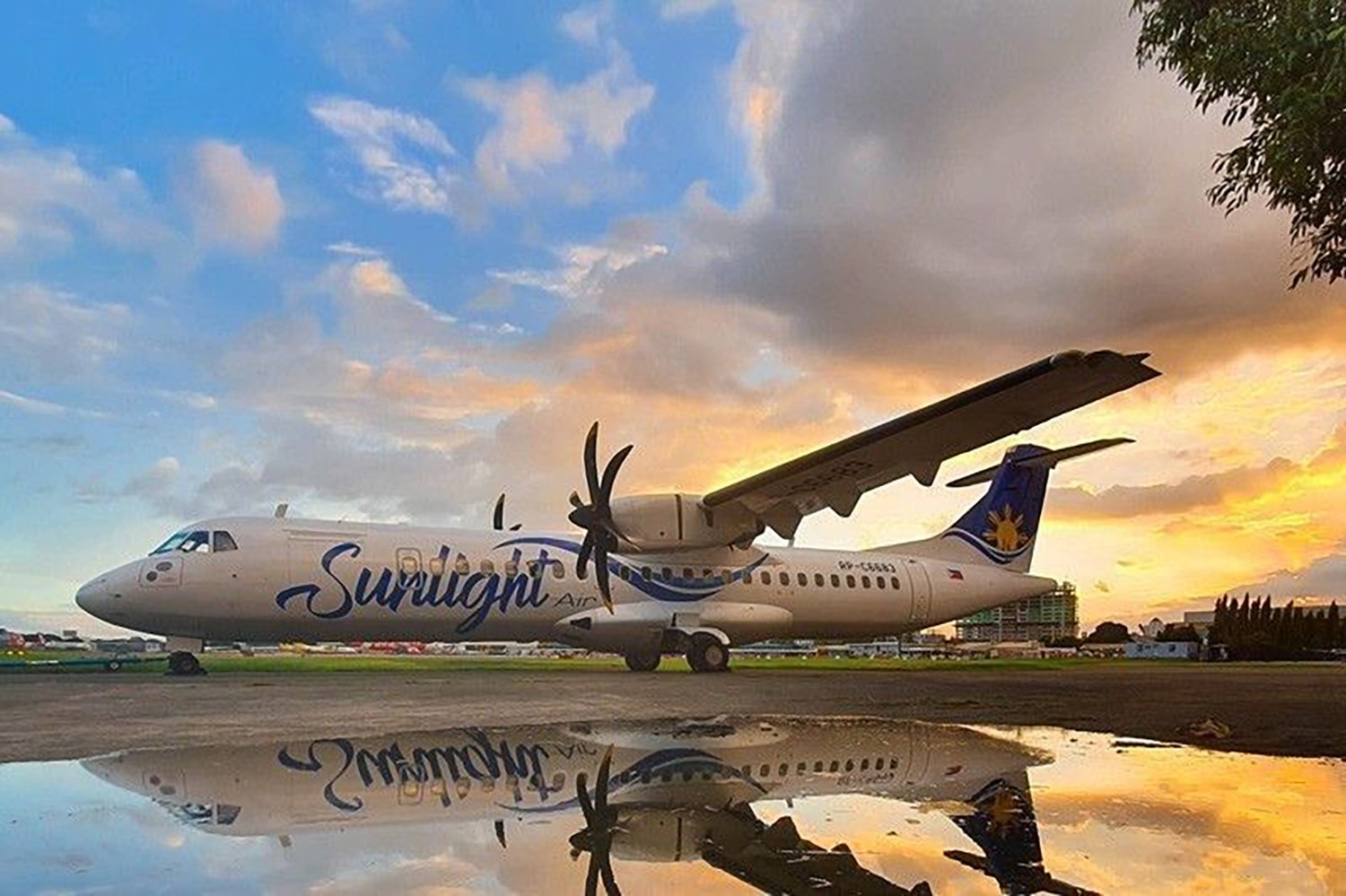
Sunlight Air operates a fleet primarily consisting of ATR72 turboprop with a capacity for 68 passengers.
Upon our arrival at Siquijor Airport, our party was greeted lavishly with dancers and drummers ushering our welcome. We were then driven to Coco Grove Dive and Spa Resort, where we were billeted for our stay. After traditional welcome drinks, we were hosted for lunch at the Sunset Restaurant before settling into our fine accommodations to rest and prepare for a sunset yacht cruise, followed by an enjoyable dinner with a fire dance show to cap the evening.
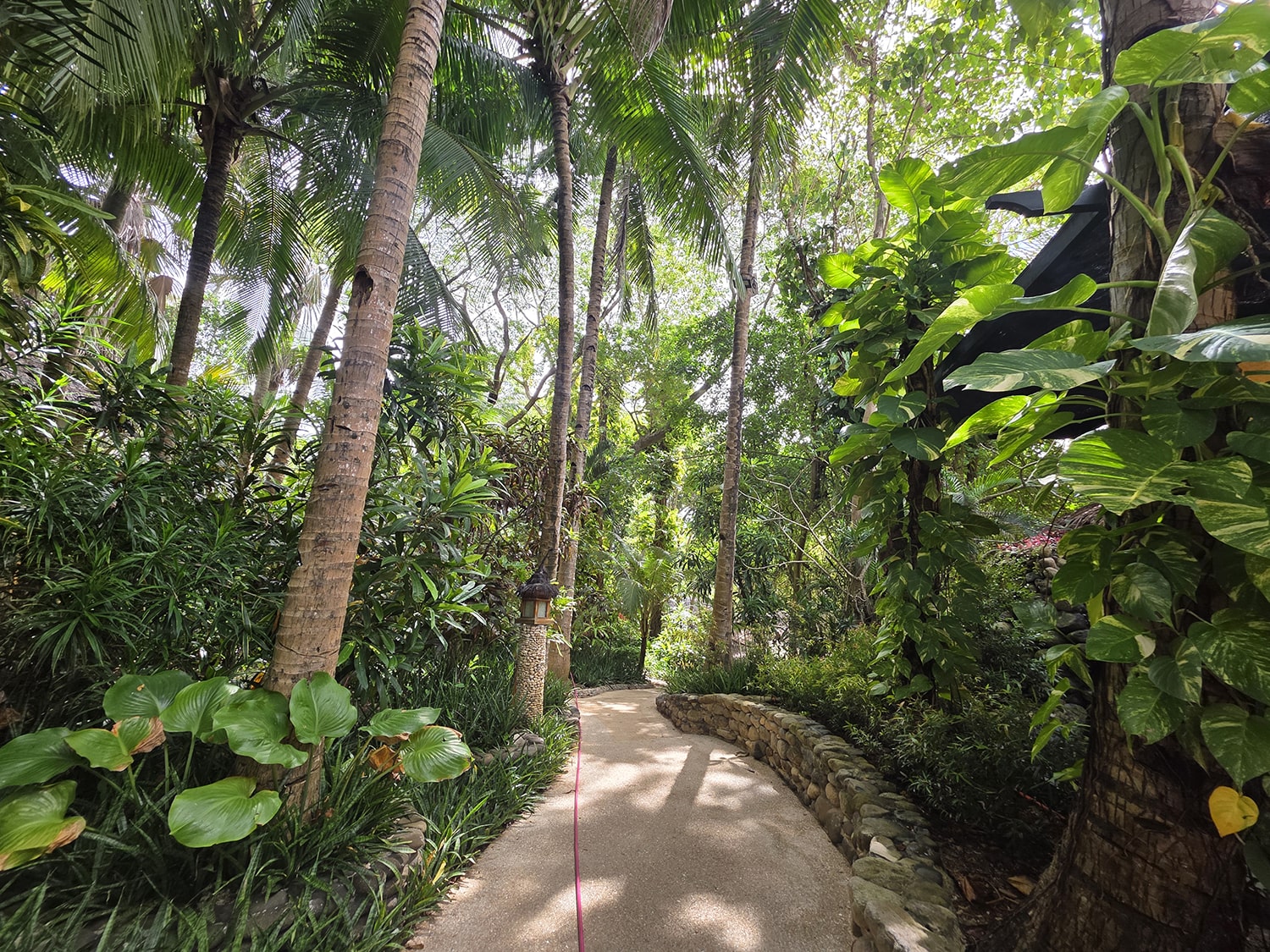
The lush greenery path walk of Coco Grove Beach Resort emanates tranquility.
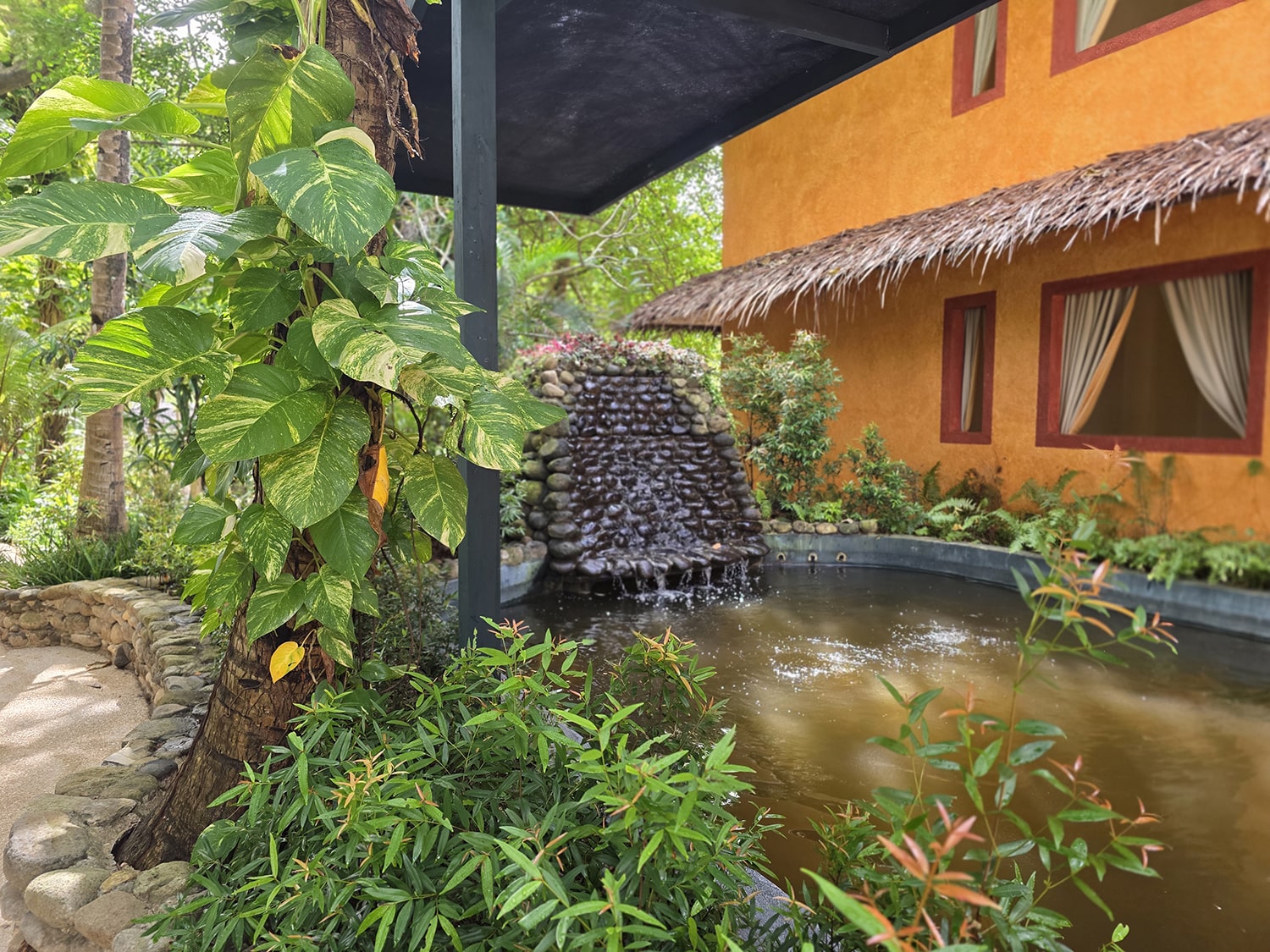
This peaceful corner makes every walk back to the room feel welcoming.
The following day, we explored St. Francis of Assisi Church, the island’s oldest cultural landmark, a stone’s throw away from the Siquijor Port. The church was founded in 1783 and was originally made of nipa palm fronds. In 1795, the church building was developed, with coral stones used as its main structural material by Spanish missionaries. Named after St. Francis of Assisi, the church reflects the island’s spiritual roots, with its patron saint known for his affinity for nature.
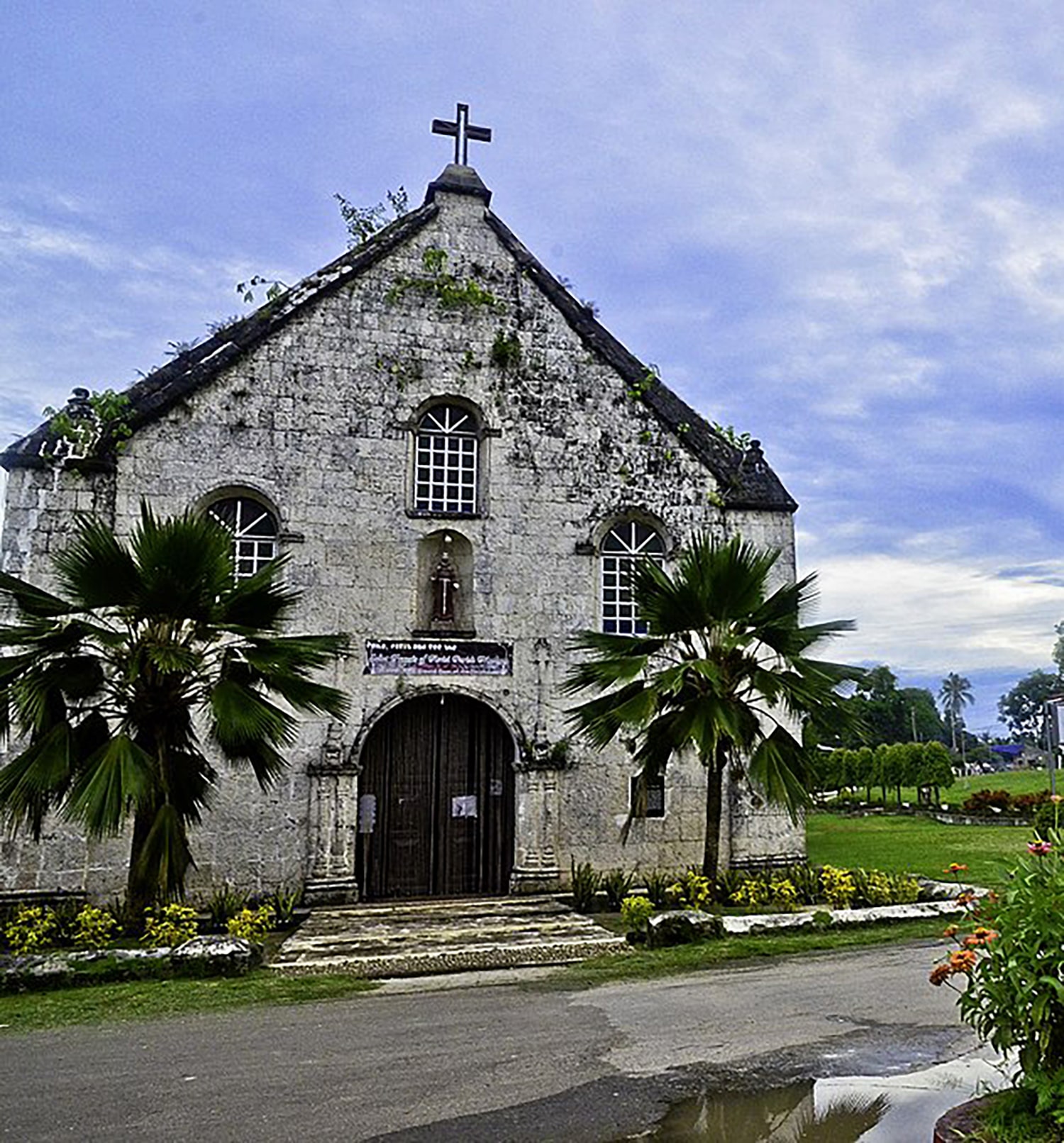
The famous St. Francis of Assisi Church made from Seastones welcomes guests in Siquijor’s main port, the Poblacion port.
Lunch after was at Paliton Beach, where we feasted on fresh seafood while lounging idly by the shore. Our next stop was the Mystical Balete Tree, a popular spot known for its ethereal atmosphere, gigantic roots, a spring-fed natural pool, and a “fish spa,” where tiny fishes nibble off exfoliating skin from your feet—a truly immersive and relaxing experience that blends natural wonder with folklore myth. The Balete tree signifies growth, renewal, and our sense of place.
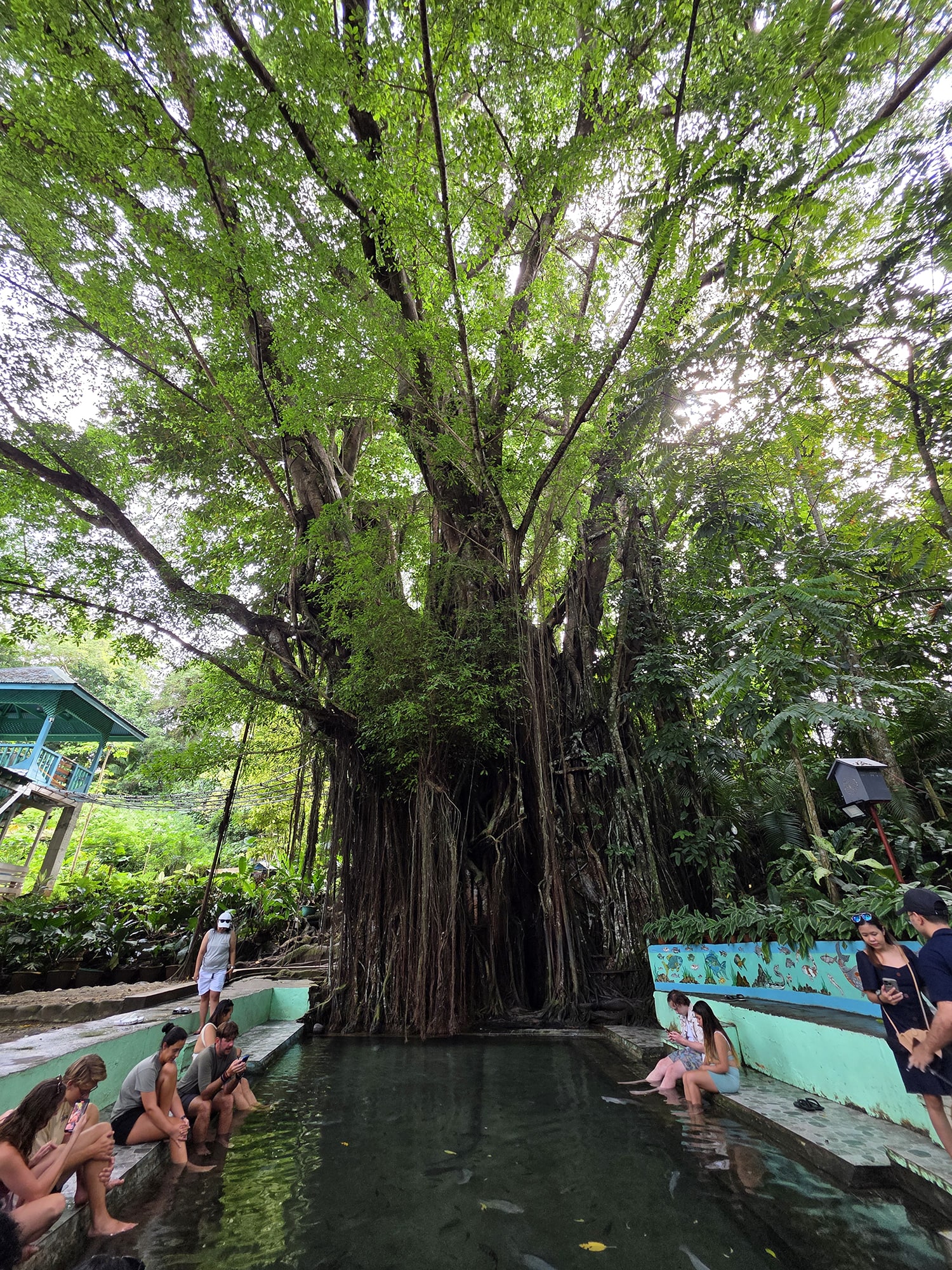
Tourists and locals alike enjoying the free fish spa at the Enchanting Balete Tree.
Next on the agenda was Cambughay Falls, a multi-tiered waterfall with clear, fresh turquoise waters and pockets of natural swimming pools. The falls cascade into three shallow pools ideal for swimming, diving, and even rafting. Surrounded by dense rainforest and limestone formations, it has a certain magical vibe.
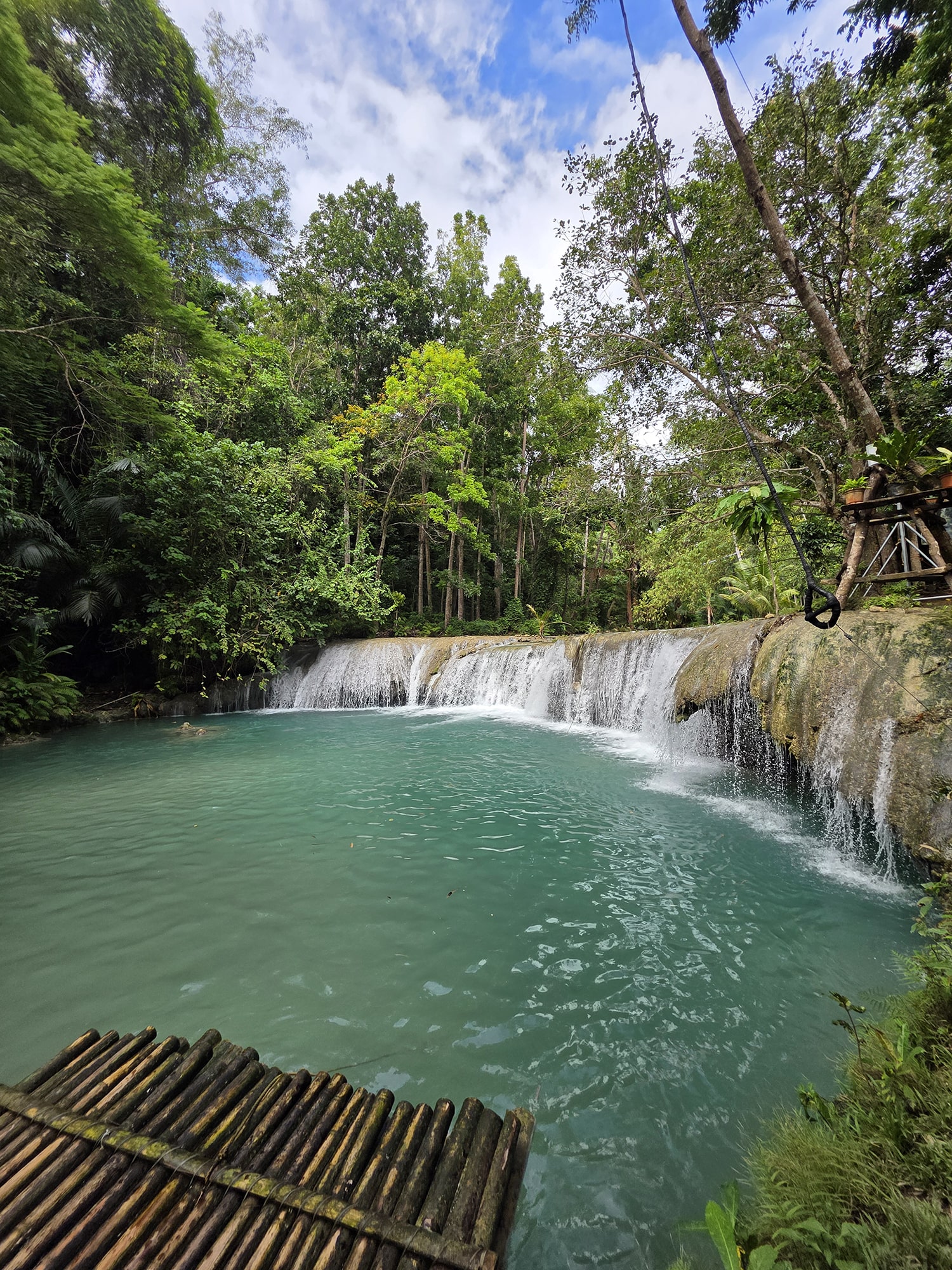
That picture perfect Cambugahay falls. A must destination when visiting Siquijor.
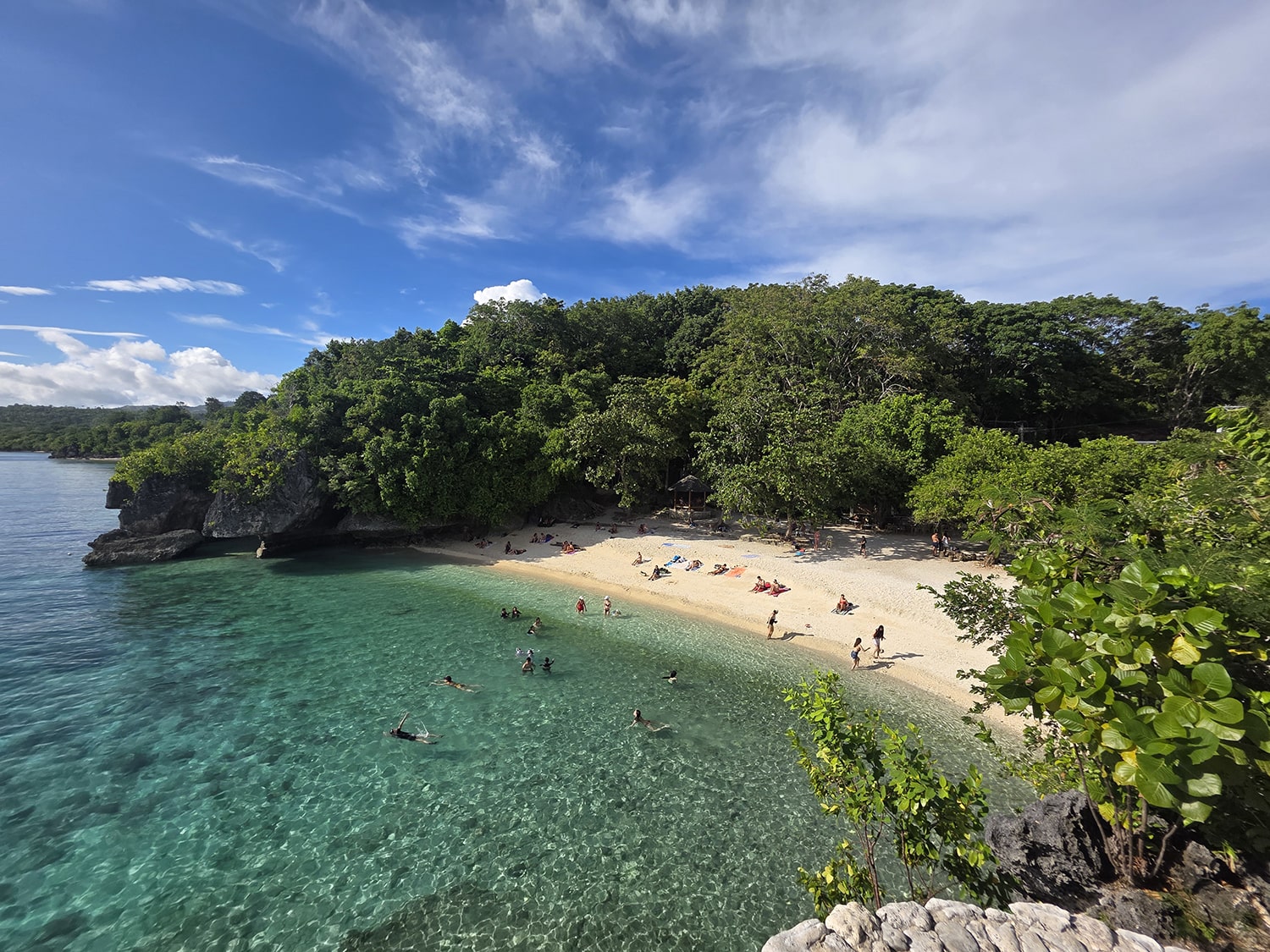
Salagdoong beach,famous for its clear waters and pristine white sands in a crescent shaped beach cove.
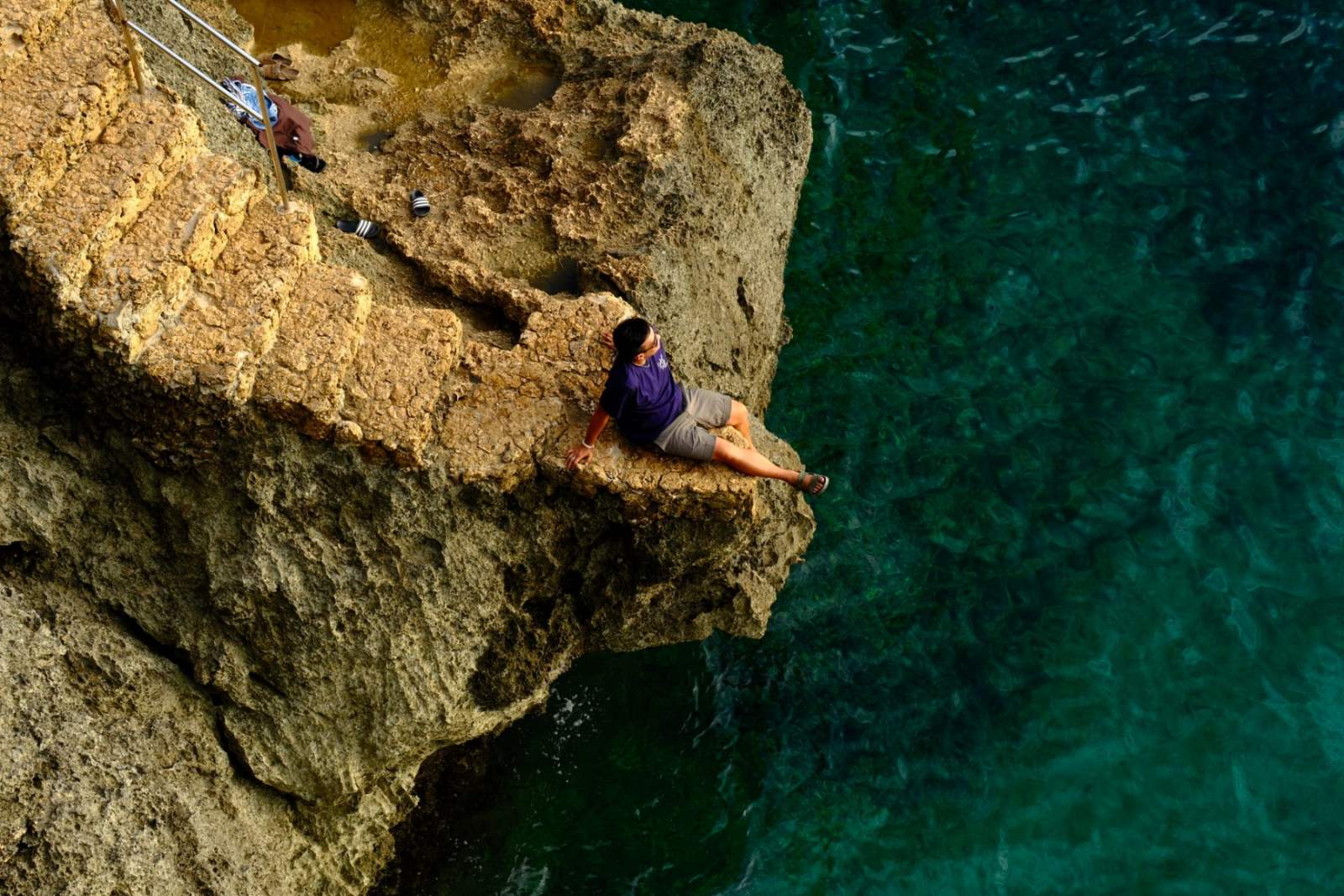
This writer Will Yap basking in the sunset view of Pitogo Cliffs.
Our final stop was Pitogo Cliff in San Juan, overlooking the Sulu Sea, just in time for the much-awaited stunning sunset view known for its peaceful atmosphere. Characterized by steep cliffs dramatically plunging into deep blue ocean waters, the cliffs are mantled in lush vegetation, mostly tropical palms like pitogo (native cycads), hence the location’s name. The Pitogo Cliffs face westward, giving front-seat views of the sunset, while the sound of waves crashing against limestone rocks offers a serene escape.
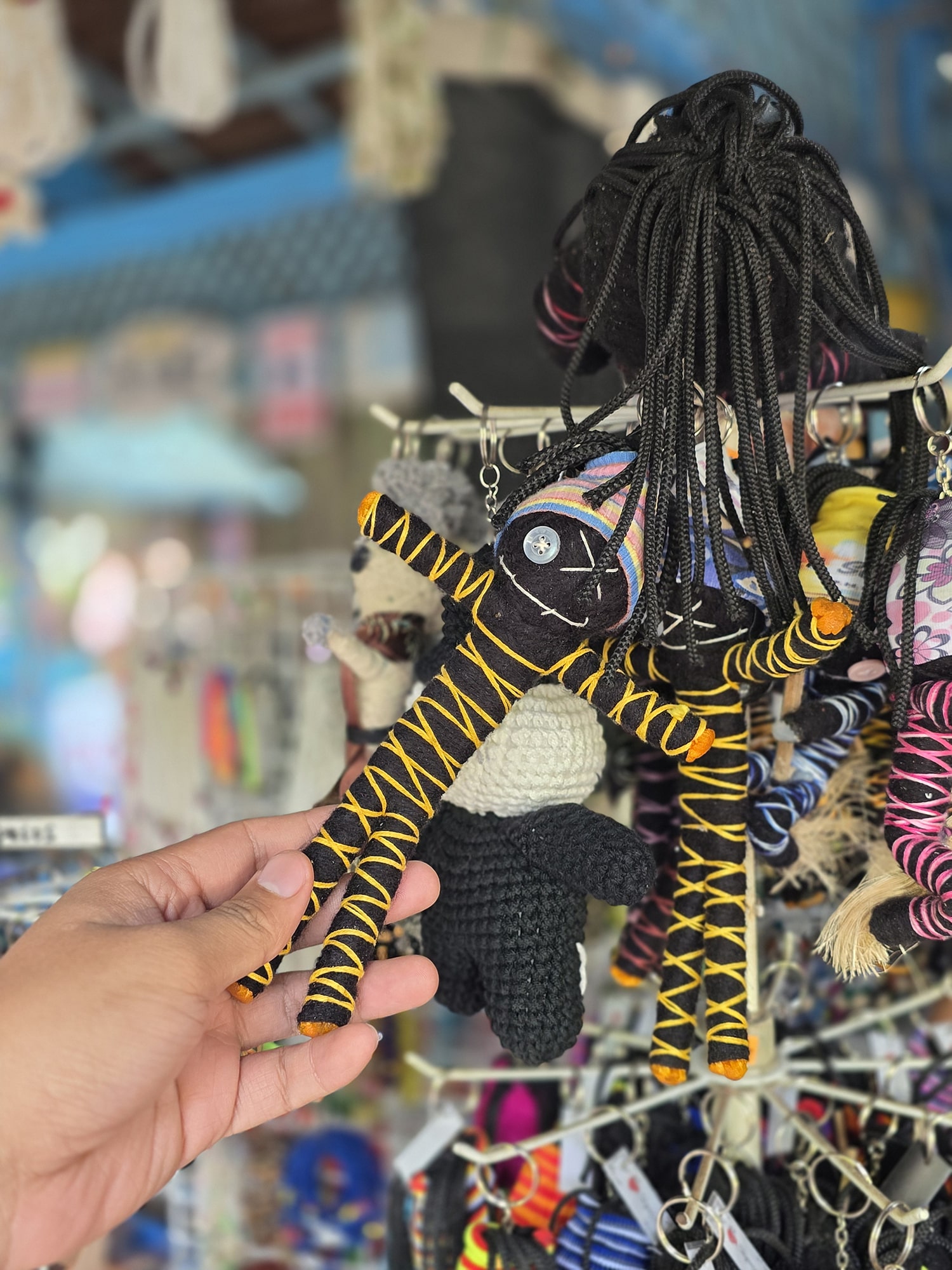
Little keepsakes with big folklore energy: voodoo doll souvenirs straight from mystical Siquijor.
If you’re planning your own Siquijor escape, book that flight, take that break, and let the island do its healing.
***
Starting December 15, 2025, travelers can now fly directly to Siquijor with Sunlight Air, eliminating the usual Dumaguete–ferry route. The new service offers direct flights from Cebu and convenient connections from Manila and Clark to Siquijor’s newly upgraded airport, supported by the provincial and local governments. To mark the launch, Sunlight Air is offering an introductory one-way base fare of ₱1,988 for Cebu–Siquijor flights, making the island’s beaches, waterfalls, and cultural heritage more accessible than ever.
Travel
Autumn in Istanbul: Fellow Travellers Share Turkish Delights

by Jing Ramos
Istanbul is a transcontinental city positioned between Europe and Asia, known for its rich history and upbeat modern identity. The city features a unique blend of Byzantine and Ottoman architecture and has a bustling metropolitan life straddled along the Bosphorus Strait. Like Rome, it’s an old city built on seven hills. In fact, Istanbul’s gradient characteristic originates from the Roman Empire. The cobblestone streets of Istanbul were crafted by Albanian craftsmen commissioned by Sultan Abdulmecit in the 19th century, giving the city an old-world charm.

The lobby of the Pera Palace Hotel exudes old world charm.
Stephen Aznar, who organized this brief interlude in Istanbul, couldn’t have chosen a more interesting address—after all, location is paramount. We were right in the heart of Beyoglu, a historic and vibrant neighbourhood on the European side of Istanbul. Cultural landmarks such as the Galata Tower, historical buildings, art galleries, numerous churches, and an engaging atmosphere of fascinating restaurants and cafés surrounded us. Not far from our apartment stood the iconic Pera Palace Hotel, built in 1895 for passengers of the Orient Express. Designed by French-Ottoman architect Alexander Vallaury, the hotel’s opulent architecture is a hybrid of neo-classical, art nouveau, and oriental styles. Famous names have graced the hotel’s registry, including Mustafa Kemal Atatürk, founder of the Republic of Turkey, and writer Agatha Christie, who reportedly drew inspiration from the hotel for her novel Murder on the Orient Express. Other notable visitors included Ernest Hemingway, Alfred Hitchcock, and Queen Elizabeth II.

Stephen Aznar by the Galata Tower in Beyoglu.

The interiors of the patisserie were given a facelift by renowned interior designer Anouska Hempel.

The china served in the cafe were naturally pink, a favorite color of the Atataturks.
Stepping into the patisserie of the Pera Palace Hotel is a journey into the Belle Époque—a dreamlike era when the art nouveau period flourished. This French-style bakery features a predominantly pink ambiance with cranberry tones, moiré silks, and velvet cushions. Interior designer Anouska Hempel refreshed the café’s interiors in 2013, enhancing its original design, and the result is “the glamour of a bygone era.” Dessert history spanning Istanbul to Anatolia includes a varied range of baklavas, rice pudding, and Turkish delights from the Ottoman Palace, as well as patisserie products, biscuits, tarts, and cakes that made their way to Pera in the mid–19th century. That particular afternoon, our guilty pleasure consisted of Turkish tea with a traditional caramel éclair and a lotus tart served on pink china—a favourite color of the Atatürks.

Tracey Emin’s Bazen/Sometimes, inkjet mounted on foam board 2009
The Elgiz Museum of Contemporary Art, located in Istanbul’s business district within the Beybi Giz Plaza building, is Turkey’s first contemporary art museum established to support the development of contemporary art. The museum is nonprofit, founded by Sevda and Can Elgiz, and houses the family’s private collection, showcases temporary exhibitions, and serves as a platform for young and emerging artists and curators.
Currently on exhibition is Season of Mirage, which explores the thin line between dream and reality through current works by Turkish artists and selections from the museum’s private collection. A journey through the layered world of art, the exhibition—named after a mirage—offers a visual feast shaped by artists’ observations of the modern world. The interplay between clarity and uncertainty provides viewers with an opportunity to transcend time and explore both past and present. And although the city of Istanbul remains deeply rooted in its glorious past, the present reveals a collective artistic voice expressing concern over societal challenges, vividly depicted in the images of Season of Mirage.

This writer, Jing Ramos soaking up the atmosphere at the Patisserie .

The Spice Route: George Town, Penang

Louis Vuitton’s Art of Travel at the Louis Vuitton Central Station; the Landmark Pop-up in Hong Kong

Retrospective: Oj Hofer Celebrates 40 Years of Fashion

Cebu Isn’t Chasing Trends Anymore
Golden Prince Hotel’s Sinulog Royalty Experience

SM Fashion Forum reveals Cebu’s style influencers
5 Filipino Films That Continue the Conversation on Women Empowerment
Noise and Sounds: An Artform

Christmas in Colonial Cebu: A Themed Exhibit by Teresin Mendezona and Eva Gullas for Stylescapes 2019

Artisanal Cebu: Aspiring calligraphy artist Abigail Condrado

Experience authentic Korean Barbeque at Da-In Restaurant

Chaine des Rotisseurs: A Night of Spanish Cuisine
-
 Retail2 months ago
Cebu Isn’t Chasing Trends Anymore
-

 Art Beat2 months ago
Why Does Yayoi Kusama Matter to Cebu?
-
 Fashion2 months ago
Retrospective: Oj Hofer Celebrates 40 Years of Fashion
-
 Fashion2 weeks ago
Louis Vuitton’s Art of Travel at the Louis Vuitton Central Station; the Landmark Pop-up in Hong Kong
-
 Travel2 weeks ago
The Spice Route: George Town, Penang
You must be logged in to post a comment Login