
Arts & Culture
This restaurant in Cebu brings the ‘and’ game
Ampersand at the Banilad Town Centre is one of the latest additions to the local dining scene, bringing together concepts and flavors in a way that earns its name.

Before Ampersand opened in Banilad Town Center last year, it was already garnering many curious queries. Its site had been covered with a sign simply bearing an ampersand, with a notice announcing its farm-to-table concept.

The façade of Ampersand (Photography by John Ong/Originally published in Zee Lifestyle, May 2015)
When its doors were finally flung open, everyone was raring to check it out, easily validated by the always-full dining room. The name itself was enough to make me a fan—it’s one of my favorite words, loving how it just rolls off your tongue. “We went with Ampersand because we’re bringing together three concepts—the deli, the restaurant and the bar,” explains owner Chandra Mercado, with partner Chef Tom Hines. Together, they also own Lulu and Hooch in Makati.
These three concepts effortlessly merge in an elegant space that mingles rustic country charm with homages to old world speakeasies. Mismatched dining room chairs—tufted classic shapes, large leather seats—are arranged around wooden tables with weathered metal legs, while spherical chandeliers that look like they belonged in an old English dining hall hang from the ceiling.

The entire place has a rustic country charm (Photography by John Ong/Originally published in Zee Lifestyle, May 2015)
The backlit shelves and refrigerated display boxes on one end comprise the deli side, showcasing a selection of cheeses, cold cuts, desserts and other condiments. Behind the counter, the brick wall serves as a backdrop to a chalkboard displaying what’s available—which include childhood staples like pan de coco and Spanish bread, that fondly bring back memories. “It’s sort of a gourmet version of old favorites,” says Chandra, adding that all the breads, cakes and pastries are made in Ampersand’s own kitchen.
Running the length of the restaurant is the show kitchen, where the team led by Chef Fortune Fulgar prepares an array of dishes for the most discerning palates—made all the more tempting with the occasional whiff of sautéing vegetables and simmering sauces. The ingredients used are locally sourced, save for some items like the Chilean sea bass, of course. A hanging herb garden is in one corner of the kitchen for easy picking.

Ampersand’s red wine-braised ox tongue. (Photography by John Ong/Originally published in Zee Lifestyle, May 2015)
“Everything is my favorite,” Chef Fortune laughs when asked if he had a particular favorite dish. He did recommend some of the new additions to their menu though. The black seafood cake with golden mixed seafood in cuttlefish ink velouté gives a spectrum of flavors, the panko crust giving way to the soft meat inside, while the seafood bouillabaisse’s creamy tomato crustacean sauce perfectly complements the chunks of fish, squid and shellfish. For those looking for something heartier, the red wine-braised ox tongue is perfectly cooked—tender, full-flavored and accompanied with a rich creamy sauce that’s soaked up by the olive oil mashed potatoes.
It’s hard to imagine you’d still have space for dessert after that, but I assure you, their selection deserves some room. The citron-green tea cheesecake is light and refreshing, the green tea-infused and lemon-glazed homemade yogurt giving the sweetness the perfect touch of tang. A true star, though, is the chocolate ganache cake, layers of decadent chocolate that’s so delectably good.

Chocolate ganache cake. (Photography by John Ong/Originally published in Zee Lifestyle, May 2015)
At the other end of the room sits the bar, where subdued warm lighting casts an inviting glow. Incandescent bulbs hang in varying lengths from industrial-grade pulleys give it that utilitarian chic look. The open shelving that line the brick wall displays an impressive collection of liquors. “We want Cebuanos to try more cocktails, to show them much more than the mixed drinks that are usually offered,” Chandra says. Ampersand pays just as much attention to the cocktails’ flavors as they do with the food, with a list of signature drinks that explore a more unique side of inebriation. The Salcedo Ave. is a drink usually served at Lulu and Hooch, but has also gained popularity for its cool combination of Grand Marnier, Grey Goose, lemongrass syrup, caramelized lemons, pineapple juice, cilantro and ginger ale. Representing Cebu, the K8 is also being served in Manila, its calamansi flavors giving the Bacardo 8 Años Rum a nice kick. A wide selection of craft beers is regularly shipped in from Manila, with more variations to be offered soon.
It’s easy to understand why those who have visited Ampersand are now singing its praises—and it’s clear I’m soon going to be one of them. More than the charming décor and excellent selection of food and drinks, it’s about how they are pushing the local dining standard to another level by adding bold new flavors to the familiar, and doing it with the best ingredients and a great amount of style.
AMPERSAND
Banilad Town Center
6332. 416 1233 | 63. 915 774 8308 | 921 410 7763
Facebook
photography John Ong


Arts & Culture
Art Beat: Scenes From the Manila Art Fair 2026
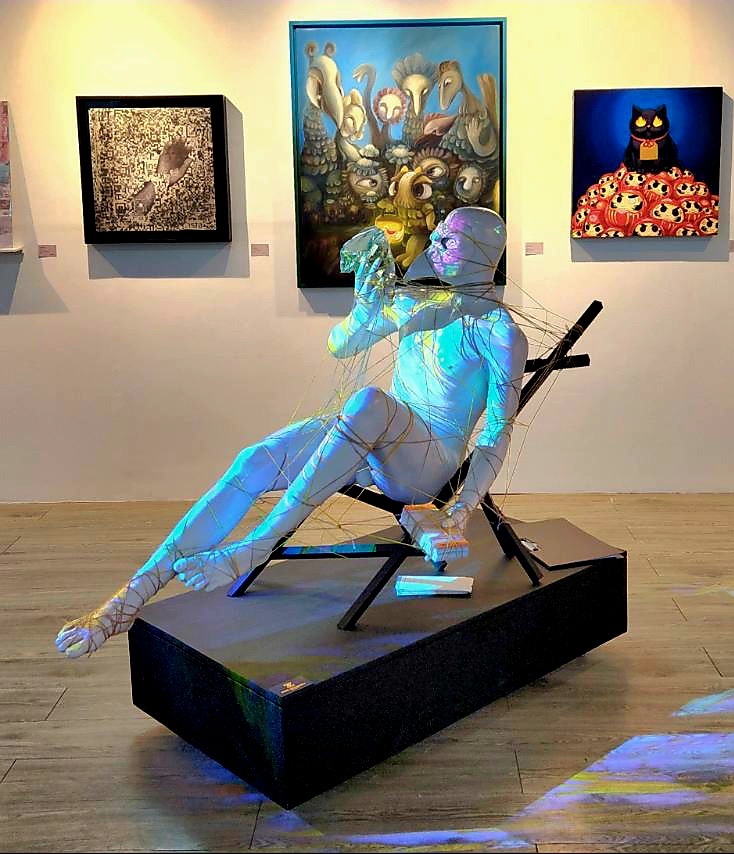
photography by Doro Barandino
“Art is unpredictable and goes in different directions. I have no idea. I would rather live the present moment.” —Bencab, National artist of the Philippines.
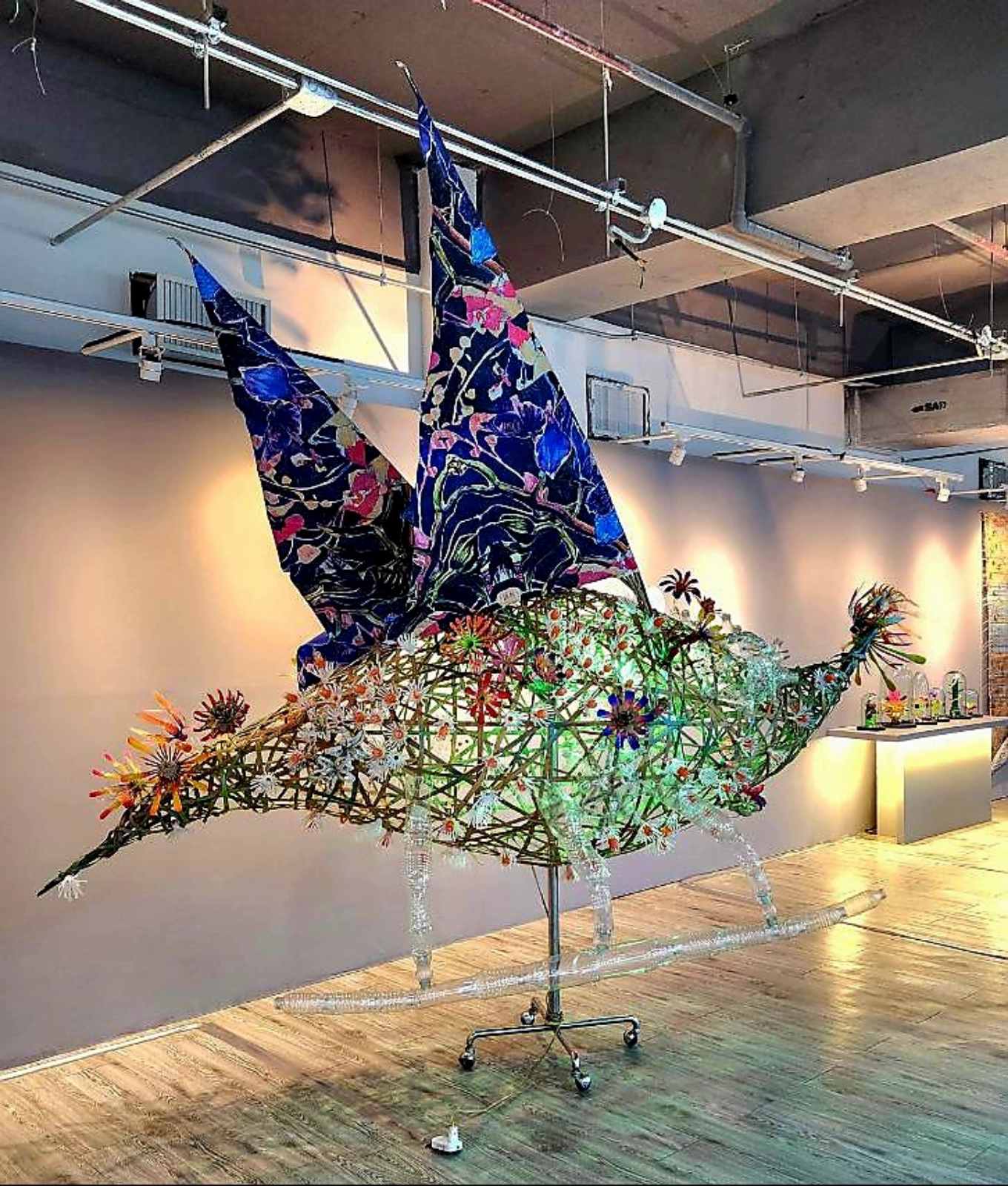
Vinta by Protegeri, collaboration art piece by Leeroy New, Solenn Heuseff and Vito Selma
Q&A with interior decorator and jewellery designer Doro Barandino
Which of the participating art galleries had the most unified and exciting theme?
Leon Gallery had the most amazingly put-together collection. Though the gallery engaged various artists, the overall visual effect felt like one unified theme. Leon Gallery used a sack-like cloth (most likely raw linen) as the background for the booth, and it brought the collection together. It had an old-world feel in a chaotic setting.
Who were the artists that were the most visually engaging?
The works of Carlo Tanseco were definitely my favorite. The artist used an eye chart (Snellen chart) as the background for the image of Dr. Jose Rizal giving us the middle finger—such an “in your face” message. The concept of our national hero as a modern-day provocateur was a wake-up call to everyone. Very subversive and underground material. I was also attracted to the works of Japanese artist Tadashi Kogure; they’re very architectural.
Was the choice of venue and its layout helpful in engaging the whole art vibe?
What I noticed was that the masters like Juan Luna, Fernando Amorsolo, and Fernando Zóbel still attracted the most viewers at the art fair. People are naturally drawn to their masterful strokes and historical significance, or perhaps these artworks are not readily accessible for public viewing. Or maybe those booths that carried the masters’ works were strategically positioned right after the registrar.
The choice of venue at Center One was a good move—it created a total art vibe. Manila Art Fair remains the premier art fair in the country today, showcasing the finest modern and contemporary art while offering curated projects and immersive installations.
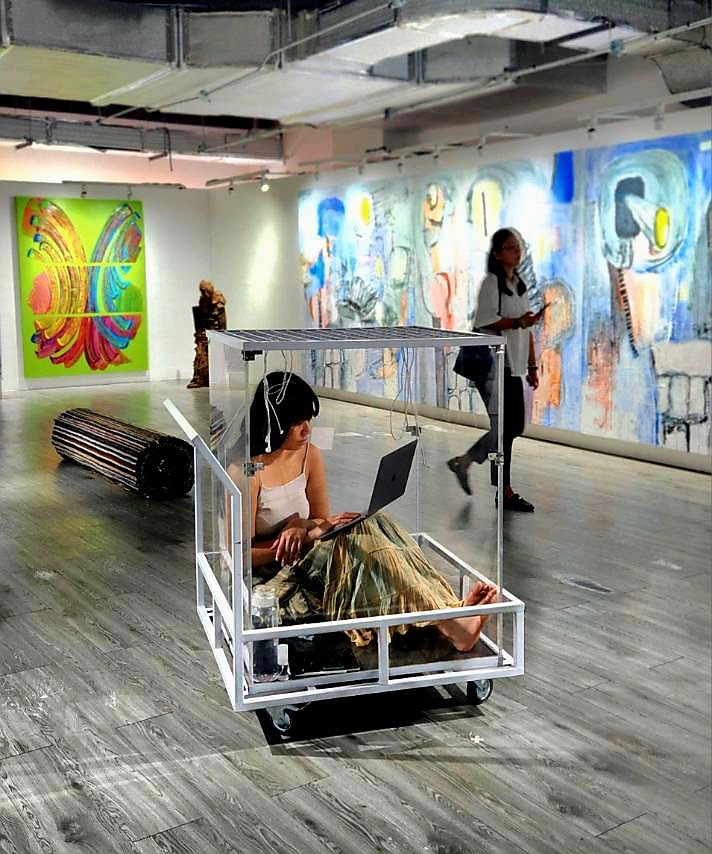
The Standard by Thai artist Pitchapa at the Triangular durational, performance art.
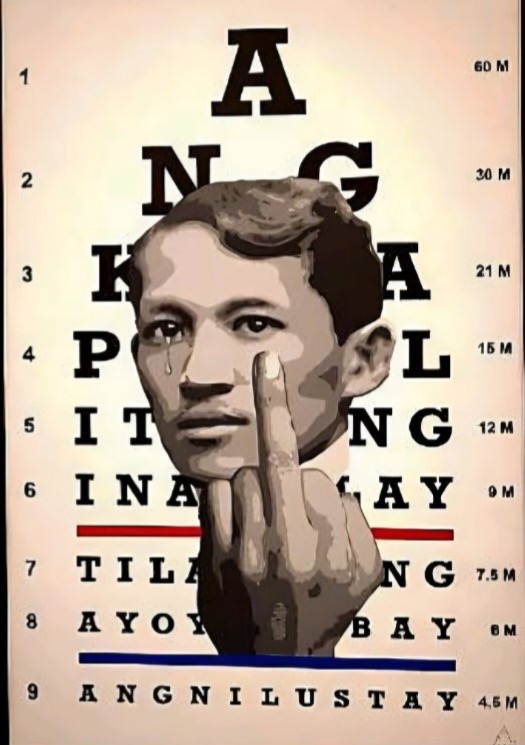
Bato Bato sa Langit by Filipino artist Carlo Tanseco
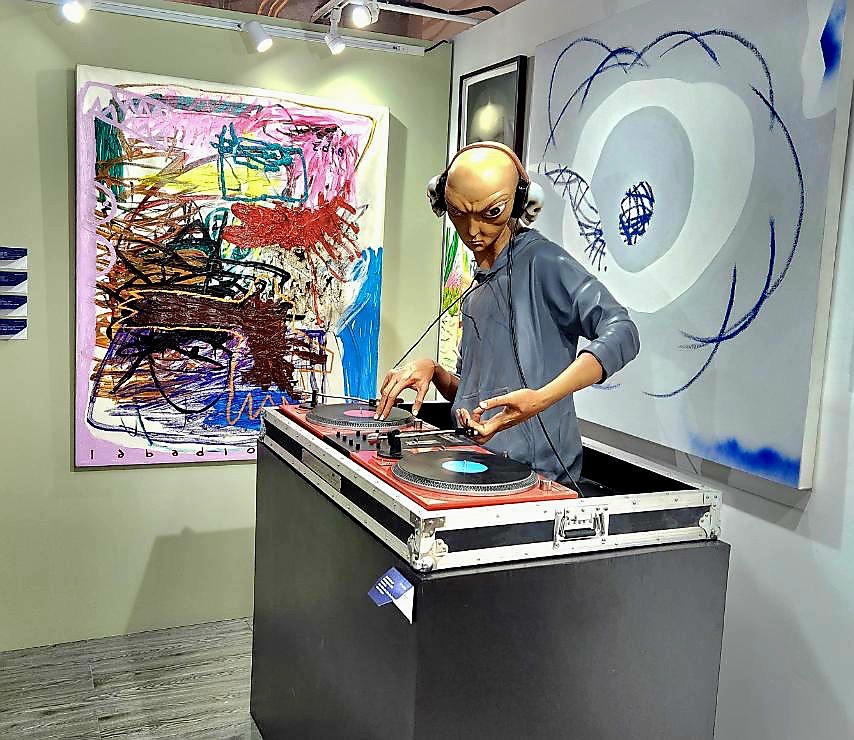
Stocking Proportions Menumpuk Proporsi by Indonesian artist Labadiou Piko
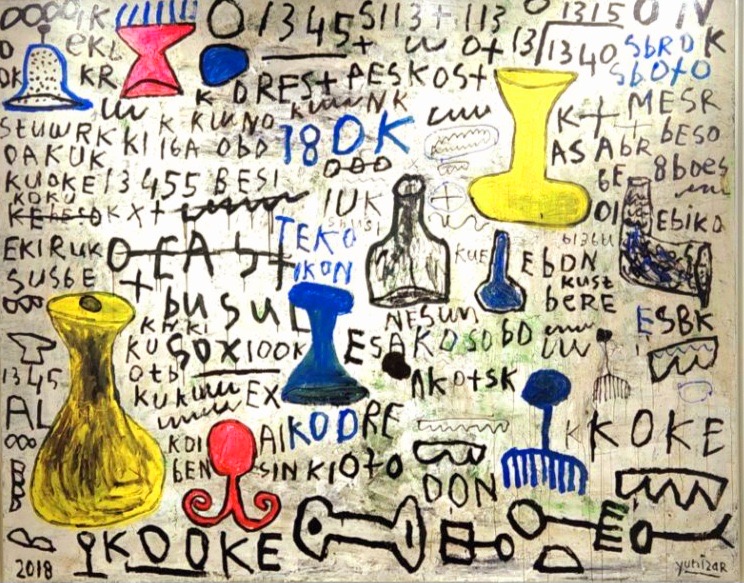
Untitled by Indonesian artist Yunizar
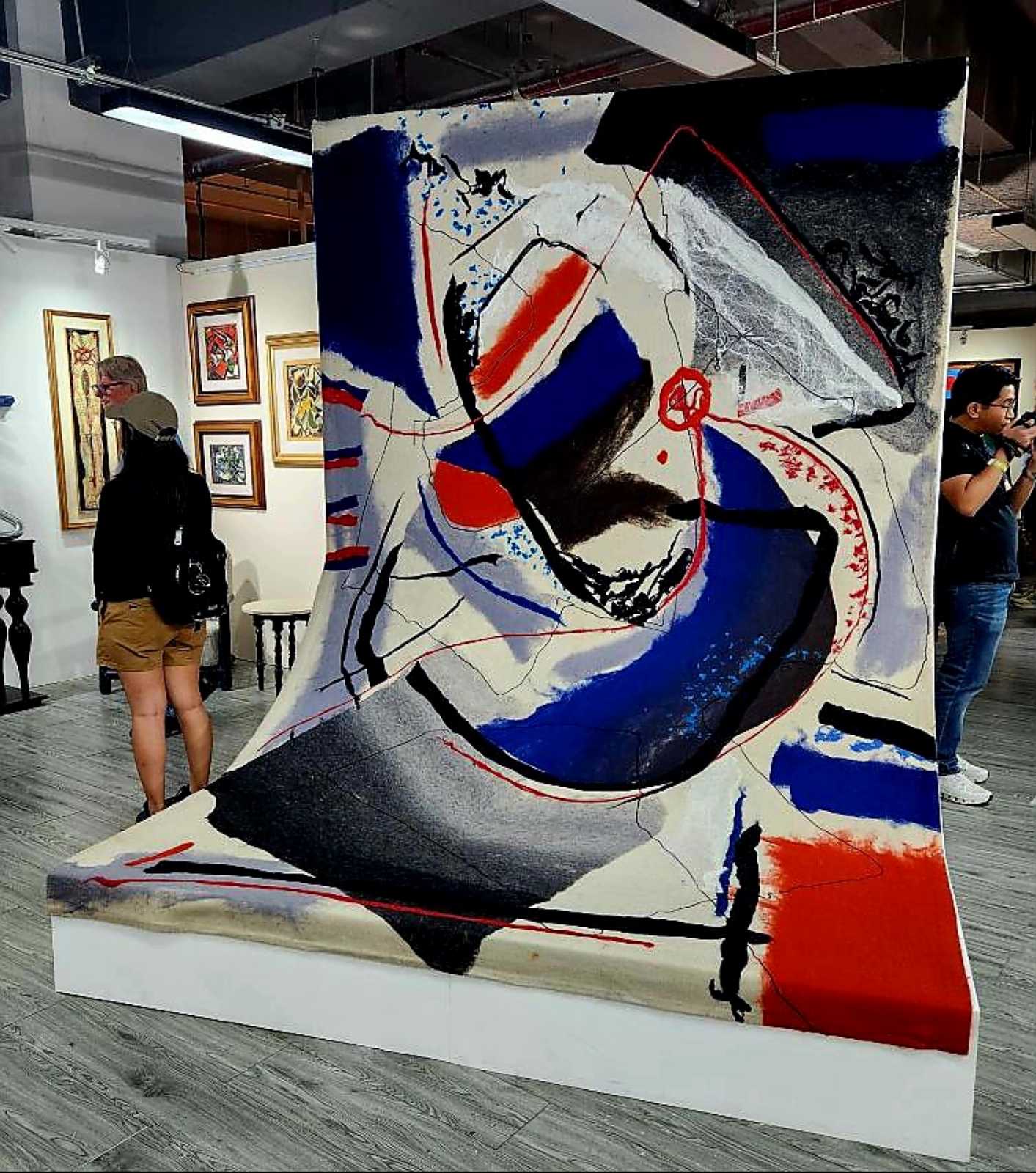
Filipiny, wool tapestry by national artist of the Philippines,Federico Aguilar Alcuaz.

Untitled by German artist Valentin Elias Renner
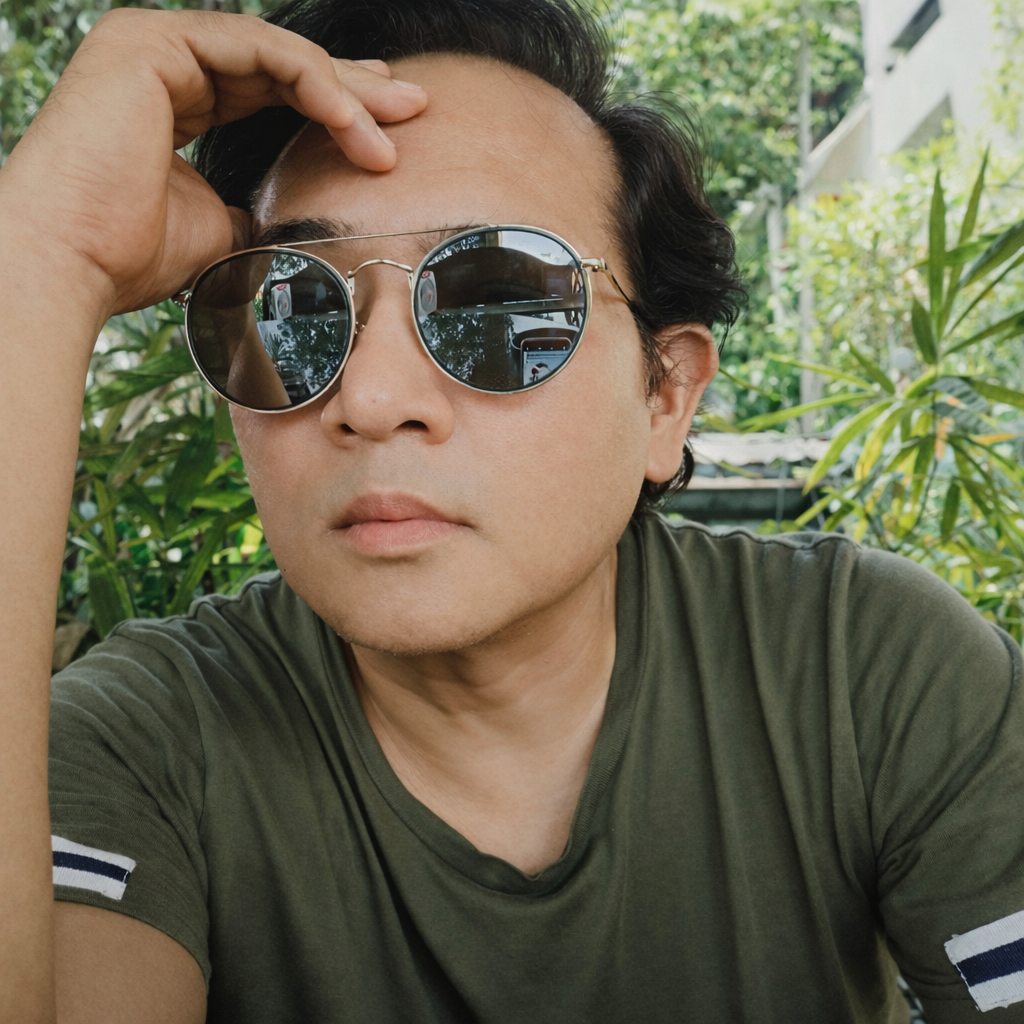
Interior decorator and jewellery designer Doro Barandino is also a regular contributor for zee.ph
Arts & Culture
Visayas Art Fair Year 5: Infinite Perspectives, Unbound Creativity
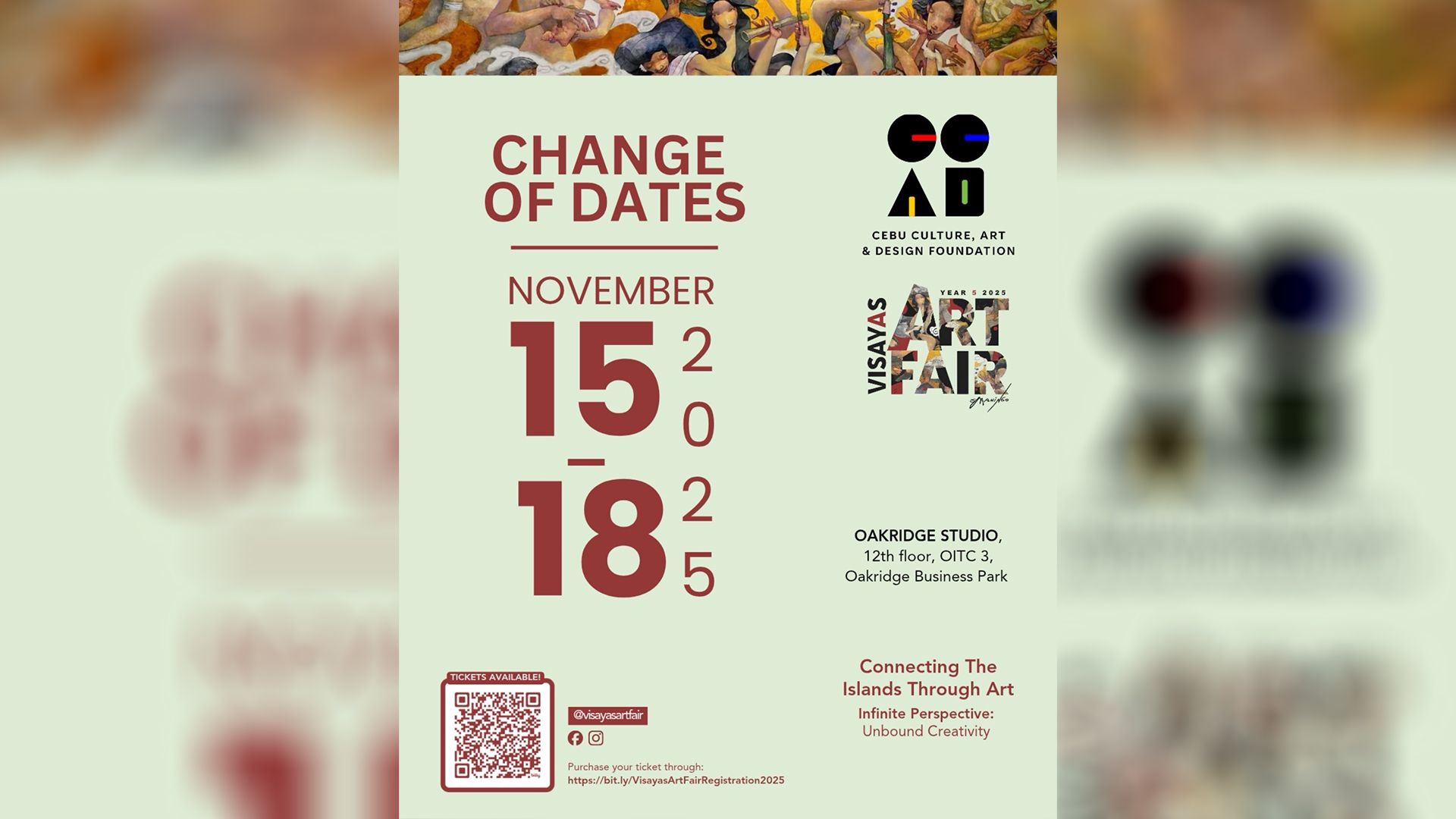
by Jing Ramos
This year’s Visayas Art Fair marks its 5th anniversary, celebrating the theme “Infinite Perspectives: Unbound Creativity.” The fair continues its mission of bridging creativity, culture, and community in the country. This milestone edition strengthens its partnership with the National Commission for Culture and the Arts and expands collaborations with regional art organizations and collectives—reinforcing its role as a unifying platform for Philippine art.
VAF5 features the works of Gil Francis Maningo, honoring the mastery of his gold leaf technique on opulent portraits of the Visayan muse Carmela, reflecting spiritual awareness.
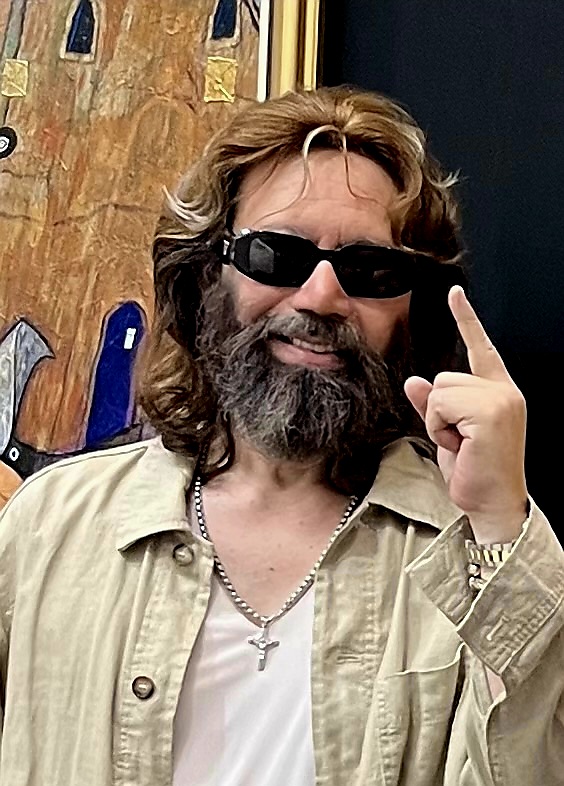
Gil Francis Maningo is celebrated for his gold leaf technique.
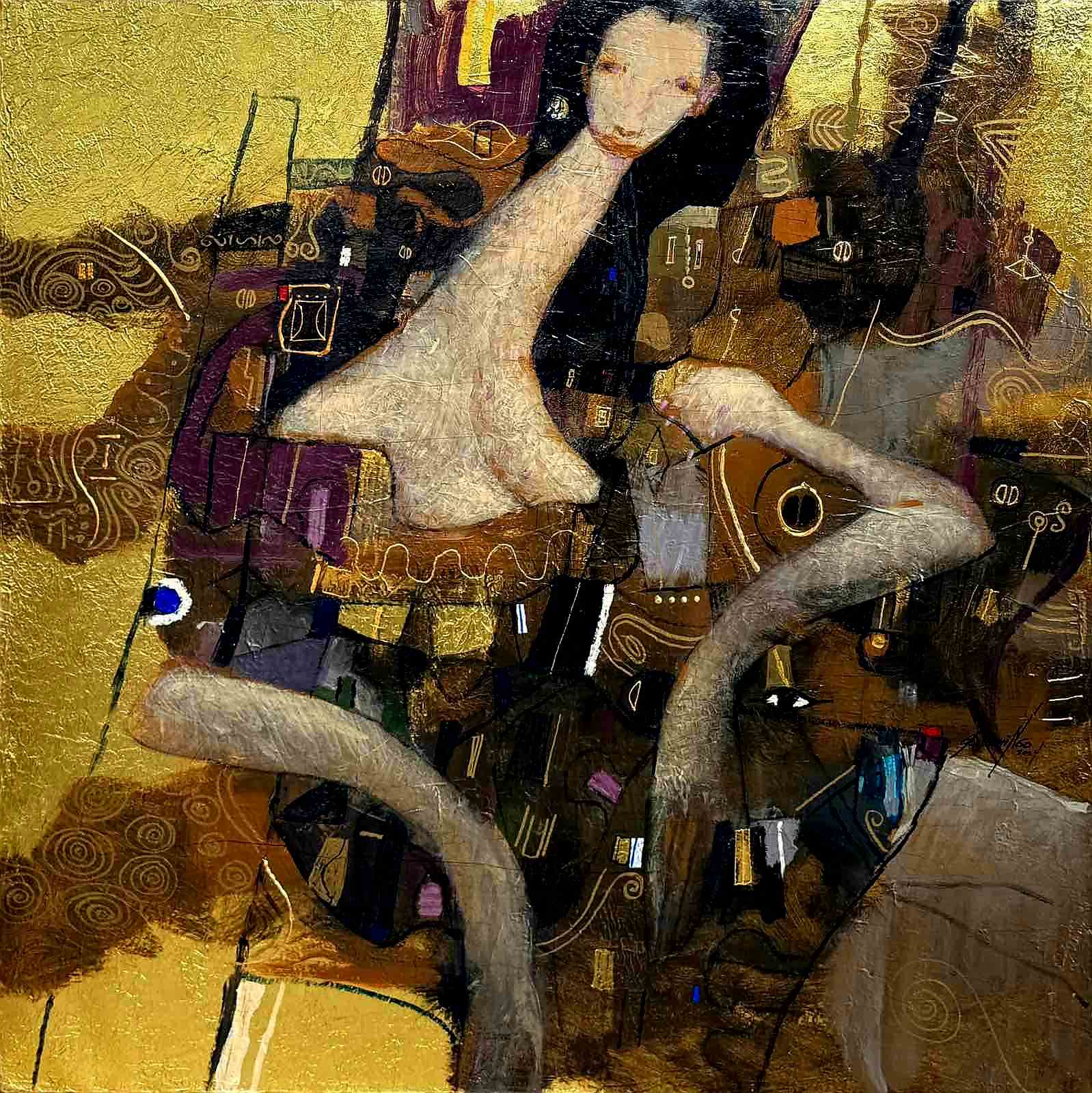
Gil Francis Maningo’s recurring theme of his Visayan muse “Carmela”.
Another featured artist is Danny Rayos del Sol, whose religious iconography of Marian-inspired portraits offers a profound meditation on the sacred and the sublime. This collaboration between two visual artists sparks a dialogue on the Visayan spirit of creativity and resilience. Titled “Pasinaya,” this dual showcase explores gold leaf as a medium of light and transcendence.
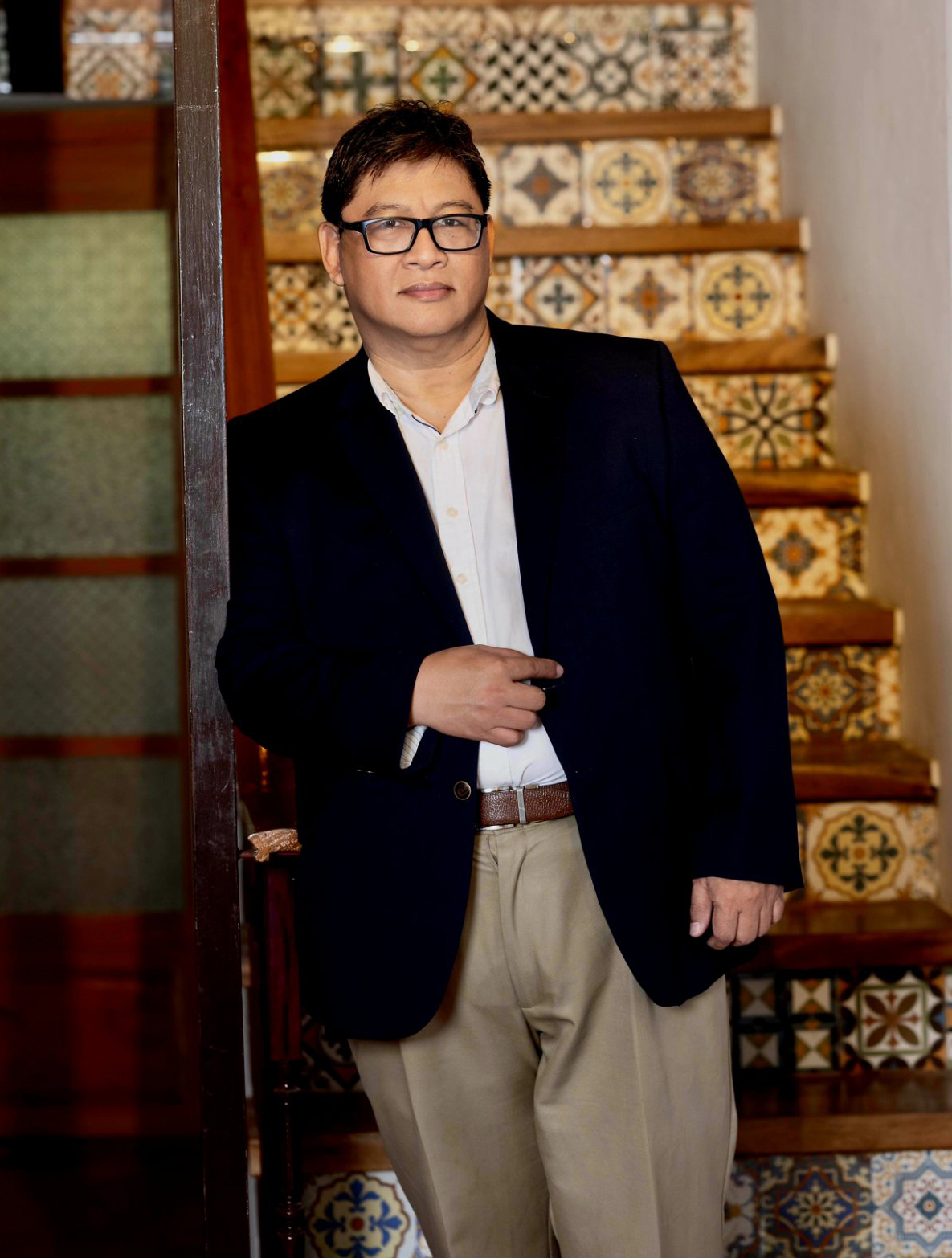
Artist Danny Reyes del Sol
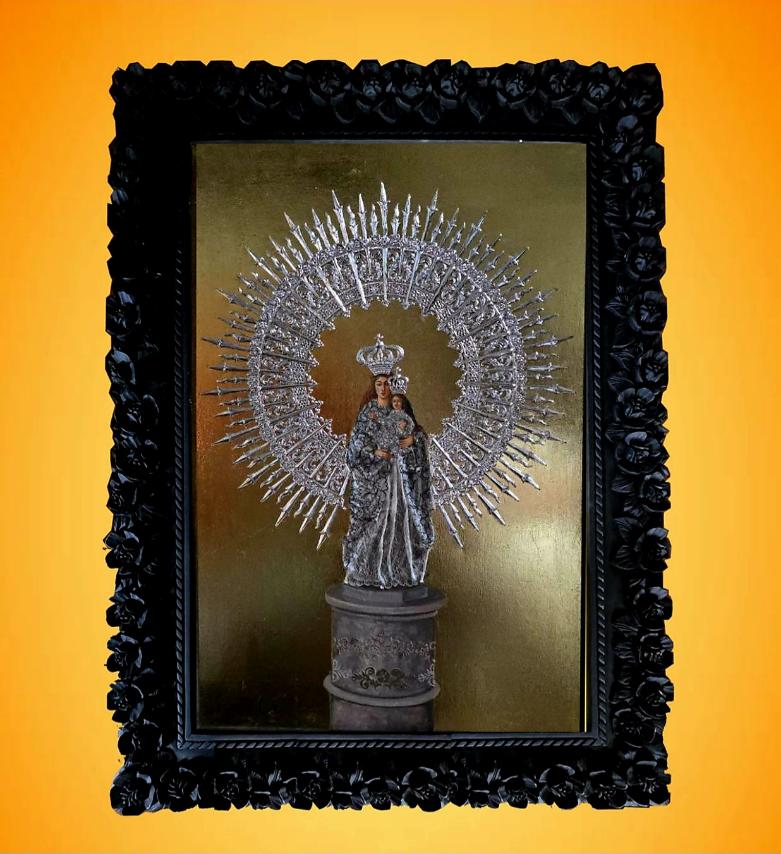
Danny Reyes del Sol’s religious iconography.
Now in its fifth year, the Visayas Art Fair has influenced a community of artists, gallerists, brokers, collectors, museum curators, and art critics—constructing a narrative that shapes how we approach and understand the artist and his work. This combination of factors, destined for popular consumption, illustrates the ways in which art and current culture have found common ground in a milieu enriched by the promise of increased revenue and the growing value of artworks.
Laurie Boquiren, Chairman of the Visayas Art Fair, elaborates on the theme, expressing a vision that celebrates the boundless imagination of unique artistic voices:
“Infinite Perspectives speaks of the countless ways artists see, interpret, and transform the world around them—reminding us that creativity knows no single point of view. Unbound Creativity embodies freedom from convention and controlled expression, allowing every artist to explore and experiment without borders.”
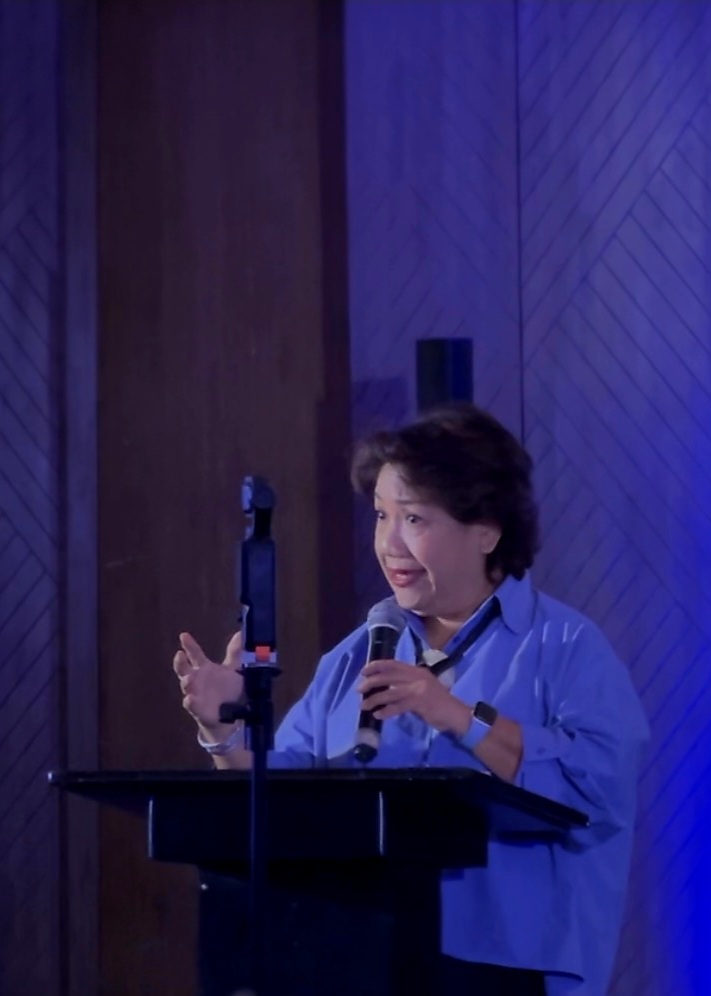
Laurie Boquiren, Chairman of the Visayas Art Fair has tirelessly championed the creative arts for the past five years.
Arts & Culture
Kultura. Kapital. Kasalukuyan: Art that Speaks of Today
by Jose Carlos G. Campos, Board of Trustees National Museum of the Philippines
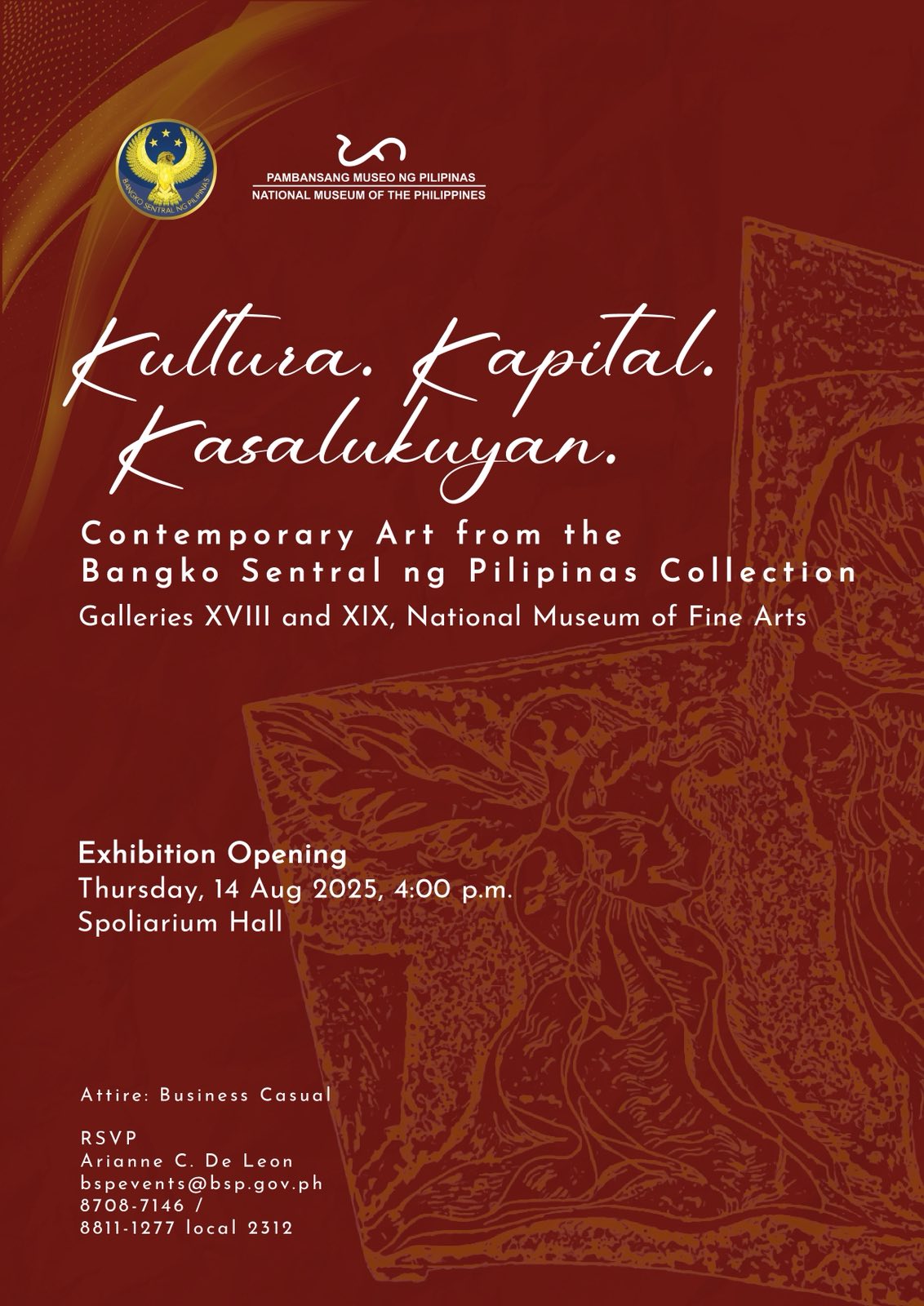
The National Museum of the Philippines (NMP) and the Bangko Sentral ng Pilipinas (BSP) recently teamed up to prove that money isn’t just for counting—it’s also for curating! Their latest joint exhibition, Kultura. Kapital. Kasalukuyan: Contemporary Art from the Bangko Sentral ng Pilipinas Collection, is now open, and it’s a real treat for art lovers and culture buffs alike.
On display are gems from the BSP’s contemporary art collection, including masterpieces by National Artist Benedicto Cabrera (Bencab), along with works by Onib Olmedo, Brenda Fajardo, Antipas Delotavo, Edgar Talusan Fernandez, and many more. Some of the artists even showed up in person—Charlie Co, Junyee, Imelda Cajipe-Endaya, Demi Padua, Joey Cobcobo, Leonard Aguinaldo, Gerardo Tan, Melvin Culaba—while others sent their family representatives, like Mayumi Habulan and Jeudi Garibay. Talk about art running in the family!
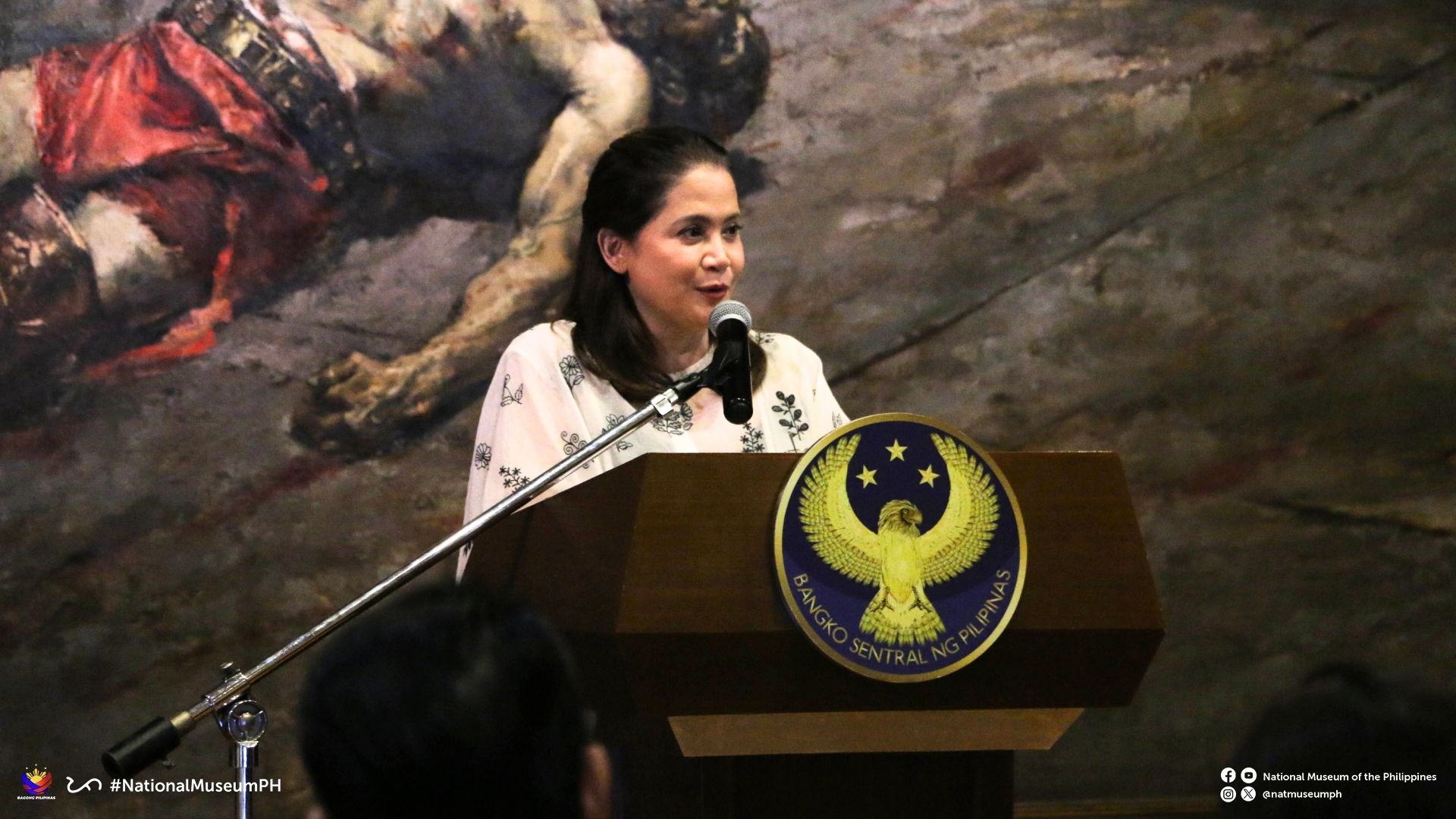
Deputy Governor General of the BSP, Berna Romulo Puyat
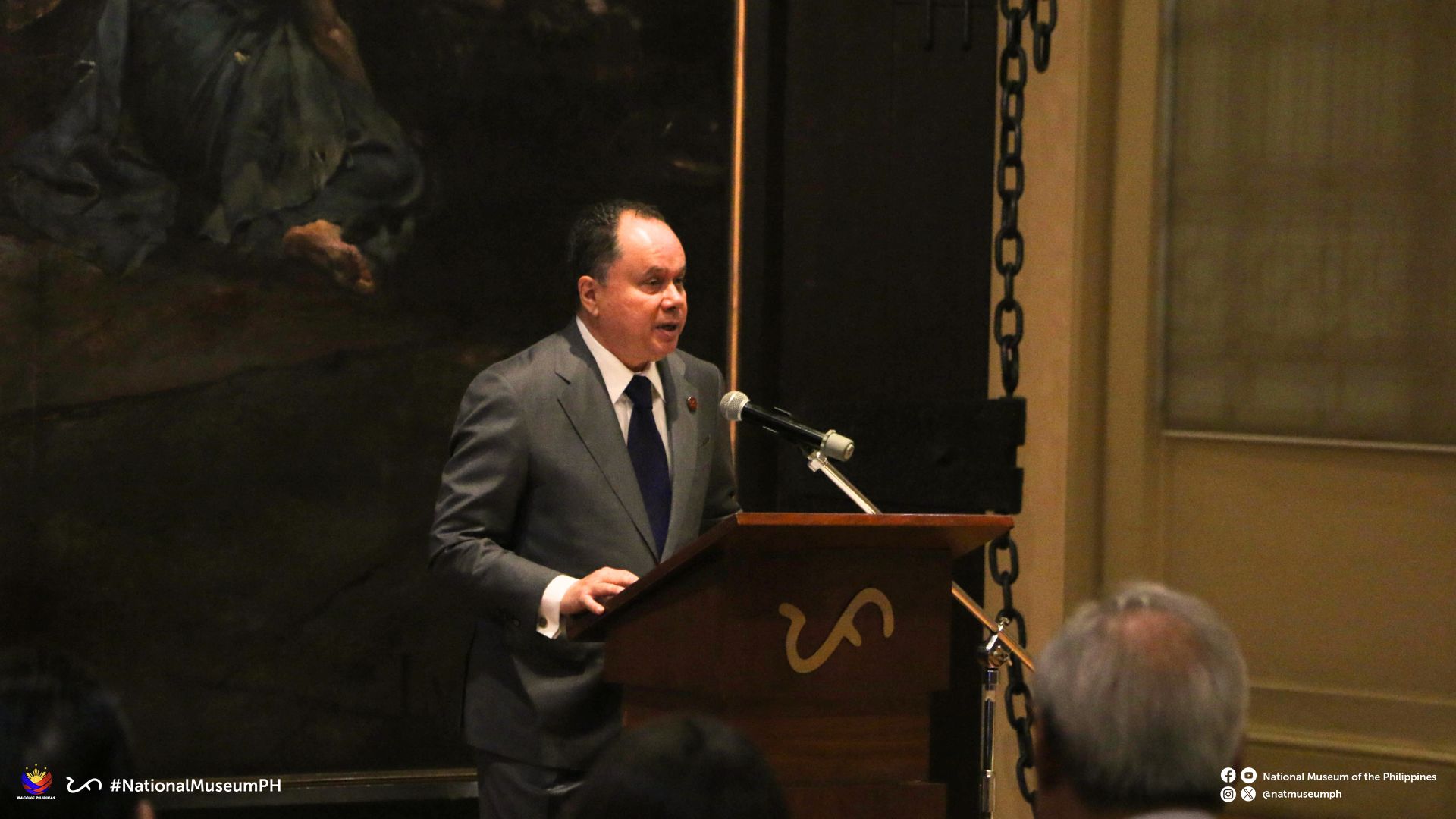
Chairman of NMP, Andoni Aboitiz
The BSP Governor Eli M. Remolona, Jr. and members of the Monetary Board joined the event, alongside former BSP Governor Amando M. Tetangco, Jr., Ms. Tess Espenilla (wife of the late Nestor A. Espenilla, Jr.), and the ever-graceful former Central Bank Governor Jaime C. Laya, who gave a short but enlightening talk about the BSP art collection.
From the NMP, Chairman Andoni Aboitiz, Director-General Jeremy Barns, and fellow trustees NCCA Chairman Victorino Mapa Manalo, Carlo Ebeo, and Jose Carlos Garcia-Campos also graced the occasion. Chairman Aboitiz expressed gratitude to the BSP for renewing its partnership, calling the exhibition a shining example of how financial institutions can also enrich our cultural wealth.
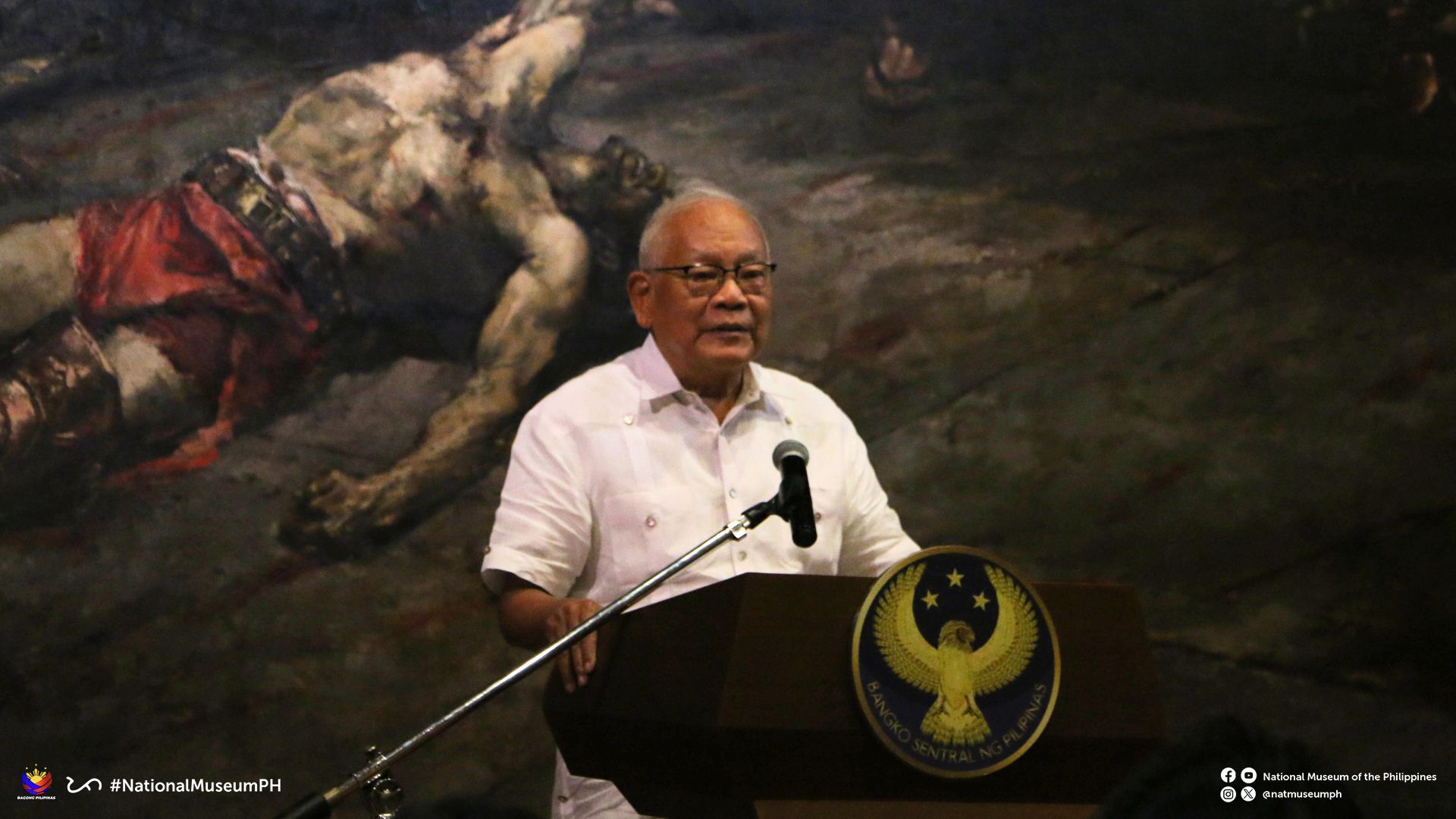
Former Governor of BSP Jaime Laya
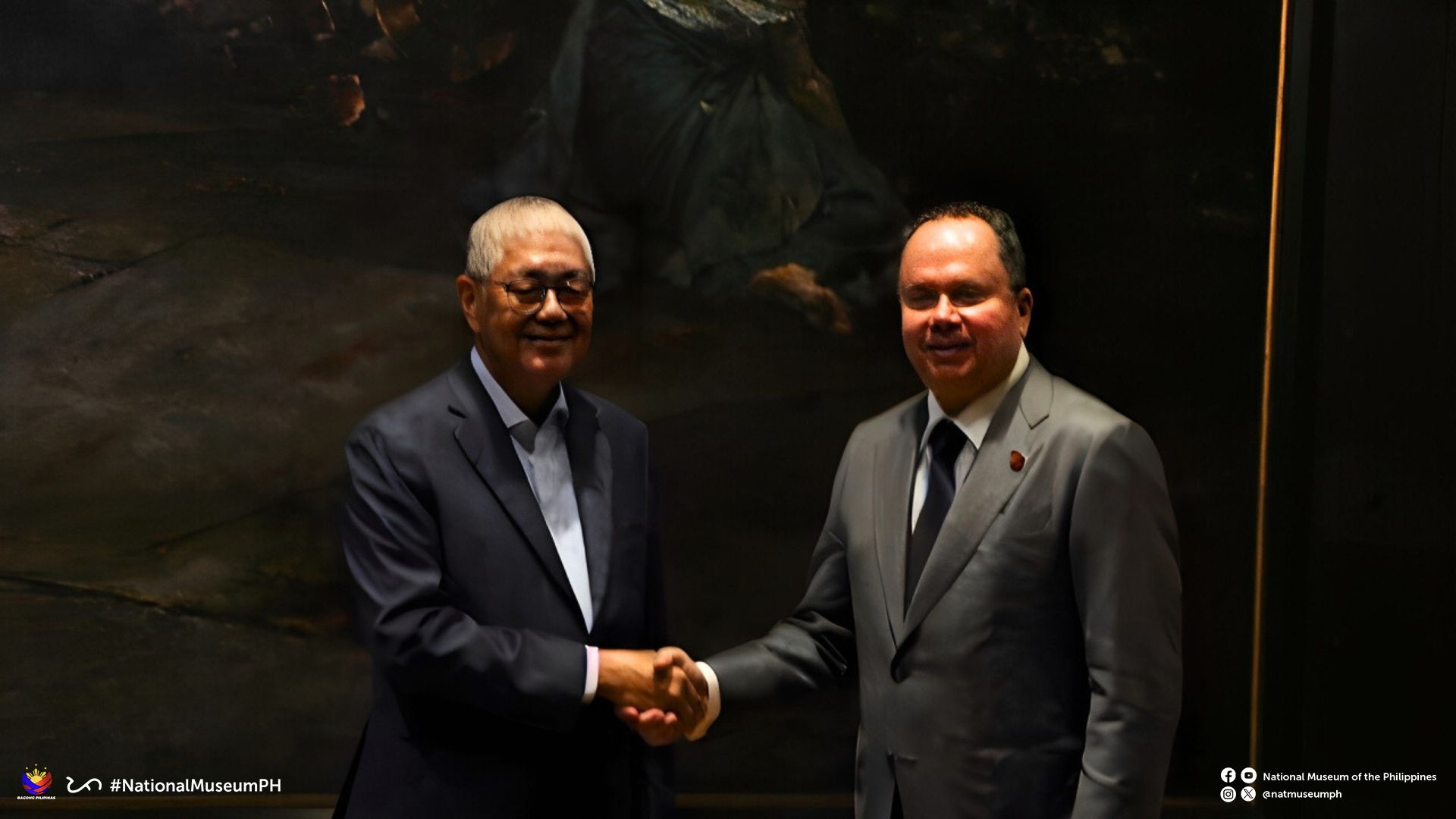
Governor of BSP Eli M. Remona and Chairman of NMP Board Andoni Aboitiz
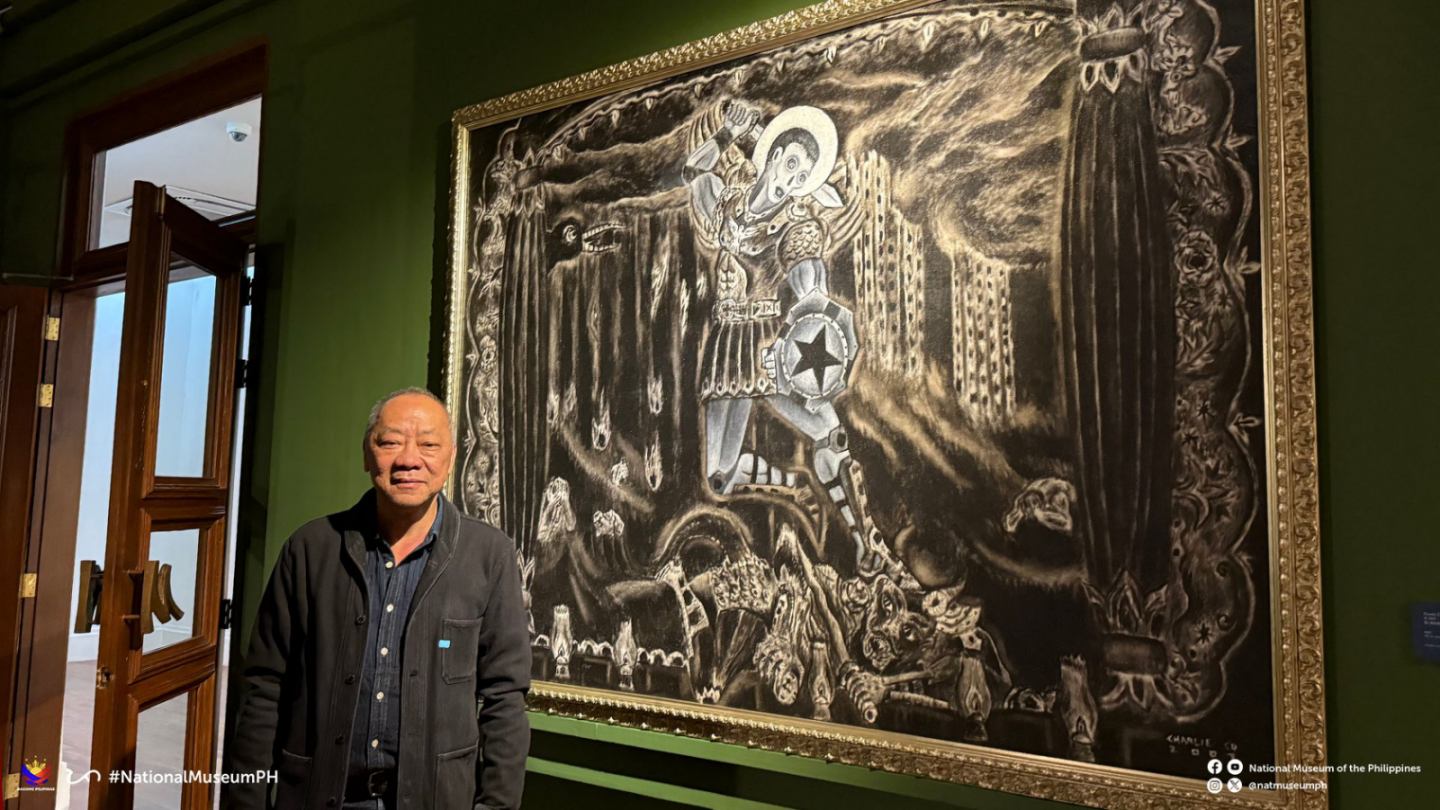
Artist Charlie Co
Before the official launch, a special media preview was held on 5 August, hosted by BSP Deputy Governor Bernadette Romulo-Puyat and DG Jeremy Barns. It gave lucky guests a sneak peek at the collection—because sometimes, even art likes to play “hard to get.”
The exhibition Kultura. Kapital. Kasalukuyan will run until November 2027 at Galleries XVIII and XIX, 3/F, National Museum of Fine Arts. Doors are open daily, 9:00 AM to 6:00 PM. So if you’re looking for something enriching that won’t hurt your wallet (admission is free!), this is your sign to visit. After all, the best kind of interest is cultural interest.
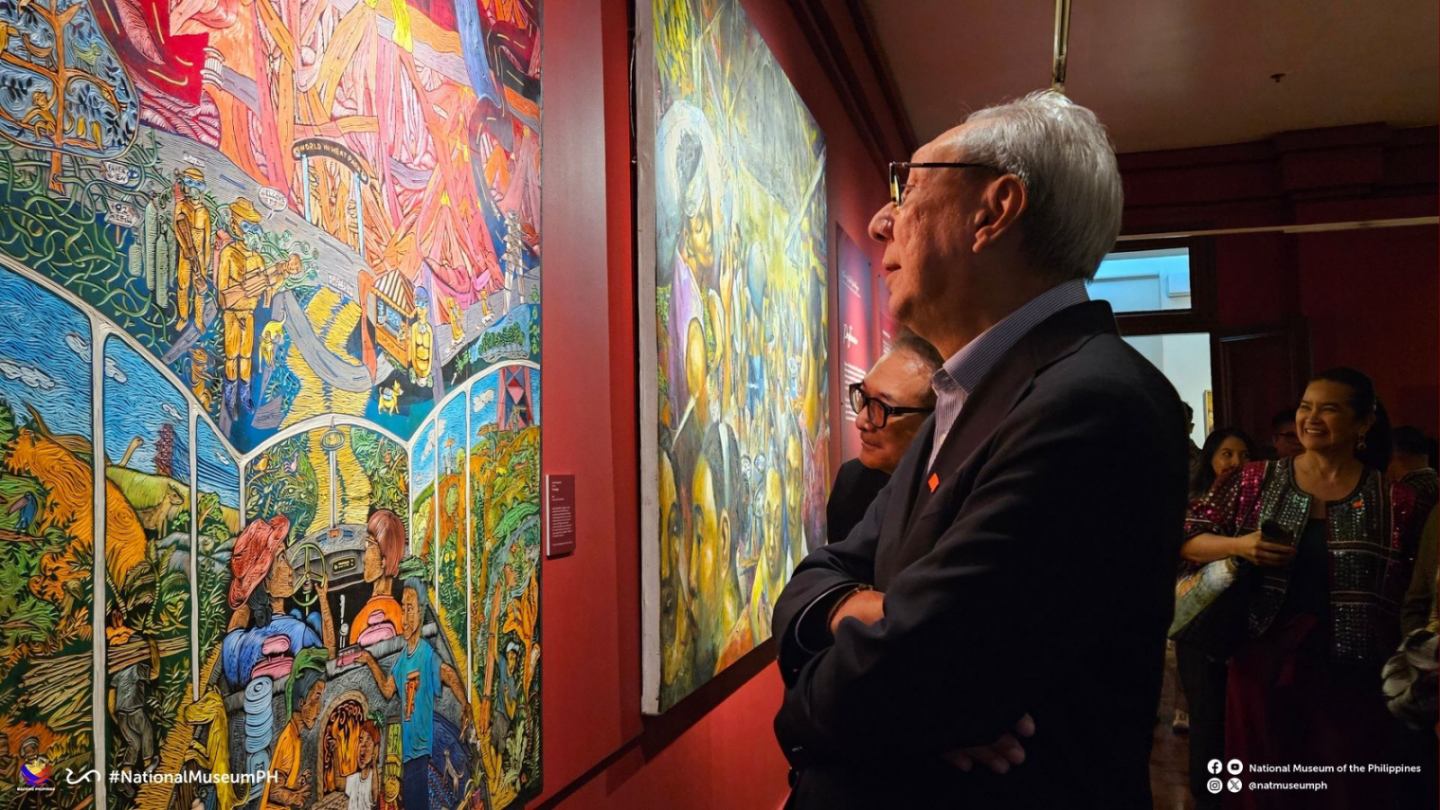
Monetary Board of the BSP, Walter C. Wassmer
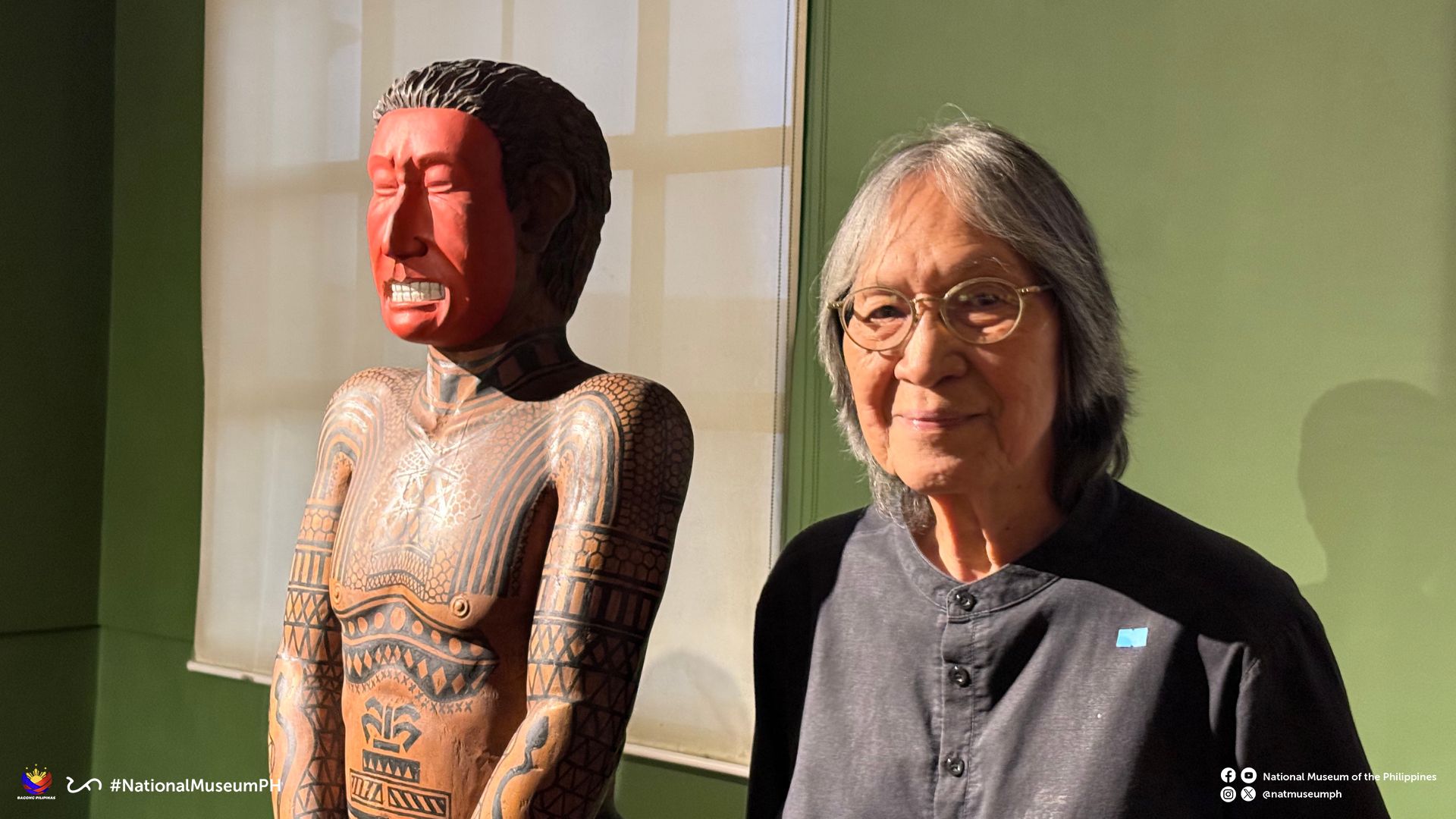
Luis Yee, Jr. aka ‘Junyee’ The Artist beside his Sculpture
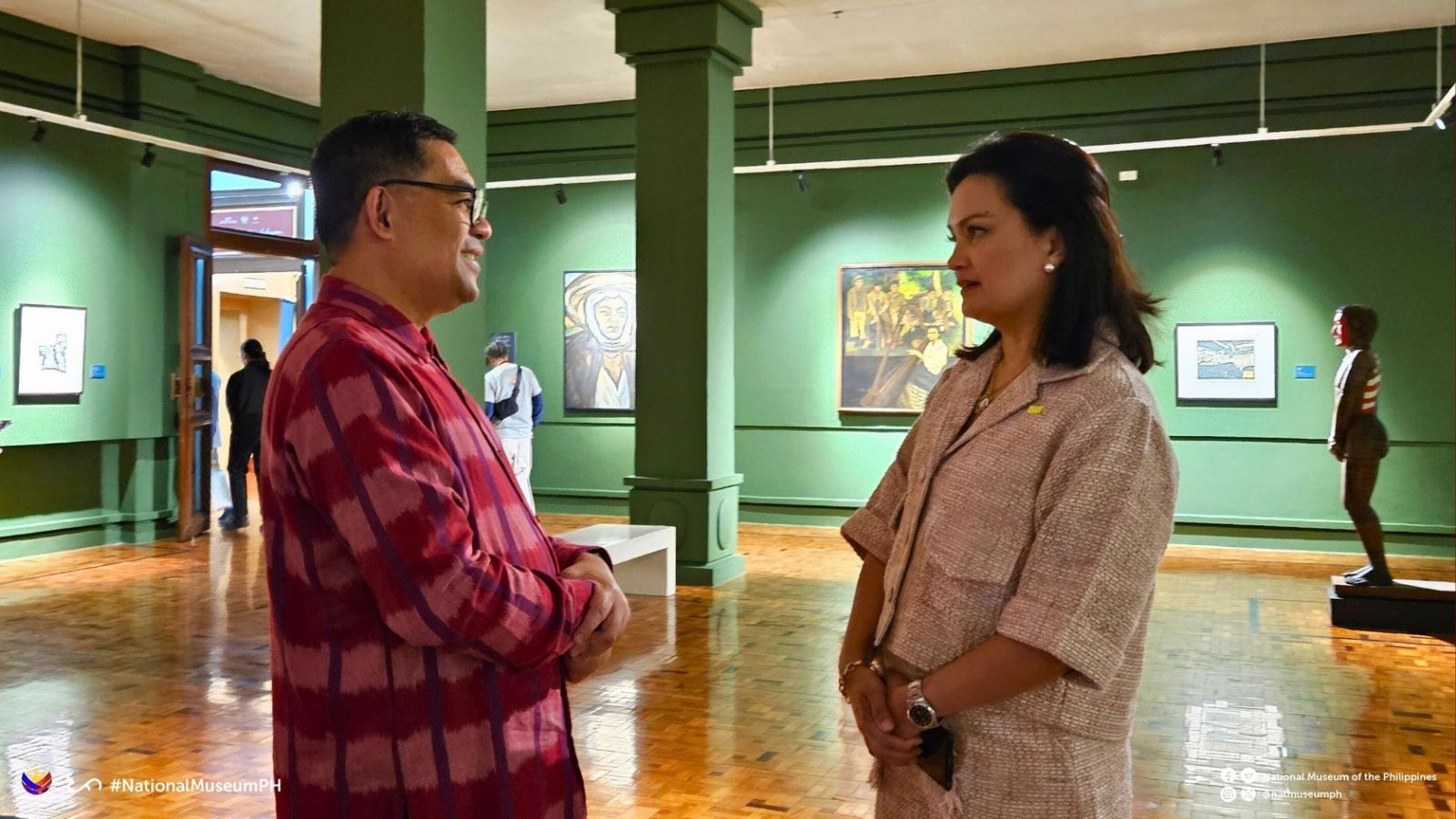
Arvin Manuel Villalon, Acting Deputy Director General for Museums, NMP with Ms. Daphne Osena Paez

Ethan Andre H. Gomez: Turning One’s Body into a Canvas to Create Specific Marketable Tools

Ludy Vilma Demecillo Makes a Leap From the Corporate World to the Exciting Broadcasting Industry

Femme Fatale: David Downton Celebrates the World’s Most Stylish Women

Art Beat: Scenes From the Manila Art Fair 2026
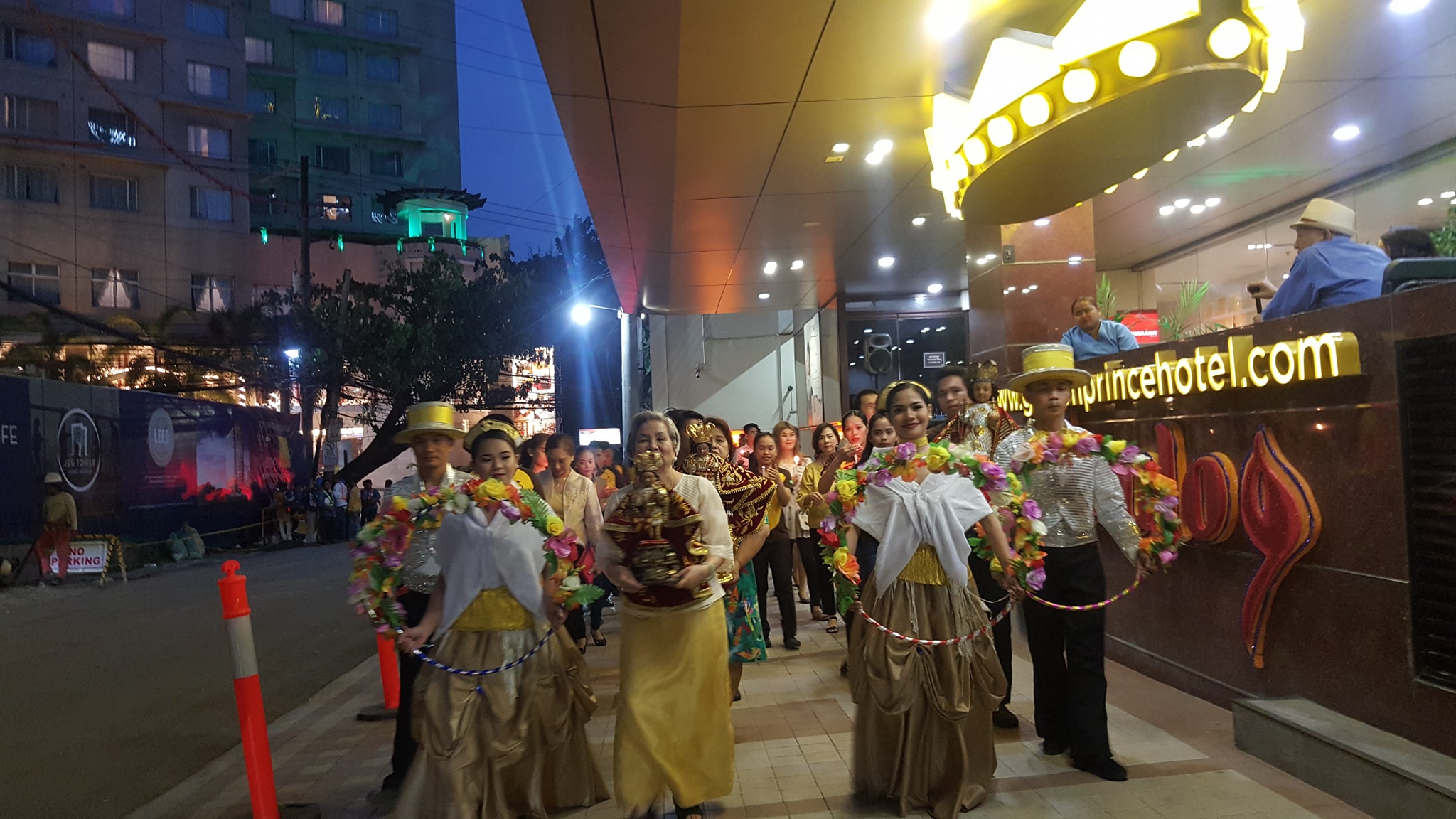
Golden Prince Hotel’s Sinulog Royalty Experience

SM Fashion Forum reveals Cebu’s style influencers
5 Filipino Films That Continue the Conversation on Women Empowerment
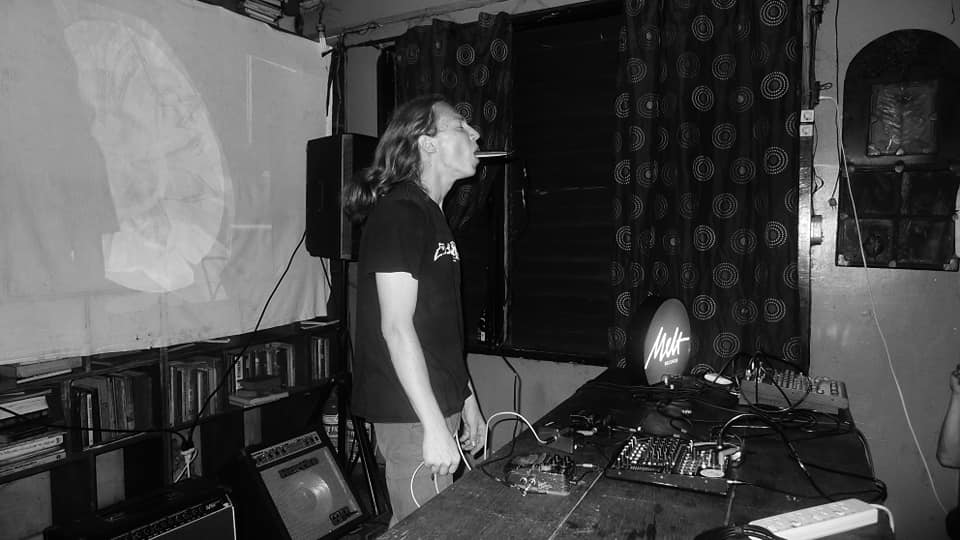
Noise and Sounds: An Artform

Christmas in Colonial Cebu: A Themed Exhibit by Teresin Mendezona and Eva Gullas for Stylescapes 2019

Artisanal Cebu: Aspiring calligraphy artist Abigail Condrado

Experience authentic Korean Barbeque at Da-In Restaurant

Chaine des Rotisseurs: A Night of Spanish Cuisine
-
 Prime Target3 months ago
Bee Urgello–Fashion Influencer and Designer’s Muse Goes on a Hiatus
-

 Travel2 months ago
Sunlight in Siquijor: Discovering the Landscape Shifts and Coastal Plains of this Mystical Island
-

 Fashion3 months ago
Cloud Dancer: The Resonant Reset of 2026
-
 Prime Target3 weeks ago
Ludy Vilma Demecillo Makes a Leap From the Corporate World to the Exciting Broadcasting Industry
-
 QuickFx1 month ago
Chromatic Narratives: Wayne Lacson Forte at the Negros Museum
-
 Prime Target2 months ago
Rod Malanao: Empowering the Growth of the Luxury Fashion Industry to Designing Knit Wear on the Side
-
 Style4 weeks ago
Femme Fatale: David Downton Celebrates the World’s Most Stylish Women
-
 Prime Target2 weeks ago
Ethan Andre H. Gomez: Turning One’s Body into a Canvas to Create Specific Marketable Tools
You must be logged in to post a comment Login