
QuickFx
Hill Station Baguio-Mitos Benitez-Yñiguez Raises the Bar with a Gastronomic Experience in a Cultural Heritage Building

by Jing Ramos
This iconic restaurant was named Hill Station because of the building’s personal history. Casa Vallejo was built in 1909 as a dormitory for Japanese engineers and workmen who were responsible for the construction of Kennon Road under the American regime at the turn of the last century. The Americans invested in road construction to improve Baguio’s infrastructure.

The upholstery of the dining chairs similar to the color palette of the curtains are a suggestion by Lulu Tan Gan.
Hill stations were usually located in high-altitude areas with a predominantly subtropical climate, similar to other hill stations found in Sri Lanka and India during the British colonial period. Baguio was established as a hill station by the Americans primarily for its cooler climate, which proved ideal for their military servicemen in need of rest and recreation. The hill station also served as a recovery location for men stricken with viruses such as dengue and malaria, often picked up in the lowlands.

Owner and chef Mitos Benitez-Yniguez.
“So my concept for the restaurant—being inside and part of an old historical building such as our setting—was to build a menu that reflected the times when indeed it was a hill station,” owner and chef Mitos Benitez-Yñiguez explains the challenge of creating the restaurant’s fabled menu. “Spanish and Mediterranean food for Spanish colonial times, American colonial when it switched over, Filipino with a twist reflecting our mestizo roots. And basically, I like to introduce certain dishes from my travels around the world. Hence, some entries are North African, some European, Sri Lankan, Thai curries—whatever was inspirational in my travels and the taste of their local food.”

The curtains in swaths of grey and burnt-sienna fabrics are by Jiro Estaniel.
The interior décor of Hill Station Baguio harks back to the American colonial period: painted in all white, with high ceilings and exposed wooden beams in natural tones. This time around, the space has a spruced-up look, with the ceiling redone in a deep shade of taupe. The drapes around the restaurant were designed by interior designer Jiro Estaniel in swaths of grey and burnt sienna fabric. The upholstery of the dining chairs, in a similar color palette, was suggested by fashion designer Lulu Tan Gan.

The buntings hanging on the wooden beams are called banderitas.
There were also multicolored buntings hanging from the wooden beams, called banderitas. Installed by the waitstaff and some bakers from the kitchen every summer for a festive touch, Mitos explains the process of seasonal changes in the restaurant’s look:
“When the monsoon season begins and it starts to pour—usually around July and August—we change the look to classic off-white curtains to brighten up the entire floor. At Christmastime, the restaurant’s look changes again, and we set it up with vintage Capiz shell lanterns in diamond shapes for a totally festive look.”

Hill Station has an extensive collection of black and white photographs by important artists.
The most important facet of the restaurant’s décor is the extensive black-and-white photography by Mitos’ husband, Boy Yñiguez, and his friends and colleagues—giving the space a deeply personal touch. The photographs mounted on the walls are silver prints from the 1970s to the 1990s, all of which are valuable and irreplaceable.
There are works by Tommy Hafalla, famous for his images of people and rituals from the Cordilleras; portraits by Wig Tysman; architectural photographs by Boy Yniguez; and a striking series by Charlie Lenoir featuring Ifugao women and traditional huts. There’s even an Ansel Adams original tucked unobtrusively among the artworks.

The restaurant has a view of a pocket garden right in the midst of Baguio central.

QuickFx
Chromatic Narratives: Wayne Lacson Forte at the Negros Museum
by Jing Ramos
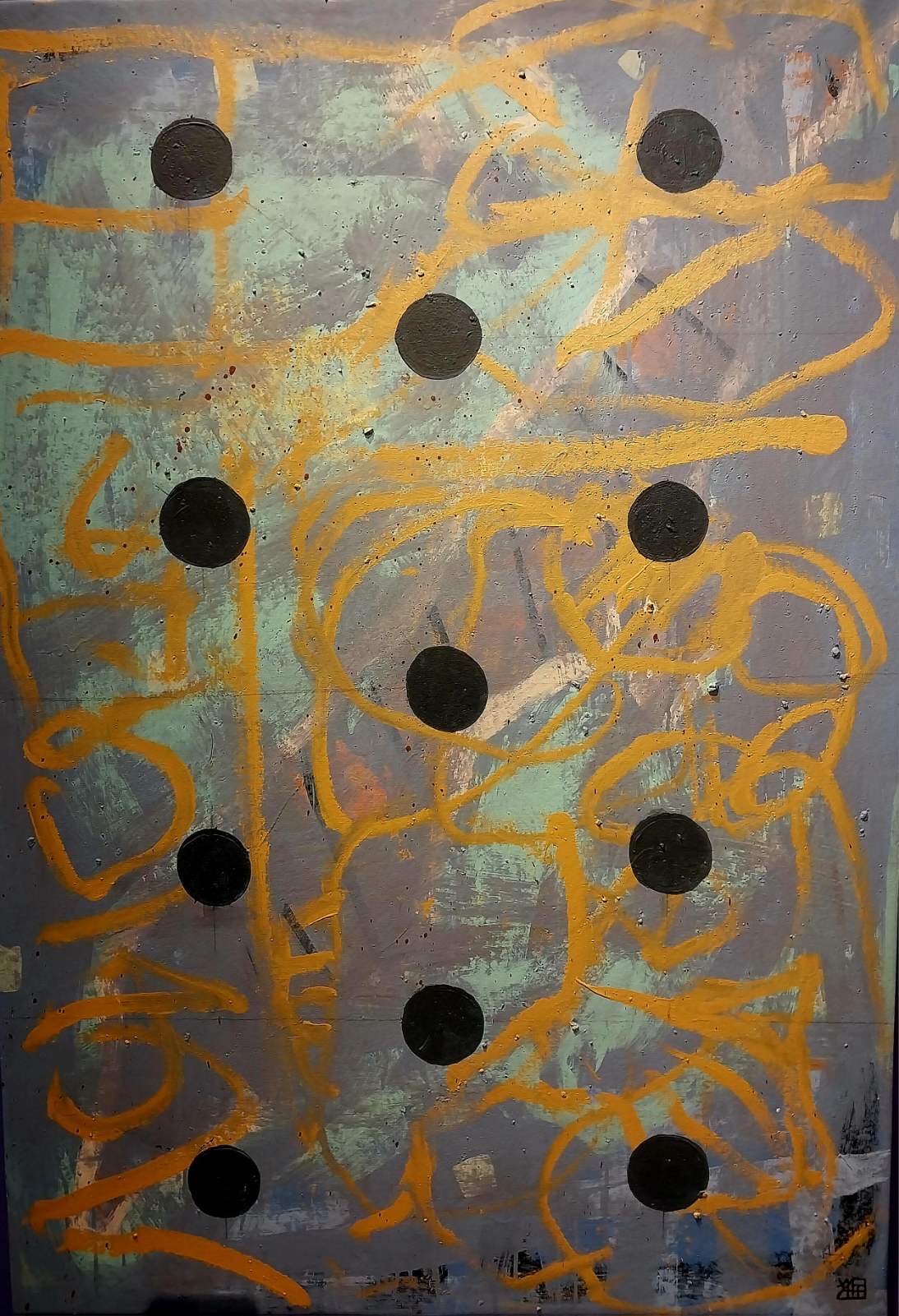
Visual artist Wayne Lacson Forte believes that abstraction in paintings can depict a story that realism can never communicate to an audience. In fact, it is a narrative told in the language of movement into order and patterns. The artist invites the viewer to become acquainted with the formal elements of the image, not just as tools but as characters in an unfolding visual panorama.
This series of abstractions in Wayne Forte’s recent exhibition, Chromatic Narratives, was conceptualized through the artist’s use of the rhythm of color and the architecture of line. The canvases exhibit warm and engaging colors that arrest viewers, and cool shades that pull back as a striking contrast, while thick obsidian lines leap forward to define the limits of space. By keeping the perspective shallow, Wayne Forte embraces the modernist tradition by honoring the flat surface as a “sacred site of creation.” The entire act of the process was a physical challenge for the artist, since the large-scale abstractions are painted on unstretched canvases. The artist’s technique involves using the body’s force to apply brushstrokes in broad, sweeping gestures. In the artist’s words, “this is a partnership of movement.” He likens the process to a dance partner, allowing the paint almost to a point of having a vitality of its own. The result is a series of vibrant images reflecting the artist’s oeuvre and the soul of its medium.
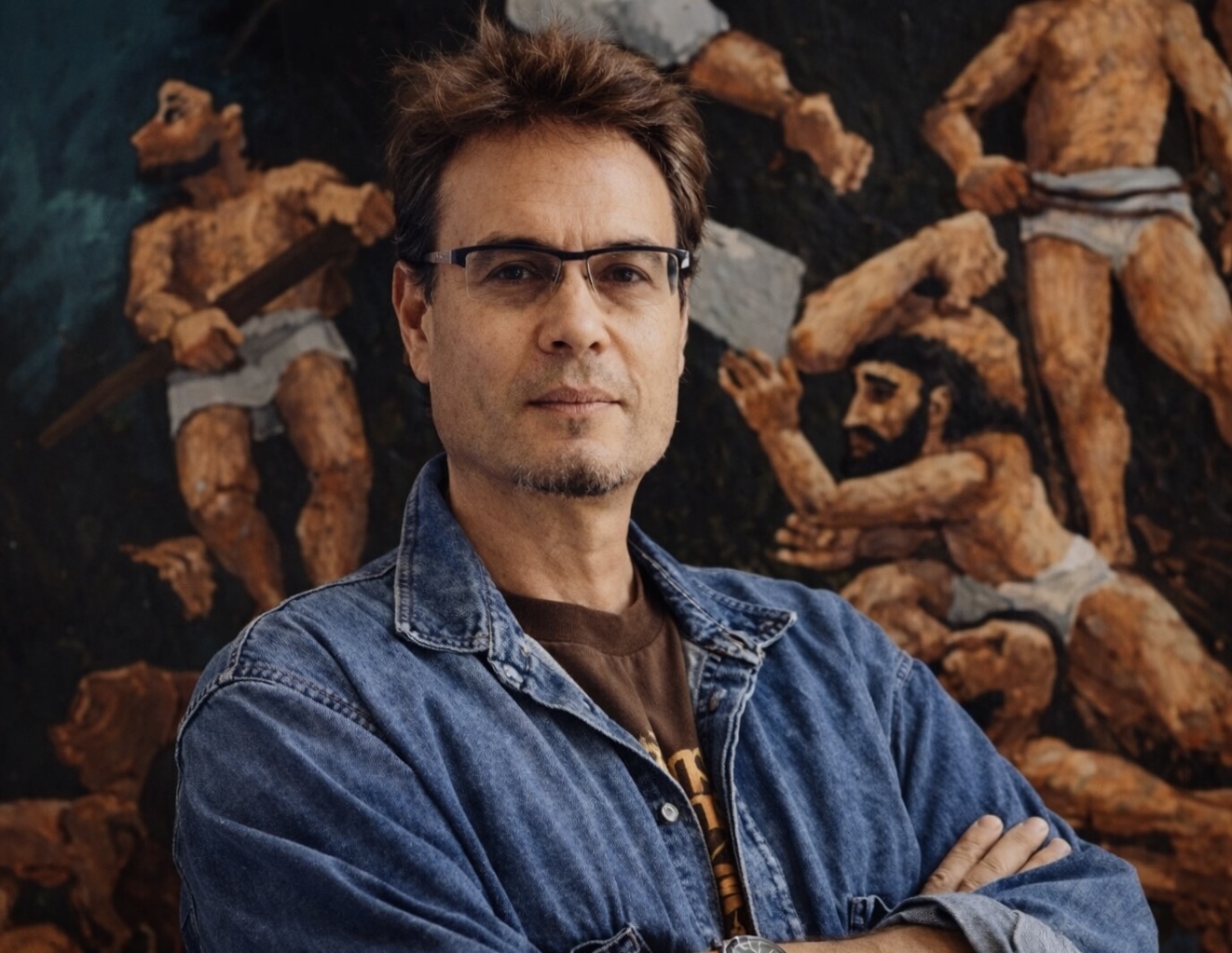
Visual artist Wayne Lacson Forte lives in Laguna Niguel, California
“For many years, my practice was anchored in the figurative tradition, guided by Philip Gaston’s conviction that art needs to tell a story. Reaching the milestone of my 75th year brought a profound shift, a quiet humility and a newfound trust that allowed me a new perspective in my creative expression.”
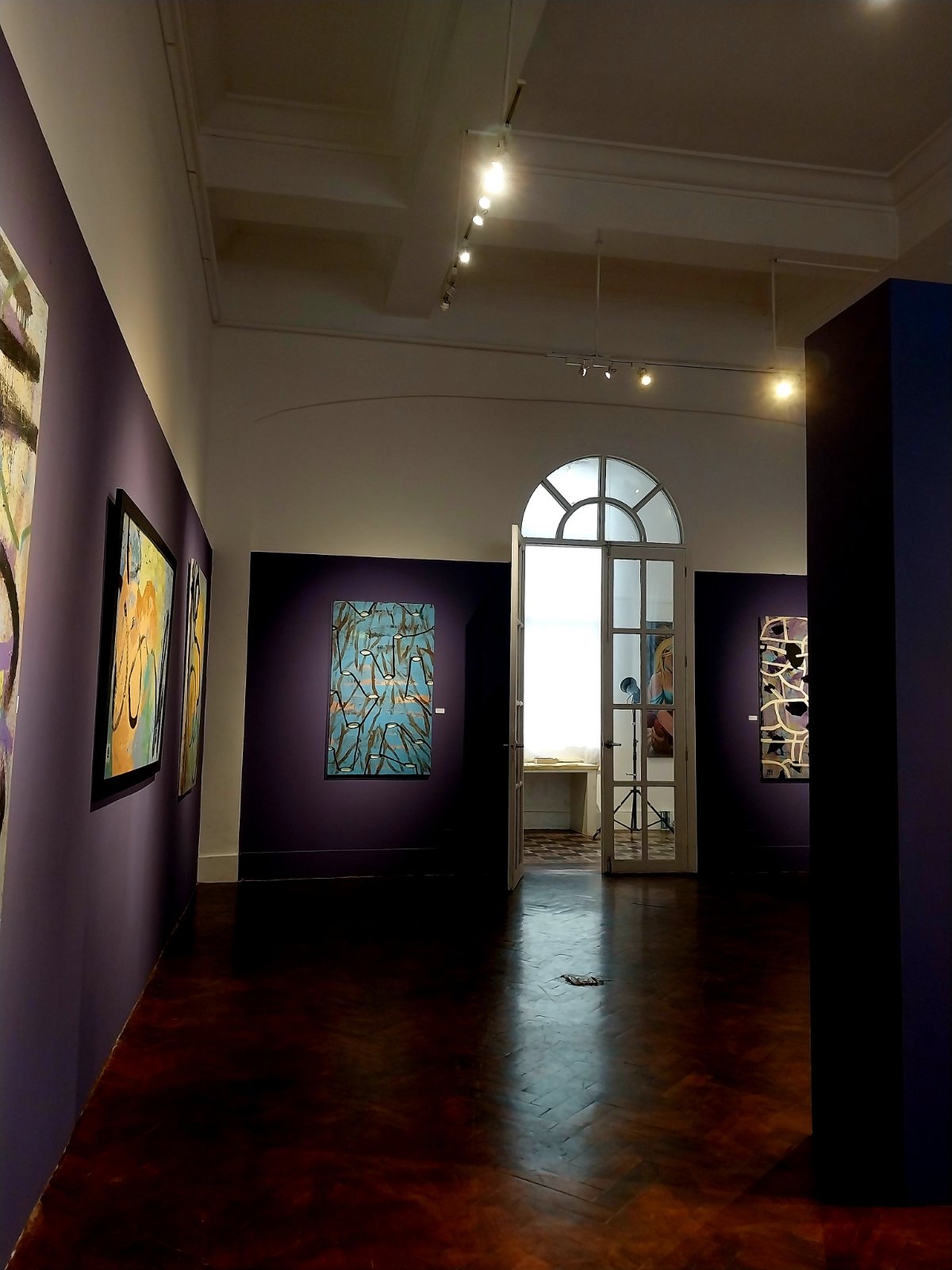
The interior galleries of the Negros Museum offer a calm and reflective atmosphere
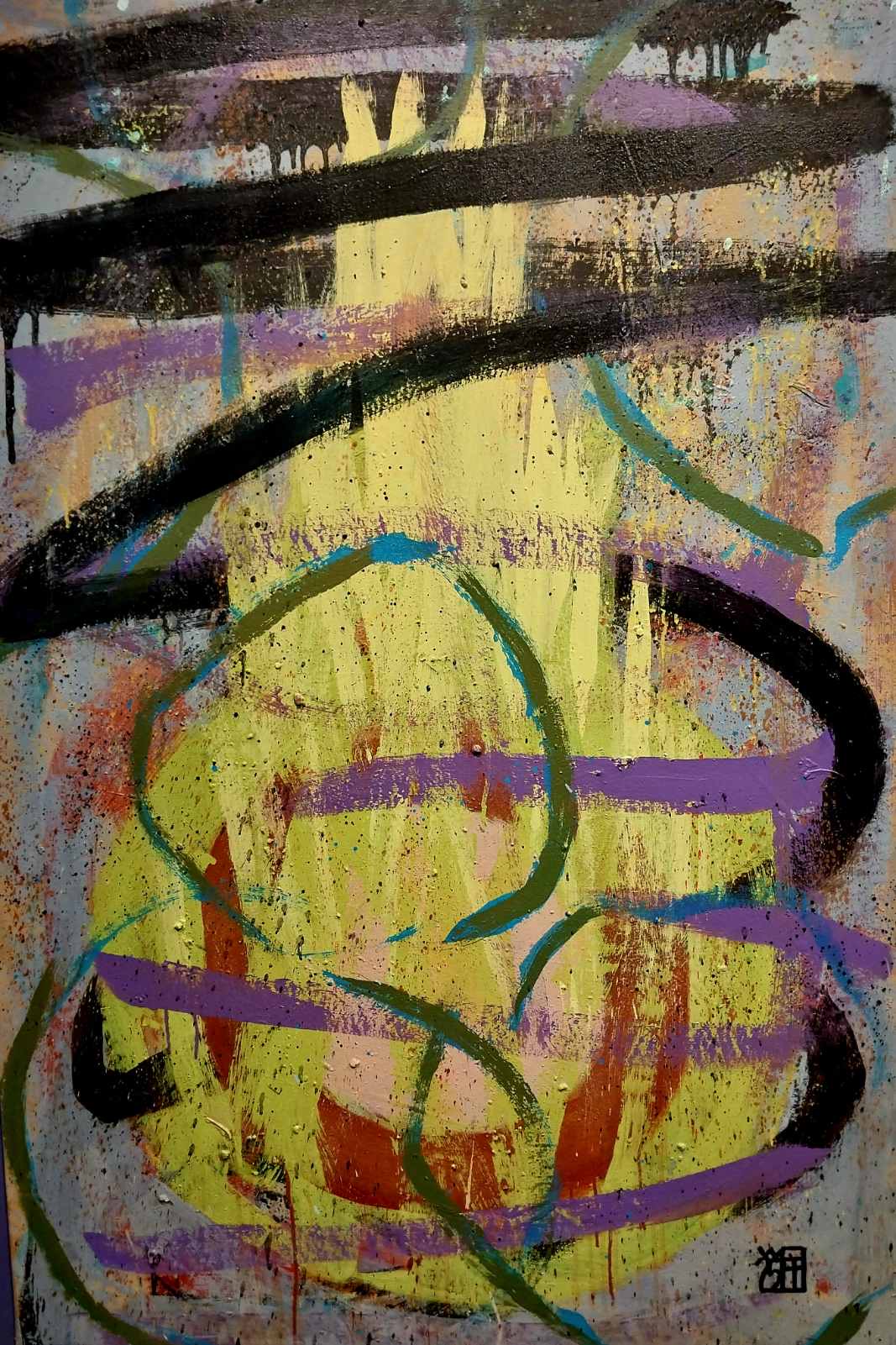
Kanlaon, acrylic on canvas 2025
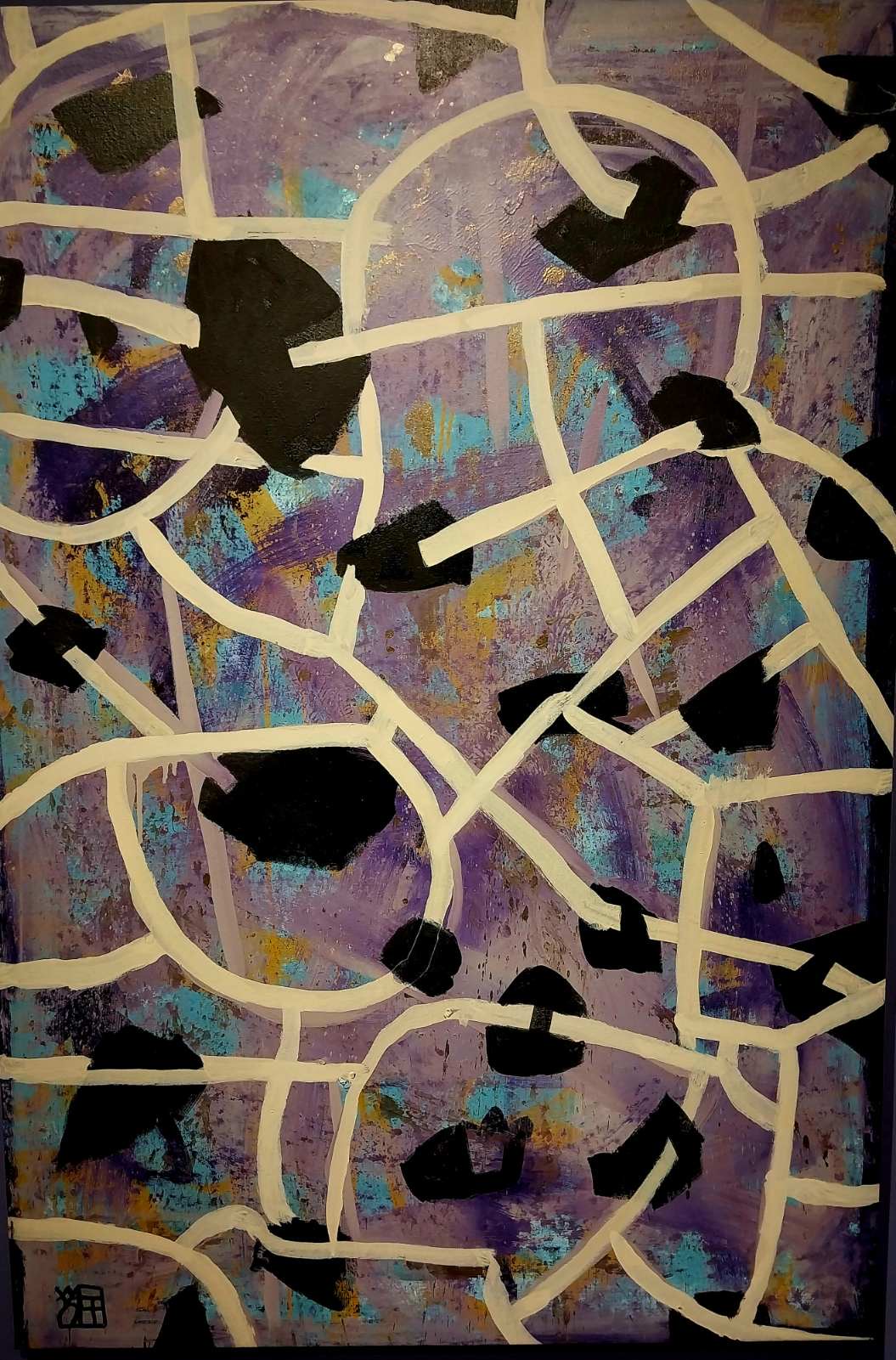
Myrtle, acrylic on canvas 2025
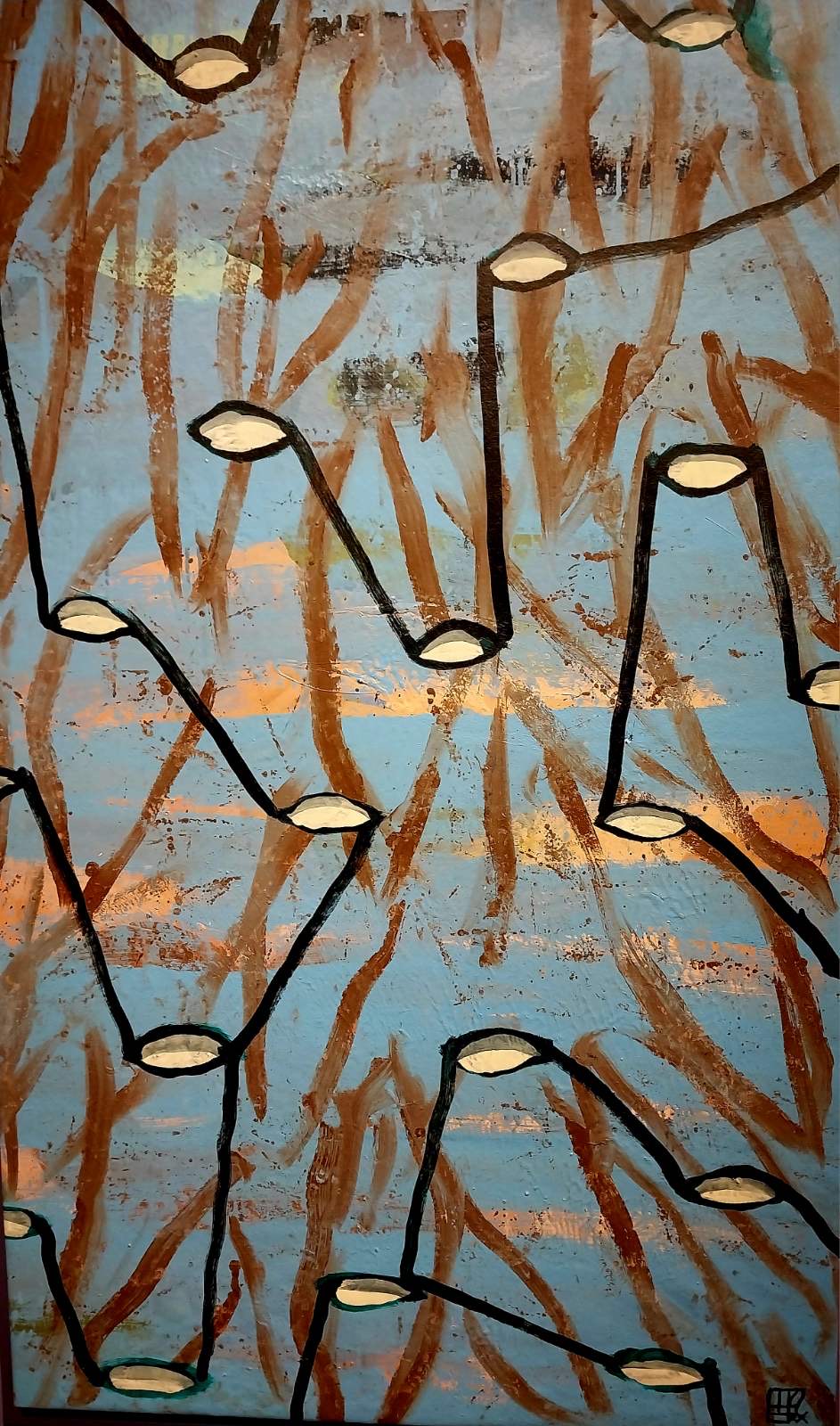
Calamari, acrylic on canvas 2024
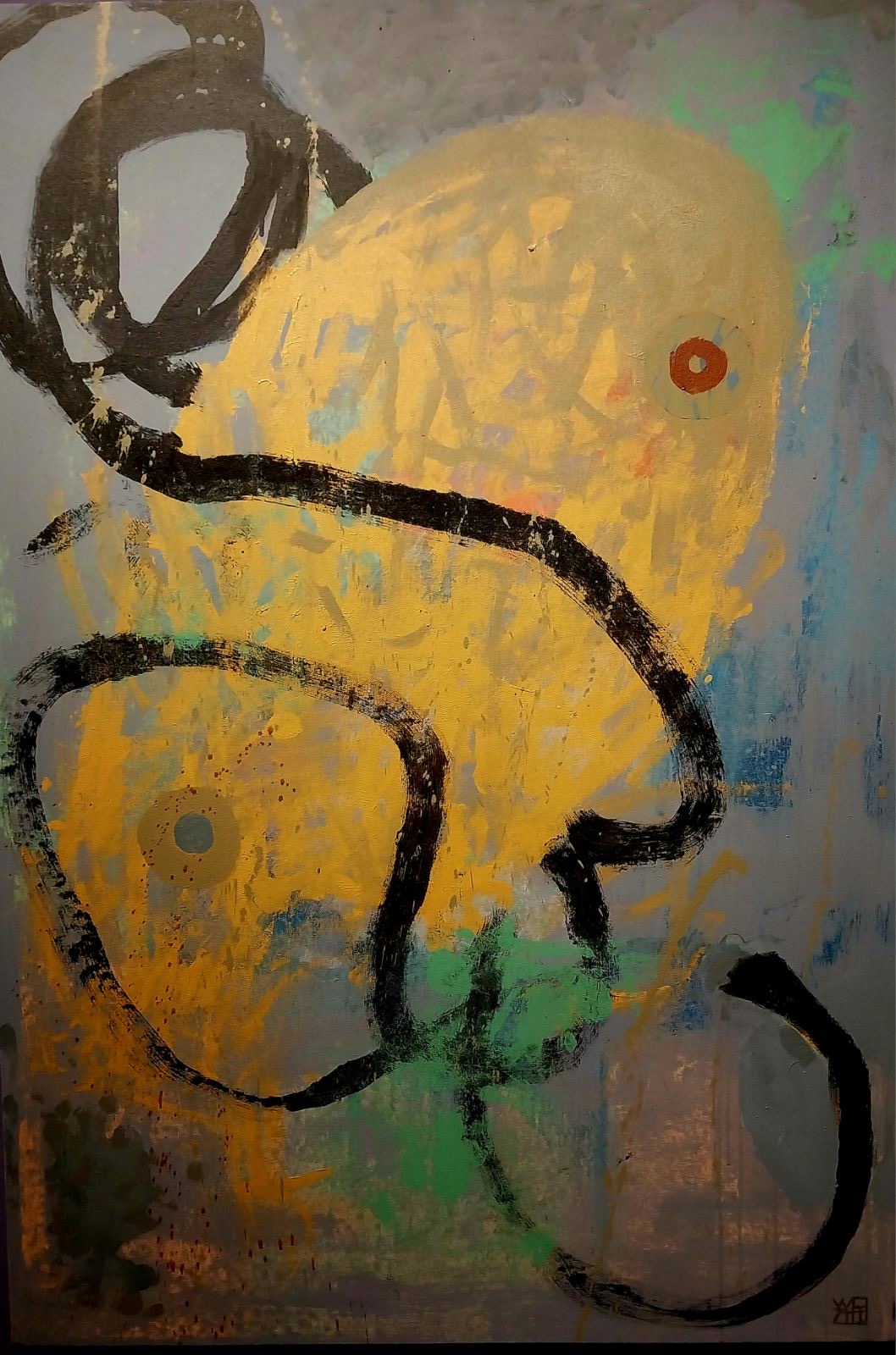
Tubbatha, acrylic on canvas 2024
QuickFx
Bright Young Things: Why Cecil Beaton Remains Vital in the World of Photography
by Jing Ramos
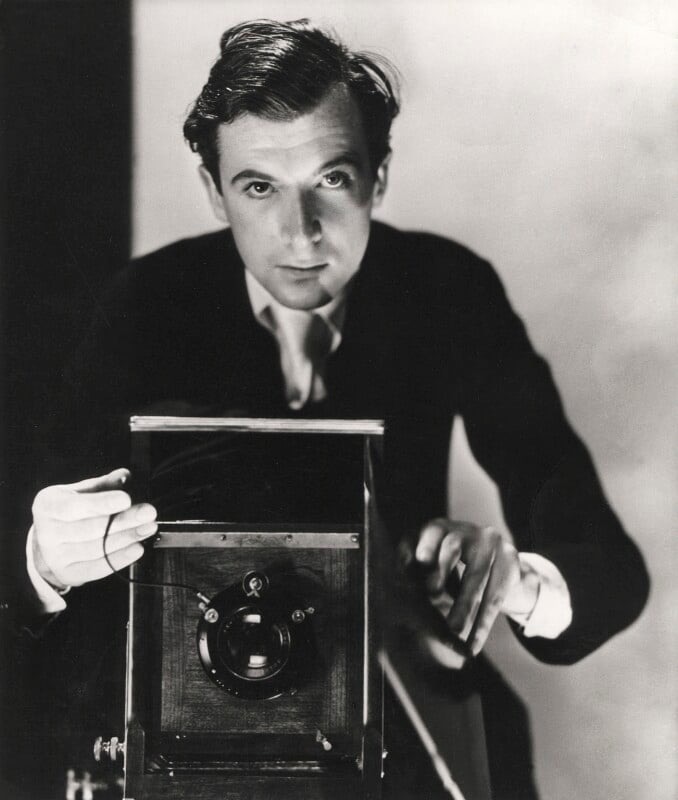
Sir Cecil Beaton (1904–1980) was long known as a society photographer since 1926. Beaton’s fascination with glamour and high society led him to become court photographer for the British Royal Family in 1937. He also progressed into successful stage and film productions, most exceptionally My Fair Lady (1964) and Gigi (1958). His career, however, took off earlier in the mid-1920s when he began to contribute photographs and illustrations to Vogue magazine.
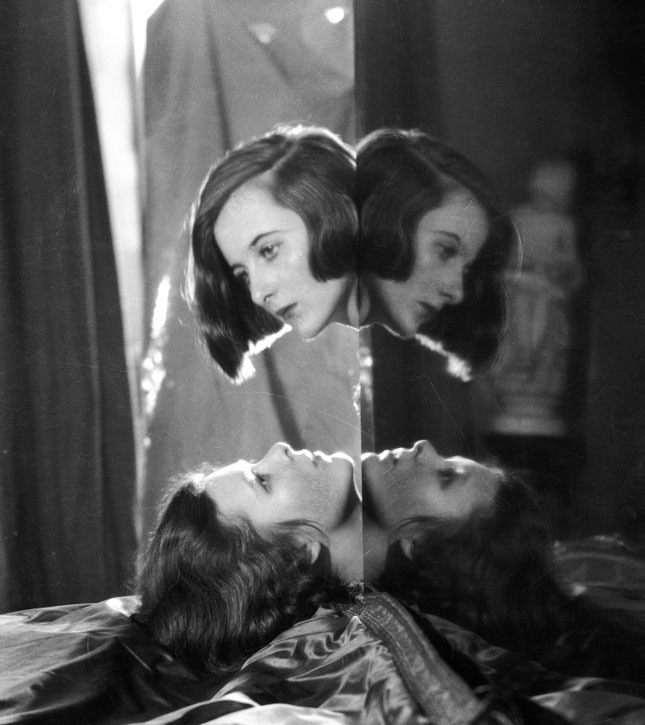
Nancy and Baba Beaton by Cecil Beaton, 1926
Cecil Beaton’s photographs defined a glittering generation of eminent artists, royalty, bohemians, actors, and actresses. Beaton’s inimitable elegance brings to life a deliciously eccentric and creative era of British cultural life.
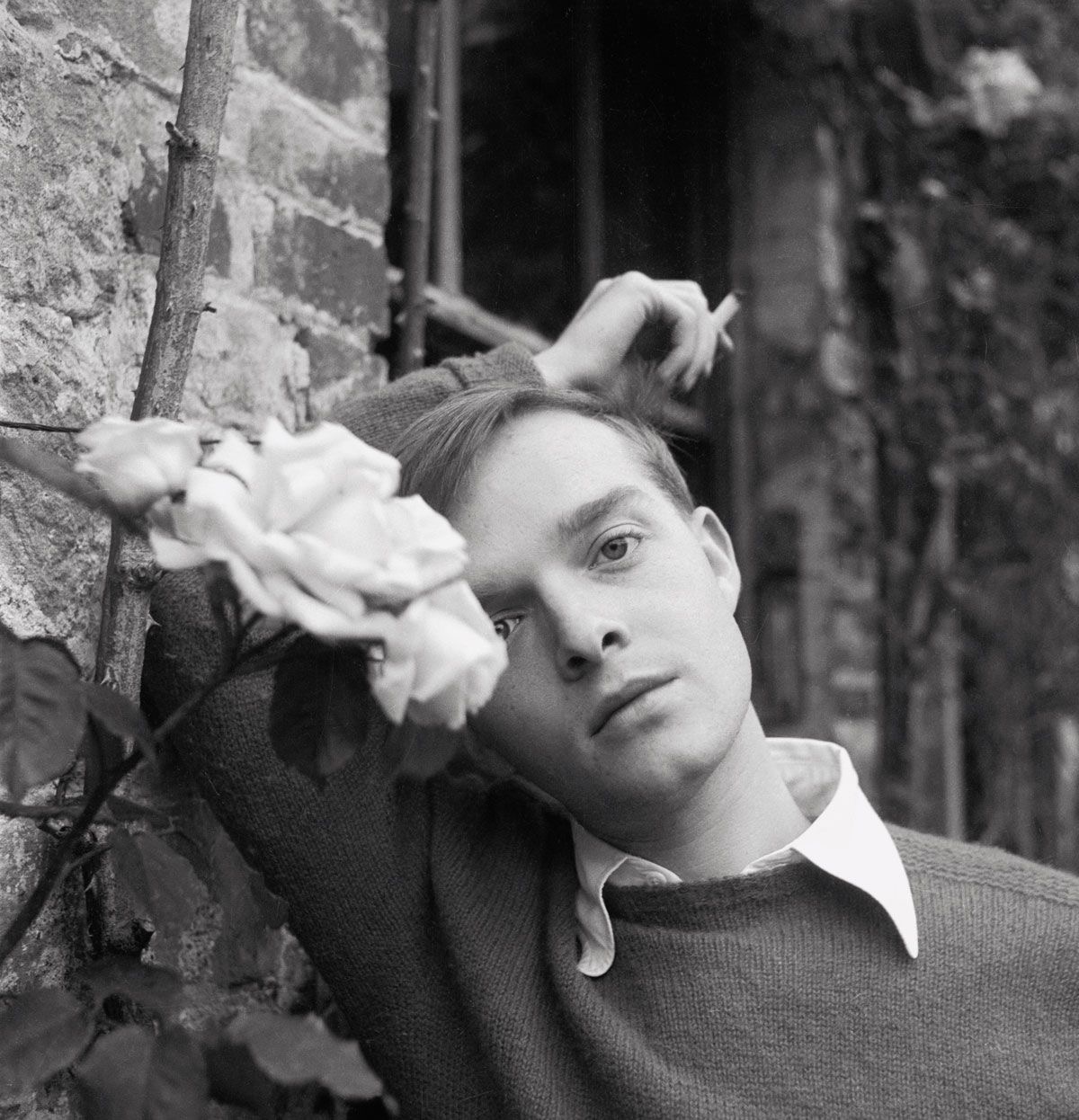
Truman Capote by Cecil Beaton 1948
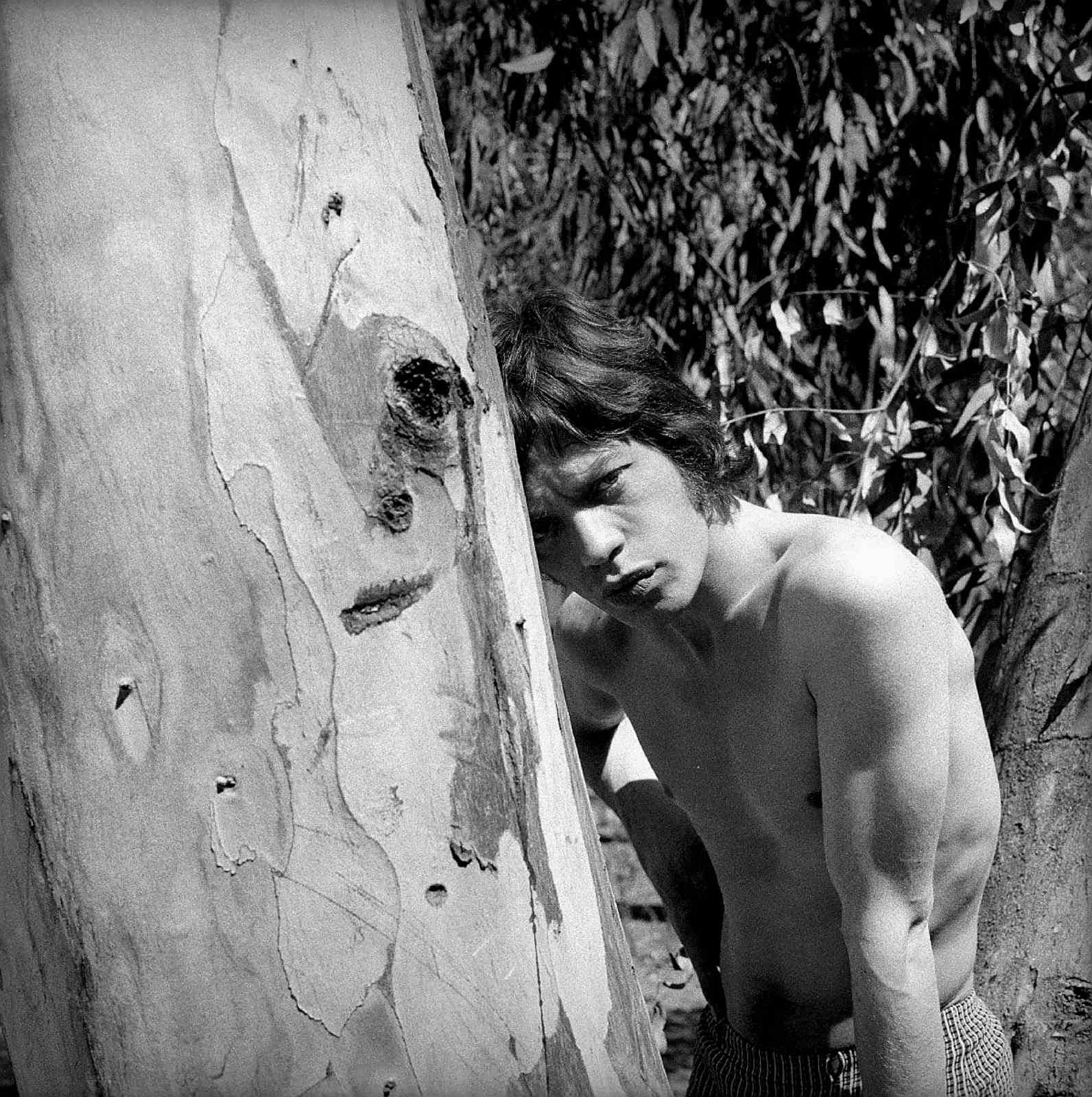
Mick Jagger by Cecil Beaton 1967
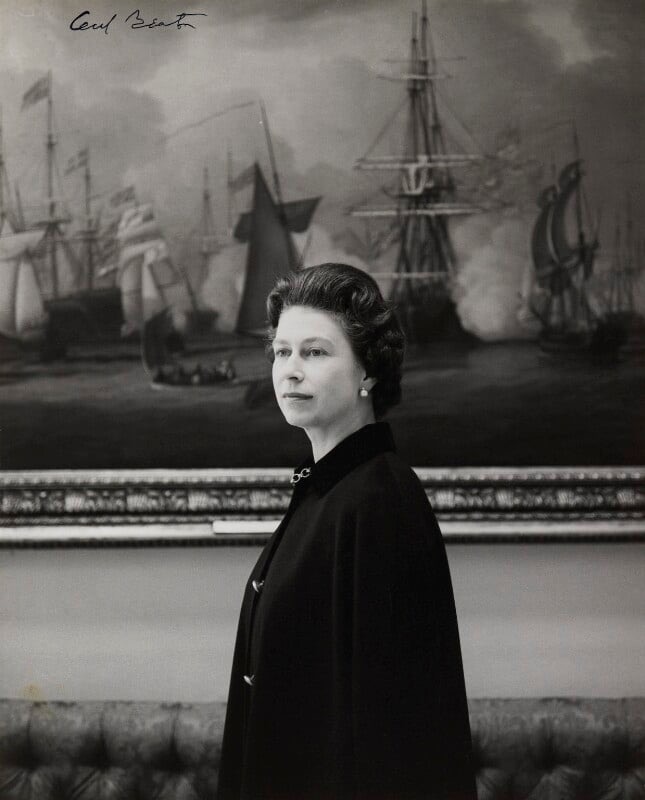
Queen Elizabeth the Second, bromide print by Cecil Beaton 1968. National Portrait Gallery,London
Cecil Beaton remained an arbiter of fashion throughout his career, from the 1920s to the 1960s. His flair for theatricality and elegance captured both celebrities and royalty in his signature, highly stylised compositions. In his long and diversified life, he flourished in creating a persona for himself—snobbish, confident, and often dismissive. As writer Truman Capote once said, “Cecil was that rare creature—a total self-creation.” He succeeded in rising to a position where his opinion was valued and respected, particularly in matters of taste.
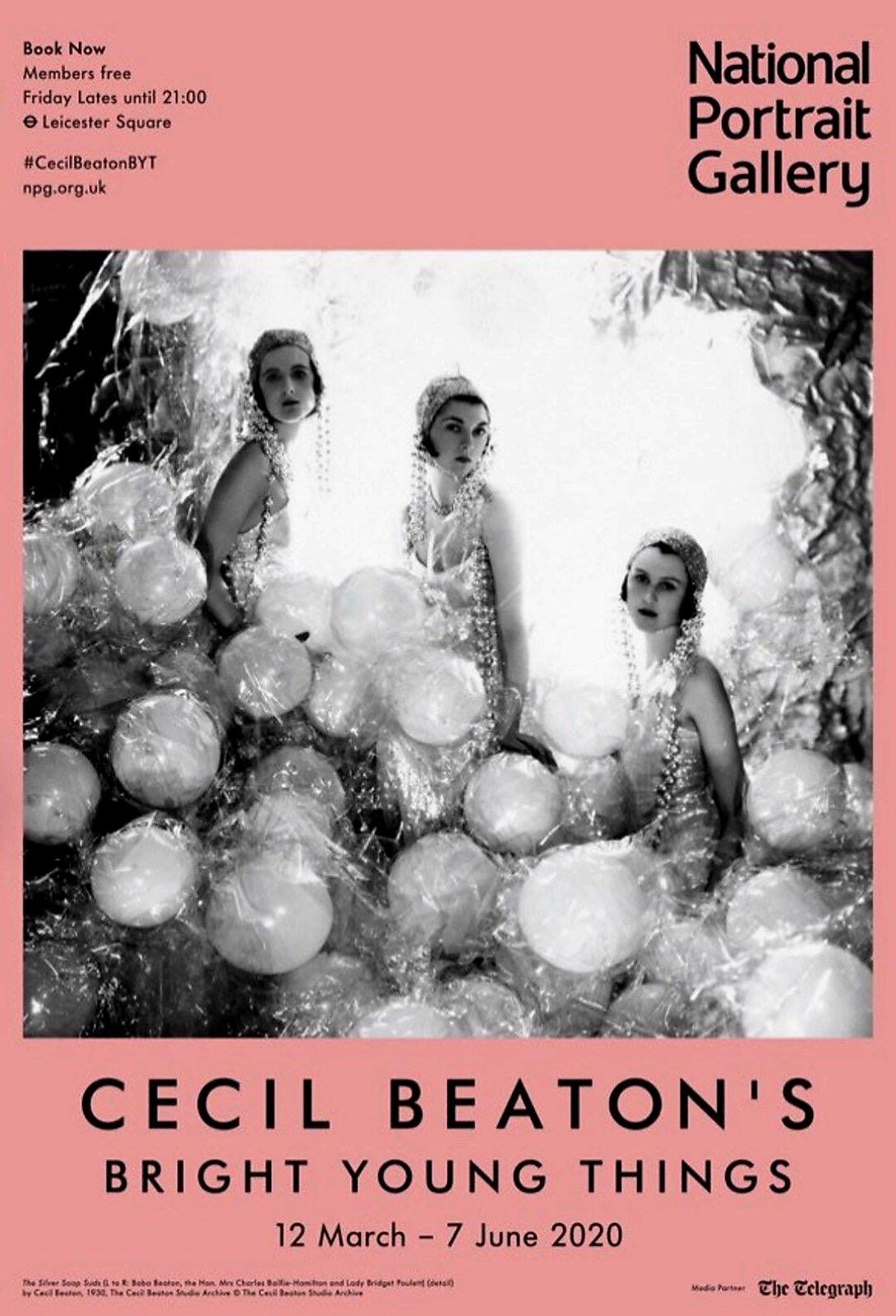
The National Portrait Gallery of London honored Cecil Beaton with a retrospective in year 2020
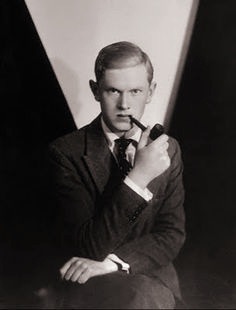
Evelyn Waugh by Cecil Beaton 1920
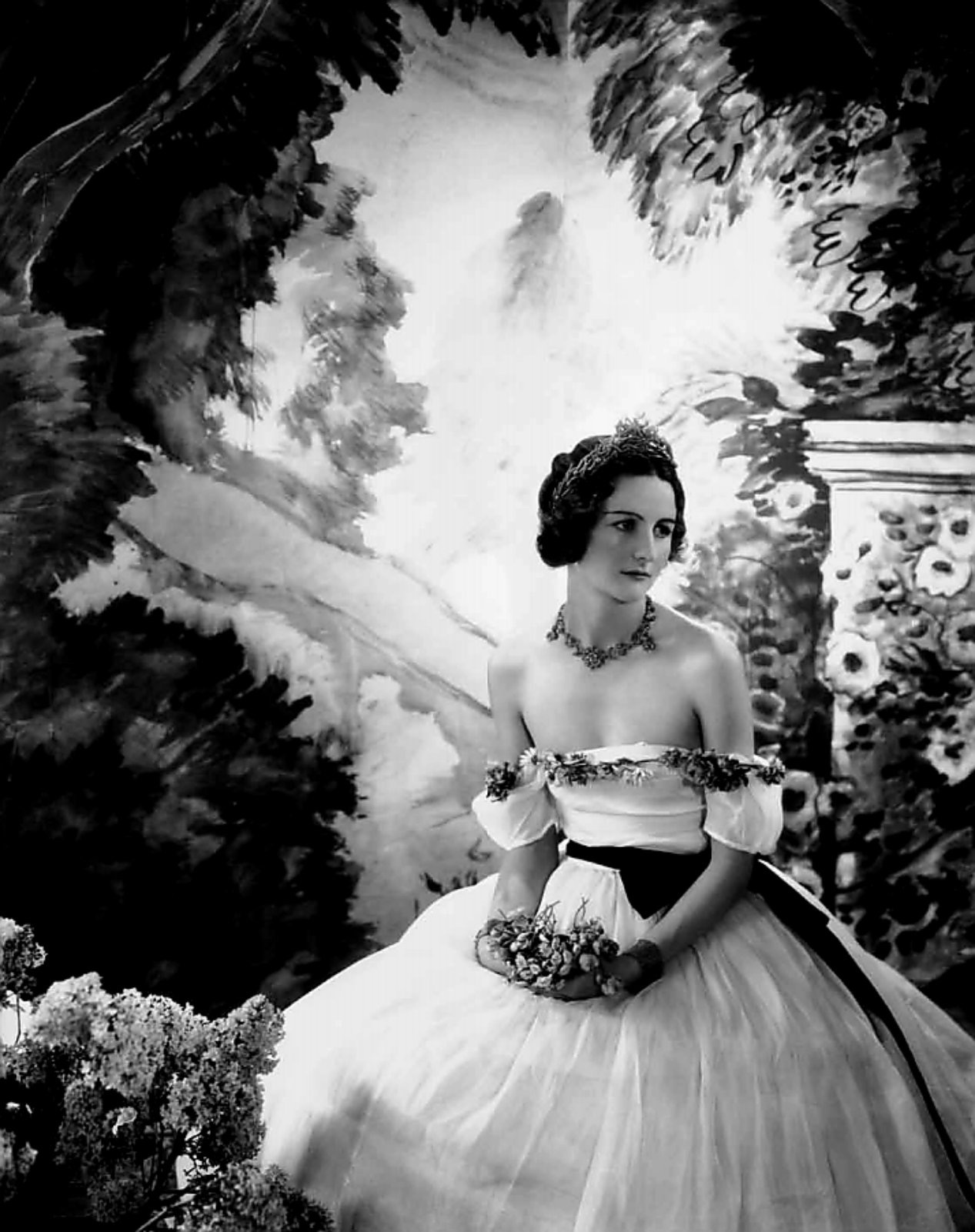
Nancy Mitford by Cecil Beaton 1929
Cecil Beaton’s influence on portrait photography remains pivotal and lives on today in the works of contemporary photographers. He was celebrated by the National Portrait Gallery in London in the spring of 2020 for his portfolio of a rebellious group of artists, writers, and socialites from the 1920s through the 1930s. Bright Young Things captured that spirit, reflecting a dramatic imprint on social mores of the epoch. Among the impressive cast were Stephen Tennant, the Mitford sisters, Siegfried Sassoon, Evelyn Waugh, and Daphne du Maurier. This exhibition charted Beaton’s transformation from a suburban schoolboy to a member of the glitterati. More than a photographer, Beaton turned himself into a society fixture in his own right.
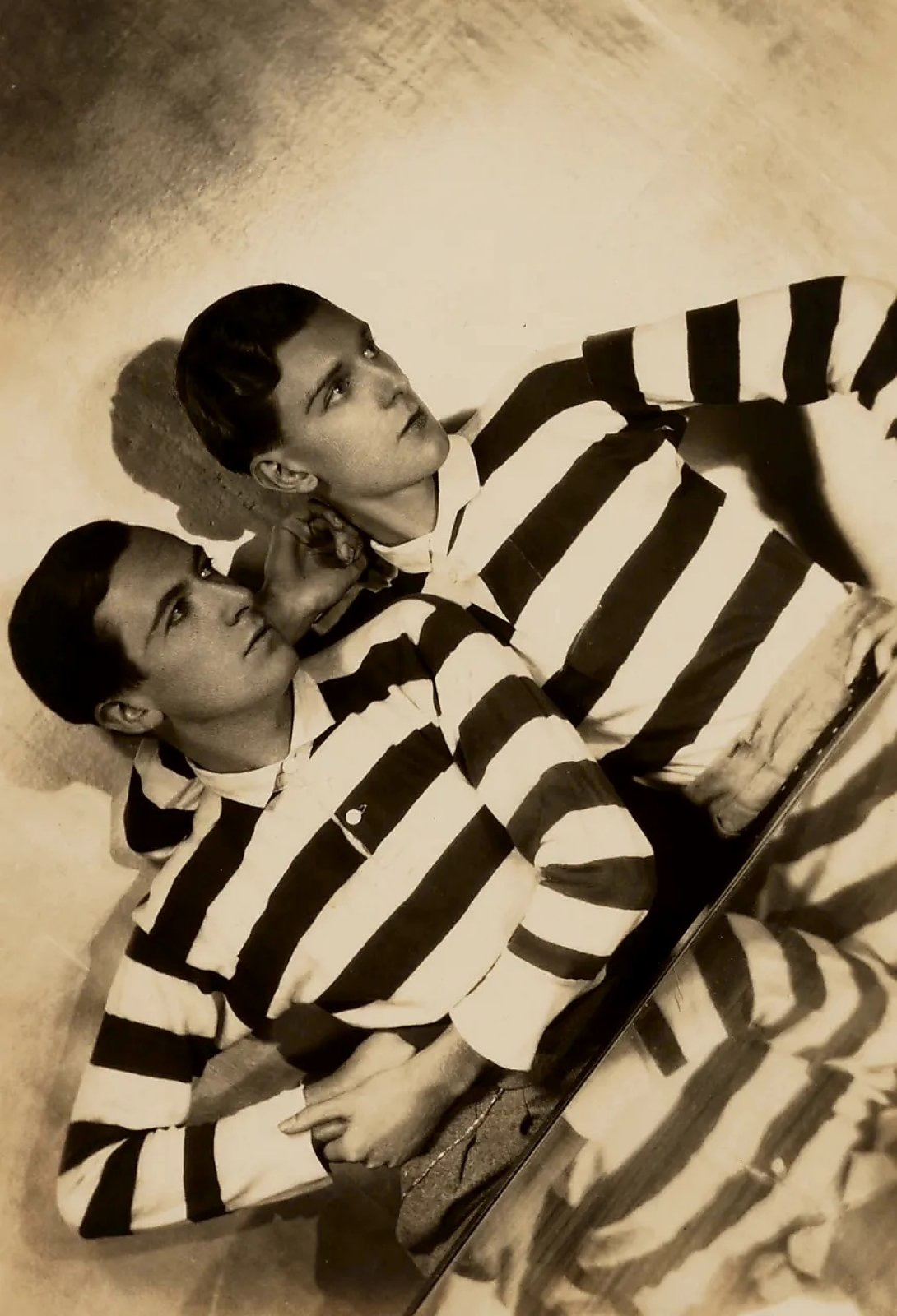
Cecil Beaton and Stephen Tennant, Riviera Wanderers photographed by Maurice Beck and Helen McGregor 1927, National Portrait Gallery, London
QuickFx
In Black and White: Photographer Richard Avedon Captures the Cultural Zeitgeist of His Era
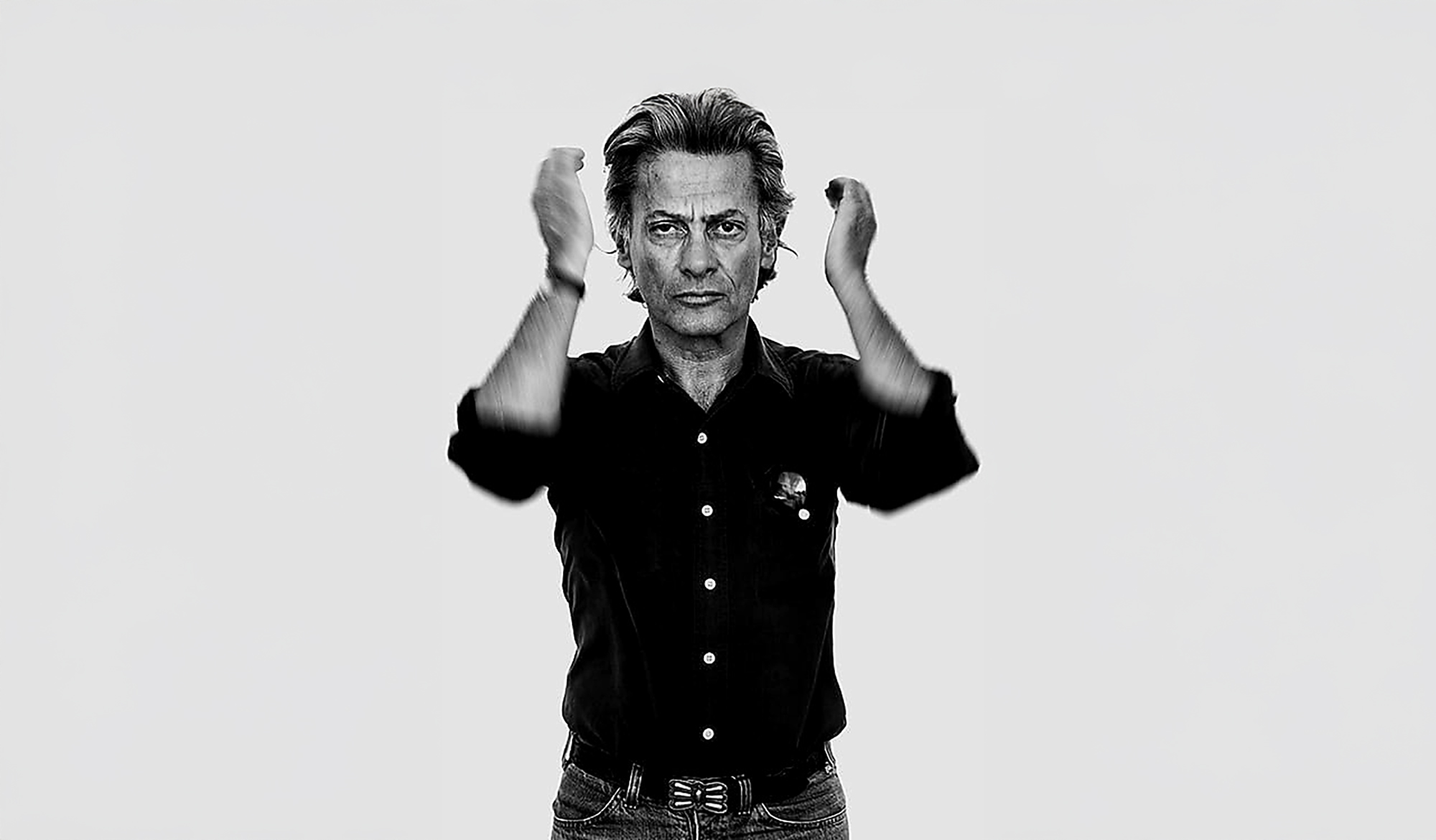
by Jing Ramos
Richard Avedon had photographed every single important personality in the cultural landscape of the last century. Long known for his images of stylish and urbane women decked out in Balenciaga or Dior, under Vogue editor-in-chief Diana Vreeland’s mentorship, he made his mark with the iconic photograph of Dovima with the elephants, evening dress by Christian Dior, Cirque d’Hiver in Paris, 1955.
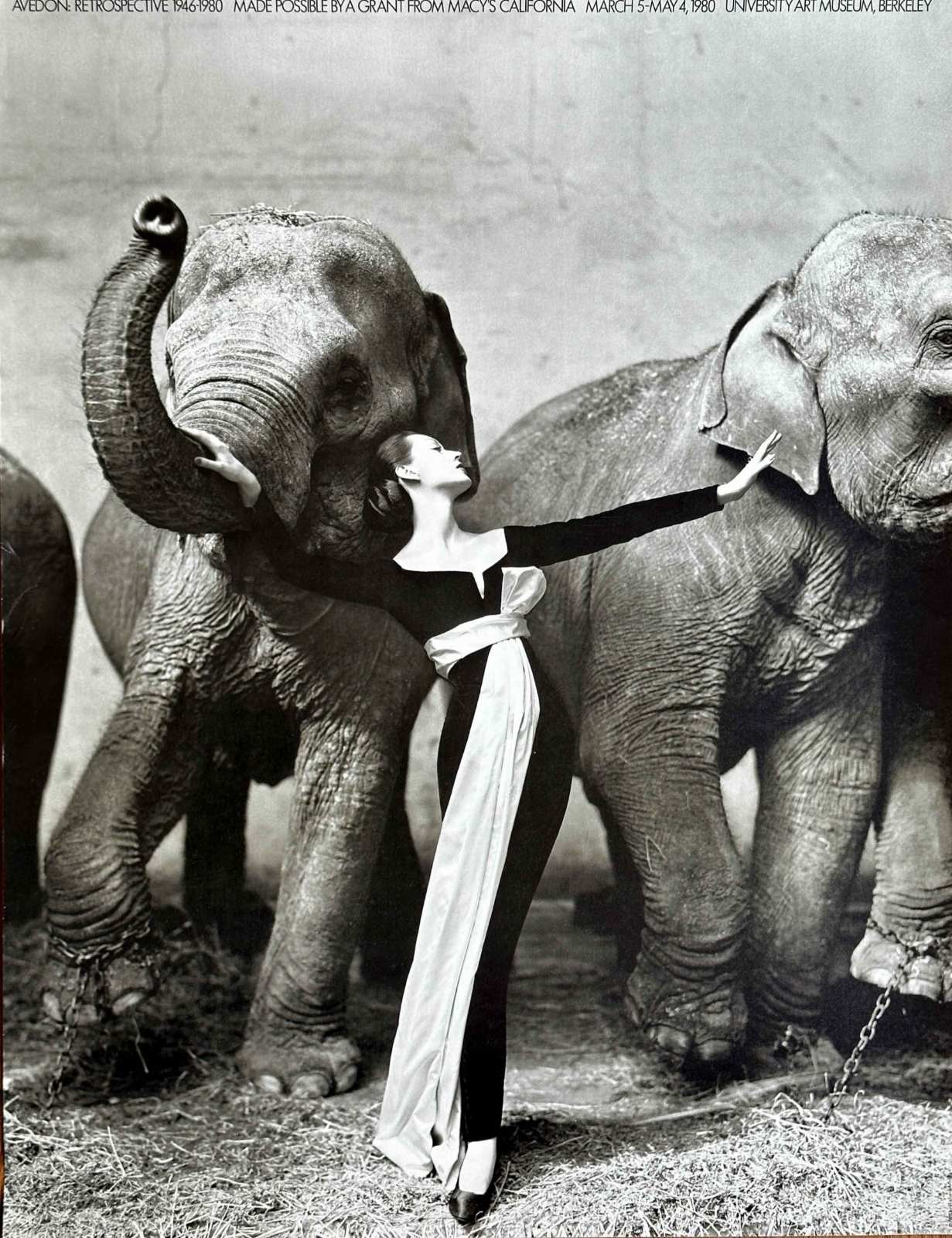
Dovima with elephants, Cirque d’Hiver Paris, 1955
And yet, in spite of Richard Avedon’s mammoth commercial success, he pined for loftier ideals. The photographer craved gravitas—portraits that remained pure and unvarnished and had a universal appeal. Always in black and white and photographed against a white background, Avedon’s portraits were often viewed as clinical, stone-cold, and sometimes unflattering. Think of the ones he did of artist Louise Nevelson and writer Isak Dinesen.
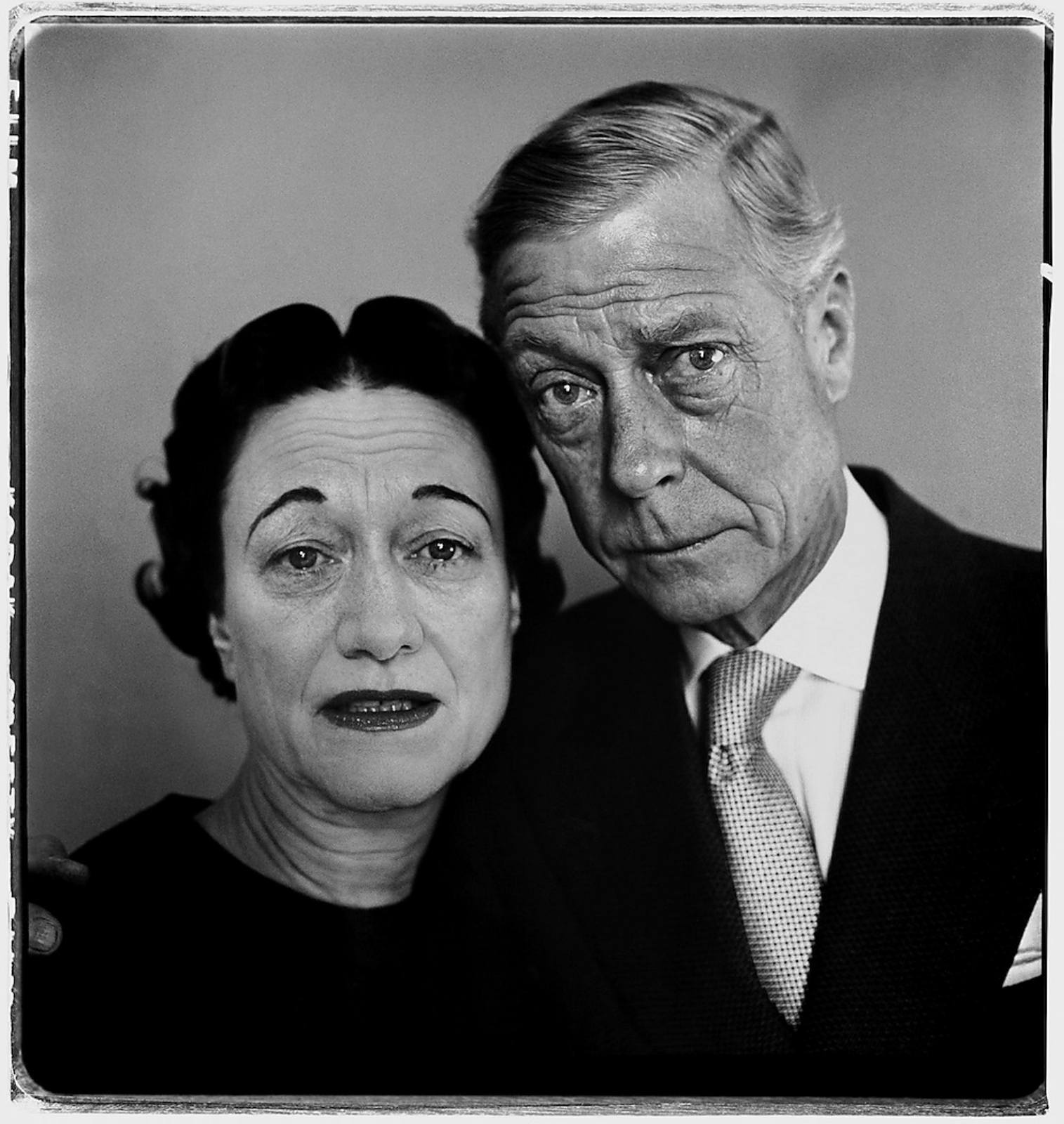
Duke and Duchess of Windsor New York, 1957
Other than their historical significance, the Duke and Duchess of Windsor were trailblazers in the cult of celebrity. The couple left the UK following Edward VIII’s abdication from the throne of England in order to marry the American divorcée, Wallis Simpson. The scandal shook the world while cultural depictions of the two most pursued celebrities behind the camera lenses continued to spur interest and influence.
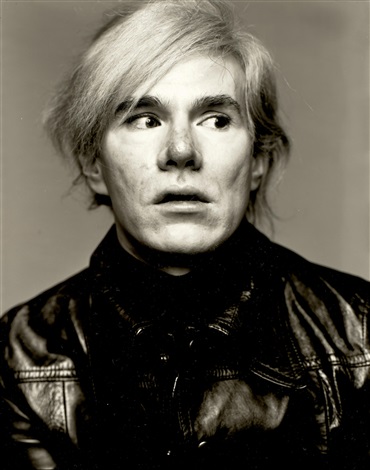
Andy Warhol, New York, 1968
Andy Warhol was likened to the “enfant terrible” of the international art scene. A pivotal pop artist famous for his silk-screened portraits of celebrities and pop figures ranging from Chairman Mao to actress Marilyn Monroe, Warhol drew imagery from advertising, mass media, and celebrity culture, and was regarded as the most important artist of the second half of the 20th century.
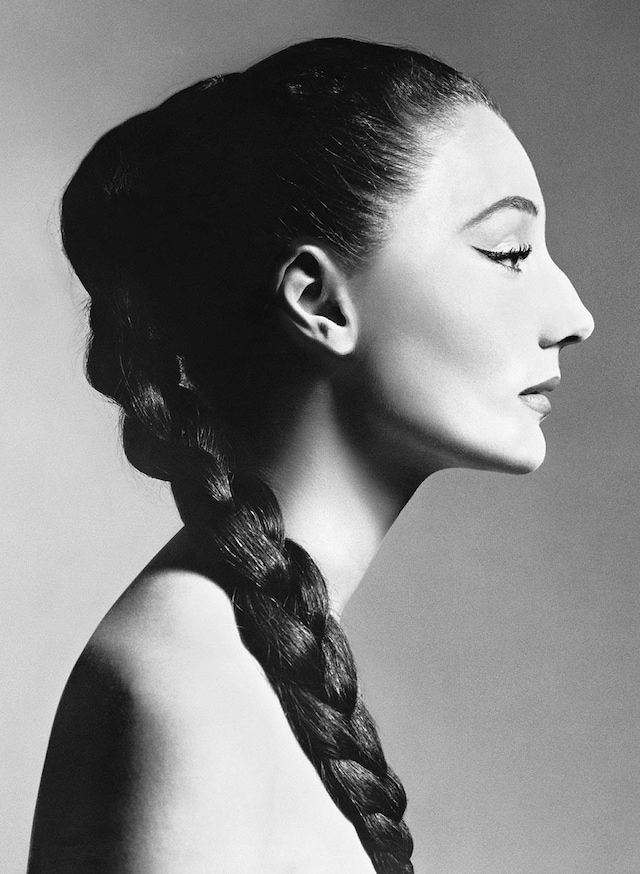
Countess Jacqueline des Ribes, 1955
Jacqueline de Ribes did not make her signature cultural identity until she became actively involved as manager of the International Ballet of the Marquis de Cuevas, following the death of its founder, George de Cuevas. The Countess received from the French state in 2010 the Légion d’honneur, the highest national order of merit established by Napoleon Bonaparte in 1802.
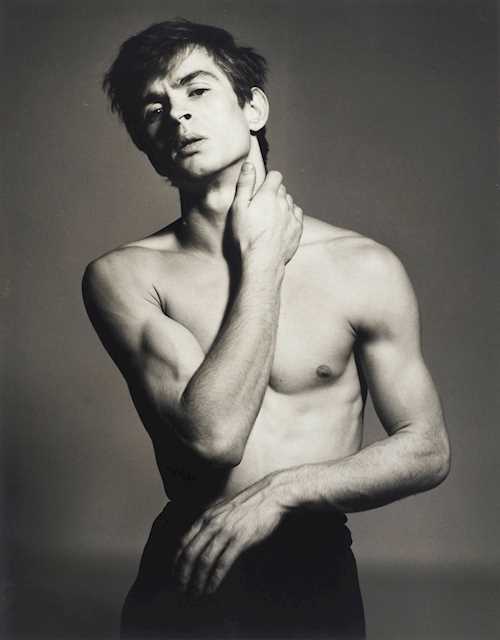
Rudolf Nureyev, 1962
The Soviet-born ballet dancer and choreographer is regarded as the pre-eminent male ballet dancer of the 20th century. In 1961, he defected to the West after a Kirov Ballet performance in Paris and instantly became a “cause célèbre,” known for his technical brilliance, particularly in his performance of Swan Lake in 1964. His lavish personal life added to his bravado.
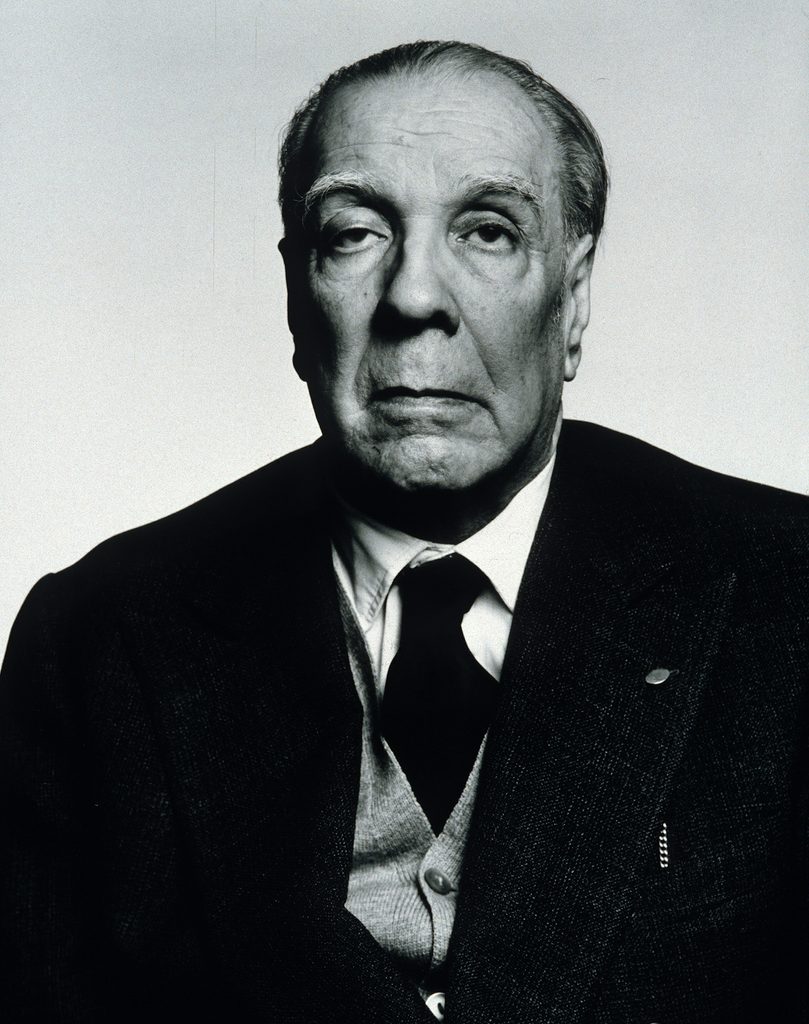
Jorge Luis Borges, Buenos Aires, 1975
The Argentine poet, essayist, and short-story writer whose notable works include Dream Tigers became one of the literary giants of the 20th century, though he eventually suffered from total blindness. When General Perón was deposed in 1955, Borges became director of the National Library, along with an honorary position at the University of Buenos Aires. Richard Avedon personally flew to Buenos Aires for a special photographic sitting with the celebrated blind poet, and he would later recount that his portrait of Borges turned out to be stillborn—a death mask.

Assemblage: Art Exhibit Blending Themes of Infinity and Renewal

At the Table: Introducing Flora de Filipinas

Cebu’s Heritage Is Not a Museum Piece, Darlings

James Morales Jr.; Capturing Significant Images Through His Lenses While Nurturing a Lifelong Passion for Vintage Cars
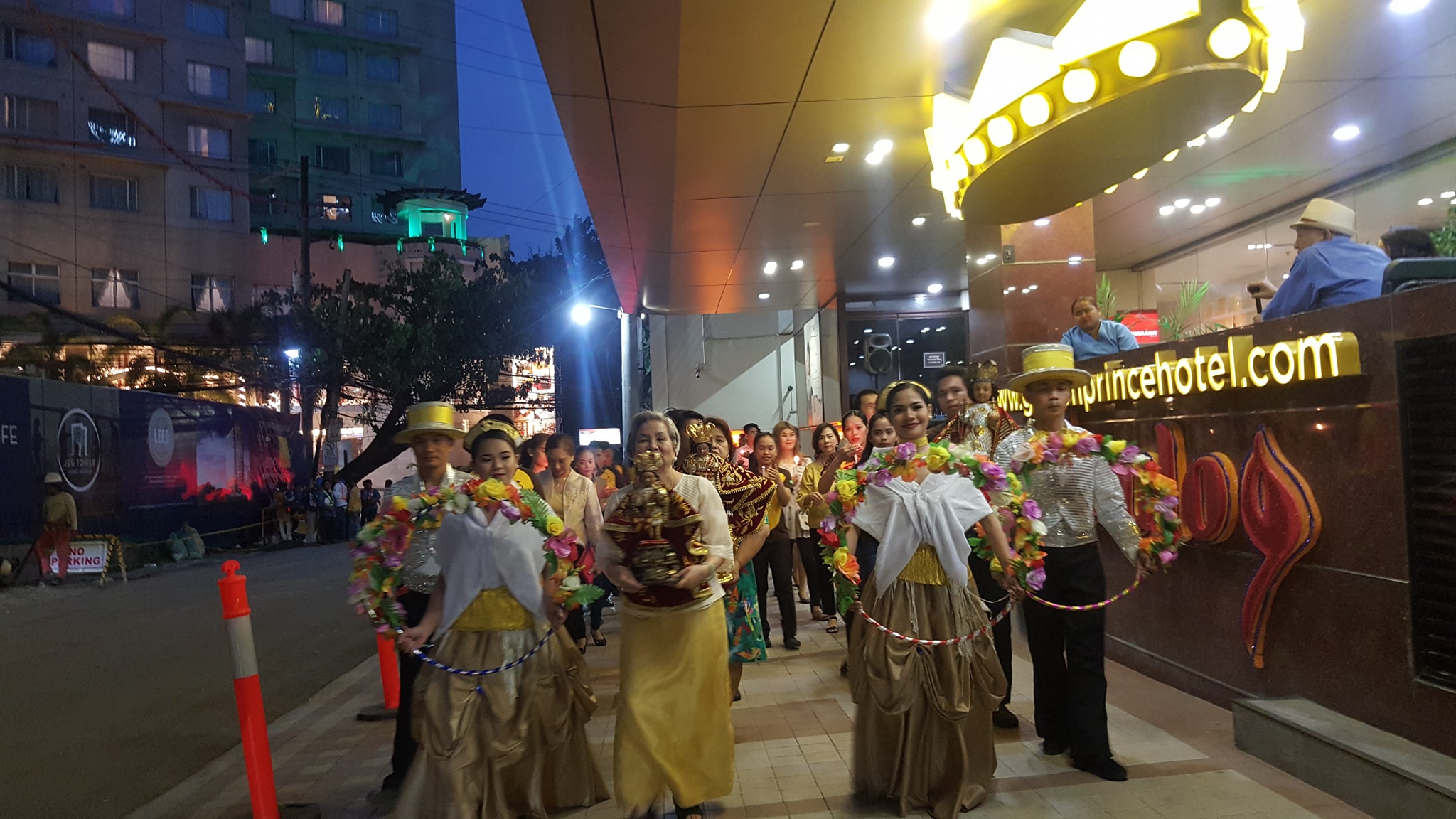
Golden Prince Hotel’s Sinulog Royalty Experience

SM Fashion Forum reveals Cebu’s style influencers
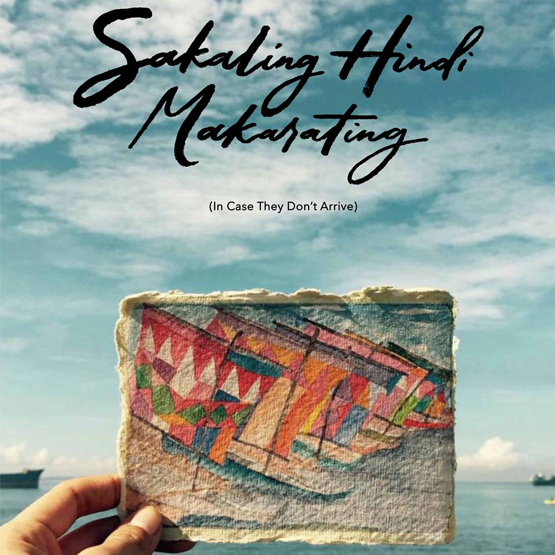
5 Filipino Films That Continue the Conversation on Women Empowerment

Noise and Sounds: An Artform

Christmas in Colonial Cebu: A Themed Exhibit by Teresin Mendezona and Eva Gullas for Stylescapes 2019

Artisanal Cebu: Aspiring calligraphy artist Abigail Condrado

Experience authentic Korean Barbeque at Da-In Restaurant

Chaine des Rotisseurs: A Night of Spanish Cuisine
-
 Fashion3 months ago
Ramon Valera; Manila Society’s Fashion Darling
-
 Ogle La La 3.01 month ago
Cebu’s Heritage Is Not a Museum Piece, Darlings
-
 Prime Target2 months ago
James Morales Jr.; Capturing Significant Images Through His Lenses While Nurturing a Lifelong Passion for Vintage Cars
-
 Art Beat3 weeks ago
Assemblage: Art Exhibit Blending Themes of Infinity and Renewal
-
 The Scene3 weeks ago
At the Table: Introducing Flora de Filipinas