The title of this article is a reference to the erstwhile film critic Pauline Kael, who wrote essays for The New Yorker. Ms. Kael enhanced my interest in film culture, turning me into a self-avowed cinephile through her articles.
Cinema in the 1960s was characterized by the pervasive growth of youth culture and shifting societal expectations. Filmmaking techniques evolved with a novel sense of trial and experimentation in visual style.
Movies captured the era’s spirit, documented the counterculture, and propelled narrative and technical boundaries. It became a platform that defined a generation’s identity and confronted public issues of the time.
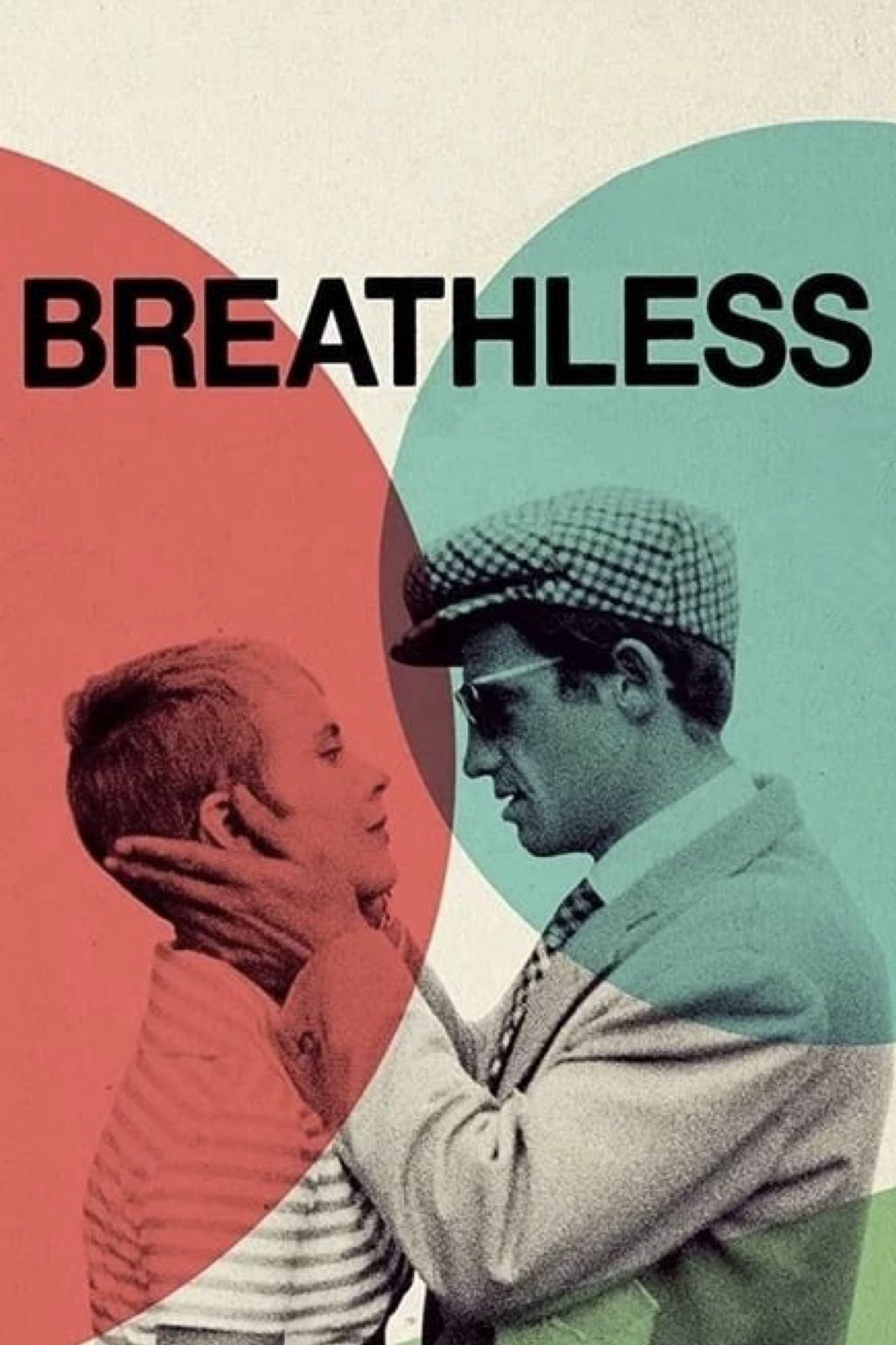
1. Jean Seberg and Jean-Paul Belmondo in Breathless
Jean-Luc Godard’s Breathless attracted global attention for its bold visual style, which included the unconventional use of jump cuts that broke traditional editing rules. The stylistic approach combined themes of alienation and existential freedom. The film became a touchstone for the French New Wave movement and remains as cool now as it was upon its first release.
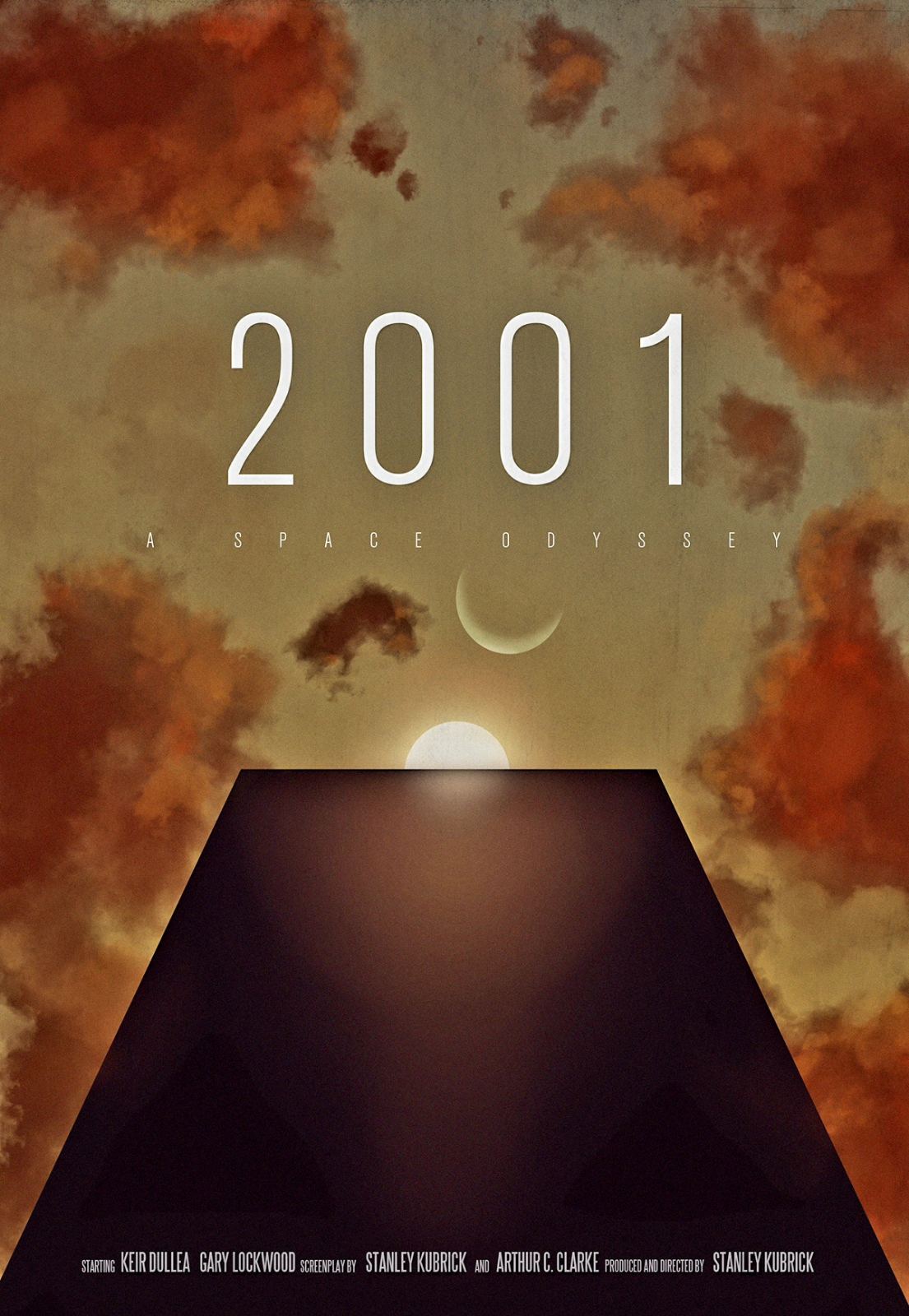
2. Stanley Kubrick’s 2001: A Space Odyssey
2001: A Space Odyssey was credited with having a profound influence on the science-fiction genre. Stanley Kubrick’s film, with its ambiguous, non-linear story and minimal dialogue, encouraged free interpretation of its narrative. It also established a realistic vision of space technology while questioning the validity of advanced artificial intelligence.
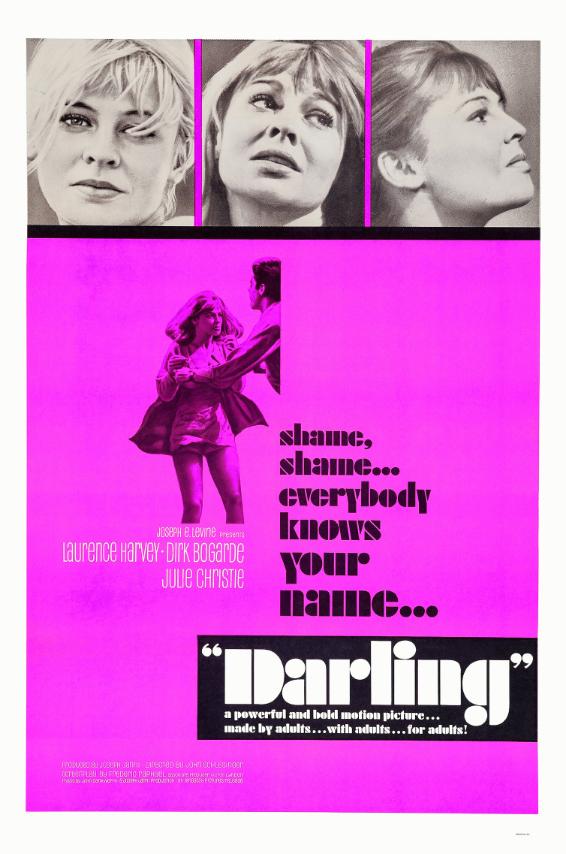
3. John Schlesinger’s Darling
Julie Christie’s role as a shallow social climber was likened to the Becky Sharp character in William Thackeray’s classic Vanity Fair. Director John Schlesinger’s version of this engaging story showcased a cynical portrait of the superficiality and ambition of London’s fashion and celebrity scene in the 1960s. The film also won an Oscar for Julie Christie as Best Actress in 1966.
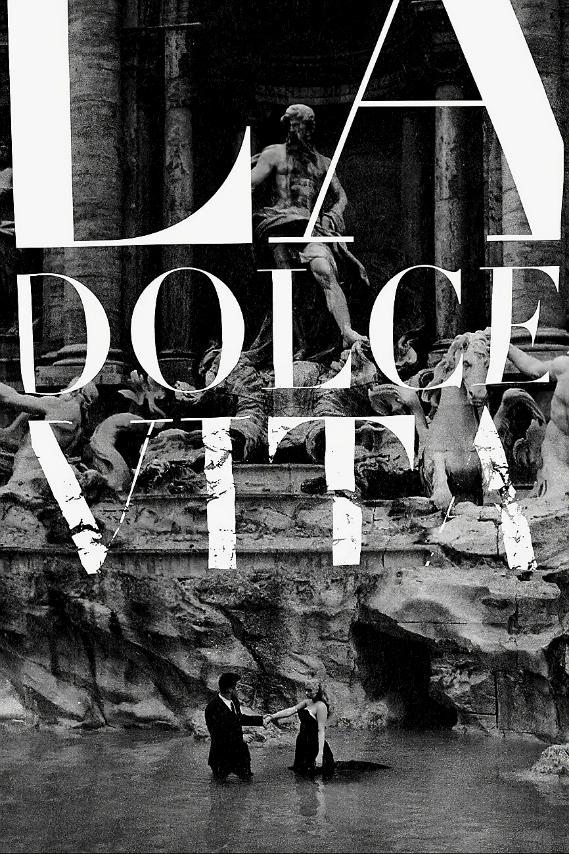
4. Marcello Mastroianni and Anita Ekberg in Fellini’s La Dolce Vita
Federico Fellini’s La Dolce Vita introduced a fragmented structure, shifting from Italian neorealism to a more subjective aesthetic hailed as a masterpiece of post-war cinema. The film’s title became synonymous with a certain kind of glamorous and hedonistic lifestyle often pursued by the paparazzi.
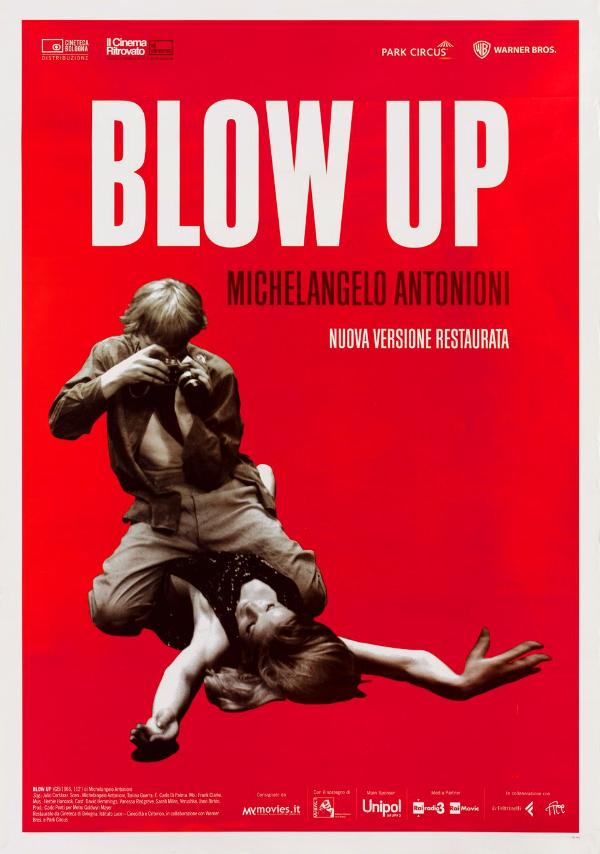
5. David Hemmings and Veruschka in Blow-Up
Michelangelo Antonioni’s Blow-Up disregarded conventional plot structure, creating a psychological thriller that explored themes of perception and reality. The film famously provided a cultural document of London in the swinging ’60s, capturing its vibrant social and artistic milieu—particularly its fashion and youth lifestyle. It also won the Palme d’Or at the 1967 Cannes Film Festival.