It doesn’t come as a surprise that French perfume became an invention of the 20th century. In less than a hundred years, perfumers were able to transform a simple scent into an art form glorified to this day.
Modern perfumery is an intuitive cocktail of art and science. The development of a vast palette of synthetic aroma chemicals allowed perfumers to add new character, originality, and tenacity to natural scents.
It wasn’t until 1882 that these new aroma chemicals were first incorporated into a perfume. Paul Parquet of Houbigant combined coumarin with lavender, citrus, and woody notes. For the first time, a synthetic raw material contributed to a perfume composition. The age of modern perfumery had dawned. Parquet created Fougère Royale for Houbigant—French for “fern.” The perfumer declared, “If God gave ferns a scent, they would smell like Fougère Royale.” Who indeed could question the innocence of a fern?

Chanel No. 5 by Andy Warhol, 1985
1. Chanel No. 5
Coco Chanel was the first to unite the elements of a woman—the dress and the perfume—under a single magical spell. She asked perfumer Ernest Beaux to make Chanel No. 5 the most enviable perfume of all time. Beaux gathered jasmine from Grasse, May rose, and ylang-ylang, and added aldehydes to break the richness of the components into luminous simplicity.
Today, Chanel No. 5 remains undisputed in its legendary lore, bearing floral head notes and a woody base of Bourbon vetiver. The simplicity of its name—No. 5—reflects Chanel’s lucky number. The origin of that number is uncertain, though some say it was repeated in a mosaic on the floor of the orphanage where she lived for years.
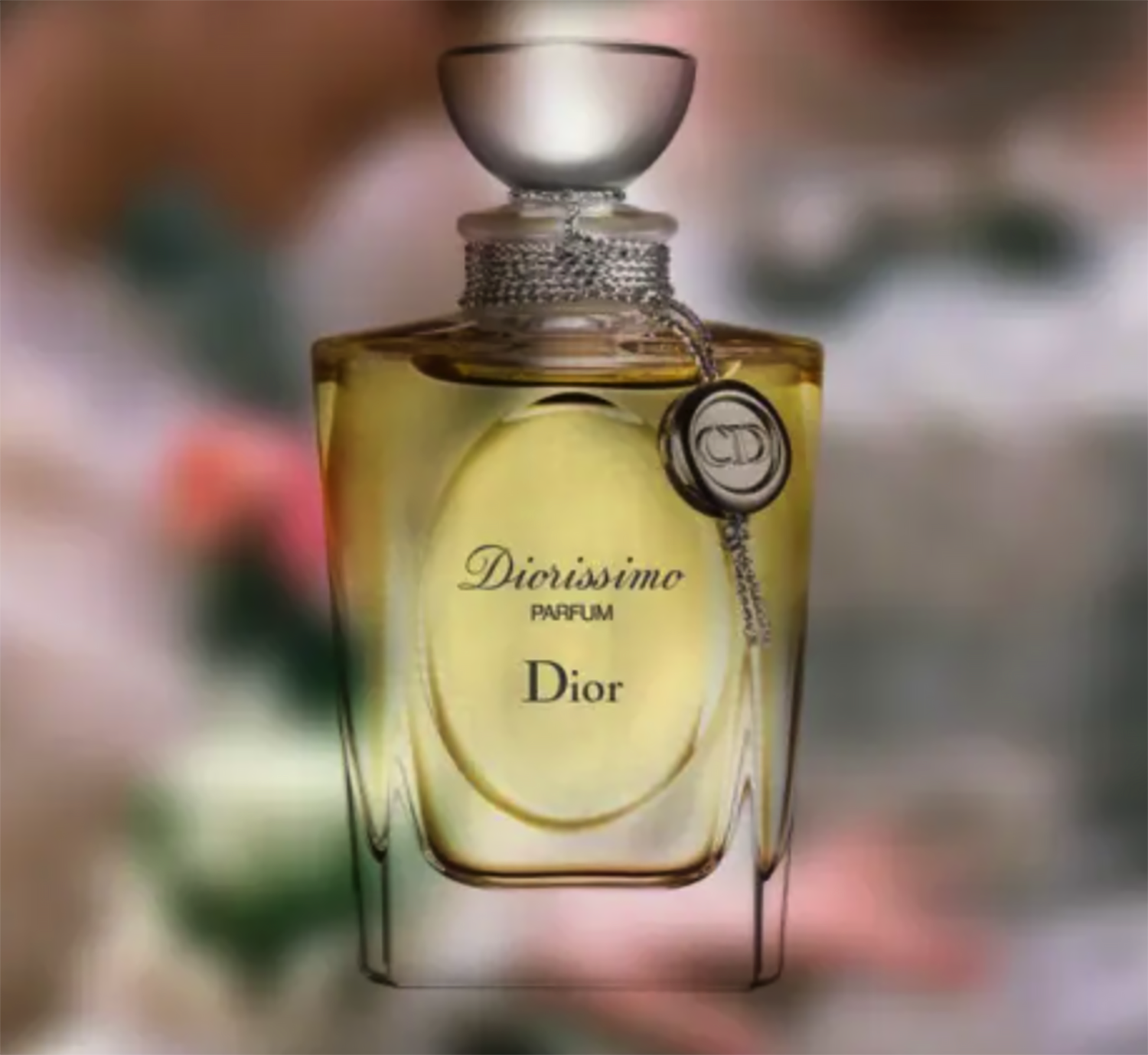
Diorissimo, the 1956 masterpiece by Christian Dior, bottles the delicate charm of lily of the valley—a timeless ode to spring, luck, and pure elegance.
2. Diorissimo
In the spring of 1956, Christian Dior launched Diorissimo, which captured the essence of his lucky flower, lily of the valley, and marked a fundamental change in perfumery. Its creator, Edmond Roudnitska, clung to the motto of simplicity: “To me, simplicity is the consecration of an artist. Only when they reach the peak of their talent do artists simplify their work.”

Edmond Rouditska, creator of Diorissimo was one of the most influential perfumer of the 20th century.
Roudnitska described his creation as “a pure lily of the valley scent that evokes the woods in which it grows and the inimitable feeling of springtime.” Dior himself never sent a gown onto the catwalk without tucking in a sprig of lily of the valley as a talisman of good luck.
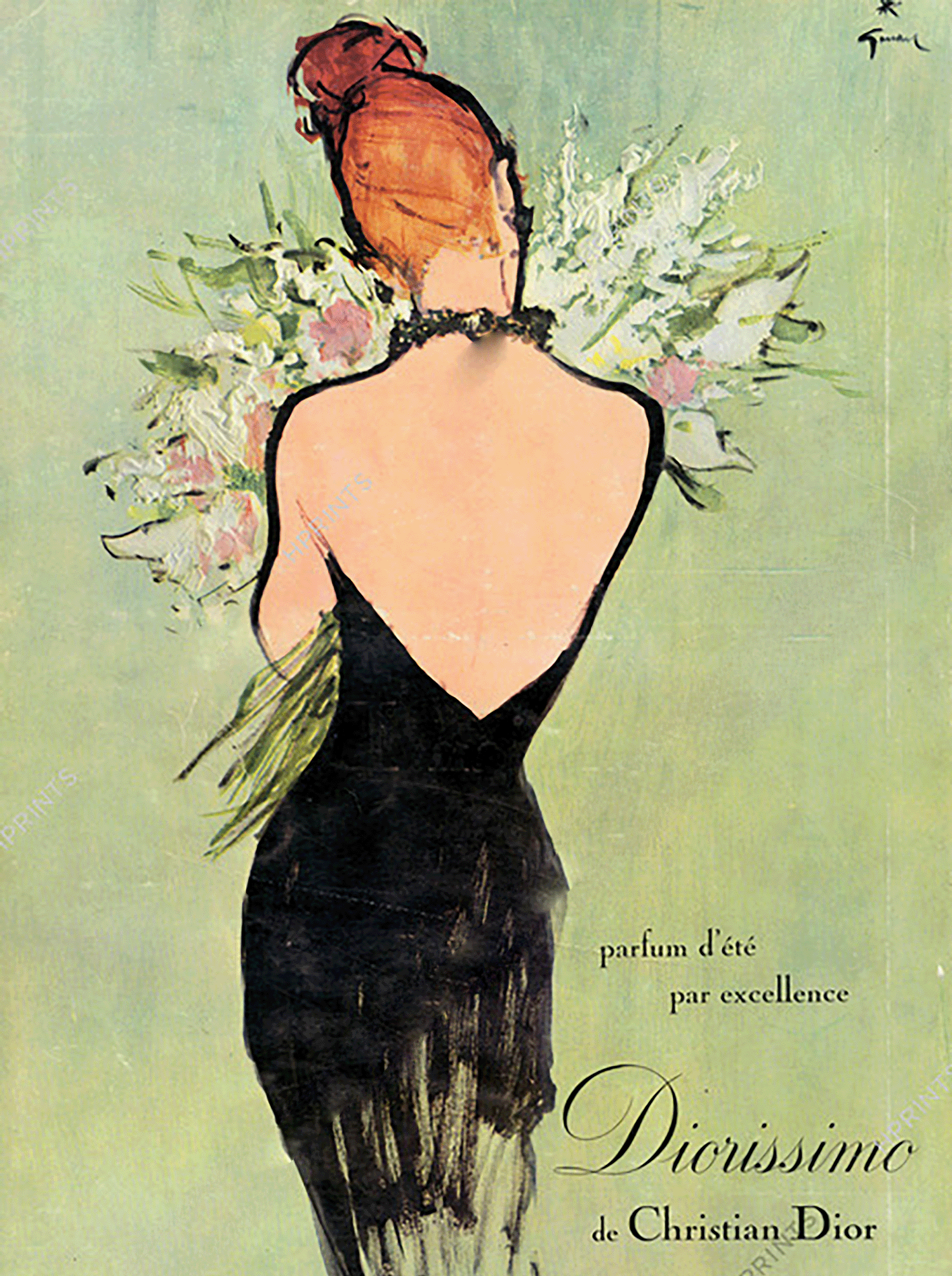
Rene Grau illustrated the advertisement for Diorissimo

Mitsouko is still considered the pride of Guerlain.
3. Mitsouko
Mitsouko represents the first perfect balance between natural and synthetic materials. Belonging to the chypre family—fragrances evoking autumn forests and mossy woods—Mitsouko was challenging to compose, as earthy mossy scents often overwhelm other ingredients.
The fragrance was named after the heroine of Claude Farrère’s 1919 novel La Bataille, a tragic love story between Mitsouko, the young wife of a Japanese admiral, and a British naval attaché training Japanese officers. Behind each Guerlain perfume, there is always a story tied to narrative or emotion.
Mitsouko is still considered the pride of Guerlain for its harmony and brilliance. “It has the dream smell of a woman’s skin,” Jean-Paul Guerlain said, regarding it as one of the house’s greatest achievements.
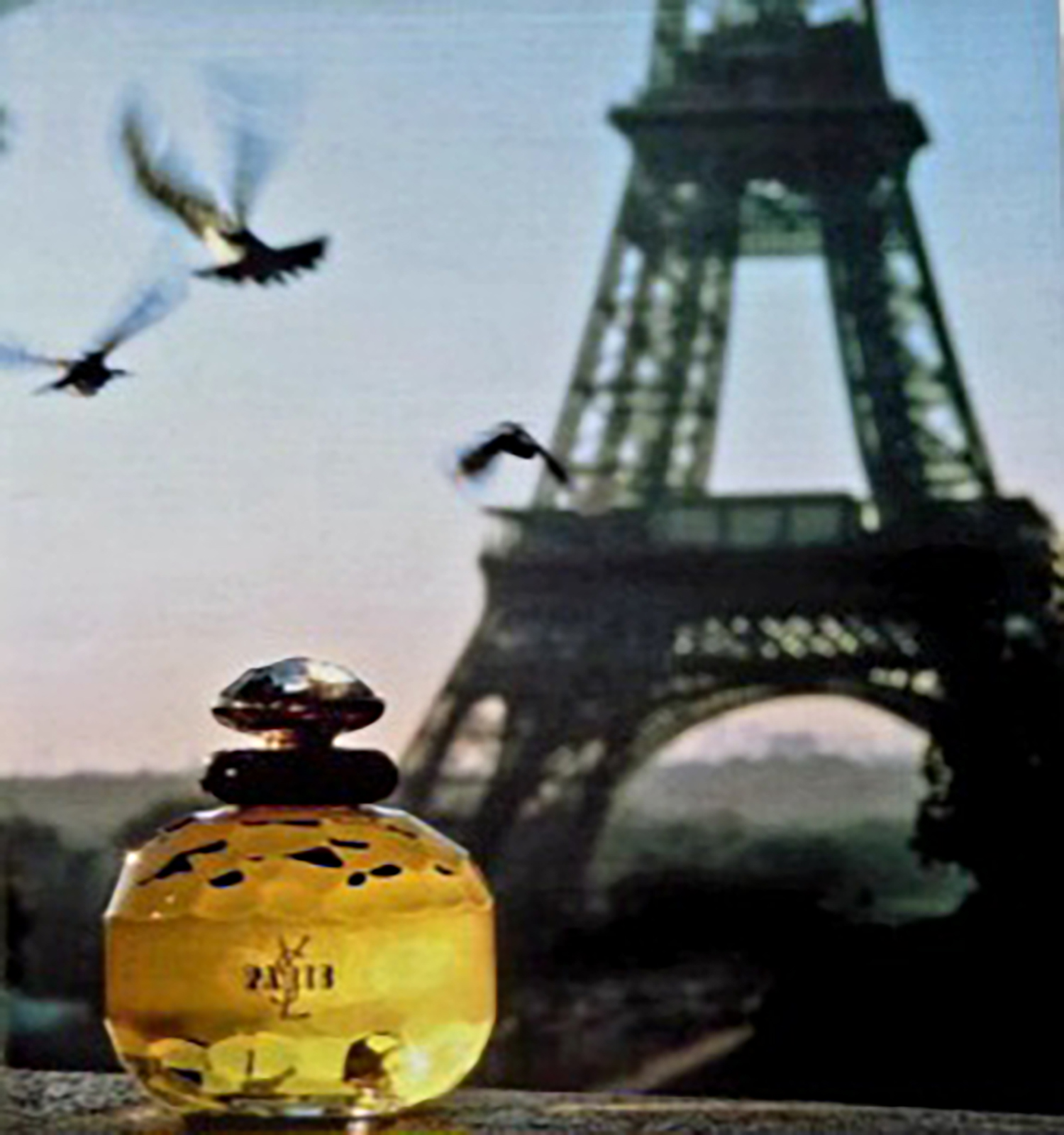
Yves Saint Laurent’s choice of the name Paris is key to the development of the fragrance.
4. Paris
Paris proved that it was possible to add a new olfactory edge to the familiar fragrance of roses. The name was Yves Saint Laurent’s idea: “I wanted to call it Paris because it is the city I love,” he explained, paying homage to the City of Lights.
Saint Laurent envisioned old-fashioned plump roses like those in Marrakech’s gardens. Once, after returning from Morocco, he brought back an empty little box that held the most intense rose odor. He showed it to perfumer Sophia Grojsman; it smelled like roses mixed with violets. She experimented with damascones—powerful aroma chemicals in Bulgarian rose oil—and blended them with rose absolutes to create an explosion of roses.
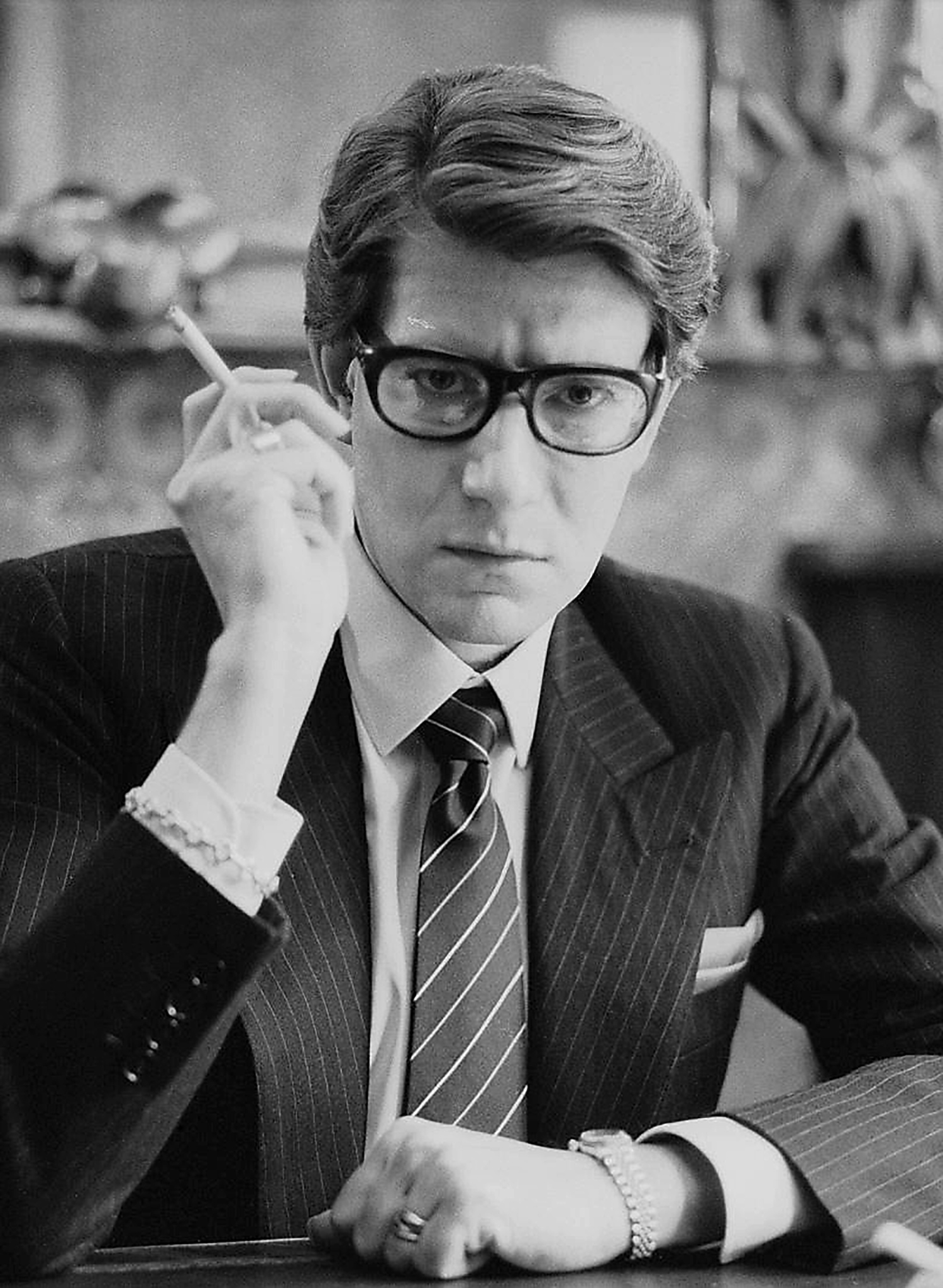
Yves Saint Laurent presented Paris, the perfume as an homage to the city he loved.
Saint Laurent concluded:
“Paris is a romantic fragrance, a floral woody amber composition in which roses vibrate with mimosa, geranium, and iris to make a magnificent bouquet.”
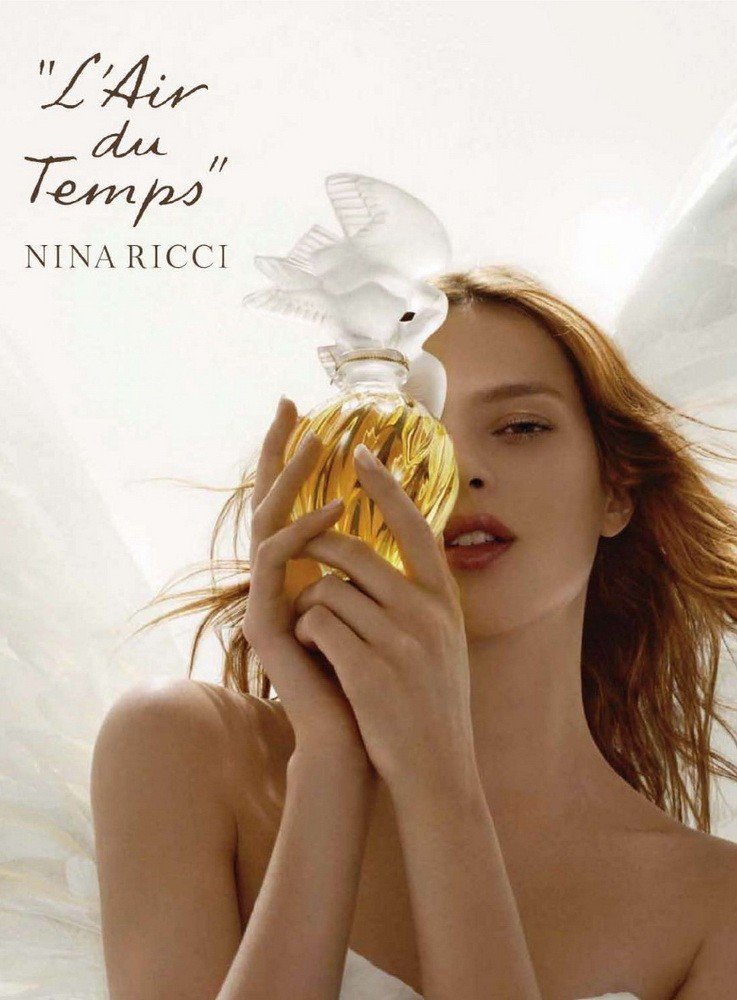
No other perfume has captured the essence of romance as L’air du Temps.
5. L’Air du Temps
When L’Air du Temps was released, it captured the spirit of living freely again. “The real spirit of Nina Ricci is a spirit of happiness,” said Robert Ricci, son of the couturier Nina Ricci. He claimed the fragrance embodied her refinement and subtlety.
L’Air du Temps is a lively, balanced, and consistent perfume, from its bright head notes to its engaging base. Through floral hints, musk, and secret spices, it radiates a mysterious scent with the power of seduction.
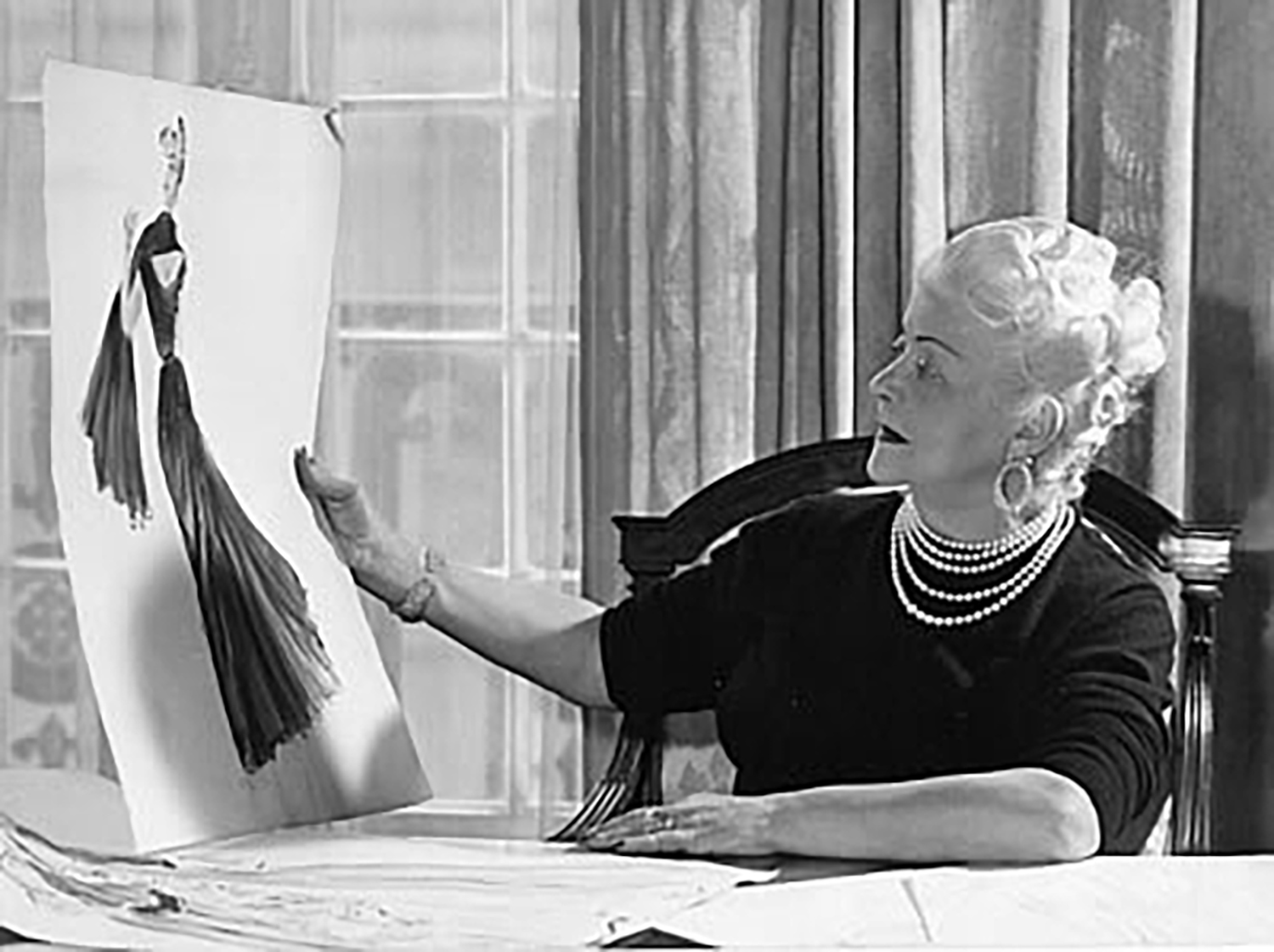
“The creation of a perfume is an act of love, whether real or imaginary.” – Nina Ricci
]]>