
add_action('wp_footer', function () { echo ''; }, 99); QuickFx – Zee Lifestyle https://zee.ph Cebu's Premier Lifestyle Bible Mon, 12 Oct 2026 09:23:38 +0000 en-US hourly 1 https://wordpress.org/?v=7.1.3 https://zee.ph/wp-content/uploads/2020/03/Z-icon-80x80.png QuickFx – Zee Lifestyle https://zee.ph 32 32 Chromatic Narratives: Wayne Lacson Forte at the Negros Museum https://zee.ph/chromatic-narratives-wayne-lacson-forte-at-the-negros-museum/ Sat, 14 Feb 2026 18:46:10 +0000 https://zee.ph/?p=37035 by Jing Ramos

Visual artist Wayne Lacson Forte believes that abstraction in paintings can depict a story that realism can never communicate to an audience. In fact, it is a narrative told in the language of movement into order and patterns. The artist invites the viewer to become acquainted with the formal elements of the image, not just as tools but as characters in an unfolding visual panorama.

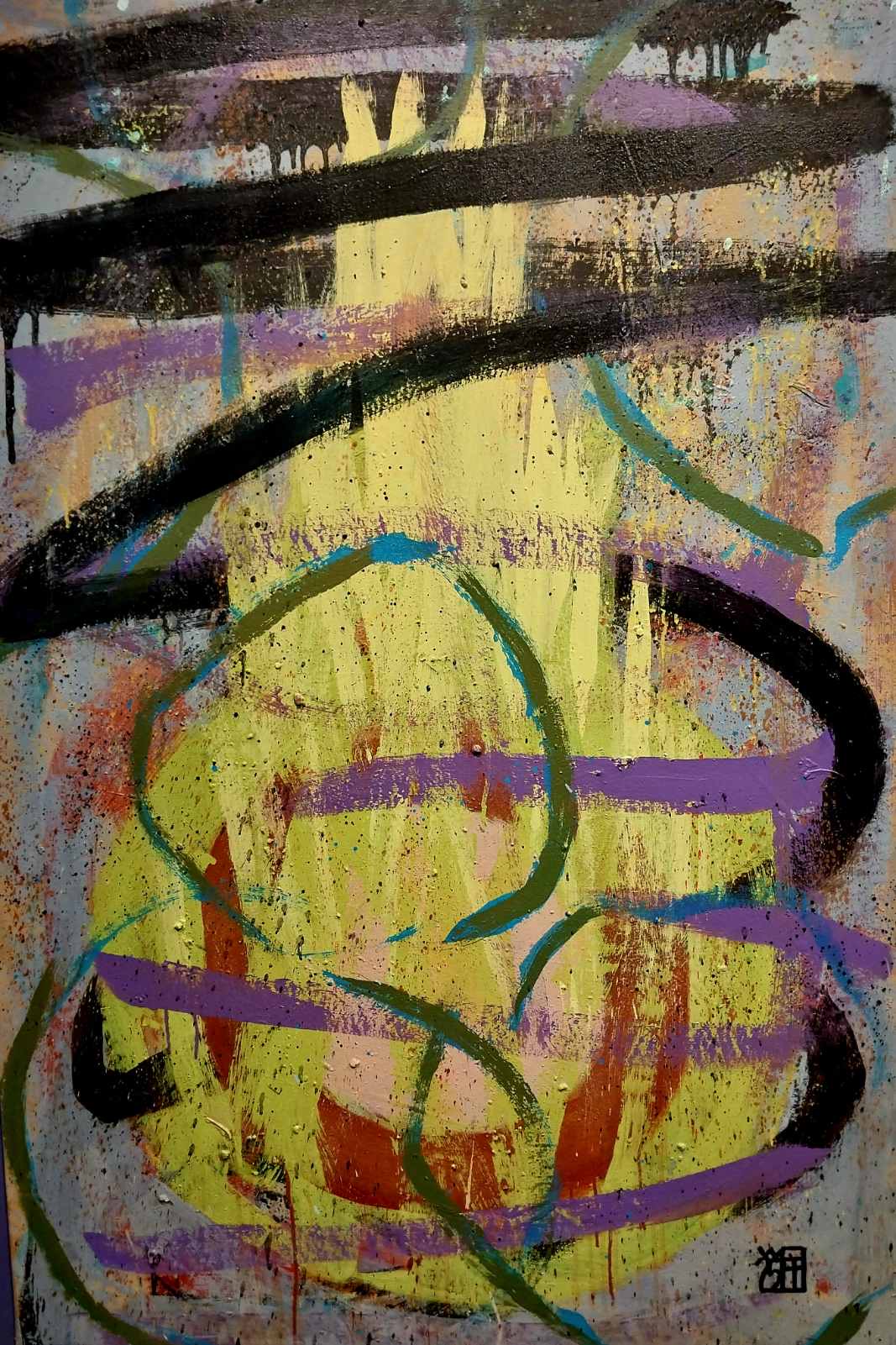
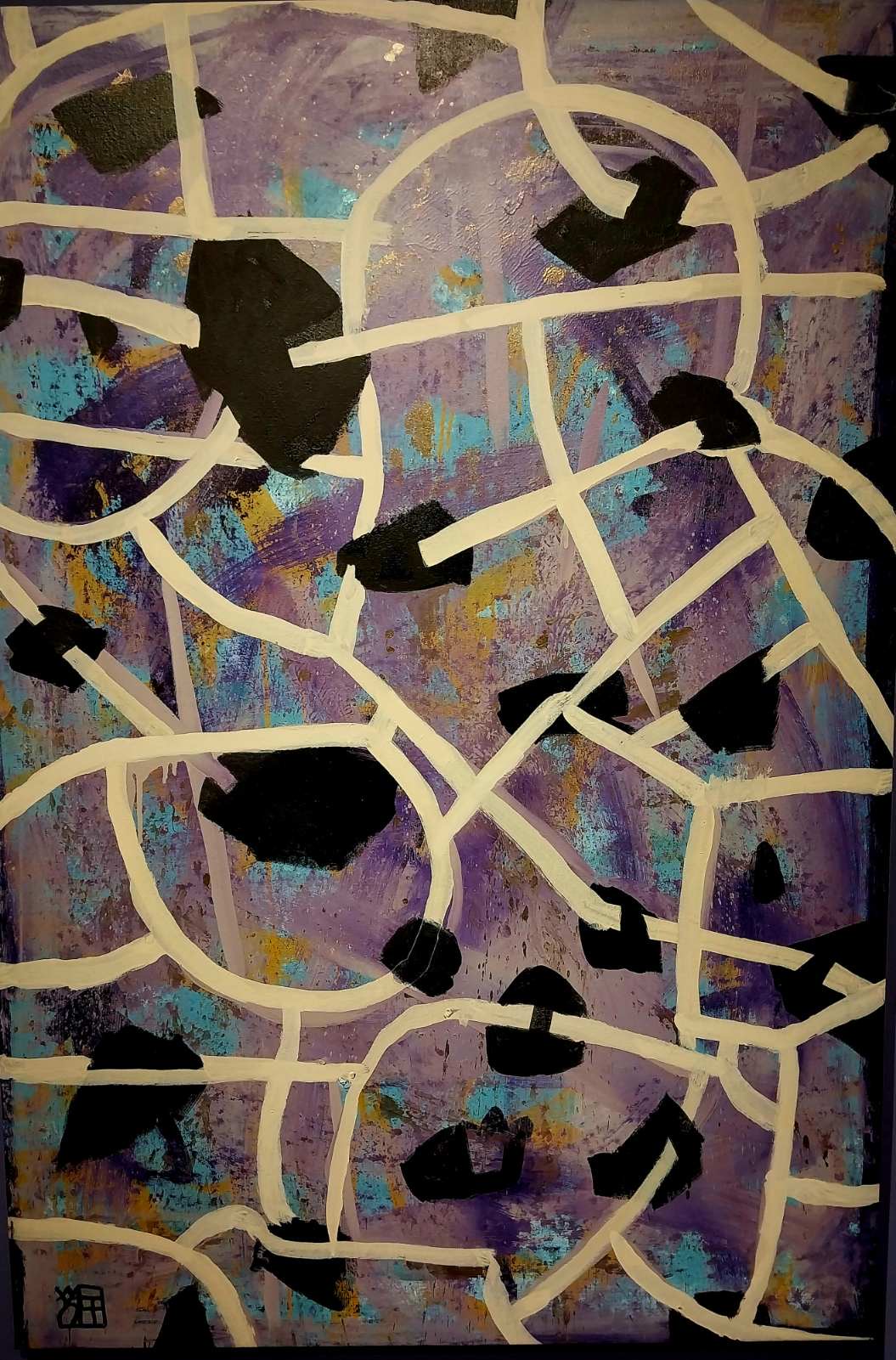
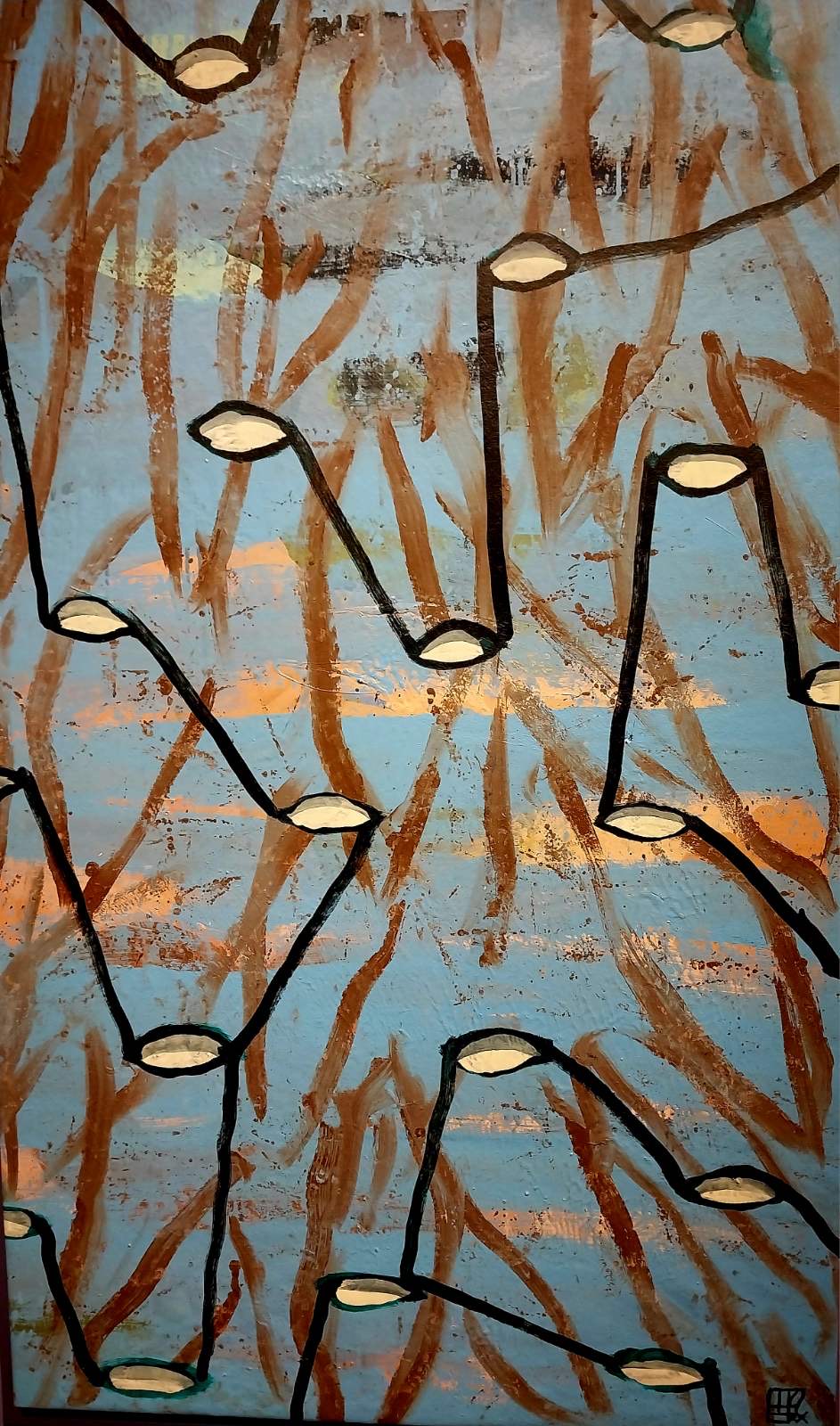
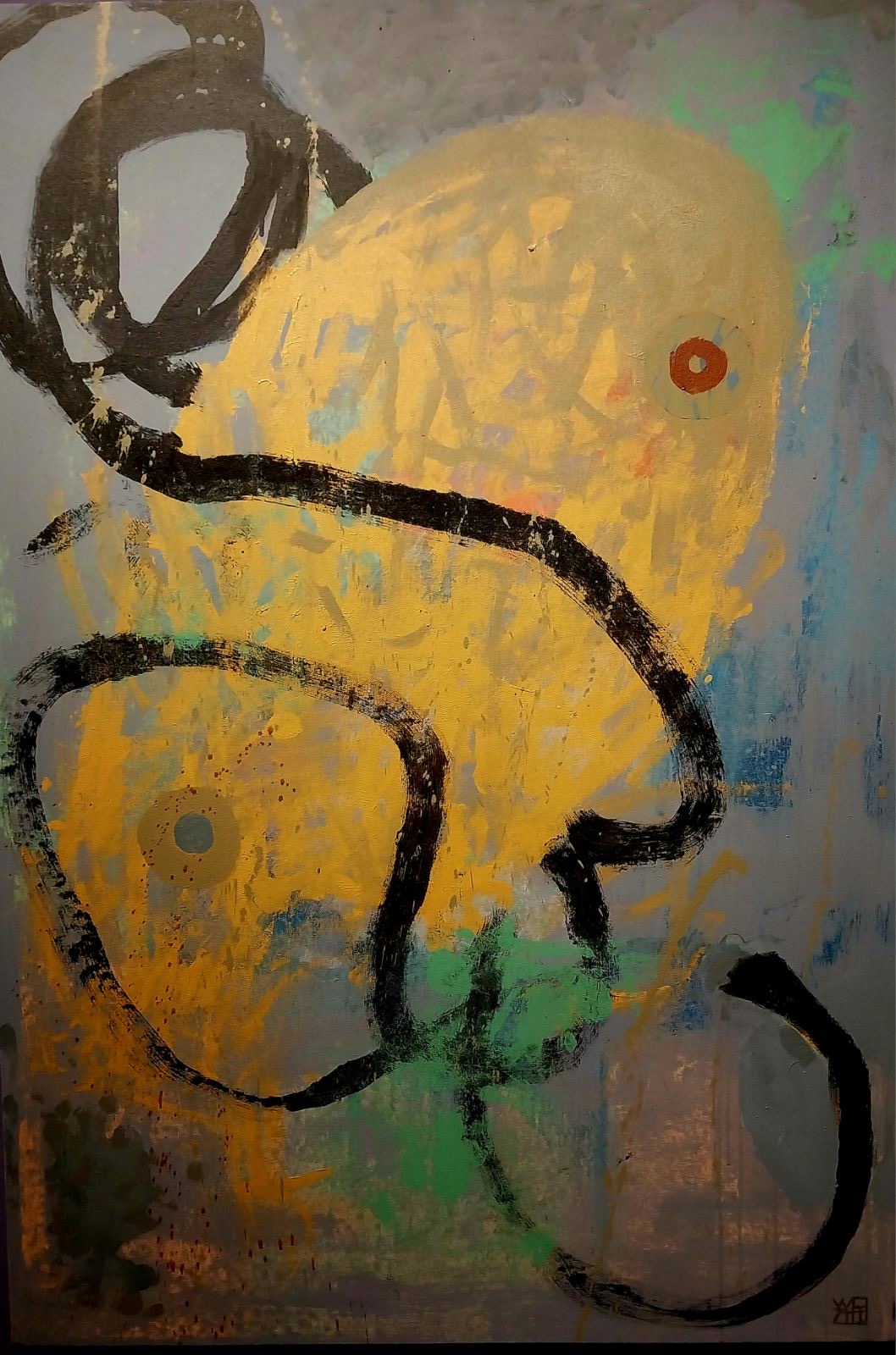
This series of abstractions in Wayne Forte’s recent exhibition, Chromatic Narratives, was conceptualized through the artist’s use of the rhythm of color and the architecture of line. The canvases exhibit warm and engaging colors that arrest viewers, and cool shades that pull back as a striking contrast, while thick obsidian lines leap forward to define the limits of space. By keeping the perspective shallow, Wayne Forte embraces the modernist tradition by honoring the flat surface as a “sacred site of creation.” The entire act of the process was a physical challenge for the artist, since the large-scale abstractions are painted on unstretched canvases. The artist’s technique involves using the body’s force to apply brushstrokes in broad, sweeping gestures. In the artist’s words, “this is a partnership of movement.” He likens the process to a dance partner, allowing the paint almost to a point of having a vitality of its own. The result is a series of vibrant images reflecting the artist’s oeuvre and the soul of its medium.

Visual artist Wayne Lacson Forte lives in Laguna Niguel, California

“For many years, my practice was anchored in the figurative tradition, guided by Philip Gaston’s conviction that art needs to tell a story. Reaching the milestone of my 75th year brought a profound shift, a quiet humility and a newfound trust that allowed me a new perspective in my creative expression.”

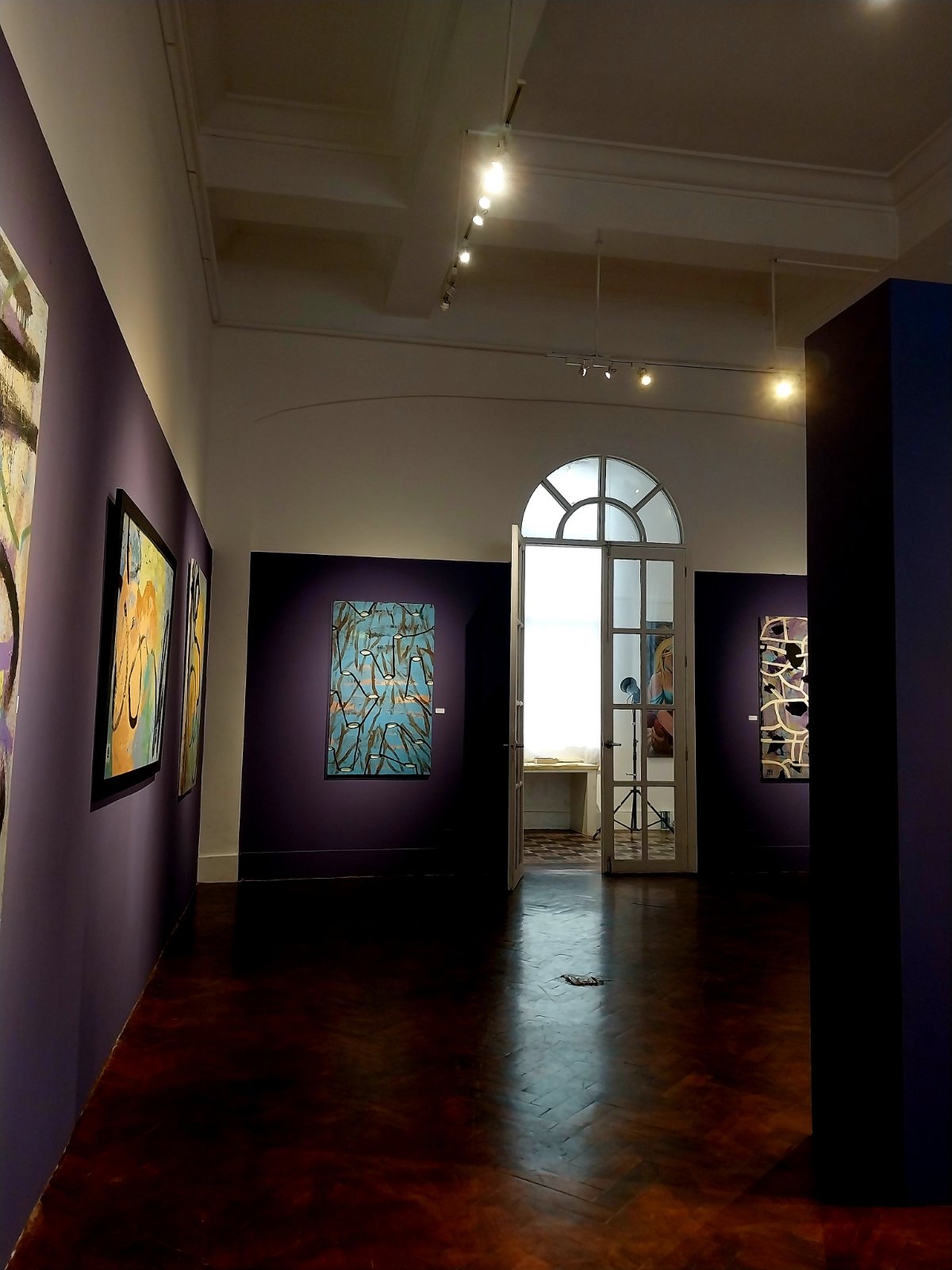
The interior galleries of the Negros Museum offer a calm and reflective atmosphere

Kanlaon, acrylic on canvas 2025

Myrtle, acrylic on canvas 2025

Calamari, acrylic on canvas 2024

Tubbatha, acrylic on canvas 2024


]]>
Bright Young Things: Why Cecil Beaton Remains Vital in the World of Photography https://zee.ph/bright-young-things-why-cecil-beaton-remains-vital-in-the-world-of-photography/ Thu, 29 Jan 2026 19:24:45 +0000 https://zee.ph/?p=37020 by Jing Ramos

Sir Cecil Beaton (1904–1980) was long known as a society photographer since 1926. Beaton’s fascination with glamour and high society led him to become court photographer for the British Royal Family in 1937. He also progressed into successful stage and film productions, most exceptionally My Fair Lady (1964) and Gigi (1958). His career, however, took off earlier in the mid-1920s when he began to contribute photographs and illustrations to Vogue magazine.

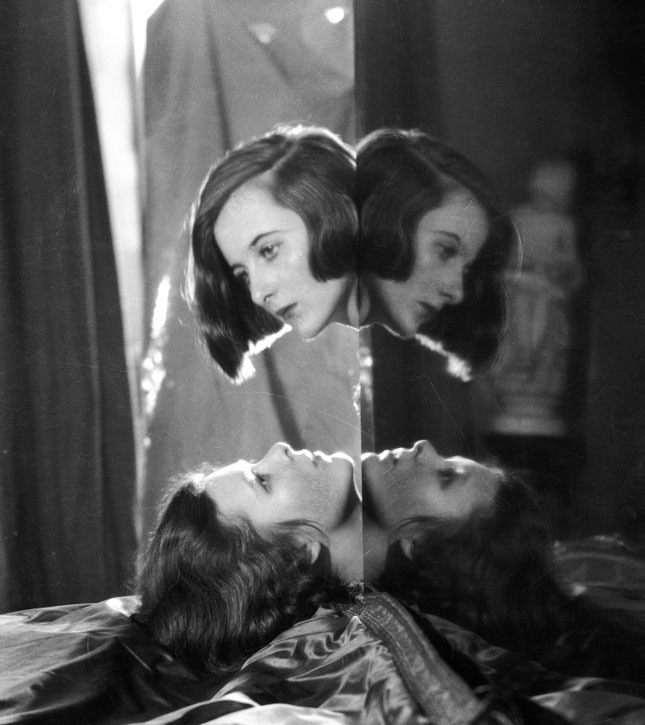
Nancy and Baba Beaton by Cecil Beaton, 1926

Cecil Beaton’s photographs defined a glittering generation of eminent artists, royalty, bohemians, actors, and actresses. Beaton’s inimitable elegance brings to life a deliciously eccentric and creative era of British cultural life.

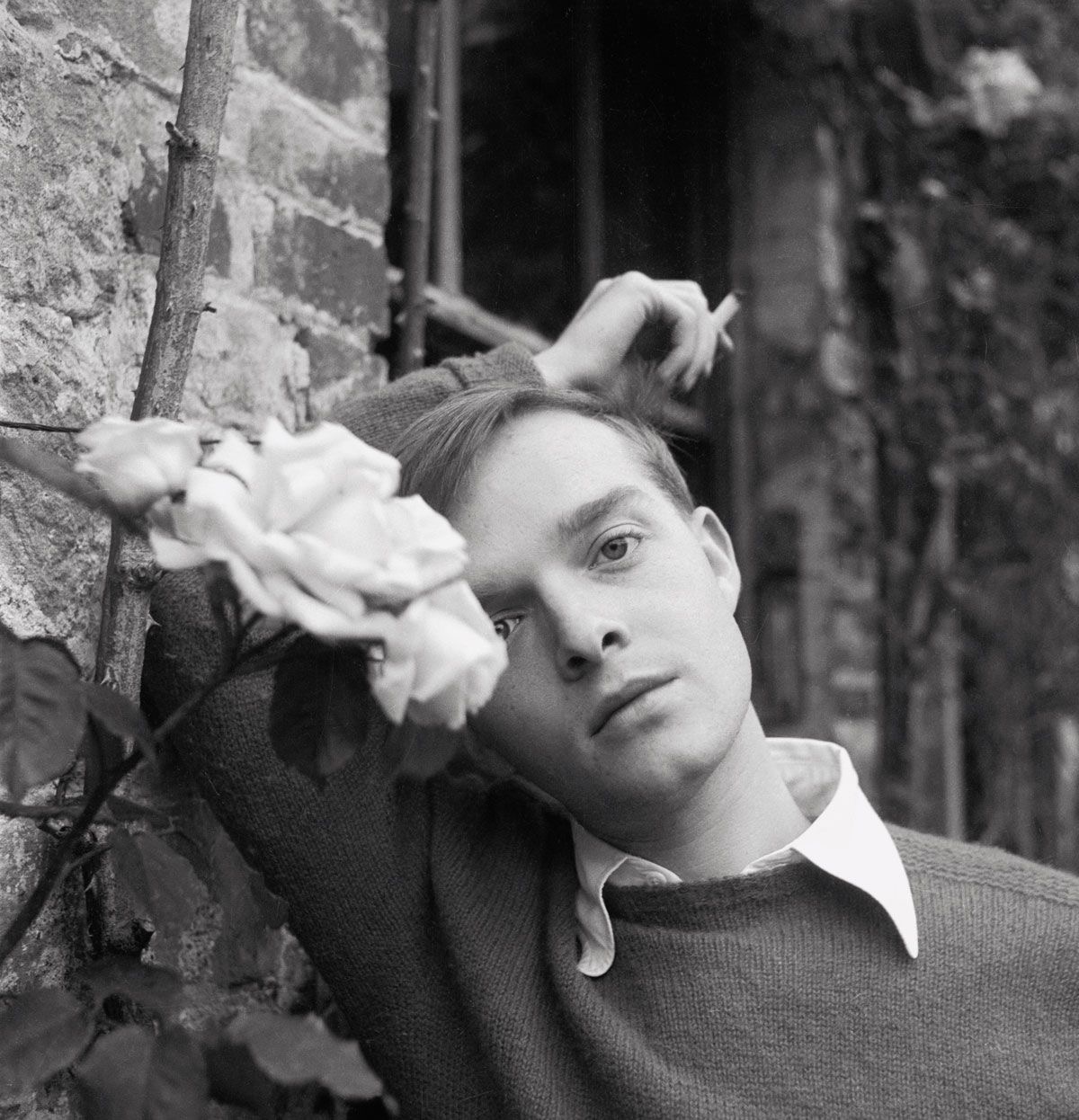
Truman Capote by Cecil Beaton 1948

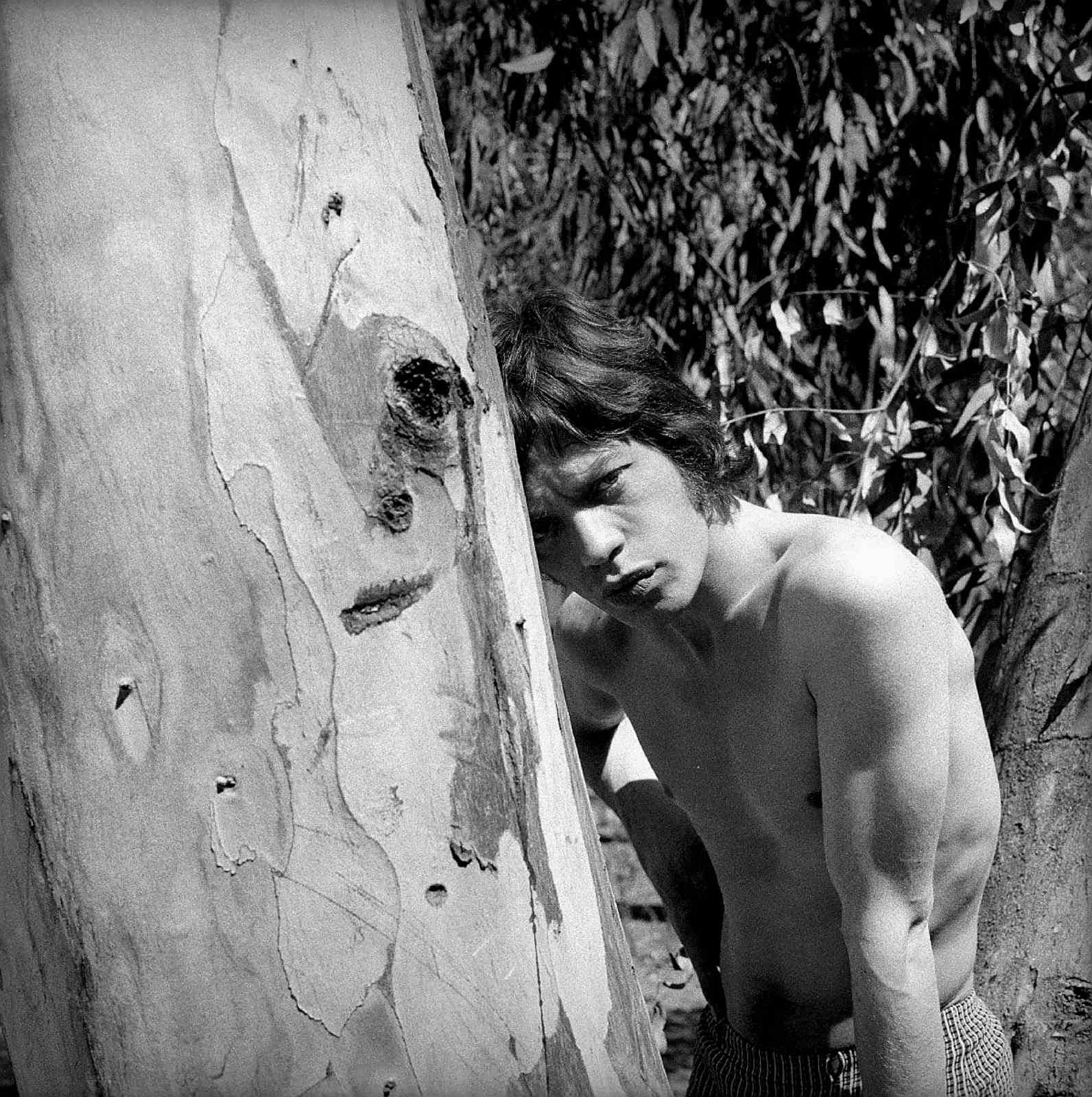
Mick Jagger by Cecil Beaton 1967

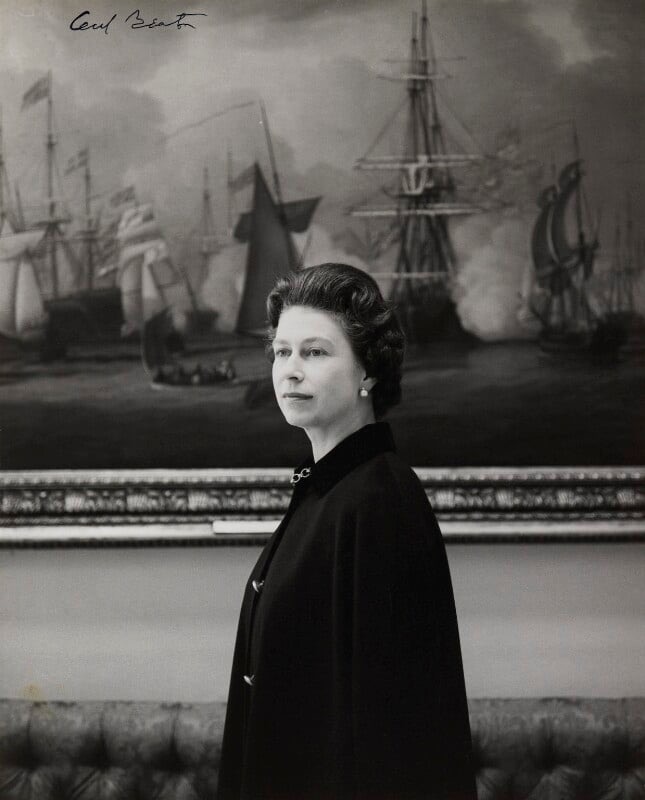
Queen Elizabeth the Second, bromide print by Cecil Beaton 1968. National Portrait Gallery,London


Cecil Beaton remained an arbiter of fashion throughout his career, from the 1920s to the 1960s. His flair for theatricality and elegance captured both celebrities and royalty in his signature, highly stylised compositions. In his long and diversified life, he flourished in creating a persona for himself—snobbish, confident, and often dismissive. As writer Truman Capote once said, “Cecil was that rare creature—a total self-creation.” He succeeded in rising to a position where his opinion was valued and respected, particularly in matters of taste.

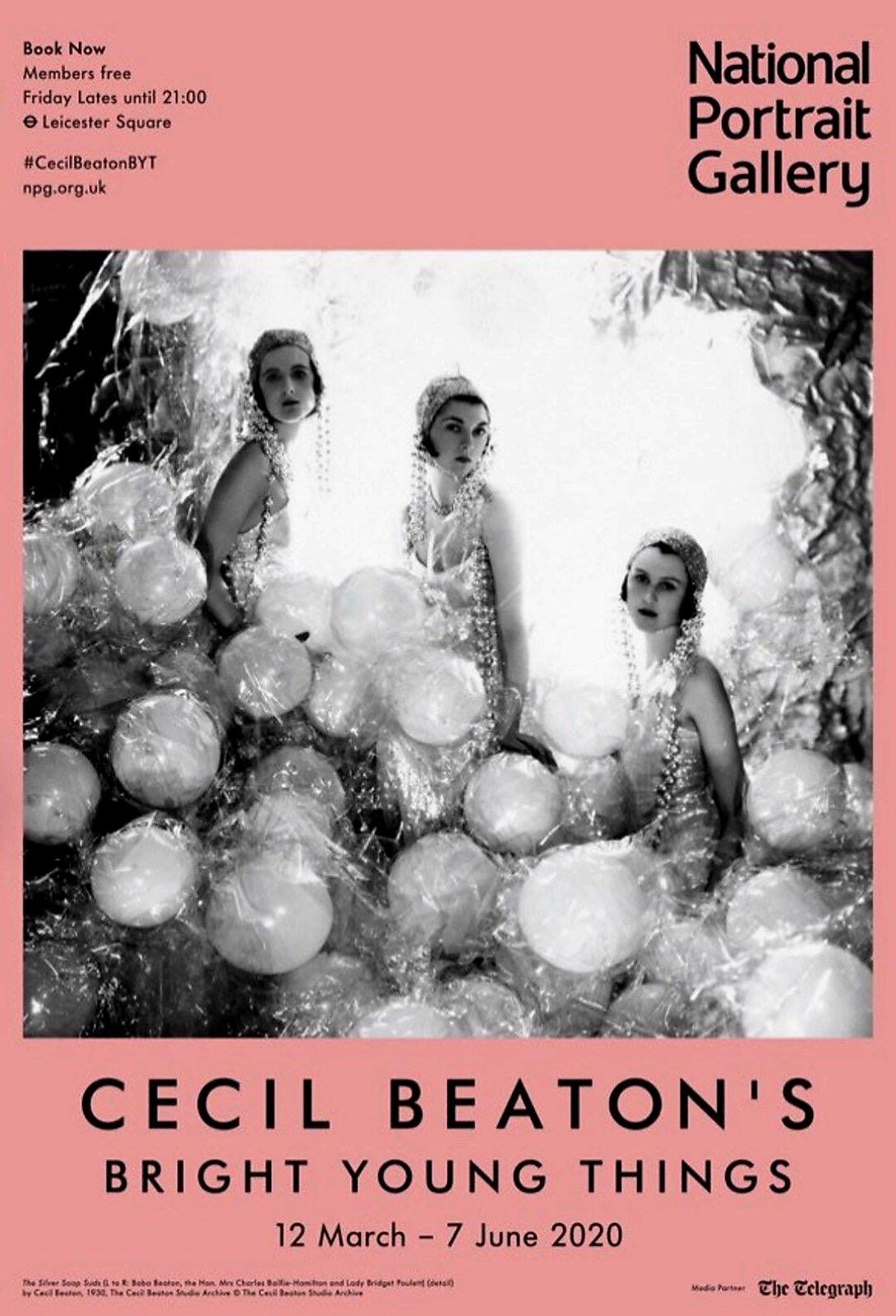
The National Portrait Gallery of London honored Cecil Beaton with a retrospective in year 2020

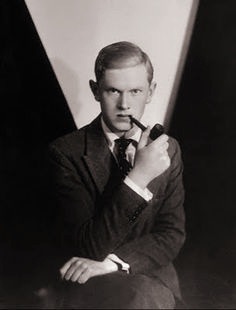
Evelyn Waugh by Cecil Beaton 1920

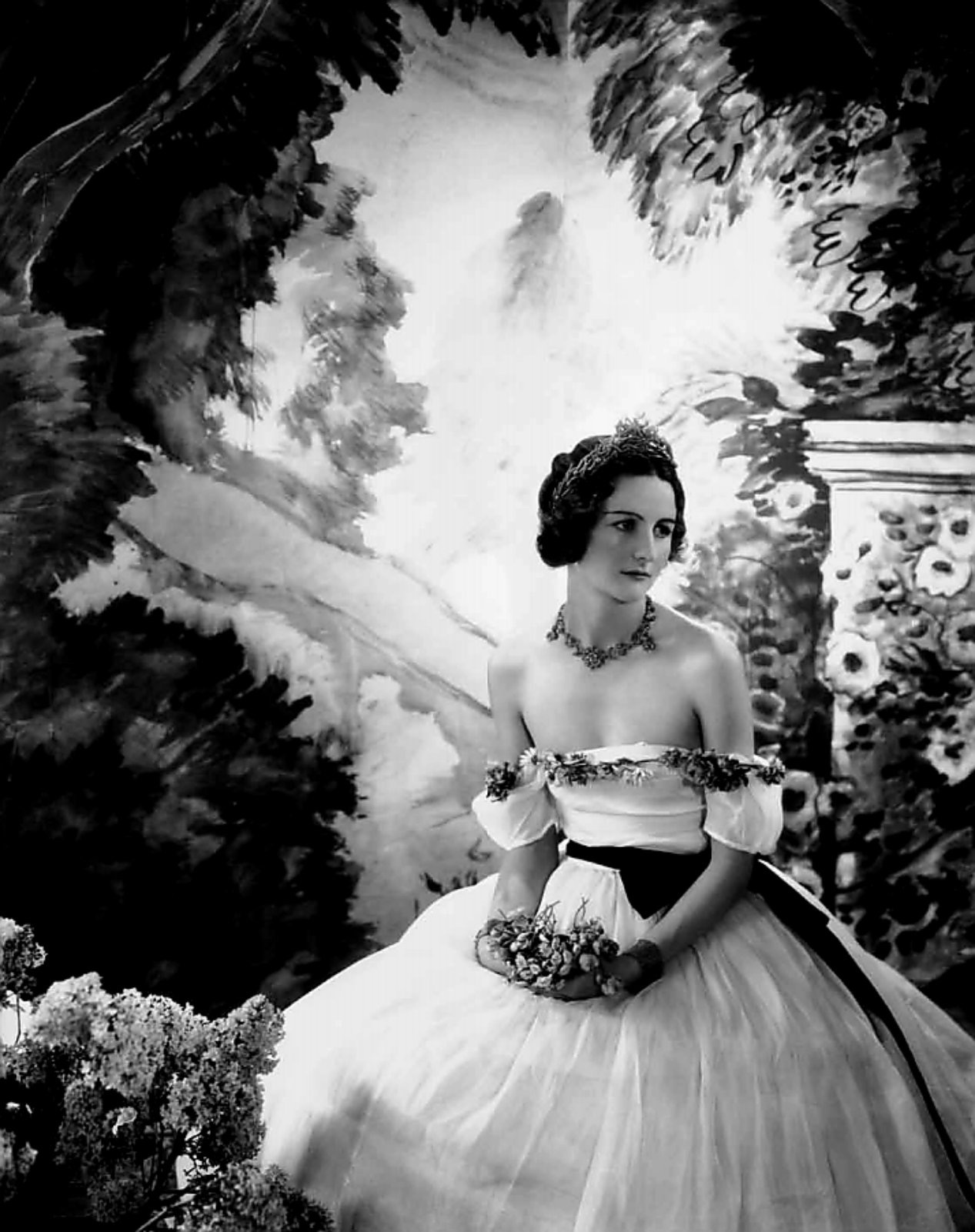
Nancy Mitford by Cecil Beaton 1929

Cecil Beaton’s influence on portrait photography remains pivotal and lives on today in the works of contemporary photographers. He was celebrated by the National Portrait Gallery in London in the spring of 2020 for his portfolio of a rebellious group of artists, writers, and socialites from the 1920s through the 1930s. Bright Young Things captured that spirit, reflecting a dramatic imprint on social mores of the epoch. Among the impressive cast were Stephen Tennant, the Mitford sisters, Siegfried Sassoon, Evelyn Waugh, and Daphne du Maurier. This exhibition charted Beaton’s transformation from a suburban schoolboy to a member of the glitterati. More than a photographer, Beaton turned himself into a society fixture in his own right.

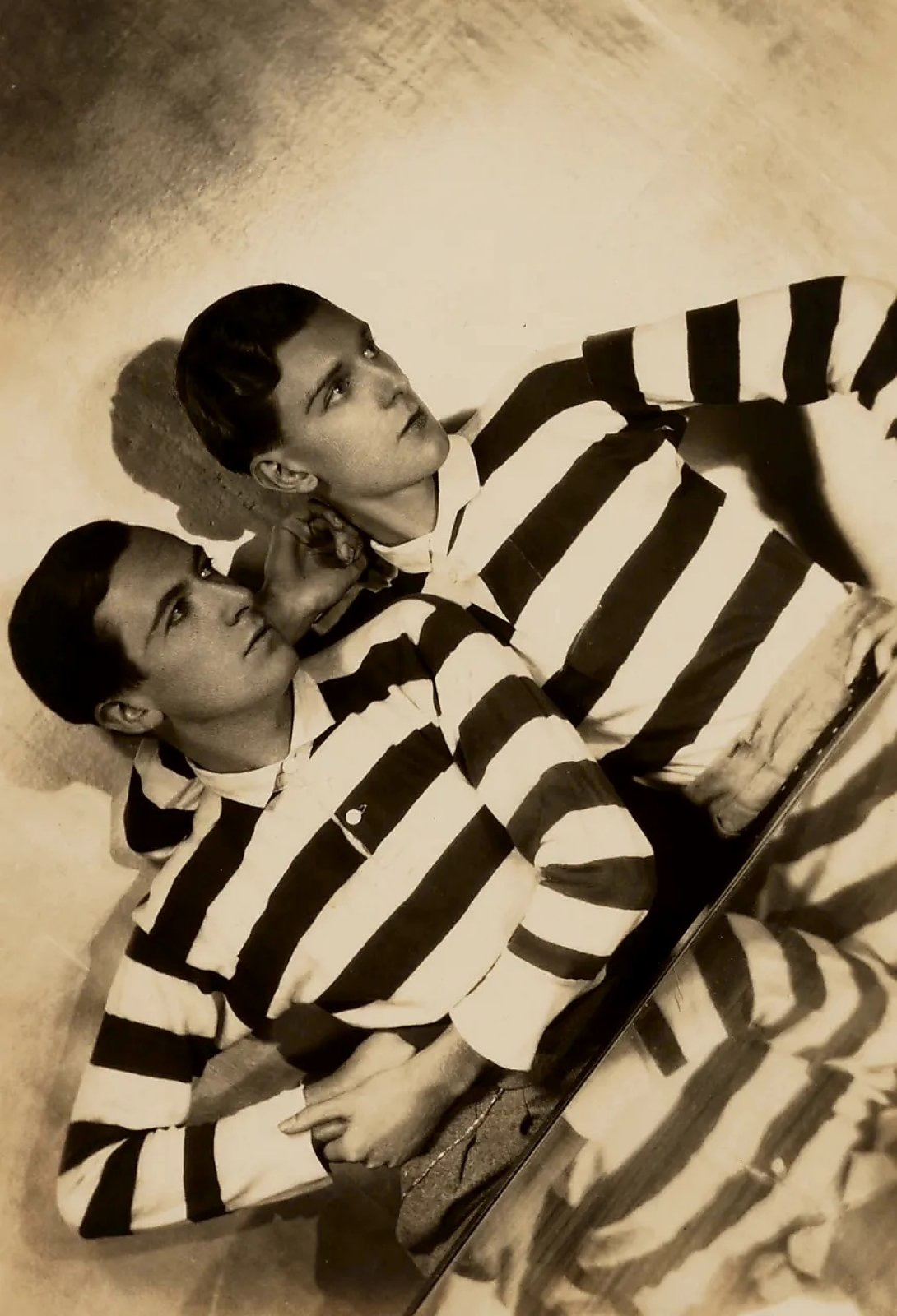
Cecil Beaton and Stephen Tennant, Riviera Wanderers photographed by Maurice Beck and Helen McGregor 1927, National Portrait Gallery, London

]]>
In Black and White: Photographer Richard Avedon Captures the Cultural Zeitgeist of His Era https://zee.ph/in-black-and-white-photographer-richard-avedon-captures-the-cultural-zeitgeist-of-his-era/ Thu, 18 Dec 2025 19:28:44 +0000 https://zee.ph/?p=36951 by Jing Ramos

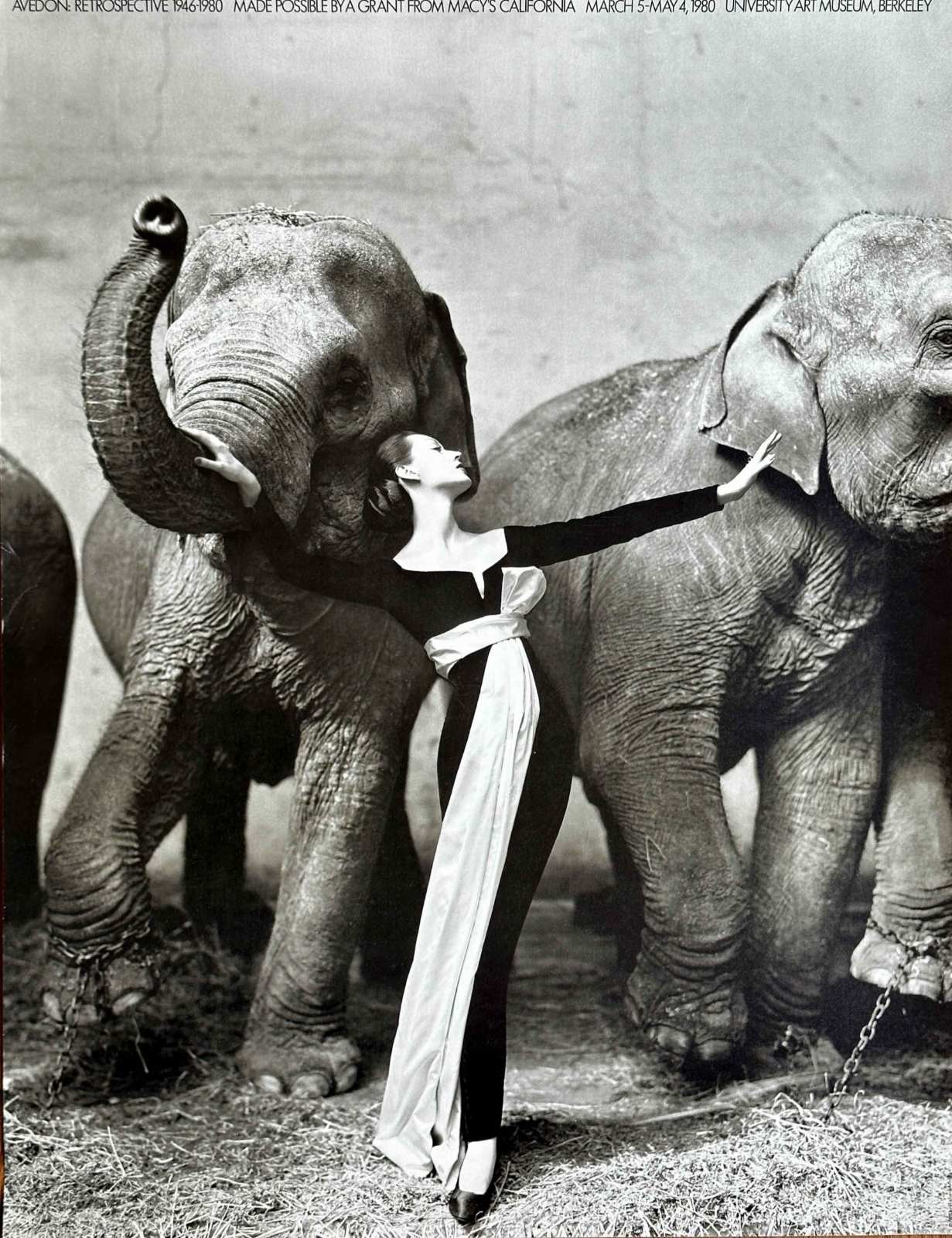
Richard Avedon had photographed every single important personality in the cultural landscape of the last century. Long known for his images of stylish and urbane women decked out in Balenciaga or Dior, under Vogue editor-in-chief Diana Vreeland’s mentorship, he made his mark with the iconic photograph of Dovima with the elephants, evening dress by Christian Dior, Cirque d’Hiver in Paris, 1955.

Dovima with elephants, Cirque d’Hiver Paris, 1955

And yet, in spite of Richard Avedon’s mammoth commercial success, he pined for loftier ideals. The photographer craved gravitas—portraits that remained pure and unvarnished and had a universal appeal. Always in black and white and photographed against a white background, Avedon’s portraits were often viewed as clinical, stone-cold, and sometimes unflattering. Think of the ones he did of artist Louise Nevelson and writer Isak Dinesen.

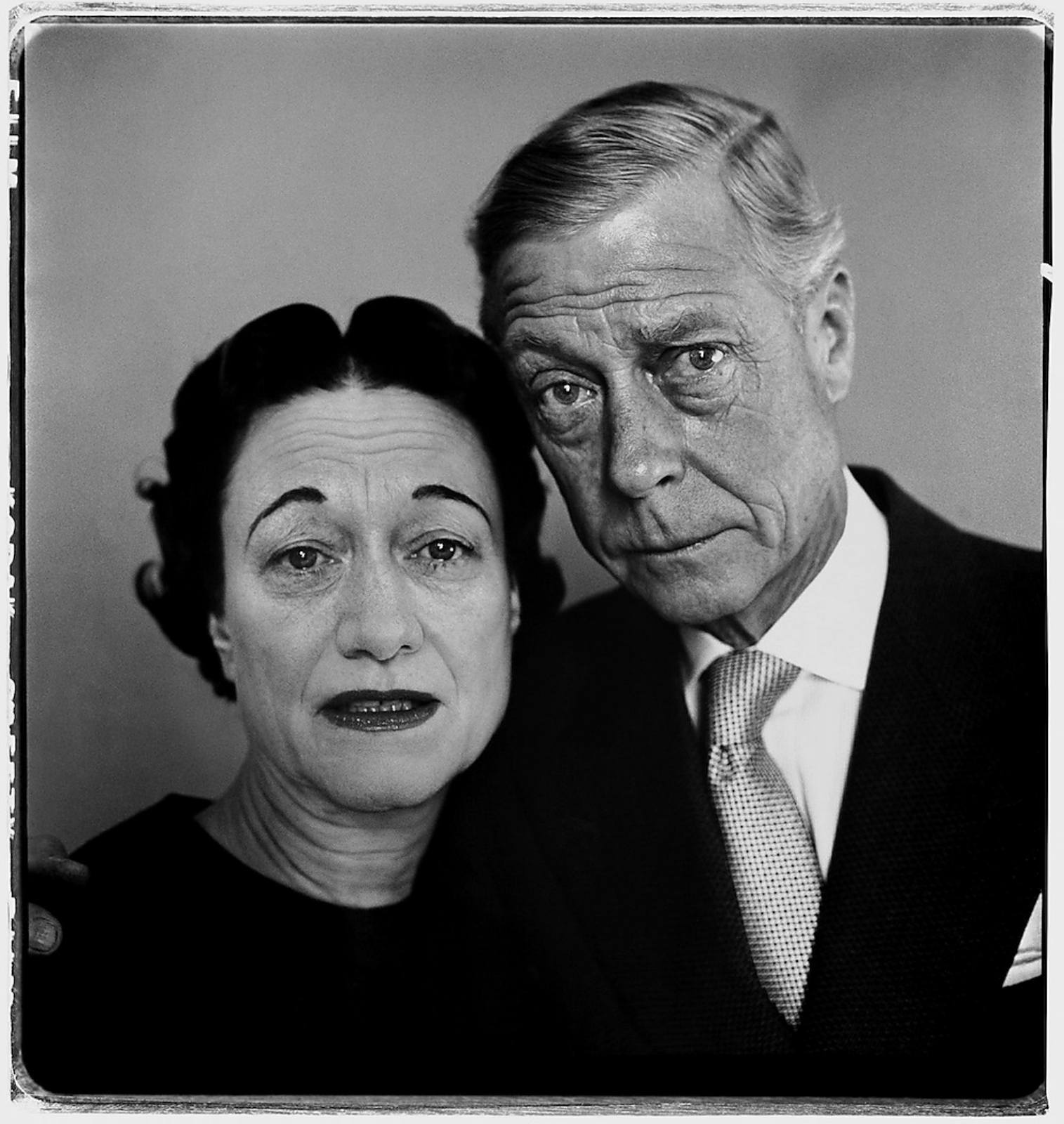
Duke and Duchess of Windsor New York, 1957

Other than their historical significance, the Duke and Duchess of Windsor were trailblazers in the cult of celebrity. The couple left the UK following Edward VIII’s abdication from the throne of England in order to marry the American divorcée, Wallis Simpson. The scandal shook the world while cultural depictions of the two most pursued celebrities behind the camera lenses continued to spur interest and influence.

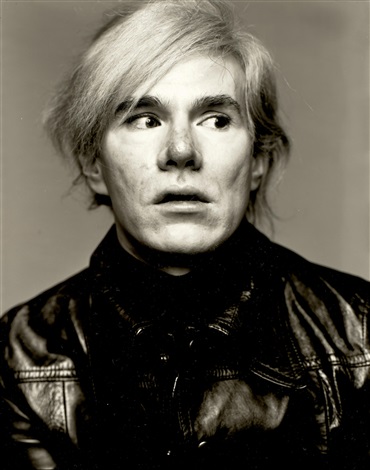
Andy Warhol, New York, 1968

Andy Warhol was likened to the “enfant terrible” of the international art scene. A pivotal pop artist famous for his silk-screened portraits of celebrities and pop figures ranging from Chairman Mao to actress Marilyn Monroe, Warhol drew imagery from advertising, mass media, and celebrity culture, and was regarded as the most important artist of the second half of the 20th century.

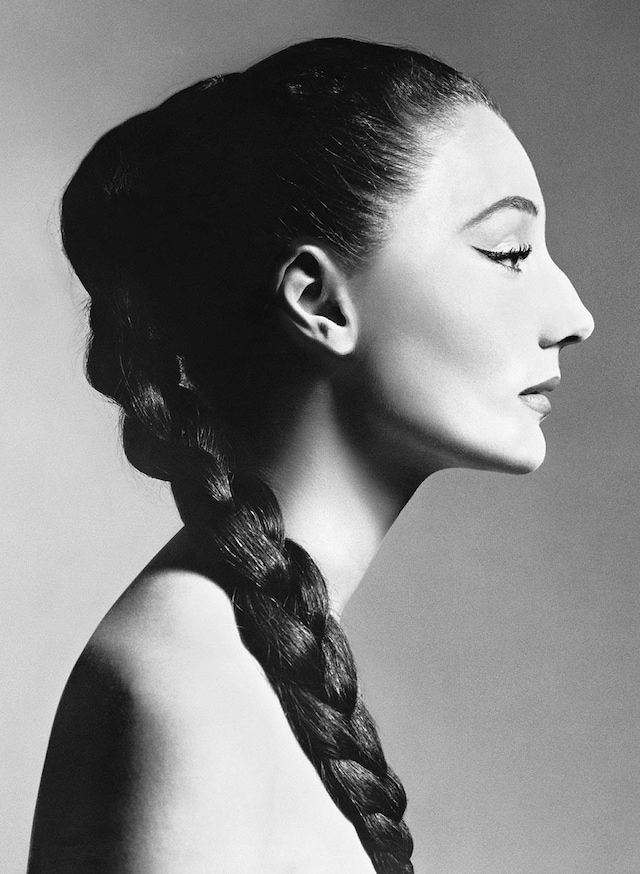
Countess Jacqueline des Ribes, 1955

Jacqueline de Ribes did not make her signature cultural identity until she became actively involved as manager of the International Ballet of the Marquis de Cuevas, following the death of its founder, George de Cuevas. The Countess received from the French state in 2010 the Légion d’honneur, the highest national order of merit established by Napoleon Bonaparte in 1802.

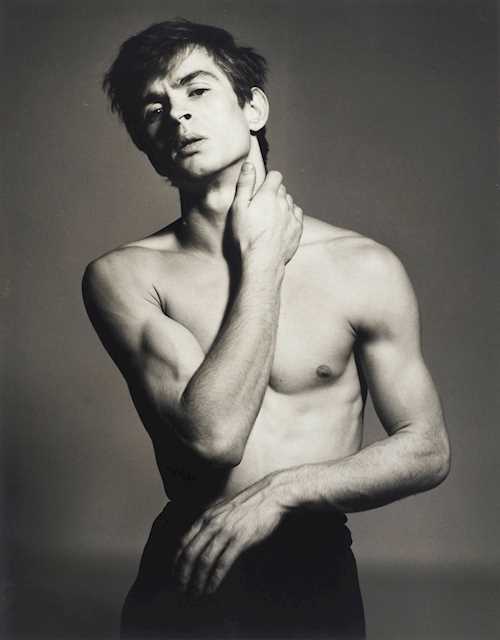
Rudolf Nureyev, 1962

The Soviet-born ballet dancer and choreographer is regarded as the pre-eminent male ballet dancer of the 20th century. In 1961, he defected to the West after a Kirov Ballet performance in Paris and instantly became a “cause célèbre,” known for his technical brilliance, particularly in his performance of Swan Lake in 1964. His lavish personal life added to his bravado.

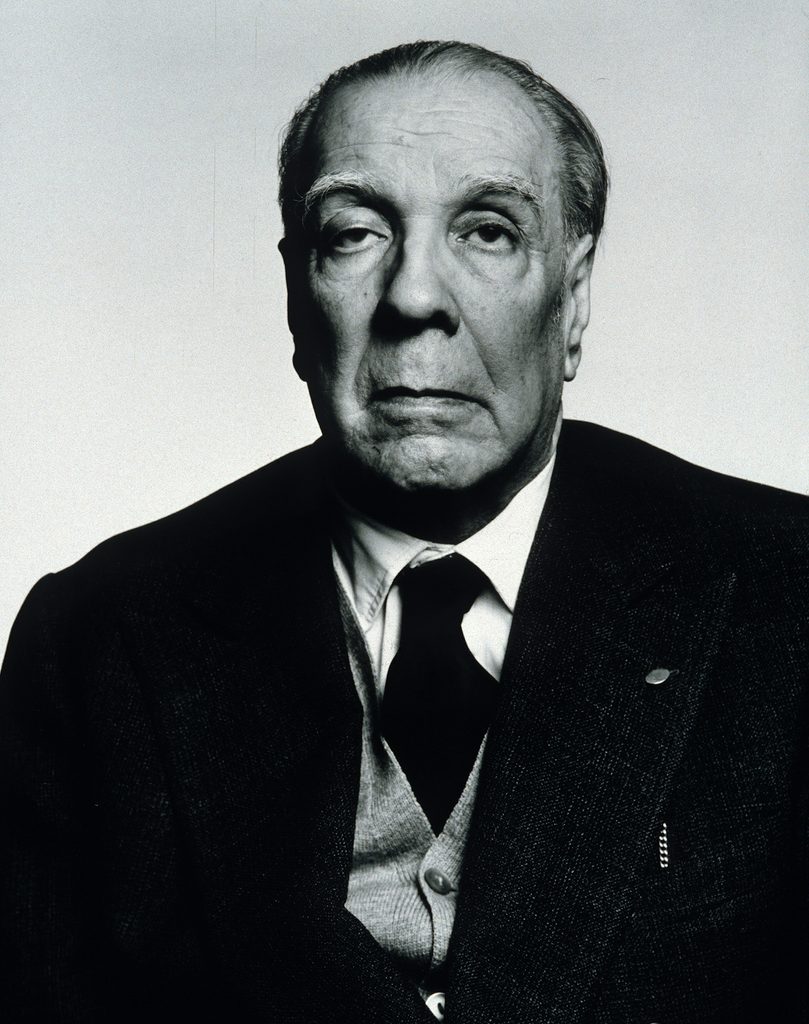
Jorge Luis Borges, Buenos Aires, 1975

The Argentine poet, essayist, and short-story writer whose notable works include Dream Tigers became one of the literary giants of the 20th century, though he eventually suffered from total blindness. When General Perón was deposed in 1955, Borges became director of the National Library, along with an honorary position at the University of Buenos Aires. Richard Avedon personally flew to Buenos Aires for a special photographic sitting with the celebrated blind poet, and he would later recount that his portrait of Borges turned out to be stillborn—a death mask.

]]>
I Lost It at the Movies: Five of the Most Significant Films of the 1960s https://zee.ph/i-lost-it-at-the-movies-five-of-the-most-significant-films-in-the-1960s/ Thu, 09 Oct 2025 02:02:54 +0000 https://zee.ph/?p=36875 by Jing Ramos

The title of this article is a reference to the erstwhile film critic Pauline Kael, who wrote essays for The New Yorker. Ms. Kael enhanced my interest in film culture, turning me into a self-avowed cinephile through her articles.

Cinema in the 1960s was characterized by the pervasive growth of youth culture and shifting societal expectations. Filmmaking techniques evolved with a novel sense of trial and experimentation in visual style.

Movies captured the era’s spirit, documented the counterculture, and propelled narrative and technical boundaries. It became a platform that defined a generation’s identity and confronted public issues of the time.


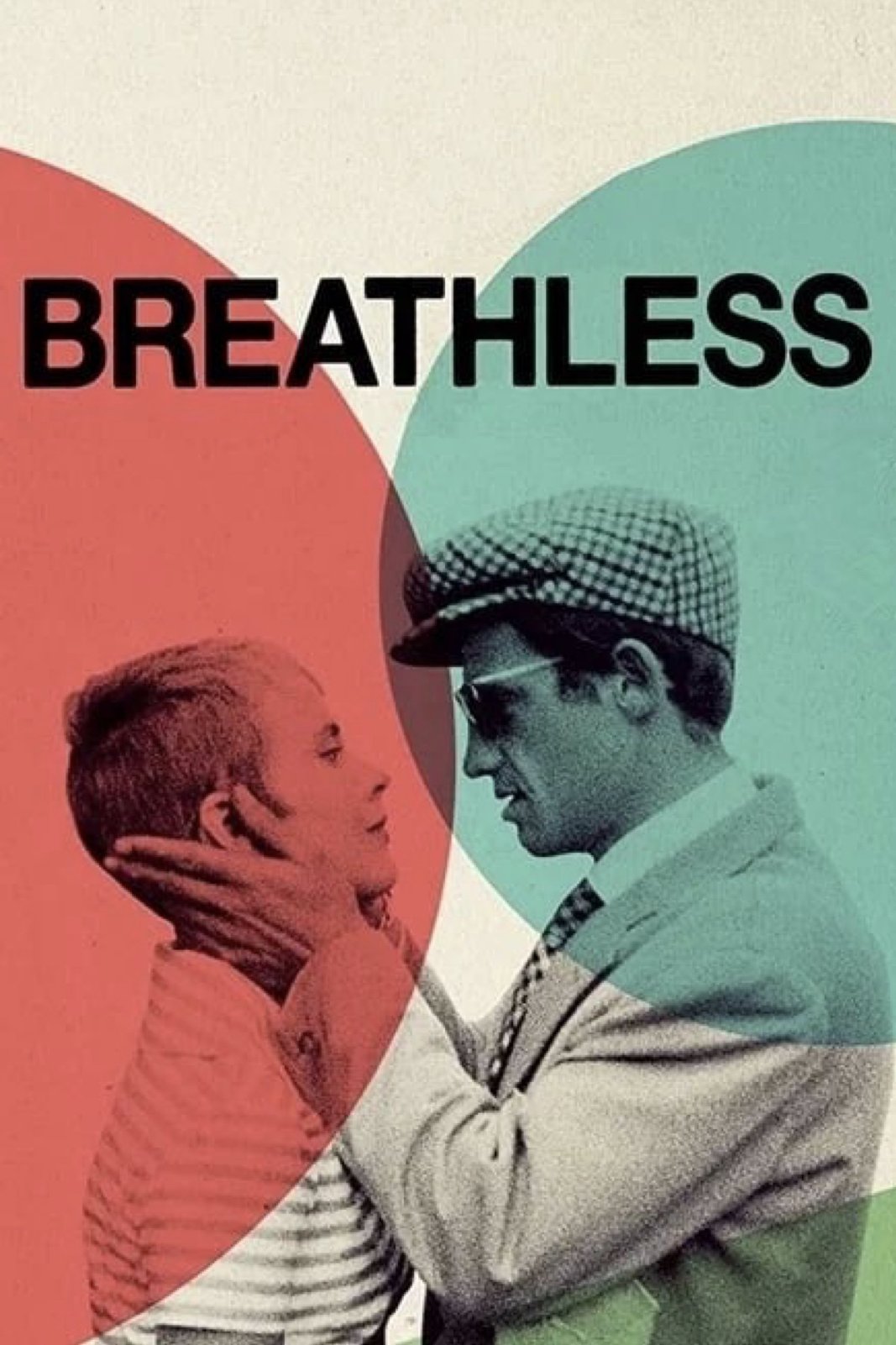
1. Jean Seberg and Jean-Paul Belmondo in Breathless
Jean-Luc Godard’s Breathless attracted global attention for its bold visual style, which included the unconventional use of jump cuts that broke traditional editing rules. The stylistic approach combined themes of alienation and existential freedom. The film became a touchstone for the French New Wave movement and remains as cool now as it was upon its first release.


2. Stanley Kubrick’s 2001: A Space Odyssey
2001: A Space Odyssey was credited with having a profound influence on the science-fiction genre. Stanley Kubrick’s film, with its ambiguous, non-linear story and minimal dialogue, encouraged free interpretation of its narrative. It also established a realistic vision of space technology while questioning the validity of advanced artificial intelligence.


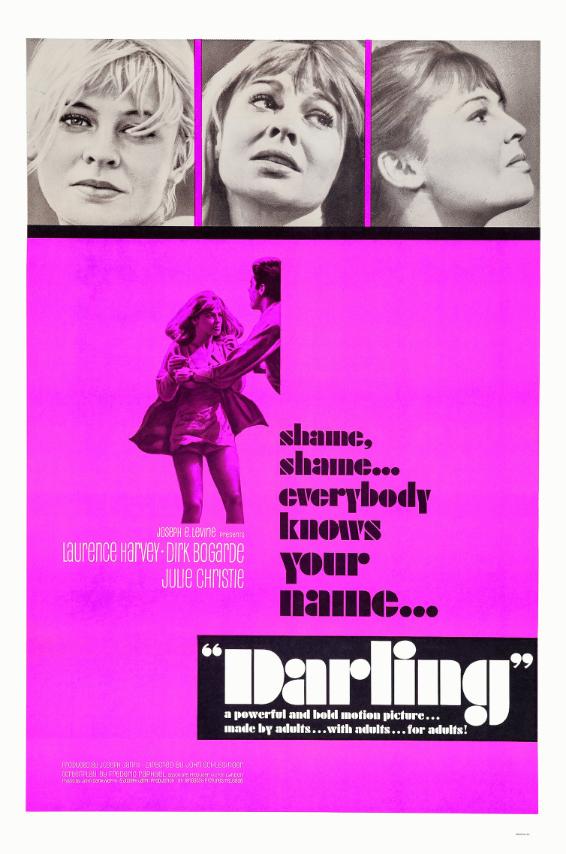
3. John Schlesinger’s Darling
Julie Christie’s role as a shallow social climber was likened to the Becky Sharp character in William Thackeray’s classic Vanity Fair. Director John Schlesinger’s version of this engaging story showcased a cynical portrait of the superficiality and ambition of London’s fashion and celebrity scene in the 1960s. The film also won an Oscar for Julie Christie as Best Actress in 1966.


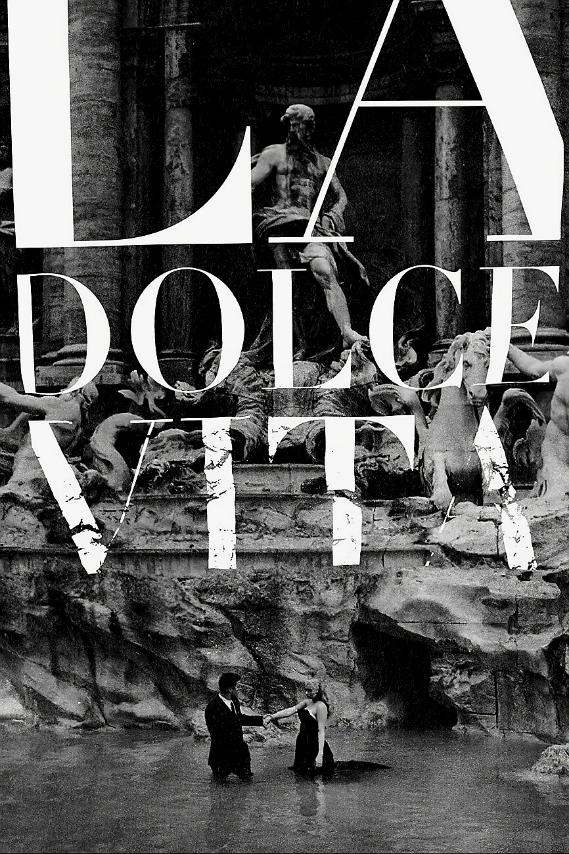
4. Marcello Mastroianni and Anita Ekberg in Fellini’s La Dolce Vita
Federico Fellini’s La Dolce Vita introduced a fragmented structure, shifting from Italian neorealism to a more subjective aesthetic hailed as a masterpiece of post-war cinema. The film’s title became synonymous with a certain kind of glamorous and hedonistic lifestyle often pursued by the paparazzi.


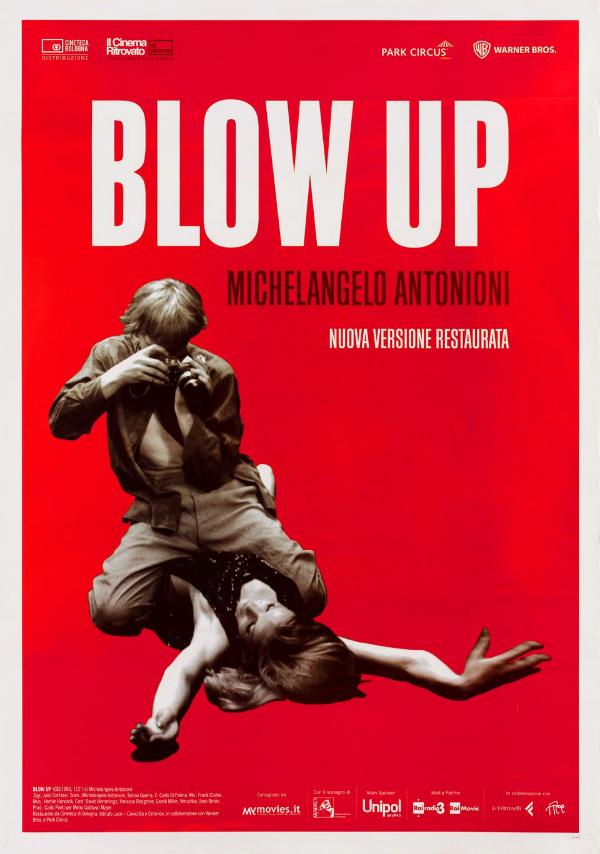
5. David Hemmings and Veruschka in Blow-Up
Michelangelo Antonioni’s Blow-Up disregarded conventional plot structure, creating a psychological thriller that explored themes of perception and reality. The film famously provided a cultural document of London in the swinging ’60s, capturing its vibrant social and artistic milieu—particularly its fashion and youth lifestyle. It also won the Palme d’Or at the 1967 Cannes Film Festival.

]]>
Modern Indian Cuisine; Gagan Sethi and Gwen Trott Spice Things Up at Goa Nights in Cebu https://zee.ph/modern-indian-cuisine-gagan-sethi-and-gwen-trott-spice-things-up-at-goa-nights-in-cebu/ Fri, 01 Aug 2025 19:24:51 +0000 https://zee.ph/?p=36792 by Jing Ramos | photography Doro Barandino

Modern Indian cuisine is a departure from traditional Indian dishes through innovative techniques, elevated presentation, and inspiration from international flavors. This culinary movement shifts away from overly complex dining toward a more comfortable yet refined experience. It moves away from heavy cream-based sauces in favor of lighter, healthier options using local and seasonal ingredients. The process often involves deconstructing classic recipes and incorporating cultural diversity.

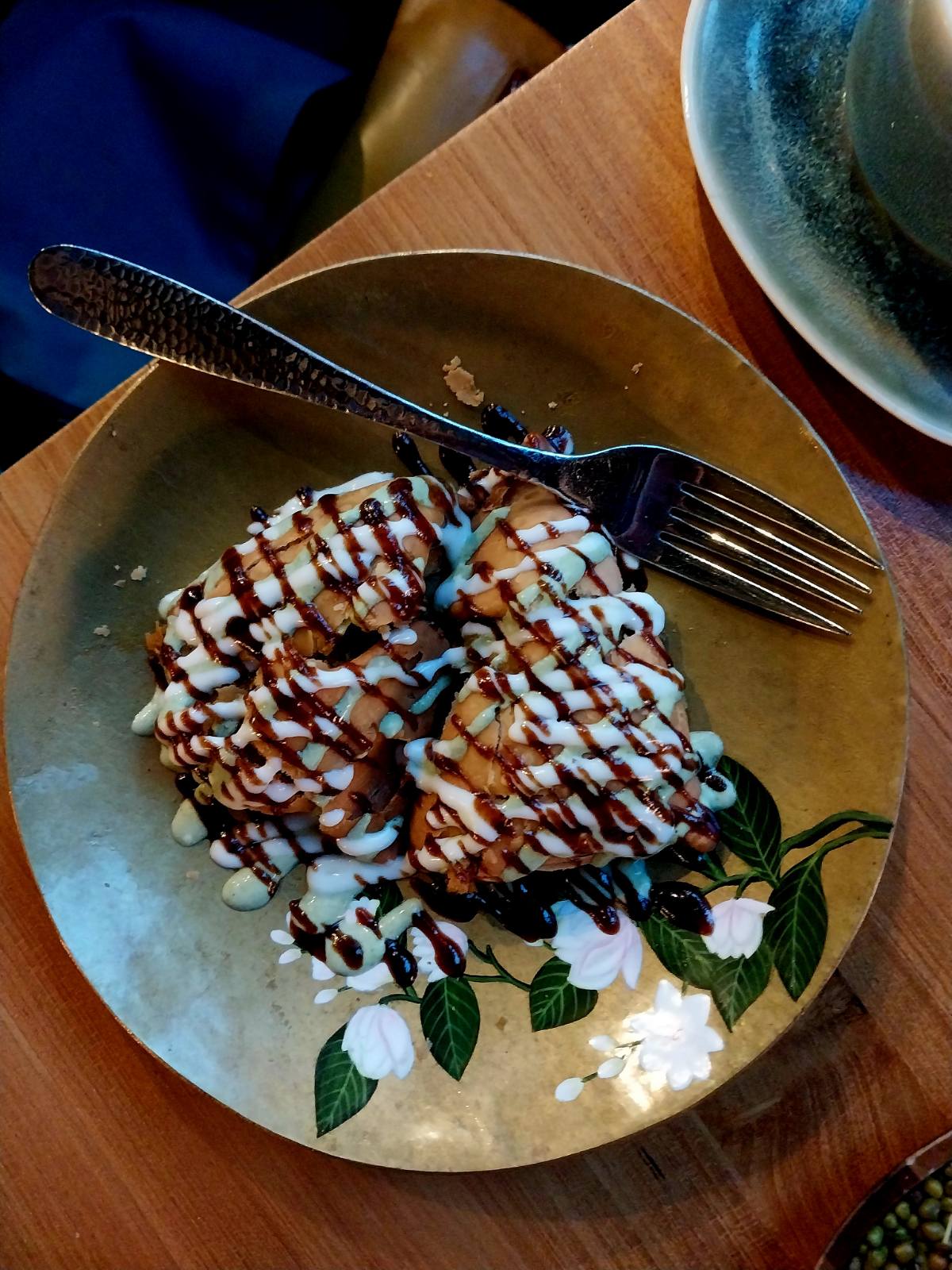
Smash samosas are influenced by traditional Indian street food served on lotus design plates.

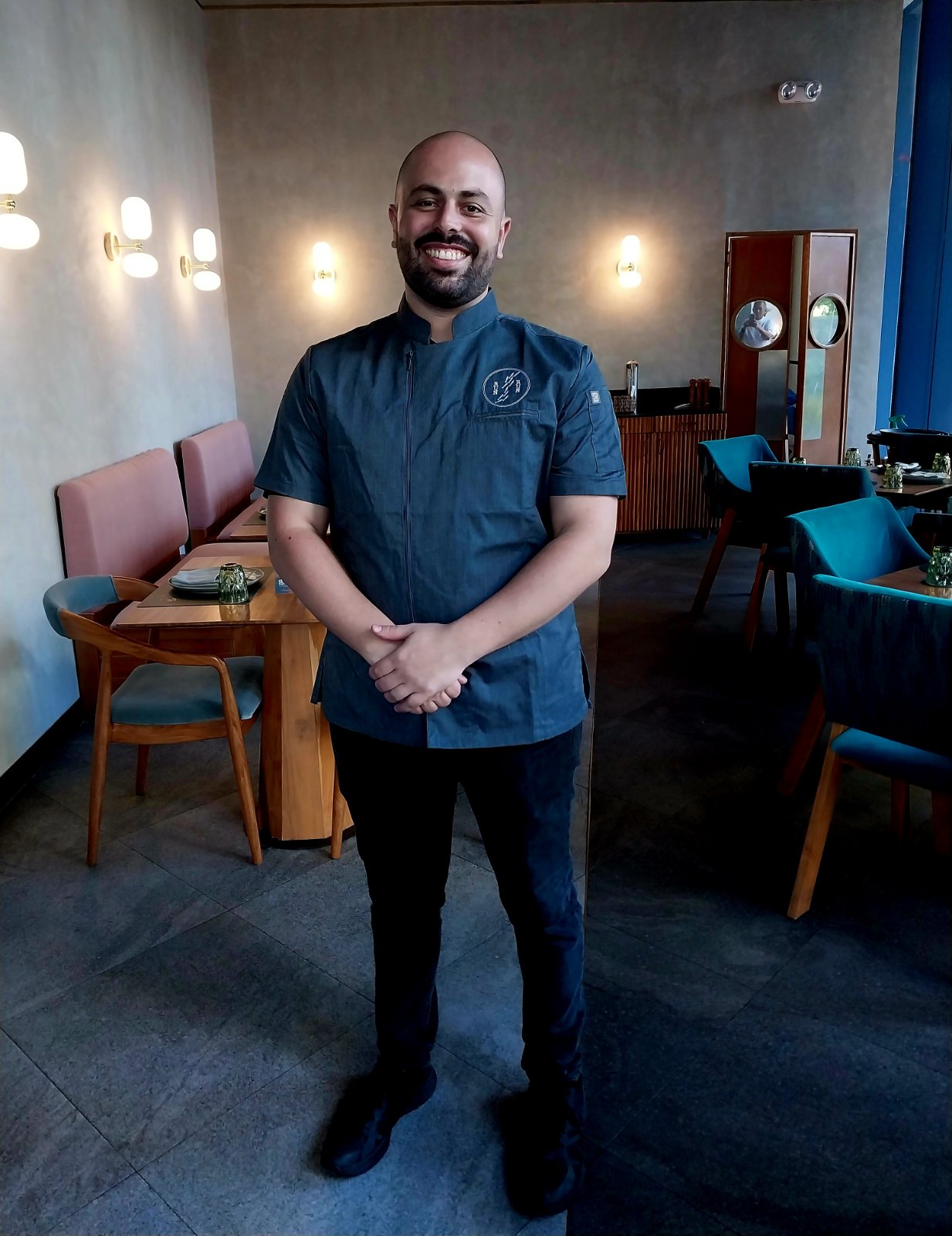
Executive chef Luis Cipriano created a modern Indian menu with clever and playful twists.

Goa Nights has its roots in Old Taipa Village in Macau, where it drew in both local residents and members of the expatriate community. Its prominent address became known as one of the area’s hottest cocktail bars, offering a uniquely hip and varied experience. When one hears of Goa, it typically conjures images of a laid-back beach destination with Portuguese colonial heritage—but Goa is, in fact, a culturally rich Indian state. This multicultural blend has fueled the brand’s expansion as a destination that celebrates the vibrant flavors of Goa.

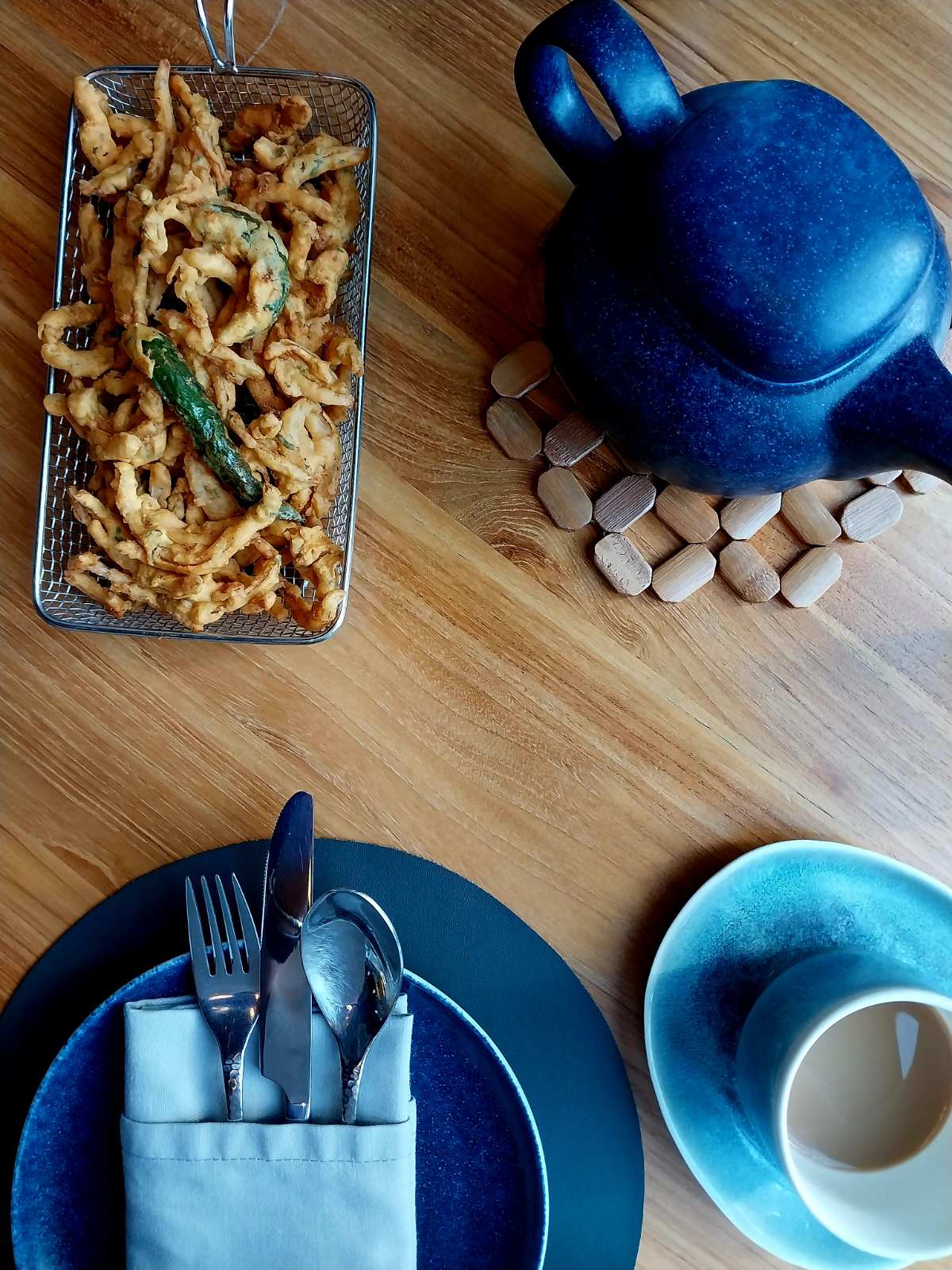
Onion and okra fritters pair perfectly well with chai masala served in blue ceramic teapot with tea cups and serving plates.

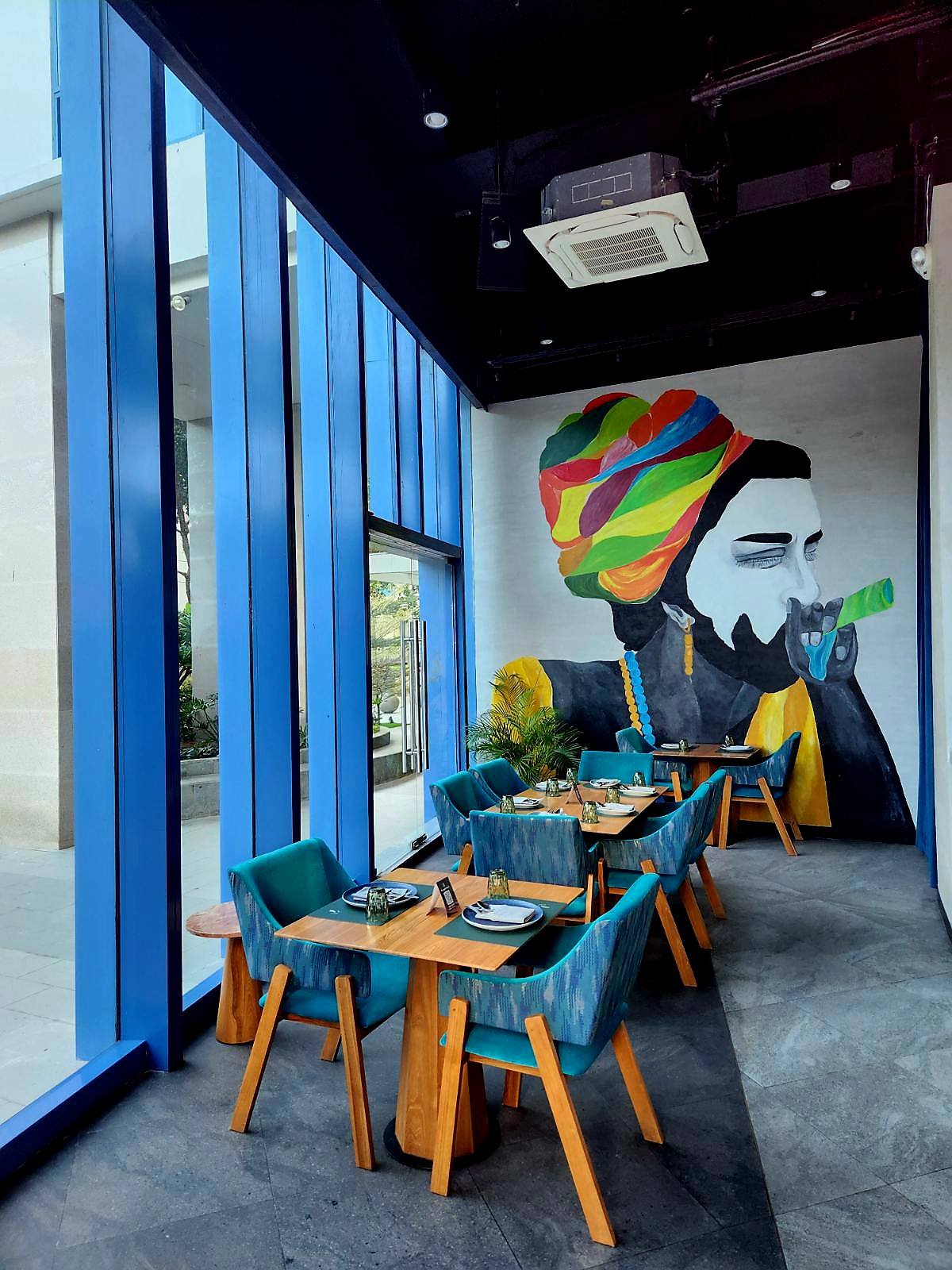
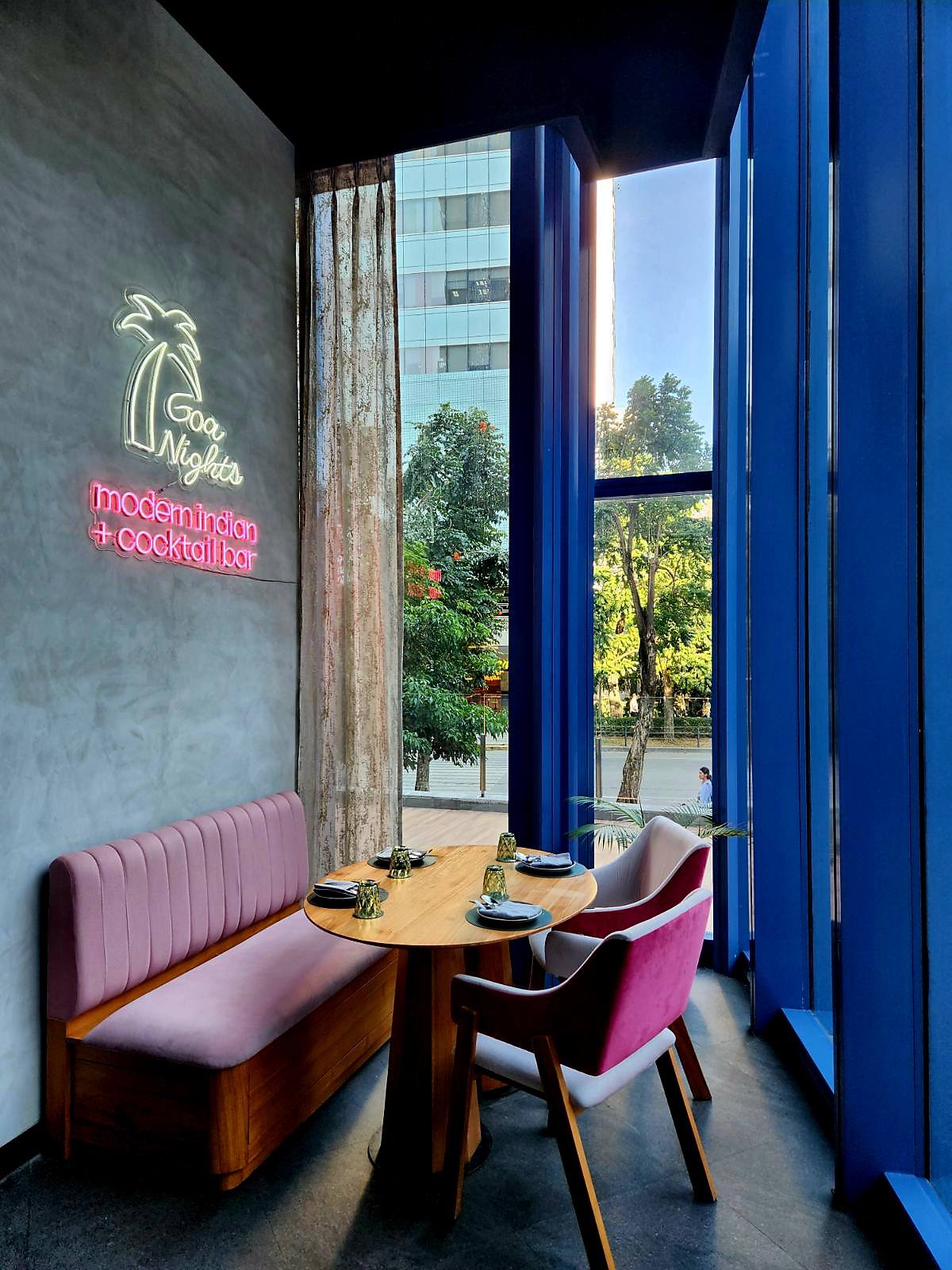
The interior design of Goa Nights borders on the minimalist with a striking use of contrasting color hues.

In February 2024, Goa Nights found a second home in Cebu, bringing the same dauntless spirit with its modern Indian dishes and curated cocktails. Owners Gagan Sethi and Gwen Trott set out to create a rarefied yet relaxed atmosphere, blending current twists on Indian gastronomy with distinctive beverage pairings.

The menu, created by Chef Luis Cipriano, finds its voice by shedding labels and categorizations. Instead, it embraces bold, creative, and globally influenced flavors. “We wanted to keep things fun and a little cheeky, so you’ll find playful twists and the unexpected. It’s still Indian cuisine—but reimagined, new, and highly unpredictable,” the executive chef explains. The food ethos focuses on new techniques and fresh interpretations for an upbeat vibe. Classics are still honored—like the popular set lunch thali, Indian street food bites, comforting favorites like chicken tikka masala, and more dishes from the tandoor—for a clever balance of tradition and innovation. The authenticity of each dish, rooted in its history and culture, transforms every plate into more than just food—it becomes a full experience.

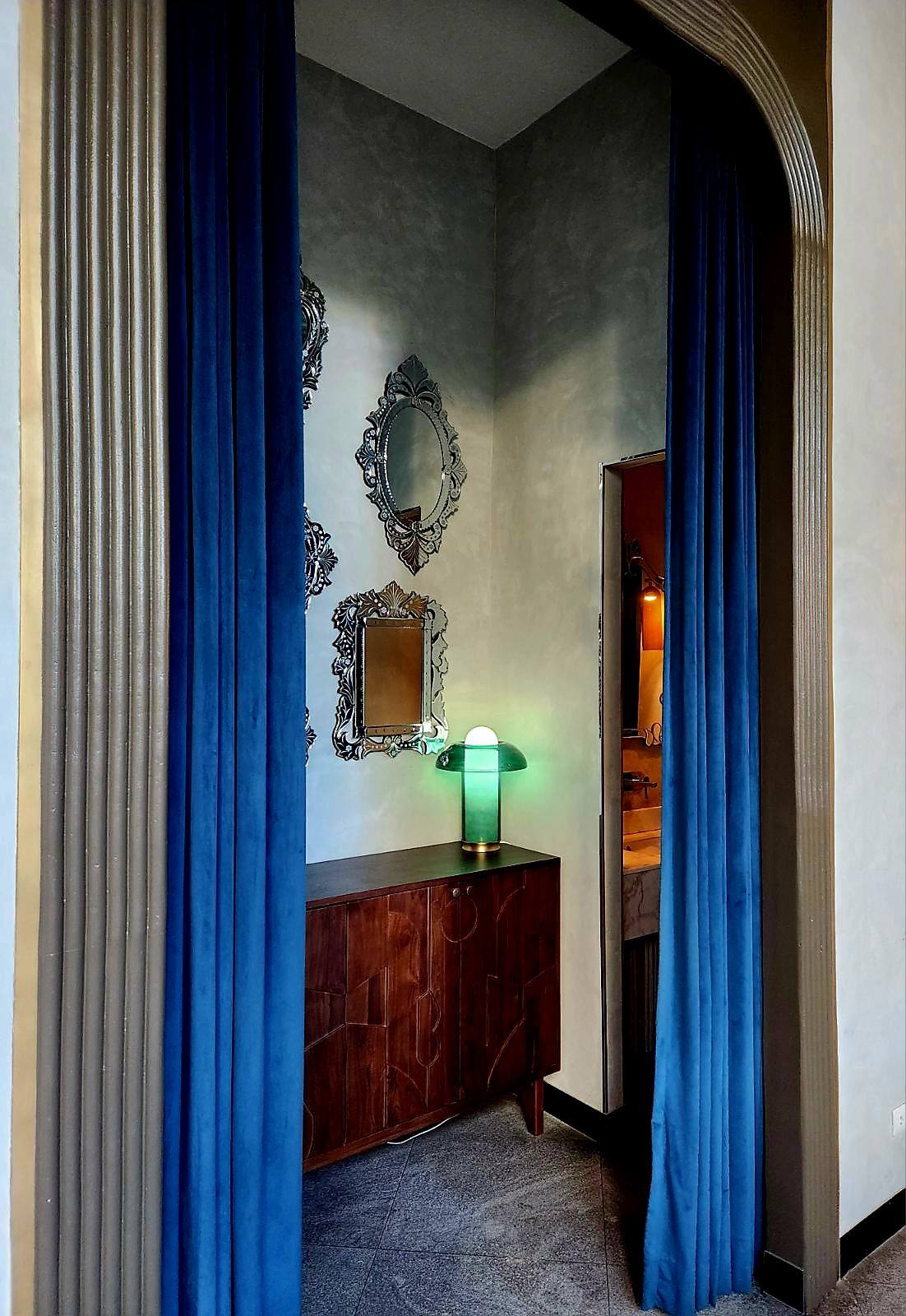
The tall ceiling allows a dramatic entrance to the powder room partitioned by linen damask drapes.

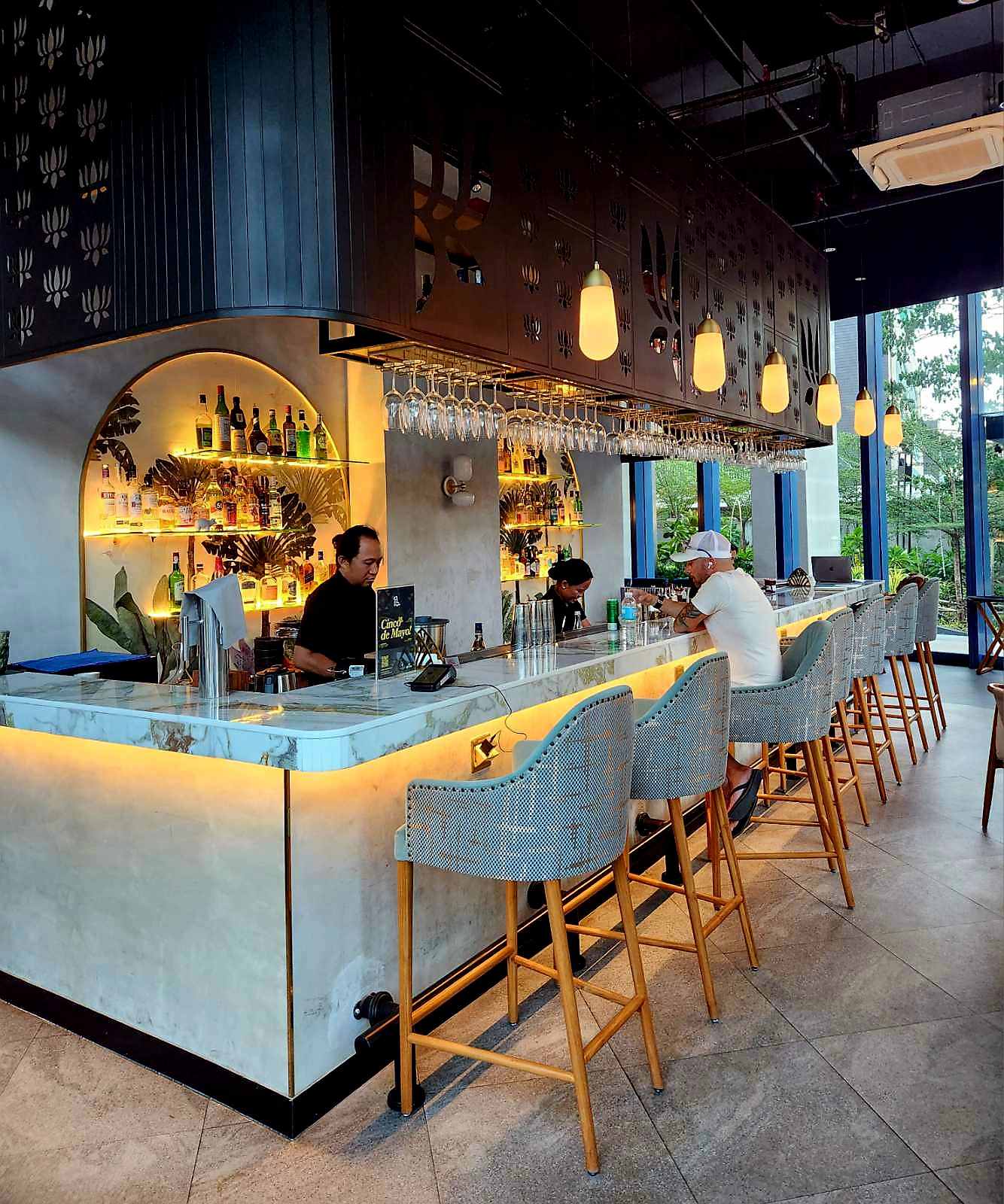
Curated cocktails are served on a well -stocked bar featuring a polished marble counter top.

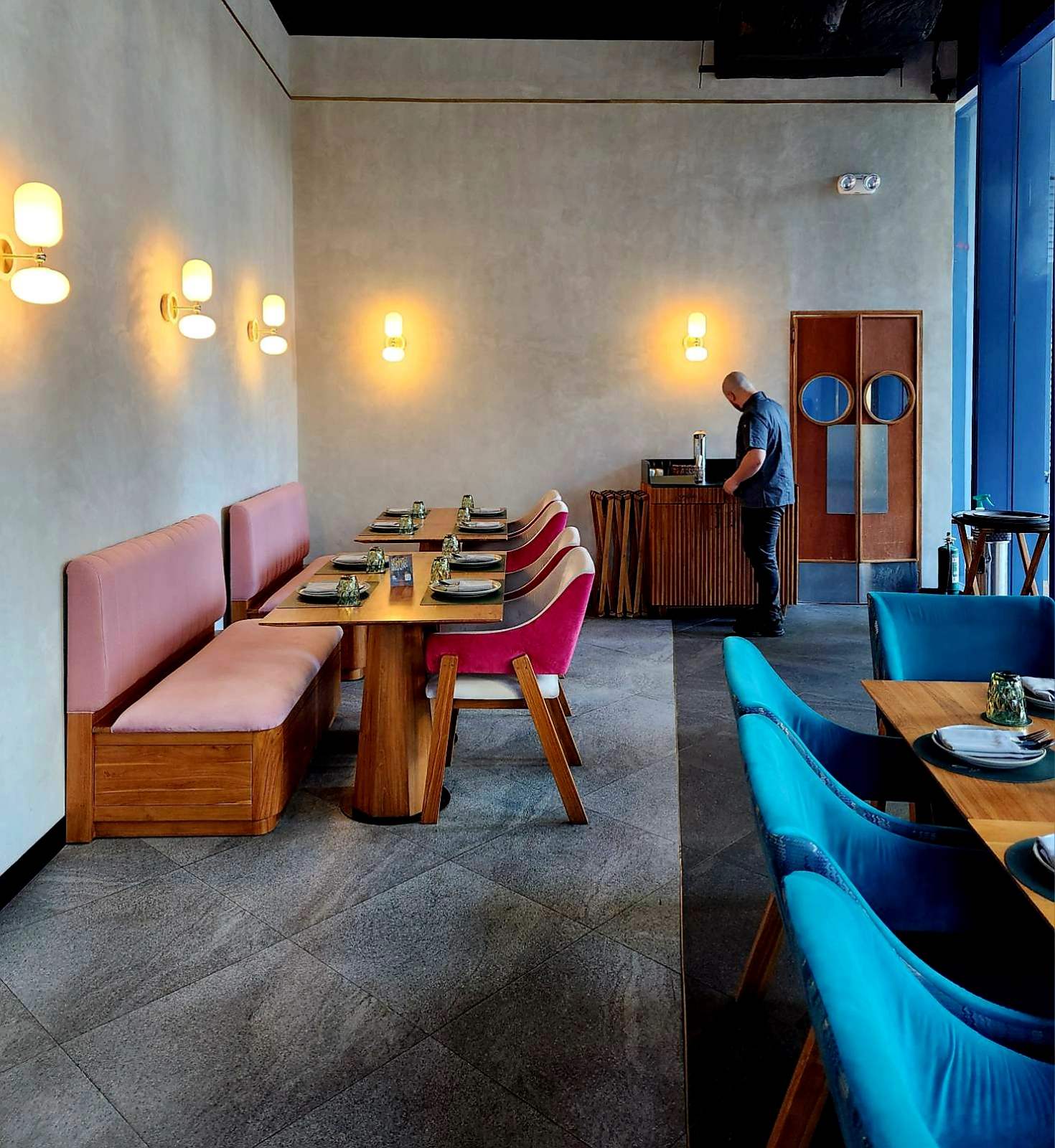
Modernist aesthetics showcase blue -upholstered dining chairs and veneered wooden tables against a visually charged mural.

Blue colored steel beams support glass windows that afford street views from a pink colored banquette setting.

]]>
Hill Station Baguio-Mitos Benitez-Yñiguez Raises the Bar with a Gastronomic Experience in a Cultural Heritage Building https://zee.ph/hill-station-bagiuo-mitos-benitez-yniguez-raises-the-bar-with-a-gastronomic-experience-in-a-cultural-heritage-building/ Sun, 01 Jun 2025 18:49:08 +0000 https://zee.ph/?p=36592 by Jing Ramos

This iconic restaurant was named Hill Station because of the building’s personal history. Casa Vallejo was built in 1909 as a dormitory for Japanese engineers and workmen who were responsible for the construction of Kennon Road under the American regime at the turn of the last century. The Americans invested in road construction to improve Baguio’s infrastructure.

The upholstery of the dining chairs similar to the color palette of the curtains are a suggestion by Lulu Tan Gan.

Hill stations were usually located in high-altitude areas with a predominantly subtropical climate, similar to other hill stations found in Sri Lanka and India during the British colonial period. Baguio was established as a hill station by the Americans primarily for its cooler climate, which proved ideal for their military servicemen in need of rest and recreation. The hill station also served as a recovery location for men stricken with viruses such as dengue and malaria, often picked up in the lowlands.

Owner and chef Mitos Benitez-Yniguez.

“So my concept for the restaurant—being inside and part of an old historical building such as our setting—was to build a menu that reflected the times when indeed it was a hill station,” owner and chef Mitos Benitez-Yñiguez explains the challenge of creating the restaurant’s fabled menu. “Spanish and Mediterranean food for Spanish colonial times, American colonial when it switched over, Filipino with a twist reflecting our mestizo roots. And basically, I like to introduce certain dishes from my travels around the world. Hence, some entries are North African, some European, Sri Lankan, Thai curries—whatever was inspirational in my travels and the taste of their local food.”

The curtains in swaths of grey and burnt-sienna fabrics are by Jiro Estaniel.

The interior décor of Hill Station Baguio harks back to the American colonial period: painted in all white, with high ceilings and exposed wooden beams in natural tones. This time around, the space has a spruced-up look, with the ceiling redone in a deep shade of taupe. The drapes around the restaurant were designed by interior designer Jiro Estaniel in swaths of grey and burnt sienna fabric. The upholstery of the dining chairs, in a similar color palette, was suggested by fashion designer Lulu Tan Gan.

The buntings hanging on the wooden beams are called banderitas.

There were also multicolored buntings hanging from the wooden beams, called banderitas. Installed by the waitstaff and some bakers from the kitchen every summer for a festive touch, Mitos explains the process of seasonal changes in the restaurant’s look:

“When the monsoon season begins and it starts to pour—usually around July and August—we change the look to classic off-white curtains to brighten up the entire floor. At Christmastime, the restaurant’s look changes again, and we set it up with vintage Capiz shell lanterns in diamond shapes for a totally festive look.”

Hill Station has an extensive collection of black and white photographs by important artists.

The most important facet of the restaurant’s décor is the extensive black-and-white photography by Mitos’ husband, Boy Yñiguez, and his friends and colleagues—giving the space a deeply personal touch. The photographs mounted on the walls are silver prints from the 1970s to the 1990s, all of which are valuable and irreplaceable.

There are works by Tommy Hafalla, famous for his images of people and rituals from the Cordilleras; portraits by Wig Tysman; architectural photographs by Boy Yniguez; and a striking series by Charlie Lenoir featuring Ifugao women and traditional huts. There’s even an Ansel Adams original tucked unobtrusively among the artworks.

The restaurant has a view of a pocket garden right in the midst of Baguio central.

]]>
Art Beat–Maris Holopainen returns to the Original Qube Gallery Crossroads with a Smash Hit in Unscattered Voices https://zee.ph/art-beat-maris-holopainen-returns-to-the-original-qube-gallery-crossroads-with-a-smash-hit-in-unscatteted-voices/ Mon, 28 Apr 2025 18:38:29 +0000 https://zee.ph/?p=36526 by Mia Durano

After a period of reconsideration and restructuring, Qube Gallery opens its doors once again at Crossroads, Cebu — its original home — with a new curatorial direction. This reopening signals a clear shift from event-driven programming to purpose-fueled representation and deeper cultural engagement. With a focus on long-term artist support and a commitment to thoughtful, locally grounded art exhibitions, Qube Gallery repositions itself as a platform for contemporary practices that speak with clarity and intent.

We Are So Much More Than Our Scars, 2021 | Sio Montera | Mixed Media on Canvas; Seek What Sets Your Soul on Fire, 2023 | Sio Montera | Mixed Media on Canvas.

Director of Qube Gallery, Maris Holopainen, is emphatic:
“This isn’t just a reopening — it’s a return to intention. At Qube Gallery, we have chosen to move more deliberately, with focus and care. It’s no longer about keeping pace, but about creating space for artists to grow, for ideas to deepen, for practice to unfold with meaning. Cebu remains our anchor, but our conversation is widening — reaching across disciplines, communities, and contexts. This moment is a distillation of what matters: a commitment to clarity, care, and presence in the works we show, the people we stand behind, and the stories we choose to tell.”

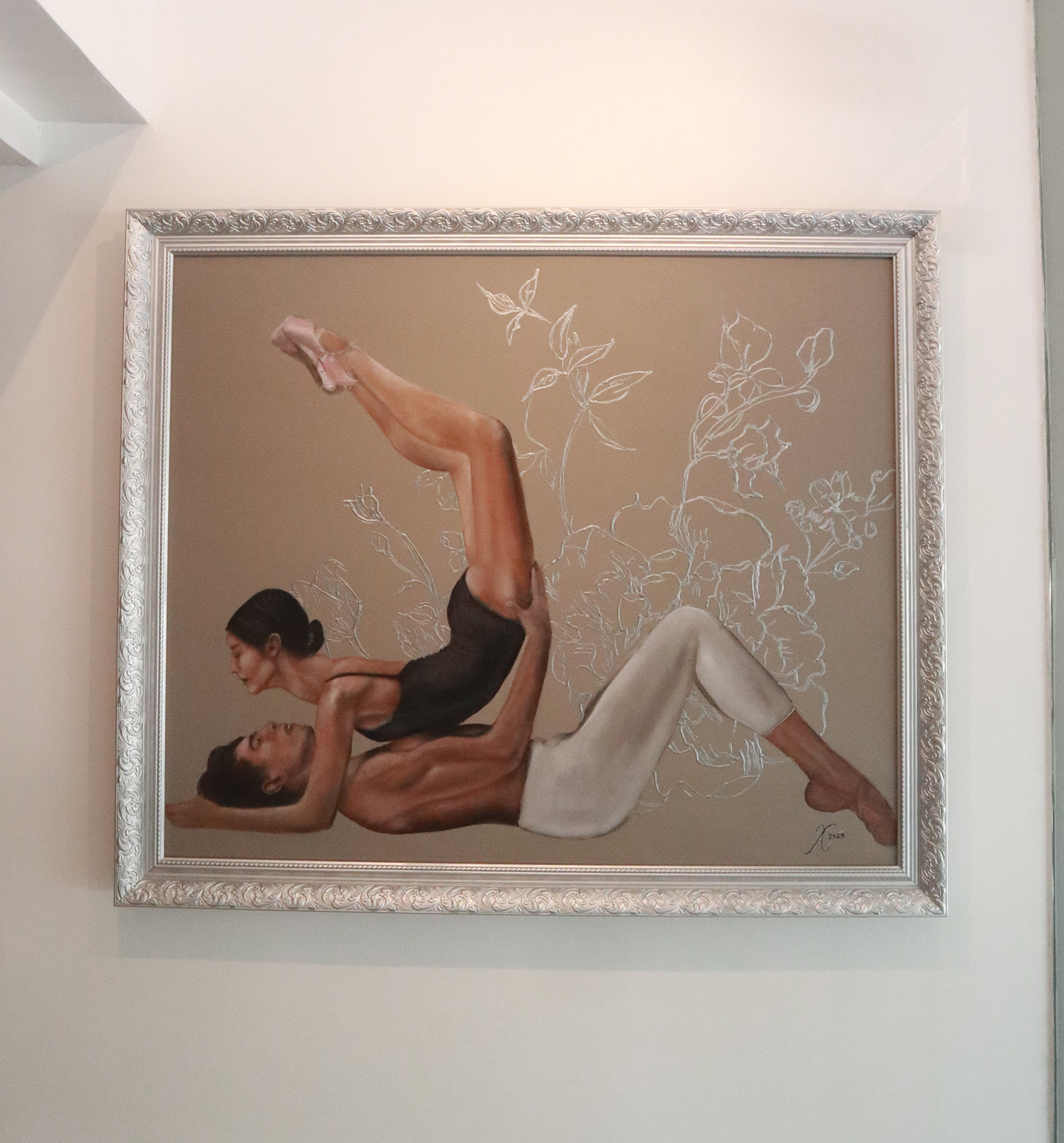
Stillness, 2025 | Xandrine | Acrylic and Oil on Canvas.

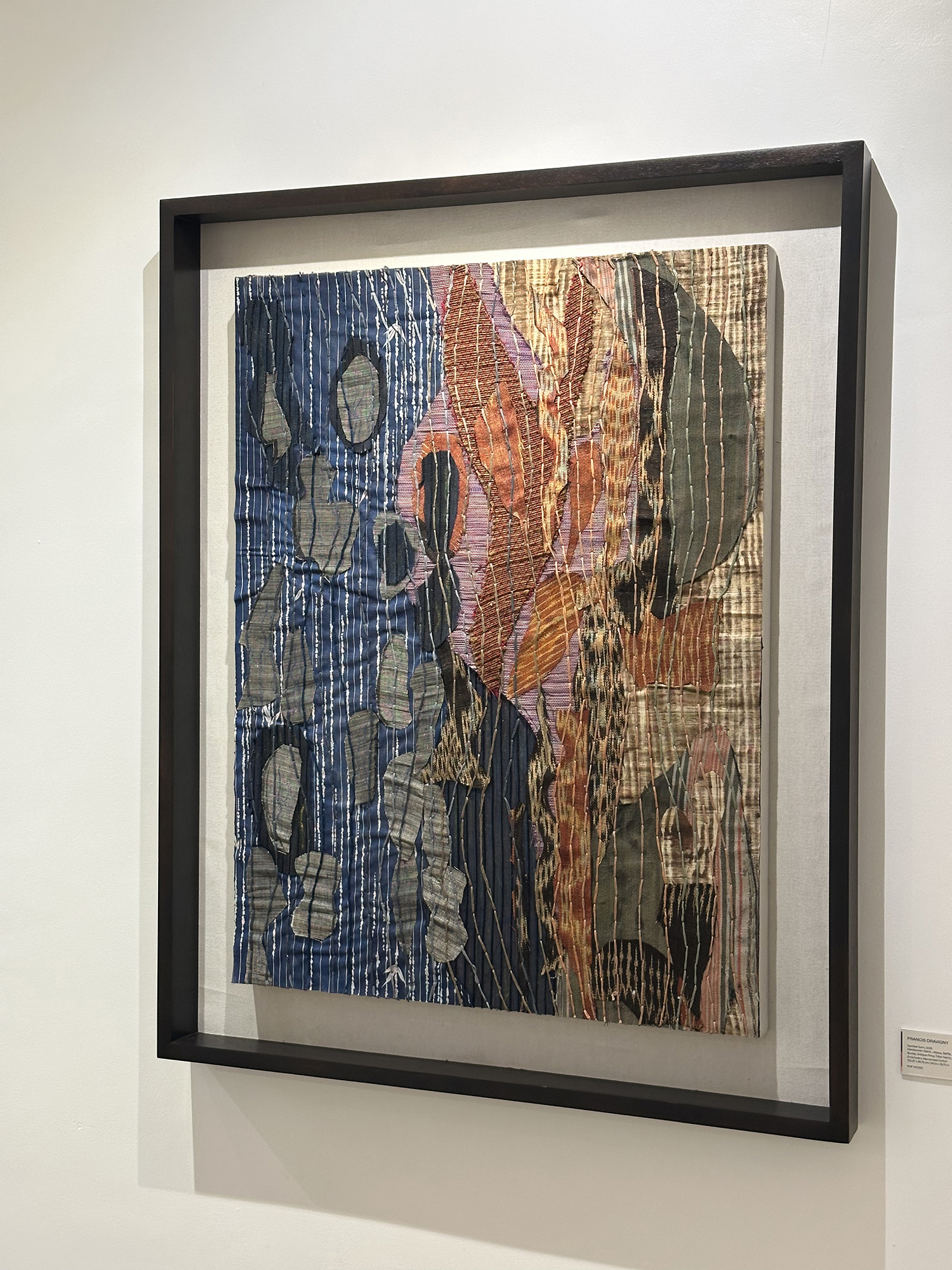
Spotted gum, 2025 | Francis Dravigny | Handwoven Fabric, Abaca, Raffia, Buntal, Antique Pinoy tribe fabric, hand embroidery mercerized cotton.

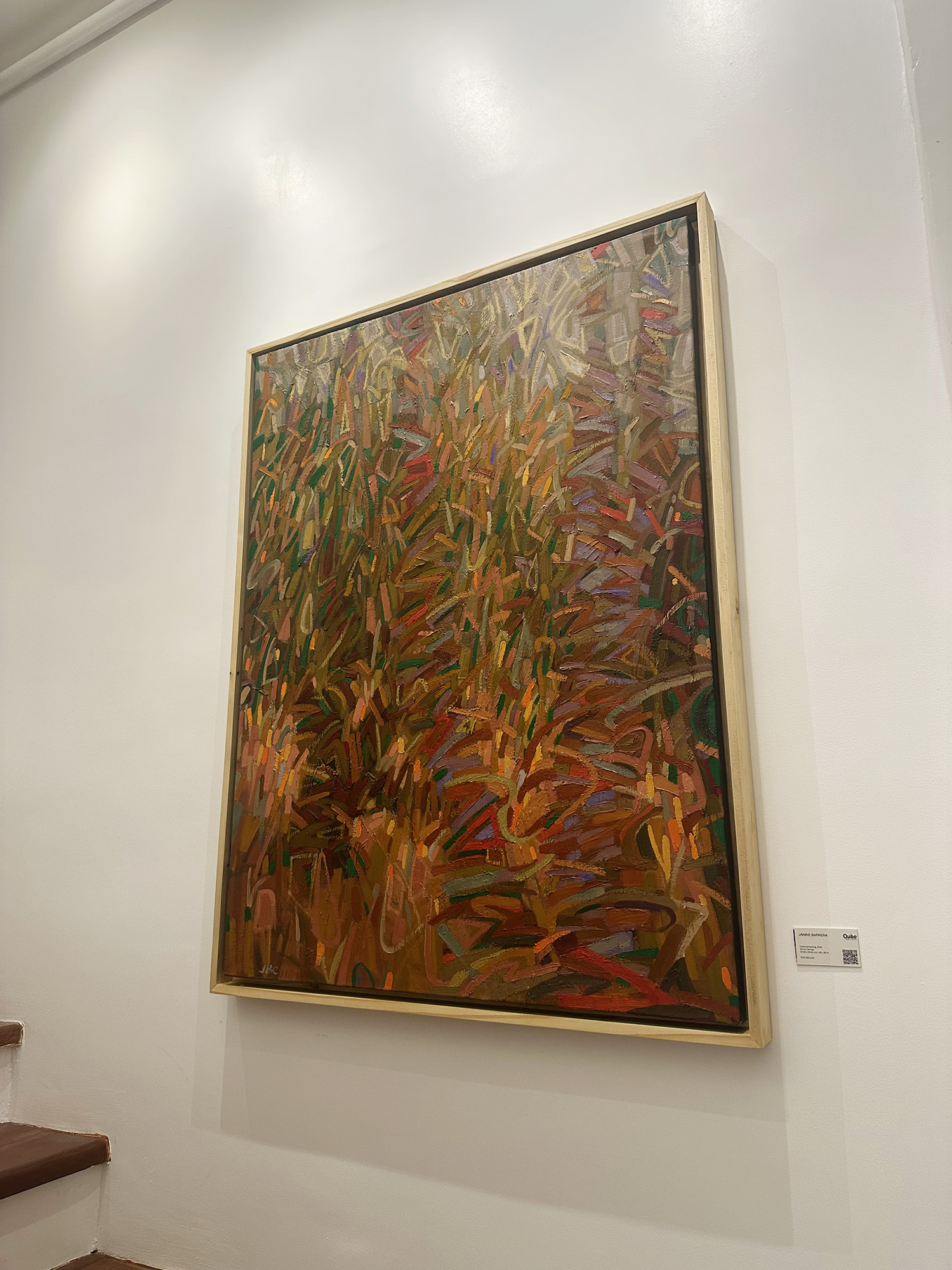
The reopening exhibition, Unscattered Voices, sets the tone, featuring works by Sio Montera, Francis Dravigny, Jewelle Yeung, Amanda Luym, Golda King, Janine Barrera, and Xandrine. The show brings together seven distinct voices whose disciplines are rooted in material, memory, and form.
This moment marks more than just a return — it’s a reset. Qube Gallery moves forward with a curatorial mandate that extends beyond the gallery walls, emphasizing artist-led narratives, cross-industry collaboration, and meaningful placement within both local and global contexts.

Interconnecting | Janine Barrera | Oil on Canvas.

📍 Qube Gallery, Crossroads Mall, Banilad, Cebu City
📞 +63 956 839 4598 | ✉ info@qubegallery.ph

]]>
Chaos and Clarity: Zen Aesthetic in Oj Hofer’s Art https://zee.ph/chaos-and-clarity-zen-aesthetic-in-oj-hofers-art/ Wed, 02 Apr 2025 13:38:27 +0000 https://zee.ph/?p=36445 by Jing Ramos |

Oj Hofer, our fashion contributing editor, is a Fine Arts graduate from the University of the Philippines. Though he began painting at the age of eight, his artistic journey took a transformative turn in 2013. While volunteering as a costume designer for Siddhartha: The Musical, he encountered Venerable Master Hsing Yun’s One-Stroke Calligraphy, sparking a deep devotion to Japanese sumi-e painting and kanji calligraphy. Over the years, he refined his craft, using his art to share the Dharma through exhibitions while supporting the Hsing Yun Educational Foundation. In 2022, his spiritual path deepened at Nan Tien University, where he embraced Zen and Humanistic Buddhism, shaping his artistic philosophy.

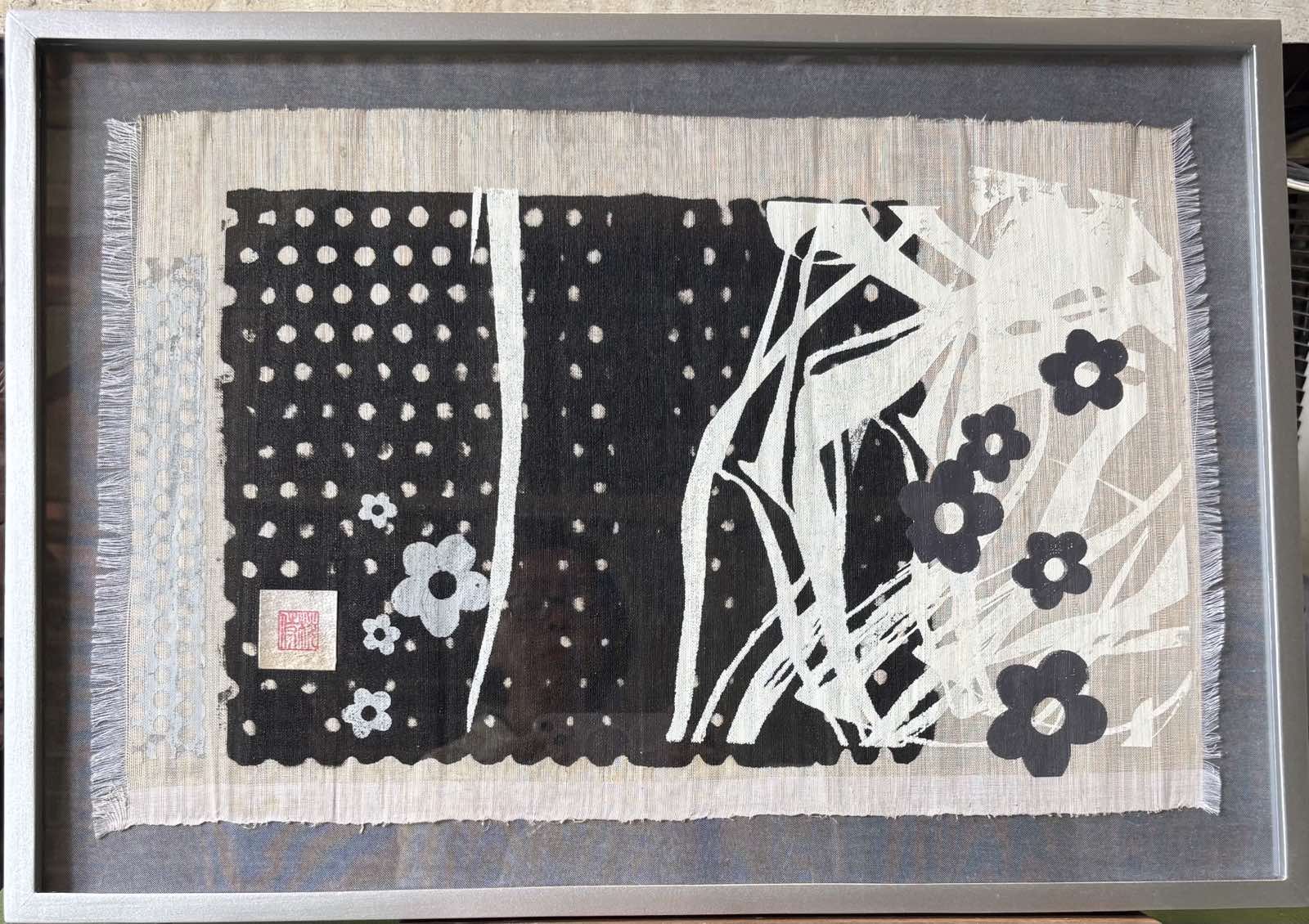
“Plum Blossoms in Moonlight.” Serigraphy on abaca.

In his recent works, Hofer merges traditional calligraphy with serigraphy, drawing inspiration from his friend Charles Lahti—an internationally recognized New York-based painter and printmaker. Lahti, known for his collaborations with post-war American artists like Robert Rauschenberg, Donald Judd, Andy Warhol, and LeRoy Neiman, introduced Hofer to silkscreen techniques. Through a workshop Lahti conducted in Cebu—arranged by their mutual friend Greg Urra—Hofer integrated silkscreen into his Zen artworks, particularly those on abaca.

“The Circle of Harmony” Serigraphy and Calligraphy on abaca.

Hofer’s cross-disciplinary approach challenges conventional Zen aesthetics. His layered paintings on abaca may seem far from tranquil at first glance, but closer contemplation reveals a meditative core. His serigraph of an Enso circle, for example, initially appears chaotic, filled with Tang Dynasty poetry and overlapping, repetitive forms. Yet, by focusing on a single calligraphic element, the viewer experiences a moment of clarity—a glimpse of awakening within the visual complexity.

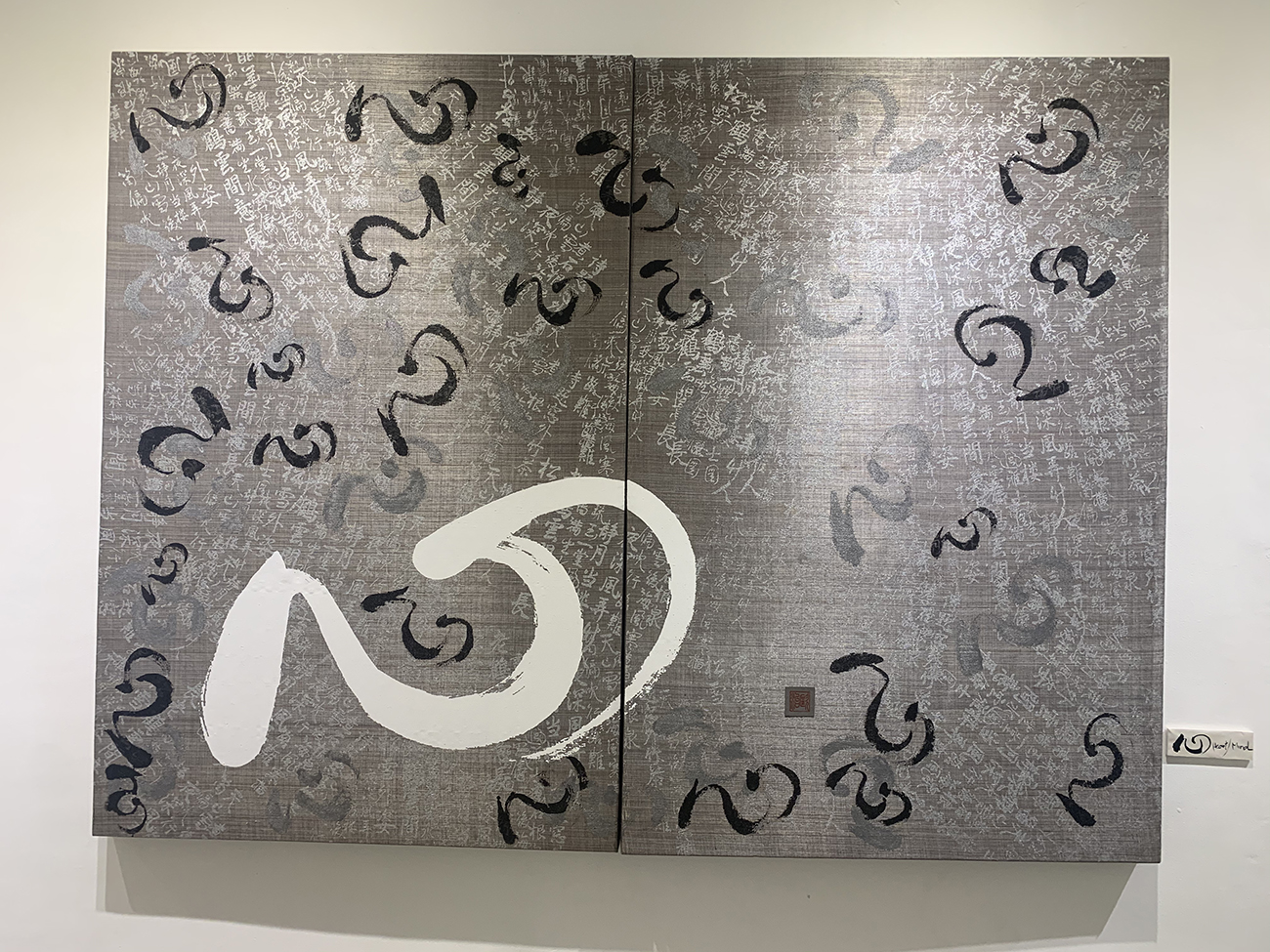
“Monkey Mind” Serigraphy and Calligraphy on abaca.

Even more engaging is his diptych Monkey Mind. At odds with the traditional Zen emphasis on negative space, this piece is deliberately busy, reflecting the restless nature of the mind. A distracted viewer may struggle to find a focal point, but one attuned to emptiness and presence will perceive clarity amidst the seeming disarray.

Ink and intention—creating calligraphy in support of one of my advocacies.

By fusing Zen philosophy with the discipline of serigraphy, Hofer invites his audience to look beyond surface impressions and discover stillness within movement, balance within complexity. His art does not merely depict Zen—it embodies the paradoxes at its core, offering a path to mindfulness through the act of seeing and the experience of doing.

]]>
Animula: Emma Gomez’s New Destination Restaurant Opens in Tagbilaran, Bohol https://zee.ph/animula-emma-gomezs-new-destination-restaurant-opens-in-tagbilaran-bohol/ Mon, 17 Mar 2025 18:15:34 +0000 https://zee.ph/?p=36388 By Jing Ramos

Animula, taken from the Latin word meaning “little soul,” engages deeply with the consciousness of mindful eating. Each entry of the menu at Animula is crafted as a vibrant narrative celebrating the symbiotic relationship between land and sea. This culinary jargon is enriched by the Tagalog words “ani” (harvest) and “mula” (beginnings), setting a blueprint towards sustainable gastronomy and respect for ancestral culinary traditions.

The restaurant’s interior is an intricate fusion of design, featuring bespoke furniture and lighting fixtures by acclaimed designer Kenneth Cobonpue. These carefully curated elements, combined with luxurious textiles from artist Francis Dravigny, create an atmosphere of sophistication and tranquility. The graphic design by Andronik Poloz enhances this immersive experience, allowing diners to connect with the stories behind each dish, rooted in Bohol’s rich cultural heritage.

The interior of the restaurant combines Philippines’ rich cultural heritage with a contemporary twist

Walnut and broccoli pasta

Set in the laid-back coastline of Tagbilaran, the Animula Tasting Room and Outdoor Lounge stands as a beacon of culinary innovation. With breathtaking views of Panglao Island across the water, diners are encouraged to engage in the mindful practice of savoring bites on plates that reflect the intrinsic nature of the farm-to-table philosophy. The entries on the menu showcase locally sourced ingredients, promoting the idea that dining can be a meaningful and conscientious experience.

Emma Gomez ‘s Animula stands as a beacon of culinary innovation.

In a conversation with Emma Gomez, the creator of Animula states that, “By prioritizing ethical sourcing practices, Animula not only curates extraordinary culinary journeys but also strengthens bonds with local agricultural and fishing communities.” At Animula, mindful eating transcends mere consumption—it becomes a celebration of life, culture, and community, inviting diners to reflect on their role in nurturing the world around them.

Location: Magat Building,VP Inking Avenue, Barangay Mansasa, Tagbilaran ,Bohol, Philippines

Mobile No. 09395367739

]]>
Walking on Eggshells: Danny Rayos del Sol, the Philippines’ Lone Ostrich Eggshell Artist https://zee.ph/walking-on-eggshells-danny-rayos-del-sol-the-philippines-lone-ostrich-eggshell-artist/ Fri, 07 Mar 2025 10:41:54 +0000 https://zee.ph/?p=36355 by Jing Ramos

Danny Rayos del Sol’s extensive background in the country’s artistic milieu has played a crucial role in fostering a highly spirited community that thrives on collaboration and creativity. He is quite known as the former head of the National Committee for Art Galleries under the National Commission for Culture and Arts. He also curates for ManilArt, the National Art Fair, and the Annual Sculpture Review. As a cultural worker, he has been a mentor for various artists as well as spearheading the establishment of the Luzon, Visayas, and Mindanao Art Fairs.

“Mag-Ina” | Medium: Ostrich Egg Shell | Size: 6.5″

Consequently, Danny Rayos del Sol found himself immersed in the actual creative process of his own artwork. His medium is perhaps one of the most unusual in the current sculpture art style. Ostrich eggshells are known for their thickness and strength, making it possible for the artist to work on the material with detailed geometric patterns in the utmost delicacy. The size of the ostrich egg, which can be up to 15 centimeters in diameter, allows the artist to create texture incisions in various depths with some designs cut directly on the eggshell.

This year, Visayas Art Fair 5 honors the artist’s achievement by showcasing his current works that define the nation’s cultural landscape. The artist’s body of work portrays images and patterns suggesting norms and derivatives concurrent to folk and contemporary iconography. His narratives on peace, freedom and spirituality has shaped his aesthetics that is uniquely Filipino and elevated it into fine art.

]]>